
Top 10 Types of Insulators and Their Uses

Time:2026-11-09 Author:Mason
0%

Insulators rarely attract attention until heat escapes through a wall or a power line must withstand rain and wind. Yet the right material can improve safety, efficiency, and equipment life. This guide to the Top 10 Types of Insulators explores materials used in electrical systems and buildings, from porcelain and glass to fiberglass, foam, and rubber. Their jobs differ, but each limits an unwanted transfer of electricity or heat.

High-voltage engineering scholar George G. Karady has written extensively about electrical insulation. A practical paraphrase of his work is: “Choose insulation for the stresses it must withstand, not just its appearance or basic rating.” That means considering voltage, temperature, moisture, mechanical load, and aging. A ceramic component near an outdoor substation faces different conditions from foam inside a dry wall cavity. Small details matter.

The sections ahead explain where common insulator types are used, what they do well, and where they may fall short. Some materials resist heat but need careful handling; others are affordable but degrade under ultraviolet light or moisture. No single choice fits every job. Real installations also depend on design, testing, and qualified professional judgment. This overview is a starting point, not a substitute for product specifications or site assessment. Even a neat comparison chart can hide important differences.
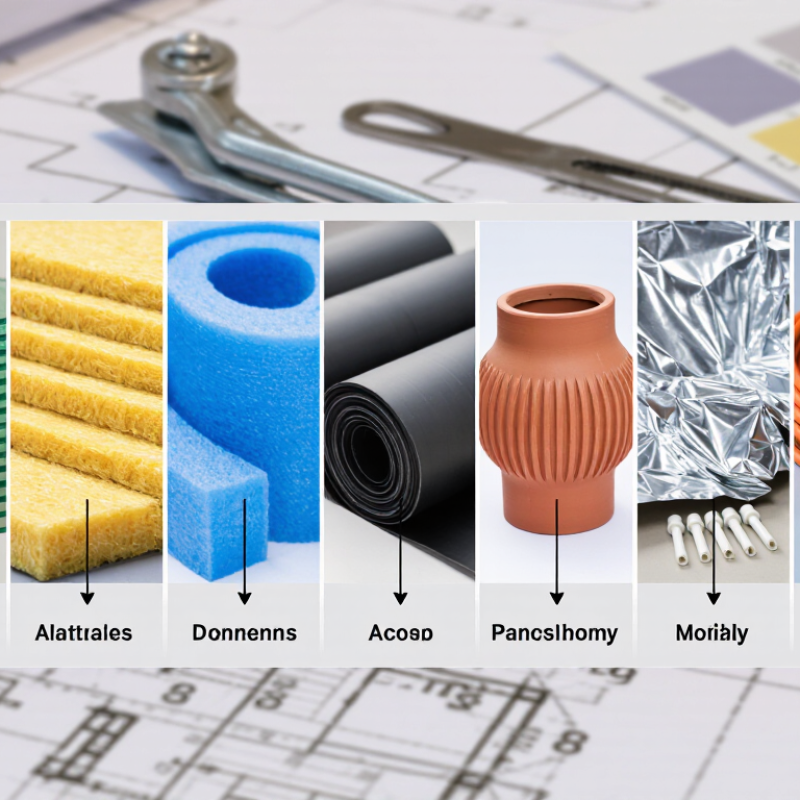
Top 10 Types of Insulators and Their Uses

What Insulators Are and How They Work

An electrical insulator is a material that resists the movement of electric charge. In metals, electrons move freely; in materials such as glass, ceramic, and many polymers, they are held more tightly. This makes it harder for current to pass between conductive parts. The resistance is strong, not absolute. No material is perfect.

When voltage creates an electric field, an insulator can become slightly polarized: its internal charges shift a tiny distance without flowing through the material. This helps separate conductors, as the coating around a wire does. It also helps prevent a metal support from carrying current away from an energized line. The details matter.

Insulators have limits. Excessive voltage can break down a material and create a conductive path. Moisture, dust, cracks, or aging can also let current creep across a surface; a damp outdoor insulator may need greater spacing than a clean indoor one. Engineers select materials and dimensions for the voltage, temperature, and environment involved. I find “insulator” can sound like a guarantee, but it describes resistance under specified conditions, not immunity to failure.

Key Properties That Distinguish Insulator Types

Insulators are distinguished by more than their ability to block current. Porcelain and glass resist heat and weather but can crack under impact. Silicone-rubber composites are lighter and shed water well, yet surface aging and pollution can reduce performance. Air and dry gases separate live parts through clearance; oil and paper help insulate transformer windings. Mica tolerates heat in rotating machines, while rubber protects flexible wiring. Vacuum is used inside switching equipment. Each material has limits.

Surface tracking resistance is one useful comparison. IEC 60112:2020 groups materials by comparative tracking index: Group I is at least 600 V, Group II spans 400–599 V, and Group IIIa spans 175–399 V. This test measures resistance to conductive paths forming on a contaminated, wet surface. It does not predict every field failure. That distinction is easy to miss.

Electrical stress also depends on geometry and installation. IEEE Std 4-2013 defines a standard lightning impulse waveform with a 1.2-microsecond front and 50-microsecond time to half-value, supporting repeatable high-voltage testing. A ceramic unit may perform well in a clean test but struggle with salt deposits or damaged glaze. Composite designs can reduce weight, but their fittings and interfaces need careful inspection. No material wins everywhere. Selection should match voltage, temperature, moisture, pollution, and mechanical load—and those conditions are sometimes estimated imperfectly.

Top 10 Types of Insulators and Their Uses

Top 10 Types of Insulators and Their Uses

Insulators keep electrical current on its intended path while supporting conductors and equipment. Their choice depends on voltage, weather, mechanical load, and installation design. Porcelain pin insulators support conductors on lower-voltage poles; glass and porcelain suspension insulators hang from high-voltage lines. Composite suspension insulators use a lightweight polymer housing, while line-post and station-post insulators support conductors or busbars on poles and in substations. Strain insulators handle high pulling forces at dead ends and sharp turns. Shackle insulators secure low-voltage wires to poles or building brackets. Bushings carry conductors through grounded equipment walls, such as transformer tanks. Feedthrough insulators provide a similar passage through panels and enclosures. Stay insulators isolate guy wires that brace poles. Small details matter.

The U.S. Department of Energy’s 2023 National Transmission Needs Study projects that transmission capacity needs could rise 57% by 2035 under its high-demand scenario, compared with 2020. That growth makes dependable insulation increasingly important, though the report does not measure insulator demand directly. In field selection, inspect for chipped porcelain, cracked glass, damaged polymer sheds, and contamination that can create leakage paths. Salt, dust, and moisture change performance. The categories can overlap: a post insulator may serve a line or a substation, depending on its design and rating. That distinction is easy to miss. Always verify voltage and mechanical ratings against the equipment specification and site conditions.

Insulators Across Electrical, Thermal, and Acoustic Applications

Insulators serve different purposes depending on what needs to be controlled: electric current, heat, or sound. Porcelain and glass insulators support overhead wires, while polymer types are often used on outdoor equipment because they are lighter. Mica can separate electrical components that face high temperatures. Rubber and plastic sleeves protect cables from contact and abrasion. Small details matter. Dust, moisture, cracks, and poor installation can weaken performance, so inspection is part of safe use.

Thermal insulators slow heat transfer through walls, roofs, pipes, and appliances. Fiberglass and mineral wool trap air within their fibers; rigid foam boards can reduce heat loss in building cavities. Ceramic fiber suits certain high-temperature industrial settings, but its handling and installation require appropriate safeguards. No material is best everywhere. Thickness, temperature range, moisture exposure, and fire rating all affect the choice.

Acoustic insulators help limit noise by absorbing sound or reducing vibration paths. Mineral wool inside a partition can soften speech and echoes, while resilient rubber pads beneath equipment may reduce structure-borne vibration. Foam panels can improve room acoustics, but they do not automatically block noise passing through a wall. That distinction is easy to miss. In practice, gaps around doors, ducts, and outlets can undermine an otherwise careful design. Testing the finished space may reveal problems that material labels cannot.

How to Select the Right Insulator for a Project

Selecting an insulator starts with the electrical conditions, not the material’s appearance. Record the system voltage, frequency, expected surges, and required clearances. Porcelain and glass are common for outdoor line supports, while polymer insulators can reduce weight and resist impact. Ceramic parts often suit rigid supports or equipment enclosures. These are starting points, not automatic answers.

Next, examine the setting. Salt spray, industrial dust, ultraviolet exposure, moisture, and temperature changes can affect service life. A polymer unit may be easier to handle on a rooftop, yet its surface and seals still need inspection. Porcelain is rigid, but impact damage may be difficult to spot from the ground. Details matter. Check creepage distance, mounting dimensions, mechanical loading, and the applicable test data against the project specification.

A frequent mistake is choosing by voltage rating alone. The insulator must also withstand wind, vibration, conductor tension, and installation stresses. Measure the available space, then confirm ratings and environmental limits in current technical documents. For critical equipment, have a qualified electrical engineer review the selection. One detail is easy to miss: cleaning methods can affect some surfaces. Selection can feel less certain when site conditions are poorly documented, so record those assumptions before approving a part.

Top 10 Insulation Materials: Typical Thermal Conductivity

Lower thermal conductivity generally means better thermal insulation.

Typical uses: Fiberglass—walls and attics; mineral wool—fire-resistant walls and roofs; cellulose—cavity and attic insulation; EPS—building panels and packaging; XPS—foundations and below-grade walls; polyurethane foam—spray-foam cavities and panels; polyisocyanurate—roofing boards; phenolic foam—insulated panels and ducts; aerogel blanket—thin, space-constrained retrofits; cork—walls, floors, and sound insulation.

Values are representative thermal-conductivity figures in W/(m·K); actual performance varies by product, density, moisture, temperature, and installation. Select materials based on required thermal resistance, fire performance, moisture exposure, available space, and local building codes.

FAQS

What does an electrical insulator do?

It resists electric charge moving between conductive parts. Glass, ceramic, and many polymers hold electrons more tightly than metals. No material is perfect.

Can electric current ever pass through an insulator?

Yes. Excessive voltage can break down the material and form a conductive path. Moisture, dust, cracks, and aging can also let current creep across its surface.

Why can an outdoor insulator need more spacing?

Water and salt deposits can make its surface more conductive. A damp, dirty outdoor unit may need greater spacing than a clean indoor one. Conditions matter.

How do common insulator materials differ?

Porcelain and glass resist heat and weather, but can crack from impact. Silicone-rubber composites are lighter and shed water well, though surface aging can reduce performance. Each has limits.

What should be checked when choosing an insulator?

Check voltage, expected surges, frequency, temperature, moisture, pollution, and available clearance. Also confirm creepage distance, mounting dimensions, and mechanical loading. Looks can mislead.

Is voltage rating alone enough to select an insulator?

No. Wind, vibration, conductor tension, and installation stress also matter. A part with a suitable voltage rating may still be wrong for the site.

How can surface contamination affect insulator performance?

Dust or salt can mix with moisture and encourage conductive paths across a surface. Tracking tests offer useful comparisons, but they cannot predict every field failure.

What details are easy to overlook during selection?

Cleaning methods can affect some surfaces, and damage may be hard to spot from the ground. Record uncertain site conditions before approval. I might miss something, too.

Conclusion

Insulators are materials that resist the movement of heat, electricity, or sound. Their performance depends on properties such as conductivity, temperature tolerance, strength, flexibility, and resistance to moisture. Understanding these characteristics makes it easier to compare the Types Of Insulators and see why different materials suit different tasks.

The article explores ten common types and their uses across electrical, thermal, and acoustic applications, from supporting electrical systems to reducing heat transfer or unwanted noise. It also explains how to choose an insulator for a project by considering its environment, required performance, durability, safety needs, and installation constraints. Matching the material to the application helps ensure reliable and efficient results.

Mason

Mason

Mason is a seasoned marketing professional with a deep expertise in the company's offerings and a passion for driving brand awareness. With a strong background in digital marketing strategies, he has an innate ability to connect with diverse audiences and effectively communicate product benefits.......