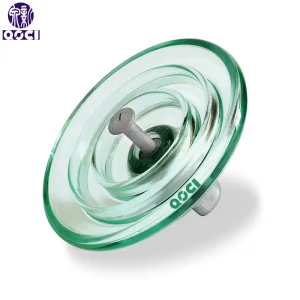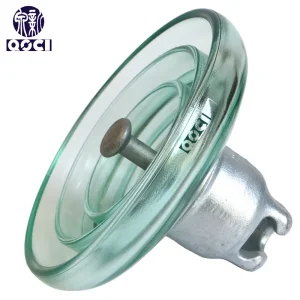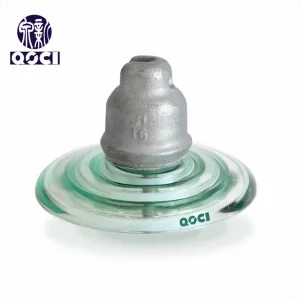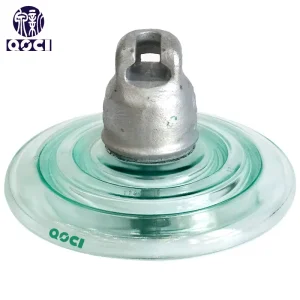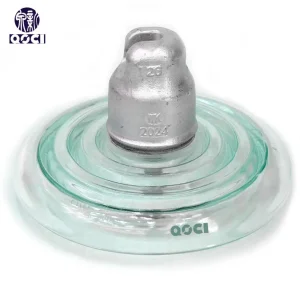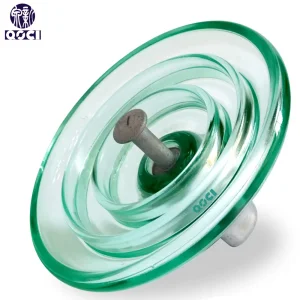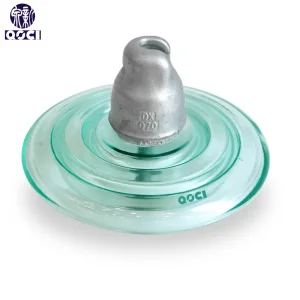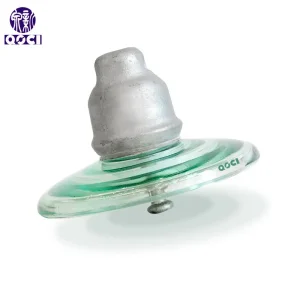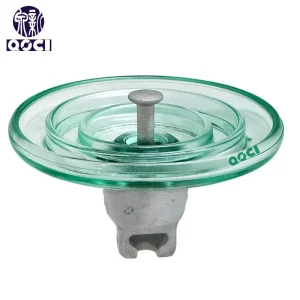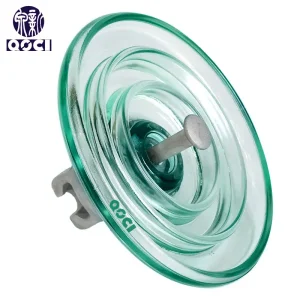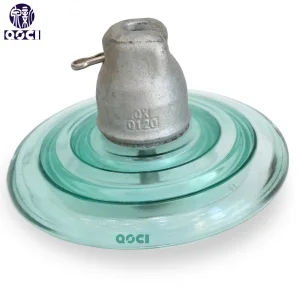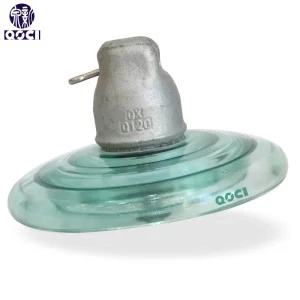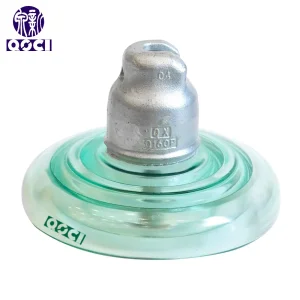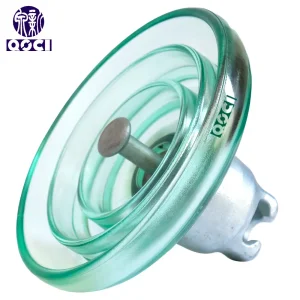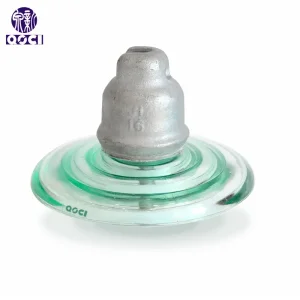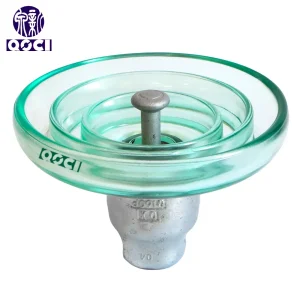
In the global effort to modernize electrical grids, the Standard Type Toughened Glass Insulator remains the bedrock of transmission reliability. Unlike porcelain or composite alternatives, toughened glass offers a unique combination of mechanical longevity and dielectric stability that has become essential for the next generation of High Voltage (HV) and Ultra-High Voltage (UHV) networks.
Standard profile insulators utilize a thermal toughening process that creates high residual compressive stress on the surface. This ensures that the glass shell is virtually immune to the aging effects of electrical stress and ambient temperature fluctuations.
Designed with shallow, well-spaced ribs, the standard profile facilitates natural cleaning by wind and rain. This reduces the risk of pollution flashover in environments with moderate contamination levels, significantly lowering maintenance overhead.
One of the most significant "Information Gains" for grid operators is the "shatter-but-not-fail" characteristic. A damaged glass insulator shatters visibly but retains its mechanical strength, allowing for rapid helicopter or drone inspections without sophisticated testing equipment.
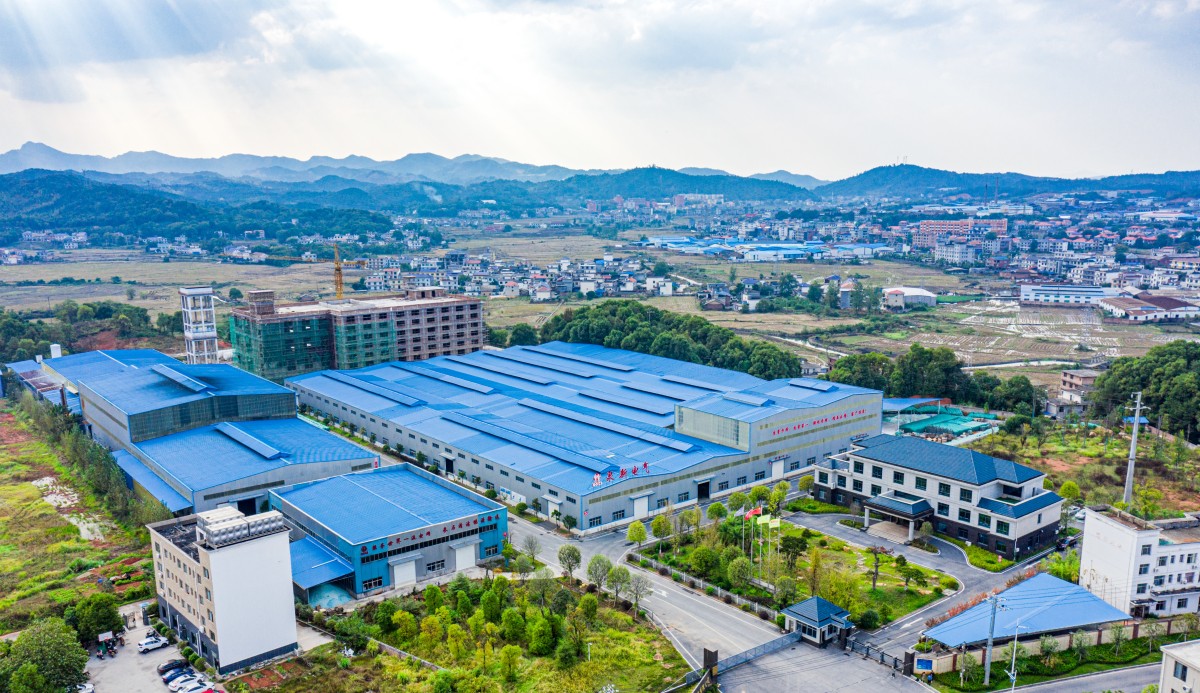
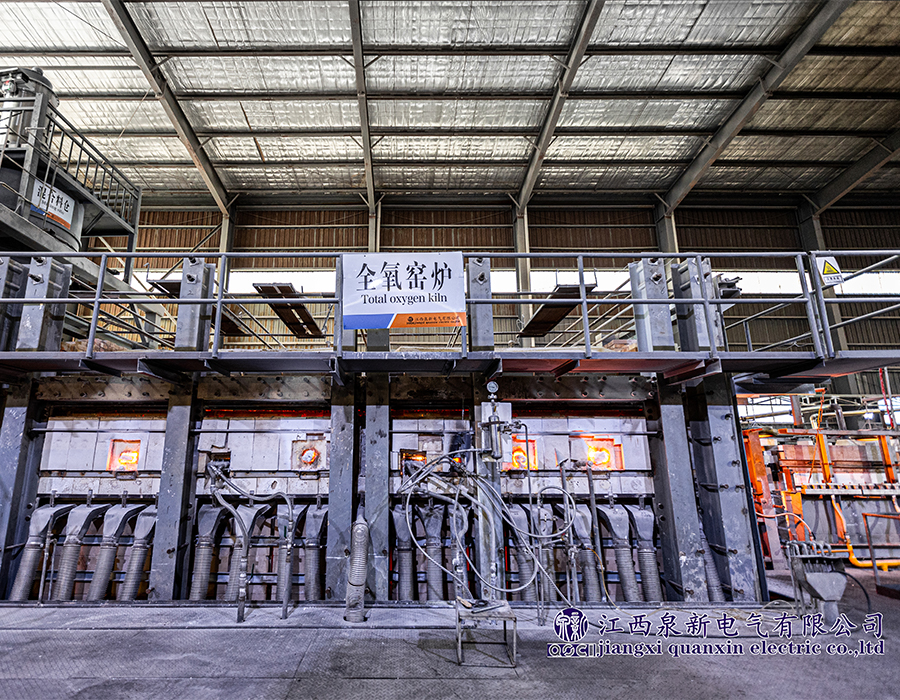
Jiangxi QOCI Electric Co. Ltd, founded in 2002, represents the pinnacle of Chinese Power Grid Manufacturing. Our transition to Industry 4.0 involves automated total oxygen kilns and precision forming presses that eliminate human error in the toughening process.
For global EPC contractors and utility providers, this translates to Supply Chain Resilience. Our registered capital of 508 million Yuan and massive annual capacity ensure that even the largest UHV projects are delivered on time, mitigating the risks of global logistics volatility.
The global industrial landscape is shifting towards decentralized renewable energy. This requires massive expansion of transmission lines across diverse terrains. Standard Type insulators are seeing a resurgence in procurement for several reasons:
Utilities are prioritizing glass due to its 100% recyclability. Unlike composite insulators, glass shells can be repurposed at the end of their 50-year lifecycle, aligning with corporate sustainability goals.
With the rise of Long-Distance HVDC lines, manufacturers like QOCI are optimizing the "Standard Type" to handle specific ionic migration challenges in DC fields, ensuring stable performance across continents.
While initial costs may vary, the near-zero maintenance requirement of toughened glass makes it the most cost-effective solution over a 40-year grid lifespan.
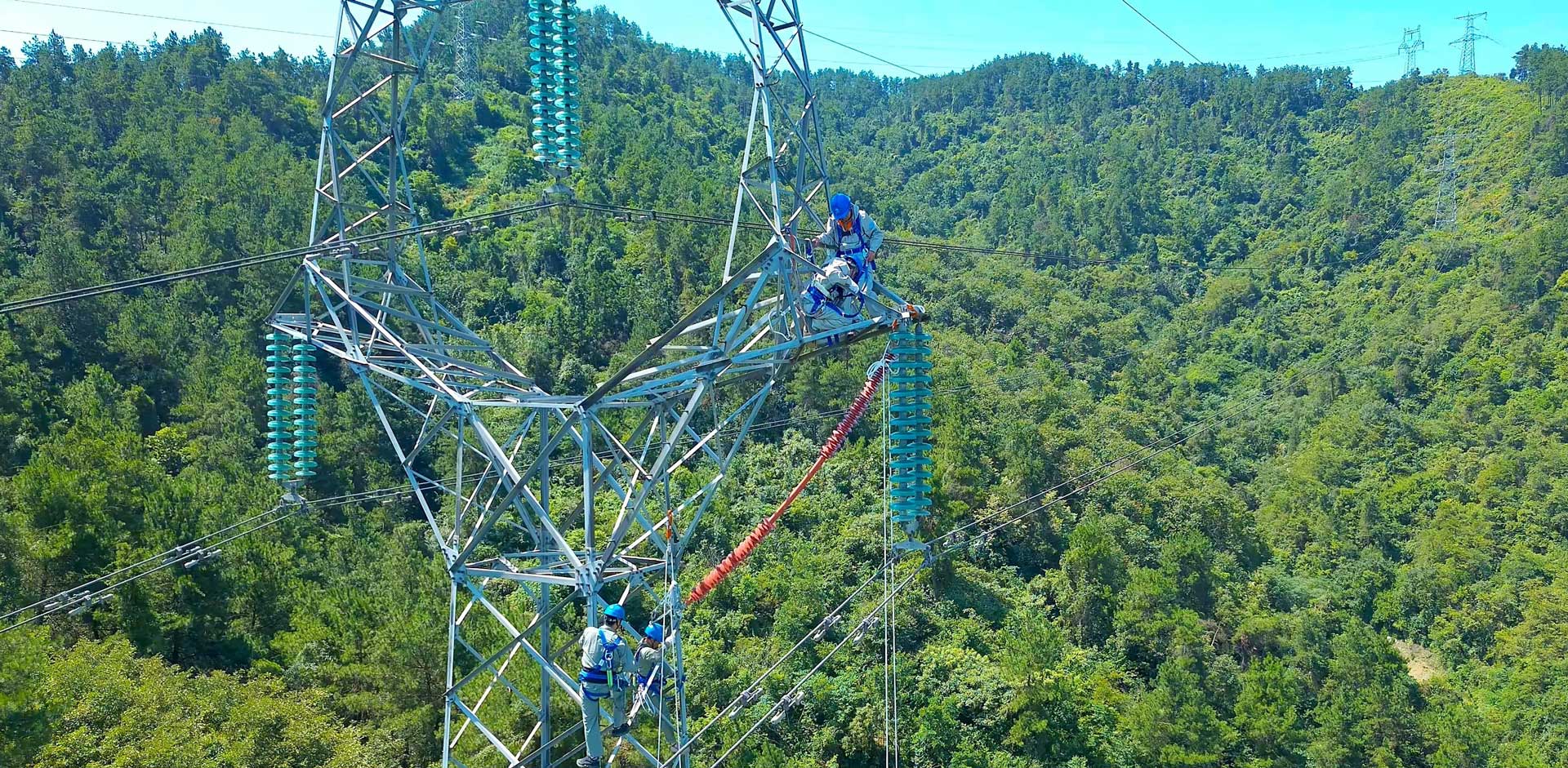
From the sub-zero temperatures of the Eurasian Steppe to the humid tropics of Southeast Asia, the Standard Profile provides reliable leakage distances exceeding IEC 60305 requirements.
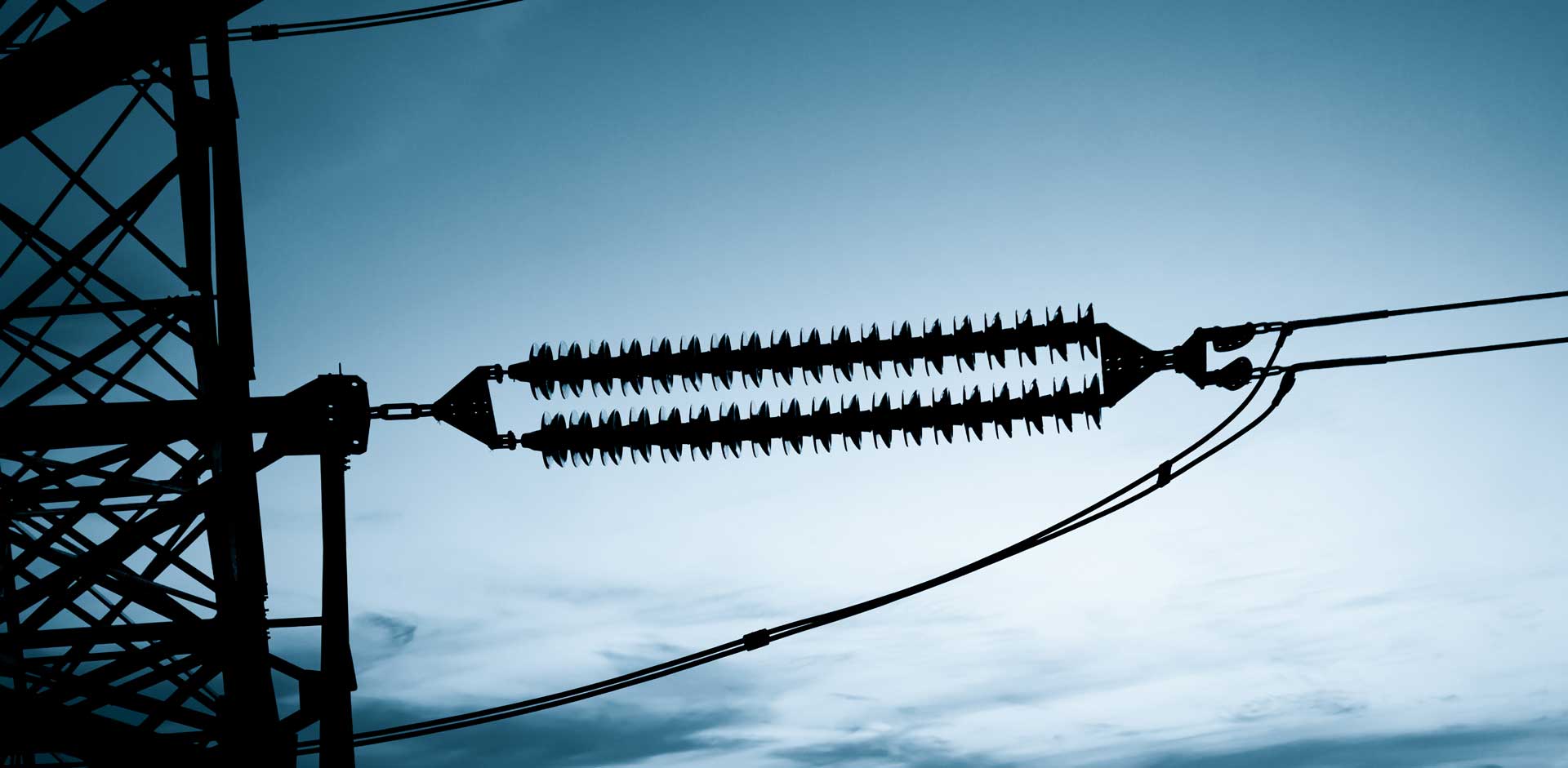
Ideal for suspension and tension strings in multi-circuit towers, providing the mechanical strength (up to 160kN and beyond) needed for heavy conductor loads.
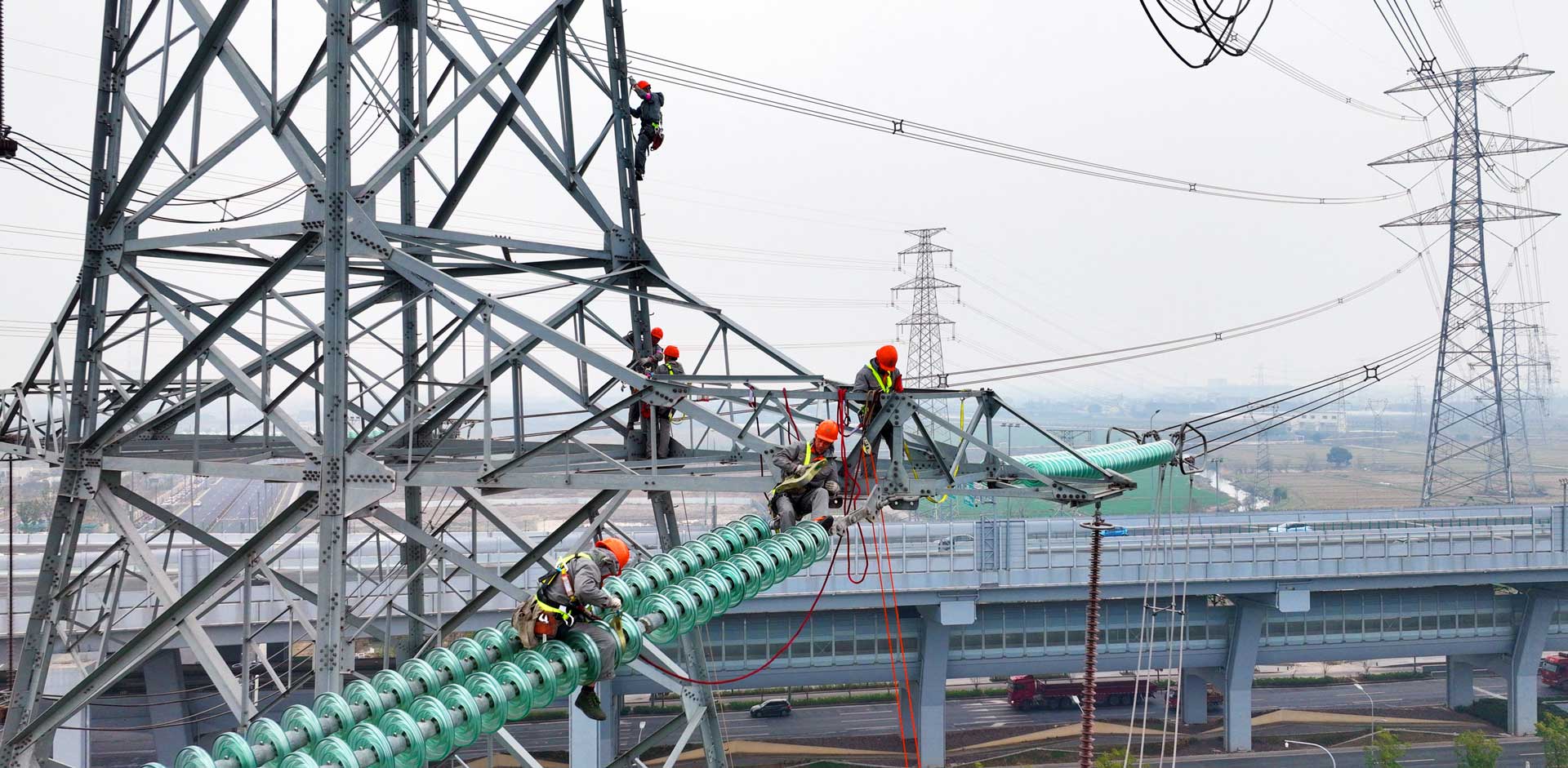
Used extensively in railway electrification and heavy industrial substations where reliability is non-negotiable and downtime costs millions per hour.
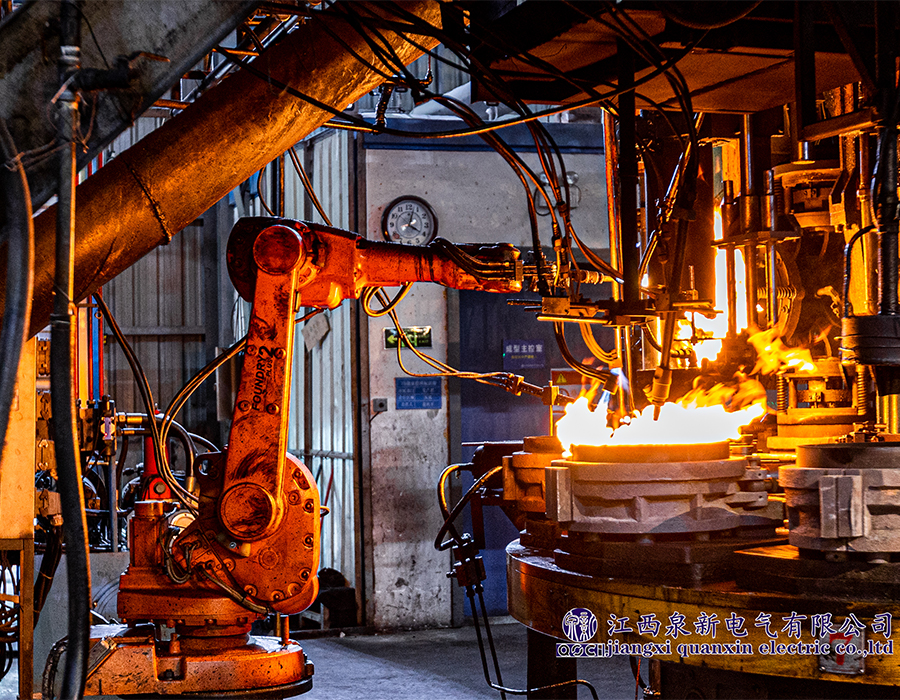
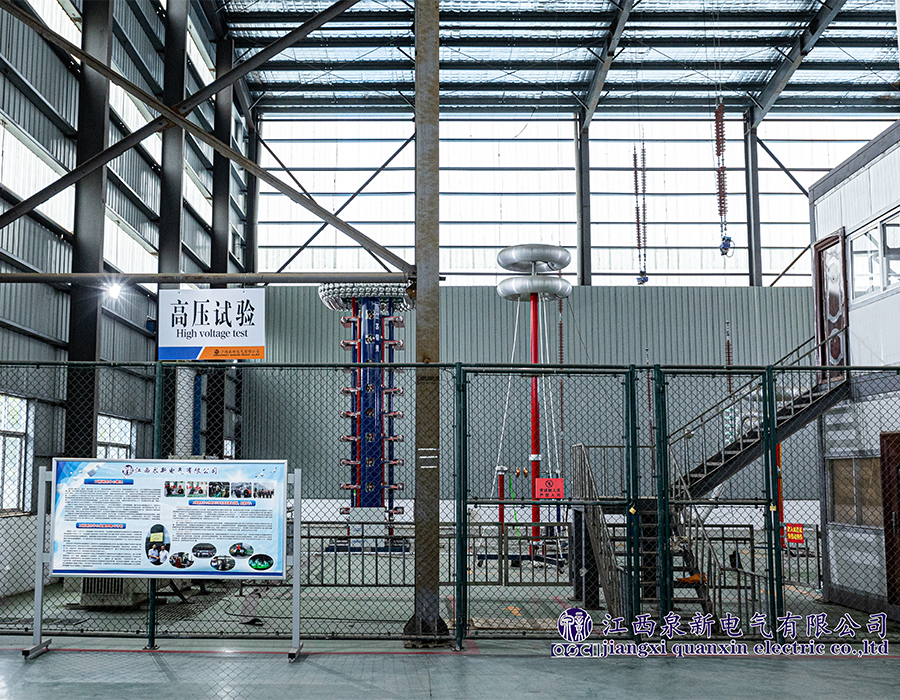
Our Quality Assurance follows strict E-E-A-T principles. Every batch of toughened glass insulators undergoes rigorous mechanical failing load tests, thermal shock tests, and steep-front impulse voltage tests to ensure they exceed international standards.
The Standard Profile is optimized for areas where natural precipitation (rain/snow) is frequent enough to wash away dust. It offers a better balance of cost and performance in moderate climates compared to the deeper ribs of anti-pollution types which can trap sand in desert environments.
Thanks to our toughening process and high-quality raw materials, our insulators have a design life of over 50 years, often outlasting the galvanized steel towers they are mounted on.
It is a safety feature. When the internal stress balance is disturbed by a critical flaw, the glass shatters into small, non-sharp fragments. The metal cap and pin remain connected, maintaining the mechanical integrity of the string and preventing a line drop while providing a clear visual signal for replacement.
Yes, but we recommend our specific HVDC-optimized glass composition (like the U40B series) which is engineered to prevent ion accumulation, a common issue in DC transmission.