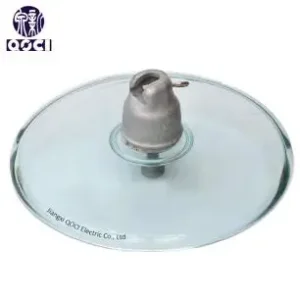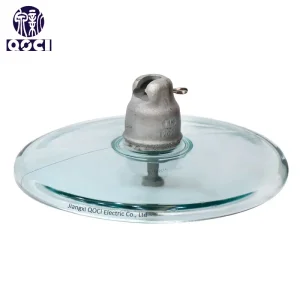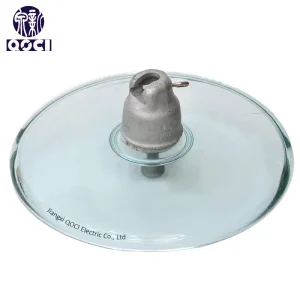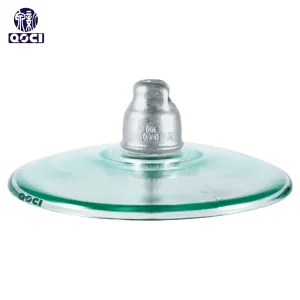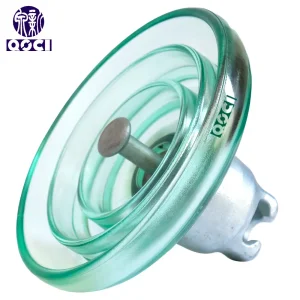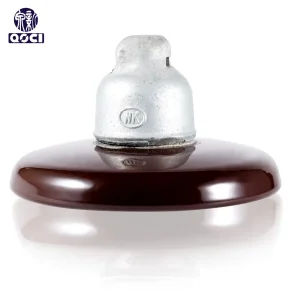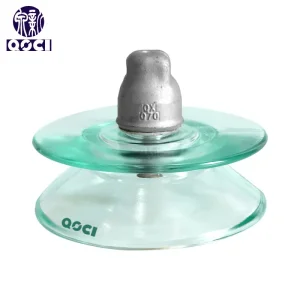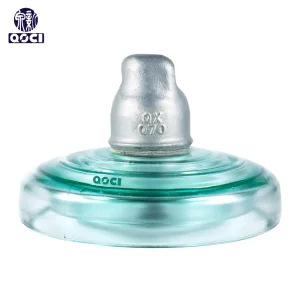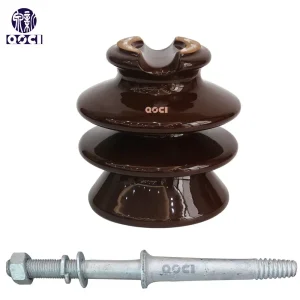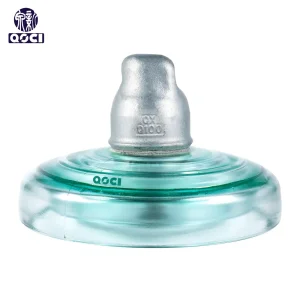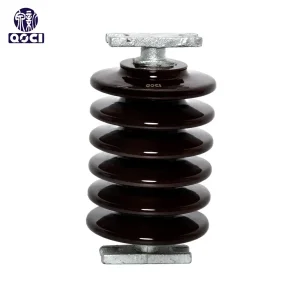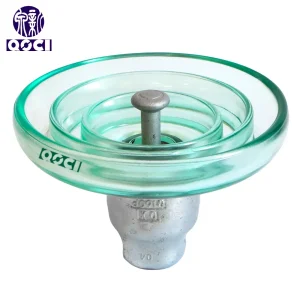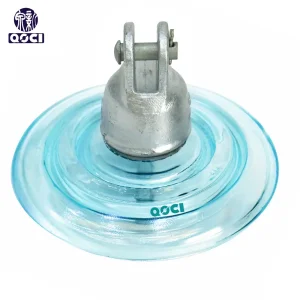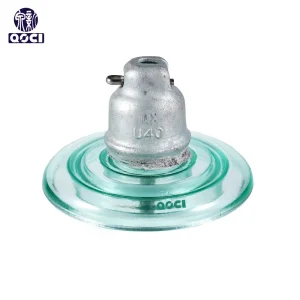
Unlike standard profiles, Aerodynamic Type Insulators are designed with an open profile and no under-ribs. This structural innovation minimizes dust accumulation and prevents ice-bridging, making them essential for desert and coastal environments.
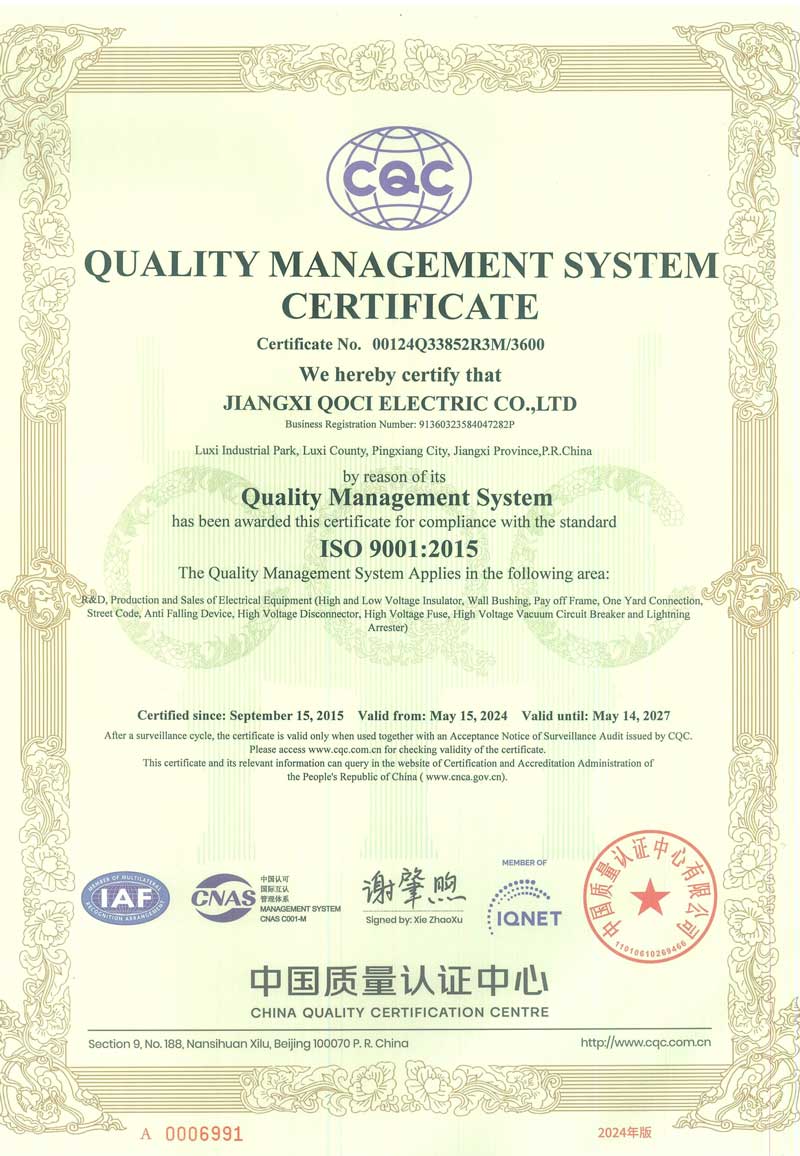
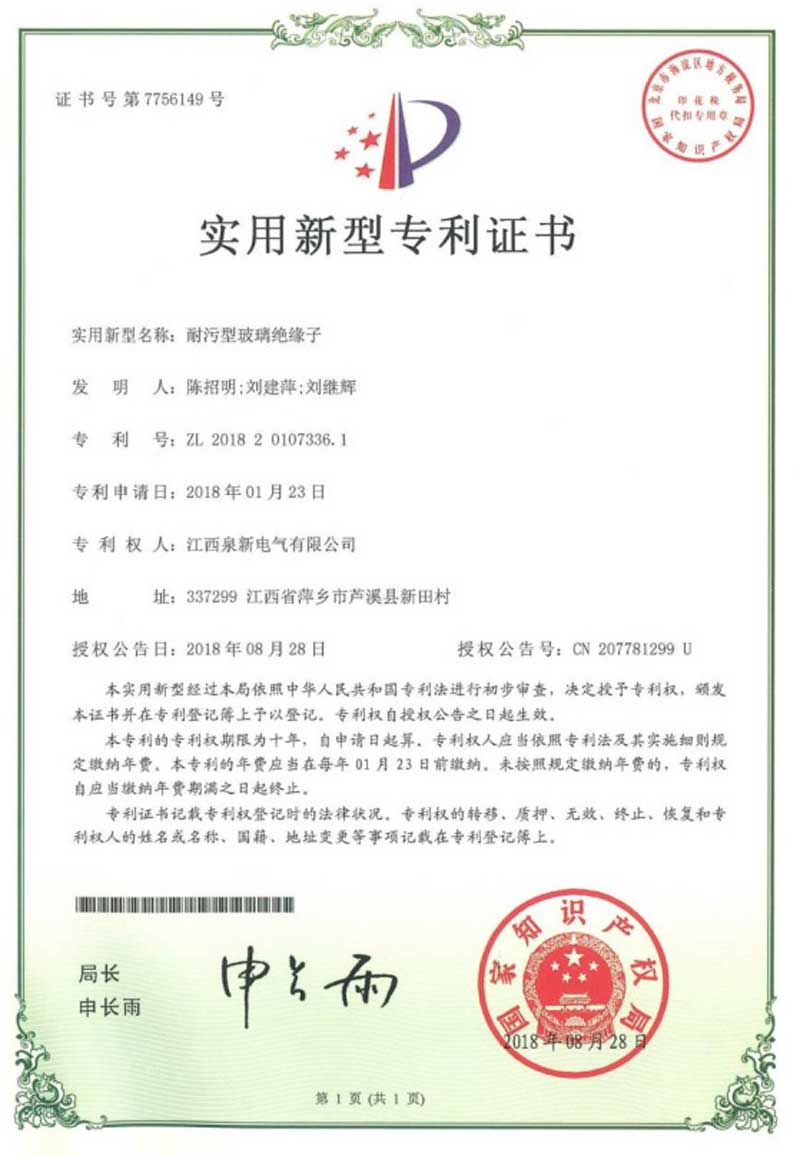
With a registered capital of 508 million Yuan and 26+ utility patents, Jiangxi QOCI Electric provides high-strength toughened glass insulators that meet IEC 60305, ANSI, and BS standards for global grid safety.
Operating a 70,000 m² smart factory with an annual output of 39,000 tons, we leverage China's manufacturing cluster in Jiangxi to offer the best price-to-performance ratio for 220kV to 1000kV UHV projects.
In the evolving landscape of global power transmission, the "Aerodynamic Type" (also known as the Open Profile or Desert Type) glass insulator has emerged as a critical component for specialized environmental challenges. Standard insulators often fail in regions characterized by high wind speeds, heavy industrial pollution, or extreme aridity followed by infrequent heavy rain. The aerodynamic profile is specifically engineered to utilize natural wind force for self-cleaning, significantly reducing the Total Cost of Ownership (TCO) for grid operators.
Traditional "Fog Type" insulators utilize deep under-ribs to maximize creepage distance. However, in sandy or dusty regions, these ribs trap particulates, leading to "Pollution Flashover." The Aerodynamic Type eliminates these traps. Its smooth, shallow-rib or rib-less design allows wind to pass freely across the surface, carrying away pollutants before they can form a conductive layer. This is particularly vital for DC transmission lines where electrostatic attraction of particles is more pronounced.
The wind-velocity distribution across the aerodynamic disk is uniform, ensuring that 95% of surface contaminants are removed naturally. This reduces the frequency of manual washing by up to 60%.
In high-altitude alpine regions, the open profile prevents the formation of continuous ice curtains between sheds, maintaining insulation integrity during severe winter storms.
Our U70BLA and U160BM models are tested to withstand mechanical failing loads exceeding 160kN, ensuring structural stability for long-span transmission crossings.
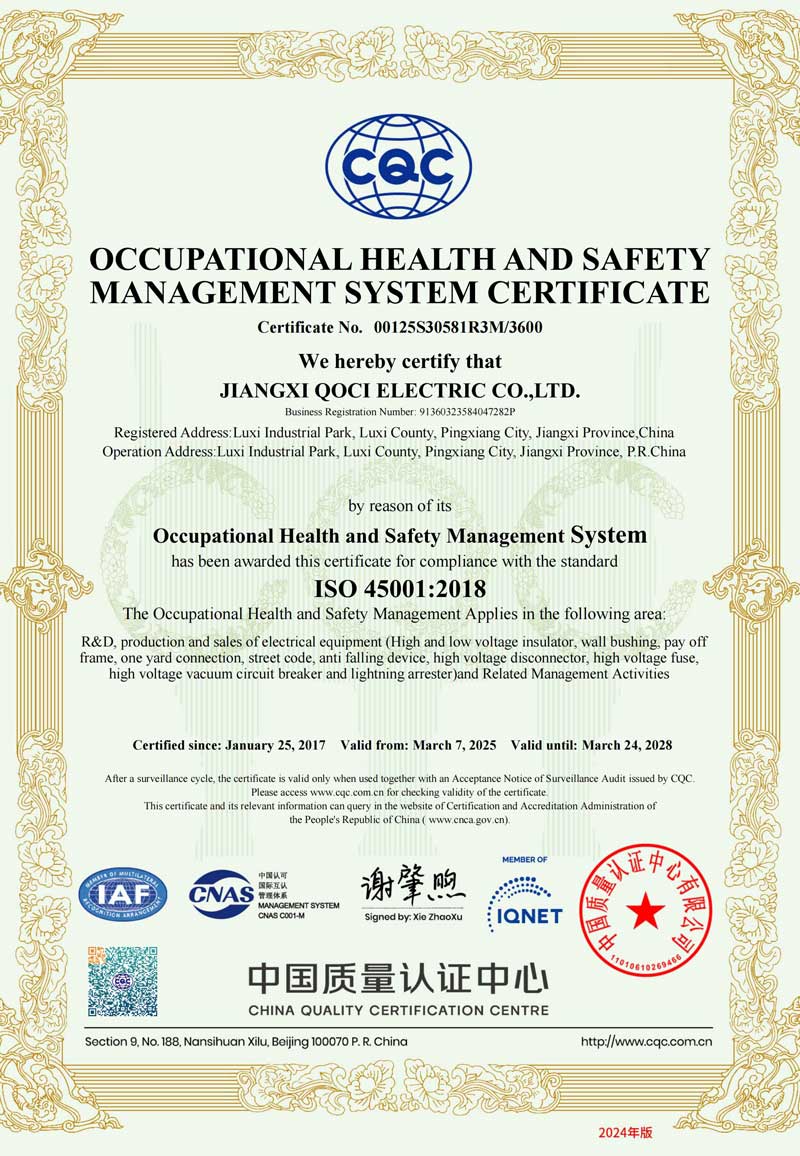
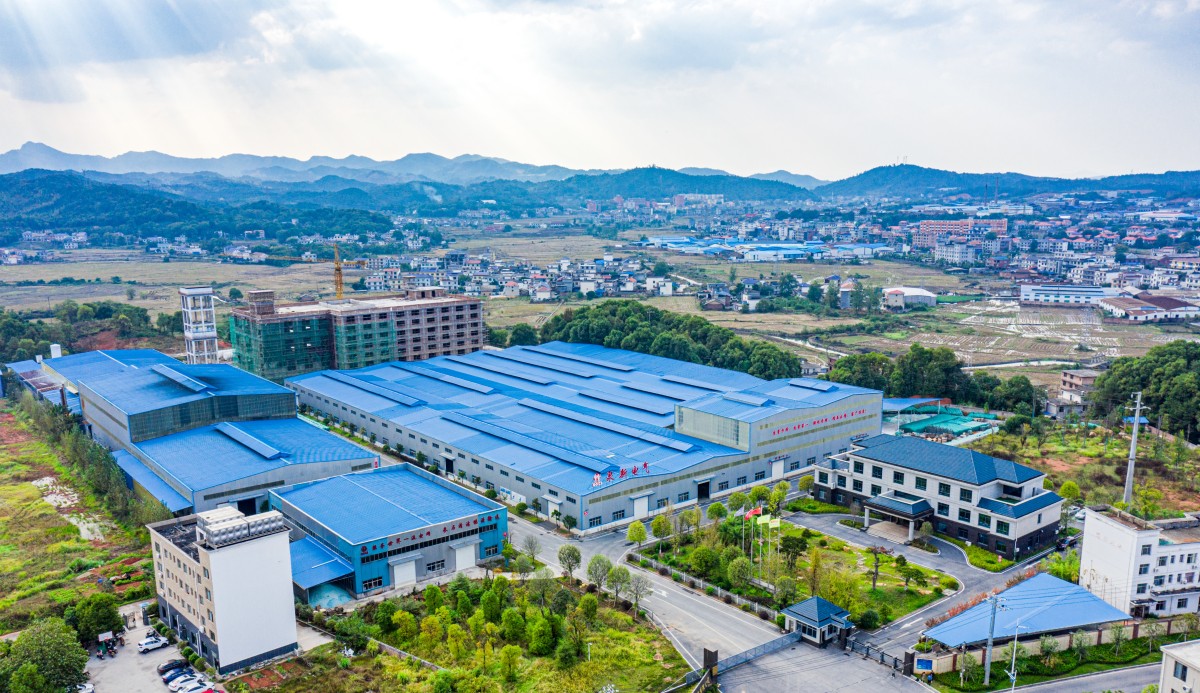
Jiangxi QOCI Electric Co. Ltd, founded in 2002, stands at the pinnacle of insulator technology. Located in the Industrial Park of Luxi County—China's "Insulator Capital"—we benefit from an integrated supply chain that includes raw glass smelting, precision metal forging, and advanced RTV coating lines.
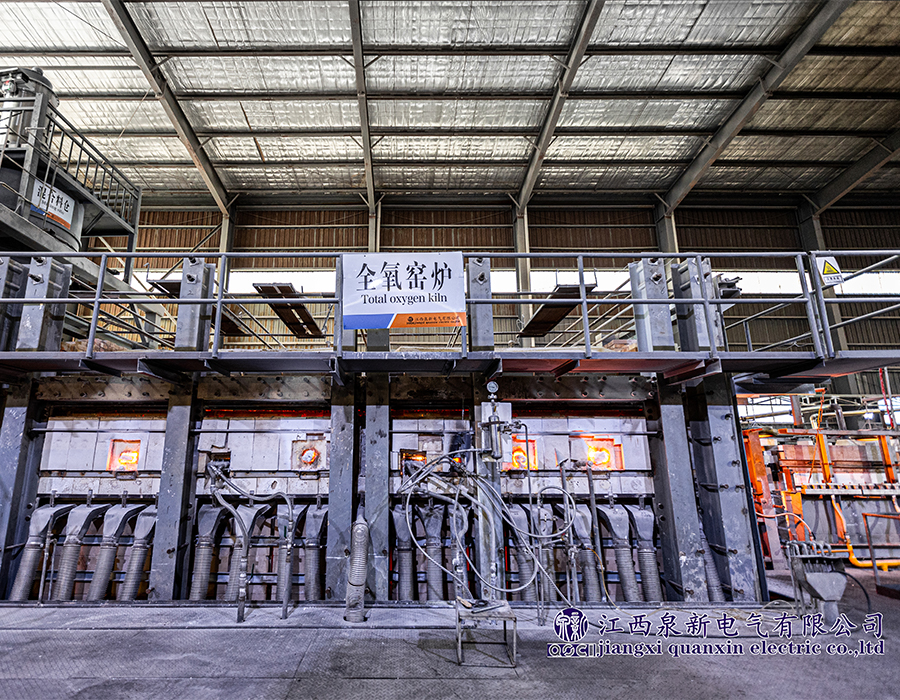
Ensures zero-impurity glass melting, critical for the dielectric strength of high-voltage insulators.
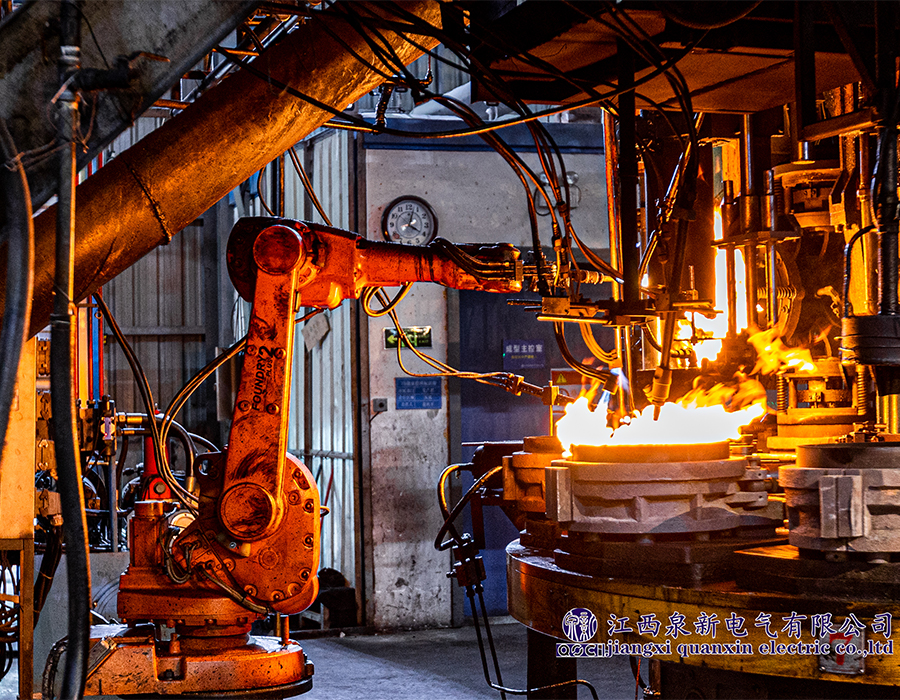
Automated pressing lines ensure dimensional consistency within 0.5mm tolerance.
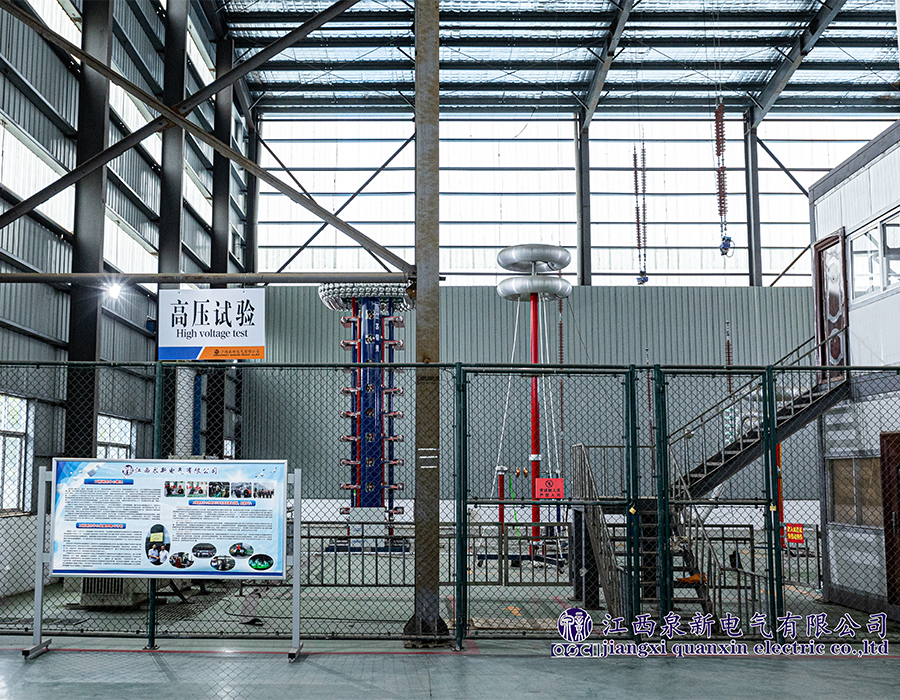
Each batch undergoes puncture testing and steep-front wave impulse tests to guarantee 0% failure rate.
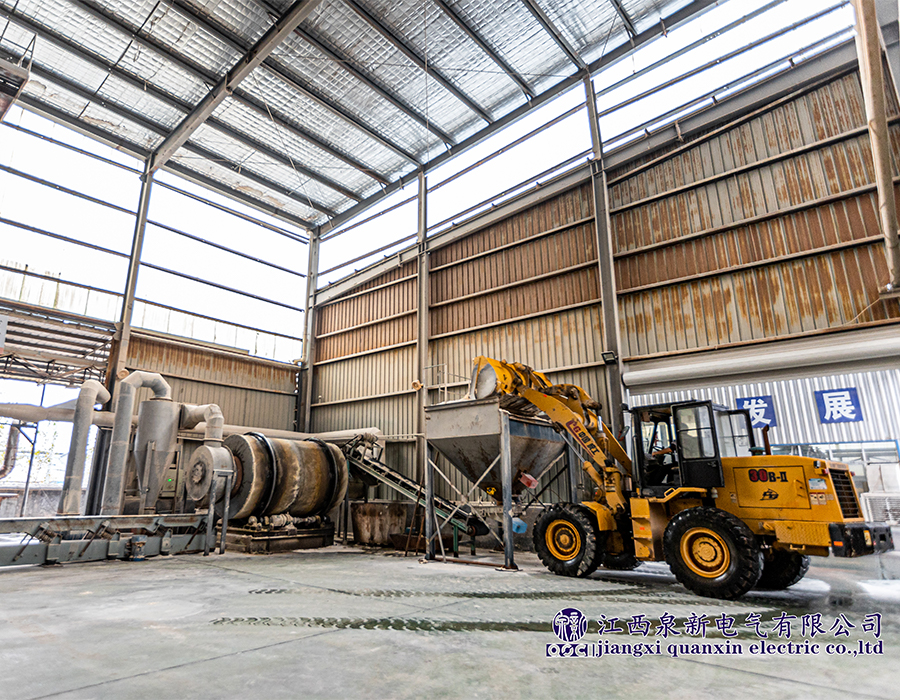
Continuous innovation in glass composition to enhance thermal shock resistance.
A major trend is the application of Room Temperature Vulcanization (RTV) silicone on aerodynamic glass. This combines the mechanical longevity of glass with the hydrophobicity of polymers, ideal for the Middle East and African power hubs.
As countries like Brazil, India, and China expand 800kV and 1100kV lines, the demand for high-strength aerodynamic insulators like the U210B is surging to minimize corona loss.
We provide full localization support, including KEMA/CESI type test reports and DDP/CIF shipping terms, ensuring seamless procurement for EPC contractors worldwide.
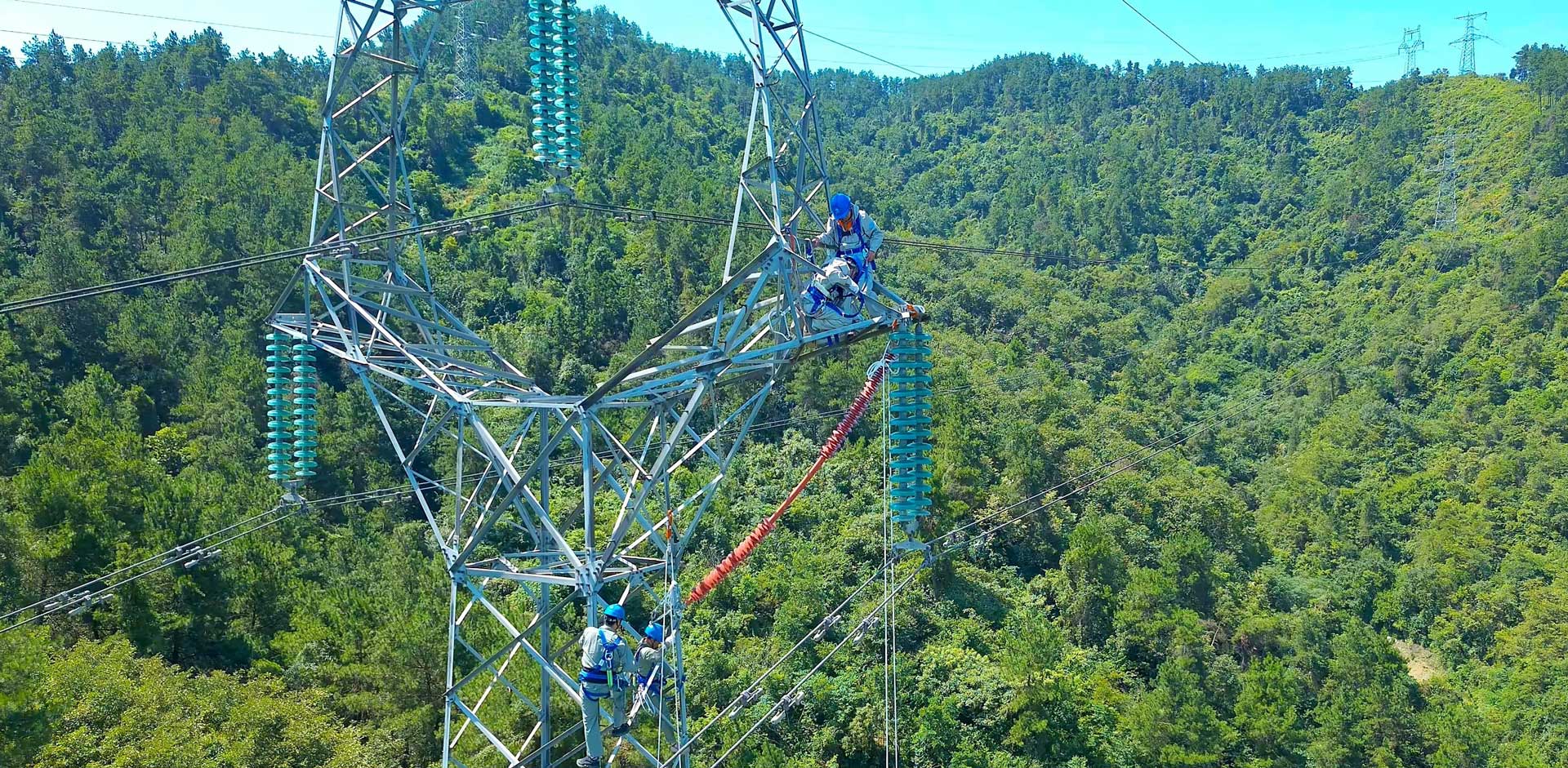
Optimized for desert, high-altitude, and heavy wind zones.
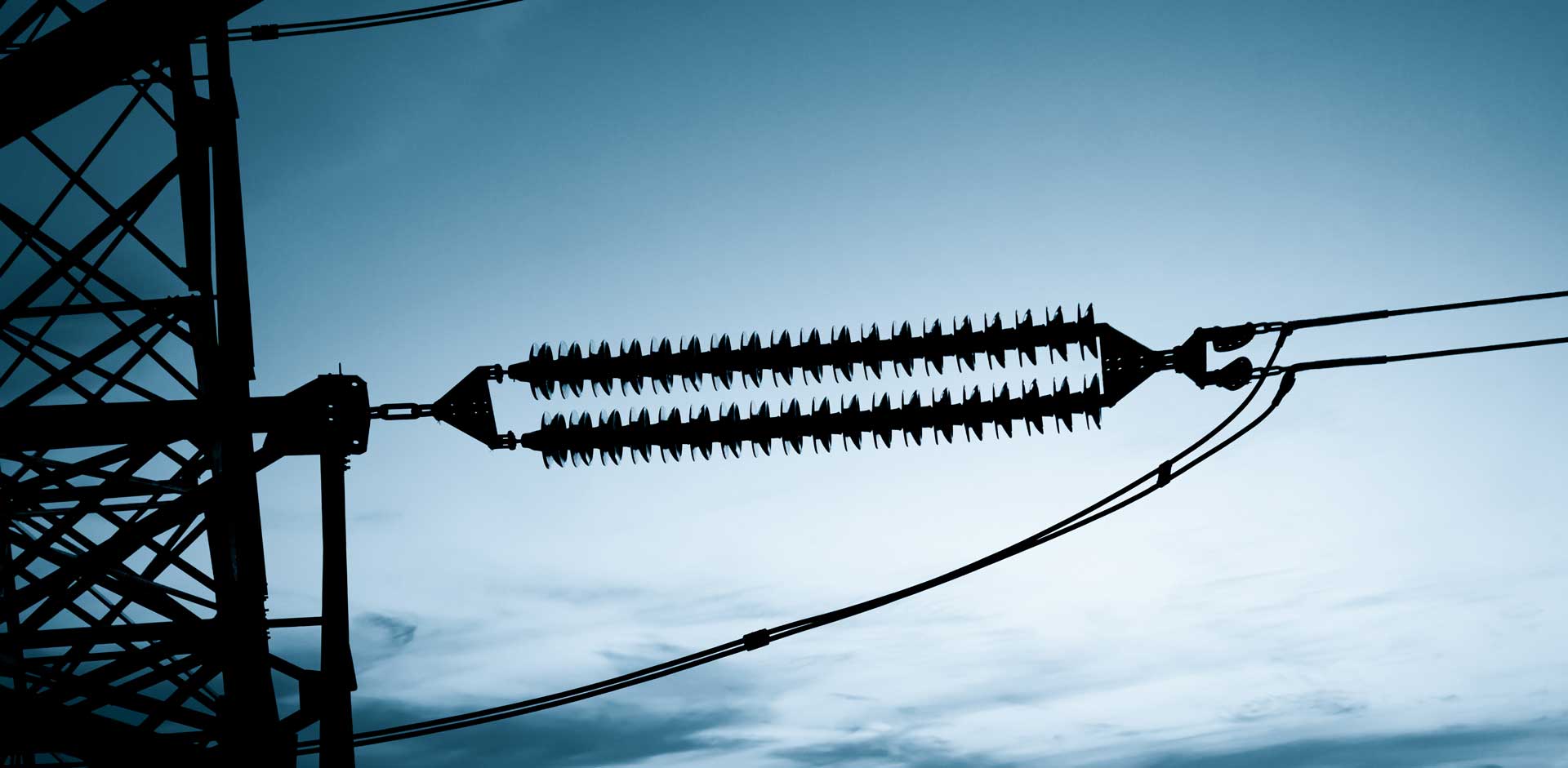
Essential for AC and DC transmission grid stability.
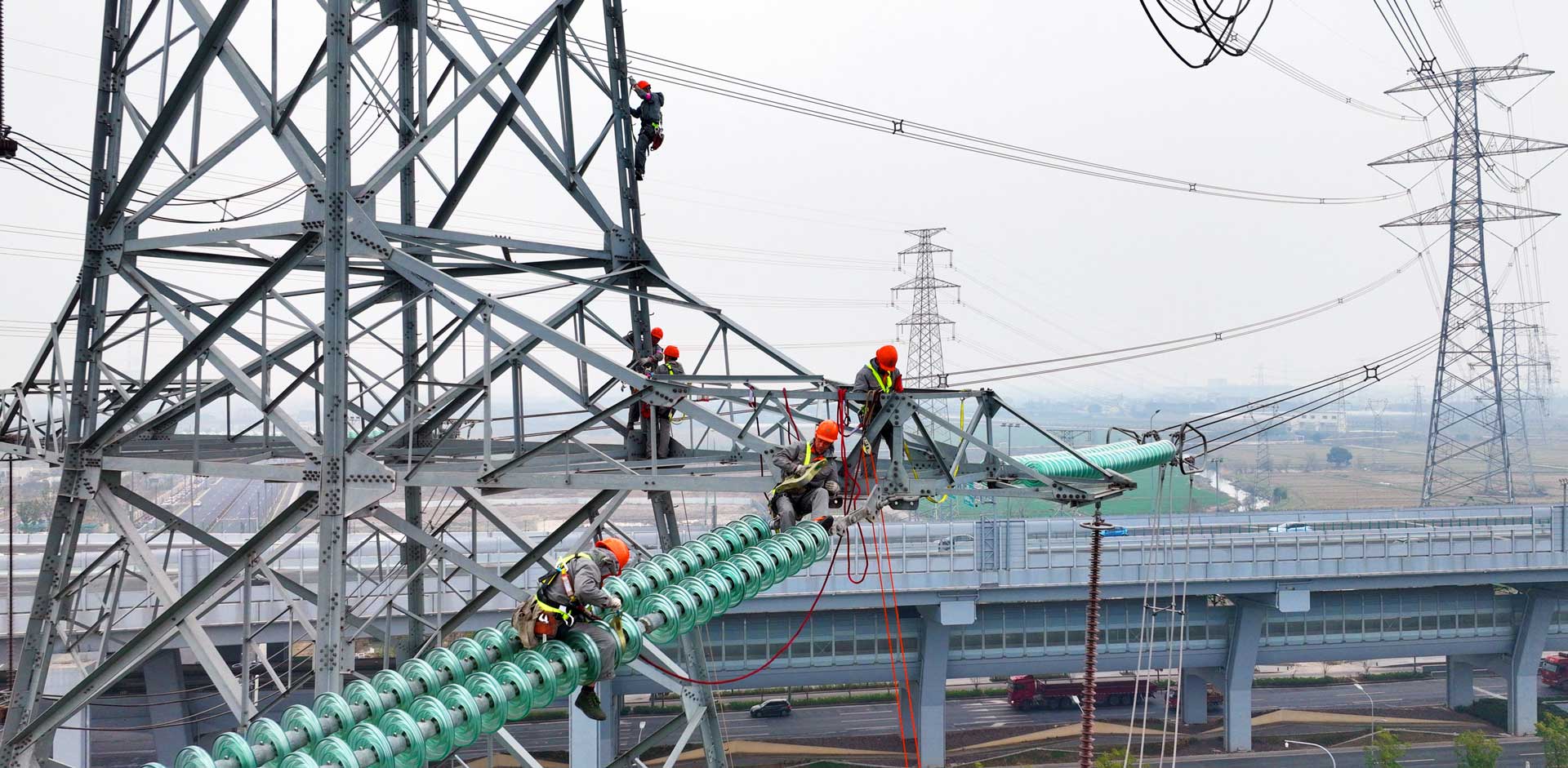
Supports suspension, tension, and dead-end string configurations.
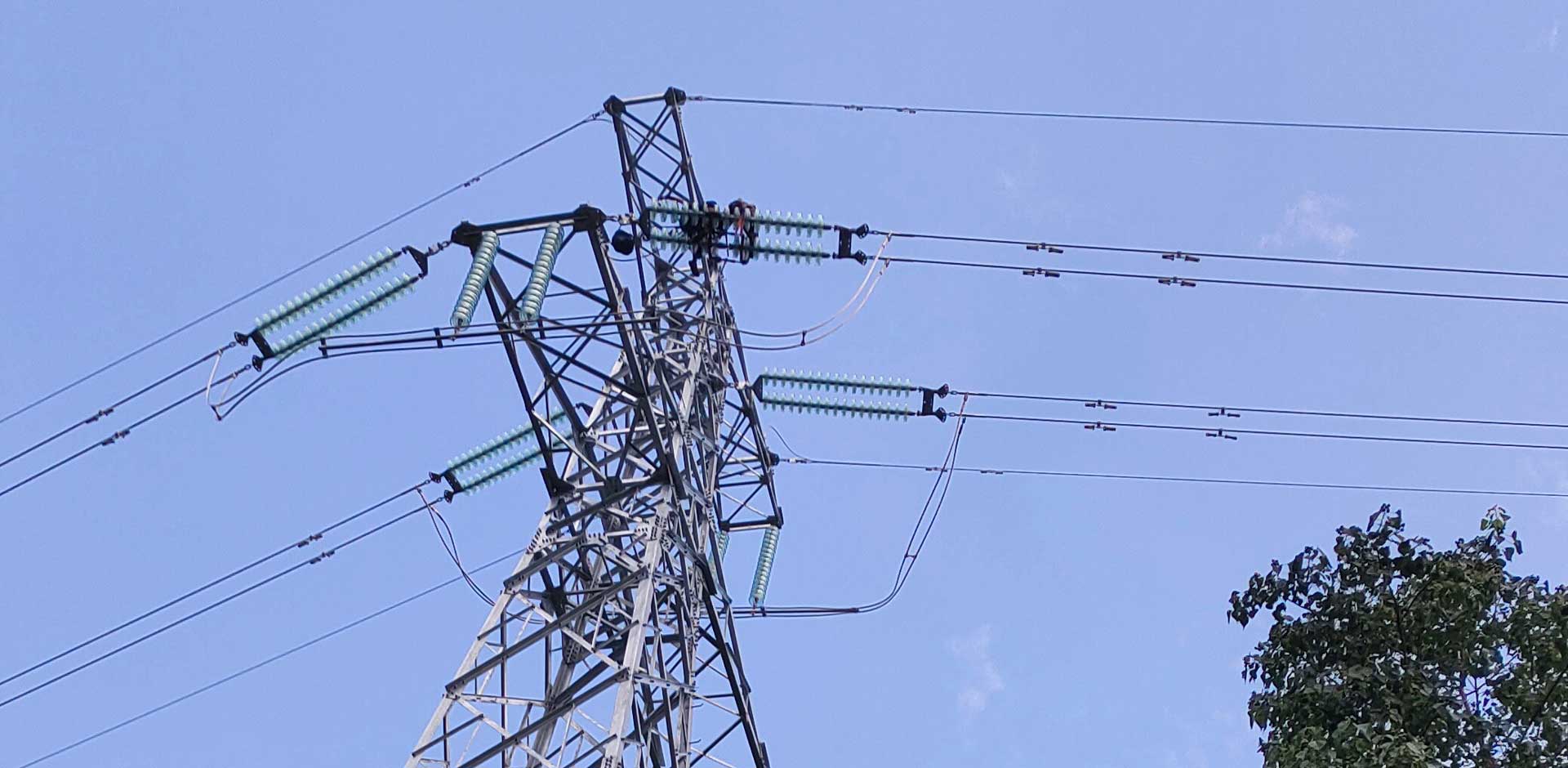
Railway electrification and heavy industrial substations.
A: Fog Type insulators have deep ribs to maximize creepage in humid/salty air. Aerodynamic Type insulators have a flatter, open profile to prevent sand/dust accumulation in dry, windy areas. Choosing the wrong type can lead to flashovers in desert regions.
A: Toughened glass insulators offer "Visual Self-Maintenance"—the glass shell shatters if the dielectric is compromised, but the mechanical strength remains. Porcelain insulators can have internal cracks that are invisible to ground inspection.
A: Yes. We can modify the disk diameter and shed spacing to meet specific creepage requirements (up to 550mm or more per unit) based on the environmental pollution level (ESDD/NSDD) of your project site.
A: Our products are manufactured and tested according to IEC 60305 (Dimensions), IEC 60383 (Electrical/Mechanical tests), ANSI C29.2B, and BS 137 standards.