
Top 10 Benefits of Using Tempered Glass for Your Projects?

Time:2026-07-30 Author:Mason
0%

In the world of construction and design, "Glass Tempered Glass" stands out for its strength and resilience. Expert Michael Thomson, a well-respected figure in the glass industry, emphasizes, “Tempered glass is not just a material; it’s a safety standard.” This statement encapsulates the importance of tempered glass in modern projects, highlighting its ability to withstand impact and temperature changes.

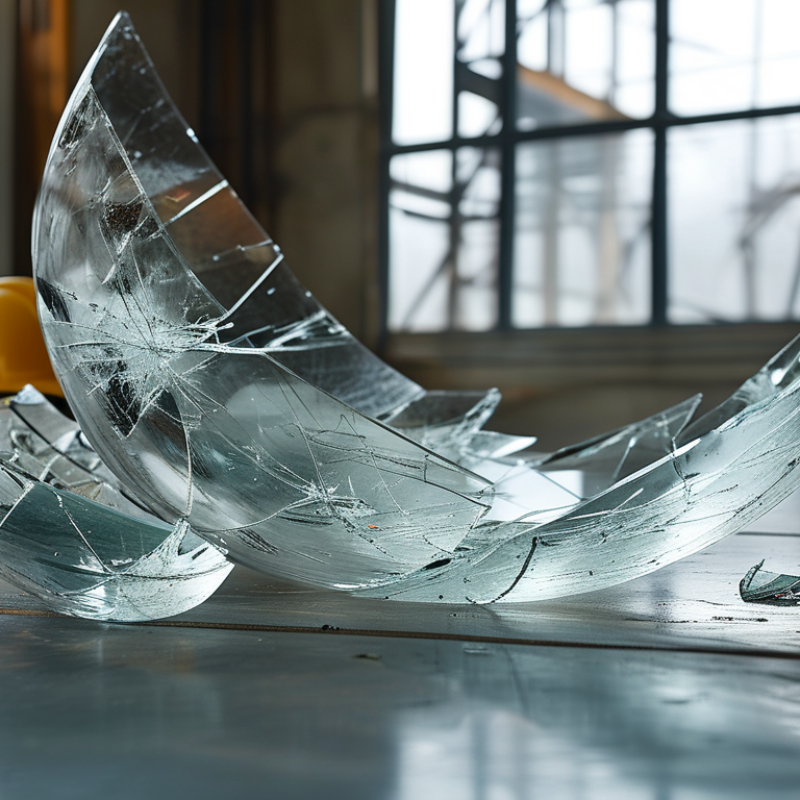
The benefits of using tempered glass are numerous and multifunctional. It offers safety by shattering into small, blunt pieces. This property minimizes the risk of injury. Additionally, its thermal resistance makes it ideal for environments with fluctuating temperatures. The design flexibility it provides is another reason why architects and builders prefer it.

However, using tempered glass is not without its challenges. The production process requires precise technology, and costs can be higher than traditional glass. It's essential for project planners to consider the balance between these factors and the benefits. Ultimately, the decision to use "Glass Tempered Glass" should be made with care, considering both the advantages and potential drawbacks.
Top 10 Benefits of Using Tempered Glass for Your Projects?

Benefits of Enhanced Safety and Durability with Tempered Glass

Tempered glass is increasingly valued for its safety and durability in construction and design. According to the Glass Association, tempered glass is 4 to 5 times stronger than standard glass. This remarkable strength is essential for high-traffic areas, making it an excellent choice for homes and commercial spaces alike. On impact, instead of shattering into sharp shards, tempered glass breaks into small, blunt pieces, significantly reducing the risk of injury.

Durability is another critical advantage. Tempered glass withstands extreme temperatures, withstanding heat up to 300 degrees Fahrenheit. This thermal resistance is vital in locations that experience fluctuations in temperature, such as in high-rise buildings or frameless shower doors. Research shows that using tempered glass can increase the lifespan of installations by up to 25%. This longevity can save costs in replacements and repairs.

While tempered glass offers numerous benefits, challenges remain. Issues like processing waivers and availability can complicate installation. Also, when glass is tempered, it cannot be altered without compromising its integrity. Reflection on these aspects can inform better project planning. Nonetheless, the overall enhanced safety and durability make tempered glass a favored material for various applications.

Top 10 Benefits of Using Tempered Glass for Your Projects

Benefit Description
Enhanced Safety Tempered glass is much stronger than regular glass and shatters into small, blunt pieces, reducing the risk of injury.
Durability It can withstand higher temperatures and is less likely to break under stress, making it ideal for various applications.
Thermal Resistance Tempered glass can endure extreme temperature changes without cracking, which is crucial for both safety and performance.
Aesthetic Appeal Its sleek appearance and clarity can enhance the overall look of any project, from buildings to furniture.
UV Resistance Tempered glass can block harmful UV rays, protecting both interiors and occupants from potential damage.
Low Maintenance The smooth surface makes it easy to clean and maintain, reducing long-term upkeep costs.
Versatility Suitable for a wide range of applications, including doors, windows, and shower enclosures, thus providing more options in design.
Energy Efficiency Can be treated to improve insulation, contributing to lower energy costs in buildings.
Fire Resistance Offers better resistance to fire compared to regular glass, adding an extra layer of safety in emergencies.
Sound Insulation Helps in reducing noise pollution, especially when used in windows and glass partitions.

Energy Efficiency and Thermal Resistance of Tempered Glass in Building Design

Tempered glass has gained popularity in modern building design. Its energy efficiency and thermal resistance are key attributes that architects value. According to the Department of Energy, buildings contribute to nearly 40% of U.S. energy consumption. Using tempered glass can significantly reduce this impact. Its unique process of thermal treatment enhances strength and durability, allowing it to withstand temperature fluctuations better than standard glass.

In building design, thermal resistance is critical. Tempered glass acts as an insulating barrier, reducing heat transfer. Studies show that it can lower heating and cooling costs by up to 30%. The energy-efficient properties of tempered glass help maintain a consistent interior temperature, leading to increased comfort and reduced reliance on HVAC systems.

Tip: Always consider the orientation of windows when selecting tempered glass. South-facing windows can maximize solar gain, while adequate shading can prevent overheating.

Despite its many benefits, tempered glass is not without downsides. In high-wind areas, the installation must adhere to specific codes to ensure safety. This adds complexity to the project and may require further investment. Understanding these dynamics is vital for any successful project incorporating tempered glass.

Aesthetic Appeal: How Tempered Glass Elevates Project Design

Tempered glass brings a sleek sophistication to any project. Its clarity and reflective properties can make spaces feel open and airy. This type of glass enhances natural light, creating a bright atmosphere. When used in architecture, it often becomes a focal point. Large glass panels can transform mundane walls into stunning displays.

The aesthetic appeal of tempered glass extends to furniture and interior design. Its smooth finish adds modern elegance to tables and shelves. Even in partitions, it maintains a clean look that avoids visual clutter. Yet, designers must be mindful. Overusing glass can lead to cold, sterile environments. Balance is key. Consider pairing it with warm materials for a cozier feel.

While tempered glass is praised for its beauty, it also requires thoughtful implementation. A glass-heavy design may overwhelm smaller spaces. Ensure that the light it reflects does not create harsh glare. Thoughtful placement can highlight a space rather than diminish it. Each project will have unique demands, and tempered glass should always enhance the overall vision.

Cost-Effectiveness of Tempered Glass in Long-Term Applications

Tempered glass is increasingly favored for its cost-effectiveness in long-term applications. It is strong and durable, reducing the need for frequent replacements. Projects utilizing tempered glass can benefit from its resistance to thermal stress. This quality minimizes the risk of breakage and adds longevity to structures.

Investing in tempered glass can lead to savings over time. Although the initial cost may be higher, fewer replacements translate to lower long-term expenses. Projects requiring safety and stability, like storefronts or shower enclosures, become more economical. A careful review of the total cost of ownership reveals that tempered glass often pays off in the long run.

However, there are nuances to consider. Not all projects may benefit equally from its use. For those with budget constraints, alternatives might seem tempting. A clear understanding of your project's specific needs is crucial. It's worth contemplating not just the price tag, but the overall value tempered glass can deliver. Exploring these options requires thoughtful analysis and planning.

Versatile Applications of Tempered Glass Across Various Industries

Tempered glass is a game-changer in various industries. Its resilience makes it a top choice for architectural designs. High-rise buildings often use tempered glass for windows, balconies, and facades. This material can withstand harsh weather and physical impacts, providing safety and durability.

In automotive applications, tempered glass is crucial. Car windows are designed to shatter into small pieces rather than sharp shards. This design decision significantly reduces injury risks. Likewise, the use of tempered glass in shower enclosures adds elegance and safety at home. Yet, not all tempered glass is created equal. The quality and manufacturing process matter.

Industries such as electronics also benefit from tempered glass. Screens for smartphones and tablets often use this material, enhancing strength and clarity. However, even tempered glass can crack under extreme stress or incorrect installation. It's vital to consider these factors during projects. Balancing beauty and practicality is key with tempered glass.

FAQS

: What is tempered glass?

: Tempered glass is a type of safety glass that is stronger than standard glass.

Why is tempered glass preferred for construction?

It is valued for its enhanced safety and durability in high-traffic areas.

How does tempered glass break upon impact?

Instead of sharp shards, it breaks into small, blunt pieces, reducing injury risk.

What temperatures can tempered glass withstand?

It can endure heat up to 300 degrees Fahrenheit without damage.

How much can tempered glass increase installation lifespan?

It can increase the lifespan of installations by up to 25%.

Are there challenges with using tempered glass?

Yes, challenges include processing waivers and installation complications.

Can tempered glass be altered after it's made?

No, altering tempered glass compromises its integrity and safety.

Is tempered glass cost-effective in the long term?

Yes, it reduces the need for frequent replacements, saving money over time.

Should all projects use tempered glass?

Not necessarily; some projects may benefit from alternative materials, depending on budget.

What should you consider when choosing tempered glass?

Evaluate the project's specific needs and the overall value tempered glass provides.

Conclusion

Tempered glass is increasingly favored in various projects due to its numerous benefits. First and foremost, its enhanced safety and durability make it a reliable choice; tempered glass is designed to withstand significant stress and impact, reducing the risk of breakage. Additionally, its energy efficiency and thermal resistance contribute to optimal building design, helping to regulate indoor temperatures and lower energy costs.

Beyond functionality, tempered glass elevates aesthetic appeal, offering a modern and sleek look that enhances any project design. It proves to be cost-effective in the long run, reducing maintenance needs and increasing longevity. Furthermore, the versatile applications of tempered glass across various industries—from architecture to automotive—highlight its adaptability and effectiveness, making it an essential material for innovative projects.

Mason

Mason

Mason is a seasoned marketing professional with a deep expertise in the company's offerings and a passion for driving brand awareness. With a strong background in digital marketing strategies, he has an innate ability to connect with diverse audiences and effectively communicate product benefits.......