
10 Best Types of Insulators for Global Buyers?

Time:2026-09-18 Author:Sophia
0%

Choosing the right insulator can protect equipment, workers, and long-term project budgets. However, the “best” option depends on voltage, climate, mechanical load, and installation conditions.

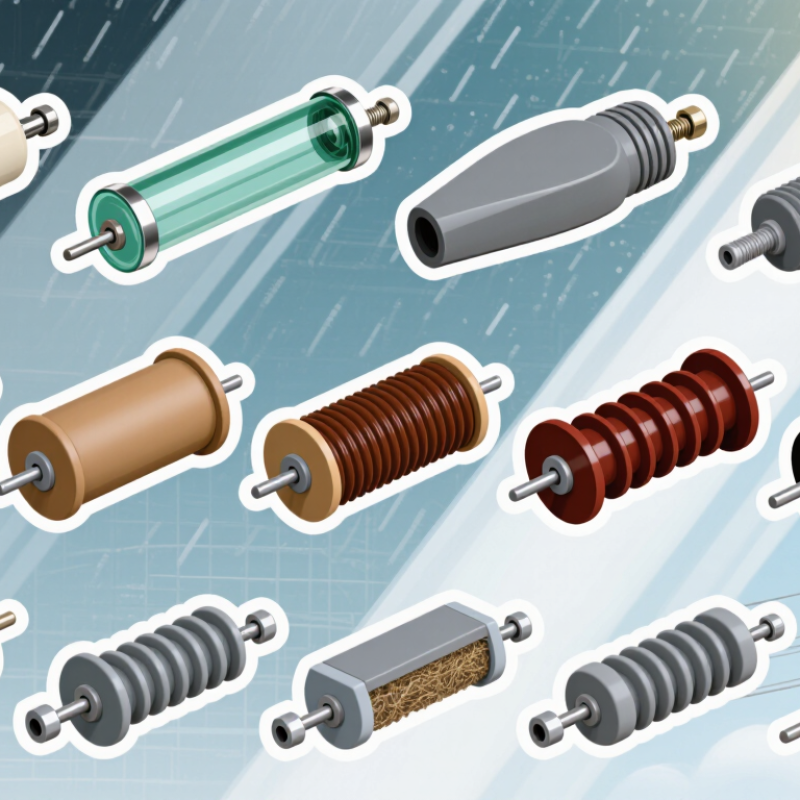
This guide explores 10 practical Insulators Types for global buyers, including porcelain, glass, polymer, ceramic, epoxy, rubber, and composite solutions. Each material behaves differently under heat, moisture, pollution, ultraviolet exposure, and electrical stress. A porcelain insulator may offer strong durability, while a polymer design can reduce weight and simplify handling. Glass can provide visible damage during inspection, but it may require careful transport.

Performance matters more than appearance. Buyers should review rated voltage, creepage distance, tensile strength, temperature resistance, and aging data. Factory quality systems, third-party testing, and traceable material records also deserve attention. Reliable suppliers should provide technical drawings, test reports, installation guidance, and clear warranty terms.

Small details matter.

Outdoor projects may face salt spray, dust, heavy rain, or freezing temperatures. Indoor switchgear may need excellent fire resistance and dimensional stability instead. Product selection should match recognized technical standards and the actual operating environment. A low purchase price can become expensive after frequent replacement, difficult maintenance, or unexpected downtime.

No ranking is universal. That point is easy to overlook. This overview offers a practical comparison, not a substitute for engineering review. Buyers should confirm compatibility with qualified electrical professionals before placing large orders. With careful evaluation, these Insulators Types can support safer systems, steadier performance, and more predictable global sourcing decisions.
10 Best Types of Insulators for Global Buyers?

What Are Insulators and How Do They Prevent Heat or Electricity Transfer?

Insulators slow the movement of heat, electricity, or both. Thermal insulators trap air inside fibers, cells, or tiny pores. Fiberglass, mineral wool, cellulose, cork, and foam boards work through this principle.

Electrical insulators use materials with very few mobile charges. Porcelain, glass, rubber, polymers, and dry wood resist current and help control voltage. Their performance depends on thickness, moisture, temperature, pressure, and installation quality.

Heat
&
Electricity

The International Energy Agency reports that buildings consume about 30% of global final energy and produce roughly 26% of energy-related emissions. Better wall, roof, and pipe insulation can reduce heating and cooling demand, but results vary on site.

A wet mineral-wool layer performs poorly. A crushed foam panel creates thermal bridges. In electrical systems, dust, cracks, and surface moisture can reduce insulation resistance. IEC testing practices therefore examine dielectric strength, leakage current, heat aging, and environmental exposure.

Aerogel and vacuum insulation panels can deliver very low heat transfer, though cost and damage sensitivity remain practical concerns. No material is perfect.

Tips: Match the insulator to the transfer problem. Check thermal conductivity for buildings and dielectric strength for electrical equipment. Ask for tested values, not broad marketing claims. Installers should inspect joints, fasteners, and exposed edges. Small gaps matter. Also, real performance may differ from laboratory data, so field inspection deserves more attention.

The Ten Main Insulator Types Classified by Material and Structure

Global buyers often compare insulators by material, mechanical form, and operating environment. Porcelain pin insulators suit compact medium-voltage lines. Glass suspension insulators offer visible damage after electrical puncture. Polymer suspension insulators reduce weight and perform well in polluted areas. Composite line-post insulators combine a fiberglass core with a weather-resistant housing. Porcelain station-post insulators support busbars in substations. Glass strain insulators handle heavy conductor tension. Polymer shackle insulators fit short spans and service connections. This classification is useful, but not perfect.

Structure also changes installation and maintenance requirements. Ceramic bushings guide conductors through transformers, switchgear, and enclosure walls. Porcelain spool insulators support low-voltage wiring on compact brackets. Polymer stay insulators separate guy wires from grounded structures. During procurement, I check voltage class, creepage distance, tensile load, temperature, and salt exposure. A coastal site may need deeper sheds than an inland project. Dust can hide surface tracking. Rain can reveal weak designs. Buyers should request routine test records, dimensional drawings, and material declarations from qualified manufacturers. Standards such as IEC or IEEE documents help, but local grid rules still matter. One overlooked detail can delay installation.

How Different Insulator Types Serve Industrial and Building Applications

10 Best Types of Insulators for Global Buyers?

Industrial and building projects need different insulation strategies. Electrical insulators include porcelain, glass, epoxy, silicone rubber, and ceramic compounds. They support overhead lines, switchgear, transformers, motors, and high-temperature equipment. Porcelain handles mechanical stress well, while polymeric materials reduce weight and resist surface contamination. IEC 60815 stresses pollution, voltage, altitude, and creepage distance during selection. A catalog comparison is not enough.

Thermal and acoustic applications use mineral wool, fiberglass, cellulose, rigid foam, and aerogel blankets. Mineral wool suits plant rooms because it offers strong fire performance and sound absorption. Fiberglass remains practical for walls, ceilings, and ventilation systems. Cellulose can fit lower-impact building designs, but moisture control must be precise. The UNEP 2023 Global Status Report links buildings with about 32% of global energy use, making envelope insulation a serious efficiency decision. Small installation gaps matter.

Site experience changes the ranking. Dust, salt, vibration, condensation, and ultraviolet exposure can defeat a technically excellent material. The IEA’s 2023 grid report says annual grid investment must exceed 600 billion dollars by 2030. That expansion increases demand for reliable electrical insulation and safer maintenance access. I would not call one type universally best. Real sites are messier. Engineers should verify fire ratings, thermal conductivity, dielectric strength, service temperature, and local code requirements before approval.

10 Best Types of Insulators for Global Buyers

Typical thermal conductivity values for common building and industrial insulation materials. Lower values indicate better thermal insulation performance.

Values shown are representative midpoints of commonly published conductivity ranges at approximately room temperature. Actual performance depends on density, moisture, temperature, installation quality, and product formulation.

Which Performance Factors Matter to Global Insulator Buyers?

Global buyers rarely choose an insulator by material alone. They compare voltage class, pollution severity, altitude, wind, ice, mechanical load, and maintenance access. The ten common categories include porcelain, glass, polymeric, pin, post, suspension, strain, station-post, hollow-core, and bushing insulators.

IEA’s 2023 Electricity Grids and Secure Energy Transitions report estimates that over 80 million kilometres of grids must be added or refurbished worldwide by 2040.

IRENA’s Renewable Capacity Statistics 2025 records 585 gigawatts of renewable capacity added in 2024.

This expansion increases demand for insulation that performs consistently, not merely cheaply. For porcelain and glass units, dielectric strength, puncture resistance, thermal cycling, and visible damage matter. For composite designs, hydrophobicity, sealing quality, tracking resistance, and ultraviolet ageing deserve equal attention.

IEC 60815 guides insulation selection in polluted environments, while IEC 61109 covers composite line insulators. Buyers should request test evidence, not attractive catalogue numbers. Check power-frequency withstand, lightning impulse withstand, wet performance, corona behaviour, tensile strength, cantilever strength, and interface sealing.

Ask whether testing represents local salt, dust, humidity, and temperature cycles. CIGRE guidance stresses site conditions and lifecycle performance; laboratory success alone is not a field guarantee.

Procurement teams should compare failure reporting, inspection methods, replacement time, and spare-unit logistics. A cheaper unit may lose its advantage after one difficult outage. That is the uncomfortable part.

“Best” is often too absolute. The suitable insulator remains predictable after years of contamination, vibration, and weather. Buyers should also challenge incomplete data, including their own assumptions. Transport damage or poor hardware fit can undermine an excellent insulator.

How to Compare Insulator Quality, Safety, Cost, and Environmental Impact

For global buyers, choosing an insulator is more than comparing catalog prices. Porcelain, glass, polymer, and composite designs suit different networks and climates. Quality begins with tested dielectric strength, mechanical load ratings, and stable dimensions. Request independent test reports, production records, and traceable batch numbers. A glossy surface can hide internal defects. Field experience matters too. Ask how the insulator performed near salt spray, dust, ice, or intense sunlight.

Safety should guide every comparison. Check creepage distance, puncture resistance, temperature limits, and failure behavior. A cheaper unit may increase maintenance, outage risk, and replacement labor. Calculate lifecycle cost, not only purchase price. Include transport weight, inspection frequency, installation tools, and disposal needs. Environmental impact deserves a practical review. Lighter polymer units can reduce shipping emissions, yet aging and recycling may be less straightforward. Glass and porcelain last well, but their weight raises transport energy. No option wins everywhere. That is easy to overlook.

Tips: Compare at least three verified quotations using the same technical specification. Ask for climate data, warranty limits, and failure statistics. Have a qualified engineer review the final choice. I would also test a small sample before placing a large order.

FAQS

What is an insulator?

An insulator slows heat, electricity, or both. Thermal types trap air in fibers, cells, or tiny pores. Electrical types contain very few mobile charges. No material is perfect.

Which materials commonly provide thermal insulation?

Fiberglass, mineral wool, cellulose, cork, and foam boards are common choices. Their performance depends on thickness, moisture, temperature, and installation quality. A wet layer performs poorly.

How does electrical insulation prevent current flow?

Materials such as glass, porcelain, rubber, polymers, and dry wood resist electrical current. They help control voltage and reduce leakage. Cracks and surface moisture can weaken protection.

What should buyers check before selecting an insulator?

Check thermal conductivity for buildings. For electrical equipment, check dielectric strength and leakage performance. Also review voltage class, pollution, altitude, wind, ice, and mechanical load.

Why can laboratory results differ from field performance?

Field conditions include salt, dust, humidity, sunlight, vibration, and temperature changes. Poor joints or exposed edges can create weak points. Lab results can mislead.

How does installation affect insulation performance?

Inspect joints, fasteners, seals, and exposed edges carefully. Small gaps matter. A crushed foam panel may create a thermal bridge. Incorrect hardware can damage an otherwise strong insulator.

Should buyers choose the cheapest insulating product?

Not usually. Compare purchase price, transport weight, installation tools, inspections, maintenance, and disposal. One difficult outage may erase the original saving. Weight changes logistics.

How can buyers compare environmental impact?

Lightweight polymer products may reduce shipping emissions. Their aging and recycling can be more complicated. Glass and porcelain may last longer, but their weight increases transport energy.

What testing evidence should suppliers provide?

Request independent reports, production records, and traceable batch numbers. Review wet performance, impulse withstand, mechanical strength, sealing, aging, and contamination testing. Catalogue claims are not enough.

Is a small sample test worthwhile?

Yes, especially before a large order. Test samples under local dust, salt, humidity, and temperature conditions. I would still involve a qualified engineer. Assumptions deserve checking.

Conclusion

This article explains how insulators reduce or prevent the transfer of heat and electricity by using materials and structures that resist energy movement. It introduces ten major Insulators Types, classified by properties such as composition, shape, flexibility, temperature resistance, and electrical performance. The overview covers common categories used in power systems, industrial equipment, construction, transportation, and thermal protection, showing how each type supports different operating conditions and safety requirements.

For global buyers, selecting the right insulator requires more than comparing prices. Important factors include insulation efficiency, mechanical strength, moisture resistance, temperature range, durability, installation needs, maintenance requirements, and compliance with applicable safety standards. The article also presents a practical approach to comparing quality, total cost, expected service life, environmental impact, recyclability, and responsible manufacturing considerations. By evaluating performance and long-term value together, buyers can choose suitable insulation solutions for reliable, efficient, and safer applications.

Sophia

Sophia

Sophia is a dedicated marketing professional with an exceptional depth of knowledge about her company's products and services. With a keen understanding of market trends and customer needs, she crafts insightful blog posts that not only inform but also engage readers, enriching the company’s online......