
When selecting the best tempered glass for your needs, it is essential to consider various factors. Tempered glass offers durability and strength. However, not all tempered glass is created equal. You must evaluate thickness, clarity, and safety features. Each project may require specific glass types, but many overlook these details.
Understanding your requirements is key. For instance, if you need glass for a shower enclosure, thickness is critical. A thicker pane can withstand moisture and heat better. Similarly, for a window, clarity and insulation matter greatly. Misjudging these factors might lead to regrets.
Additionally, safety is paramount. Look for tempered glass that meets industry standards. Some products may lack certification, raising concerns. Always research manufacturers for reliability. The right tempered glass can enhance your space while providing safety and peace of mind. Make informed choices to avoid potential pitfalls. It’s not just about aesthetics; it’s about function and security as well.
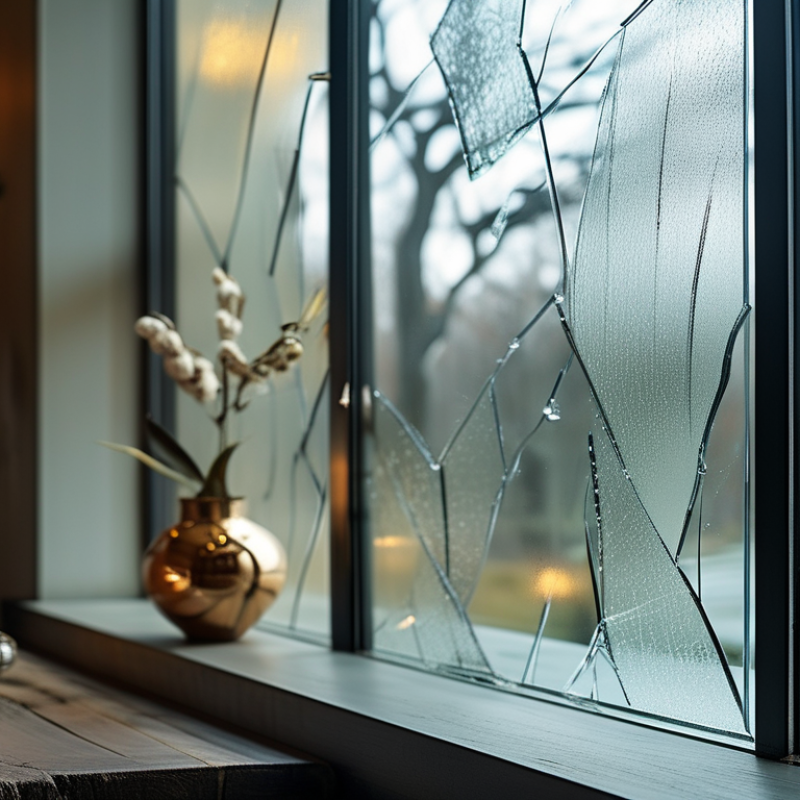
Tempered glass is a popular choice for many applications due to its strength and safety features. It undergoes a special thermal treatment, making it resistant to breakage. When it does break, it shatters into small pieces rather than sharp shards, reducing the risk of injury.
Choosing the right tempered glass involves understanding its benefits. It offers excellent insulation and is less likely to warp over time. Many people prefer it for shower doors, windows, and glass railings. The clarity of tempered glass enhances visibility, providing an elegant finish to any space.
Tips: Consider your specific needs before selecting tempered glass. Think about where it will be used and the level of safety required. Ensure the thickness of the glass matches your intended application. If you're uncertain, consulting a professional can provide valuable insights. Remember, the wrong choice can lead to costly replacements or safety hazards. Exploring various options and seeking expert guidance can lead to better decisions.
This chart represents various types of tempered glass and their corresponding benefits based on customer preferences. The data reflects the top factors influencing choices for tempered glass products.
Tempered glass is essential in various applications, ranging from architecture to automotive design. It’s crucial to understand the different types available to meet specific needs. For example, heat-strengthened glass is often used in facades. A report by Glass Magazine highlights that this type can withstand higher thermal stress than standard glass, making it ideal for large structures.
Laminated tempered glass is another option, combining safety and aesthetic appeal. It consists of multiple layers, enhancing strength and security. According to the Glass Association, laminated glass can reduce ultraviolet (UV) radiation exposure by up to 99%. This makes it a popular choice for buildings in sunny regions.
However, selecting the right tempered glass often involves challenges. Not all types are suitable for every situation. For example, while insulated glass offers better energy efficiency, it may not be as robust as structural glass. Consideration of factors like location and climate is essential. Understanding your requirements will help avoid potential pitfalls in decision-making.
Choosing tempered glass can seem daunting. There are key factors to consider that can simplify the process. Start by identifying the glass's intended use. For example, are you using it for a shower door, a table top, or perhaps a glass partition? Each application may require different thicknesses and strengths.
Another important consideration is safety. Tempered glass is known for its durability, but quality varies among manufacturers. Look for glass that meets industry safety standards. This ensures that the glass has undergone rigorous testing. It may shatter into small, blunt pieces, reducing the risk of injury. However, always check the specifications to ensure you are choosing the right type.
Design also plays a role in your choice. Clear glass offers a modern look, while frosted options provide privacy. Aesthetic preferences can impact your decision significantly. Remember to weigh functionality against aesthetics. The right balance is essential for both appeal and practical use. Reflect on your environment and how the glass will fit. This thought process can lead to a more satisfying choice.
When selecting tempered glass, it's crucial to understand the safety ratings and standards that govern its use. Tempered glass must meet specific criteria set by recognized organizations like ANSI (American National Standards Institute) and ASTM (American Society for Testing and Materials). These standards dictate the appropriate thermal and mechanical performance of the glass. For instance, a well-tested piece of tempered glass can withstand temperatures up to 400°F while remaining intact under stress.
Evaluating the safety ratings goes beyond mere compliance. The glass should also pass specific tests, such as those measuring impact resistance and thermal shock. A report by the Glass Association of North America highlights that 70% of glass failures occur due to improper handling or installation. This suggests that proper education on the handling of tempered glass is essential.
In addition to understanding safety ratings, one should consider the product's certifications. Look for recognized markings that indicate third-party validation. A lack of certifications can be a red flag, indicating the glass may not have been rigorously tested. This raises questions about its reliability and suitability for your needs. Always opt for independently tested options to ensure utmost safety.
When budgeting for tempered glass solutions, it's essential to consider multiple factors influencing cost. Industry reports indicate that the price of tempered glass can range from $5 to $15 per square foot. This variation often stems from the thickness of the glass and the complexity of manufacturing processes. Thicker glass typically offers more strength but comes with a higher price tag. Those opting for custom sizes or unique treatments may face additional costs.
Quality should be a primary focus when weighing your budget. Cheaper glass may save money upfront, but it often leads to safety risks and durability issues. A study showed that low-quality tempered glass can shatter more easily, leading to potentially dangerous situations. Prioritize reliability and seek solutions that provide long-term value versus short-term savings. Investing in higher-quality products can reduce replacement rates and enhance safety.
Moreover, don't forget installation costs. Professional installation can add $2 to $5 per square foot to your overall budget. While it may seem tempting to go the DIY route, improper installation can compromise the glass's structural integrity. Weigh the benefits of professional services against potential pitfalls. Thoughtful budgeting ensures that you achieve the best tempered glass solutions for your needs without overspending or compromising safety.
: Tempered glass is specially treated glass designed to be stronger and safer than regular glass.
Types include heat-strengthened glass, laminated glass, and insulated glass, each serving different needs.
It combines safety with aesthetics, reducing UV radiation exposure by up to 99% and enhancing strength.
Look for safety ratings from recognized organizations and third-party certifications indicating proper testing.
Factors include thickness, manufacturing complexity, and any custom treatments, leading to prices from $5 to $15 per square foot.
Yes, choosing higher-quality tempered glass avoids safety risks and enhances durability despite higher initial costs.
Professional installation may add $2 to $5 per square foot but is crucial to maintaining the glass's integrity.
Not all types suit every application, and improper handling can lead to failures, emphasizing the need for careful selection.
Climate and building location significantly influence the type of tempered glass needed for safety and efficiency.
DIY installation can be risky; improper setup may compromise safety, so professional services are often advisable.
When selecting the best tempered glass for your project, it’s essential to understand its unique properties and benefits, such as increased strength and safety compared to regular glass. There are various types of tempered glass designed for different applications, ranging from residential windows to commercial facades. Key factors to consider include the size, thickness, and treatment options to meet specific needs.
Moreover, evaluating safety ratings and industry standards helps ensure that the tempered glass meets necessary regulations. Lastly, budgeting is crucial, as the cost of tempered glass solutions can vary significantly based on these factors. By carefully considering these elements, you can choose the right tempered glass that fits your requirements and provides optimal performance.