
Choosing the right electrical insulators is crucial for both safety and efficiency in electrical systems. As industry expert Dr. Emily Johnson, a leading figure in electrical engineering, once noted, "The proper insulator can make or break the integrity of an electrical installation." This highlights the importance of selecting suitable materials tailored to any specific application.
Electrical insulators serve as a barrier, preventing unwanted current flow and protecting equipment. They are not all created equal, and each type has its unique properties and applications. Different environments demand different insulator materials—ceramic, glass, or polymer. Therefore, understanding the specific needs of your electrical systems is essential.
Moreover, selecting the wrong electrical insulator can lead to costly failures. Factors like temperature, humidity, and voltage levels must be considered. Ignoring these elements can result in breakdowns and hazardous situations. Thus, it becomes imperative to conduct thorough research and seek expert advice when choosing electrical insulators. This process is not just about finding a product; it’s about ensuring safety and reliability in your electrical designs.
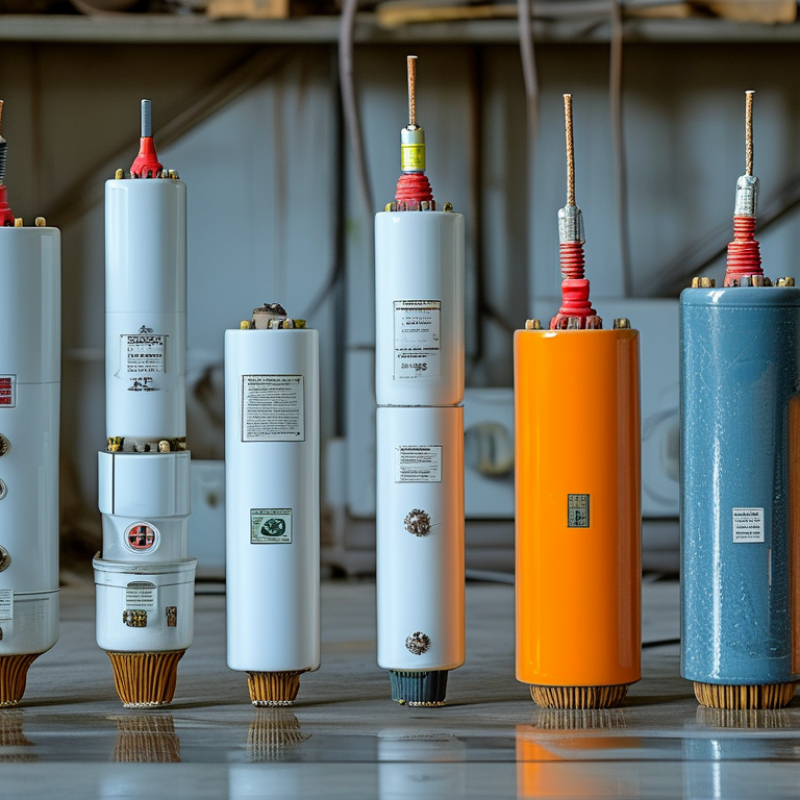
Electrical insulators play a crucial role in preventing short circuits, a leading cause of electrical fires. According to a report by the National Fire Protection Association, electrical malfunctions account for approximately 54% of all structure fires. Proper insulation helps safeguard against these incidents by ensuring that current flows through designated paths without causing leakage.
Choosing high-quality insulators is vital. For example, ceramic insulators are often favored due to their high dielectric strength, which can exceed 10 kV/mm. This property allows them to effectively resist electrical breakdown. Inadequate insulation can lead to short circuits, which can have devastating results. A study indicated that over 30,000 fires occur yearly due to electrical short circuits.
Not all insulators suit every situation. Environmental factors greatly affect performance. For instance, an insulator exposed to moisture may degrade faster. Regular inspections are necessary to identify deterioration and prevent potential failures. A proactive approach can save lives and reduce property damage.
When selecting electrical insulators, understanding the various types is crucial. Ceramic insulators are often used in high-voltage applications. Their durability and resistance to environmental factors make them reliable in harsh conditions. However, they can be heavy and fragile, requiring careful handling during installation.
Polymer insulators, on the other hand, are gaining popularity. They are lightweight and easier to install. Their flexibility allows them to withstand dynamic stresses. Yet, some might worry about their long-term performance compared to ceramics. Choosing the right type requires careful consideration of the specific application.
Another type is glass insulators, known for transparency and high electrical resistance. They can be more aesthetically pleasing in certain settings. Still, their breakability poses a concern. A balance must be struck between aesthetics and practicality. All these factors play a role in ensuring reliable electrical performance in various environments.
Selecting the right electrical insulator is crucial for any electrical system. The performance of an insulator largely depends on its material properties. Key factors include dielectric strength, resistivity, and thermal stability. Dielectric strength measures how much voltage an insulator can withstand without breaking down. Higher values indicate better performance, especially in high-voltage applications.
Another essential property is resistivity. This measures how well the insulator can resist electric current. Insulators with high resistivity are more effective in preventing current leakage. Thermal stability is also vital, as extreme temperatures can degrade insulators over time. Materials that can withstand temperature fluctuations are preferable for outdoor installations.
It’s important to consider environmental conditions too. Humidity, pollution, and UV exposure can impact material performance. Conducting thorough testing in real-world situations can lead to better choices. There’s always room for improvement, and understanding these properties can enhance reliability. Remember, the right choice can make a significant difference in safety and efficiency.
| Material Type | Dielectric Strength (kV/mm) | Thermal Stability (°C) | Water Absorption (%) | Mechanical Strength (MPa) |
|---|---|---|---|---|
| Ceramic | 30-100 | 500 | 0.1 | 60-100 |
| Polymeric | 20-60 | 90-100 | 0.5 | 40-80 |
| Glass | 25-75 | 500-600 | 0.2 | 50-90 |
| Mica | 30-80 | 600 | 0.3 | 70-110 |
When selecting electrical insulators, it's crucial to be aware of industry standards and regulations. Insulators play a vital role in ensuring safety and efficiency in electrical systems. Compliance with these standards not only guarantees the proper functioning of equipment but also protects against potential hazards.
Various organizations set these regulations to promote the use of reliable materials and designs. Insulator ratings specify their performance under different conditions, such as voltage levels and environmental factors. Ignoring these guidelines can lead to failure in critical applications. Testing procedures validate that insulators meet the necessary criteria, providing a level of confidence for engineers and designers.
Evaluating the specifications and certifications can be challenging. Sometimes, the variance in standards across regions can create confusion. It's important to adapt to local codes while considering the overarching principles of safety and reliability. This sometimes involves additional research and even revisiting previous choices to ensure compliance. The journey of finding the right insulator is complex, yet essential for optimal performance in electrical applications.
Selecting the right electrical insulators can significantly impact your budget and operations. High-quality insulators might seem expensive, but their long-term benefits can outweigh the initial costs. Investing in durable materials reduces maintenance needs and enhances safety. This can lead to significant savings over time, as fewer replacements and repairs are necessary.
When considering insulators, evaluate their performance and lifespan. Look beyond the price tag. Sometimes, cheaper materials can lead to failures and unexpected costs. This may require additional expenses for replacements and repairs. Weigh the cost against the potential risks to your operations.
Tips: Always check for certifications and standards. Reliable insulators should meet industry requirements. Consider investing in products with a proven track record. Their durability may initially seem like an extra expense, but it often pays off. Prioritize quality over quantity, especially when it comes to safety and reliability.
: They prevent short circuits, a major cause of electrical fires and malfunctions.
Inadequate insulation can lead to short circuits and potentially devastating results, including fires.
Dielectric strength, resistivity, and thermal stability are crucial for insulator performance.
Factors like moisture and UV can degrade insulator performance over time, affecting safety.
High-quality insulators reduce maintenance needs and long-term costs, enhancing safety.
Regular inspections help identify deterioration, preventing potential failures and hazards.
Yes, their durability can save costs on replacements and improve overall safety.
Conduct thorough testing in real-world conditions to ensure reliability and effectiveness.
Yes, they may fail earlier, causing additional expenses for repairs and replacements.
Always check for certifications and prioritize quality materials in your selections.
Choosing the right electrical insulators is crucial for ensuring the safety and efficiency of electrical systems. Electrical insulators play a vital role in preventing short circuits and protecting infrastructure from power surges. Understanding the different types of electrical insulators and their specific applications is key to optimal performance.
Key material properties, such as dielectric strength and thermal stability, significantly influence insulator performance, making it essential to select materials that meet industry standards and regulations. Conducting a cost-benefit analysis can further illustrate the long-term advantages of investing in high-quality electrical insulators, ultimately enhancing reliability and safety in electrical installations. Emphasizing these factors aids in making informed decisions that align with both functional and budgetary requirements.
