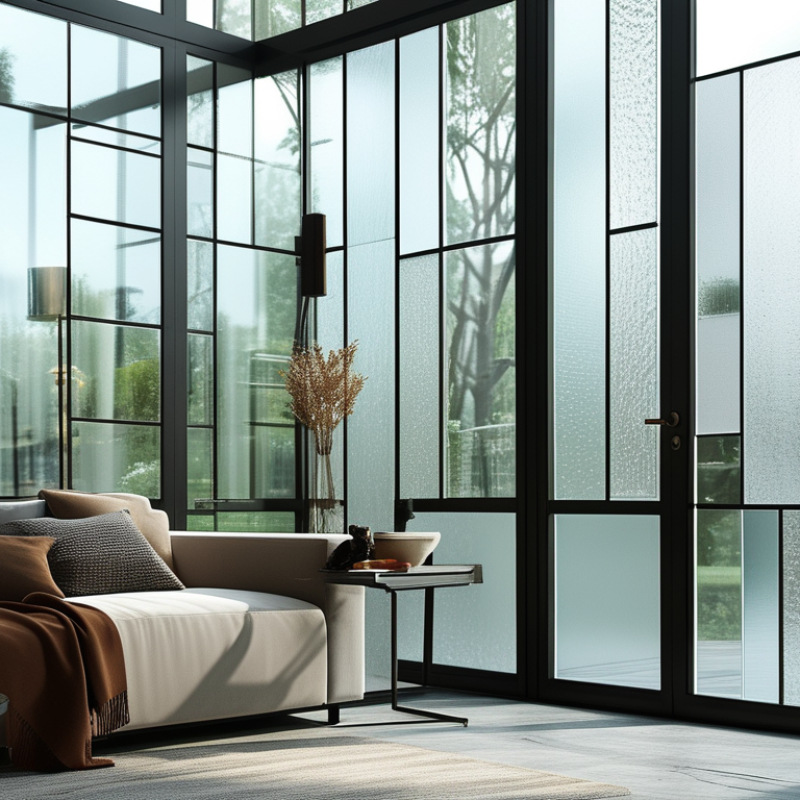
Choosing the right toughened glass can feel overwhelming. With various types available, understanding your needs is essential. Toughened glass differs from regular glass. It is processed to increase strength and safety. This makes it ideal for homes and commercial spaces.
When selecting toughened glass, consider factors like thickness, size, and application. Are you using it for windows, doors, or shower enclosures? Each use requires a different type. Pay attention to manufacturing standards. Reliable suppliers can provide certifications that ensure quality.
Sometimes, it’s difficult to know how much strength you really need. Reflect on your project requirements. Seek expert advice. Proper guidance can save you from costly mistakes. Remember, the best toughened glass balances quality and price. Make informed choices that suit your project, enhancing both safety and style.
Understanding Toughened Glass: Properties and Benefits
Toughened glass, also known as tempered glass, offers unique properties that make it an excellent choice for various needs. It is treated with heat or chemicals to increase its strength. This process makes it significantly more durable than standard glass. Toughened glass can withstand high impacts and thermal stress. This means it’s less likely to break, making it safer in many applications.
One notable benefit is its safety feature. When broken, toughened glass shatters into small, blunt pieces rather than sharp shards. This characteristic reduces the risk of injury. Additionally, toughened glass has excellent thermal insulation properties, making it ideal for windows and shower doors. It can endure temperature changes, ensuring longevity in different environments.
However, it's essential to consider its limitations. Toughened glass cannot be cut or modified after the tempering process. This can lead to challenges during installation or redesign. Understanding these properties is critical when selecting toughened glass for specific projects. Proper consultation with professionals can help mitigate issues and maximize the benefits of this versatile material.
How to Choose the Best Toughened Glass for Your Needs?
| Property |
Benefits |
Suitable Applications |
| High Strength |
Resistant to impact and pressure. |
Windows, glass doors, facades. |
| Thermal Resistance |
Withstands high temperatures and thermal shock. |
Shower doors, kitchen countertops. |
| Safety |
Breaks into small, blunt pieces rather than sharp shards. |
Restaurants, public buildings. |
| Aesthetic Appeal |
Provides a sleek and modern look. |
Residential and commercial design. |
| Versatility |
Can be used in various applications. |
Furniture, partition walls, balustrades. |
Types of Toughened Glass: Which One is Right for You?
When selecting toughened glass for your project, consider the different types available. Each type serves various functions. For instance, clear toughened glass is ideal for windows, offering brilliant visibility. It withstands high impact and thermal stress, making it suitable for residential and commercial spaces alike.
On the other hand, laminated toughened glass combines two layers, enhancing safety and noise reduction. This type is excellent for busy urban areas where sound insulation is important. Additionally, you can opt for frosted toughened glass, which provides privacy without sacrificing light.
Tips for choosing the right type include assessing your environmental needs. Think about location and potential hazards. If the area experiences high winds or impacts, it might be wise to choose thicker glass. Also, consider the aesthetics. The finish and color can significantly affect the overall visual appeal. Always consult with a glass professional to understand the best options suited for your specific needs.
Key Factors to Consider When Selecting Toughened Glass
Toughened glass is a popular choice for various applications. When selecting toughened glass, understand the thickness required for strength. Thicker glass typically offers better durability. Consider the dimensions as well; custom sizes may affect the glass's structural integrity.
Another essential factor is the intended use. Toughened glass used for windows must meet specific safety standards. For kitchen countertops, heat resistance becomes crucial. The appearance is also significant. Clear, tinted, or patterned glass can enhance a space’s aesthetics. Balance form and function carefully to achieve the best result.
Cost is a realistic concern. While tougher glass may cost more upfront, its longevity can save money over time. When examining suppliers, check their reputation and certifications. Sometimes, seemingly good options may lack proper documentation. It’s wise to ask about the sourcing and quality tests performed on the glass. Don’t overlook the importance of professional installation. Poor fitting can compromise the glass's effectiveness.
Applications of Toughened Glass: Where to Use It Effectively
Toughened glass is widely used in various applications due to its superior strength and safety features. Its primary use is in construction, particularly for facades and windows. According to a report by the Global Glass Industry, the market for toughened glass is expected to grow at a compound annual growth rate of 6.5% from 2021 to 2028. Such data highlights the increasing reliance on this material in architectural design.
In addition to buildings, toughened glass is often utilized in interior spaces. Shower doors, glass railings, and table tops often incorporate this material to enhance aesthetics and safety. The increased demand for open and airy designs has contributed to its popularity. However, it is important to consider the potential risks. Improper handling during installation can lead to breakage, which may cause injury. Furthermore, the challenge lies in sourcing high-quality toughened glass that meets safety standards.
Automotive applications also benefit from toughened glass. Car manufacturers frequently use it for windshields and side windows. The glass’s ability to withstand impact while minimizing shatter risk makes it a go-to choice for safety. Nonetheless, as the market evolves, there may be discrepancies in quality and manufacturing processes. Awareness of these factors is essential for effective utilization.
Applications of Toughened Glass
Maintenance and Care Tips for Toughened Glass Products
Toughened glass is known for its durability and strength. However, proper maintenance is crucial for longevity. Regular cleaning is essential to prevent buildup. Use a soft cloth and mild detergent for best results. Avoid abrasive materials that could scratch the surface.
Routine inspections can help identify minor issues before they become major problems. Look for any cracks or chips. Small damages might be repairable if addressed quickly. If you notice any imperfections, consider consulting a professional.
Store toughened glass products carefully. Keep them away from high-traffic areas to minimize the risk of accidental impact. When handling, use appropriate protective gear. This reduces the chance of injury if breakage occurs. The goal is to enjoy your toughened glass items without worrying about damage.
FAQS
: Thicker glass generally offers better durability and strength for various applications.
Custom sizes may impact the glass's structural integrity, so dimensions are important.
Heat resistance is crucial when selecting toughened glass for kitchen countertops.
Clear, tinted, or patterned glass can significantly enhance the aesthetics of a space.
Although it may be pricey upfront, its longevity can result in savings over time.
Check the supplier's reputation, certifications, and ask about quality tests performed on the glass.
Improper installation can lead to breakage and may cause injury, making expert fitting crucial.
It is found in construction, shower doors, glass railings, and automotive applications.
Ensuring the glass meets safety standards can be difficult, which requires careful consideration.
Its ability to withstand impact while minimizing shatter risk makes it ideal for car windows.
Conclusion
Toughened Glass is a highly durable and heat-resistant material, ideal for various applications. Understanding its properties and benefits is crucial when selecting the right type for your needs. There are several types of toughened glass available, each suited for different purposes, so it's important to consider your specific requirements. Key factors include thickness, safety ratings, and environmental conditions where the glass will be used.
Moreover, toughened glass is widely utilized in areas such as construction, automotive, and interior design due to its strength and aesthetic appeal. Proper maintenance and care are essential to prolong the lifespan of toughened glass products, ensuring they remain both functional and visually appealing. By taking these considerations into account, you can effectively choose the best toughened glass solution for your projects.