
When it comes to selecting Glass Toughened Glass, expertise is crucial. Renowned industry expert, Dr. Emily Carter, emphasizes, “Understanding the properties of Glass Toughened Glass can significantly influence your decisions.” This speaks to the importance of informed choices in a market filled with options.
Purchasing Glass Toughened Glass requires a blend of knowledge and practicality. Buyers should know the various types and applications available. Not every product will suit every project, and missteps can lead to costly errors. Exploring suppliers and carefully assessing their credentials is vital. Many might overlook the significance of physical characteristics like thickness and clarity.
Investing in quality Glass Toughened Glass means considering long-term durability and safety. Some may be tempted to opt for lower-priced options, but this often backfires. Ensuring you get reliable materials is essential not just for appearances but for functionality too. So, take your time to reflect on your needs before making a decision.
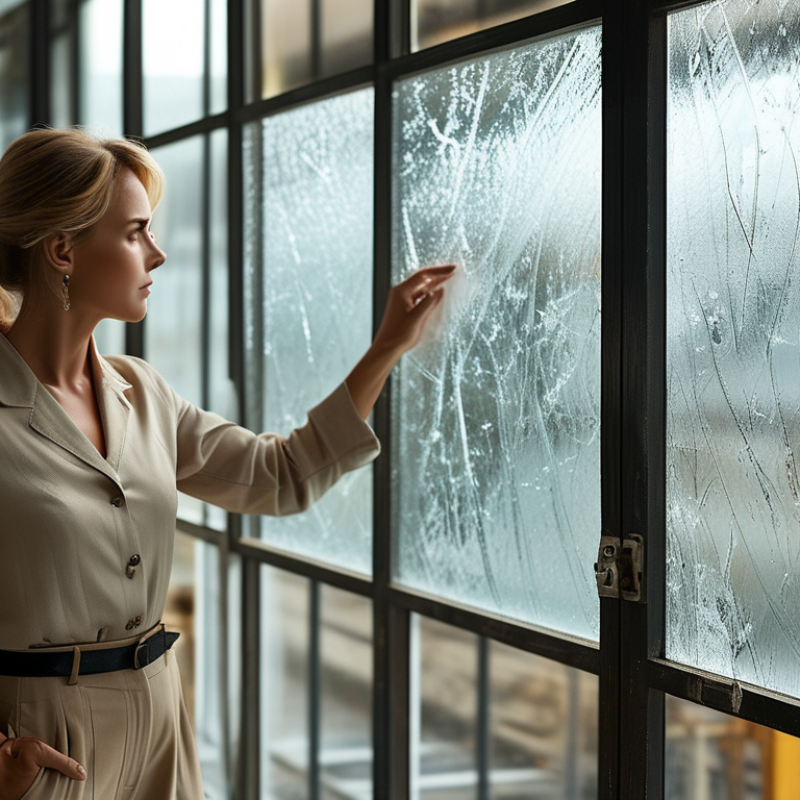
Toughened glass, also known as tempered glass, is designed for safety and durability. This glass undergoes a specific heating and cooling process. It is much stronger than regular glass. When broken, it shatters into small, blunt pieces, reducing the risk of injury.
The properties of toughened glass make it suitable for various applications. It is widely used in buildings, particularly for facades and large windows. This glass also finds its place in shower doors and glass partitions. Additionally, it is often used in kitchen countertops and tables due to its heat resistance.
However, not all toughened glass is created equal. It is essential to know how to choose the right type for your needs. Some manufacturers may cut corners in the production process. This can compromise the safety features or increase the risk of breakage. Paying attention to the certification and quality of the product is vital. Always ask for detailed specifications and check for compliance with industry standards.
| Property | Description | Application |
|---|---|---|
| Strength | Toughened glass is much stronger than regular glass, reducing the risk of shattering. | Used in high-stress environments like facades and glass doors. |
| Safety | If broken, it shatters into small, blunt pieces, reducing injury risk. | Ideal for public buildings and places with high foot traffic. |
| Thermal Shock Resistance | Can withstand sudden temperature changes without breaking. | Commonly used in shower doors and kitchen backsplashes. |
| Aesthetic Quality | Available in various colors and finishes, enhancing aesthetics. | Used in residential and commercial decor. |
| Installation | Requires professional installation for safety and integrity. | Essential in structural applications. |
: Toughened glass, or tempered glass, is strong and designed for safety. It breaks into small pieces.
It is used in buildings, shower doors, glass partitions, and kitchen countertops. Its heat resistance is beneficial.
Toughened glass is made through a heating and cooling process, increasing its strength significantly compared to regular glass.
Quality, thickness, and specific application needs are crucial. Look for industry standards to ensure safety.
Thicker glass offers better resistance to impacts and temperature changes, enhancing overall safety in use.
Costs include glass price, installation, labor, and disposal fees. Plan for these to budget effectively.
Study warranties and customer reviews. Cheaper prices might indicate lower quality or additional risks.
No, not all toughened glass is equal. Some manufacturers may cut corners, risking safety and durability.
Different uses require tailored glass characteristics. High-traffic areas need glass that resists scratches and stains.
Investing wisely can reduce future repair costs. Long-term quality often outweighs the initial lower price.
When considering the purchase of Glass Toughened Glass, it is essential to first understand its properties and various applications. Toughened glass offers enhanced strength and safety, making it ideal for both residential and commercial projects. Key factors to keep in mind during selection include thickness, size, and the intended use of the glass, as these elements greatly influence performance and durability.
Evaluating the quality of toughened glass is crucial; ensure that the products meet industry standards to avoid potential safety hazards. Additionally, conducting a thorough cost analysis helps to budget effectively for both the material and its installation. Finally, sourcing from reputable suppliers is vital. Researching manufacturer reliability and customer feedback will aid in finding trustworthy sources for your Glass Toughened Glass needs, ensuring a successful project outcome.
