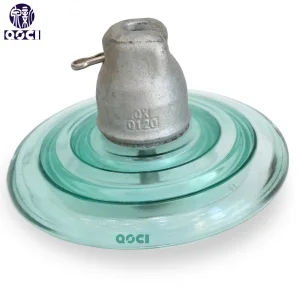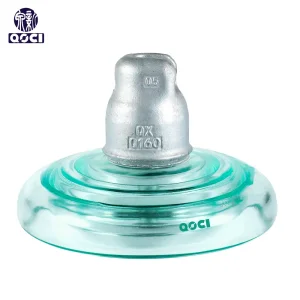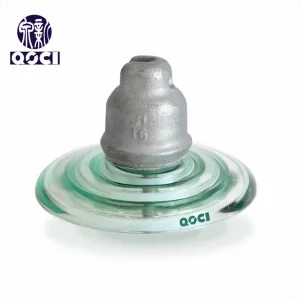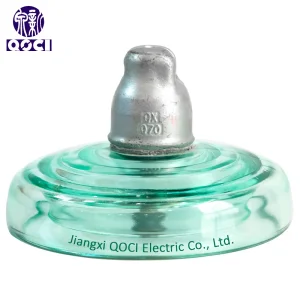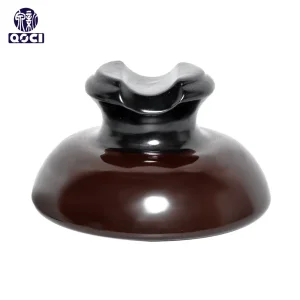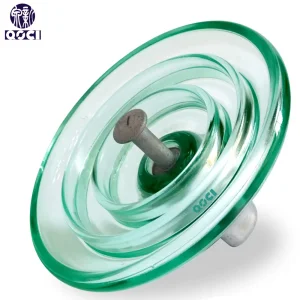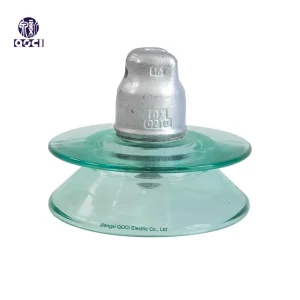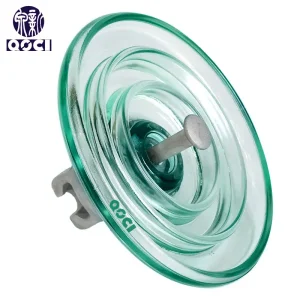
Engineered for extreme reliability and grid stability across all climate zones.
The Evolution of Power Grid Insulation: Reliability, Sustainability, and Technical Innovation
As the world pivots toward decentralized renewable energy and ultra-high-voltage (UHV) interconnectivity, the role of Wholesale QOCI Electric Suppliers has transformed. Modern power grids now face unprecedented stress from climate volatility and extreme voltage requirements. QOCI Electric, established in 2002 with a registered capital of 508 million Yuan, stands at the nexus of this transformation. Our mission is not merely to supply components, but to engineer the "nervous system" of global energy security.
The shift towards Long-Distance High Voltage Direct Current (HVDC) transmission requires insulators with superior DC withstand characteristics and resistance to ion migration. QOCI’s toughened glass technology is optimized for minimal aging in DC fields.
With increasing frequency of extreme weather, "Anti-Pollution" and "Anti-Fog" designs are becoming mandatory. Aerodynamic profiles prevent snow accretion and salt-fog flashovers in coastal or alpine environments.
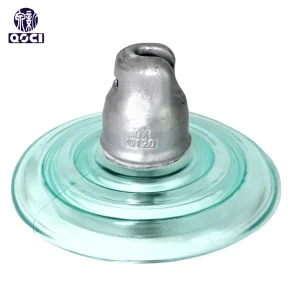
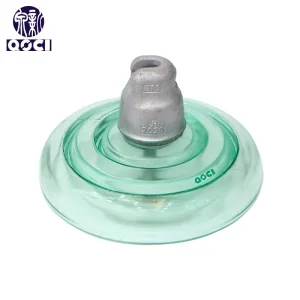
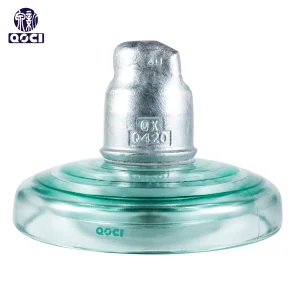
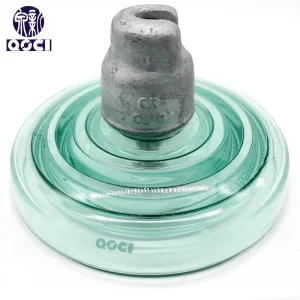
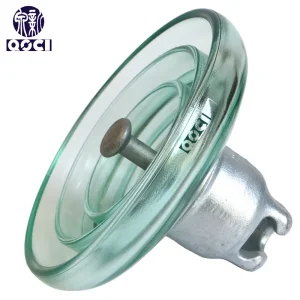
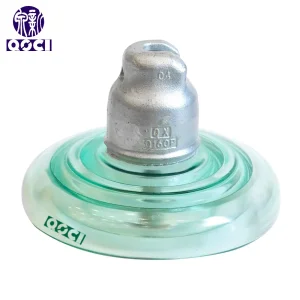
Glass insulators offer 100% recyclability compared to composite alternatives. Their "shatter-before-fail" characteristic allows for easy visual inspection, reducing maintenance O&M costs significantly over 50-year lifespans.
International procurement entities—from EPC contractors in the Middle East to utility giants in Africa—are moving beyond "lowest bid" models to **Total Cost of Ownership (TCO)** analysis. QOCI Electric supports this shift by providing high-output efficiency (39,000 tons annually) coupled with rigorous quality assurance. Procurement needs are now focused on:
Whether it is rural electrification in developing nations or grid hardening in industrialized zones, QOCI provides specialized solutions:
Advancing the boundaries of dielectric material science.
Jiangxi QOCI Electric is currently investing in the next generation of "Smart Insulators." By integrating IoT sensors into the cap-and-pin assembly, we envision a future where real-time leakage current monitoring is standard. Our technical roadmap focuses on:
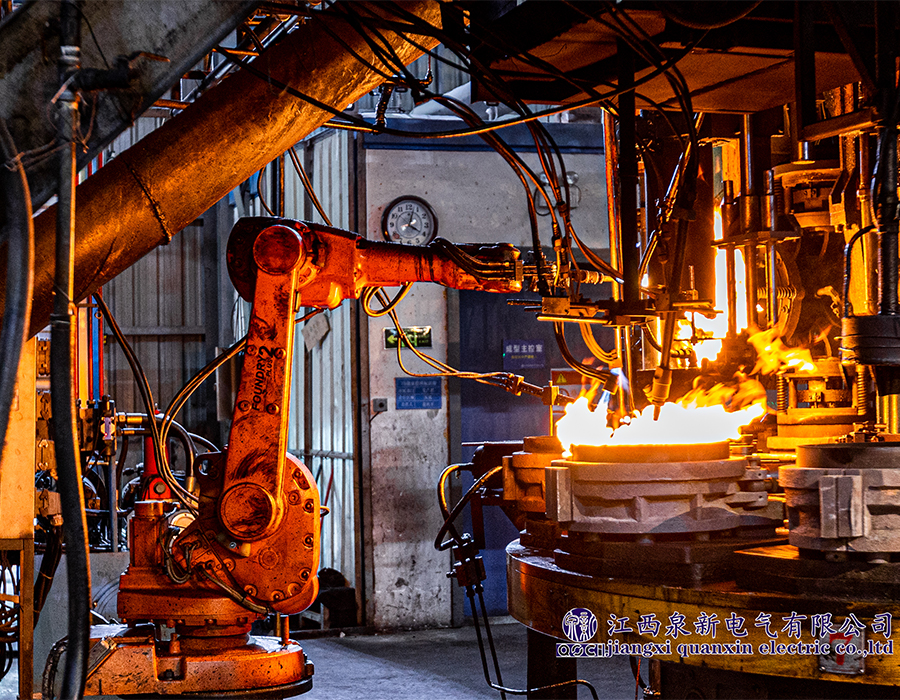
Implementing Total Oxygen Kilns to ensure zero inclusions in the glass melt, significantly reducing the probability of spontaneous shattering.
Developing nano-coatings that enhance self-cleaning properties, allowing rain to wash away industrial particulate more effectively.
Expanding our localized support teams to provide on-site installation guidance and compliance training in over 40 countries.
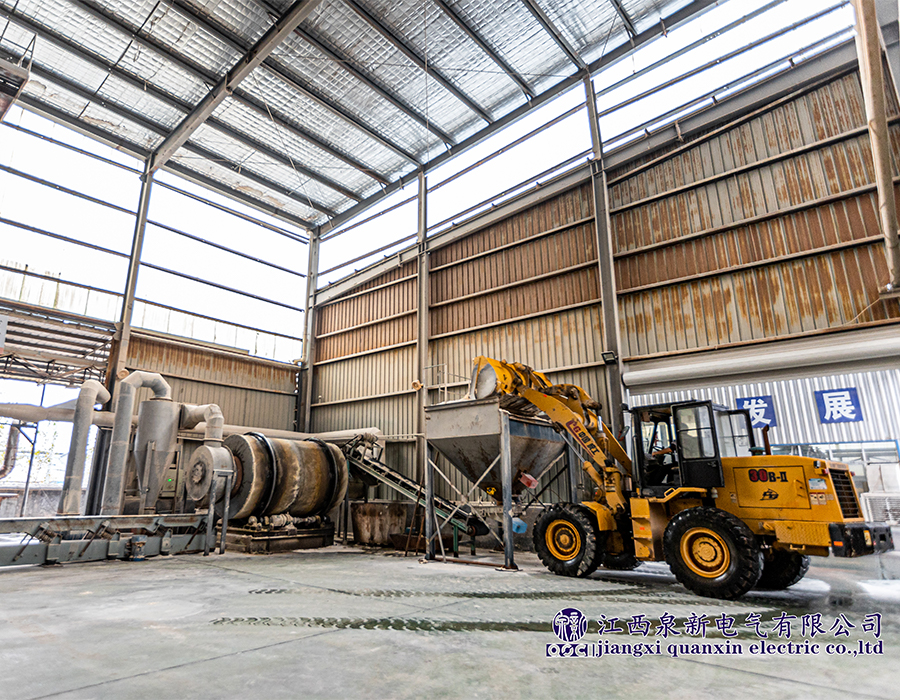
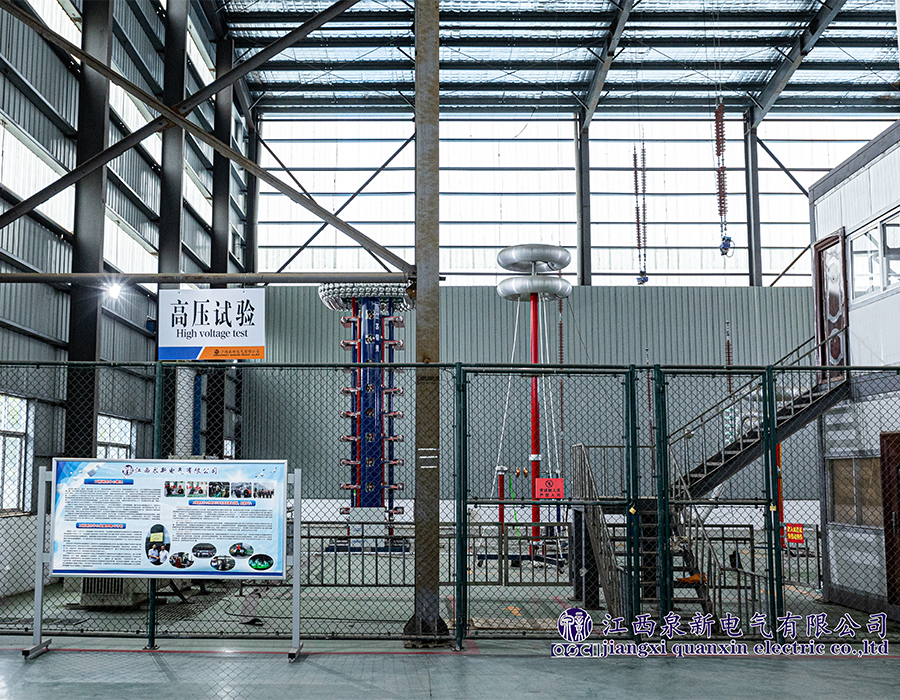
Where craftsmanship meets industrial scale.
Deep insights for technical procurement and engineering teams.
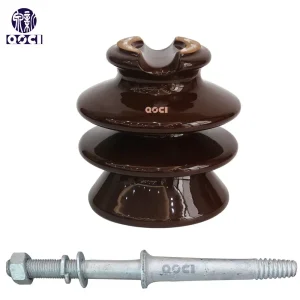
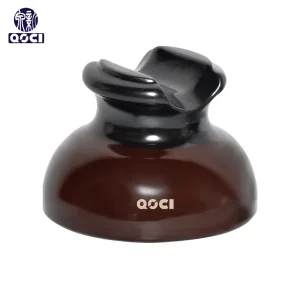
Toughened glass provides superior mechanical uniformity and a "fail-safe" visual indicator. If a glass insulator fails, the shell shatters, but the internal stub retains mechanical strength, making faulty units easy to spot from the ground or by drone. Porcelain requires expensive ultrasonic testing to find internal cracks.
We maintain a robust certification portfolio including ISO9001, ISO14001, and specific regional approvals. Our products are designed to exceed IEC 60305, ANSI C29, and AS standards, ensuring they meet the specific creepage and strike distance requirements of local utilities.
Coastal areas suffer from salt-fog, which creates a conductive layer on the insulator. Room Temperature Vulcanization (RTV) silicone is hydrophobic; it beads water and encapsulate contaminants, significantly increasing the flashover voltage and reducing the need for manual washing.
Under standard operating conditions, our glass insulators are designed for a service life of 40 to 50 years. The inorganic nature of glass makes it highly resistant to UV radiation and chemical aging compared to composite polymers.
Discover our range of standard and specialized insulator solutions.