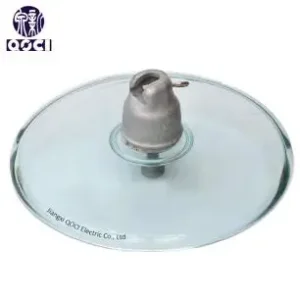
China 11kv Disc Insulator Manufacturer & Factory

Empowering Global Smart Grids with High-Performance Toughened Glass & Porcelain Suspension Insulator Technologies

11kV Disc Insulators: The Backbone of Modern Distribution Networks

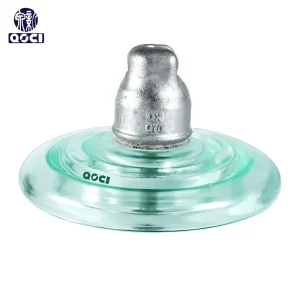
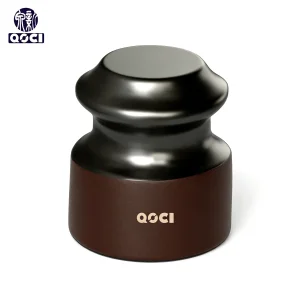
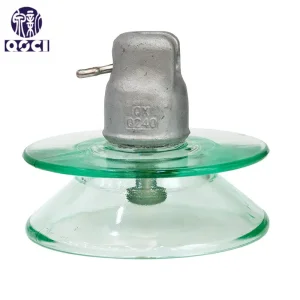
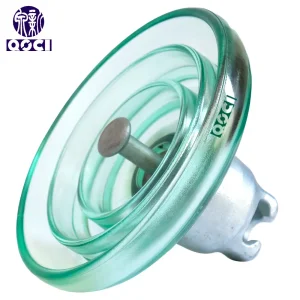
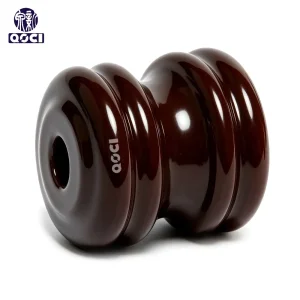
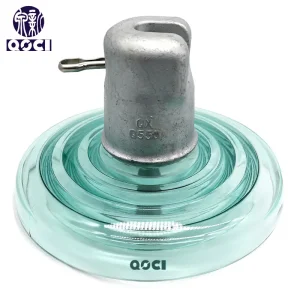
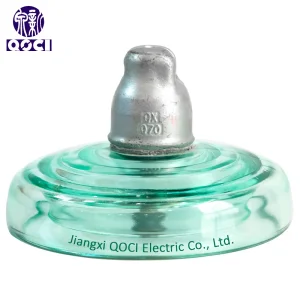
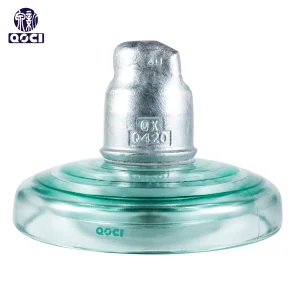
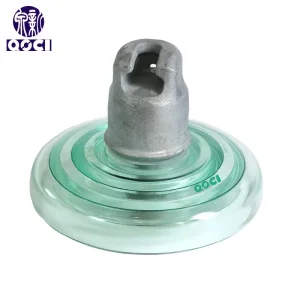
In medium-voltage utility infrastructures, particularly at 11kV (12kV system max) levels, the selection of the overhead line insulation strategy directly determines the system reliability indices (SAIDI/SAIFI). As a leading China 11kv disc insulator manufacturer and factory, we engineer solutions that balance dielectric strength, structural load capabilities, and ambient pollution mitigation. Standard cap-and-pin toughened glass and porcelain insulators serve not only as mechanical supports but as dynamically resilient shield systems against transient high-voltage surges, switching surges, and extreme thermal cyclic fatigue.

Globally, electrical power systems are transitioning toward automated smart grids, requiring distribution line hardware to perform consistently for over 40 to 50 years without catastrophic failure. Toughened glass, due to its unique self-shattering characteristic when damaged (enabling simple, overhead visual inspections), has progressively dominated transmission systems over traditional materials. However, matching specific profile shapes to geographical locations remains a critical engineering task for utility asset managers.

Electrical Performance
Engineered with superior impulse flashover ratings and minimal leakage currents. Fully compliant with IEC 60385 and ANSI C29.2 electrical parameters.
Mechanical Rating
Available in mechanical failing loads from 70kN to 550kN, ensuring structural stability under high wind loads, radial tension, and icing events.
Zero-Maintenance Glass
Toughened glass provides automatic indication of internal defects through visual shatter without dropping the line, mitigating live line testing costs.

About Jiangxi QOCI Electric Co. Ltd

Founded in December 2002 with a robust registered capital of 508 million Yuan, Jiangxi QOCI Electric Co. Ltd stands as a premier global manufacturer of power distribution and transmission line insulation products. Headquartered within the state-of-the-art Industrial Park in Luxi County, Pingxiang, Jiangxi Province—the historic capital of electrical porcelain and glass insulation in China—the corporation spans a massive footprint of over 100 mu (70,000+ square meters of industrial floor).
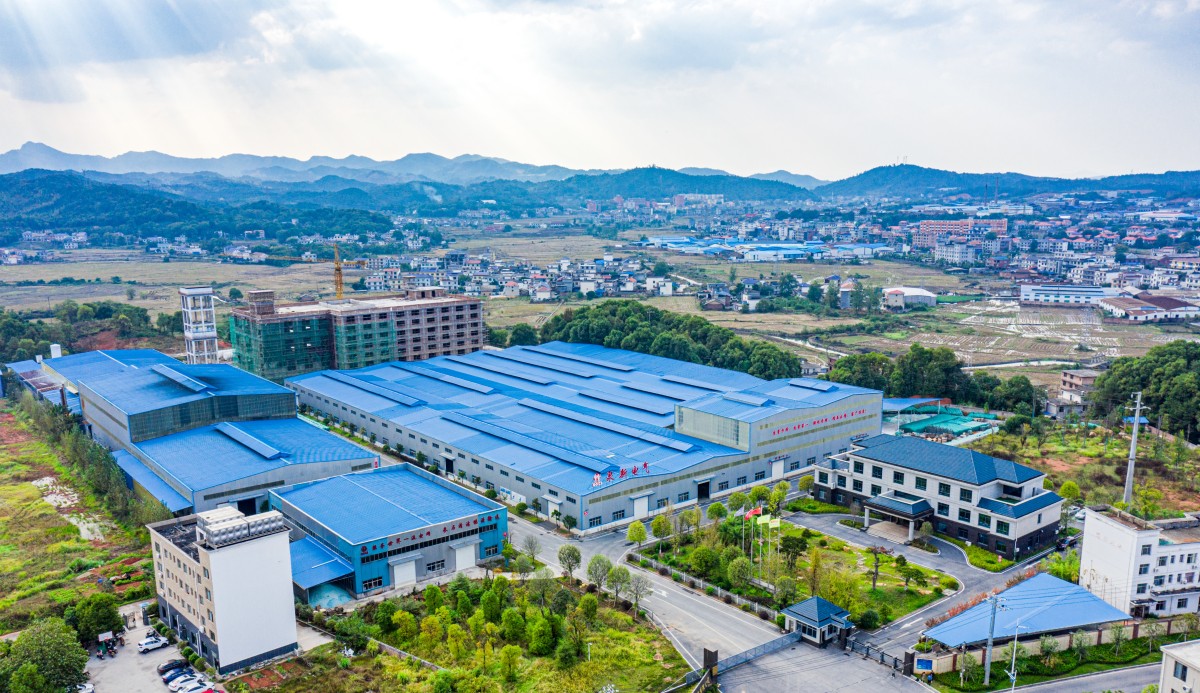
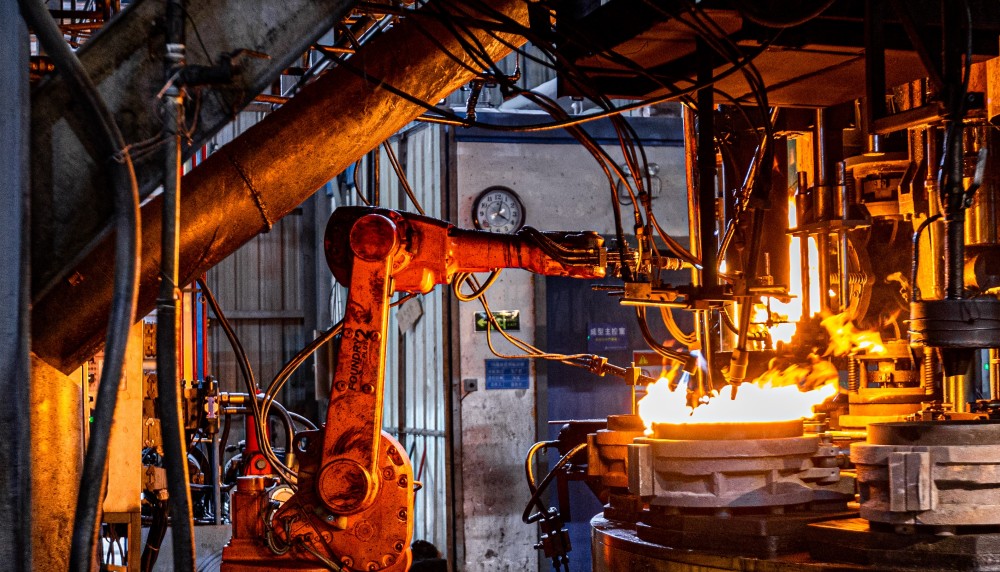
QOCI Manufacturing QOCI Factory Facility
70,000+ Plant Area (m²)
39,000 Annual Output (Tons)
53+ Engineering Techs
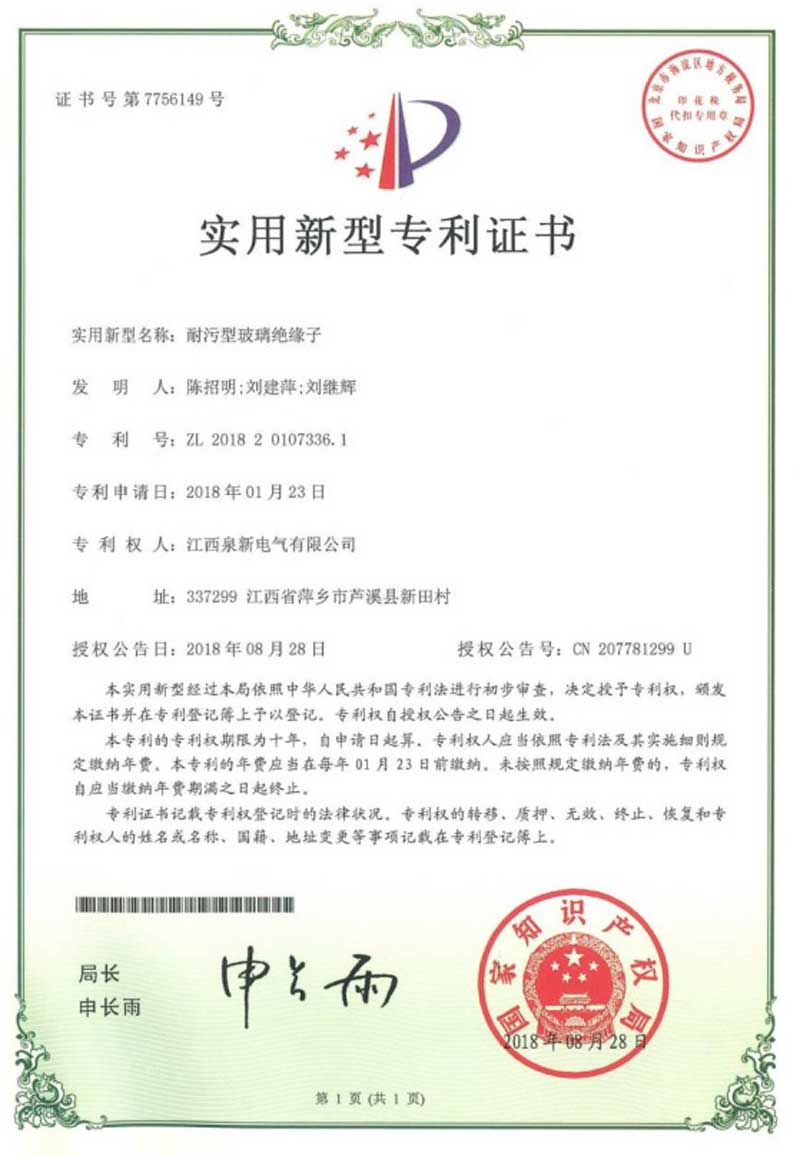
26+ Patents & Innovations

Engineering Profiles & Design Customization

A single insulator configuration cannot satisfy the multi-environmental demands of global utility networks. At QOCI Electric, our technical design department has optimized several unique shed profiles to address specific climate challenges.
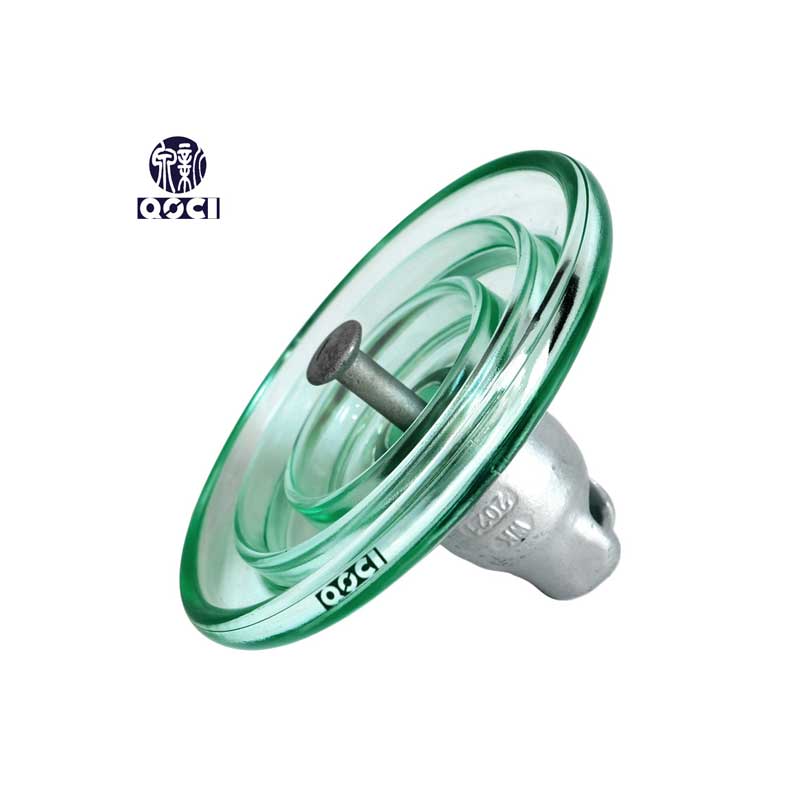
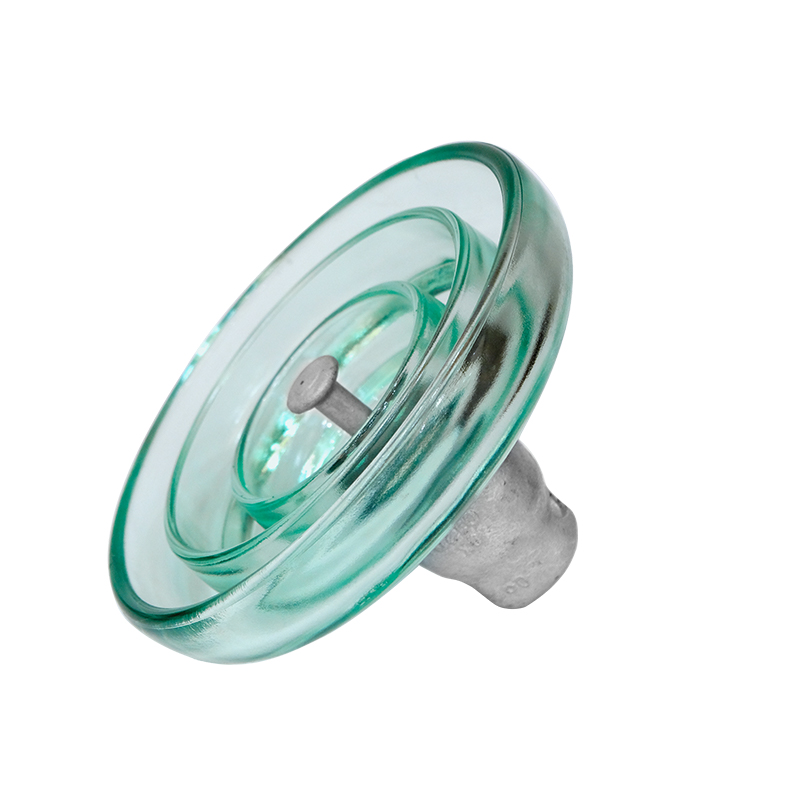
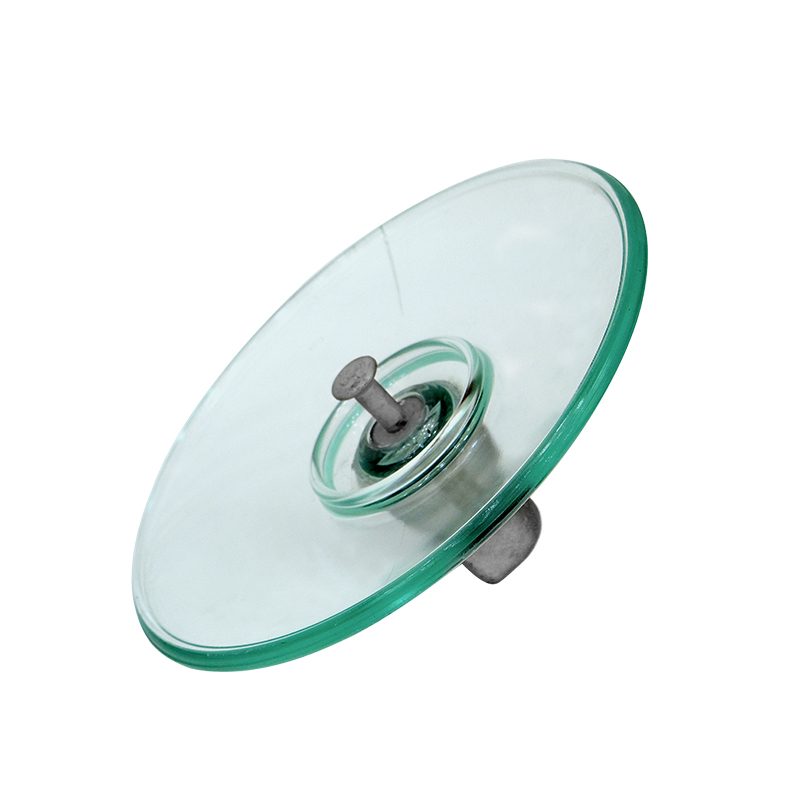
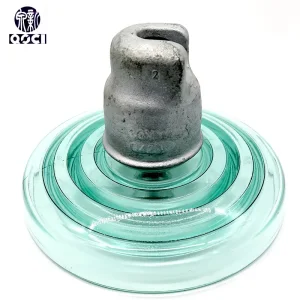
Standard Profile
Standard profile
Leakage distance exceeds standard values indicated in IEC 60305. Features shallow, well-spaced small ribs, optimized for efficient self-cleaning by natural wind and rain in mild to moderate pollution environments.
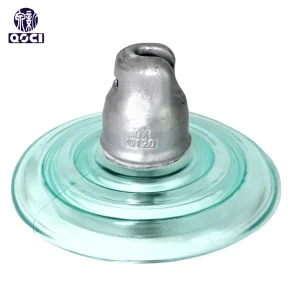
Anti-fog Profile
Anti-fog profile
Characterized by deep, widely-spaced under-ribs that prevent electrical arc bridging between adjacent sheds. Features a high leakage distance/spacing ratio of ~3.2. Highly effective in coastal areas and high salt fog locations.
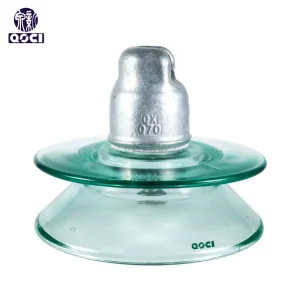
Open Profile
Open profile
Marked by the complete absence of under-ribs and an extended disk diameter to prevent solid dust and sand accumulation on the lower surface. Ideal for arid, wind-swept desert installations where rain is rare.
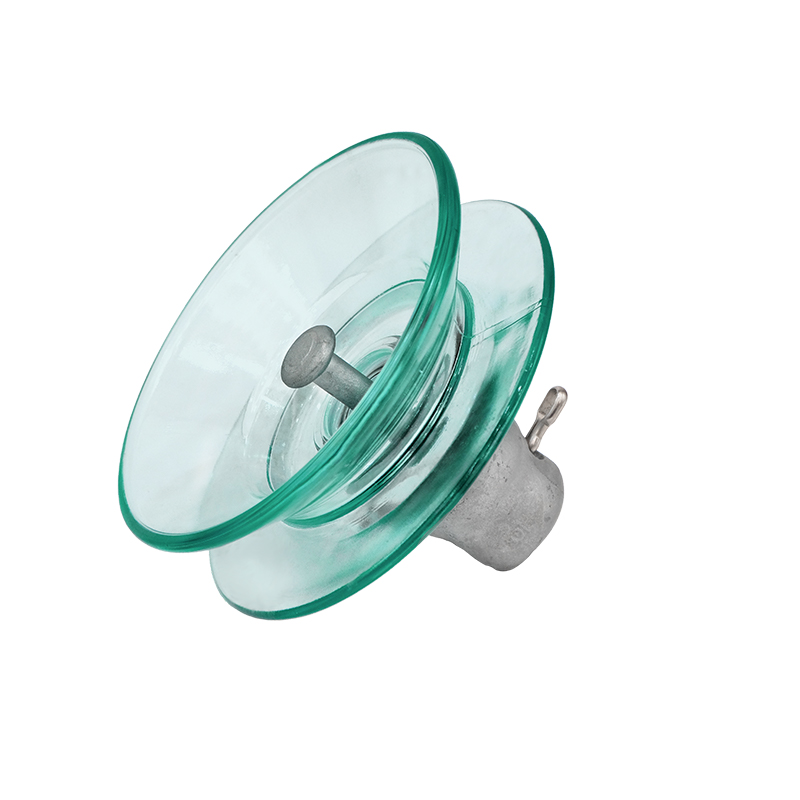
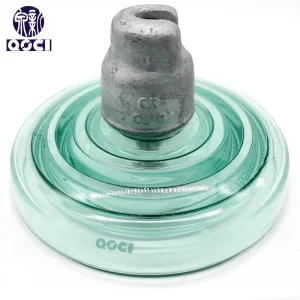
External Shed Profile
External shed profile
Features two prominent external ribs. The flat under-surface limits particulate build-up and eases manual washing. Delivers equivalent creepage paths to anti-pollution designs in areas with extreme industrial dust deposits.
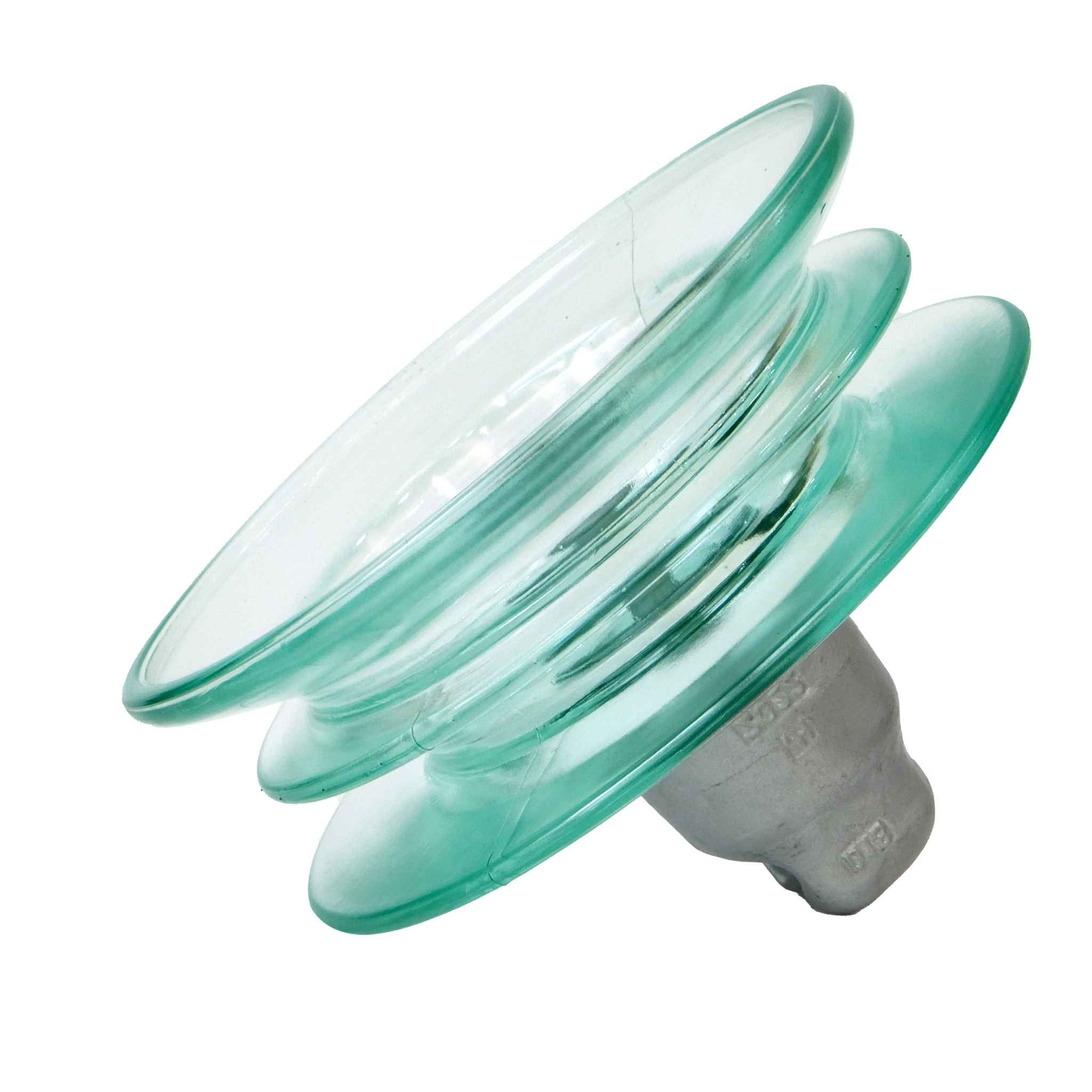
Triple-Shed Profile
Triple-Shed Type
Features three independent levels of structural umbrella discs. Achieves outstanding pollution flashover resistance and stable electrical isolation under severe atmospheric humidity, high altitude, and coastal sea-spray.
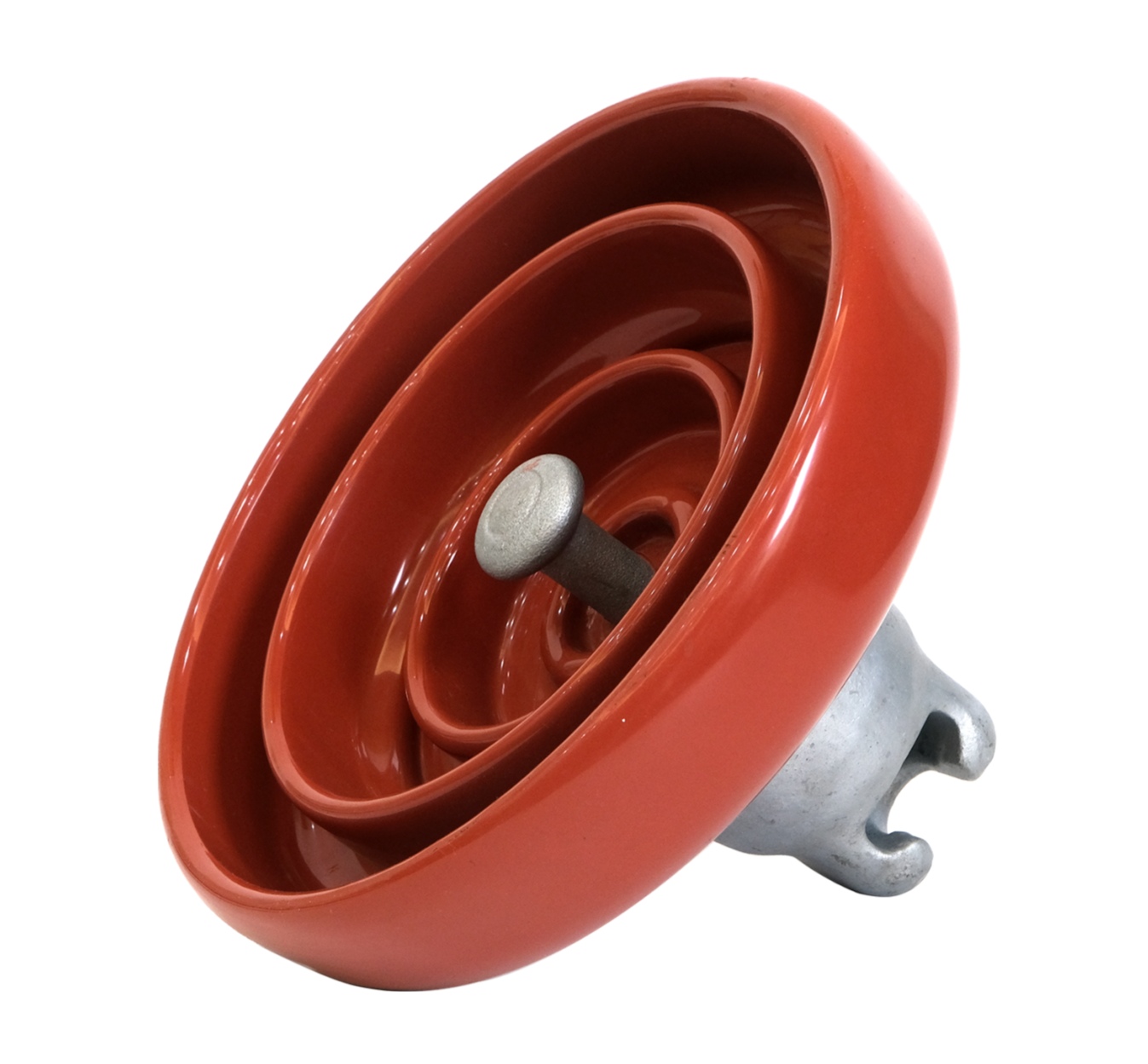
RTV Coating Profile
RTV Silicone Coated
Pre-applied Room Temperature Vulcanizing (RTV) silicone contains special mineral fillers that improve long-term surface hydrophobicity. Minimizes leakage currents, limits arc propagation, and eliminates routine washing needs.

Localized Application Scenarios & Engineering Adaptability

A proper power system design matches the mechanical and electrical specifications of 11kV disc insulators to the unique meteorological demands of the installation zone. Through decades of supply experience, we have mapped configurations to key geographical challenges.

Tropical Coastal & Saline Regions
Problem: Rapid deposition of salt spray creates conductive layers on glass surfaces, generating tracking and eventual phase-to-ground flashover under humid conditions.
Solution: The use of 70kN to 120kN Anti-fog or Double-shed Glass Insulators. The deep under-rib design protects parts of the creepage path from direct salt-mist deposition, preserving vital insulation resistance.
Heavy Industrial & Mining Zones
Problem: Coal dust, cement deposits, and acidic emissions chemically react with moisture, causing continuous leakage currents and dry-band arcing.
Solution: Application of RTV Silicone-coated Glass Insulators. The coating transfers hydrophobicity to the pollution layer, preventing water films from forming and rendering the surface self-cleaning during light rainfall.
Sub-Zero & Alpine Environments
Problem: Ice accumulation spans the air gaps between sheds (ice bridging), causing drastic decreases in the power frequency wet flashover voltage.
Solution: Utilizing Open Profile or Aerodynamic Glass Insulators in an alternating profile structure. The wide spacing and aerodynamic contours mitigate snow bridging and allow high-velocity winds to clear ice buildup.

Technical Roadmap & Future Outlook

The modernization of distribution and transmission grids towards higher voltages and smart structures poses new challenges for insulation materials. Our R&D pipeline focuses on three key innovations designed to address long-term utility demands.

1. Advanced Glass Toughening Controls
Implementing computerized thermal shock tempering systems with rapid air quenching. This process achieves uniform internal stress distribution, lowering the spontaneous shatter rate of toughened glass to less than 1 in 10,000 units.
2. Eco-Friendly Raw Material Kilns
Scaling production utilizing advanced, low-emission Total Oxygen Kilns. This process replaces heavy coal-firing with oxy-gas combustion, reducing carbon footprints while yielding high glass chemical purity.
3. Smart Grid Insulator Diagnostics
Developing integrated chip-on-glass monitoring technologies for UHV corridors. These sensors gather leakage current and partial discharge data, transmitting telemetry directly to regional substation SCADA systems.

China Supply Chain Resilience & Process Control

China’s dominance in power transmission equipment manufacturing rests on deep raw material access and mature industrial clusters. At Luxi County, Pingxiang, QOCI operates a fully integrated supply chain that mitigates external volatility and ensures stable pricing.
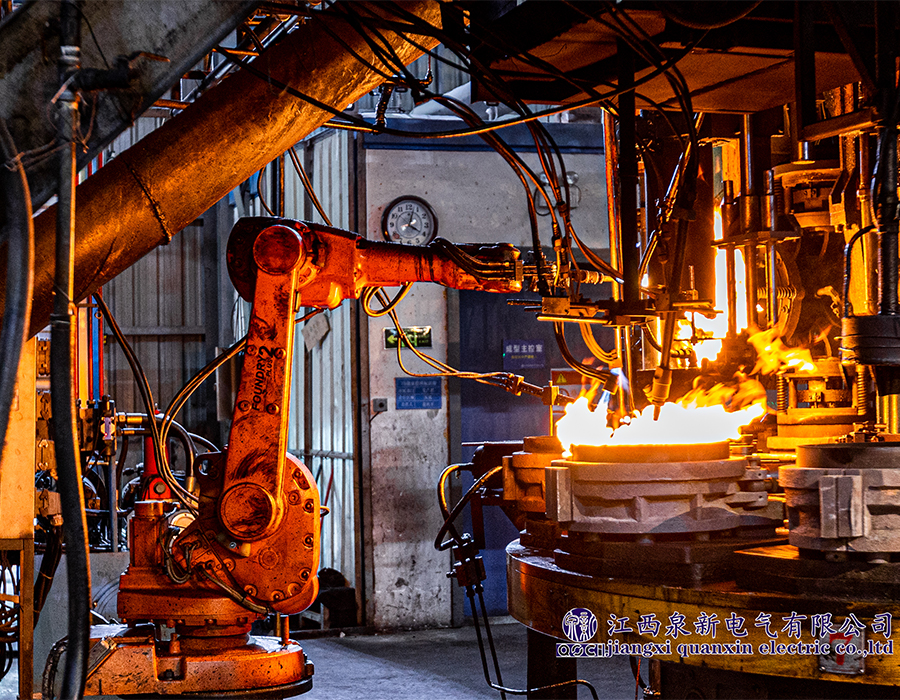
Raw Material Processing
We source premium silica sand, high-purity feldspar, dolomite, and calcium carbonate directly from local mineral quarries. Processing in our automated mixers guarantees chemical consistency prior to kiln loading.
Precision Forming Press
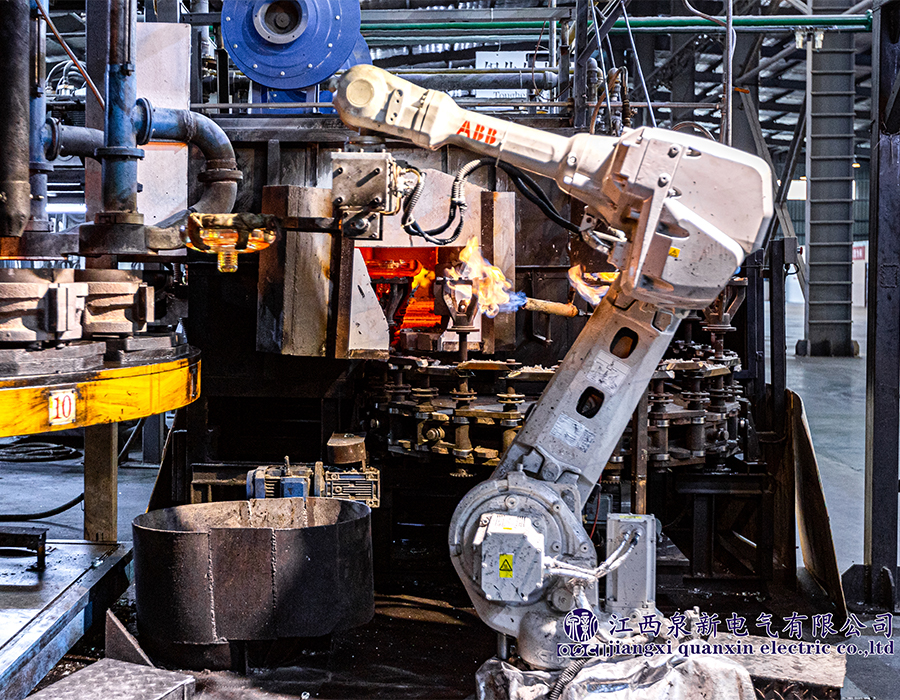
State-of-the-art hydraulic forming presses shape the molten glass gobs into precise aerodynamic, anti-pollution, or standard disc profiles. This process ensures structural uniformity and eliminates internal structural voids.
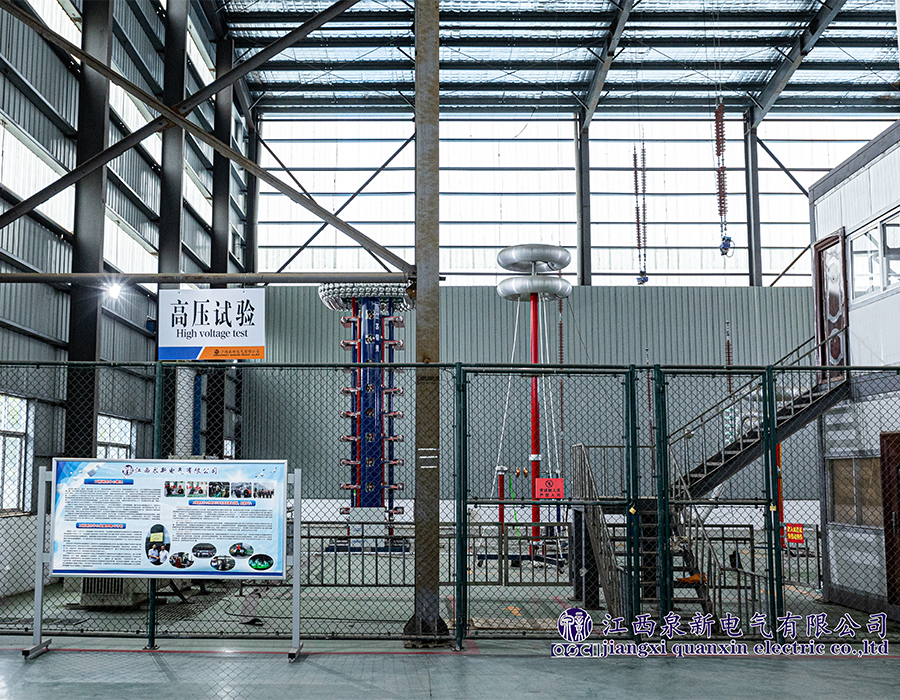
Rigorous Electrical Testing
Every batch undergoes routine high-voltage testing, thermal shock trials, mechanical pulling tests, and visual checks before leaving the factory, maintaining an outstanding product acceptance rate.

Inside Our State-of-the-Art Production Facility

Forming Press

Forming Press

Forming Press

Precision Shaping Press
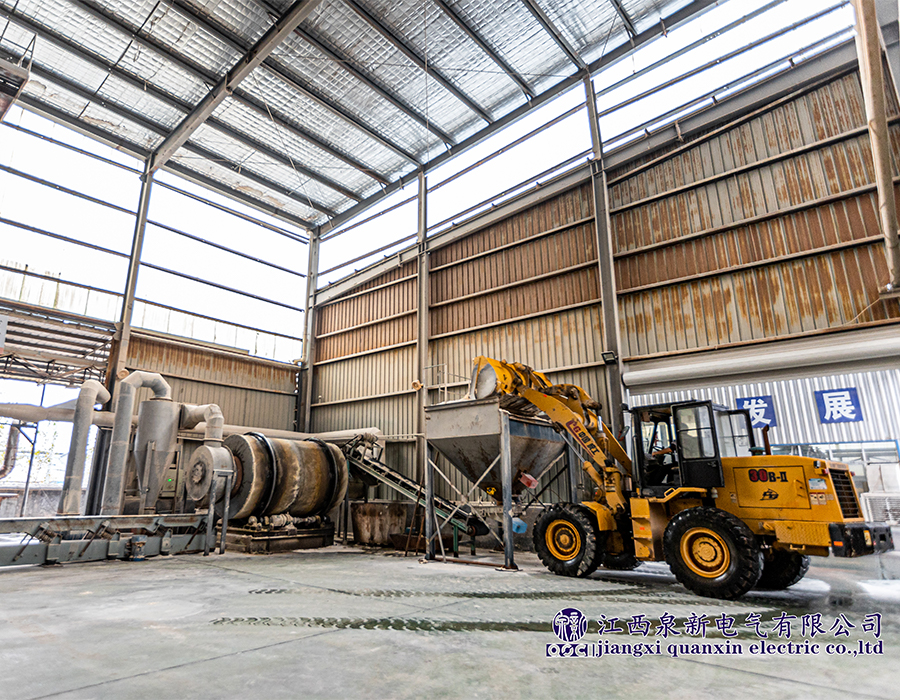
Mixer

Raw Material Mixer

High Voltage Test

High Voltage Test Bay

Global Compliance & Quality Certificates

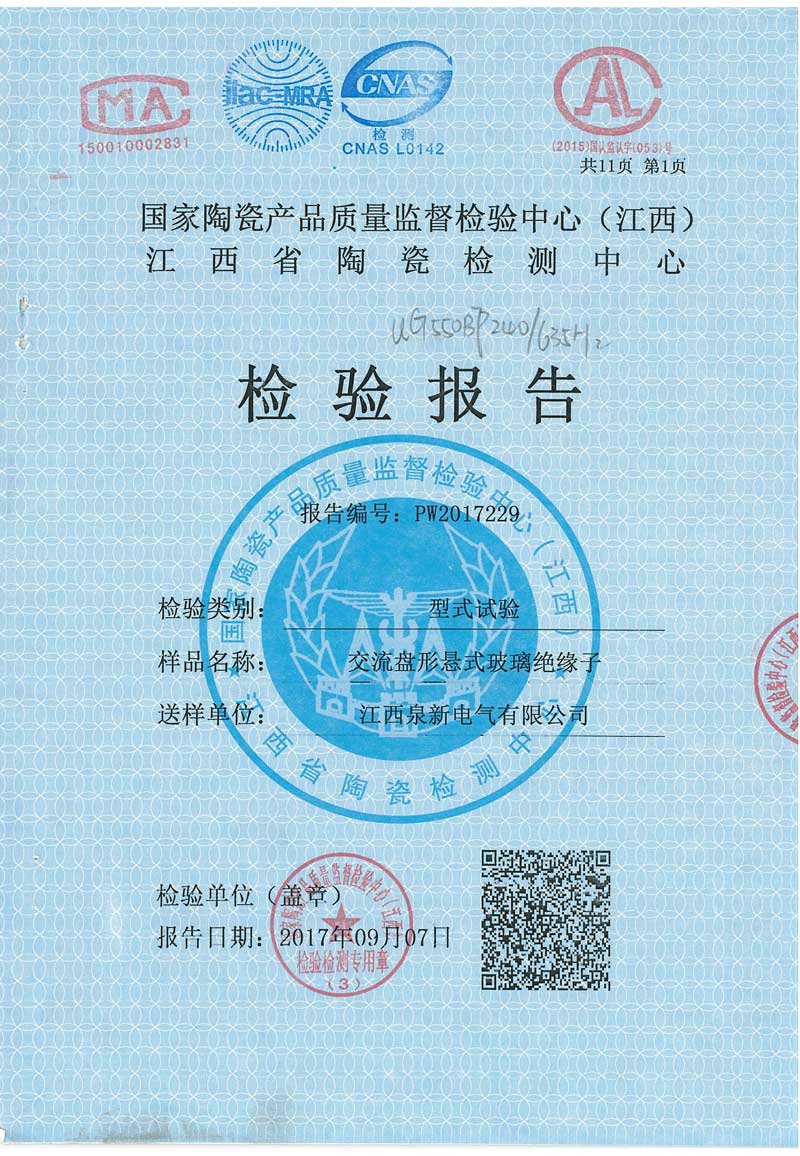
To support international utility deployment, QOCI operates in strict compliance with ISO quality systems and is type-tested by renowned international testing bodies.
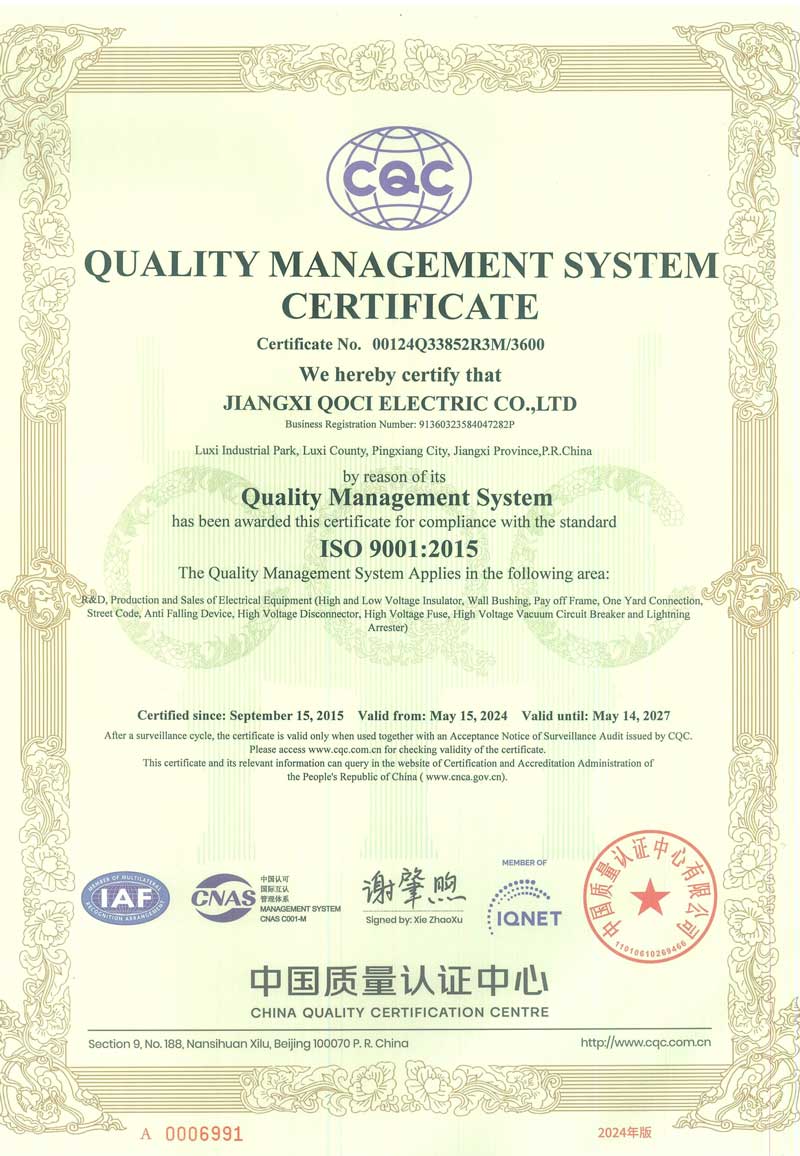
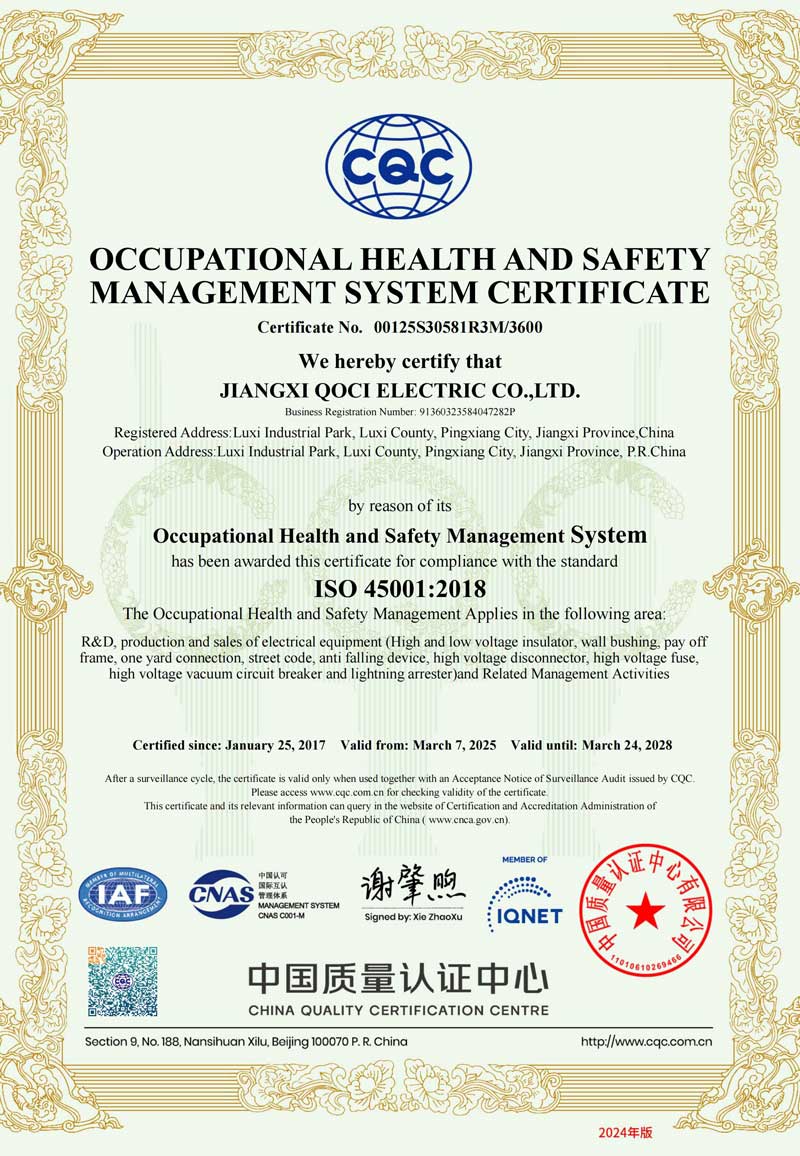
ISO Certification ISO Certification ISO Certification ISO Certification ISO Certification
ISO 9001:2015 Quality
Our quality management protocols regulate the production process from raw material inspections to final packaging and global dispatch.
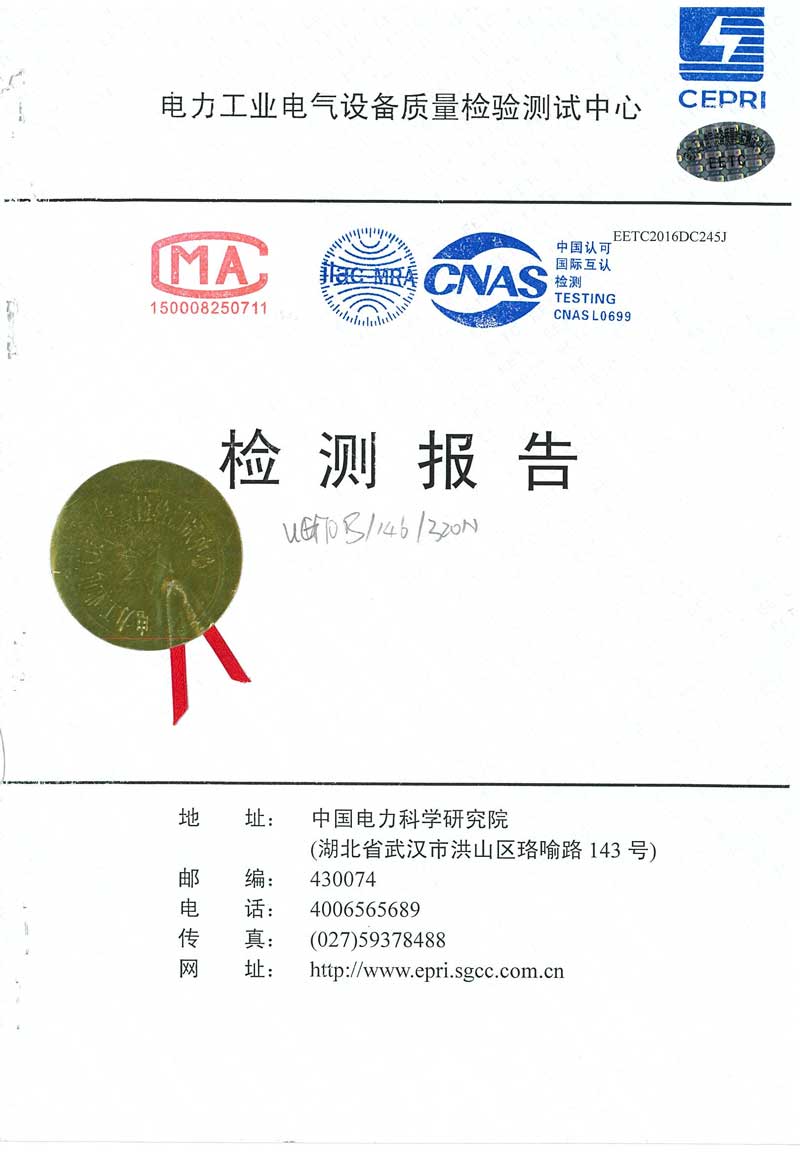
KEMA & CESI Typetests
Product designs undergo strict testing at third-party laboratories to verify electrical, mechanical, and thermal performance parameters.
ISO 14001:2015 Environment
Our manufacturing processes prioritize energy efficiency, raw material recycling, and low emission levels, ensuring sustainable industrial growth.

Q&A: Technical Specifications & Application Guidance

Technical answers for electrical engineers, transmission project designers, and utility procurement managers.

Why is toughened glass preferred over porcelain for 11kV suspension strings?
Toughened glass provides automatic fault indication. If a glass disc suffers damage from power arcs or mechanical impacts, it shatters into small fragments without dropping the line, facilitating visual inspection. Porcelain, by contrast, can hide internal cracks (punctures) that require specialized testing equipment to detect.
How do anti-fog profile designs prevent pollution flashovers?
Anti-fog profiles feature deep, widely-spaced under-ribs. This structure keeps portions of the underside dry and free from salt and dust deposits. It also prevents electrical arcs from bridging between adjacent ribs, maintaining high insulation resistance in high-humidity coastal zones.
What does the U100BL designation mean under international standards?
The designation follows IEC standard naming conventions. "U" stands for suspension-type insulation units, "100" indicates a minimum mechanical failing load of 100 kN, "B" designates the ball-and-socket connection type, and "L" specifies standard structural profiles.
When should RTV silicone-coated glass insulators be selected over standard glass?
RTV-coated glass is recommended for areas with severe industrial pollution, desert dust, or high saline levels where routine washing of standard glass is too expensive or logistically difficult. The silicone coating maintains surface hydrophobicity, suppressing leakage currents and tracking.
What mechanical load ratings do you produce for distribution lines?
We manufacture insulators with mechanical ratings ranging from 70kN to 550kN. For typical 11kV distribution systems, 70kN and 100kN ratings are standard. Heavy transmission configurations utilize ratings from 120kN up to 550kN.