 Engineering Excellence: U160BLP & High-Voltage Series
 Corporate Strength
Founded in 2002, Jiangxi QOCI Electric Co. Ltd operates with a registered capital of 508 million Yuan. Spanning 70,000 m², our facility is a hub for high-voltage insulation technology innovation.
 Quality Assurance
We hold 26+ national patents and an annual output capacity of 39,000 tons. Our "Total Oxygen Kiln" technology ensures the highest glass purity for zero-puncture performance.
 Global Footprint
Serving world-class power grids with 53+ specialized engineering technicians. Our mission is to ensure the absolute safety and green sustainability of global electric infrastructures.
Plant Area (m²)
Annual Output (Tons)
Engineers
Patents
 Whitepaper: The Strategic Importance of U160BLP Glass Insulators
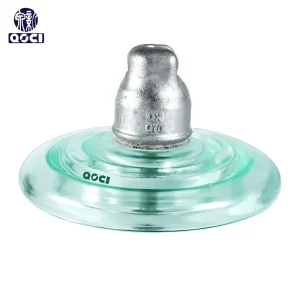
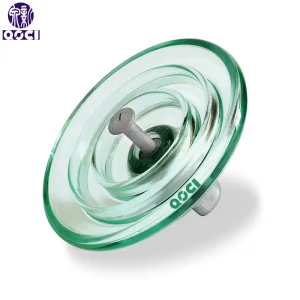
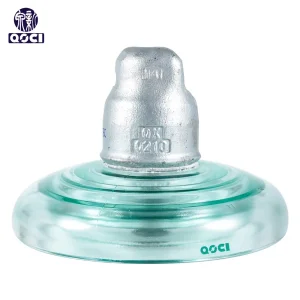
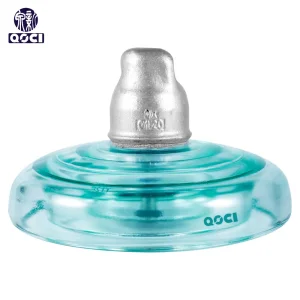
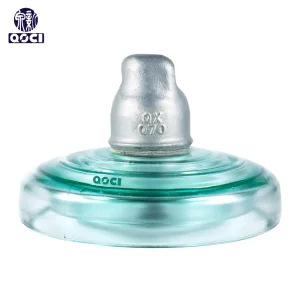
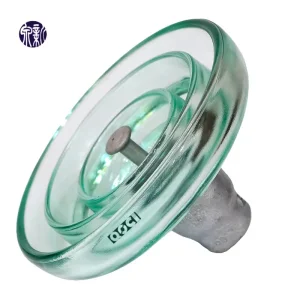
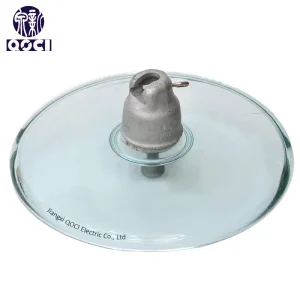
In the hierarchy of electrical transmission components, the U160BLP (Anti-pollution Toughened Suspension Glass Insulator) represents a critical balance between mechanical strength and environmental resilience. With a rated electromechanical failing load of 160kN, these units are specifically engineered for high-voltage lines (110kV to 1000kV) where tension and weight loads are extreme.
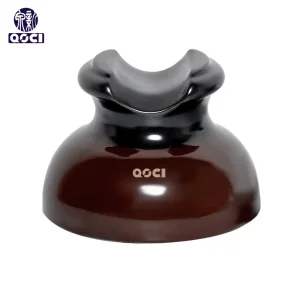
Information Gain: Unlike porcelain insulators, toughened glass insulators like the U160BLP offer "Visual Inspection Efficiency." When a glass insulator fails, the shell shatters completely (the "pop" effect), allowing ground-based maintenance crews to identify faults without climbing towers or using specialized diagnostic tools. This reduces O&M costs by up to 40% over the product lifecycle.
China has become the global epicenter for glass insulator manufacturing due to three primary pillars:
Global utilities are shifting from "lowest bid" to "highest reliability" models. Procurement managers from E.ON, Enel, and State Grid now prioritize manufacturers who can demonstrate Type Test Reports, Material Traceability, and Localization Support. The U160BLP satisfies these requirements through adherence to IEC 60305, IEC 60383, and ANSI C29.2 standards.
Designed for self-cleaning via wind and rain. Ideal for inland regions with low-to-moderate pollution.
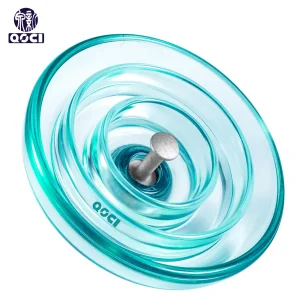
Features deep ribs to prevent arc bridging in salt-spray coastal environments or industrial zones.
Adds hydrophobicity to glass surfaces, virtually eliminating leakage currents in extreme pollution.
Precision Engineering from Raw Material to High-Voltage Testing
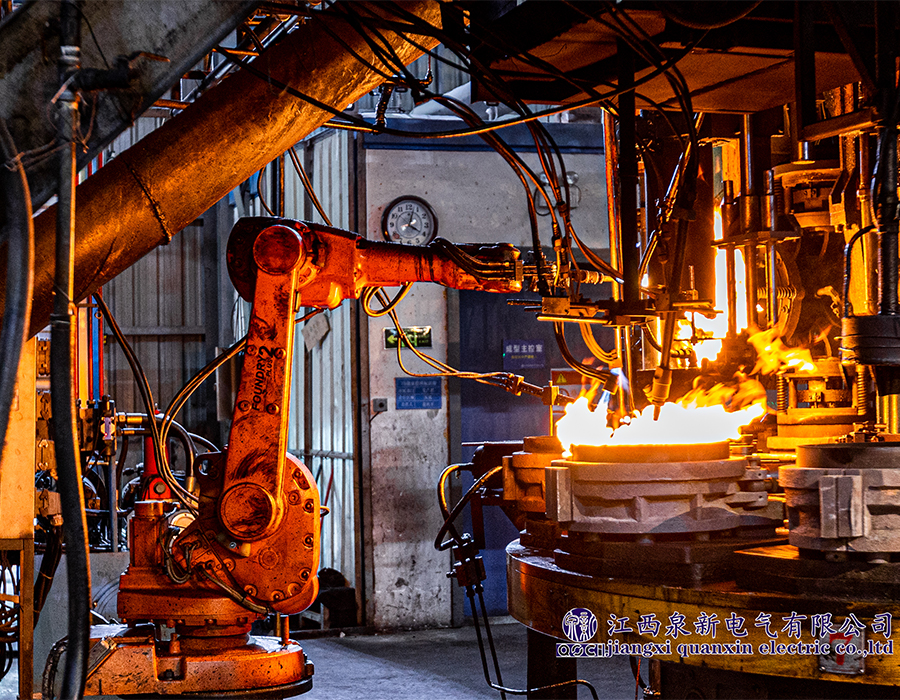
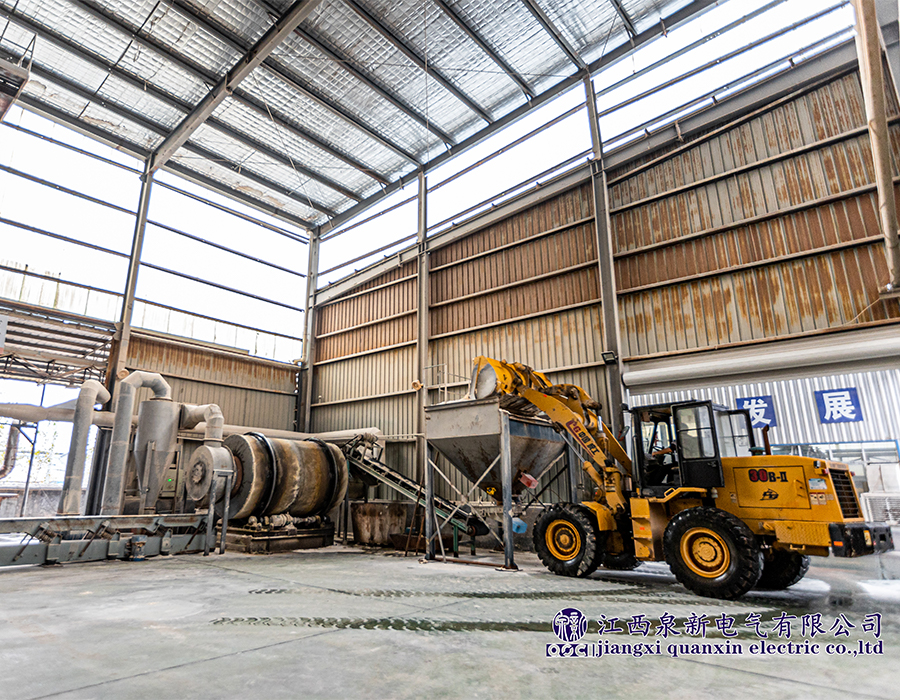
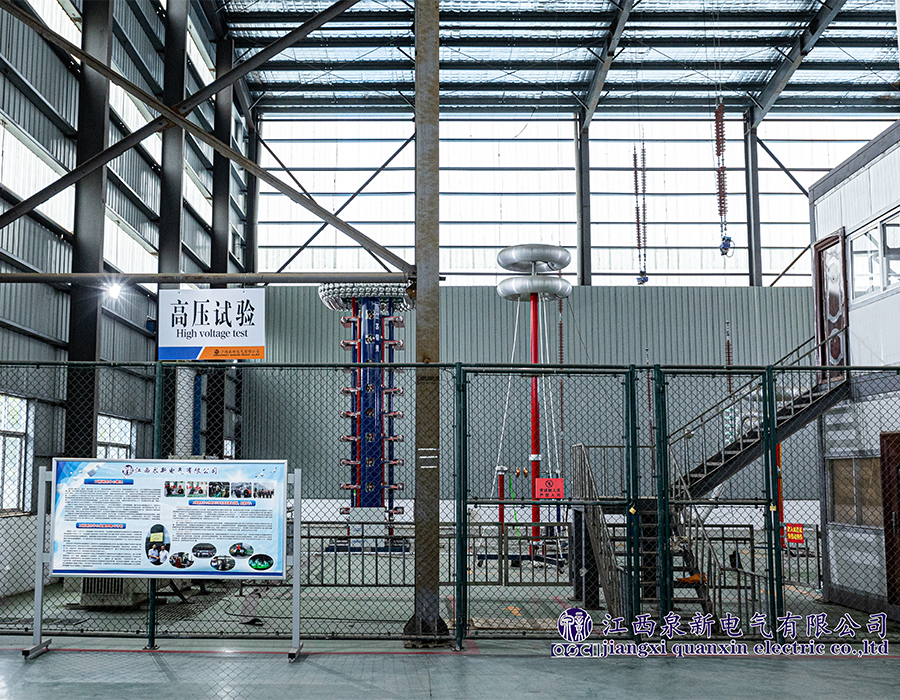
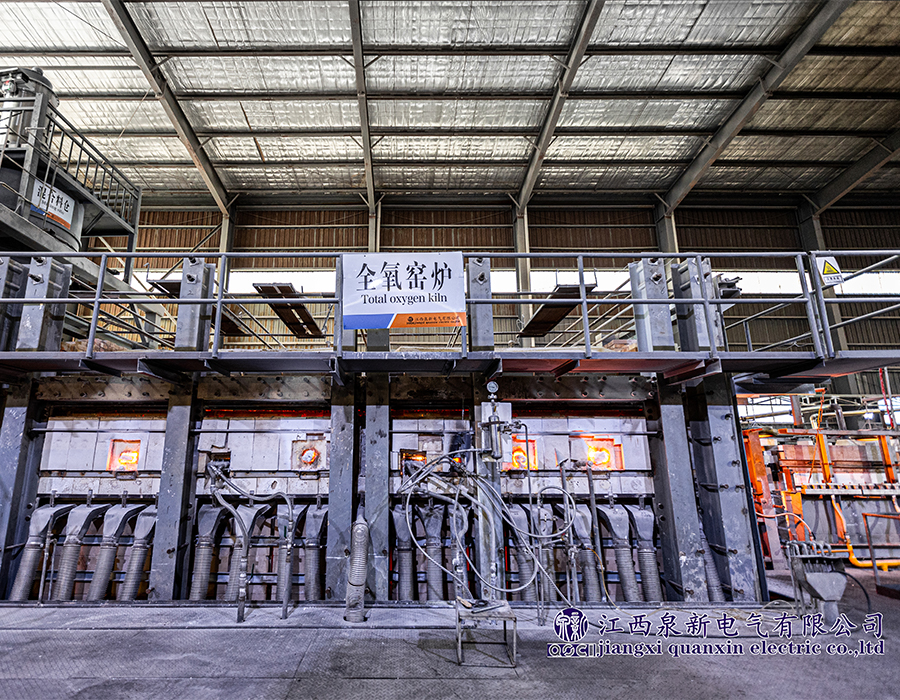
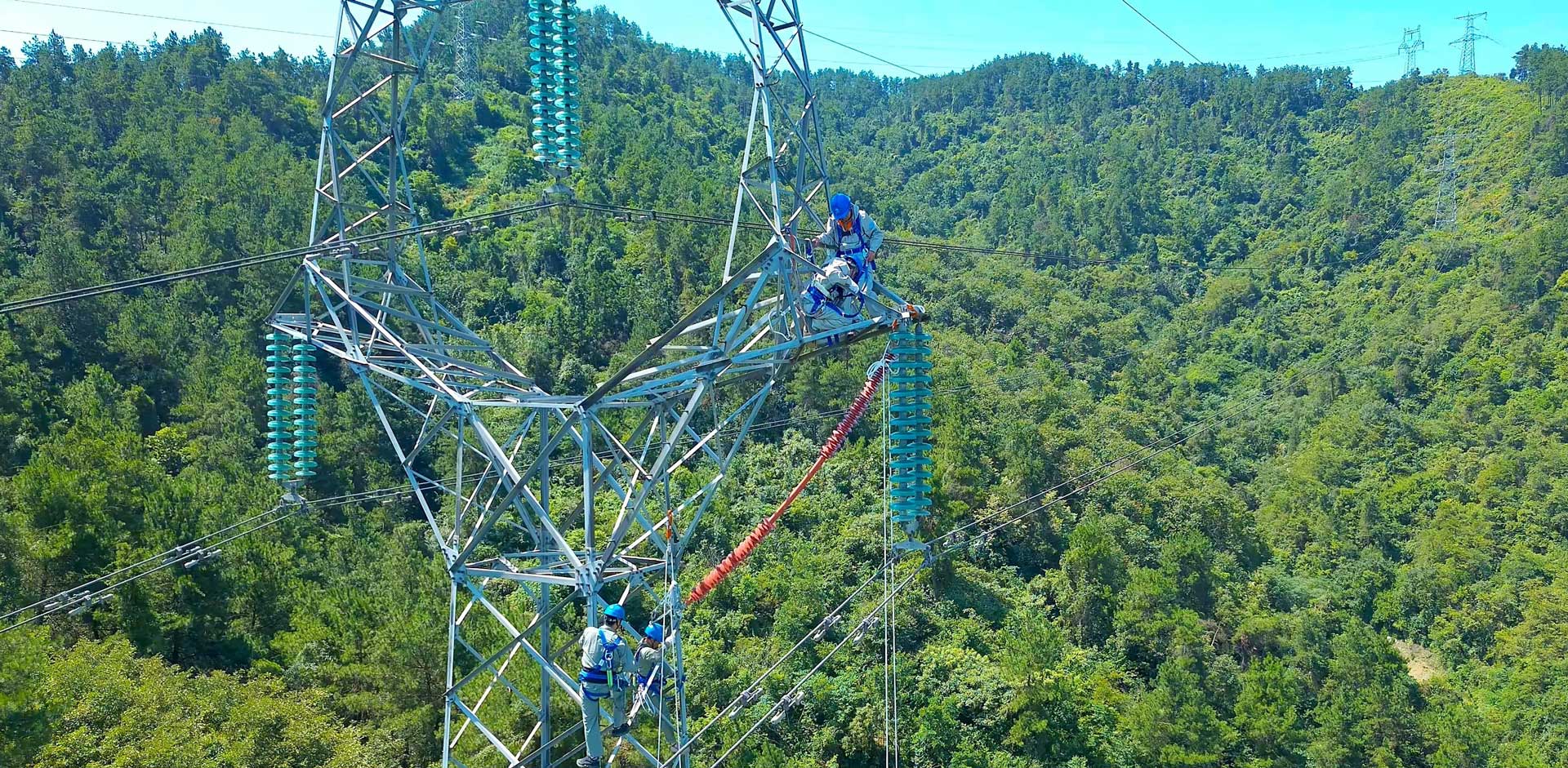
Our U160BLP and related glass insulators are deployed in the most challenging environments on Earth:
The insulation industry is moving towards RTV (Room Temperature Vulcanization) coatings. By combining the mechanical reliability of toughened glass with the chemical hydrophobicity of silicone, we offer a "best-of-both-worlds" solution. This trend is particularly dominant in the construction of 800kV HVDC lines, where line reliability is non-negotiable.
The U160BLP provides self-diagnosing properties (shattering upon failure), lighter weight-to-strength ratios, and superior resistance to thermal aging compared to porcelain.
We work with regional distributors and provide multilingual technical documentation, site inspection support, and customized packing (sea-worthy wooden crates) for local logistics requirements.
Yes, our glass insulators are fully compliant with IEC 60305 (Mechanical Characteristics), IEC 60383 (Electrical Testing), and ANSI C29.2B (U.S. Market Standards).
Specifically designed variants with zinc bushings and high-resistivity glass are available for HVDC applications to prevent ion migration and hardware corrosion.
 Advanced Anti-Pollution & Special Solutions