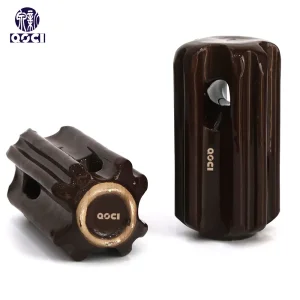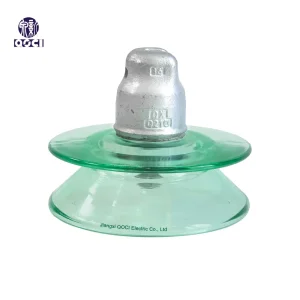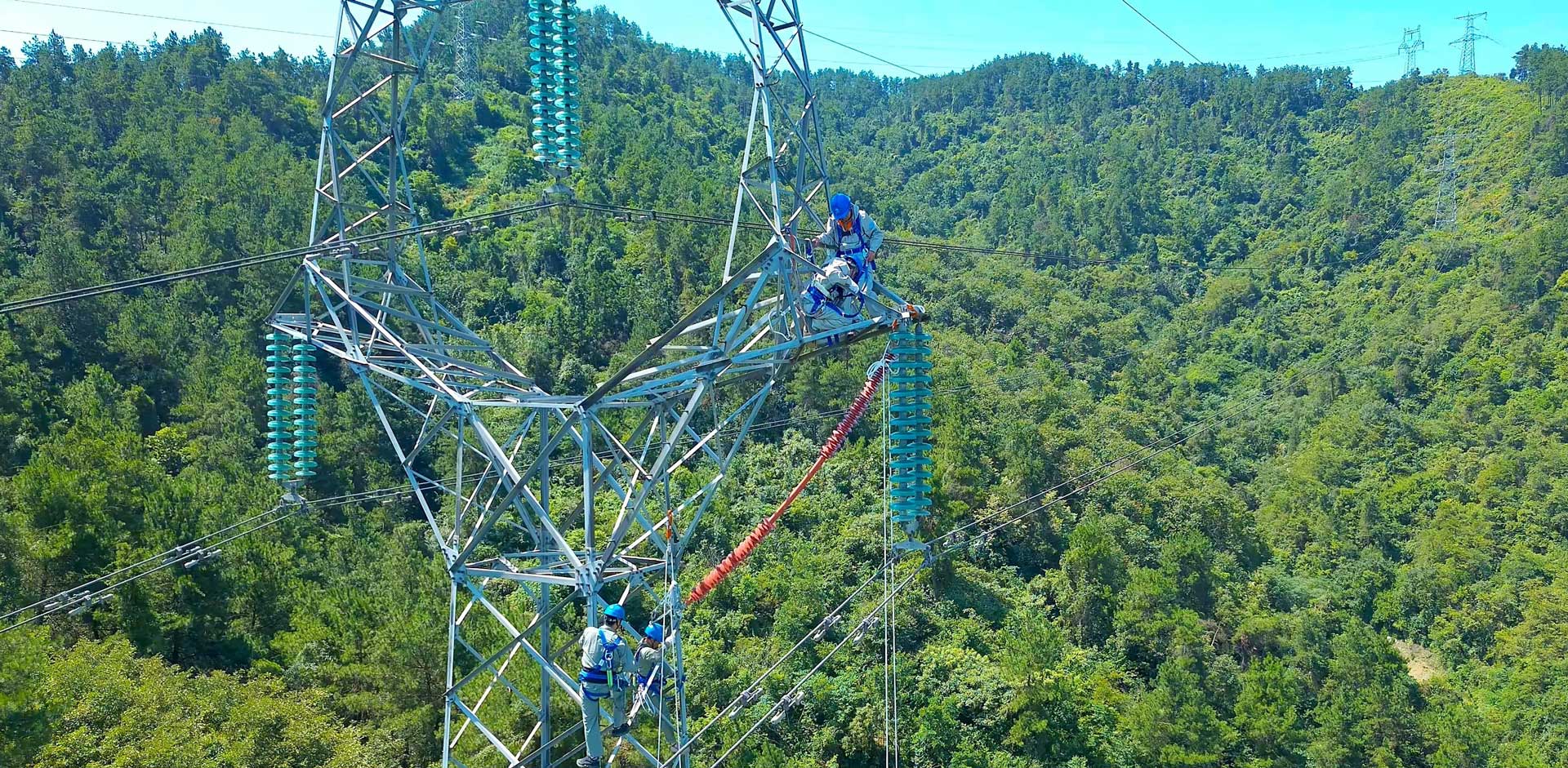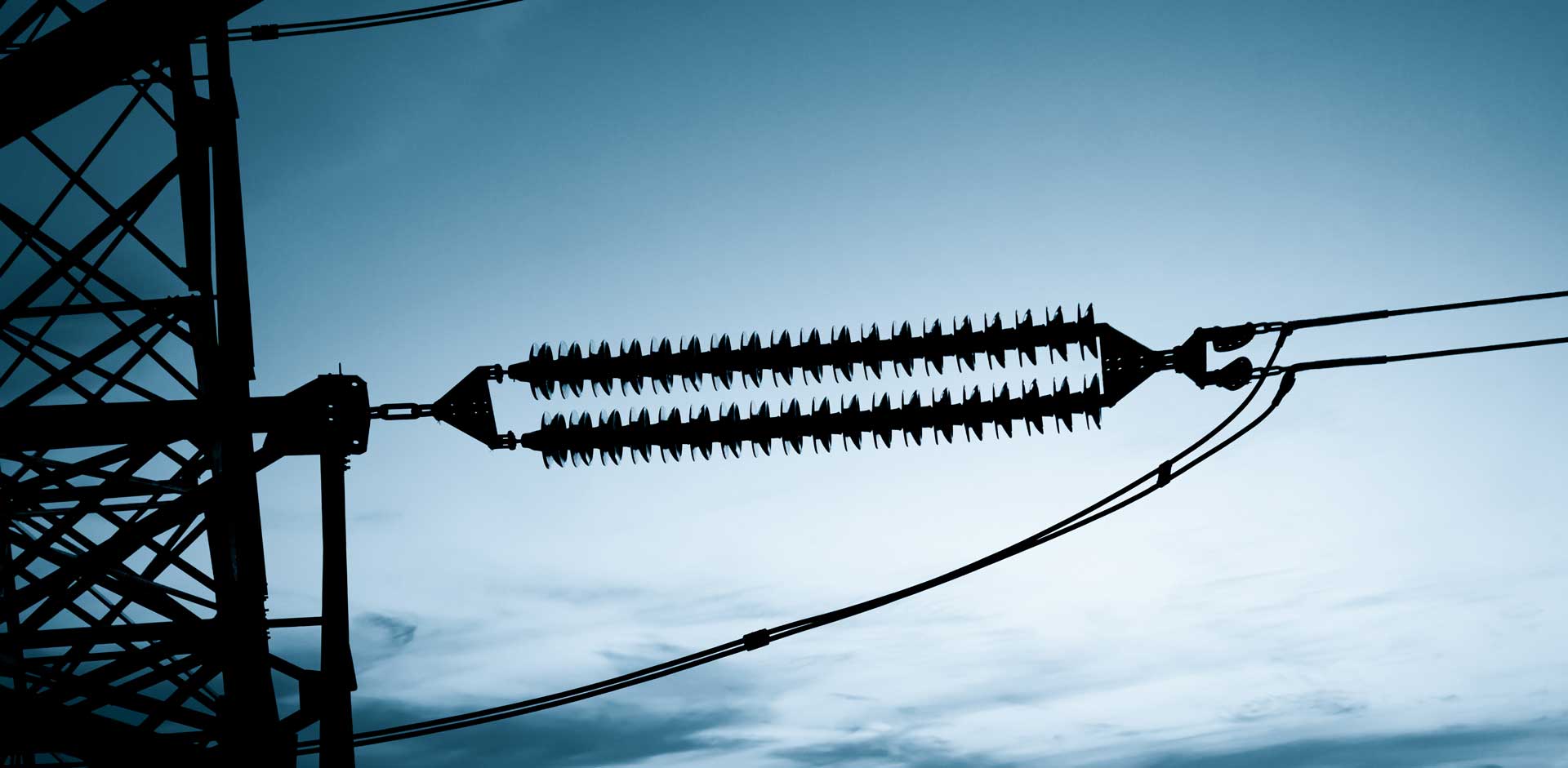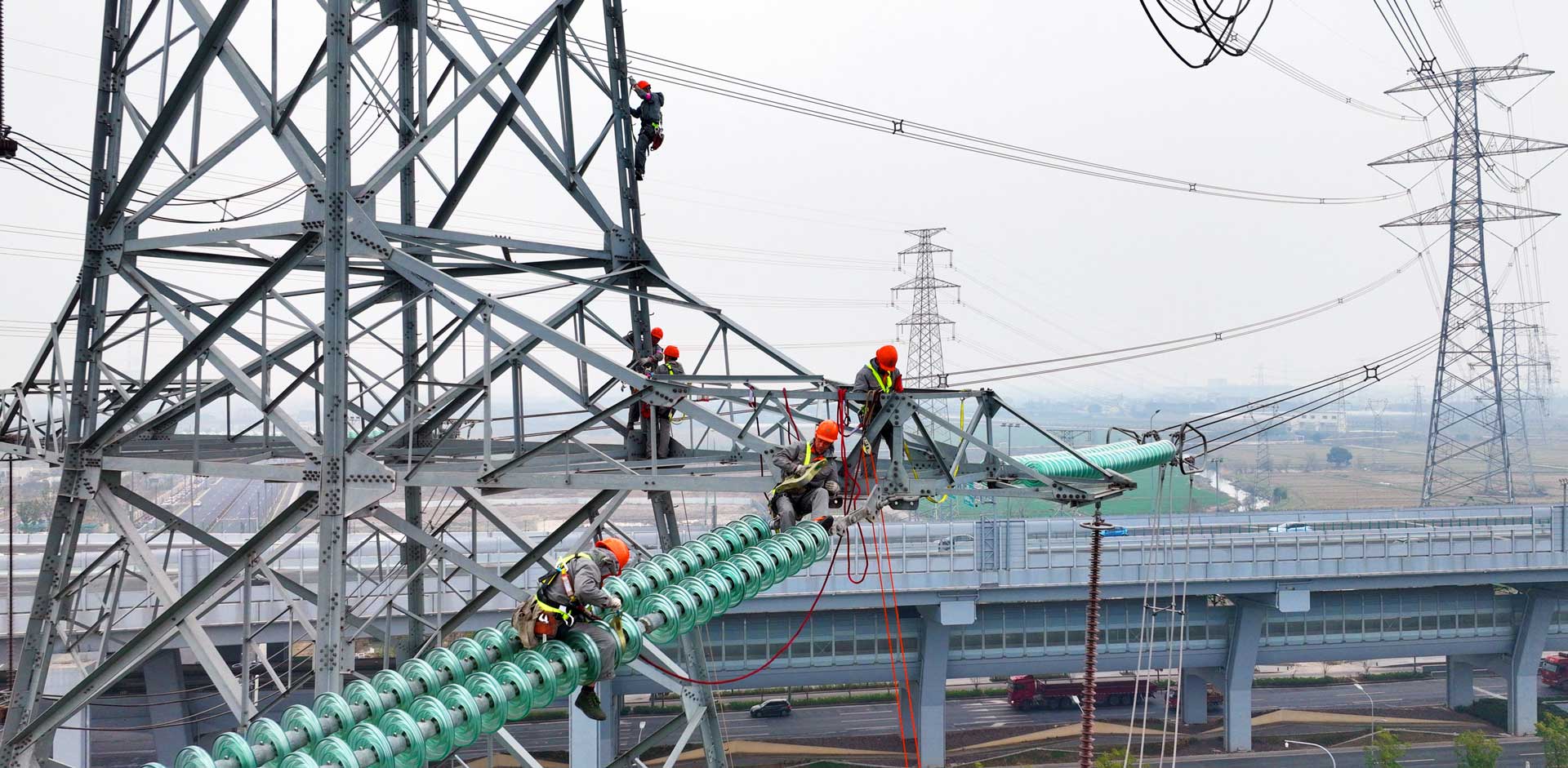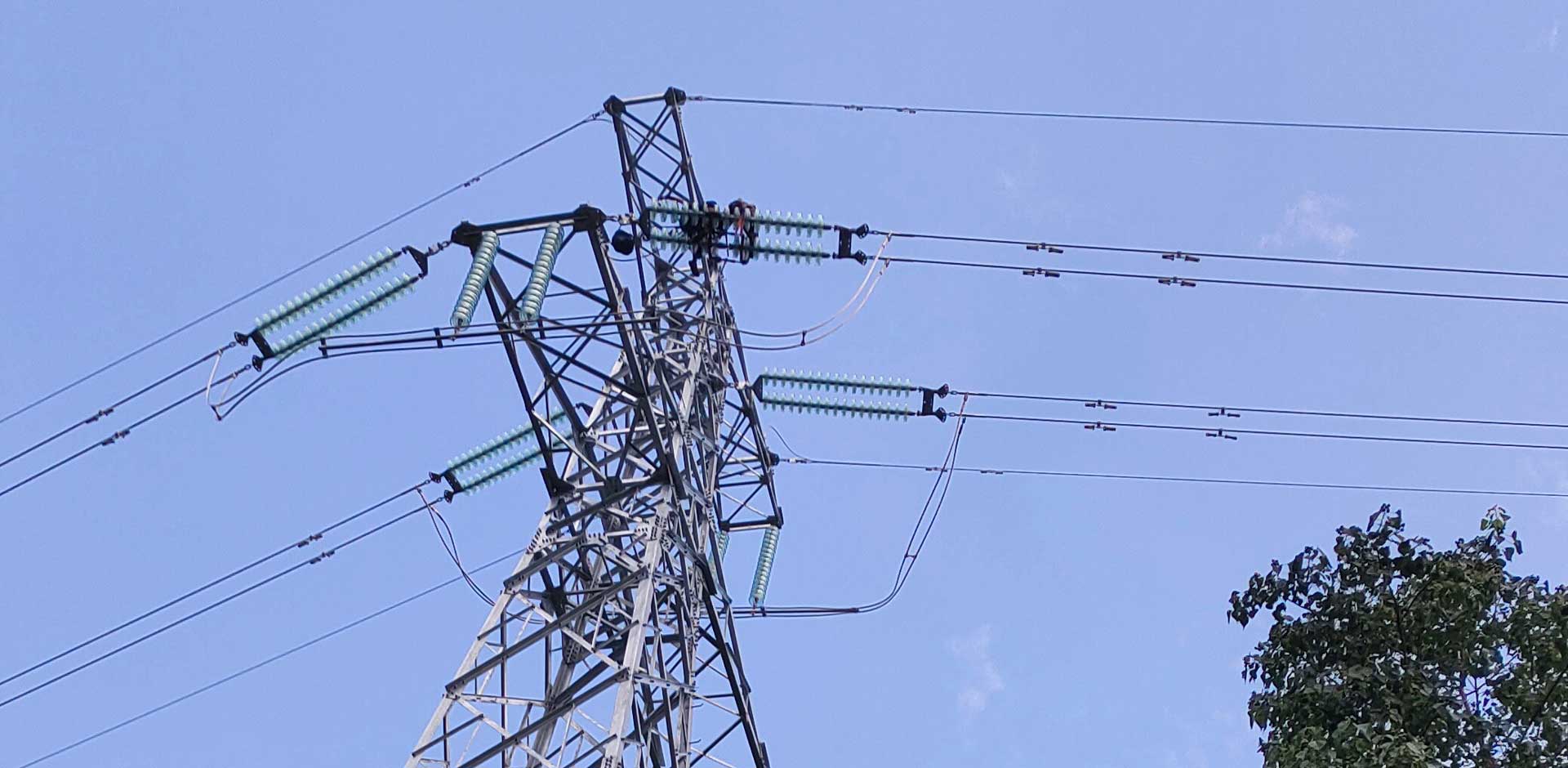
Premium selection of toughened glass, stay, and spool electrical insulation components designed for harsh environments.
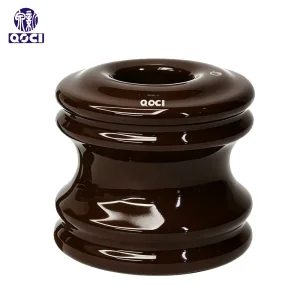
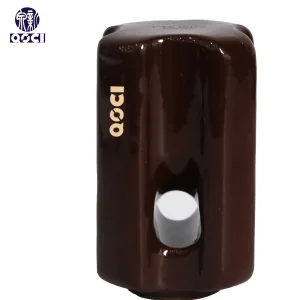
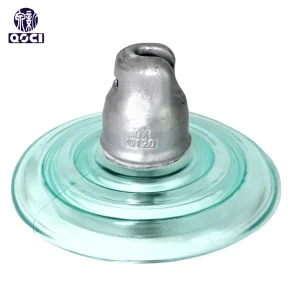
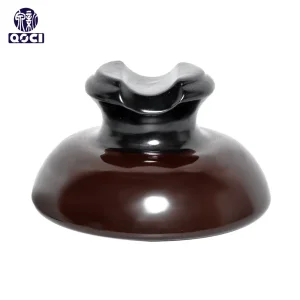
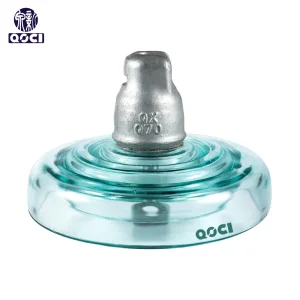
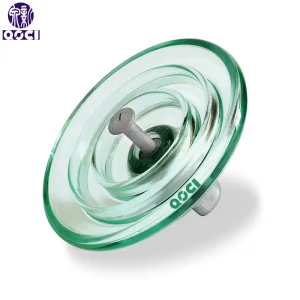
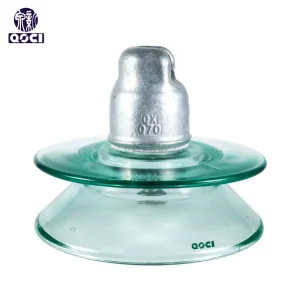
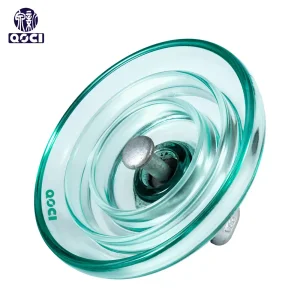
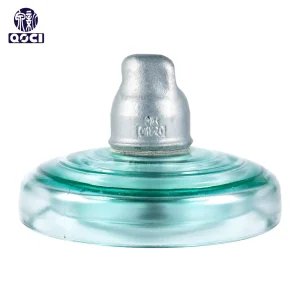
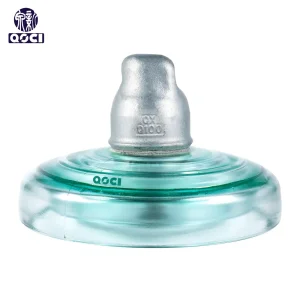
In modern power transmission network designs, insulation systems are critical for grid continuity and public safety. The U160bsp Toughened Glass Isolator represents a global standard in cap-and-pin design, offering a mechanical failing load rating of 160 kN. This high mechanical performance makes it suitable for extra-high voltage (EHV) and ultra-high voltage (UHV) systems, where heavy conductor bundles and dynamic wind/ice loads demand superior structural safety margins.
Standardized in compliance with IEC 60305, U160bsp isolators feature a ball-and-socket connection system that allows for flexible line strings. The inclusion of a semi-deep profile (indicated by the 'P' designation) ensures high creepage distance ratios, protecting systems against pollution-induced flashovers. As global grids face climate variability, selecting a premium glass isolator represents a long-term capital upgrade for transmission system operators (TSOs) globally.
The physical and electrical capabilities of the U160bsp series are defined by exact parameters, ensuring performance under stress:
*Specifications can be customized to align with regional grid requirements (ANSI C29.2, IEC, and DIN standards).
Founded in December 2002, with a registered capital of 508 million Yuan, Jiangxi QOCI Electric Co. Ltd has evolved into a global manufacturer of high-strength glass and porcelain insulation products. Located at the Industrial Park of Luxi County, Pingxiang, Jiangxi Province, our state-of-the-art facility occupies a massive area of 100 mu (70,000 square meters).
We are dedicated to serving world-class power grids, actively participating in the construction of green energy and high-voltage transmission networks. By combining precision automation, advanced materials science, and testing facilities, we supply reliable insulation components to clients across Europe, the Americas, Africa, and Asia.
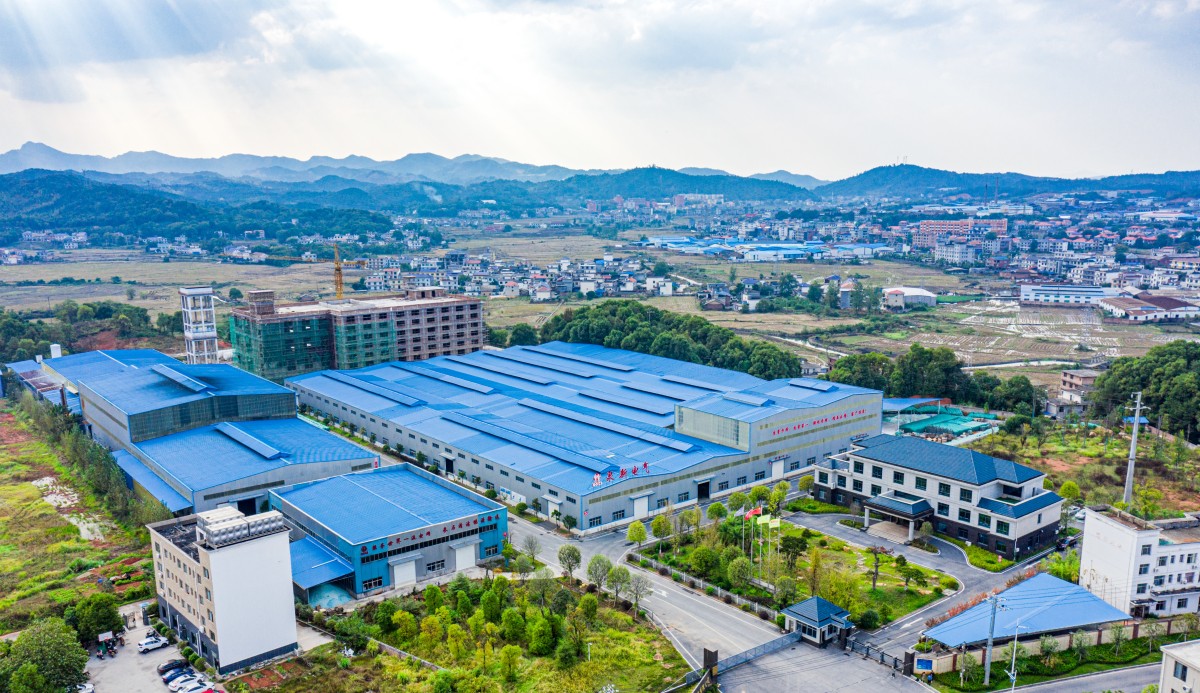
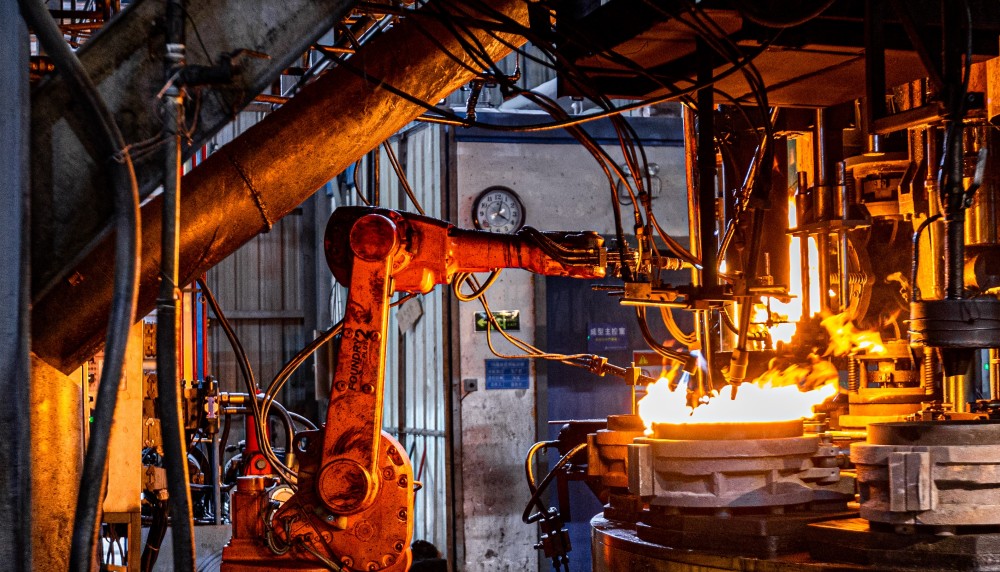

An evaluation of industrial clusters, manufacturing automation, and economies of scale.
Our factory is situated in Pingxiang, Jiangxi Province – the epicentre of the global electrical porcelain and insulator industry. This geographic cluster facilitates access to mineral resources, dedicated logistical networks, and a pool of experienced technicians. This reduces external supply risks and expedites the raw material procurement phase.
By utilizing high-capacity Total Oxygen Kilns, we ensure uniform heat distribution and precise thermal curves during the glass melting process. This precise heat control eliminates internal microscopic air pockets and impurities, which is a major factor in minimizing the spontaneous self-shattering rate of glass insulators in service.
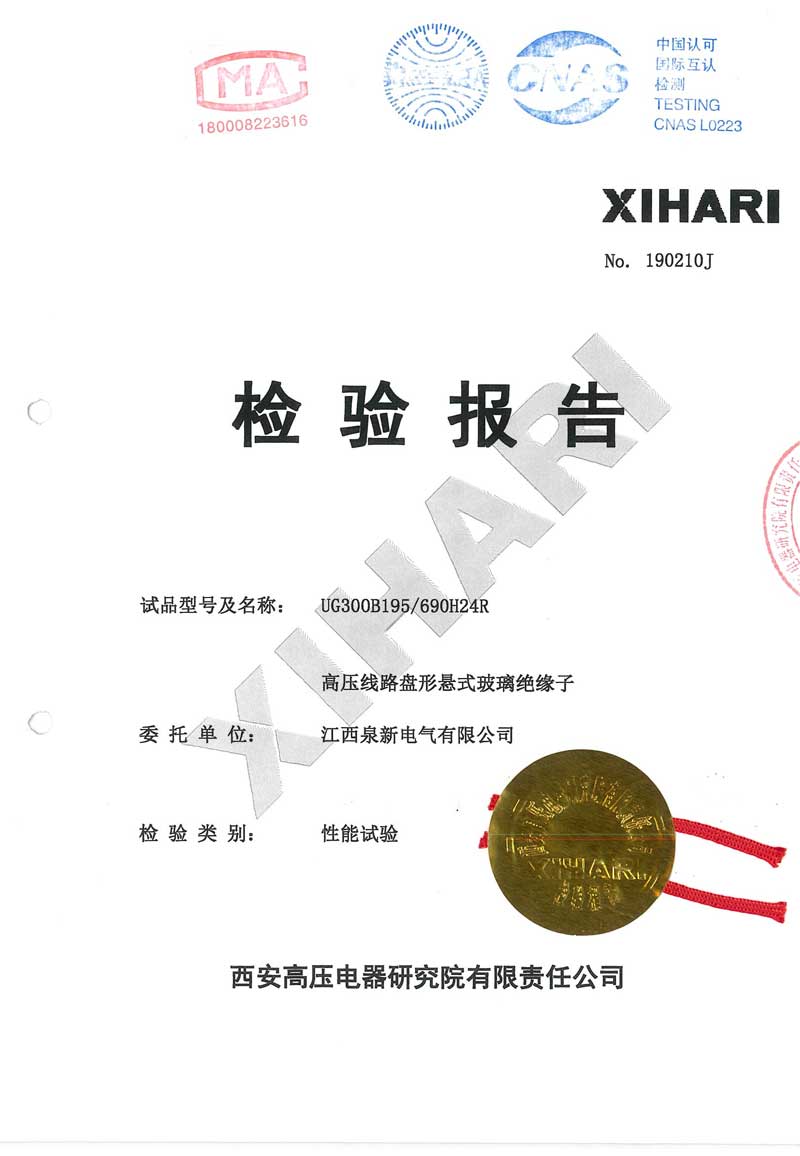
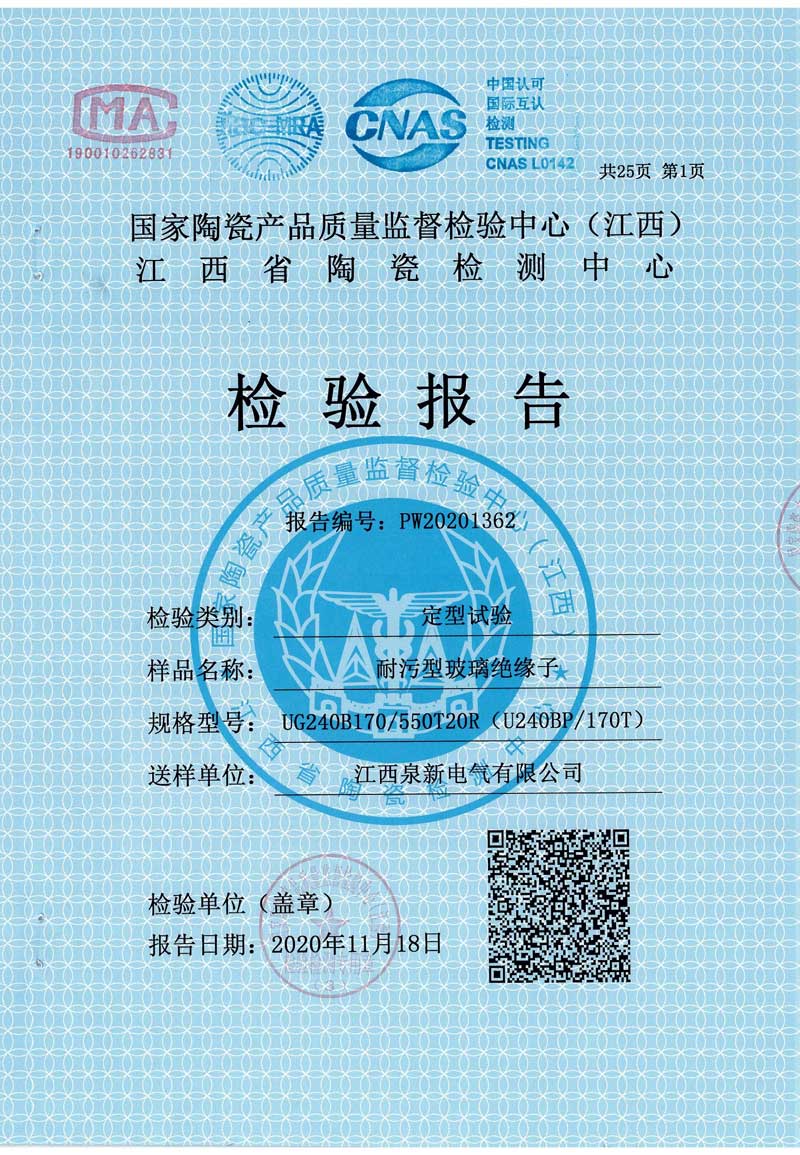
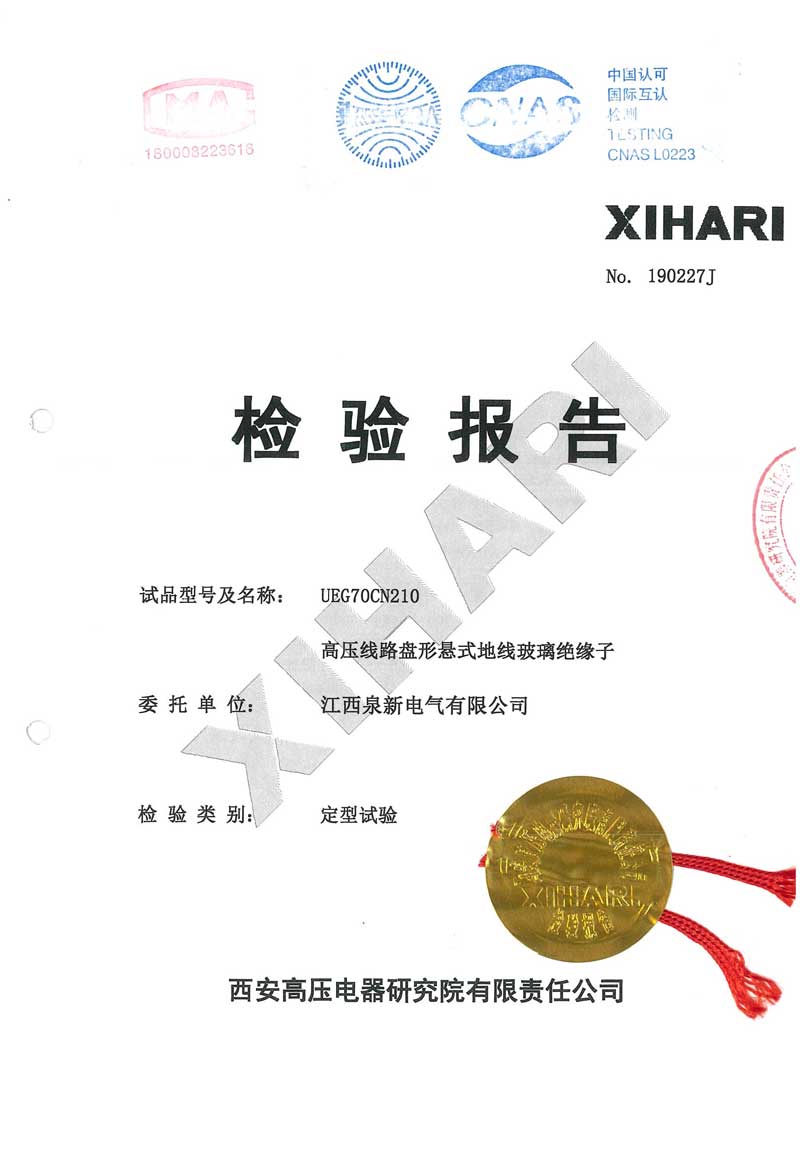
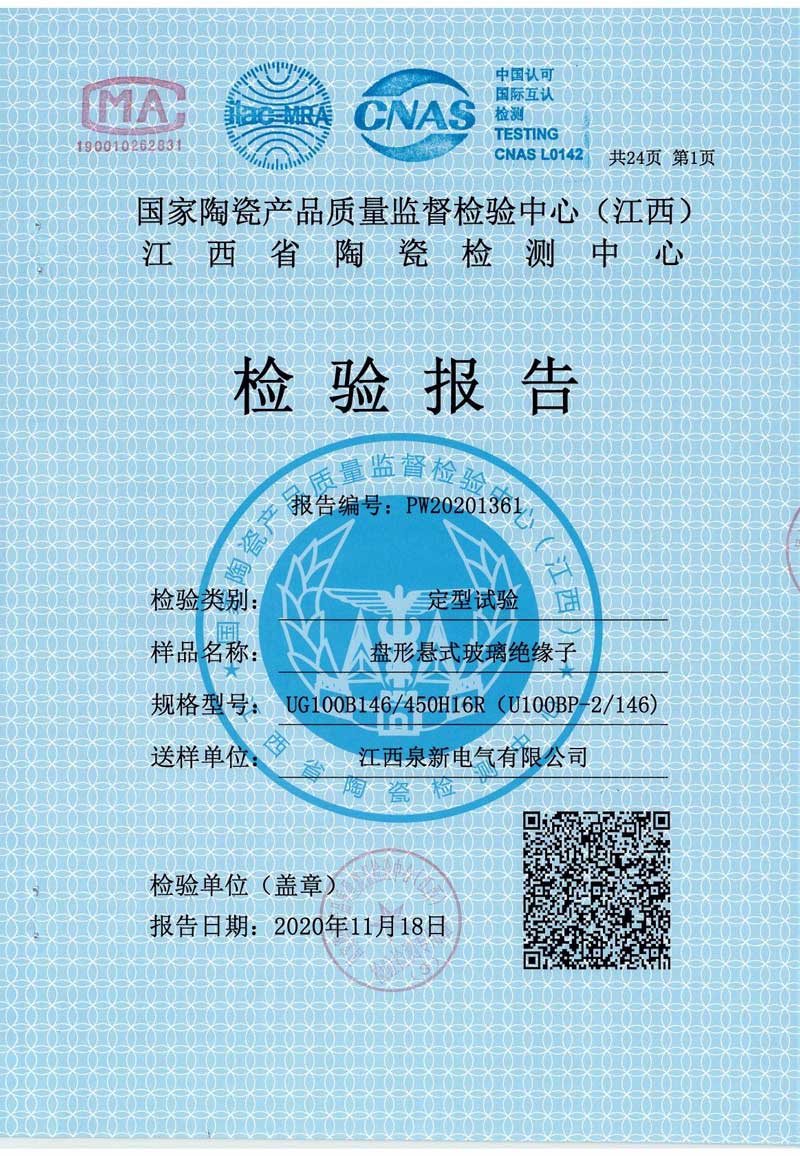
Every U160bsp isolator batch undergoes rigorous electromechanical failing load, power frequency withstand voltage, and thermal shock testing. These testing operations ensure that defect-free products leave the factory, meeting the requirements of international grid utility standards.
Selecting the appropriate profile geometry is critical to match specific environmental stressors such as pollution, deserts, ice, and salt fogs.
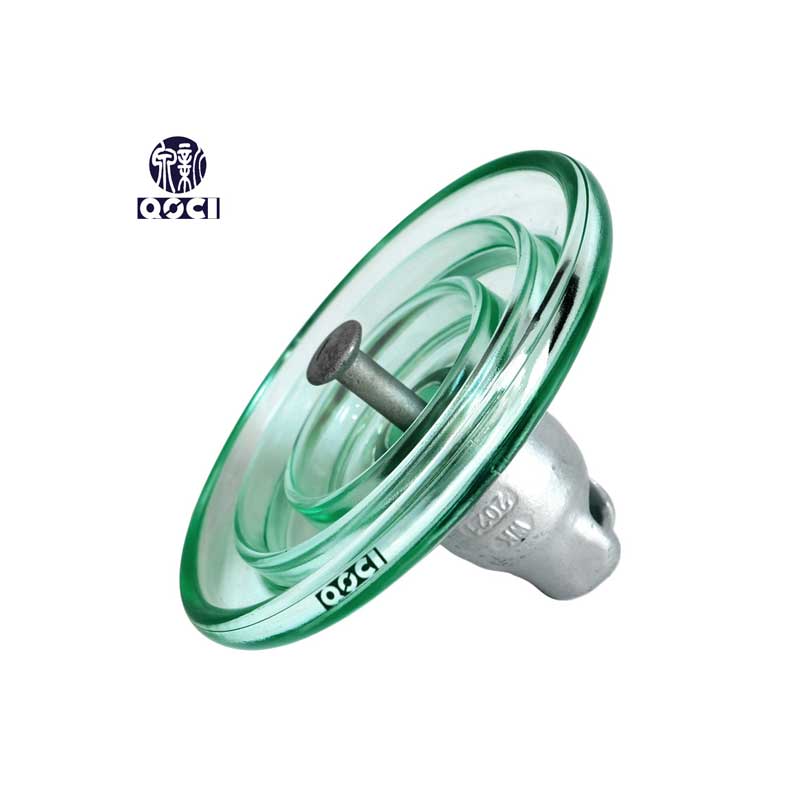
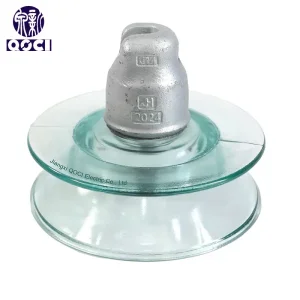
The characteristic of the standard profile is that the leakage distance is higher than the value indicated for standard insulators in IEC 60305. The insulation part is designed with shallow and well spaced small ribs, which can be effectively self-cleaning by wind or rain.
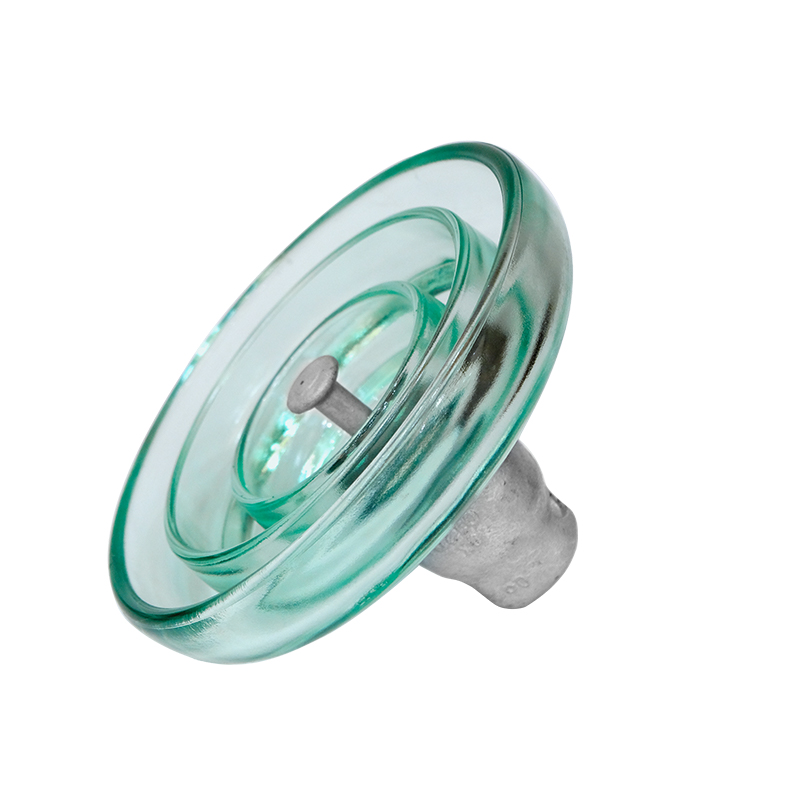
The fog type profile is characterized by long and widely-spaced under-ribs so as to avoid arc bridging between adjacent ribs. It features a leakage distance/spacing ratio of around 3.2 and is particularly effective in coastal areas (Salt fog) as well as in polluted areas where a higher specific leakage distance is required.
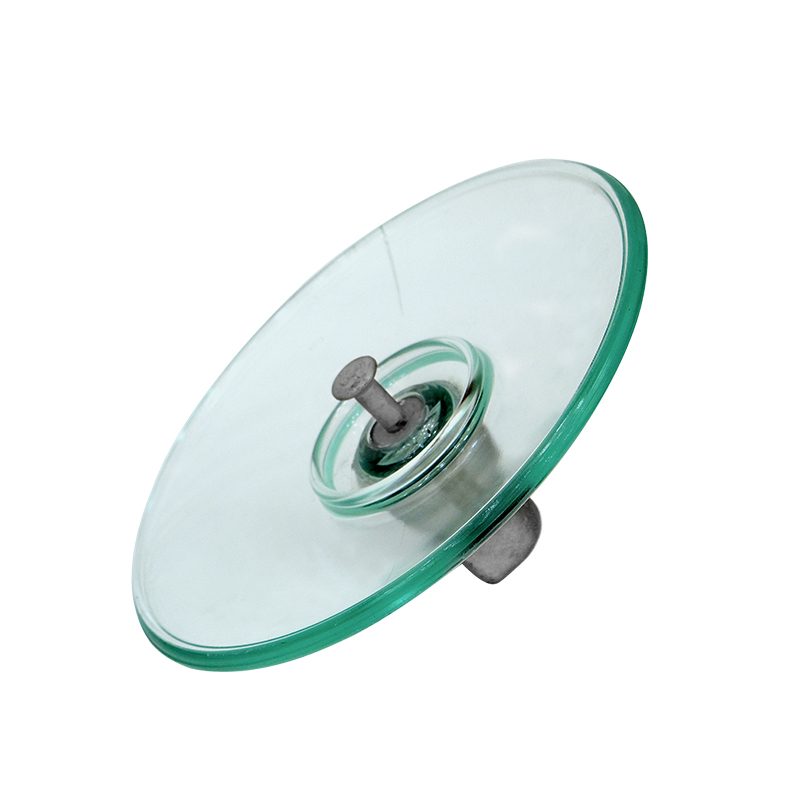
Design of insulating part with open profile is marked by absence of under-ribs and extended diameter of disk, with no under-ribs so as to avoid the accumulation of solid pollution deposits (dust, sand) on its lower surface. Open profile reduces pollutant accumulation on the surface. This design is effective in desert areas with wind and sand storms and can solve ice-bridging problems. It is particularly adapted to suspension and tension applications in desert areas where wind is predominant and rain infrequent.
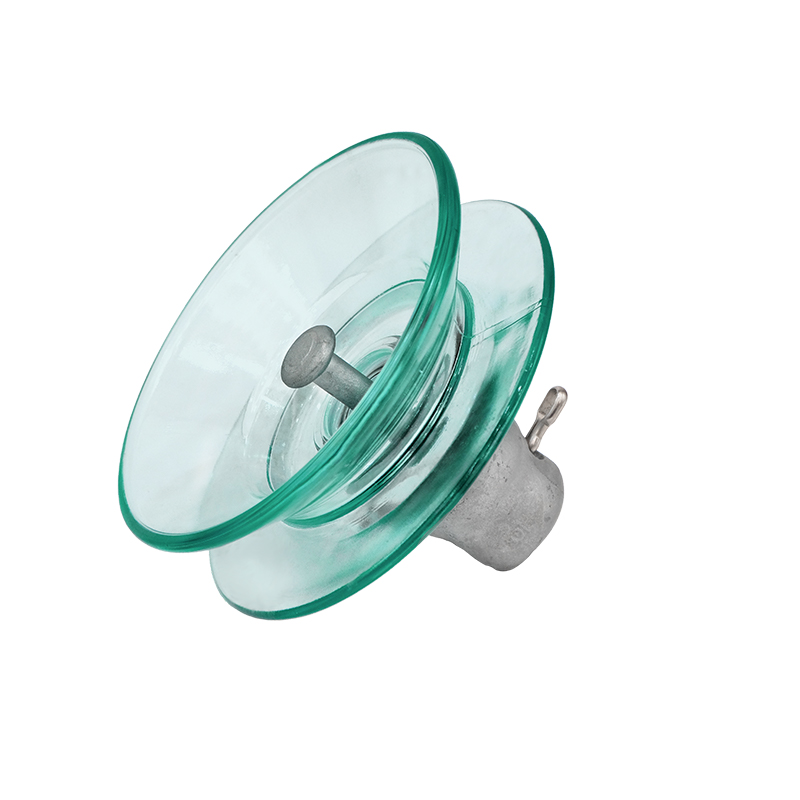
The design of the insulation part has two external ribs. The elimination of the under-ribs reduces pollution build-up, and the surface of the insulator can self clean by strong winds, and facilitate manual cleaning when necessary. This profile provides a leakage distance equivalent to the anti pollution profile and adapts to the most extreme cases of solid pollution. Insulators perform well in industrial pollution and saline soil areas.
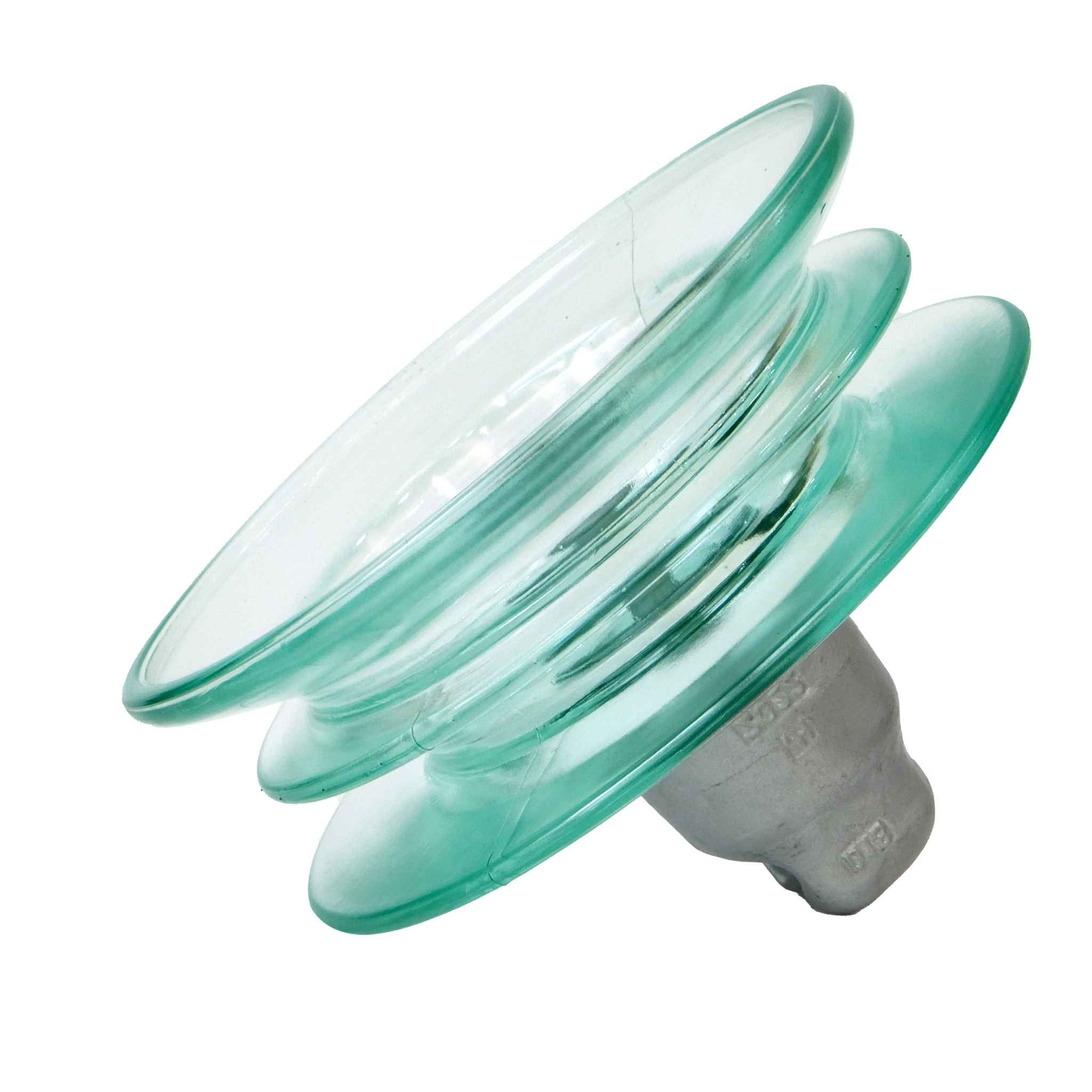
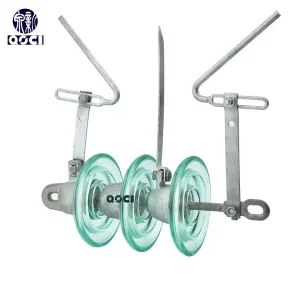
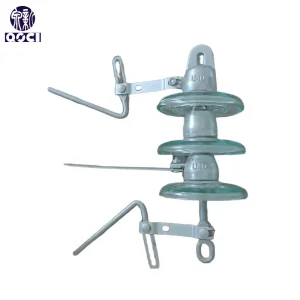
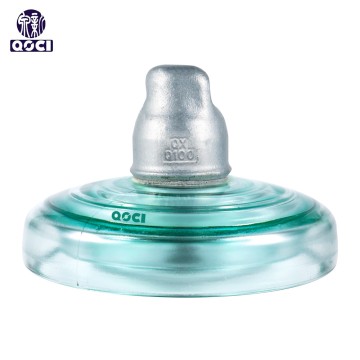
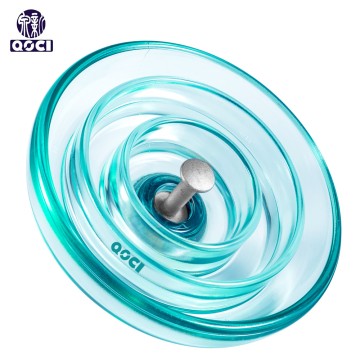
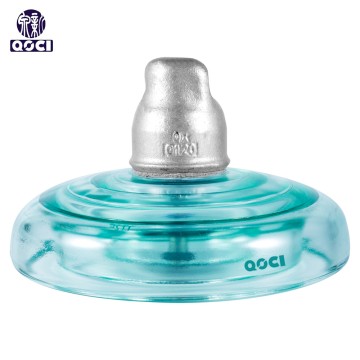
Triple-shed Type glass insulator is a key component in transmission lines, characterized by three layers of umbrella discs separated from each other on the insulation body. Thanks to this open shed design, they not only achieve self-cleaning during wind and rain, making it difficult for contaminants to adhere, but also provide a longer creepage distance. This results in excellent pollution flashover resistance and stable electrical performance even in harsh environments such as heavily polluted areas, high altitudes, and coastal humid regions. Consequently, they are an important choice for high-performance transmission projects like Ultra-High Voltage (UHV) lines.
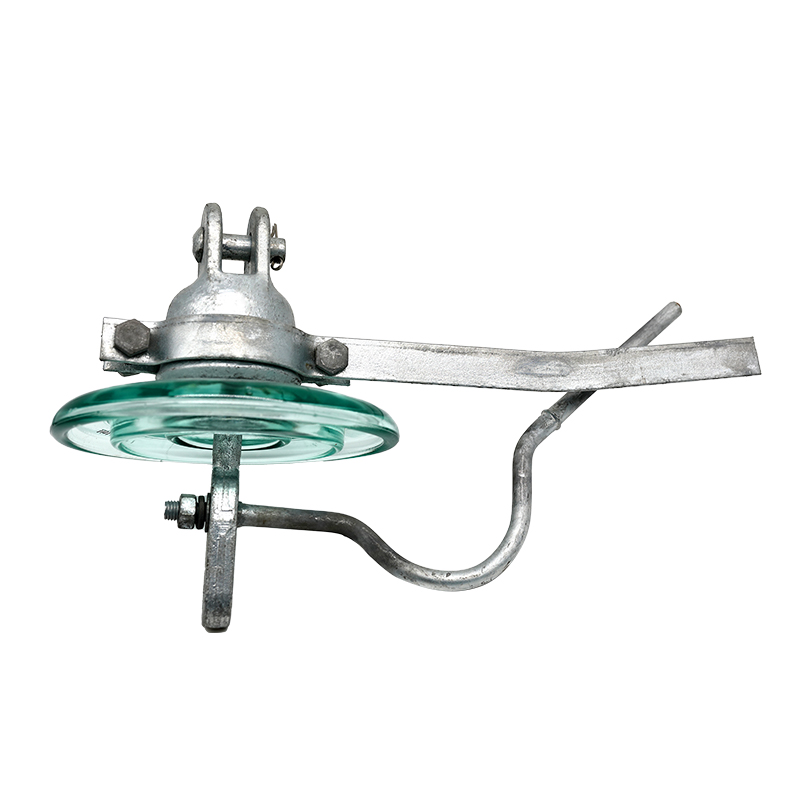
By connecting internal or external metal accessories (such as steel feet and flanges) to the grounding wire, reliable grounding can be achieved. The grounding function effectively guides lightning current, reduces line lightning damage, and protects the safety of lines and equipment. The glass surface is smooth and has low hydrophilicity, making it easy to remove dirt.
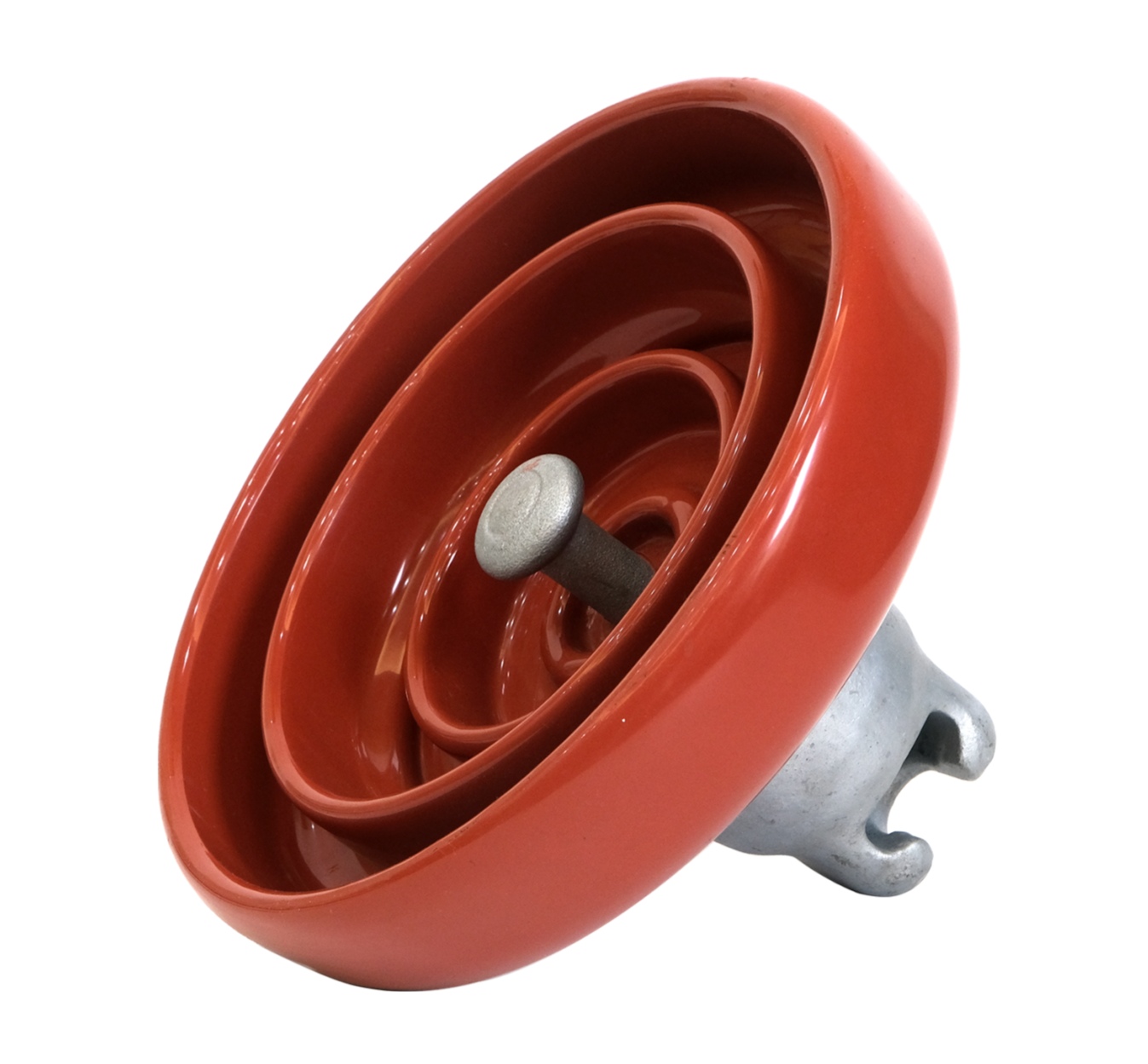
Silicone-coated insulators offer an excellent alternative which guarantees optimum performance for high voltage overhead lines in areas with heavy pollution. They minimise leaking currents and thereby reduce operation and maintenance costs. The product used to coat the insulators is Room Temperature Vulcanization (RTV) silicone which contains mineral fillers embedded in the silicone itself. This silicone increases the hydrophobic nature of the insulator’s surface, thereby improving its performance in polluted areas. Furthermore, the fillers absorb the energy of any possible electric arcs and serve to protect the integrity of the coating. Silicone-coated insulators are an economical solution because they eliminate the need to regularly clean glass insulators whilst still maintaining the mechanical reliability that glass suspension insulators have demonstrated over the years.
High demand product specifications shipped globally for critical utility systems.
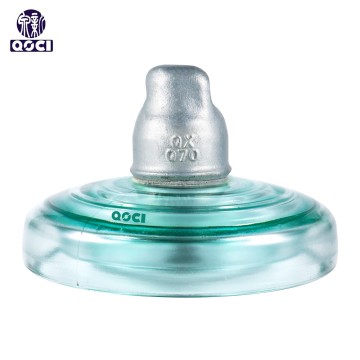
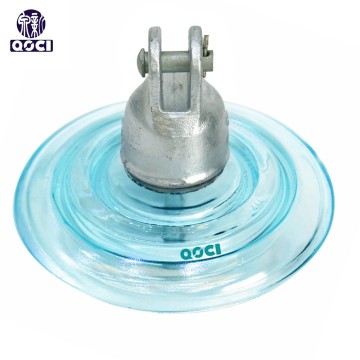
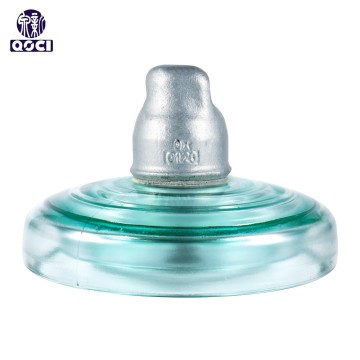
Analyzing performance profiles across complex climatic zones and regional infrastructure requirements.
Our U160bsp toughened glass isolators are applied across varying geographic scenarios. In high-altitude areas with low atmospheric pressure, the insulation capacity of air decreases. This requires high creepage-to-spacing ratios, which is fulfilled by our anti-pollution profile configurations. In humid coastal regions, the presence of salt fog creates conductive films on traditional porcelain. Standard toughened glass resists this build-up, and can be pre-coated with RTV silicone to provide hydrophobic properties (HC1-HC6 classification) to protect against leakage currents.
Designed for low voltage, high voltage (HV), extra-high voltage (EHV), and ultra-high voltage (UHV) AC and DC transmission systems, these insulators act as mechanical anchorages and electrical isolators. In high-power lines, dynamic loads from wind vibration and short-circuit faults can stress the insulator string. The U160bsp's electromechanical design ensures mechanical integrity under static loads and dynamic stress, protecting grid infrastructure.
Heavy industrial zones expose grids to soot, sulfur dioxide, and fly ash deposits. Our external shed profiles and triple-shed designs increase the creepage distance relative to the overall length of the insulator string. This prevents dry band arcing and thermal runaway under pollution conditions. These designs are suited for transmission systems in chemical processing regions, mining zones, and coastal areas.
In rail traction networks and heavy-load industrial lines, conductors face frequent electrical surges and mechanical load transitions. Glass insulators are utilized in these systems due to their self-shattering properties: when a glass insulator fails electrically or mechanically, it shatters without dropping the line, allowing for visual inspection and scheduled maintenance without costly system failures.
Serving electricity operators and power grid developers globally. Partnering with suppliers of construction and civil materials to deliver integrated energy solutions.


Our facility integrates automated raw material processing, high-capacity kilns, pressing technologies, and electrical testing.
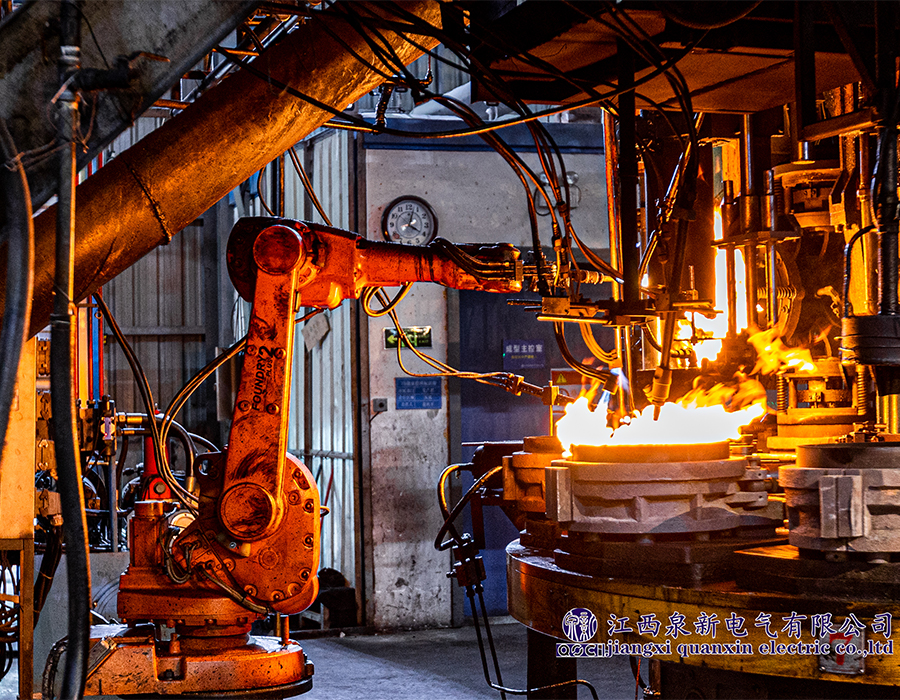
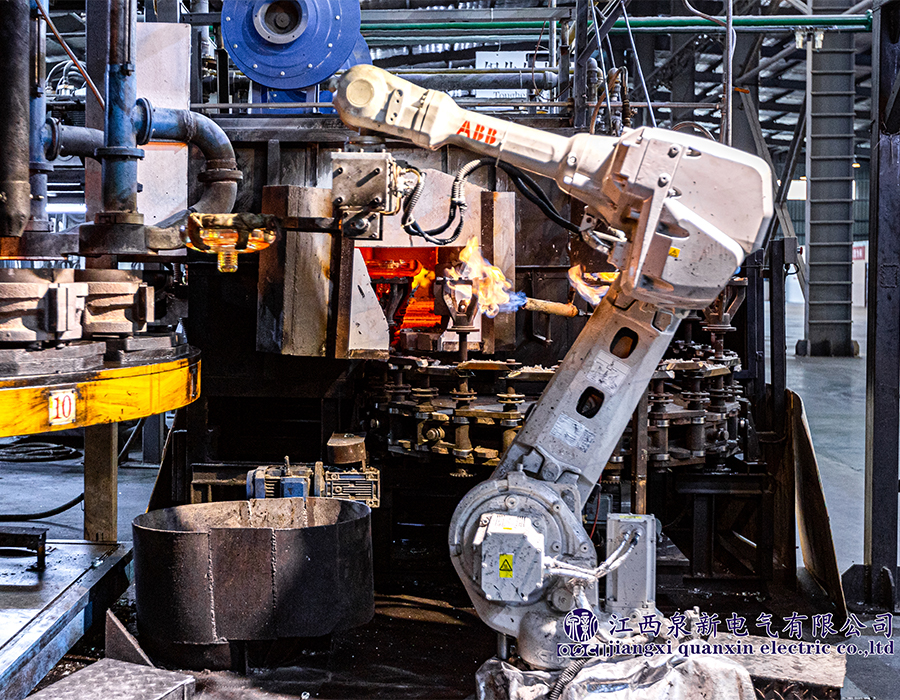
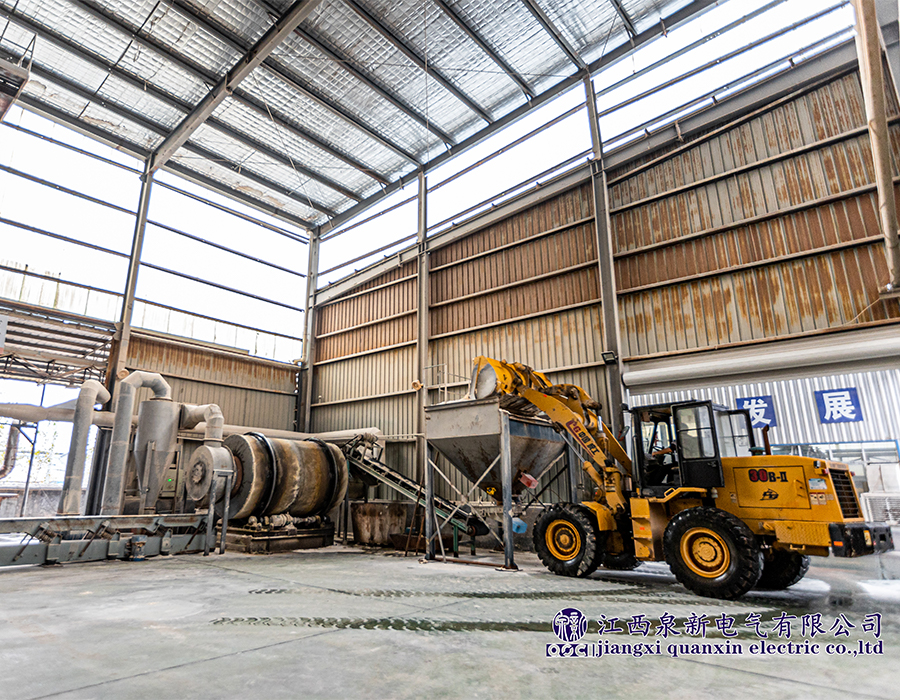
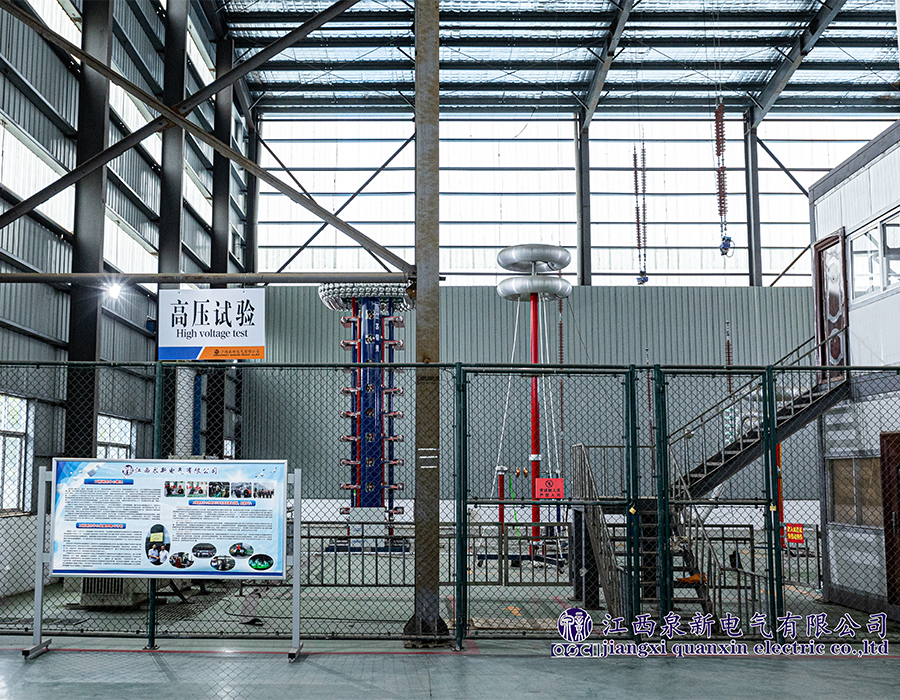
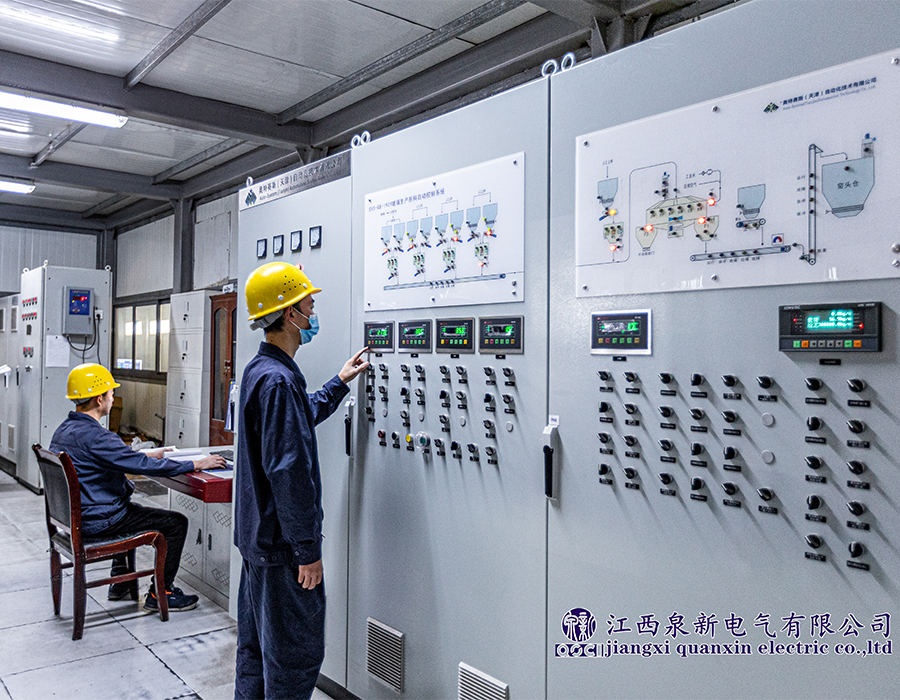
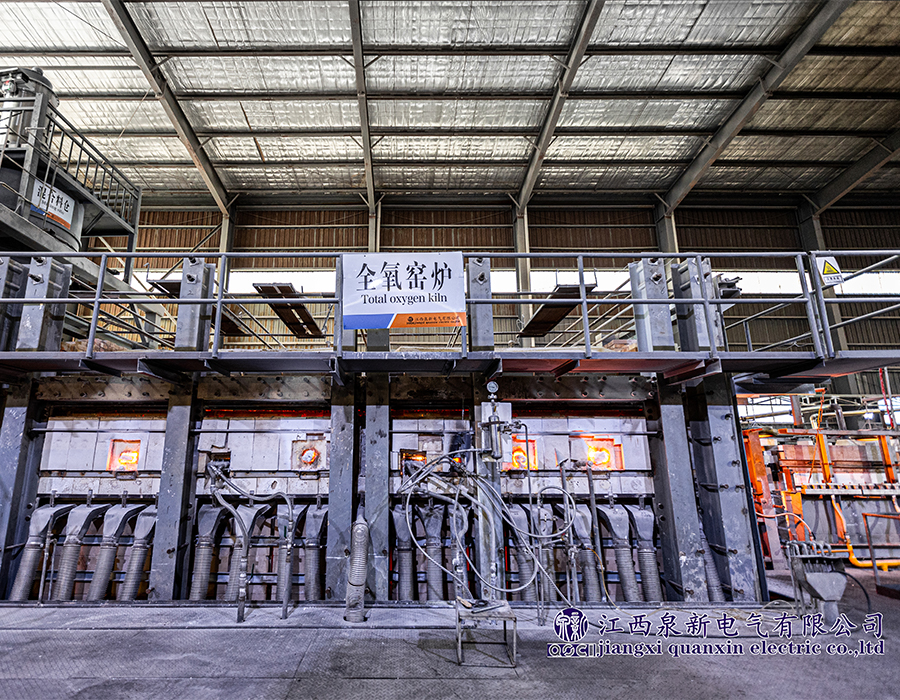
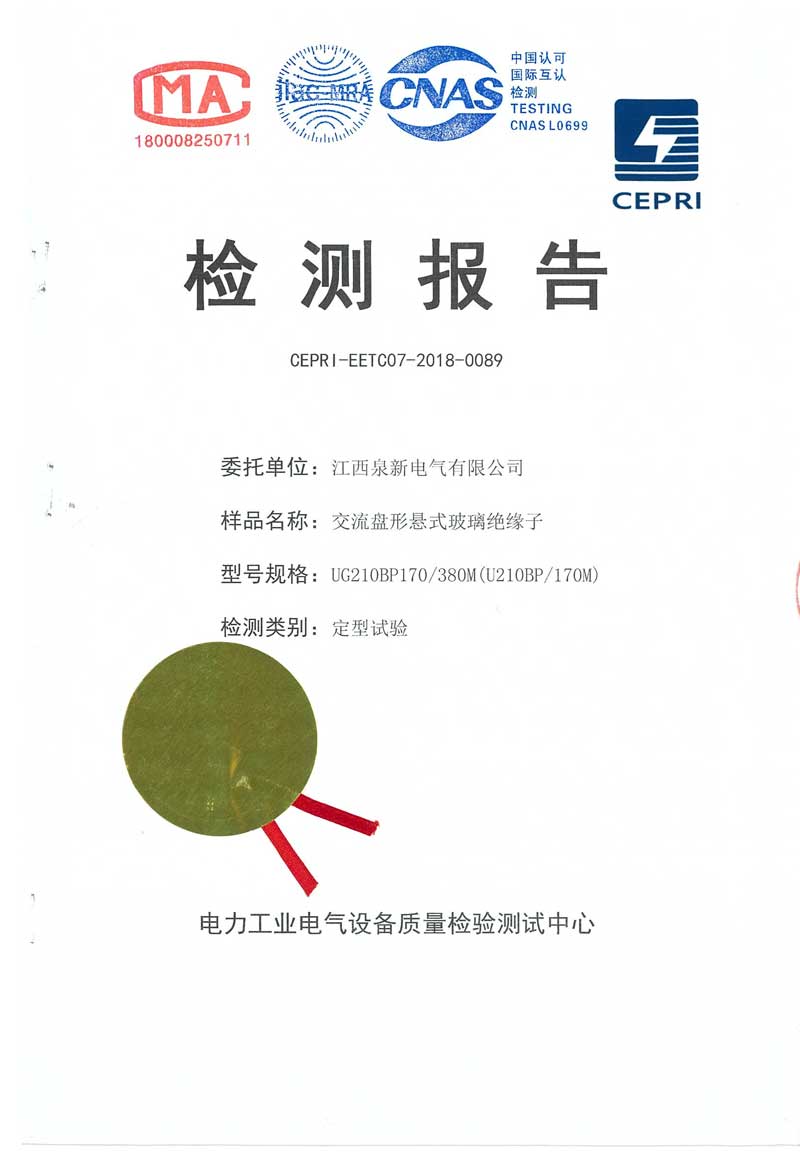
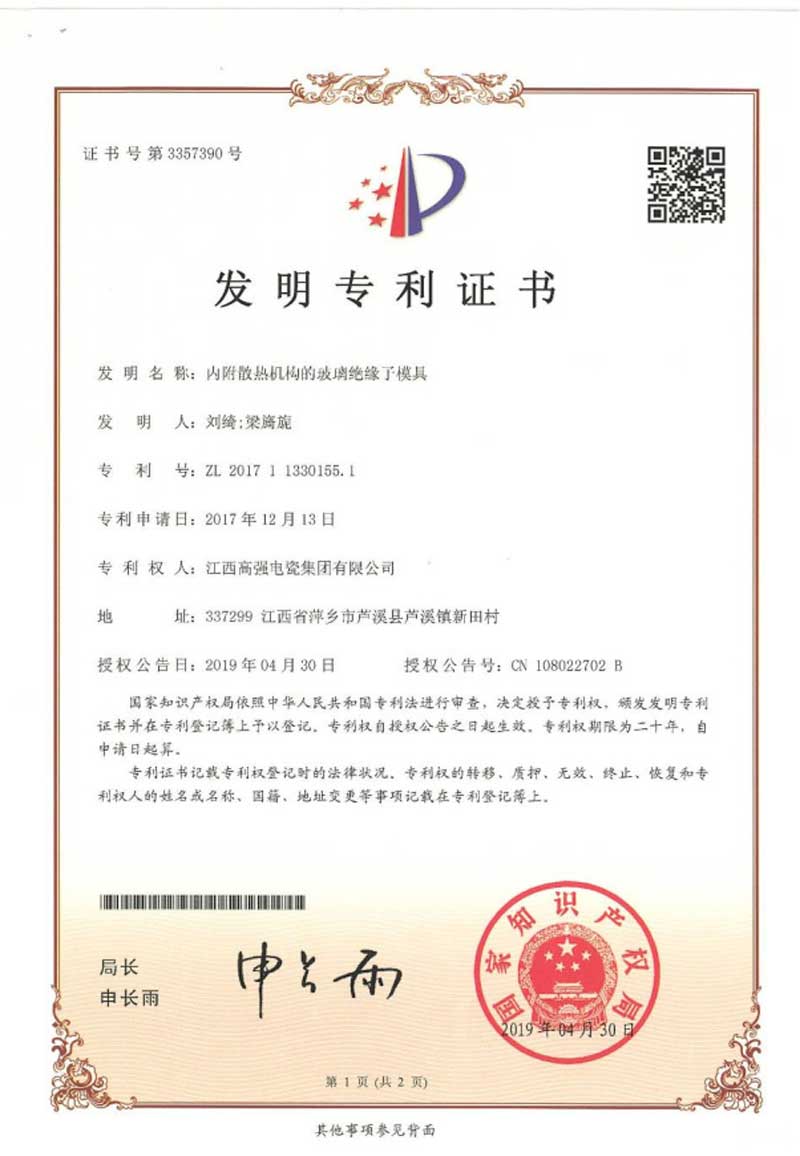
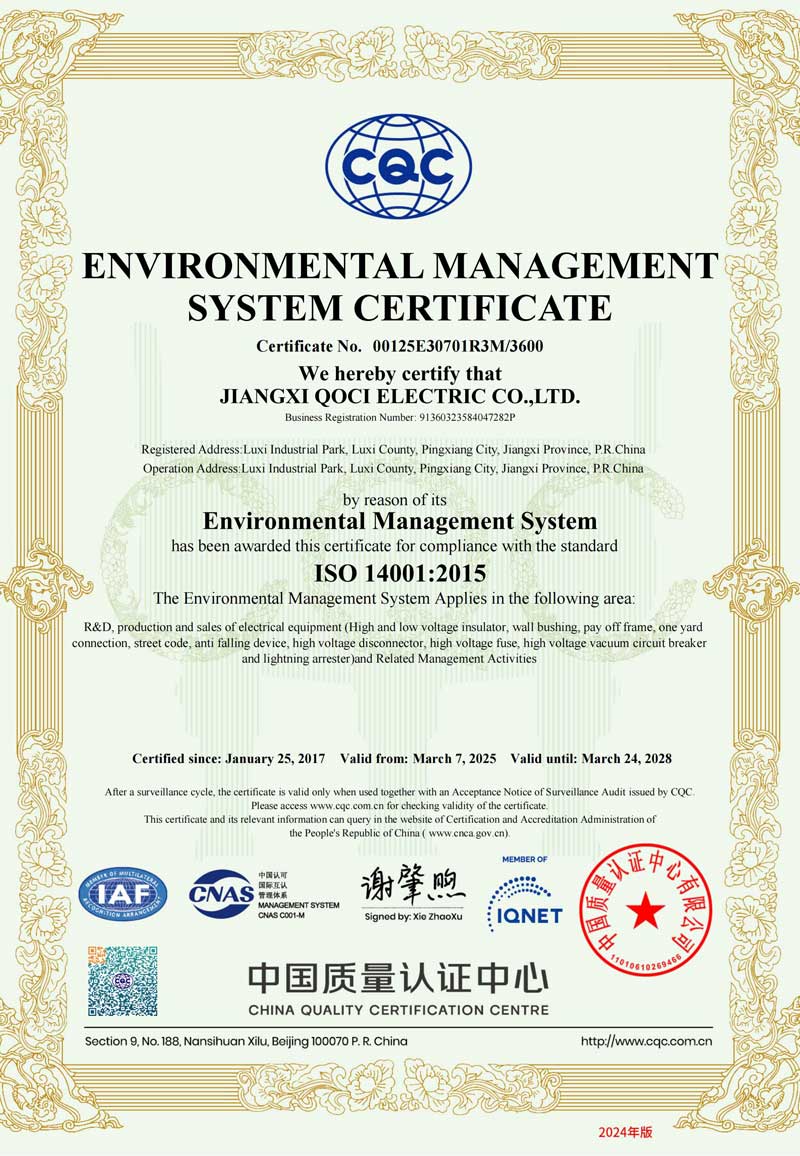
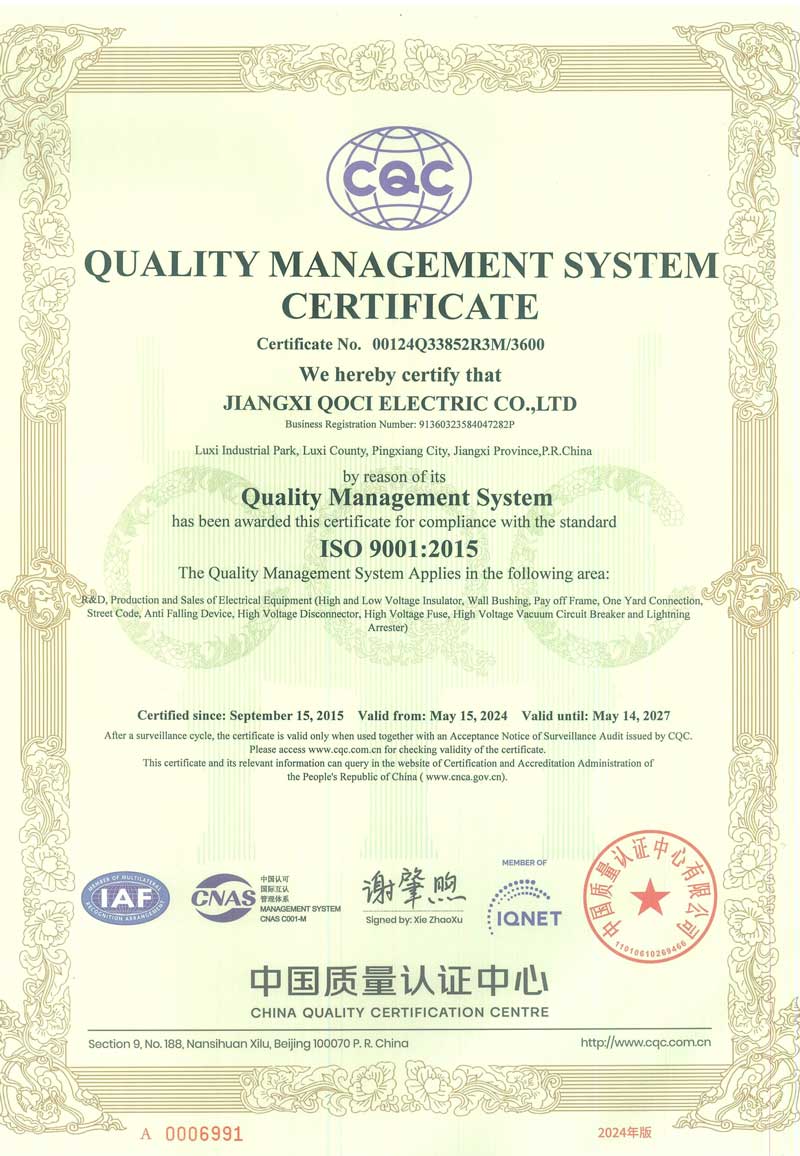
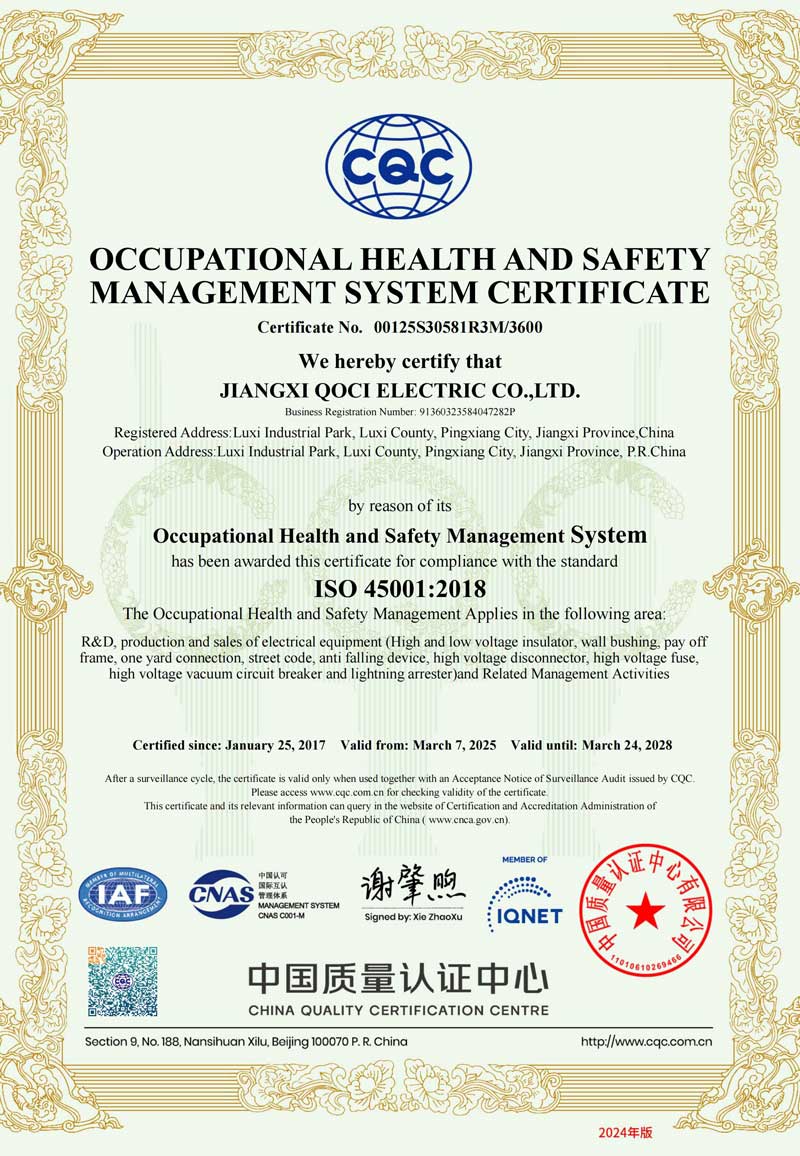
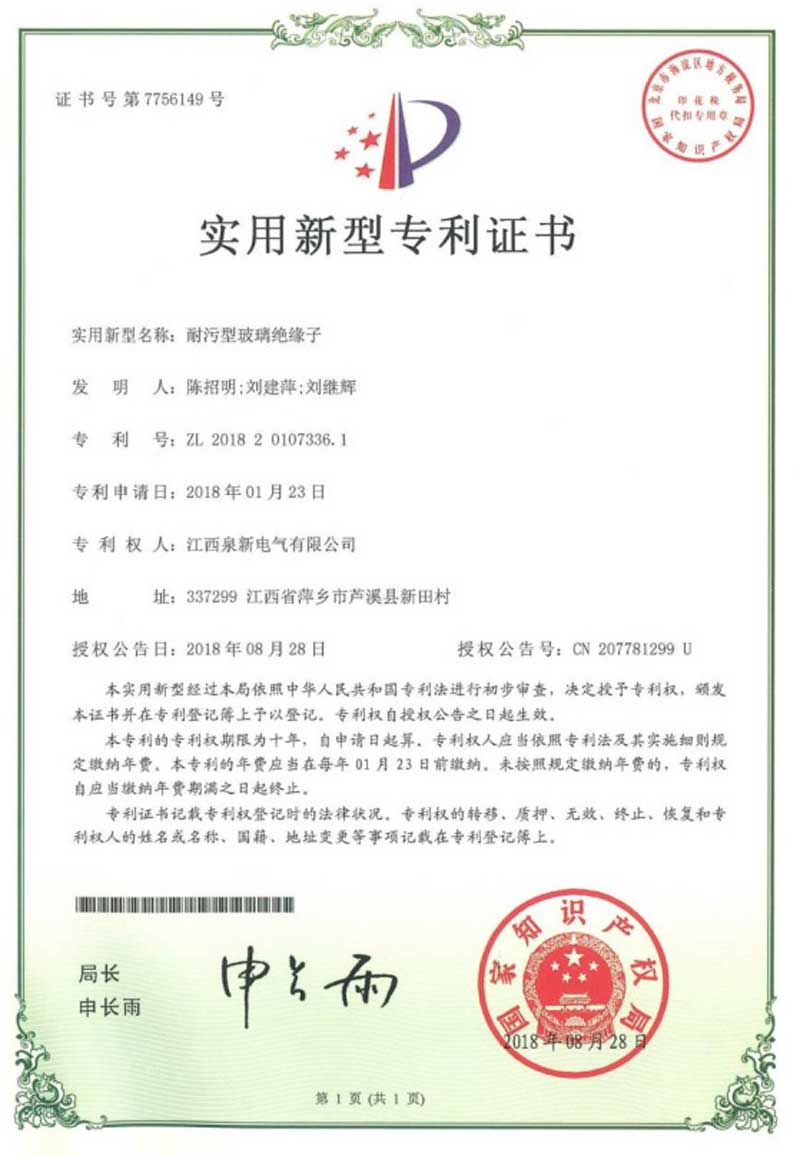
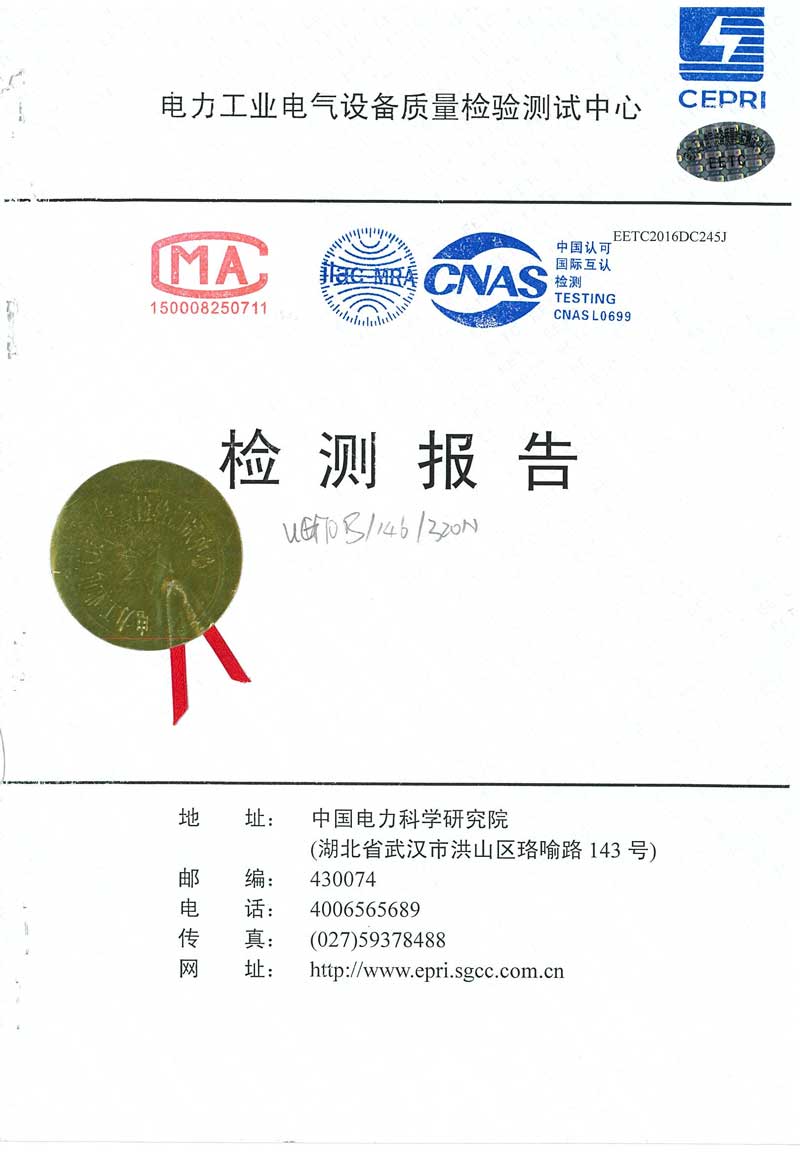
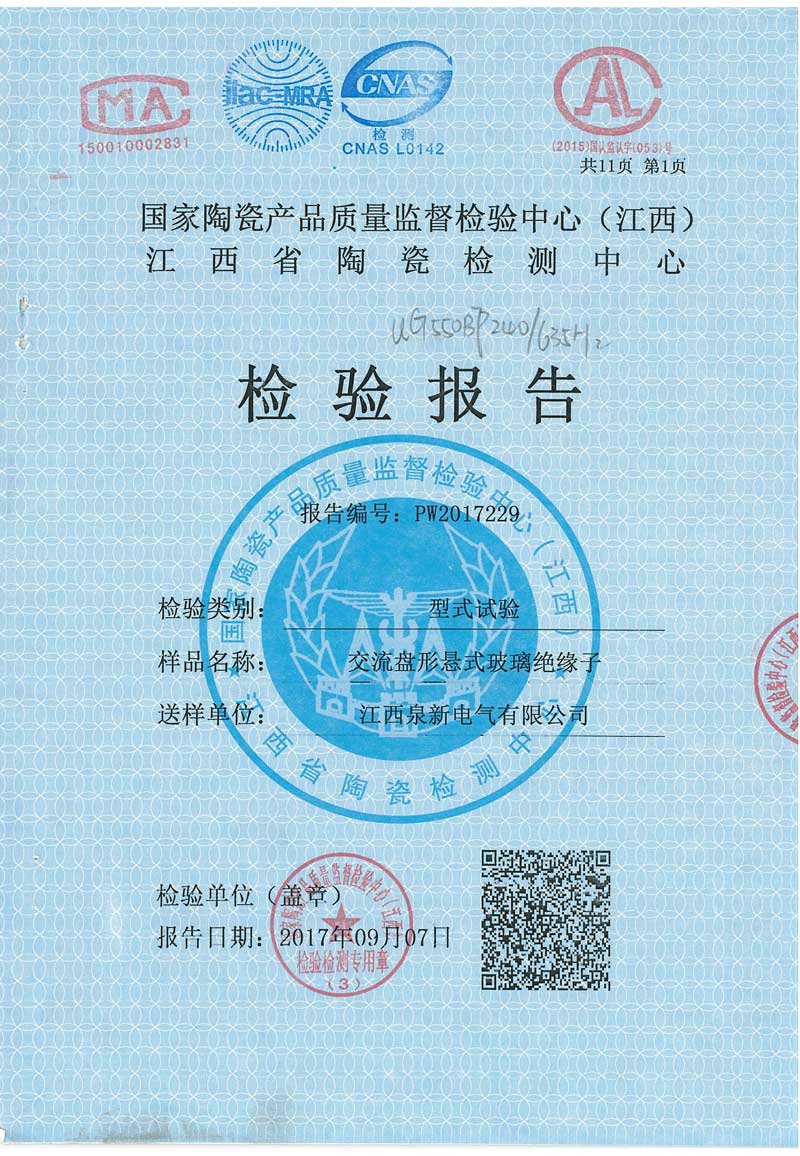
Our manufacturing processes comply with ISO, IEC, and regional standards, audited by third-party testing laboratories.
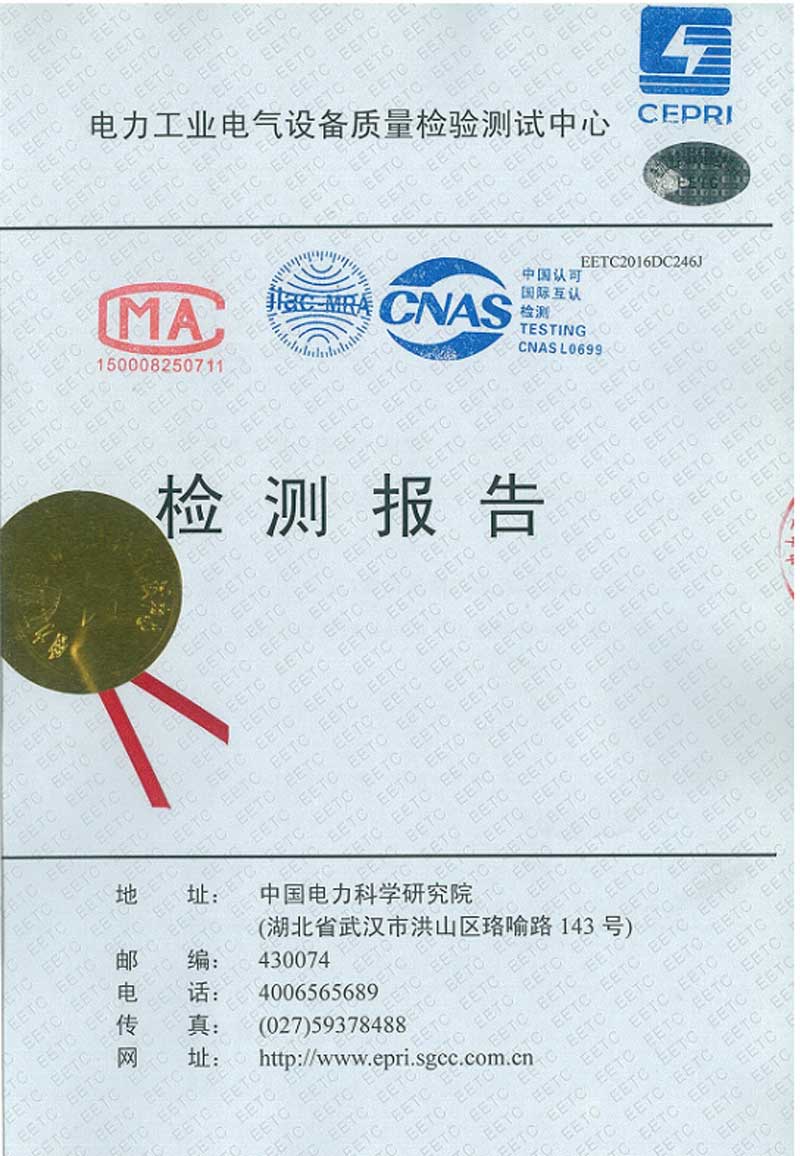
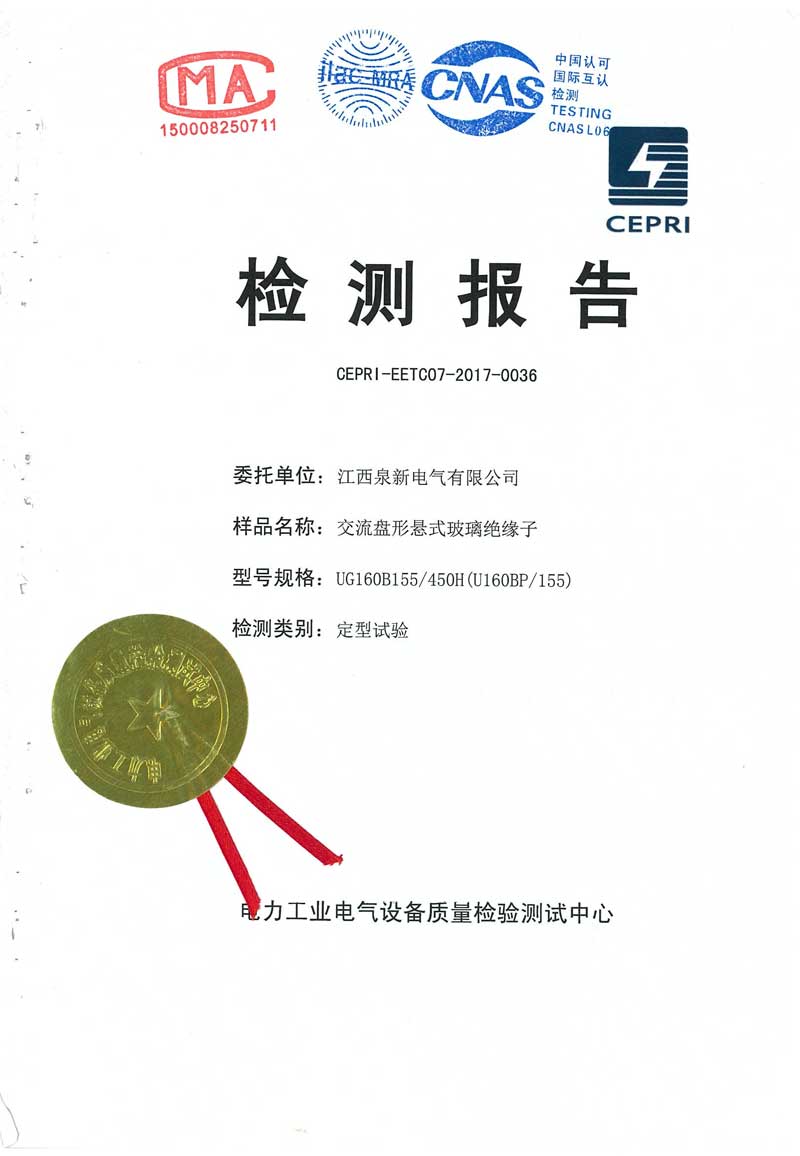
Critical considerations for engineering teams during technical evaluation.
When sourcing glass isolators for high-voltage networks, procurement professionals evaluate specific technical metrics:
The decarbonization of energy systems drives grid expansion. As HVAC and HVDC networks cross varying climate zones, requirements for the durability of insulation systems increase. Key industry trends include:
RTV Pre-Coating: Coating tempered glass with Room Temperature Vulcanizing (RTV) silicone rubber at the factory provides hydrophobic properties, reducing the need for manual washing in high-pollution areas.
Smart Sensor Integration: R&D efforts focus on integrating leakage current and mechanical load sensors into the insulator pin to enable real-time monitoring of line health.
Answers to common engineering and commercial questions about toughened glass isolator systems.
The designation follows standard international notation for cap-and-pin insulators: "U" denotes a suspension type disc insulator; "160" represents the electromechanical failing load rating of 160 kN; "b" indicates a ball-and-socket coupling mechanism; "s" represents a standard profile geometry; and "p" indicates semi-deep or anti-pollution shed extensions that increase the creepage distance.
Toughened glass provides a key operational benefit: spontaneous self-shattering upon defect. When internal structural damage or electrical stress causes a glass insulator to fail, the outer glass shell shatters into small fragments. The residual core maintains its mechanical load capacity, preventing line drops. This visual indication allows maintenance crews to locate damaged units without the need for manual testing instruments, reducing maintenance costs compared to porcelain systems.
We utilize high-purity silica sand, precise mixing systems, and automated gas-fired Total Oxygen Kilns to maintain a homogeneous melt free from nickel sulfide (NiS) inclusions. Nickel sulfide inclusions can expand over time and cause spontaneous shattering. The glass disks undergo thermal tempering and thermal shock cycles to relieve internal stresses, keeping the self-shattering rate within international standards.
The anti-pollution profile utilizes deep under-ribs that increase the total creepage distance of the insulator string. This design limits the formation of continuous wet pollution paths on the surface, preventing leakage currents and reducing the risk of pollution flashover events.
Yes, our engineering department designs and manufactures products according to diverse regional grid requirements, including IEC 60305, ANSI C29.2, BS 137, and DIN standards. We offer customized mechanical ratings, ball-socket couplings, and creepage profile adjustments.
Standard production times range from 30 to 45 days, depending on batch sizes and scheduling. Our facility in Pingxiang, Jiangxi Province, provides access to maritime transport ports such as Shanghai, Shenzhen, and Ningbo, enabling global distribution.
Read updates on our international industry conferences and technical publications.
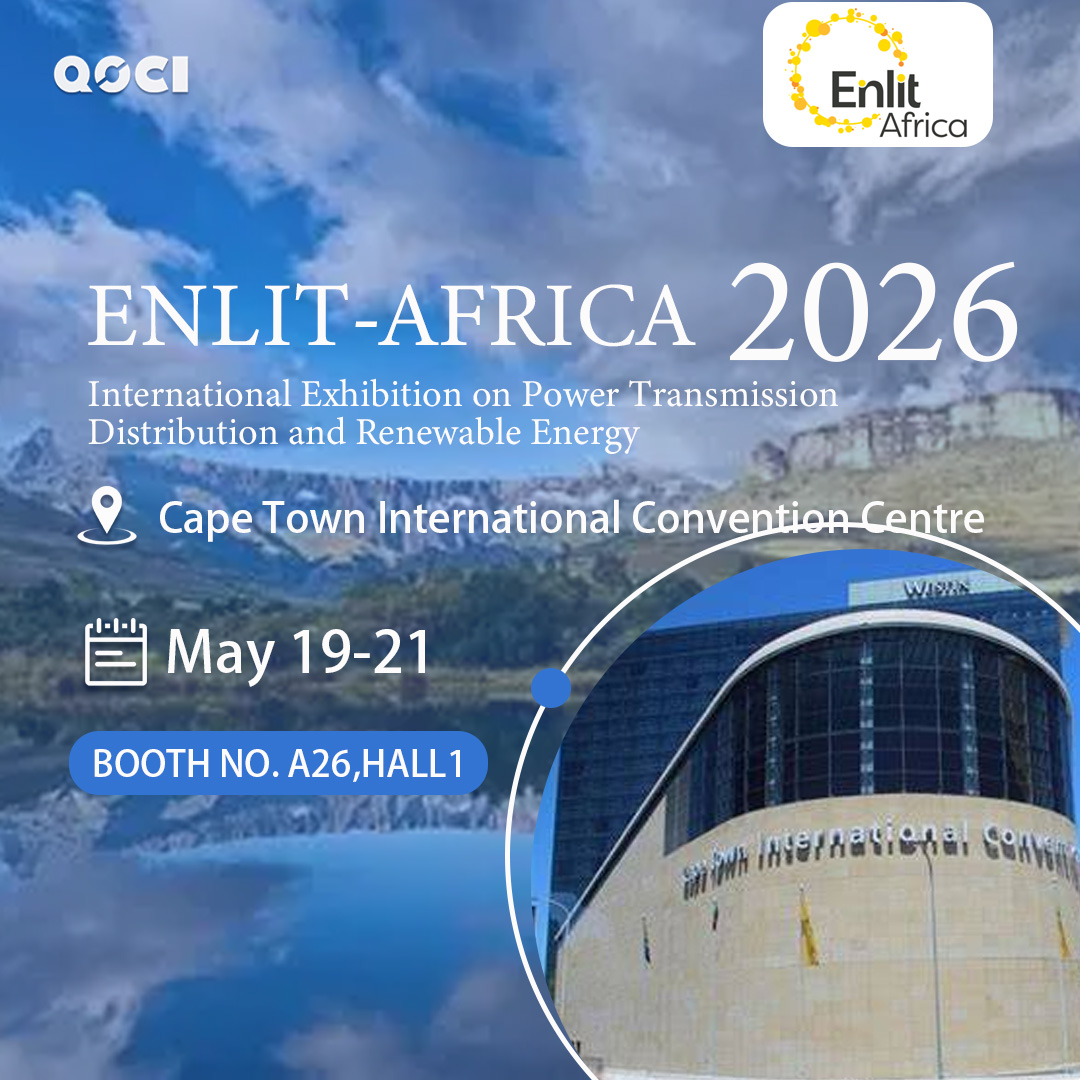
As the global energy transition accelerates, the importance of electricity, renewable energy, and energy storage technologies is becoming increasingly critical. QOCI Electric showcases its latest toughened glass and composite insulator configurations to grid operators in Cape Town.
Having withstood extreme environmental conditions including icing, high altitude, pollution, earthquakes and typhoons, China’s insulator industry continues to innovate...
On behalf of our team at JIANGXI QOCI ELECTRIC CO., LTD, we encourage you to join us at IEEE PES T&D Conference & Exposition 2026, the powerhouse industry event...
Pingxiang, China - QOCI Electric, a global supplier of power equipment and solutions, officially confirmed participation in the upcoming Iraq Energy Conference...
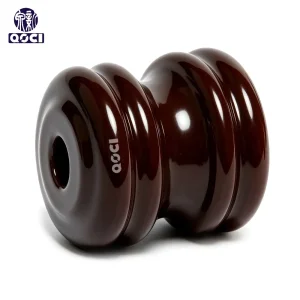
Extended product lineup containing specialized high-voltage glass and stay porcelain insulators.