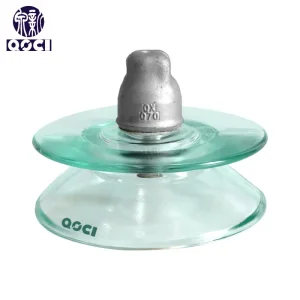
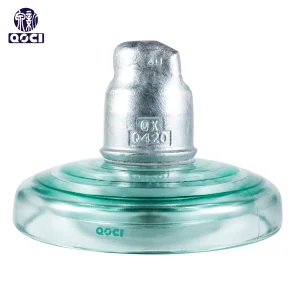
High-Quality Glass Insulator 420 Manufacturer & Factories

Global Leadership in Ultra-High Voltage Insulation Technology & 420kN Toughened Glass Solutions

High-Tension Insulation: The 420kN Glass Insulator Global Industry Report

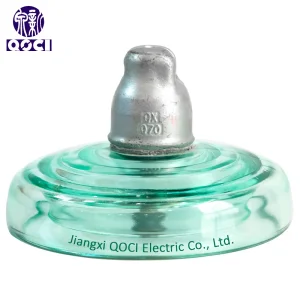
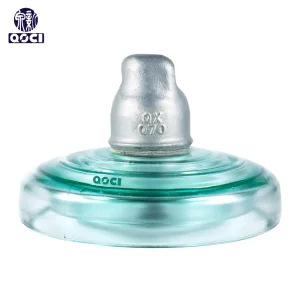
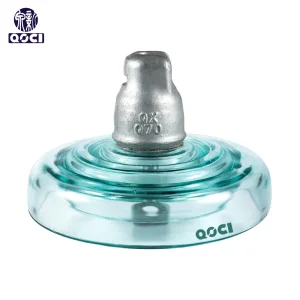
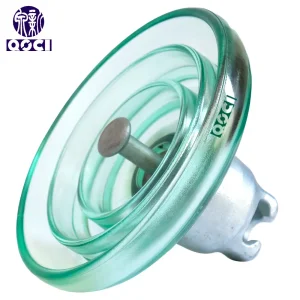
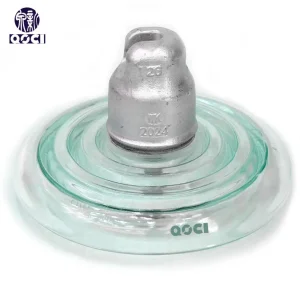
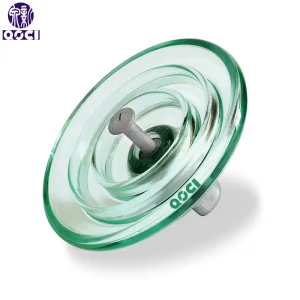
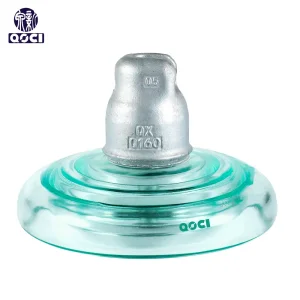
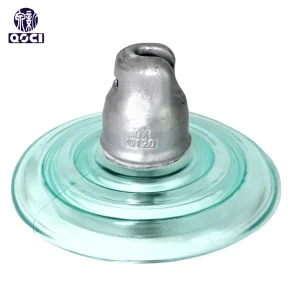
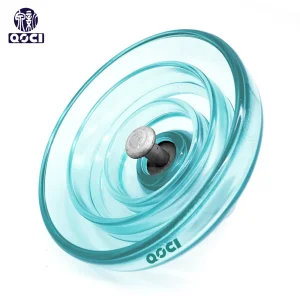
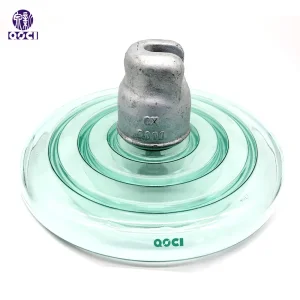
In the rapidly evolving landscape of global power transmission, the demand for high-mechanical strength insulation has reached unprecedented levels. The Glass Insulator 420kN (U420B) stands at the pinnacle of electromechanical engineering, designed to support the rigorous demands of 400kV, 500kV, and even 800kV Ultra-High Voltage (UHV) DC and AC transmission lines. As a premier manufacturer, Jiangxi QOCI Electric Co. Ltd has pioneered the development of these toughened glass components, ensuring grid stability across diverse continents.

The global shift toward renewable energy integration requires long-distance power corridors that cross challenging terrains—from the salt-heavy coastal regions of Southeast Asia to the high-altitude, ice-prone ridges of the Andes. The 420kN glass insulator is specifically engineered to handle these extreme tensile loads while providing superior dielectric properties that outperform traditional porcelain or composite alternatives in terms of longevity and maintenance transparency.

Key Growth Driver: The global insulator market is projected to reach $13.5 billion by 2028, with toughened glass insulators witnessing the highest CAGR due to their "self-shattering" diagnostic feature, which significantly reduces inspection costs for utility providers.

Technical Superiority of Toughened Glass in 420kN Load Classes

Why do leading grid operators in Europe and North America prefer the 420kN glass series? The answer lies in the Toughening Process. Unlike porcelain, which can harbor internal cracks undetectable to the naked eye, toughened glass is under pre-stressed compression. If the dielectric or mechanical integrity is compromised, the glass shell shatters into small, non-conductive fragments, leaving the "stub" intact to maintain the mechanical string tension. This visual indicator is a cornerstone of modern smart grid maintenance strategies.

  • Thermal Stability: Capable of withstanding extreme temperature fluctuations without losing mechanical rating.
  • Pollution Performance: The smooth, non-porous surface of QOCI glass insulators resists the accumulation of industrial pollutants and salt spray.
  • Zero Aging: Unlike composite (polymer) insulators, glass does not degrade under UV radiation, ensuring a service life exceeding 50 years.
70,000+ Plant Area (m²)
39,000 Annual Output (Tons)
53+ Expert Technicians
26+ National Patents

China Factory Efficiency: The Jiangxi QOCI Advantage

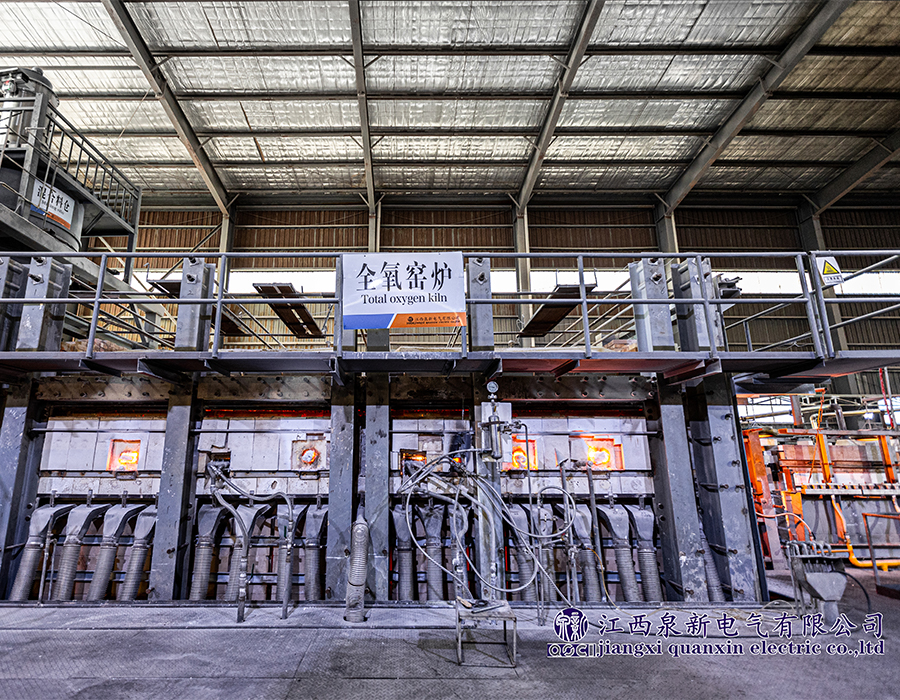
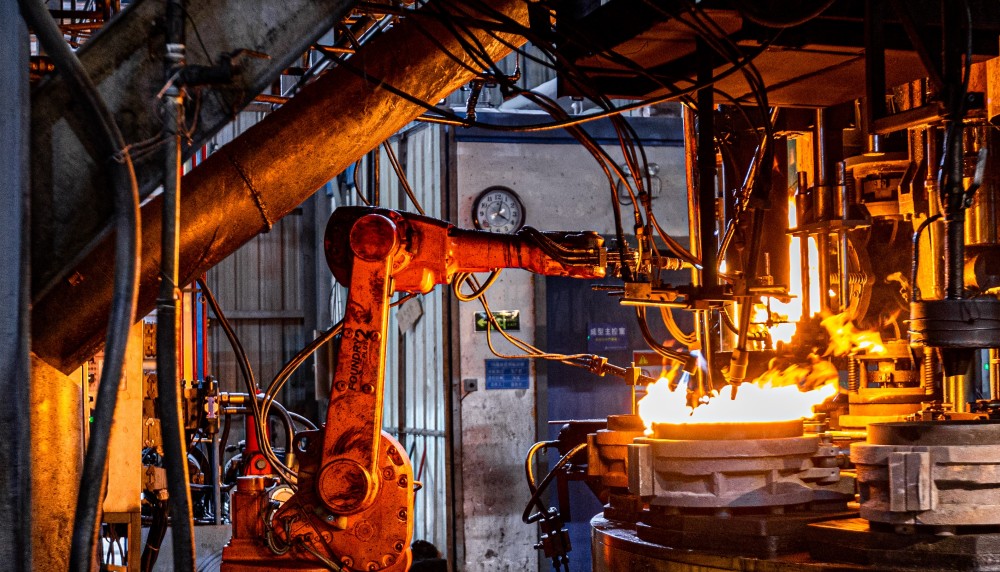
China has become the global hub for glass insulator production not just due to scale, but due to technological integration. At our Luxi Industrial Park facility, we utilize Total Oxygen Kiln technology. This advanced melting process ensures a more homogeneous glass melt with fewer inclusions (such as nickel sulfide), which are the primary cause of spontaneous breakage in lower-quality glass. By controlling the raw material purity and the precise annealing curve, QOCI delivers 420kN units that meet and exceed IEC 60305, ANSI, and BS standards.

Our vertical integration—from raw material processing to high-voltage testing—allows for a significant cost advantage. Global procurement officers benefit from our streamlined logistics and fast delivery times, ensuring that large-scale infrastructure projects remain on schedule even amidst global supply chain volatility.

Global Application Scenarios for U420B Insulators

Coastal & Offshore Grids

Equipped with RTV (Room Temperature Vulcanization) Silicone Coating, our glass insulators provide hydrophobicity that prevents leakage currents in high-salinity environments like offshore wind farm connections.

High-Altitude UHV Corridors

In regions like the Himalayas or the Rockies, the 420kN rating is vital for supporting the weight of heavy ice loads and high-tension conductor spans across vast valleys.

Industrial Pollution Zones

Our Anti-pollution (Fog type) profiles feature deep ribs that extend the creepage distance, preventing flashovers in areas with heavy cement, coal, or chemical dust.
About Jiangxi QOCI Electric

Founded in Dec. 2002 with a registered capital of 508 million Yuan, QOCI has dedicated over two decades to serving the world-class power grid. Our mission is to actively participate in the construction of green energy by providing reliable, high-strength glass insulators.

QOCI Factory

INNOVATION

Serve the world-class power grid with dedication to green energy construction.

QUALITY

Responsibility is the guarantee of our zero-defect quality policy.

SERVICE

Ensuring the safety of the power grid through 24/7 technical support.

Icon

Advanced Manufacturing & QA

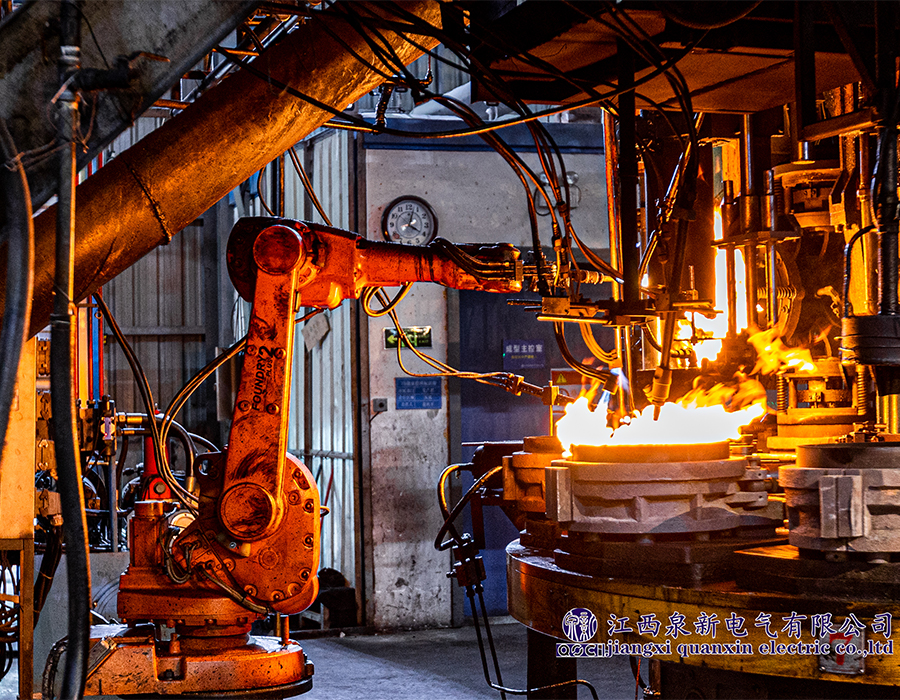
Forming Press

Forming Press

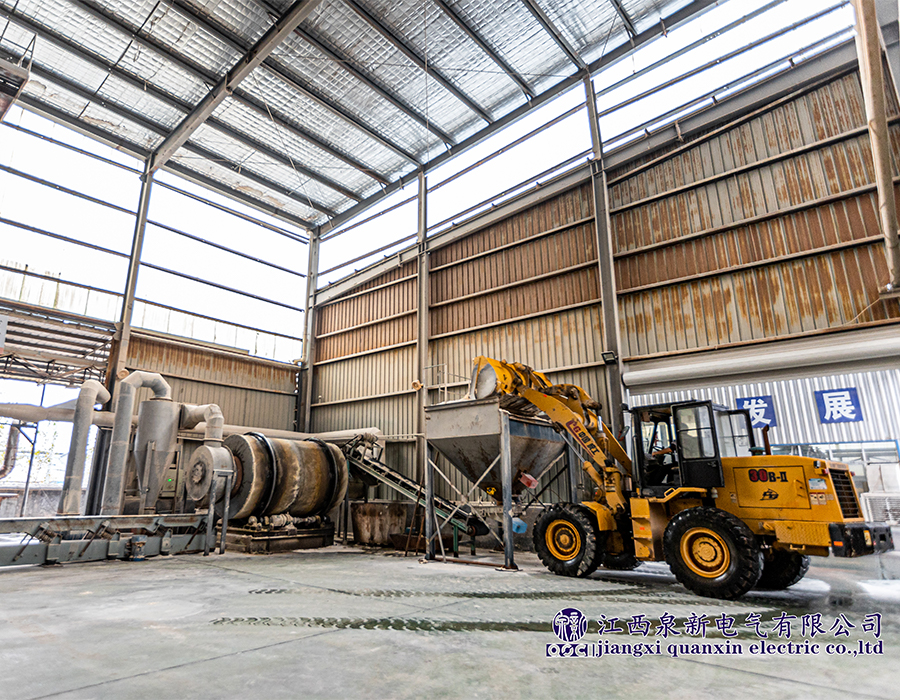
Mixer

Raw Material Mixer

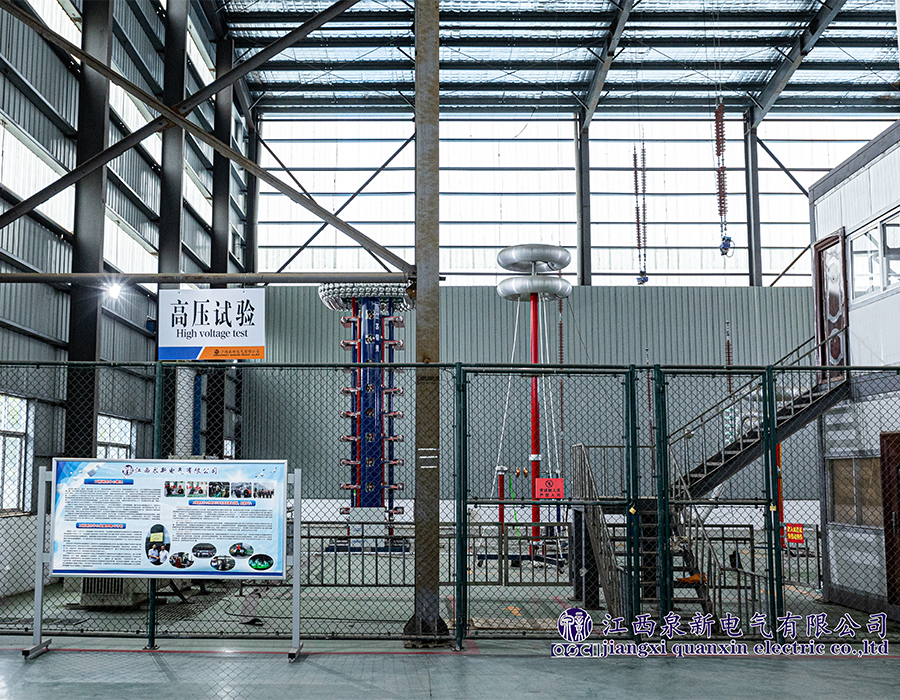
High Voltage Test

High Voltage Test Lab

Total Oxygen Kiln

Total Oxygen Kiln

Global Procurement Needs & Industry Trends 2025-2030

The "Energy Internet" and smart grid initiatives are transforming how procurement teams select insulation materials. The modern 420kN glass insulator is no longer just a mechanical support; it is a critical node in grid reliability. Current trends indicate a move toward Smart Insulators integrated with sensors for real-time tension monitoring, though the fundamental reliability of the glass shell remains the primary concern.

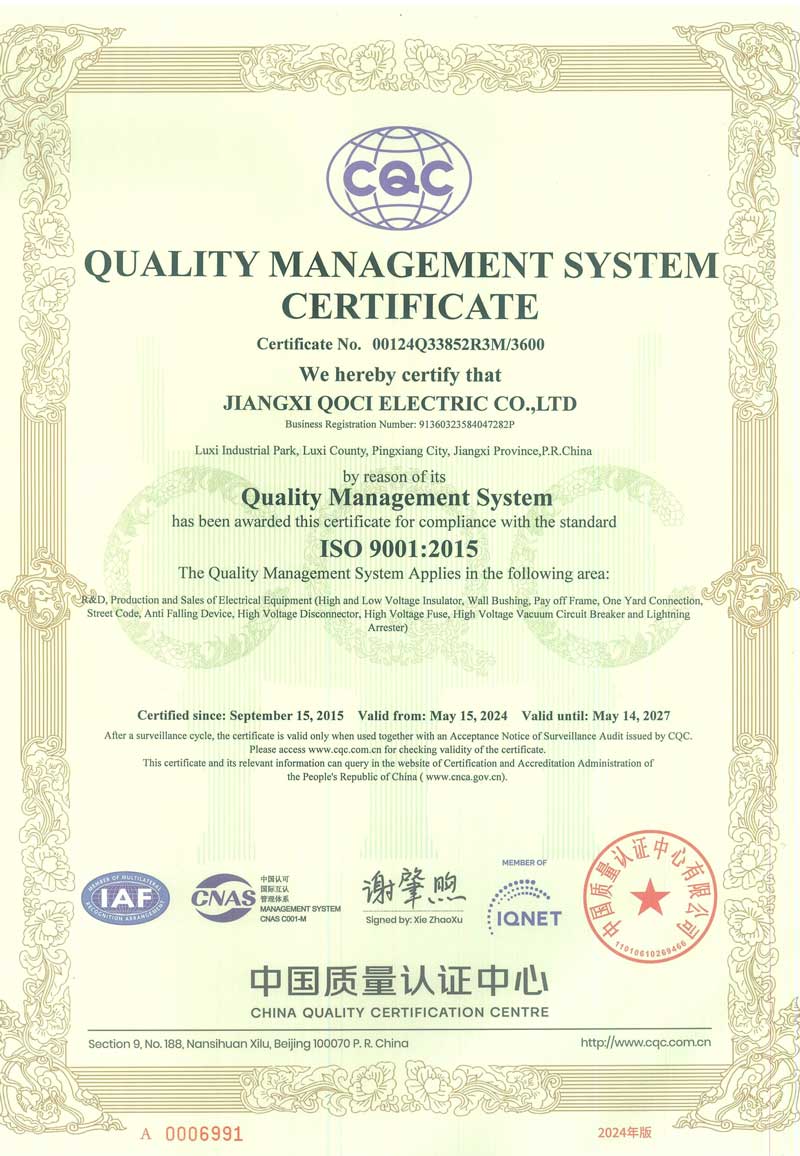
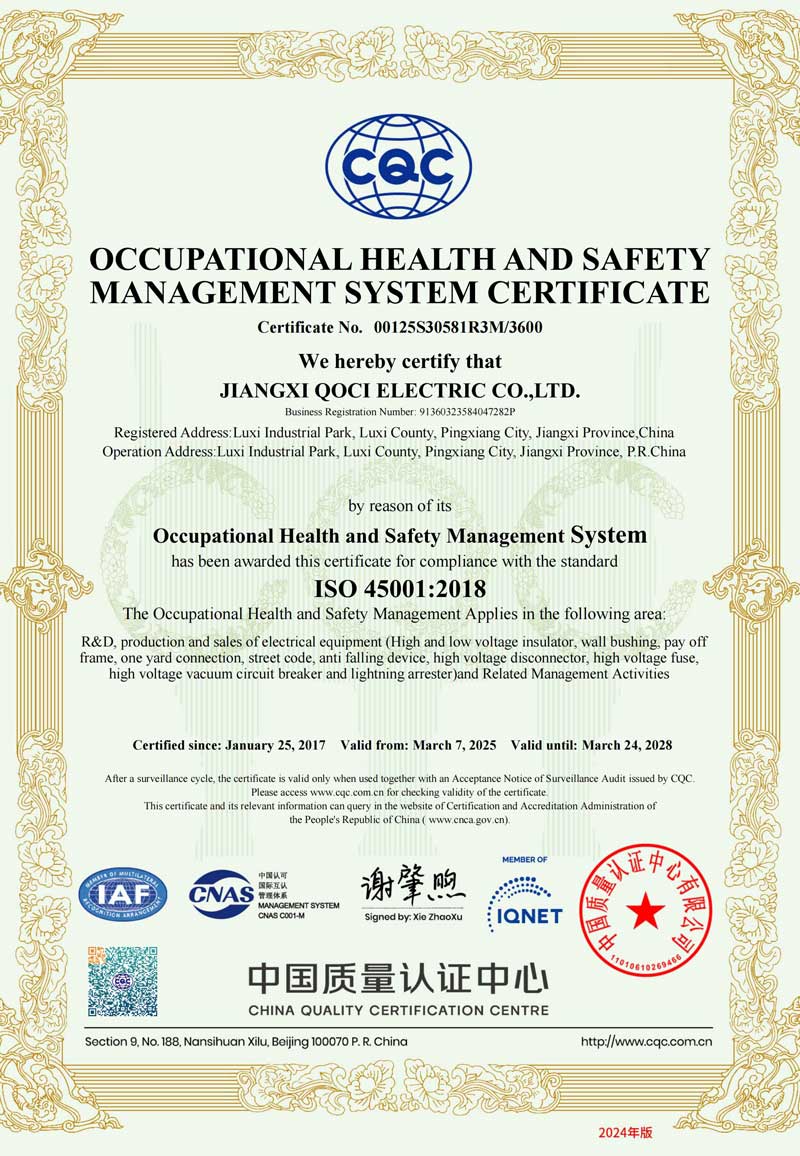
For international buyers, particularly in South America and the Middle East, the ability to source directly from a Chinese Factory with proven export credentials (like ISO 9001, 14001, and OHSAS 18001) is paramount. The U420B series provides a modular solution for uprating existing lines without replacing tower structures, as the strength-to-weight ratio of toughened glass allows for increased conductor sizes.

Comparison: Glass vs. Porcelain for 420kN Loads

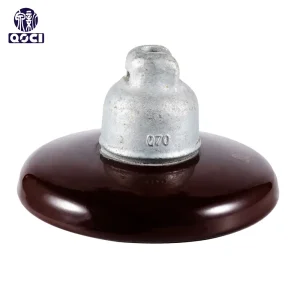
Glass (QOCI Standard)
  • Internal faults lead to visible shattering.
  • Homogeneous material (no internal voids).
  • Zero moisture absorption.
  • High residual mechanical strength.
Porcelain
  • Punctures can be invisible (require costly testing).
  • Susceptible to glaze cracks and aging.
  • Potential for hidden manufacturing defects.
  • Requires manual cleaning more frequently.

Industry News

Join QOCI at Enlit Africa 2026
As the global energy transition accelerates, QOCI Electric confirms participation in Enlit Africa to showcase high-voltage solutions for the emerging African grid.
IEEE PES T&D Conference & Exposition
Our team will present the latest research on RTV-coated glass insulators for extreme pollution performance at the 2026 Exposition.

Certified Authority

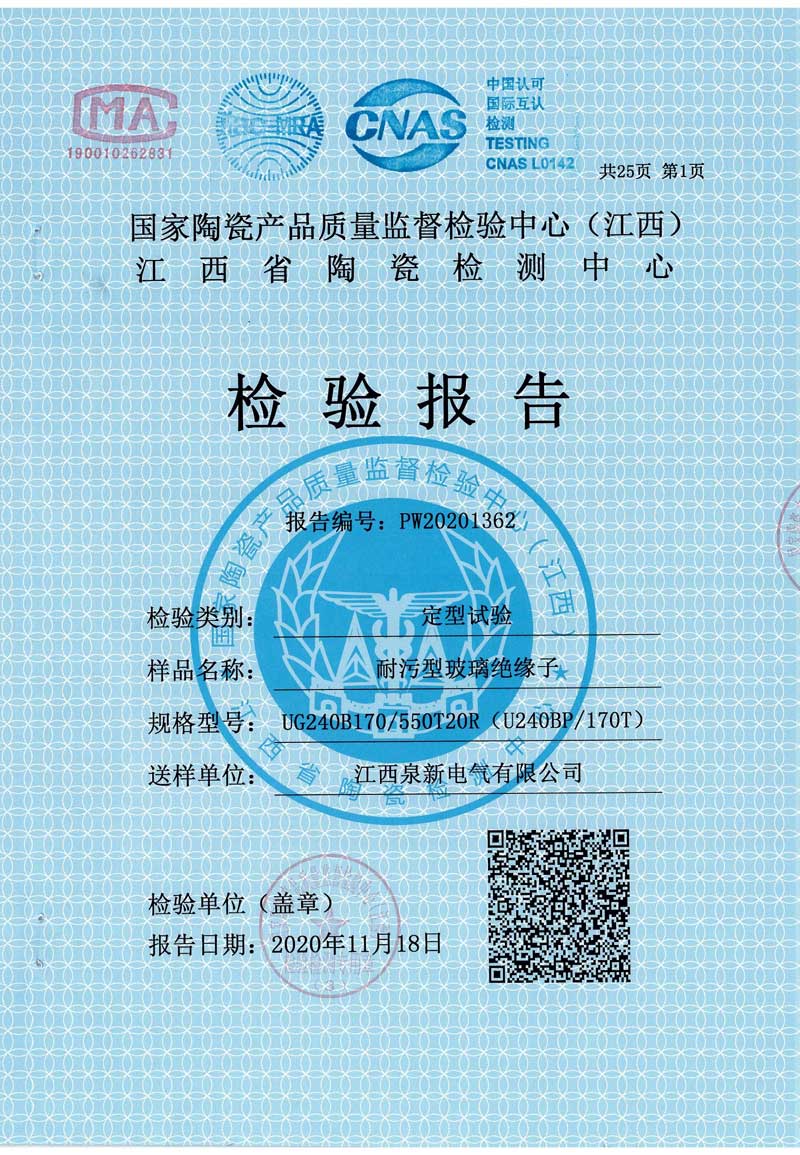
Cert 1 Cert 2 Cert 3

Glass Insulator Q&A (Technical FAQ)

What are the specific advantages of the U420B model?
The U420B is a high-strength suspension insulator with a 420kN mechanical failing load. It is designed for EHV/UHV lines where conductor weight and span length exceed the capacity of standard 120kN or 210kN units. Its design ensures a high specific leakage distance for polluted environments.
How does QOCI ensure the reliability of toughened glass?
Every batch undergoes rigorous testing including thermal shock, mechanical load testing, and steep-front wave impulse tests. Our Total Oxygen Kiln technology reduces impurities, minimizing spontaneous breakage rates below 0.5 per 10,000 units.
What is the maintenance cycle for glass insulators in industrial areas?
Glass insulators are largely self-cleaning due to their profile and non-porous surface. In extremely polluted industrial areas, we recommend RTV silicone coating, which can extend maintenance intervals from 2 years to over 10 years by maintaining hydrophobicity.
Do you support international standards like ANSI and IEC?
Yes, all our products are designed and tested to comply with IEC 60305, IEC 60383, ANSI C29.2, and BS 137 standards, ensuring compatibility with global utility specifications.

Trusted By Global Partners

Partner 1 Partner 2 Partner 3 Partner 4