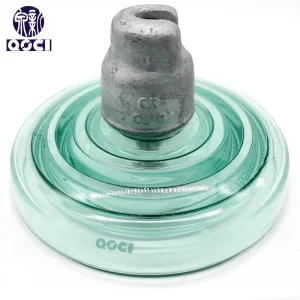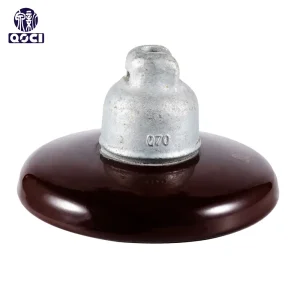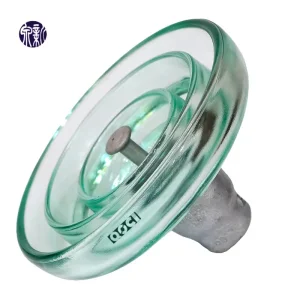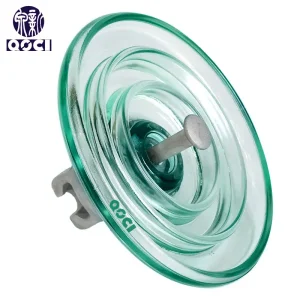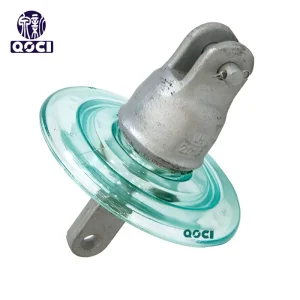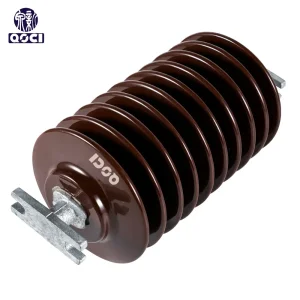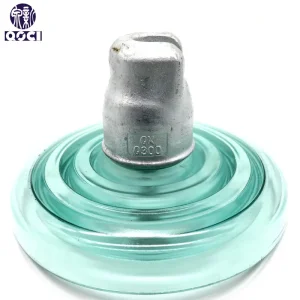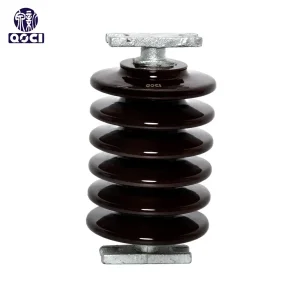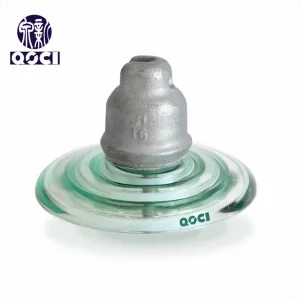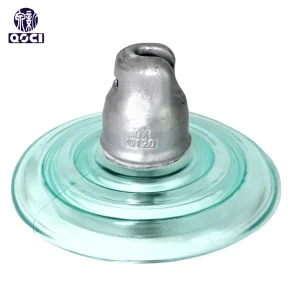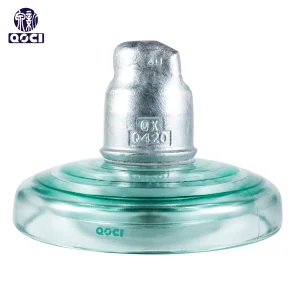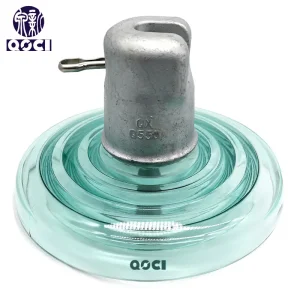
In the current era of global energy transformation, the role of electrical infrastructure has shifted from simple power delivery to the backbone of smart-grid intelligence. The U160BL toughened glass insulator stands as a critical component in this landscape. As countries from Sub-Saharan Africa to Northern Europe upgrade their aging grids to accommodate renewable sources like wind and solar, the demand for high-strength, low-maintenance insulators has surged.
Historically, porcelain dominated the market. However, the Information Gain provided by modern glass technology—specifically its "self-shattering" property upon failure which eliminates hidden electrical faults—has made U160BL the preferred choice for utilities worldwide. Industry data suggests that the global insulator market is expected to grow at a CAGR of 5.8% through 2030, with toughened glass capturing a significant portion of new EHV (Extra High Voltage) projects.
Shift towards 800kV HVDC lines requires U160BL units with higher creepage distances and specialized RTV coatings to prevent flashovers in industrial smog zones.
Glass is 100% recyclable. Factories are now integrating Total Oxygen Kilns to reduce CO2 emissions by 30% during the glass melting process.
Future technical roadmaps include the integration of IoT sensors on insulator strings to monitor leakage current in real-time.
Founded in 2002, Jiangxi QOCI Electric Co. Ltd has emerged as a titan in the electrical insulation sector. With a registered capital of 508 million Yuan and a sprawling 70,000 m² state-of-the-art facility in Pingxiang, Jiangxi, our factory represents the pinnacle of Chinese manufacturing precision.
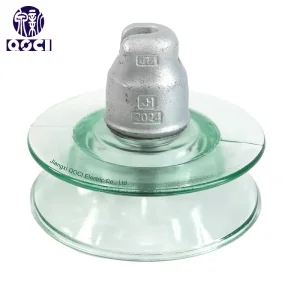
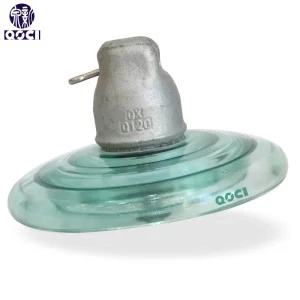
Our U160BL units undergo a precise heating and rapid cooling process. This creates a balanced compressive stress on the glass surface, increasing mechanical strength by 3-4 times compared to annealed glass.
With an insulation resistance exceeding 50,000 MΩ, our glass insulators provide an impenetrable barrier against power leakage, even in humid coastal environments.
The ball and socket fittings use hot-dip galvanized steel, ensuring 50+ years of life against oxidation and mechanical wear.
Shallow and well-spaced small ribs, optimized for self-cleaning by wind or rain. Ideal for general terrain.
Long and widely-spaced under-ribs to avoid arc bridging. Essential for coastal areas with salt fog.
No under-ribs, preventing accumulation of solid pollutants like desert sand or industrial dust.
Designed for Ultra-High Voltage (UHV) projects, providing superior pollution flashover resistance.
Hydrophobic surface treatment that minimizes leaking currents and reduces cleaning maintenance costs.
U160BL toughened glass offers "visual maintenance." If a unit fails, the glass shell shatters, but the internal pin maintains the mechanical string integrity. This allows ground crews to identify faulty units with binoculars, whereas porcelain faults are often hidden internally.
Toughened glass has an extremely low coefficient of expansion and can withstand temperature swings from -60°C to +50°C without losing mechanical or dielectric properties.
Thanks to our high-quality raw materials and zero-porosity glass, our units are designed for a service life of 50 years, often outlasting the transmission towers themselves.
Yes, we manufacture specific HVDC-grade glass insulators that resist ion migration, which is a common failure mode in traditional DC insulation.