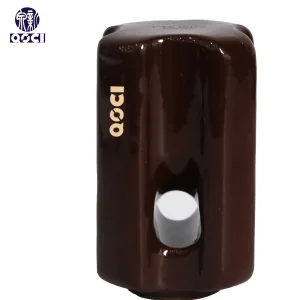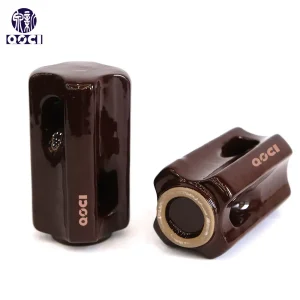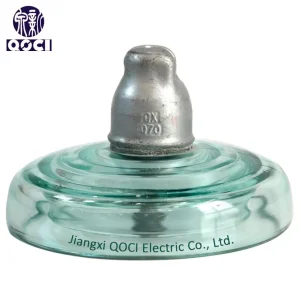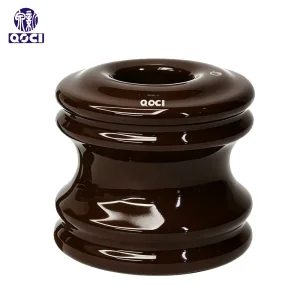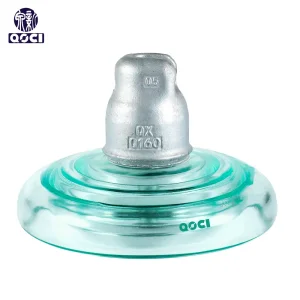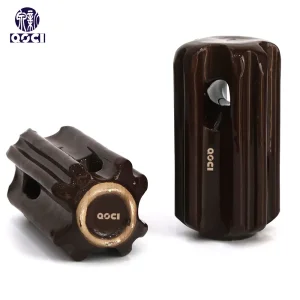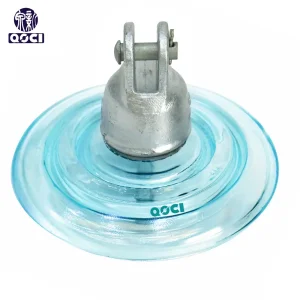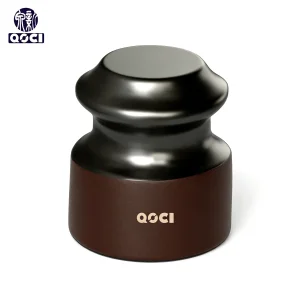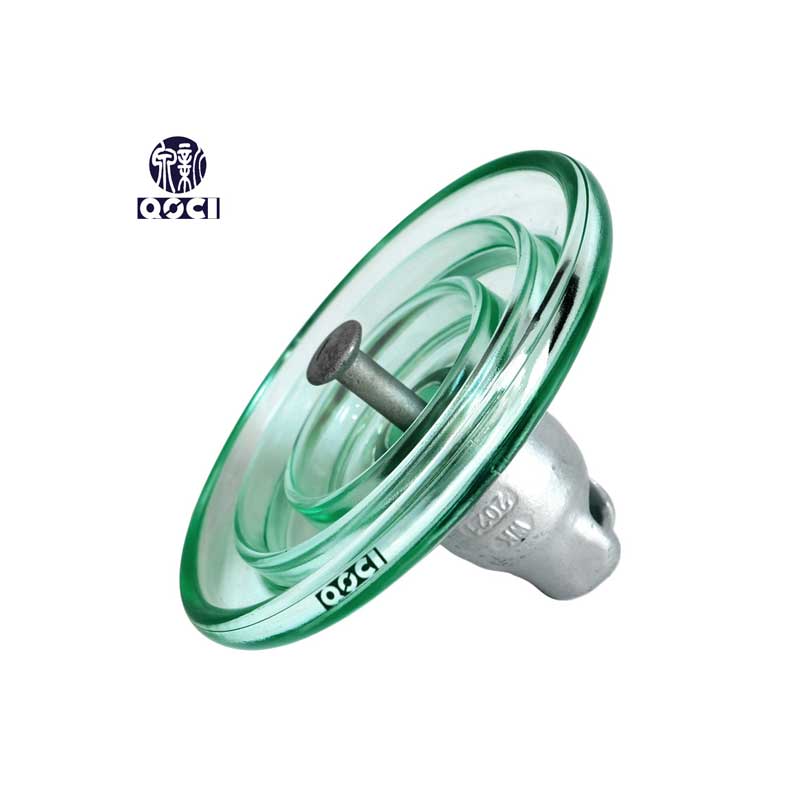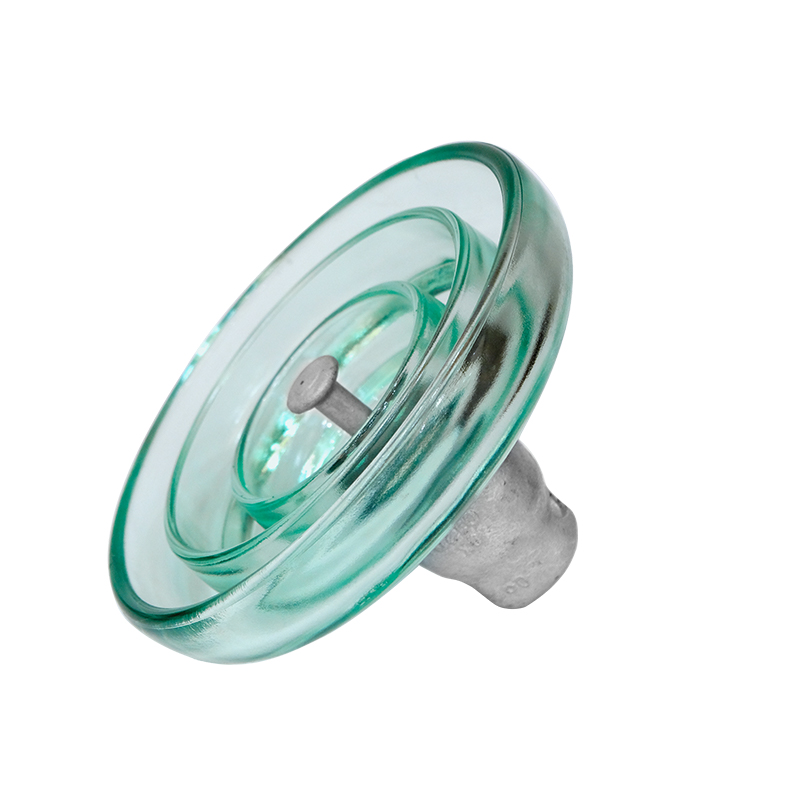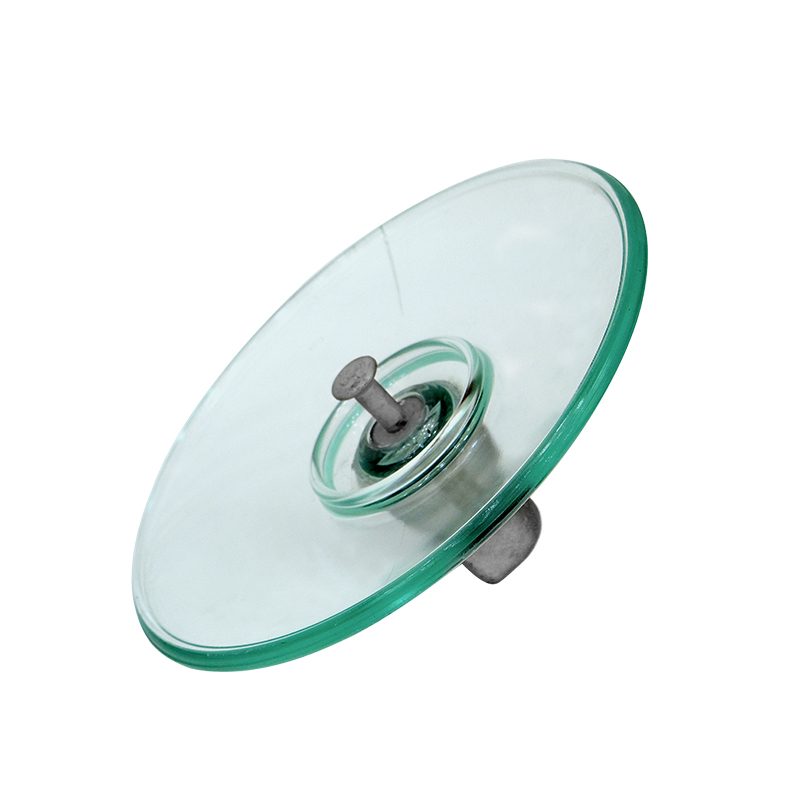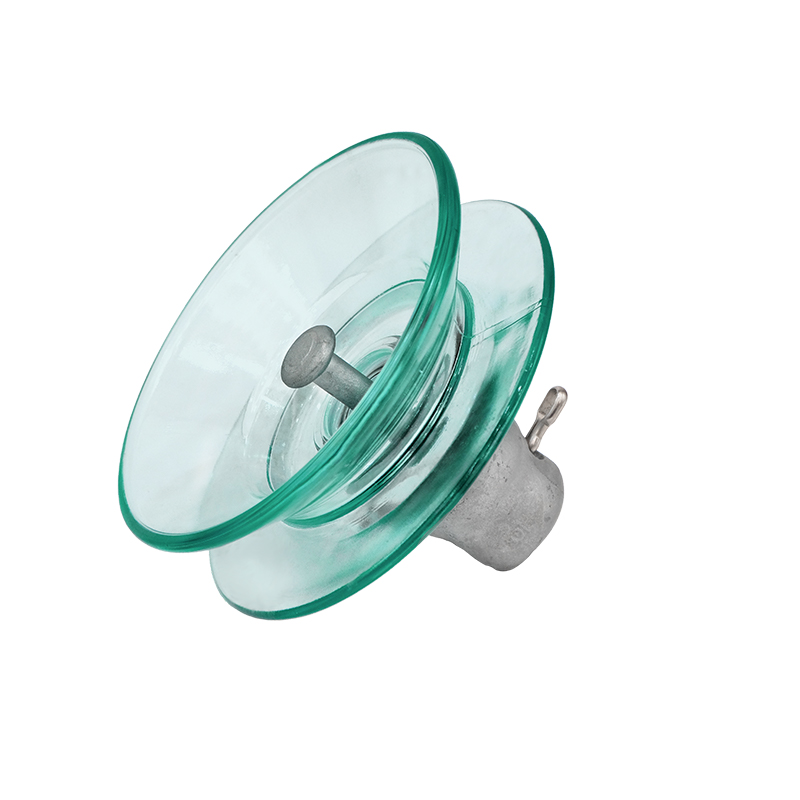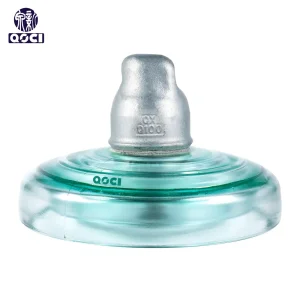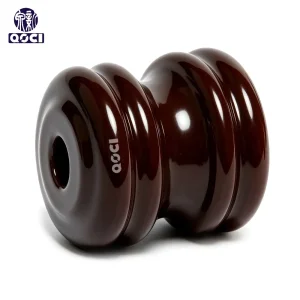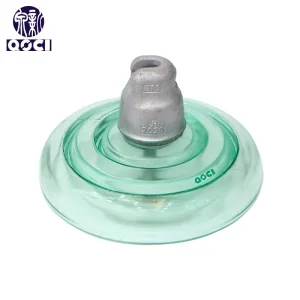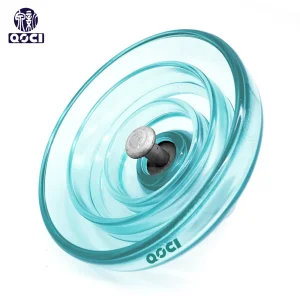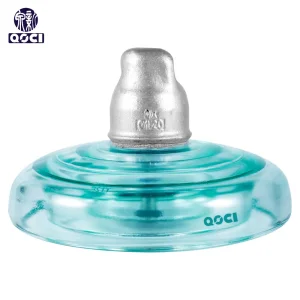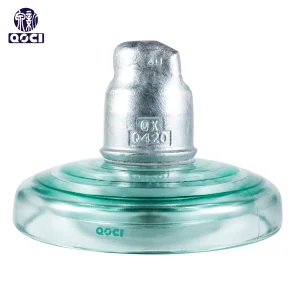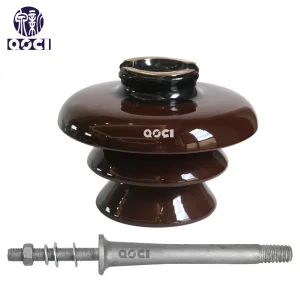
Engineered to conform with ANSI and IEC international standards. Discover robust suspension, strain, guy, and spool designs direct from our state-of-the-art facilities.
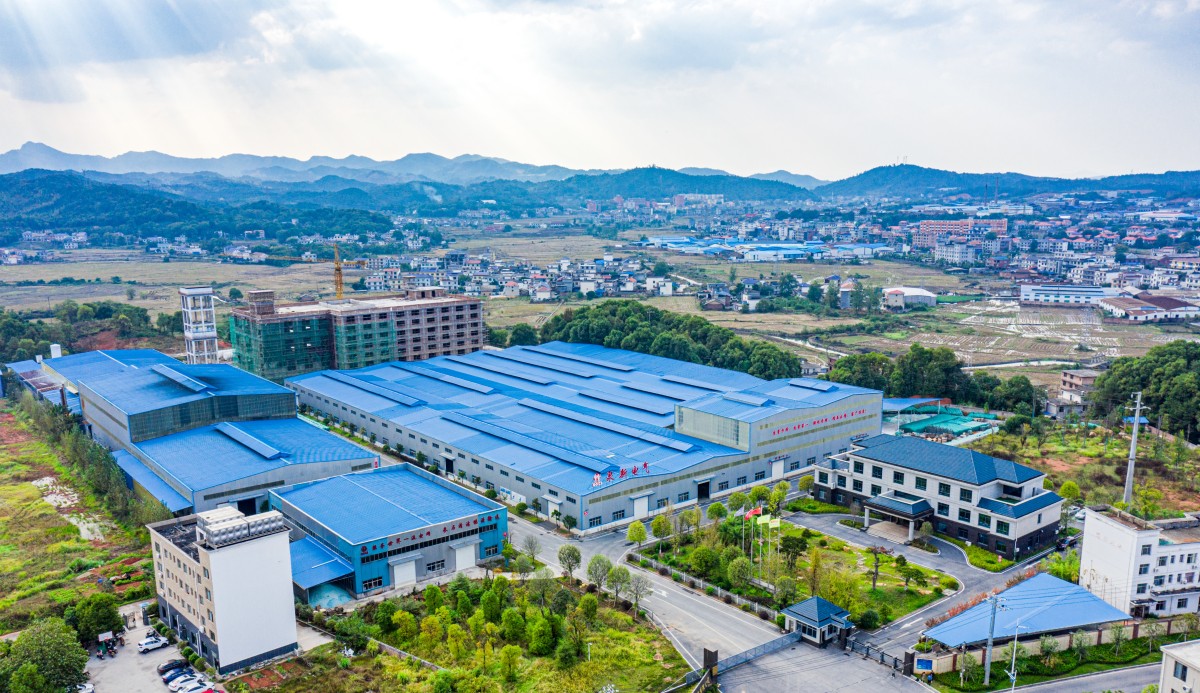
Jiangxi QOCI Electric Co. Ltd, established in December 2002 with a registered capital of 508 million Yuan, stands at the absolute vanguard of global insulator manufacturing. Located in the highly specialized Industrial Park of Luxi County, Pingxiang, Jiangxi Province—widely recognized as China’s porcelain and insulator capital—our modern industrial site spans over 70,000 square meters.
We dedicate ourselves to serving the world-class power grid infrastructure, actively participating in the rapid construction of green energy and smart grids globally. We operate under the philosophy that responsibility is the absolute guarantee of quality. By providing high-mechanical-strength toughened glass insulators, we secure the mechanical and electrical integrity of transmission lines ranging from distribution lines to extra-high voltage (EHV) and ultra-high voltage (UHV) AC & DC networks.
Insightful technical analysis of the transitioning power insulation industry and modern procurement paradigms.
As global energy grids transit from coal-fired plants to localized renewable generators (wind, solar, hydro), the construction of multi-terminal UHV systems is expanding. High-voltage transmission lines require insulation components with unparalleled mechanical failing loads (up to 530kN) and high aging resistance, driving the demand for toughened glass disc insulators over traditional porcelain or short-life composites.
One of the primary benefits of toughened glass disc insulators is "spontaneous shattering" under severe internal defect conditions. Unlike porcelain, which hides interior micro-cracks requiring expensive hand-held resistance tests, a damaged glass insulator's shell simply shatters into safe fragments, leaving the structural mechanical string intact. This visual indication enables fast aerial detection via drones, lowering maintenance costs significantly.
In coastal and heavily industrial zones, pollution flashovers present severe operational hazards. A primary industry trend is the application of Room Temperature Vulcanized (RTV) silicone coatings directly to toughened glass surfaces. This creates a hybrid solution: the robust mechanical dependability of tempered glass coupled with the hydrophobic qualities of polymers, rendering line washing obsolete.
Large power transmission utility companies in North America, Europe, and the Middle East operate under strict vendor approval systems. Successful procurement of disc glass insulators demands absolute compliance with mechanical, electrical, and dimensional criteria:
| Standard Reference | Technical Characteristic | Relevance in Procurement | QOCI Quality Compliance Standard |
|---|---|---|---|
| IEC 60305 | Characteristics of insulator units of the cap and pin type | Standardizes dimensions, creepage distances, and mechanical ratings | 100% compliant across U70, U100, U120, U160, U300, and U420 lines |
| ANSI C29.2B | Wet-process porcelain and toughened glass suspension insulators | Ensures compatibility with grid equipment across the Americas | Certified mechanical load and dimensional tolerances |
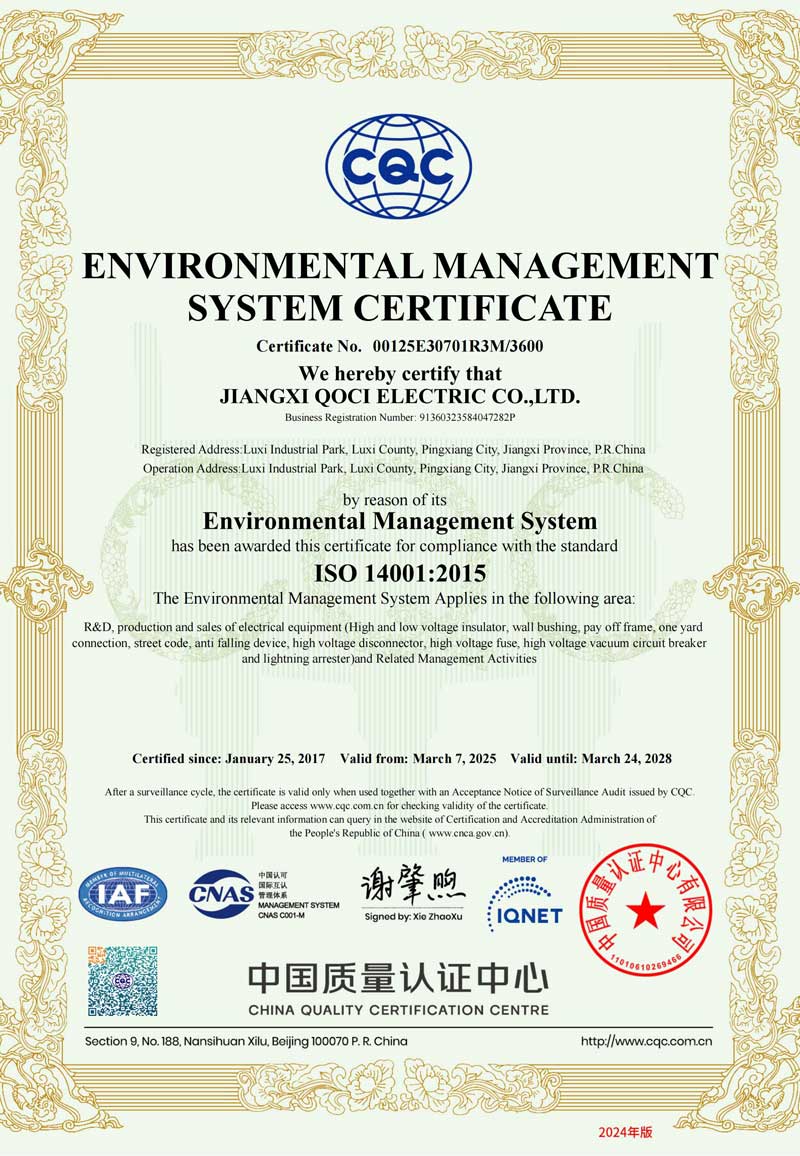
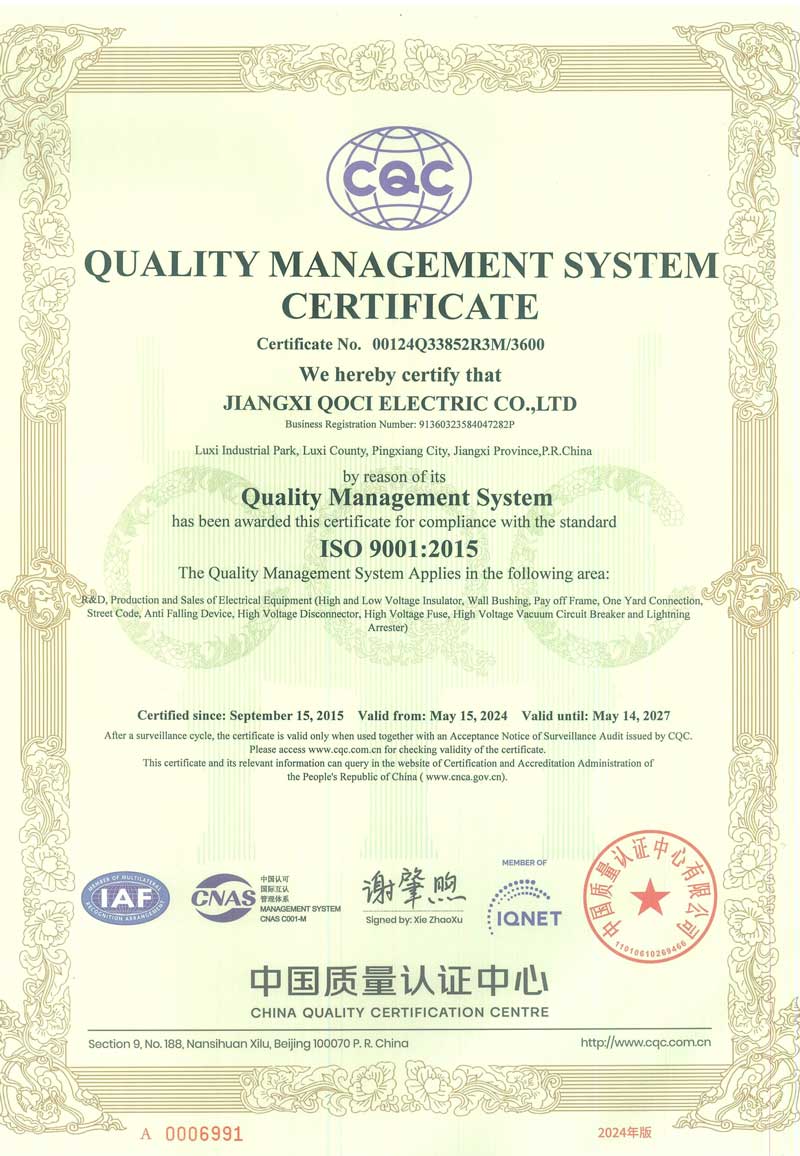
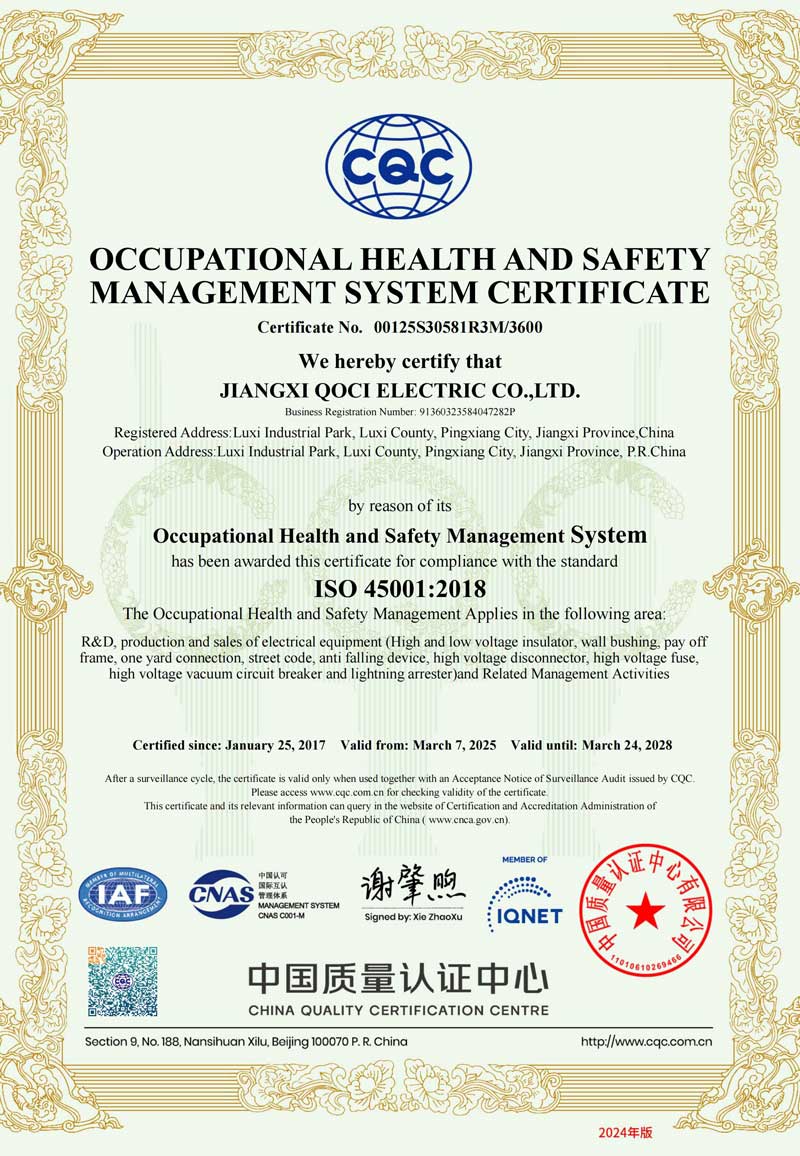
| ISO 9001 / 14001 | Quality and Environmental Management Systems | Mandatory certification for municipal grid tenders | Fully certified factory with audited manufacturing processes |
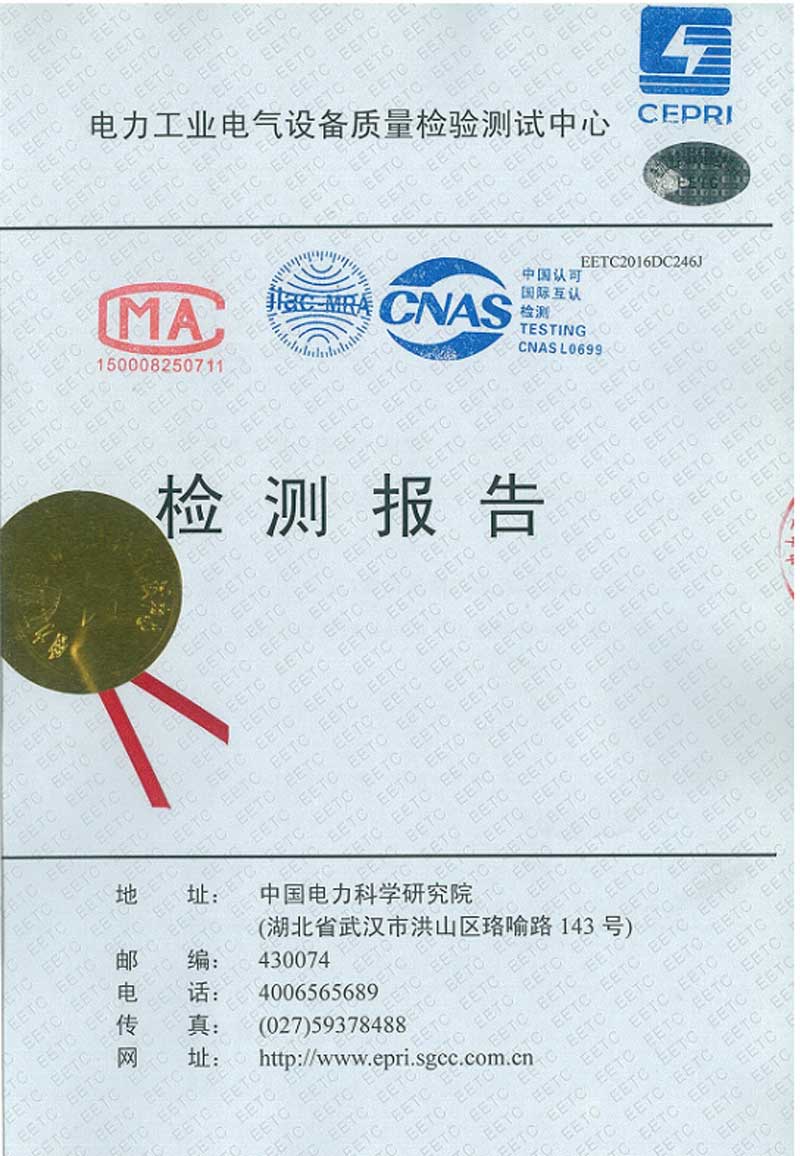
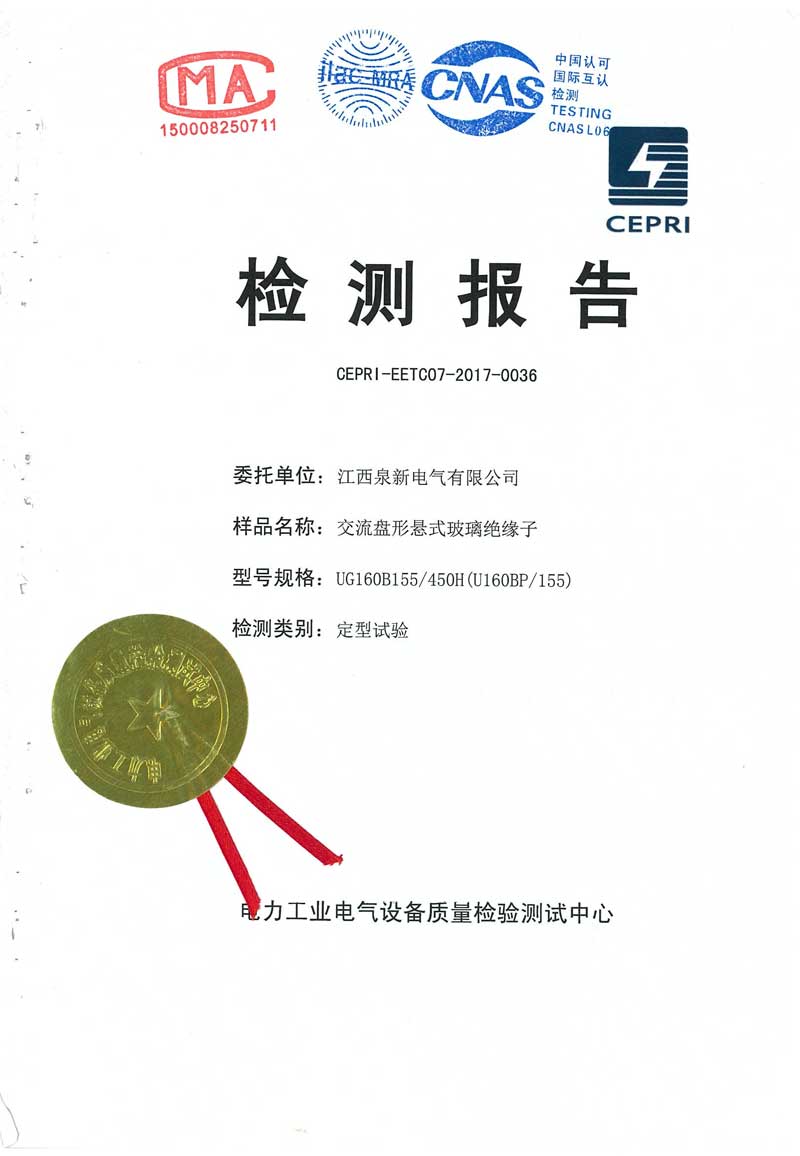
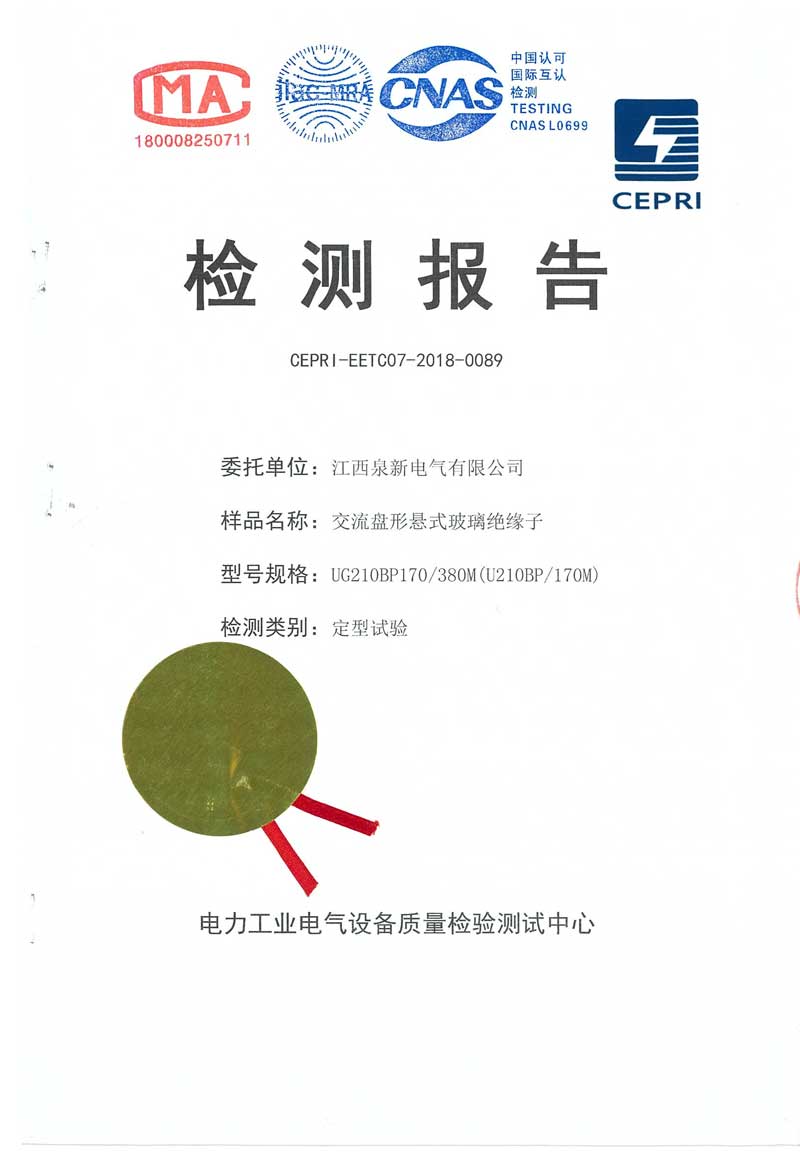
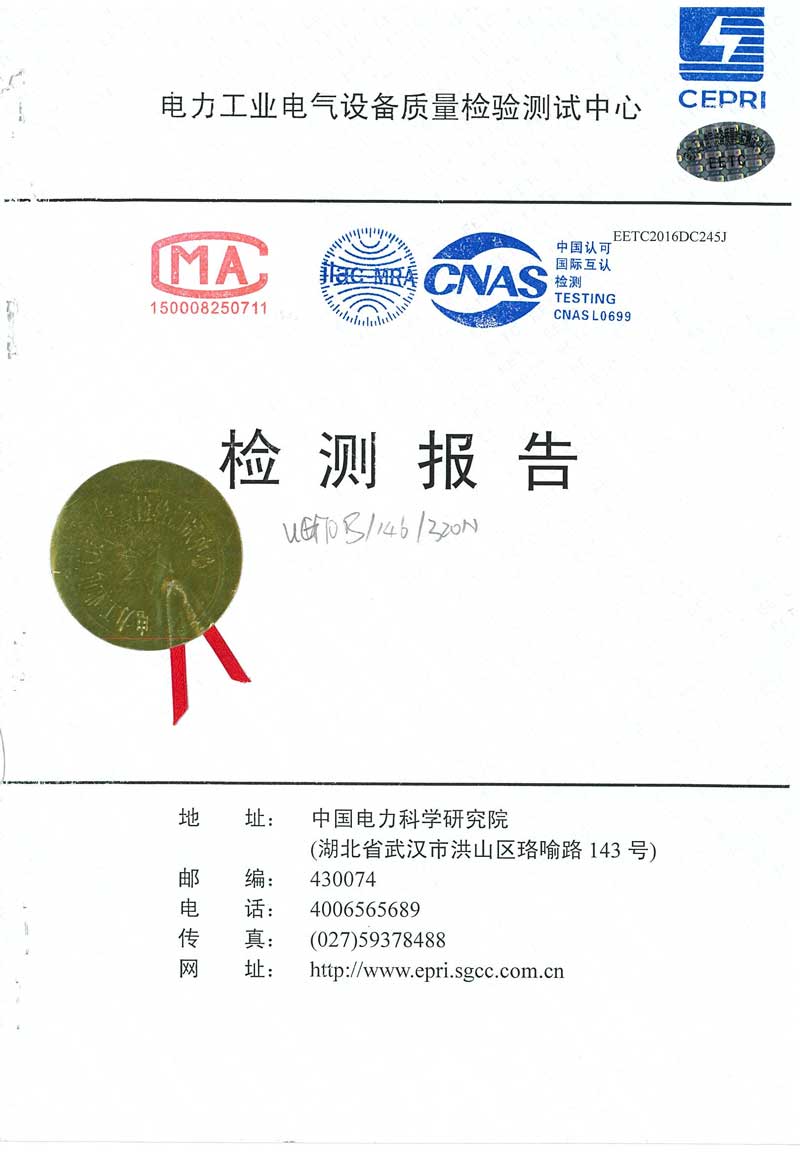
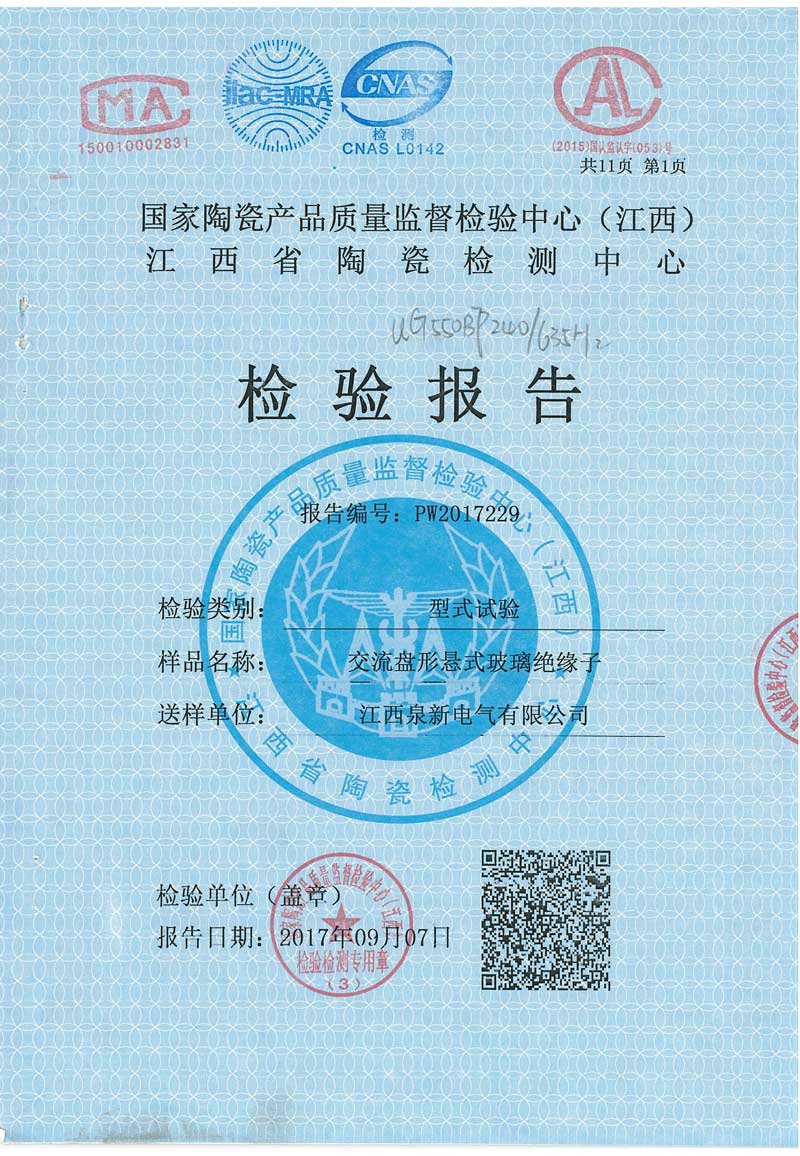
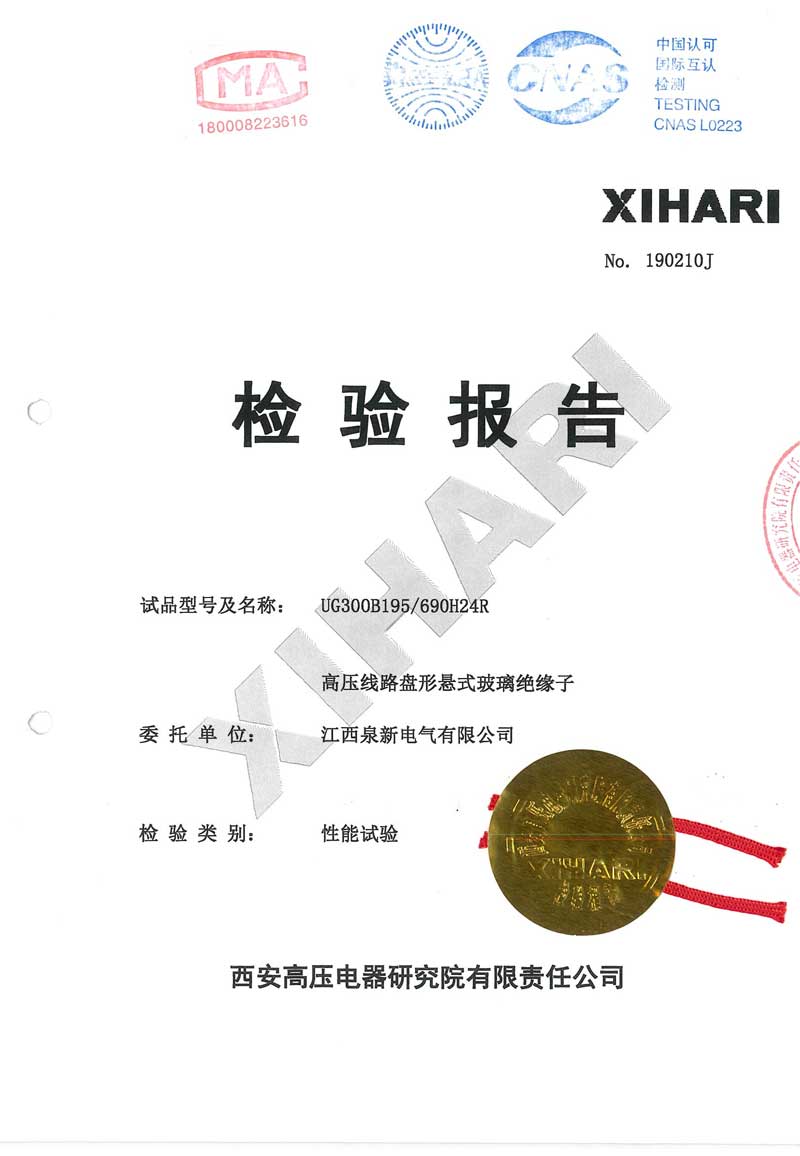
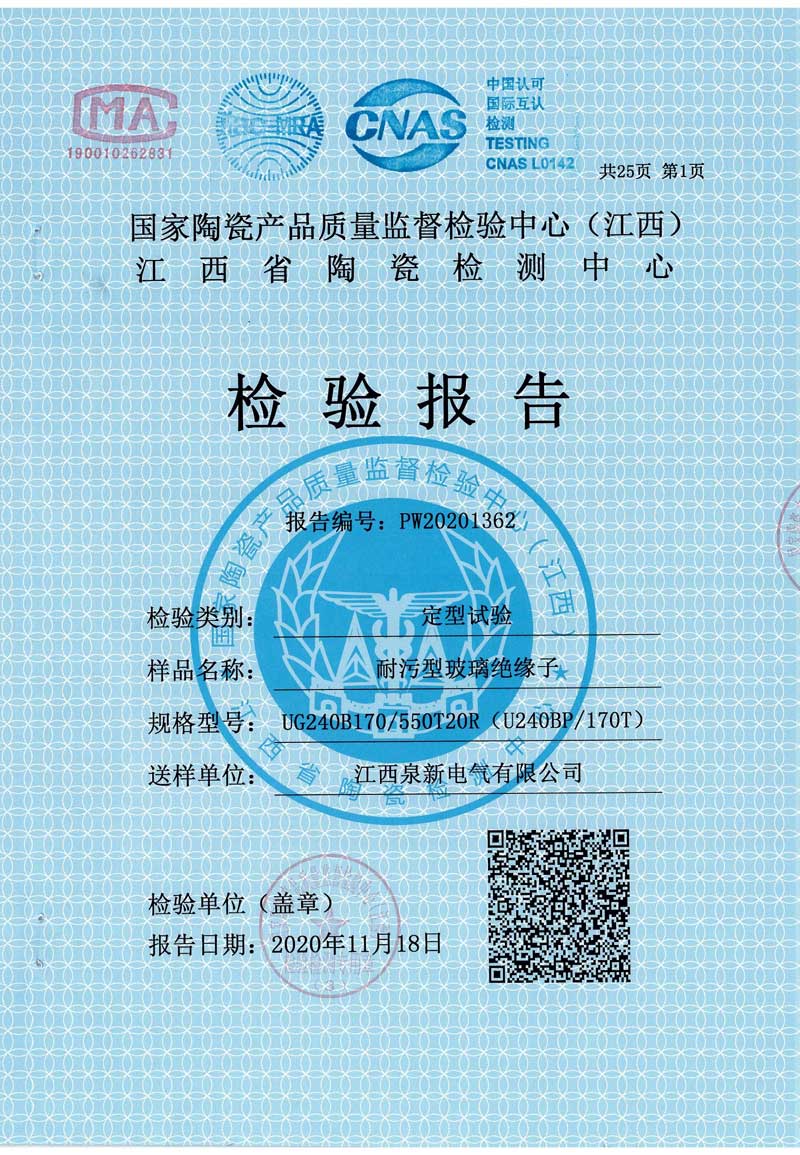
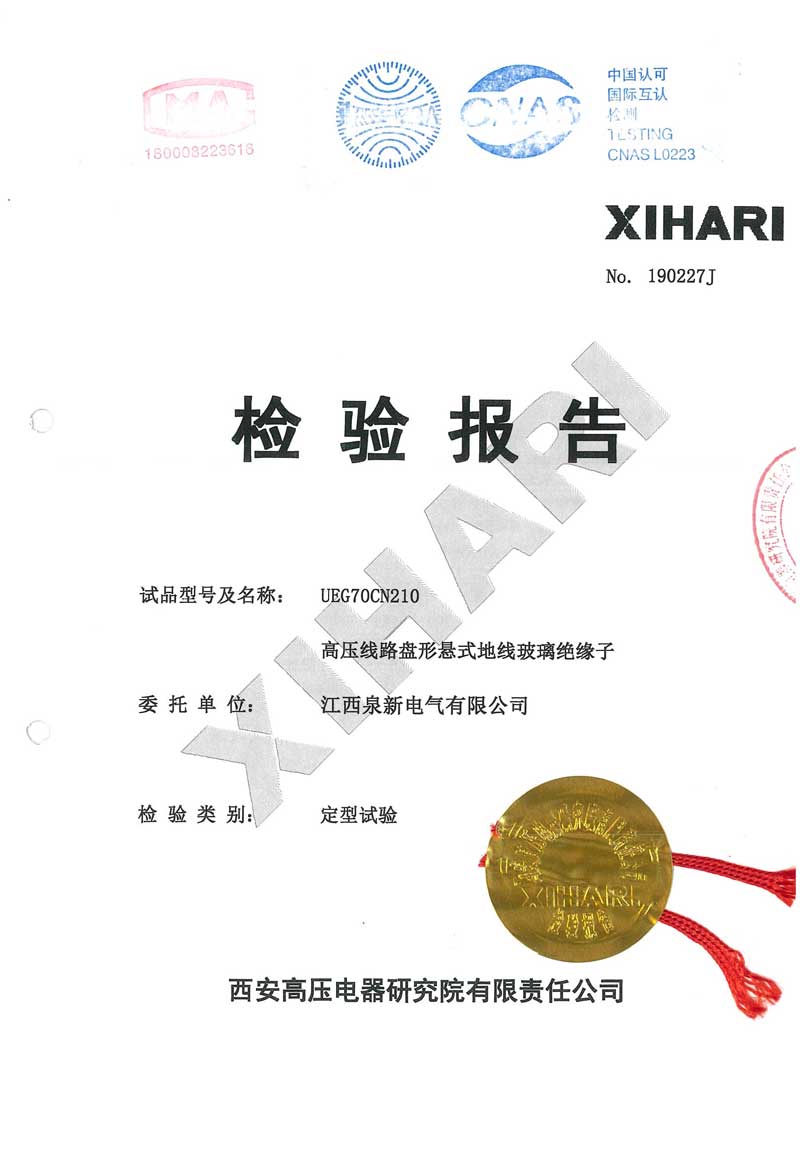
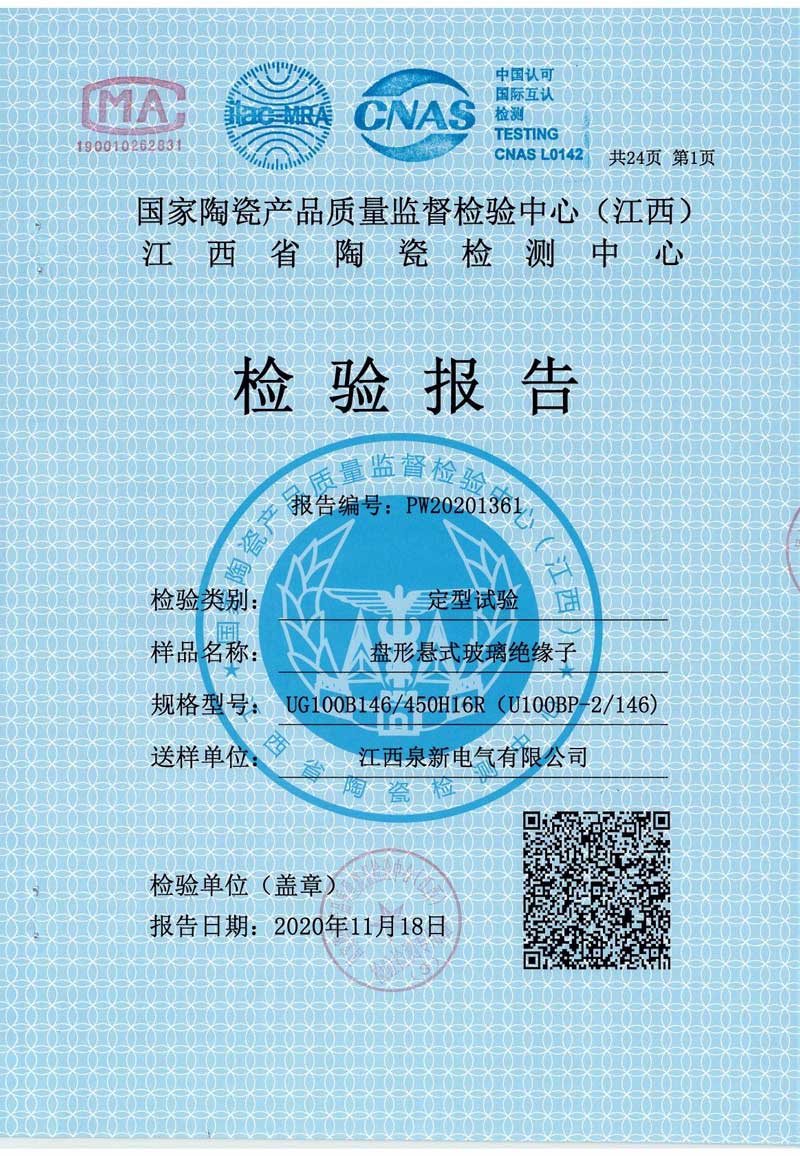
| Type Test Reports | Thermal mechanical performance & steep-front wave tests | Ensures high reliability against spontaneous self-shattering | Third-party verified (KEMA, CEPRI, and local national laboratories) |
Each profile is aerodynamically and structurally designed to optimize performance under unique environmental stressors.
Characterized by leakage distances higher than the baseline value indicated in IEC 60305. The insulation part is designed with shallow and well-spaced small ribs, which facilitate efficient self-cleaning by natural wind or rain.
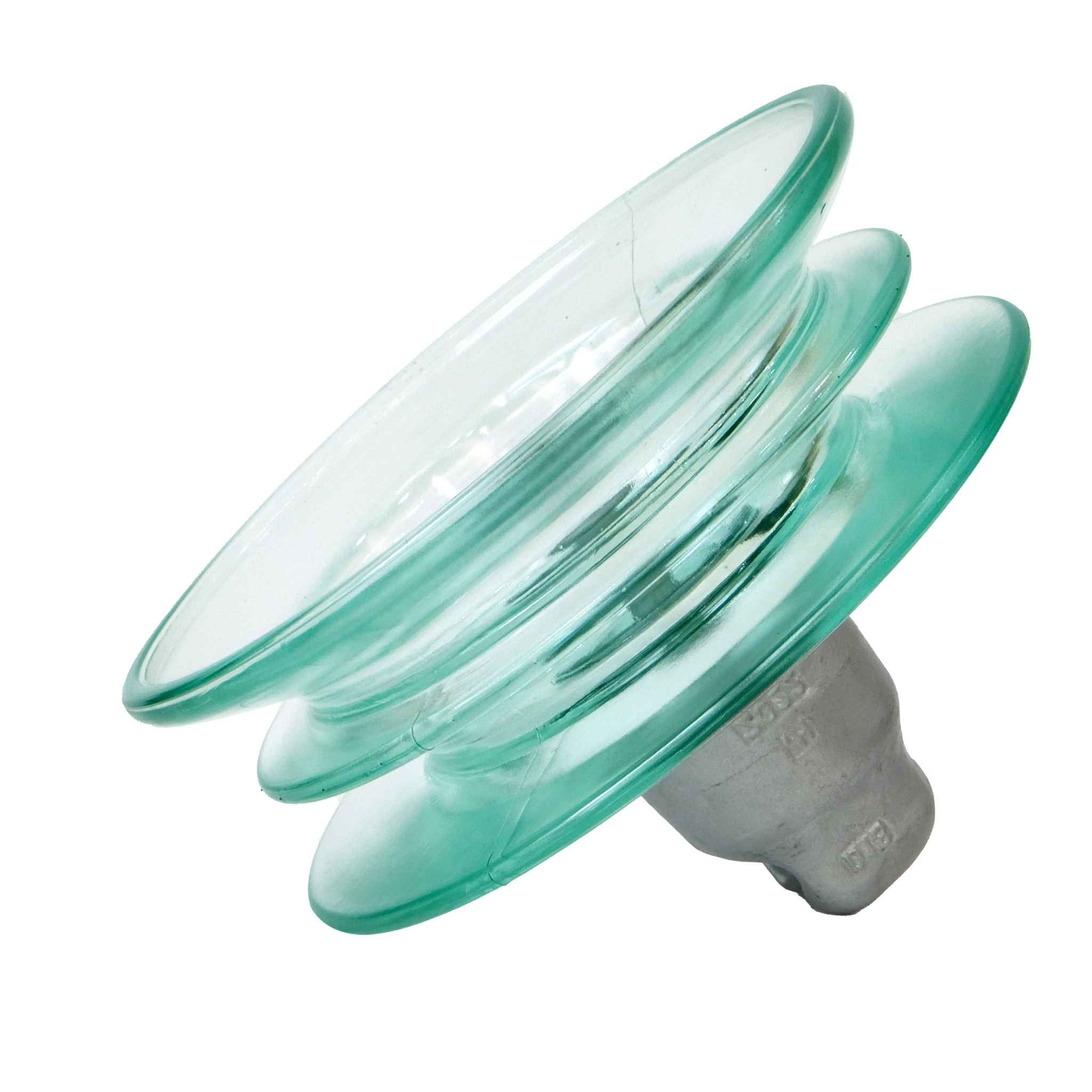
Features long and widely-spaced under-ribs to avoid arc bridging between adjacent ribs. With a high leakage distance/spacing ratio (~3.2), it is extremely effective in coastal areas (salt fog) and heavily polluted industrial corridors.
Marked by the absence of under-ribs and an extended disk diameter to prevent dust and sand accumulation on the lower surface. Ideal for desert installations with high sandstorm frequency and low rainfall, as well as resolving ice-bridging issues.
Incorporates two distinct external ribs with no under-ribs, facilitating rapid self-cleaning by strong winds and easy manual cleaning. Provides high leakage distance comparable to anti-pollution profiles in extreme solid industrial pollution areas.
Designed with three layers of umbrella discs on the insulation body. This provides a significantly longer creepage path and excellent pollution flashover resistance, making it suitable for ultra-high voltage (UHV) lines in high-altitude environments.
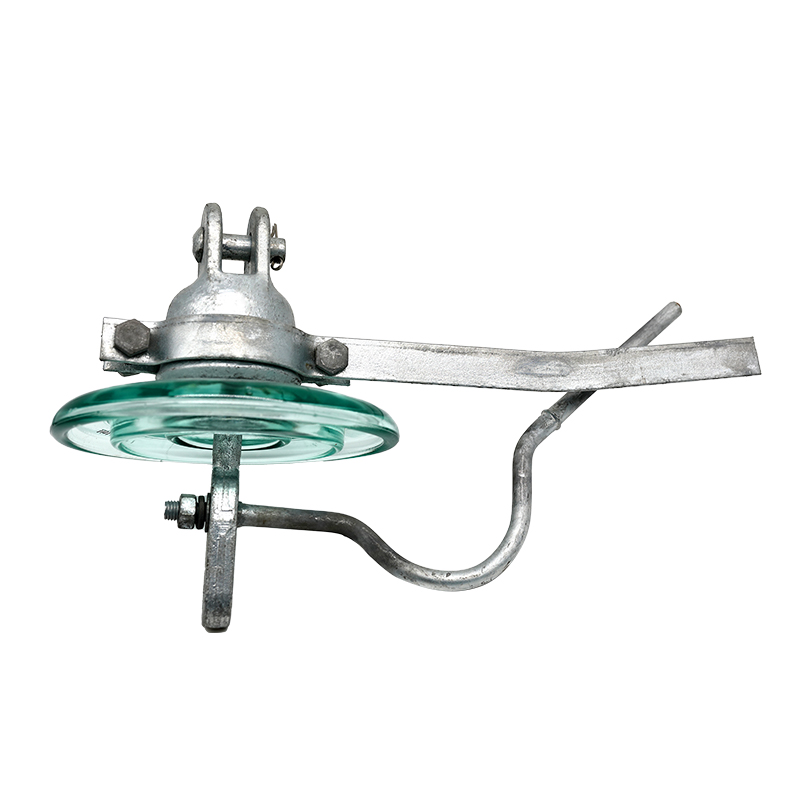
Integrates special internal/external metal accessories (steel feet/flanges) to ground wires. Guides lightning currents safely to earth, protecting line equipment. Smooth glass construction makes dirt accumulation minimal.
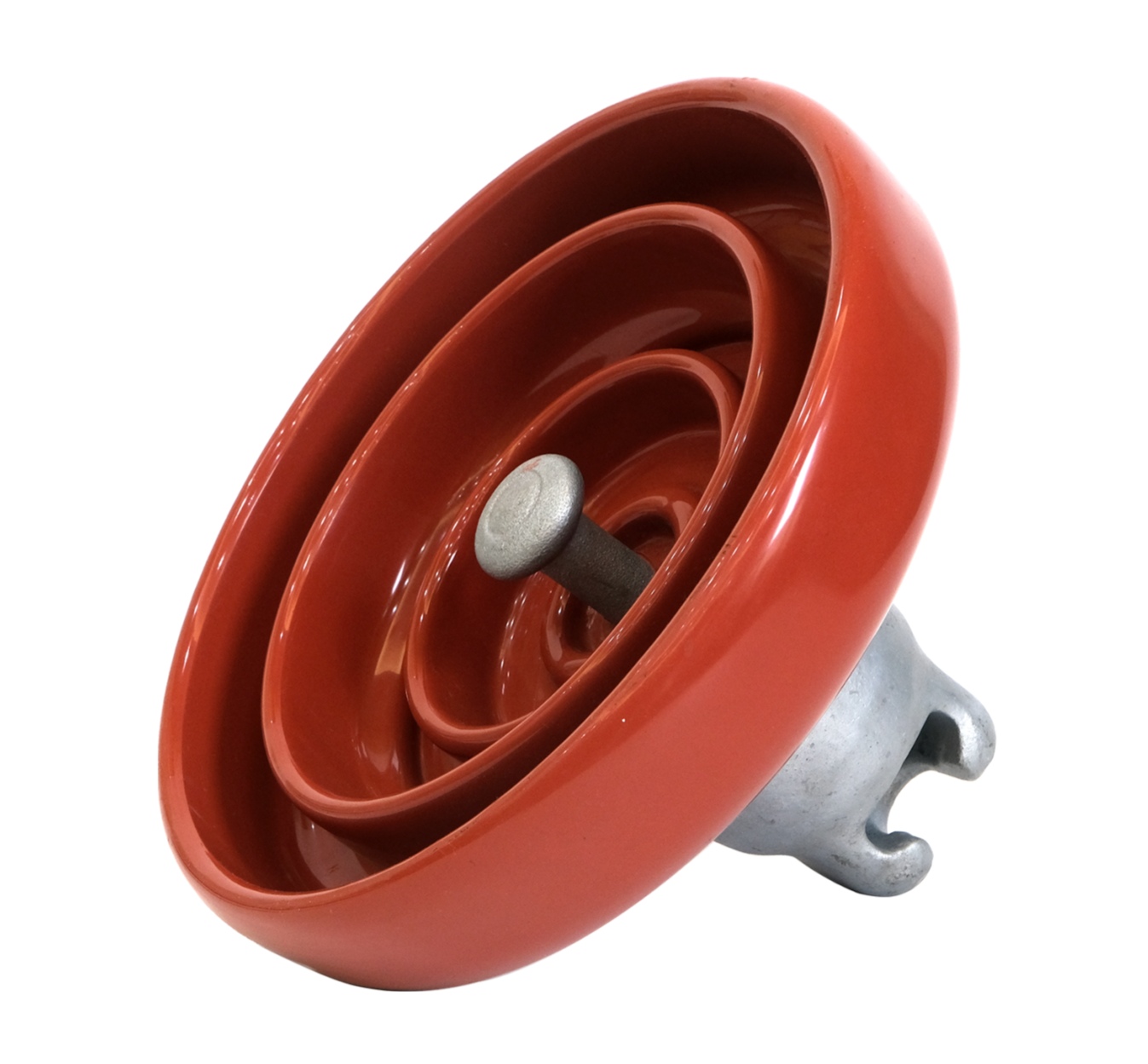
Coated with Room Temperature Vulcanization (RTV) silicone containing embedded mineral fillers. This improves the hydrophobic nature of the insulator's surface, mitigating leakage currents and electrical tracking in polluted zones. This combination offers the mechanical strength of tempered glass along with the pollution resistance of composite polymers, reducing lifecycle maintenance costs.
How QOCI delivers world-class manufacturing capacity and reliable supply chain security to global utilities.
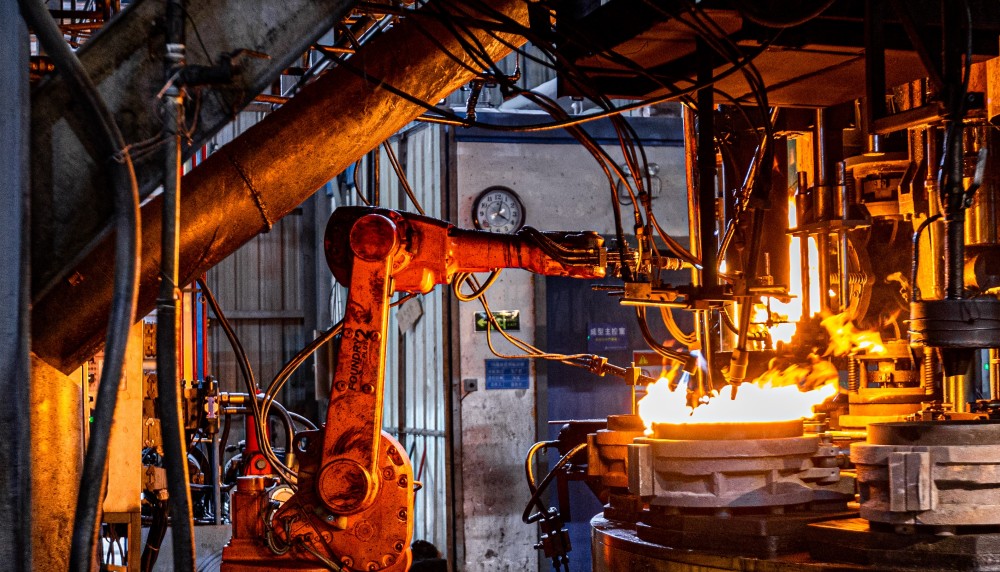
Our Luxi County plant operates under a highly optimized "Factory 4.0" automation structure. Using a state-of-the-art Total Oxygen Kiln, we maintain precise thermodynamic control during the melting and annealing phases of toughened glass production. This reduces thermal stress variations and keeps the spontaneous shattering rate to a market-leading minimum.
Through our dedicated 53-member engineering team, we manage the entire manufacturing cycle. This extends from raw material processing to high-pressure press forming, heat treatment, thermal shock testing, and high-voltage testing. Our centralized supply chain enables a stable 39,000-ton annual output, offering predictable lead times and price stability for international infrastructure projects.
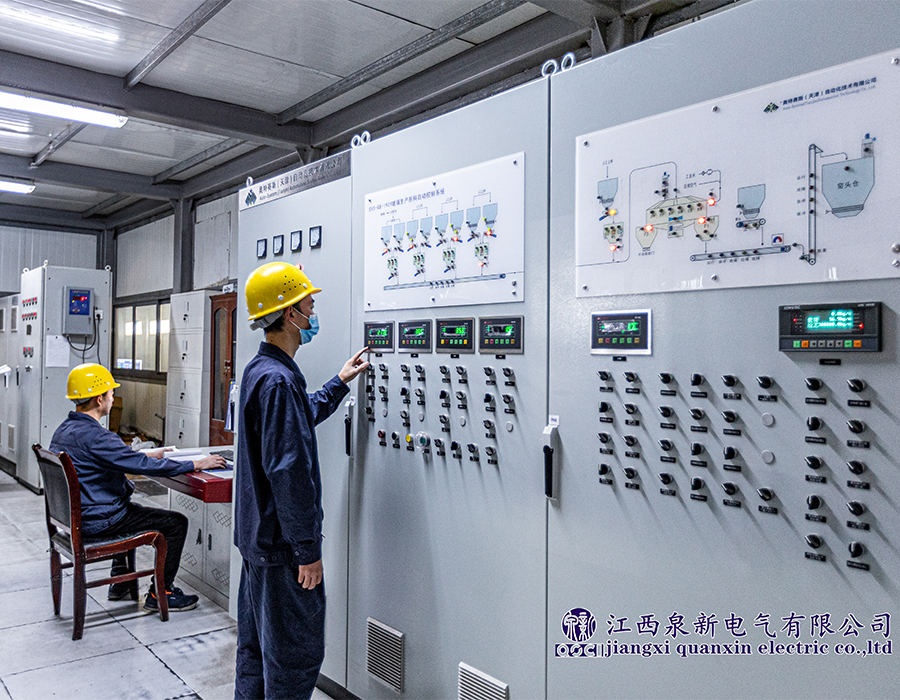
Selection of high-purity silica sand, feldspar, and calcium carbonates, batch-mixed with precision to ensure structural homogeneity in the glass melt.
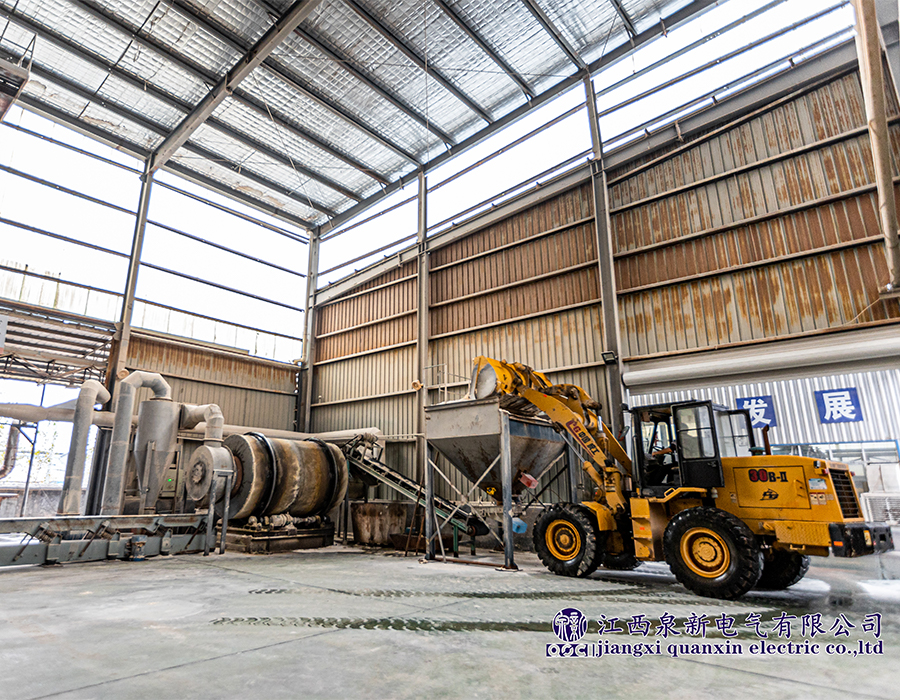
Automated mixers prepare the batch materials, ensuring a consistent chemical composition that prevents interior defects or gas pockets.
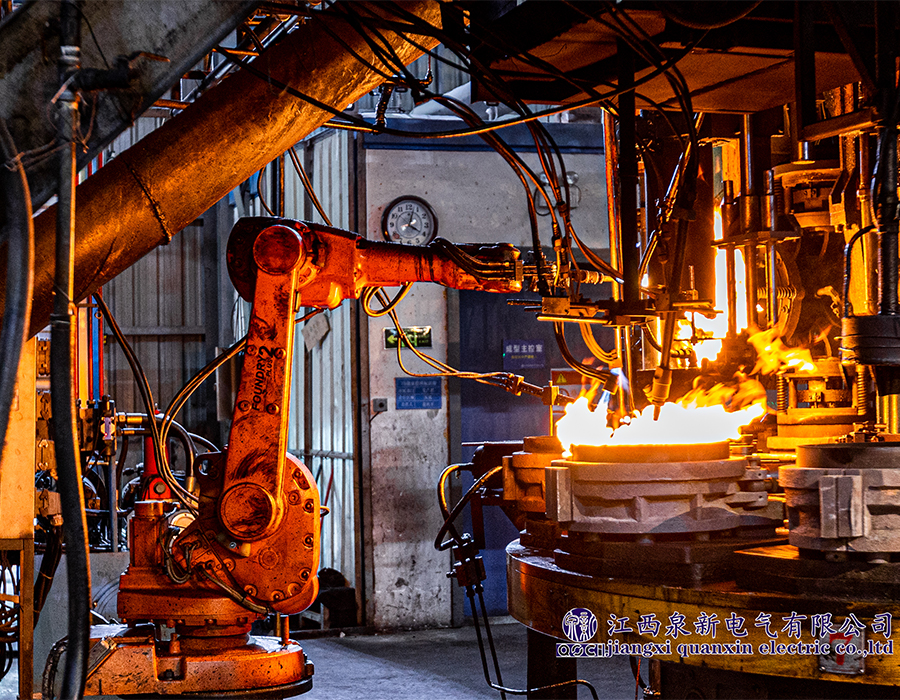
Pneumatic press systems shape the molten glass into specific aerodynamic designs under high-pressure conditions.
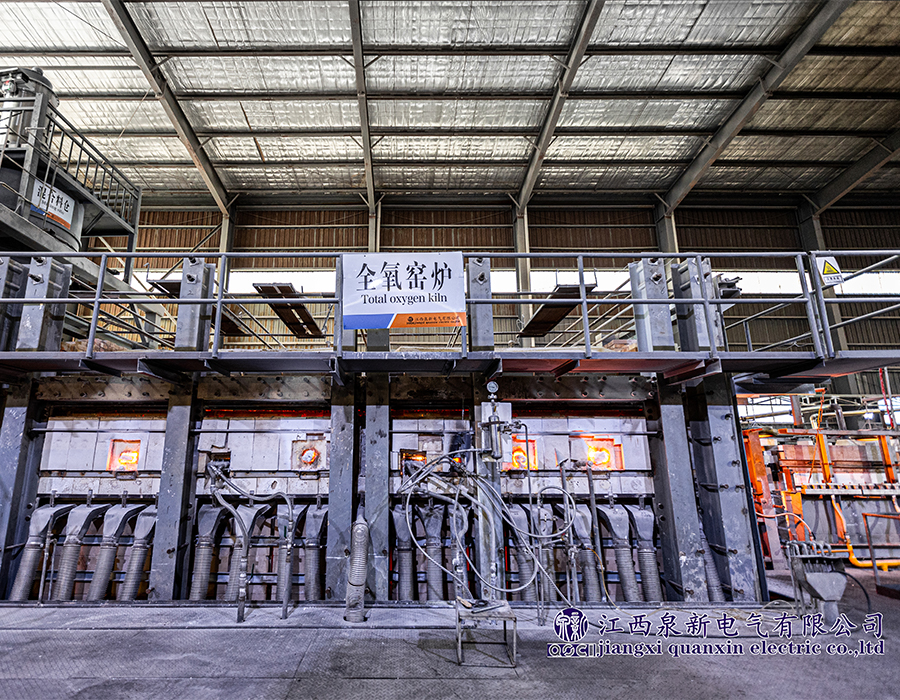
Controlled thermal processing ensures thorough glass melting and uniform cooling, laying the foundation for structural integrity.
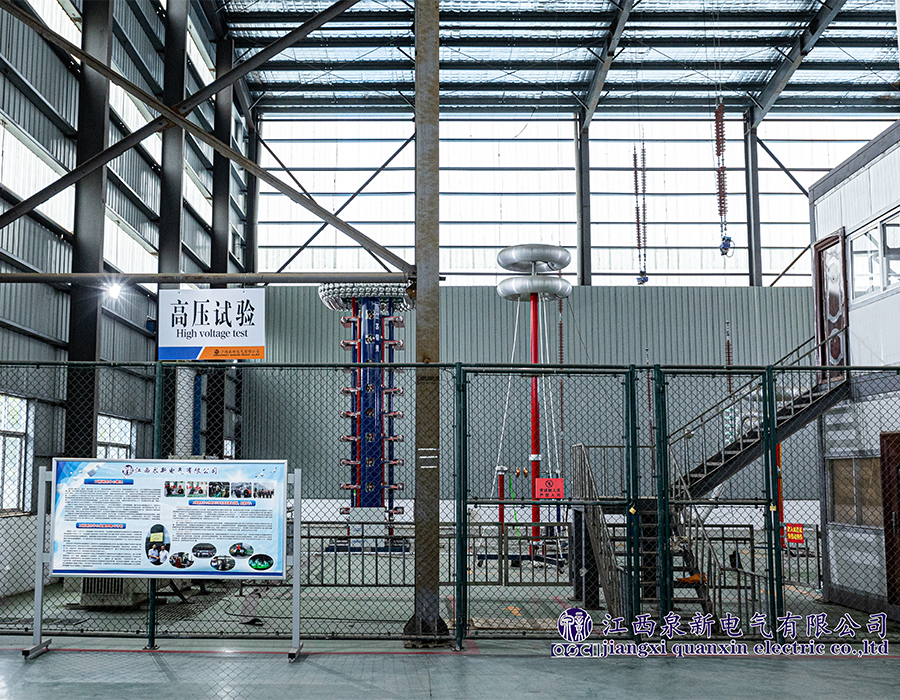
Every unit undergoes strict electrical insulation and mechanical load testing to verify compliance with IEC standards before shipment.
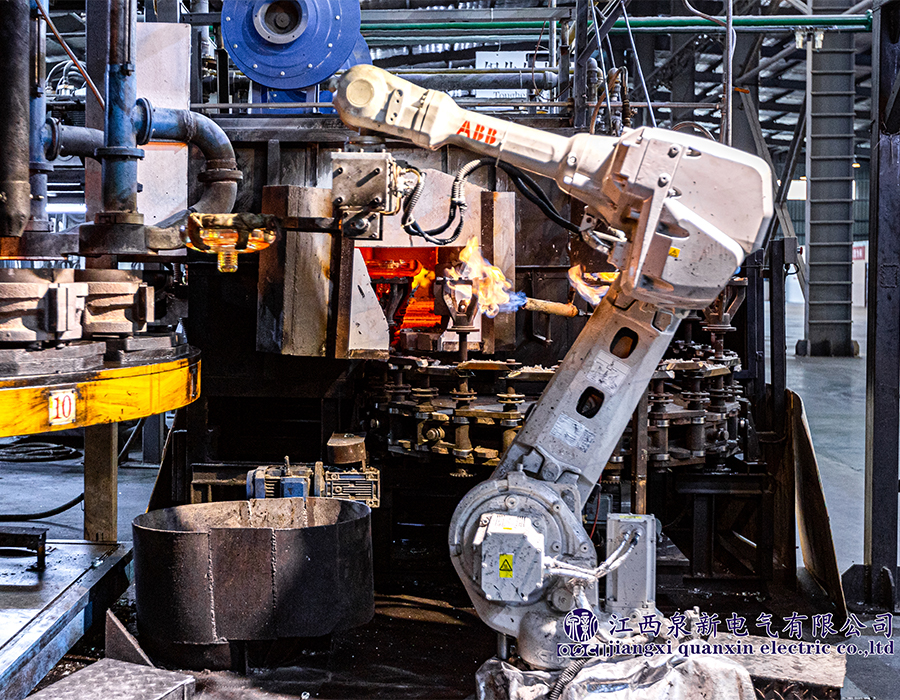
Galvanized cast iron caps and steel pins are cemented to the glass body under precise curing temperatures for high mechanical strength.
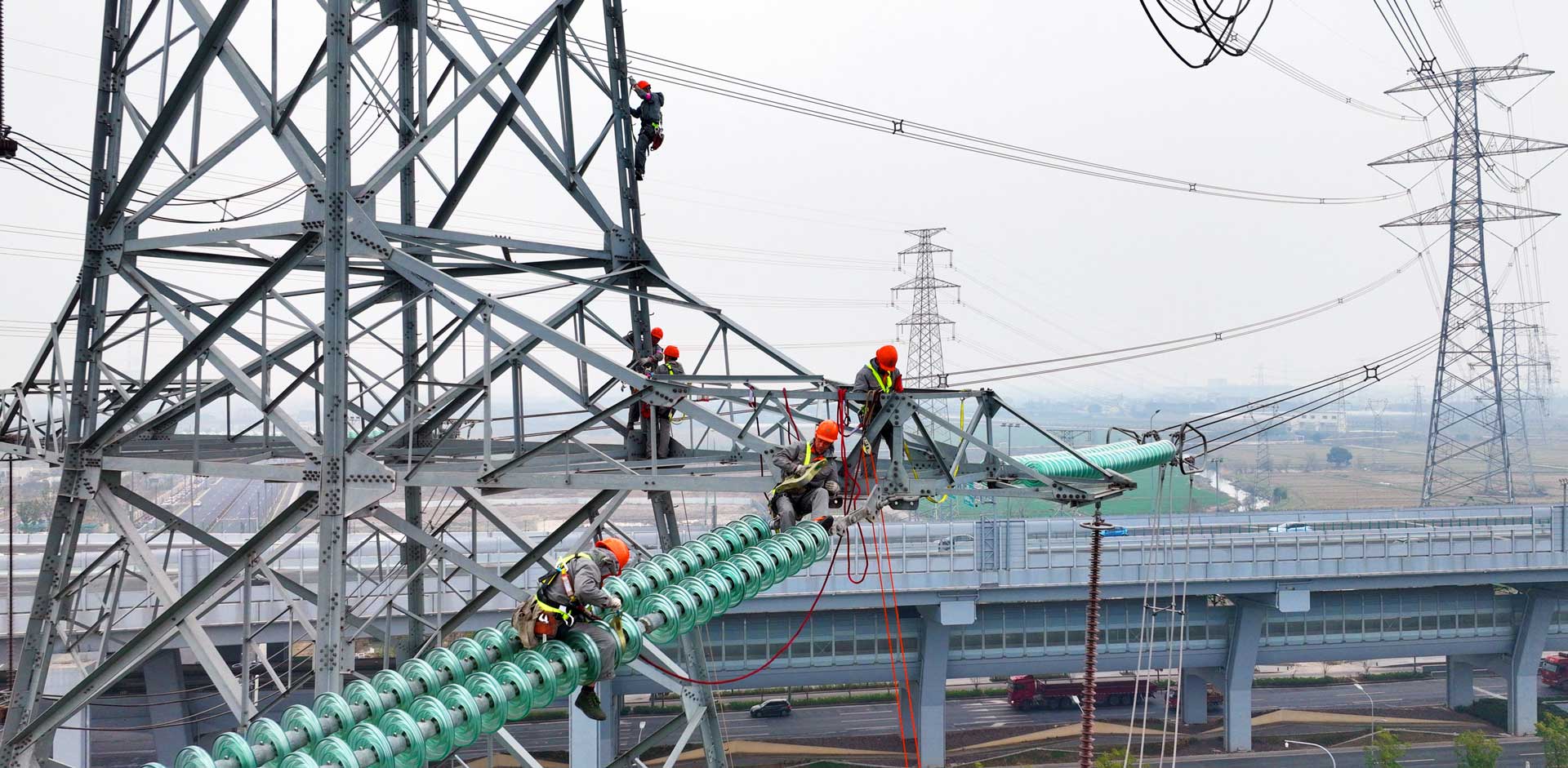
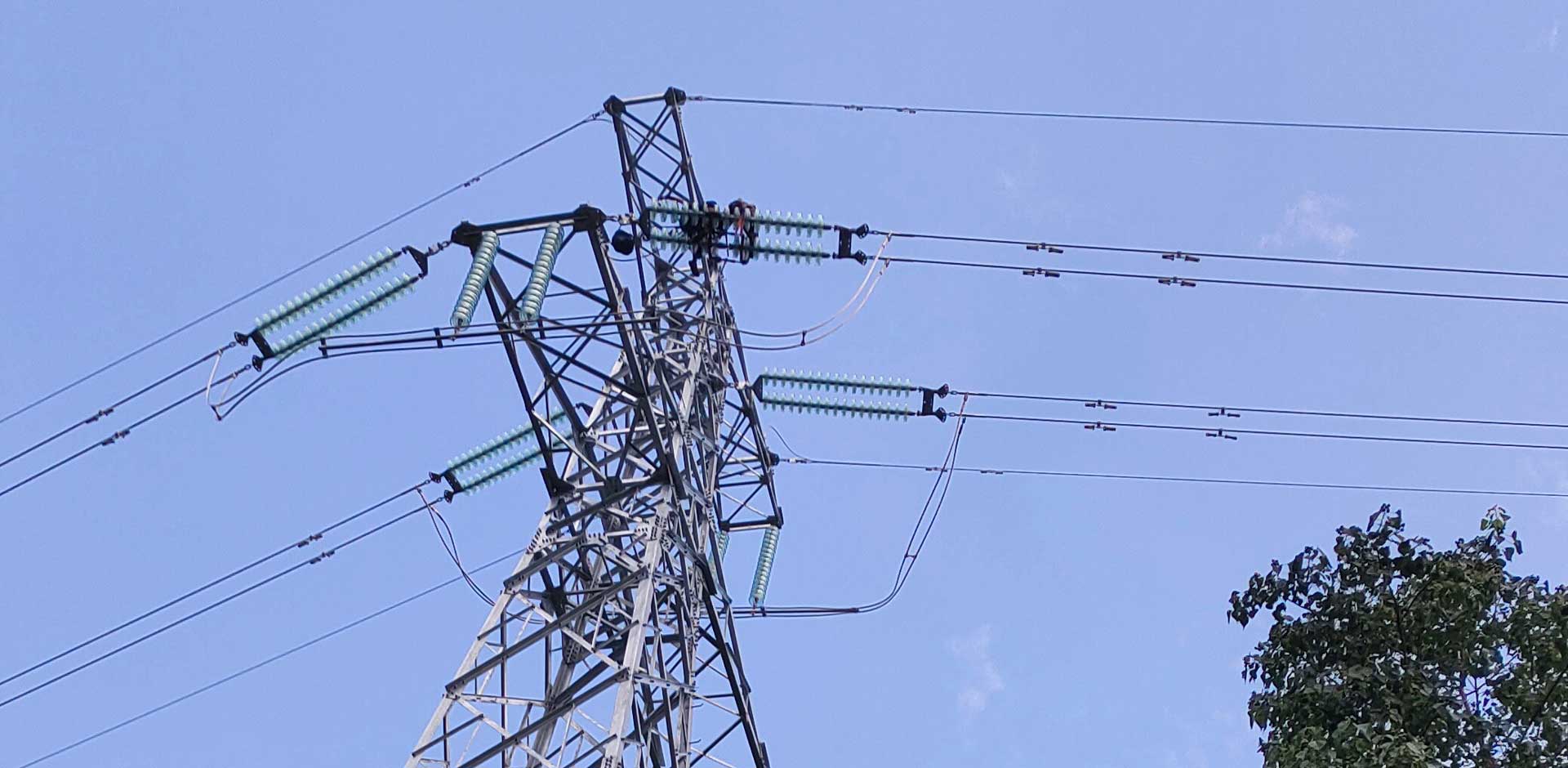
Our high-strength glass insulators are deployed across regional transmission networks operating under diverse environmental conditions.
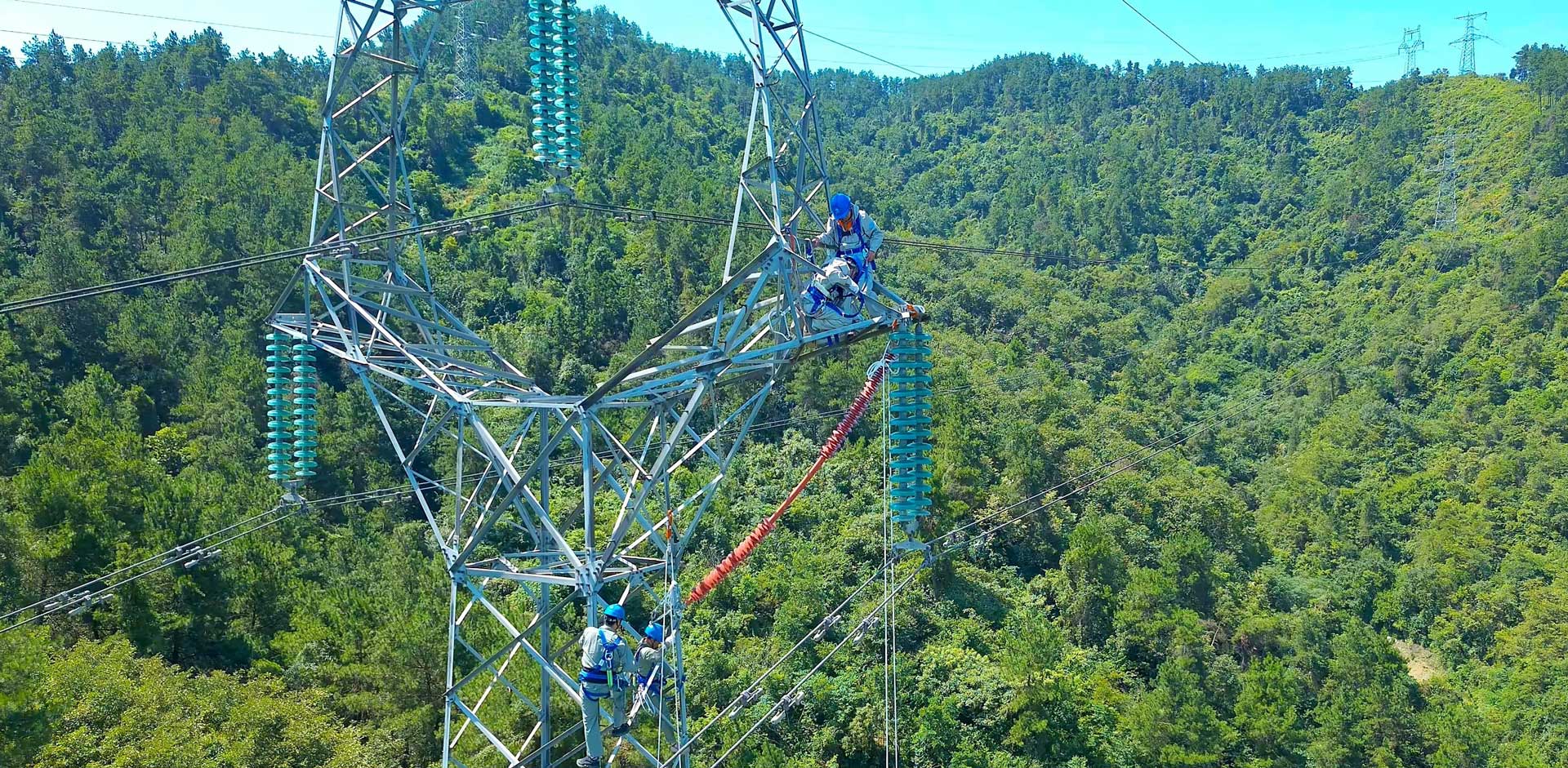
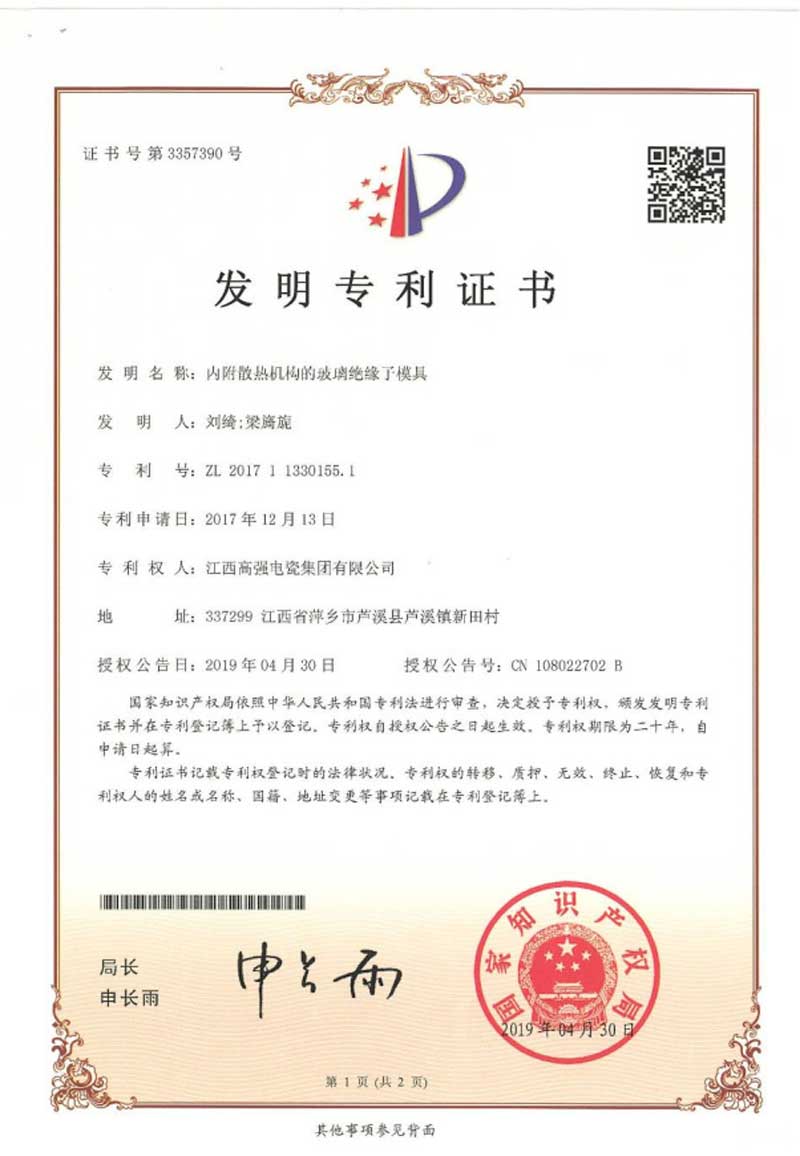
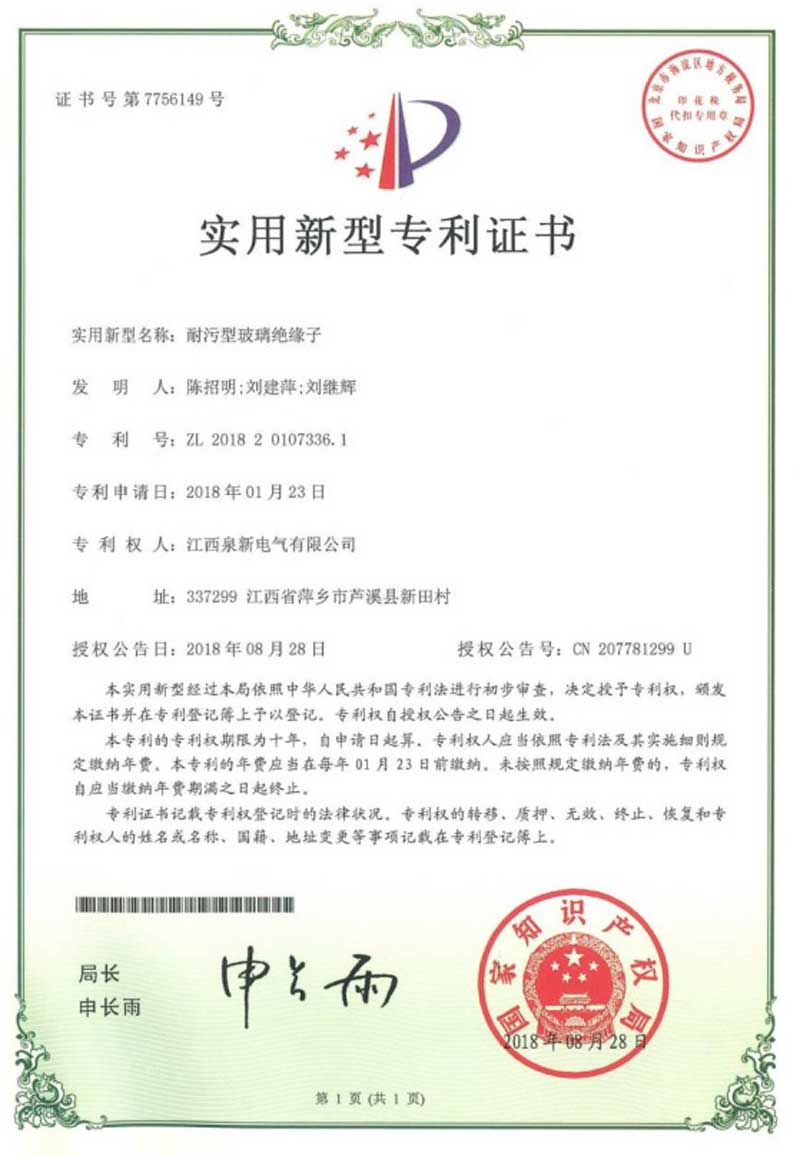
Tested and verified by global electrical classification societies to ensure reliable network performance.
Technical and logistical insights to assist procurement managers and utility engineers.
Through thermodynamic control in our Total Oxygen Kiln and rigorous quality testing, our spontaneous self-shattering rate is kept below 1 in 10,000 units per year. This matches international utility requirements.
RTV (Room Temperature Vulcanized) silicone coating provides hydrophobic surface properties. Water forms individual droplets rather than a continuous film, preventing leakage currents and reducing flashovers in coastal and industrial areas.
Our suspension and spool insulators comply with the mechanical and electrical specifications of ANSI C29.2B, ANSI 54-1, ANSI 53-1, and ANSI 55-1, ensuring full compatibility with regional power grids.
We maintain an annual production capacity of 39,000 tons of electrical porcelain and toughened glass insulators. This capacity enables us to fulfill large international project orders within tight schedules.
Toughened glass provides superior mechanical stability and longer operating lifetimes (often exceeding 40 years). When a glass unit fails, it shatters visibly, simplifying maintenance inspections compared to porcelain or polymer options.
Our Open Profile and External Shed insulators are designed without under-ribs. This structure reduces dust and sand accumulation and facilitates natural wind cleaning under desert conditions.
Discover how QOCI Electric actively participates in global power sector dialogues and technology innovation.
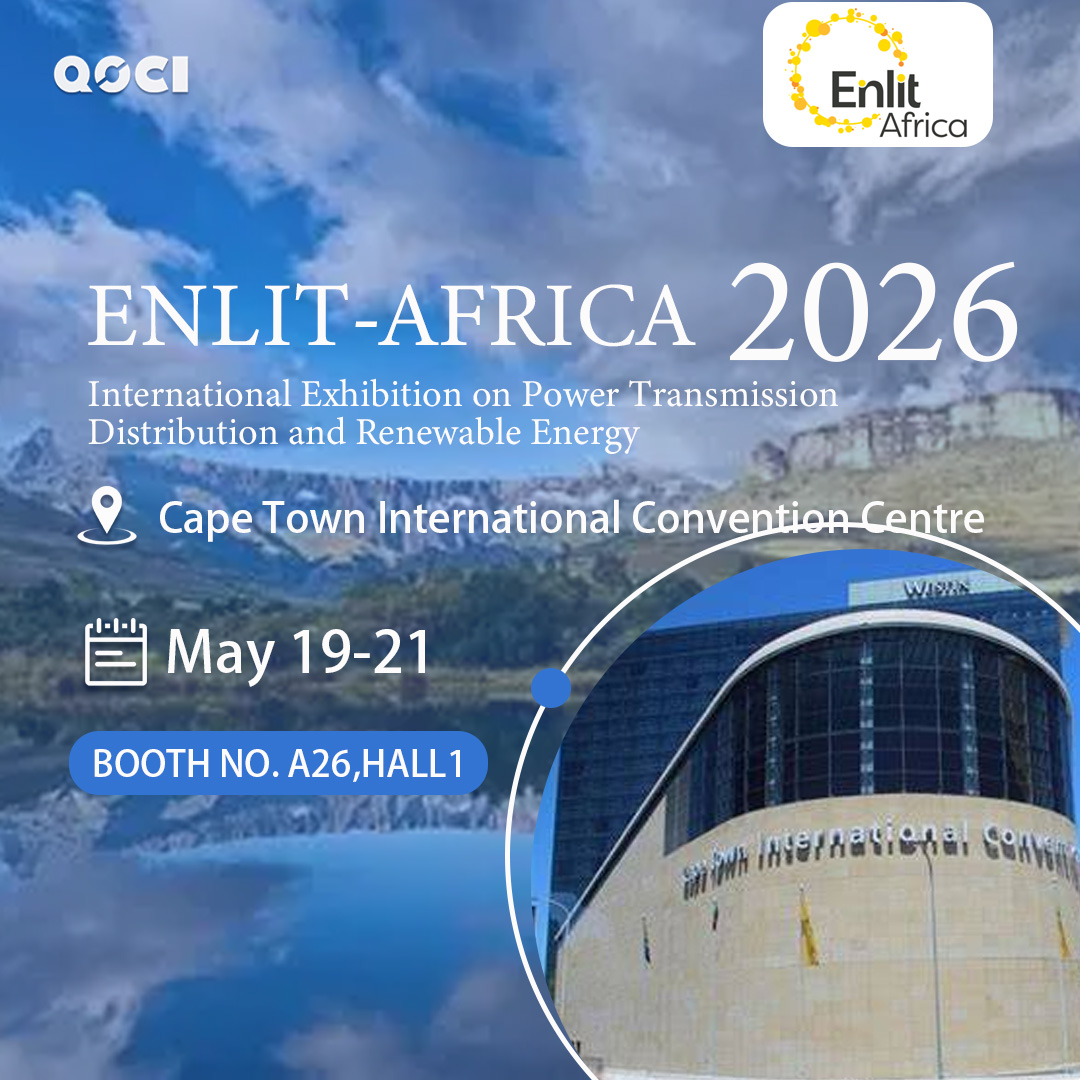
As global energy transitions accelerate, reliable grid systems are critical. We present our high-voltage toughened glass product lines tailored for sub-Saharan regional projects.
Withstanding extreme weather conditions including icing, high altitudes, and typhoons, China's insulator manufacturing methods have matured, offering reliable performance for global grids.
We invite partners and clients to visit us at the upcoming IEEE PES T&D Conference to discuss recent design updates in high-strength suspension disc glass insulators.
We will exhibit our anti-pollution and RTV coated toughened glass insulators, designed to meet the mechanical and environmental needs of the Middle East grid.
We deliver reliable performance for utilities, transmission grid operators, and electrical distributors worldwide.


High mechanical failing load ratings and anti-pollution profile options engineered for EHV and UHV transmission line applications.