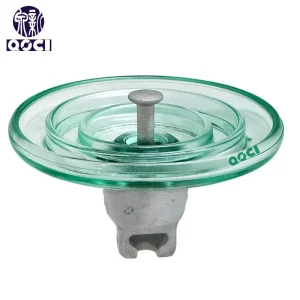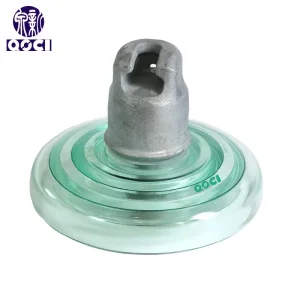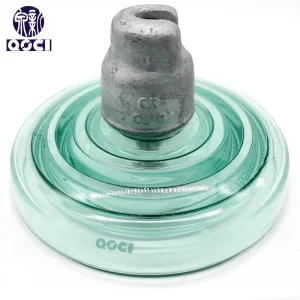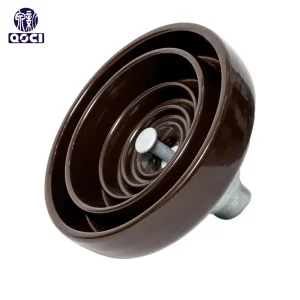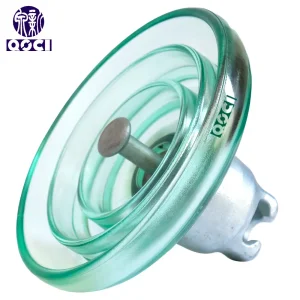
Explore our primary selection of industry-grade toughened glass disk suspension insulators. Manufactured under strict quality parameters to guarantee high mechanical loads and optimal dielectric performance.
In modern power grid operations, overhead transmission lines serve as the critical arterials of energy distribution. As global energy demands increase alongside high-voltage grid upgrades, the reliability of electrical insulation is critical. Glass Bell Insulators (formally known as cap-and-pin toughened glass suspension insulators) stand as the top-tier technical solution for mechanical support and electrical isolation under heavy electrical stress.
Unlike porcelain or composite materials, toughened glass offers high dielectric strength and mechanical reliability. Key global markets—ranging from North American ANSI-standard municipal networks to EHV and UHV transmission lines across Europe, South America, and Africa—depend on toughened glass. This preference is driven by its unique failure behavior: toughened glass breaks cleanly and visibly without losing mechanical strength. This "zero-line-maintenance" inspection capability reduces diagnostic workloads for utility operations.
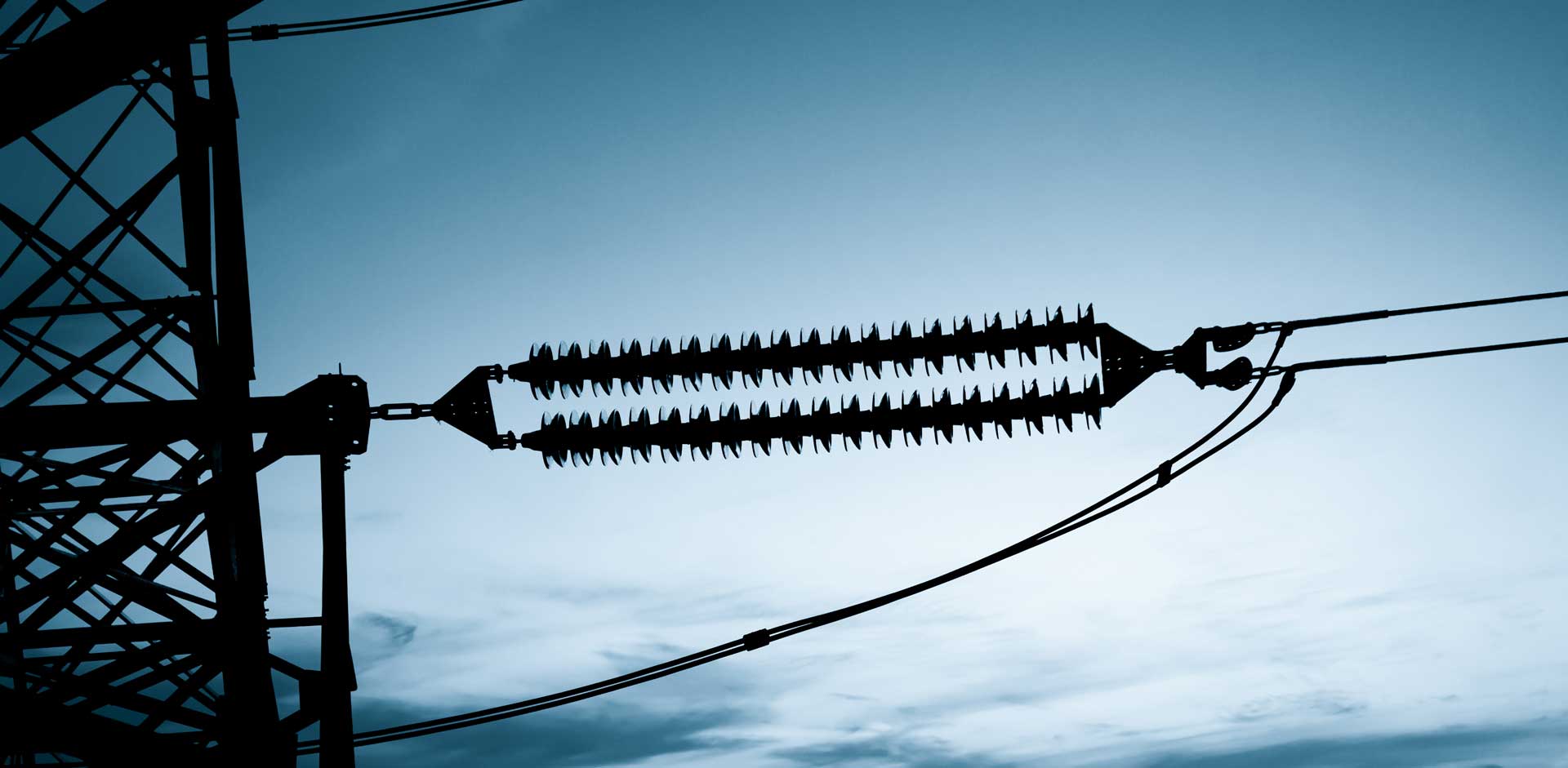
As a premier wholesale glass insulator manufacturer, we shape glass dies to address specific atmospheric and operational challenges. Below are the core technical profiles designed to prevent flashovers, leakage currents, and mechanical degradation.
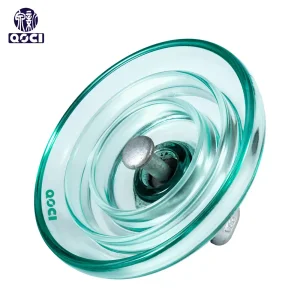
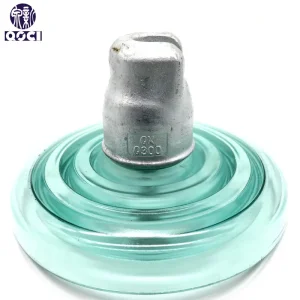
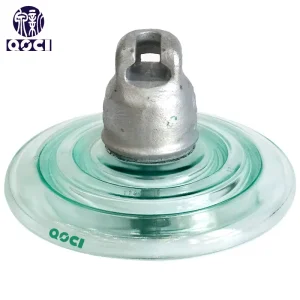
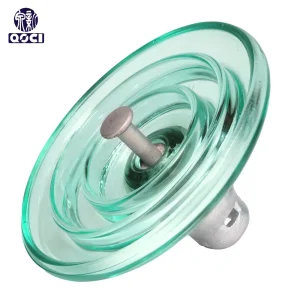
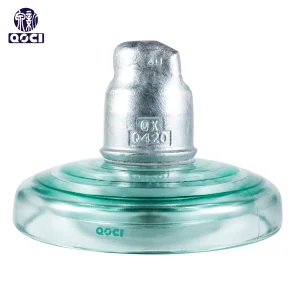
Designed with a leakage distance exceeding standard IEC 60305 parameters. Featuring shallow, well-spaced ribs, these shells self-clean via wind and rain, making them suitable for low-to-medium pollution zones.
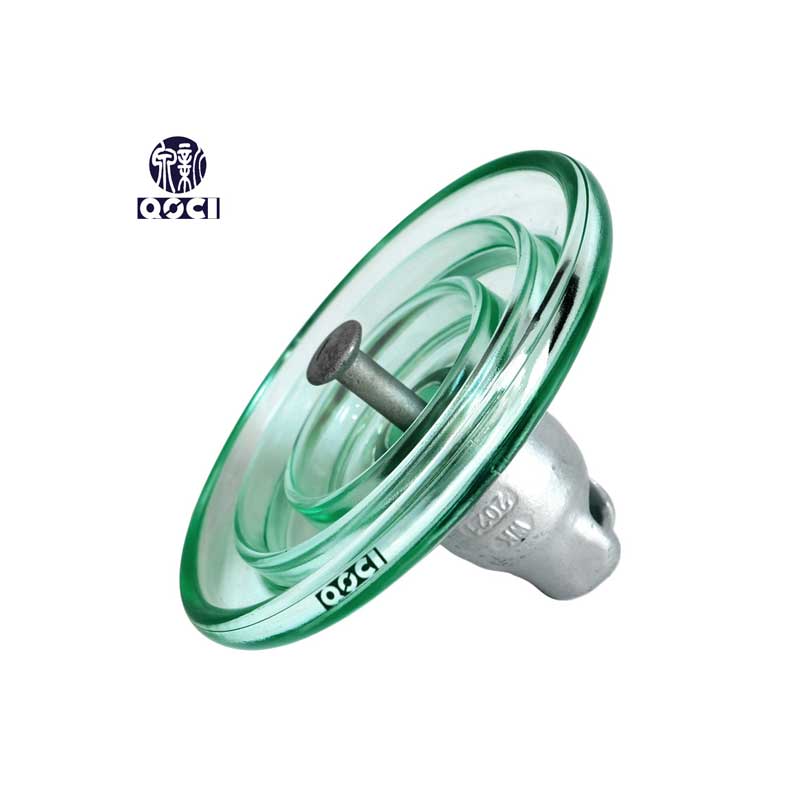
Characterized by deep, widely spaced under-ribs that prevent arc bridging under humid, saline conditions. Excellent for coastal installations subject to salt spray and heavy mist.
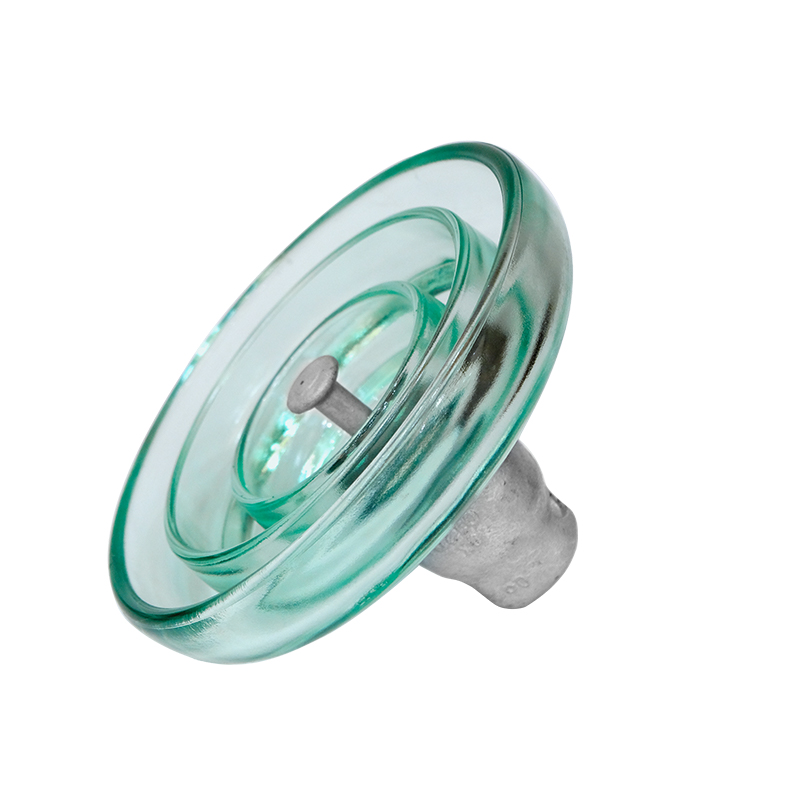
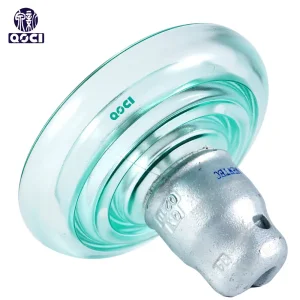
Designed without under-ribs and with an extended disk diameter to prevent the accumulation of sand, dust, and industrial soot. Used in arid environments and areas prone to ice-bridging.
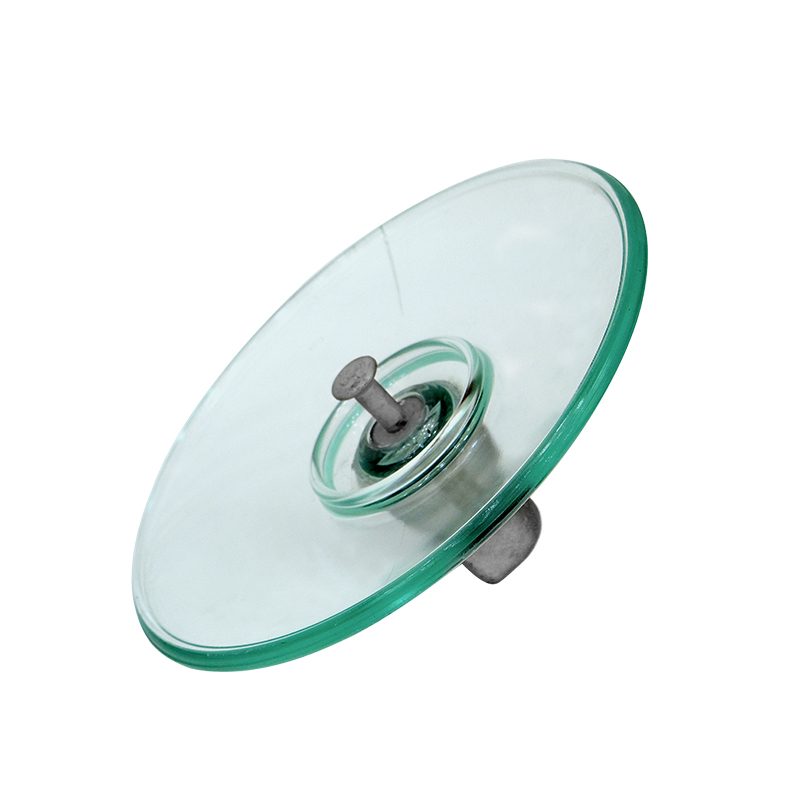
Two external ribs without under-ribs reduce pollution buildup and facilitate manual washing. This profile is engineered for extreme industrial pollution and highly conductive dust zones.
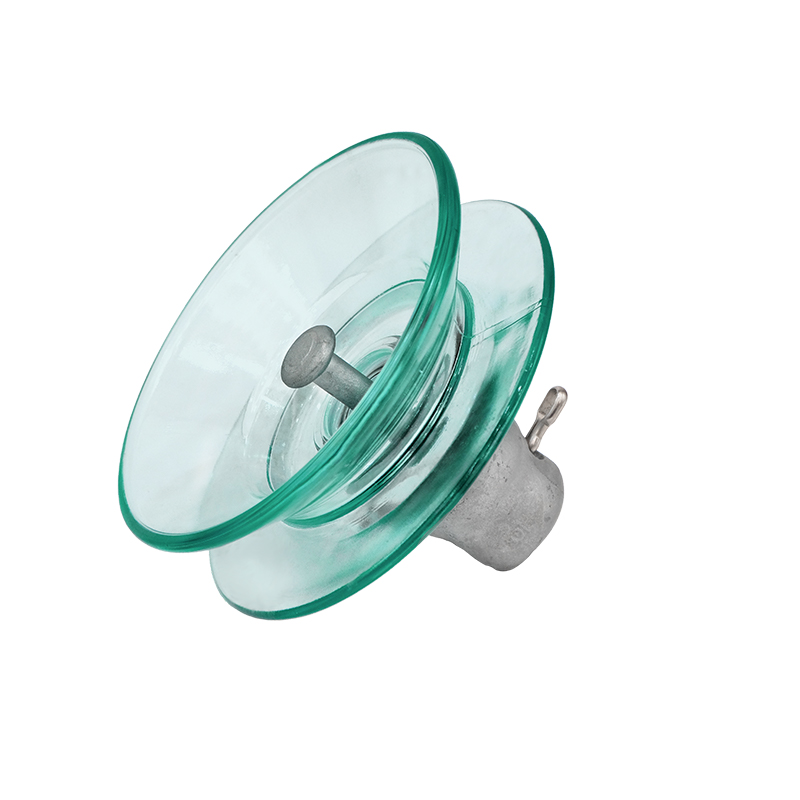
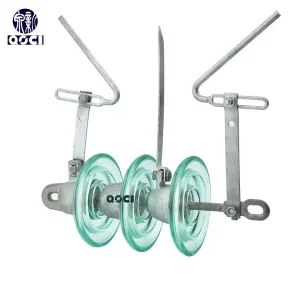
The Triple-Shed configuration provides extended creepage pathways for ultra-high voltage grids. RTV silicone coating adds hydrophobic properties, eliminating the need for periodic manual washing.
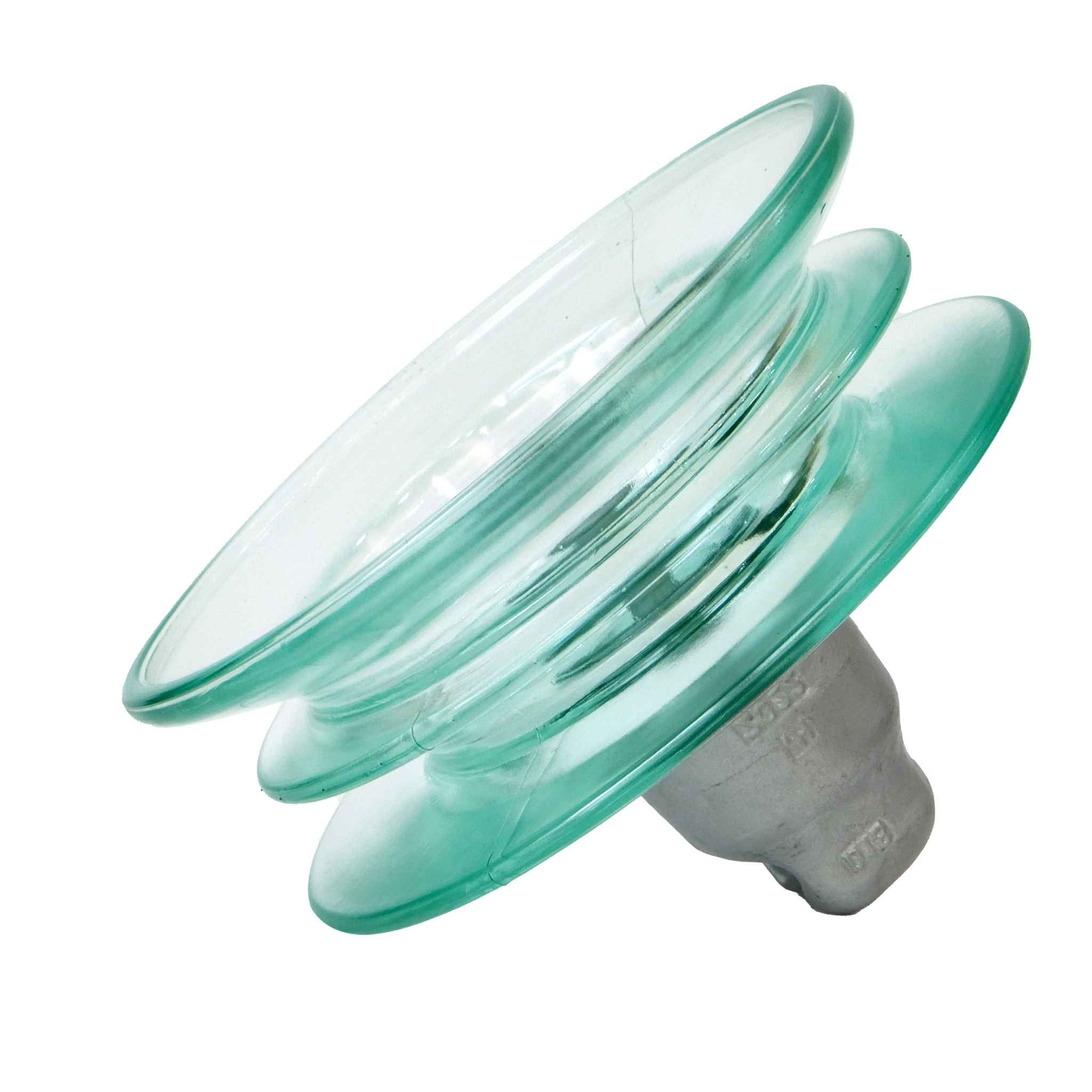
Founded in December 2002 with a registered capital of 508 million Yuan, Jiangxi QOCI Electric Co. Ltd is located in the Industrial Park of Luxi County, Pingxiang, Jiangxi Province. Covering an area of 100 mu, we operate in the heart of China’s major power insulator manufacturing hub.
With advanced manufacturing technology and quality control processes, we serve utility companies and high-voltage grid projects globally. Our facility produces standard and customized toughened glass insulation lines, helping secure grid networks in Europe, Asia, Africa, and the Americas.
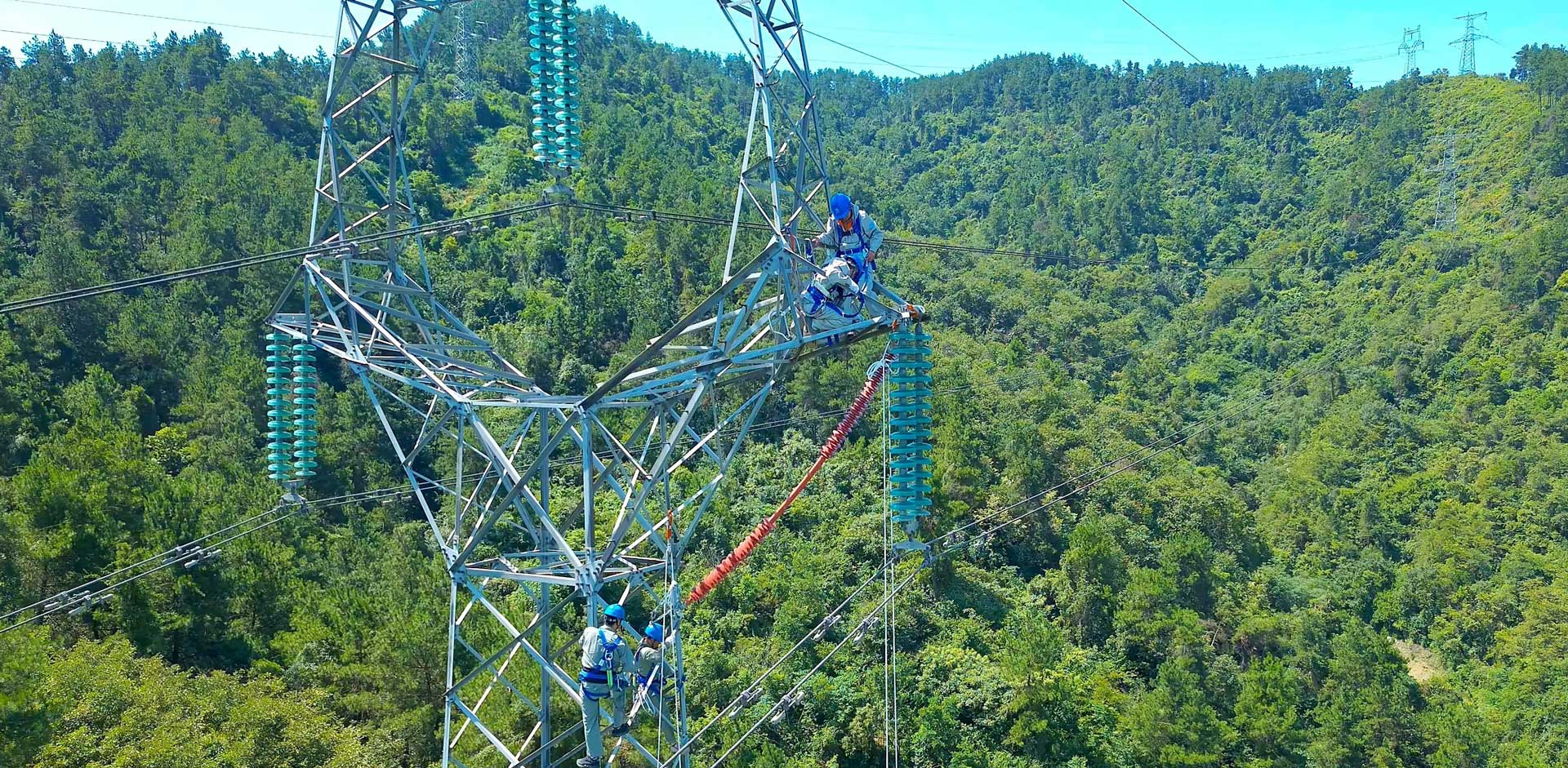
Grid conditions vary widely by climate. We engineer our products to ensure insulation stability in diverse environments around the globe.
Designed for high altitude, temperature swings, and seismic zones. Toughened glass withstands extreme mechanical stress and resists thermal shock.
Suitable for HVAC and HVDC networks. Standard and anti-fog shapes provide insulation for distribution networks up to 1000kV.
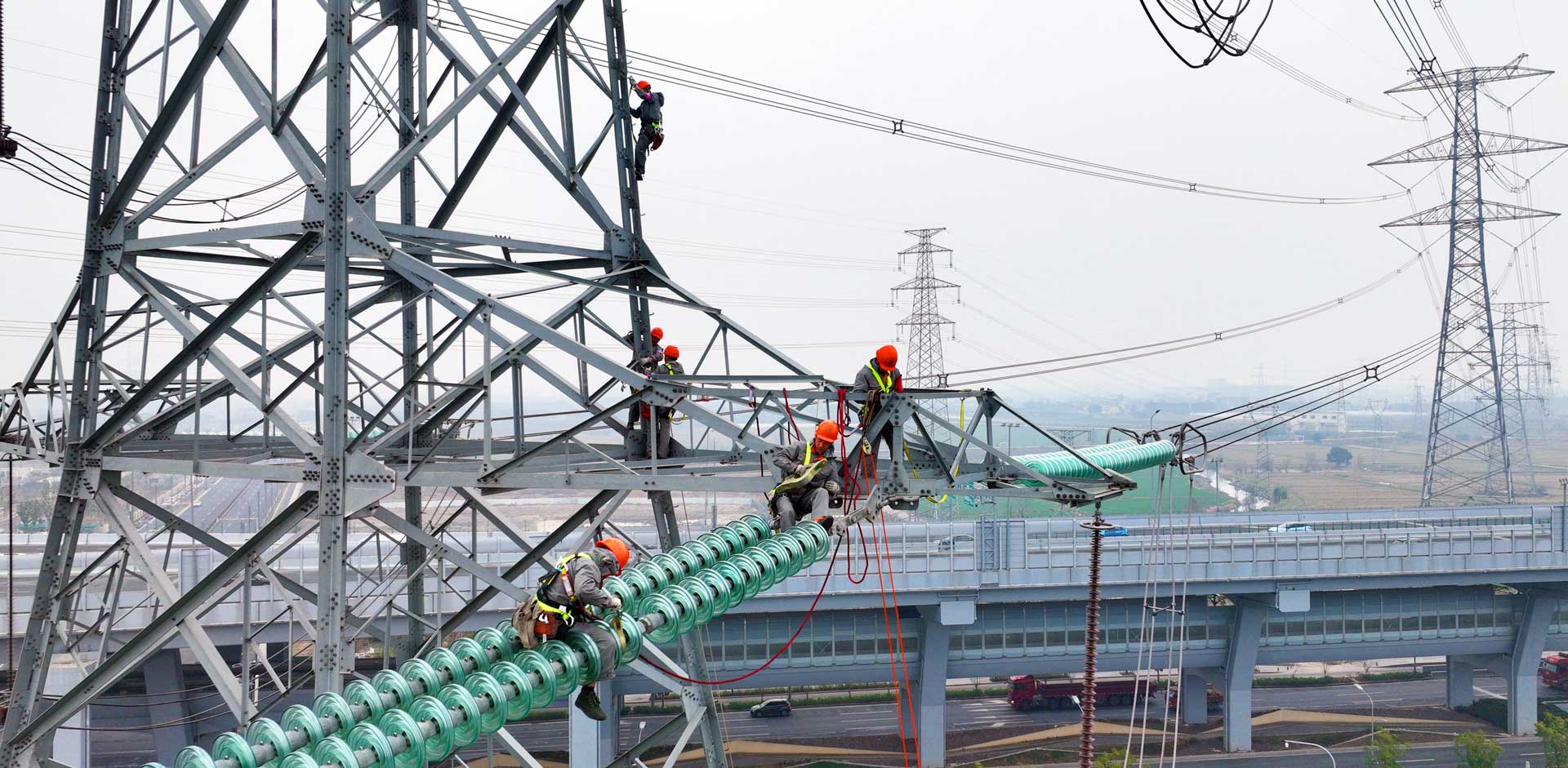
Toughened glass provides clear visual confirmation of line health. Shattered shells are easily spotted, allowing maintenance teams to locate faults quickly.
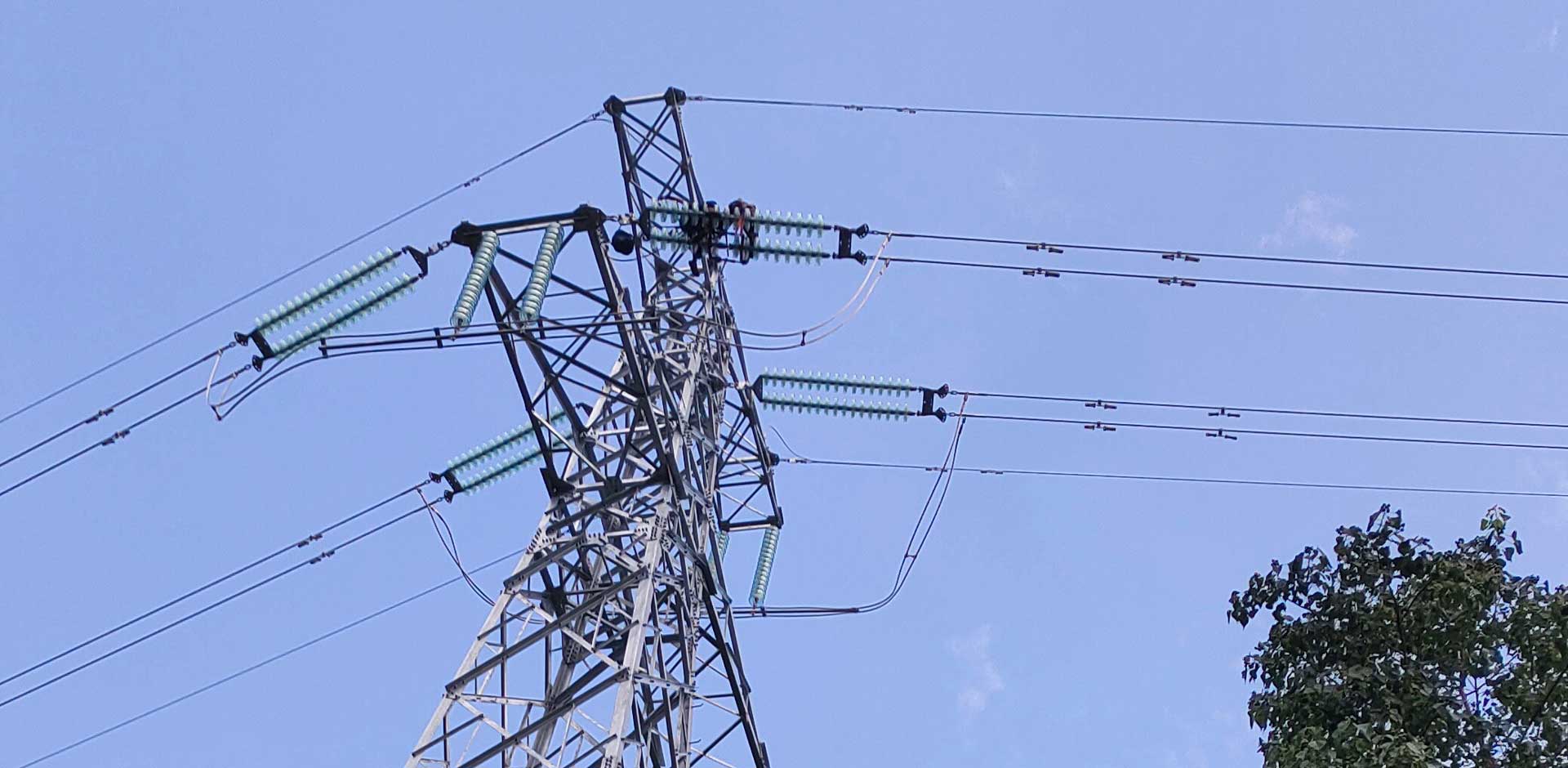
Tailored solutions for chemical plants, coastal coastal installations, and high-pollution heavy industries requiring specialized creepage and coatings.
Below is a comparison table outlining the key electrical, physical, and mechanical specifications of our standard toughened glass cap-and-pin insulators, designed to meet major global utility requirements.
| Insulator Type (IEC Class) | Rated Mech. Failing Load (kN) | Spun Glass Diameter (mm) | Unit Spacing (mm) | Standard Creepage Distance (mm) | Wet Power Withstand Voltage (kV) | Lightning Impulse Withstand (kV) |
|---|---|---|---|---|---|---|
| U70C / U70BLP | 70 kN | 255 mm | 146 mm | 320 / 450 mm | 40 kV | 110 kV |
| U100BS / U100BLP | 100 kN | 255 / 280 mm | 127 / 146 mm | 320 / 450 / 550 mm | 45 kV | 120 kV |
| U120BS / U120BLP | 120 kN | 255 / 280 mm | 127 / 146 mm | 320 / 450 / 550 mm | 45 kV | 125 kV |
| U160BL / U160BM | 160 kN | 280 / 300 mm | 146 / 155 / 170 mm | 400 / 550 mm | 50 kV | 135 kV |
| U210B / U240B | 210 / 240 kN | 280 / 320 mm | 170 mm | 450 / 600 mm | 55 kV | 145 kV |
| U300 / U420B | 300 / 420 kN | 320 / 360 mm | 195 / 205 mm | 550 / 670 mm | 65 kV | 170 kV |
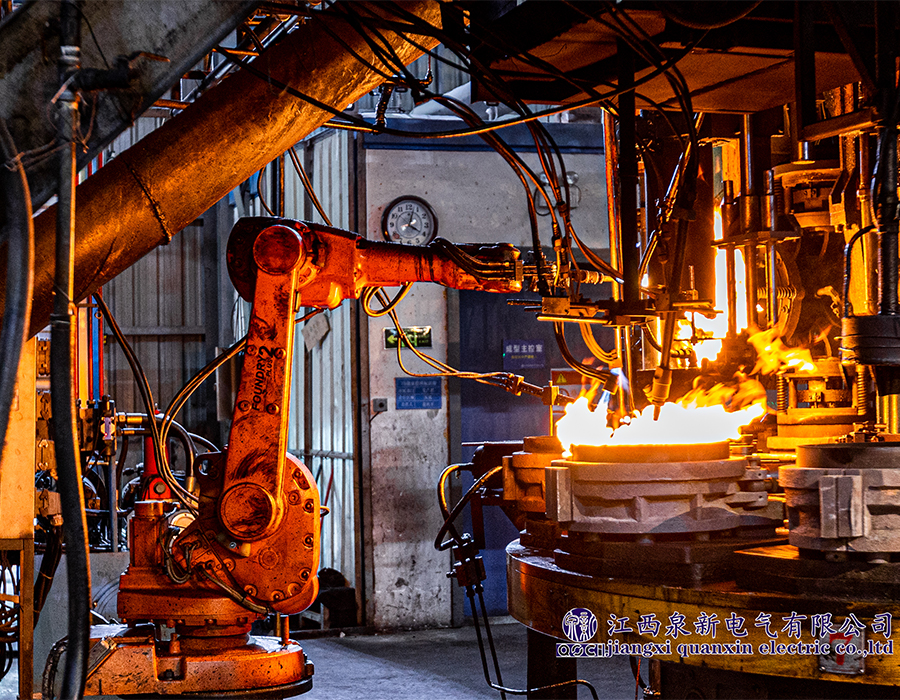
Operating from the Luxi Industrial Park in Jiangxi, we leverage a robust local supply chain for raw materials. The region offers abundant access to high-purity silica sand, soda ash, and potash feldspar, ensuring consistent glass formulations.
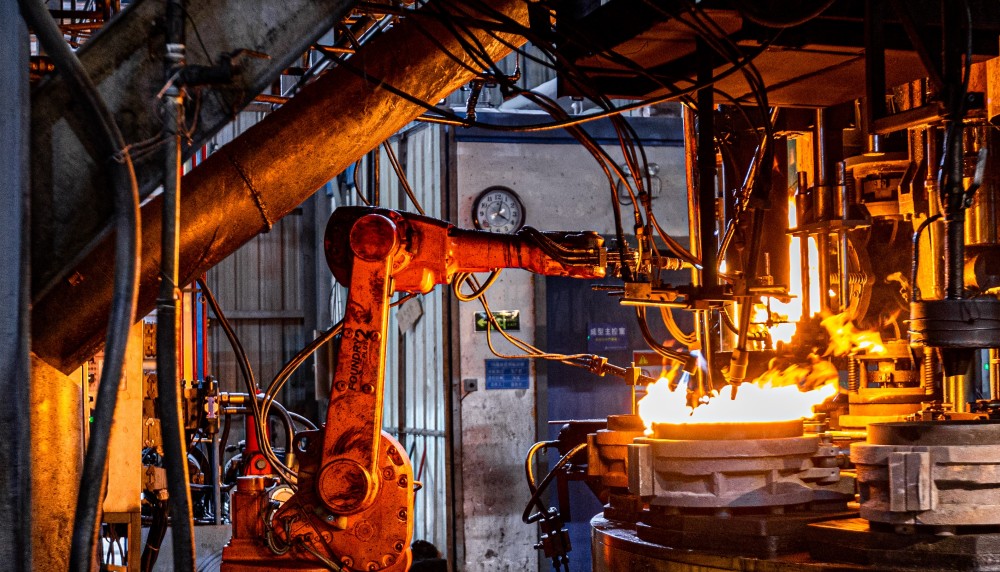
Our automated manufacturing line utilizes a computer-controlled Total Oxygen Kiln to achieve uniform thermal melting. This precise process minimizes internal micro-cracks and structural defects. Once formed, our glass shells undergo rapid hot-to-cold thermal shock tempering, establishing a durable compressive stress layer.
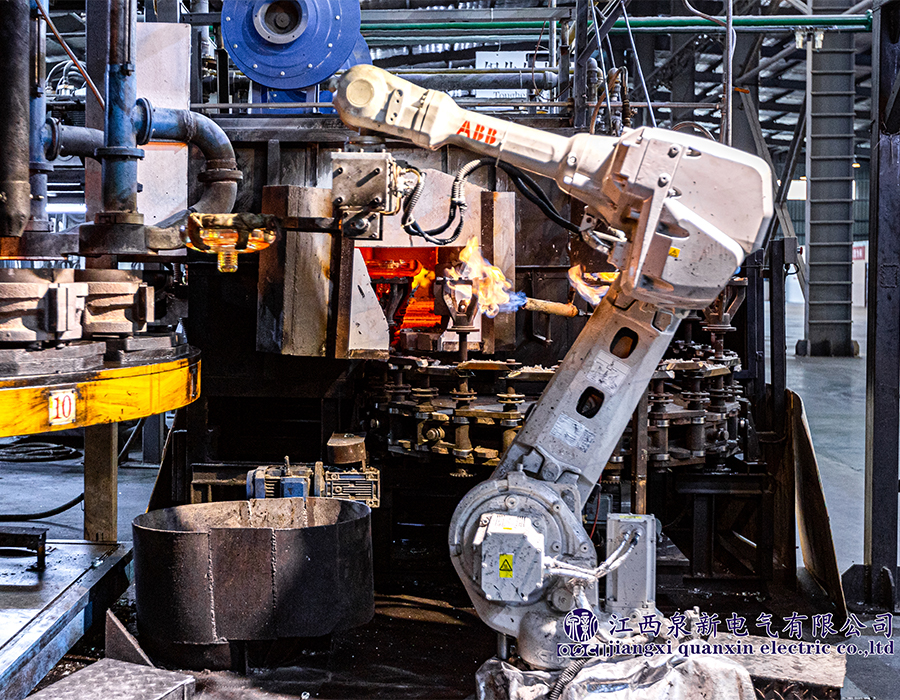
Molten glass is pressed into precise steel molds. We monitor geometry, wall thickness, and stress distributions using automated optical inspection equipment.
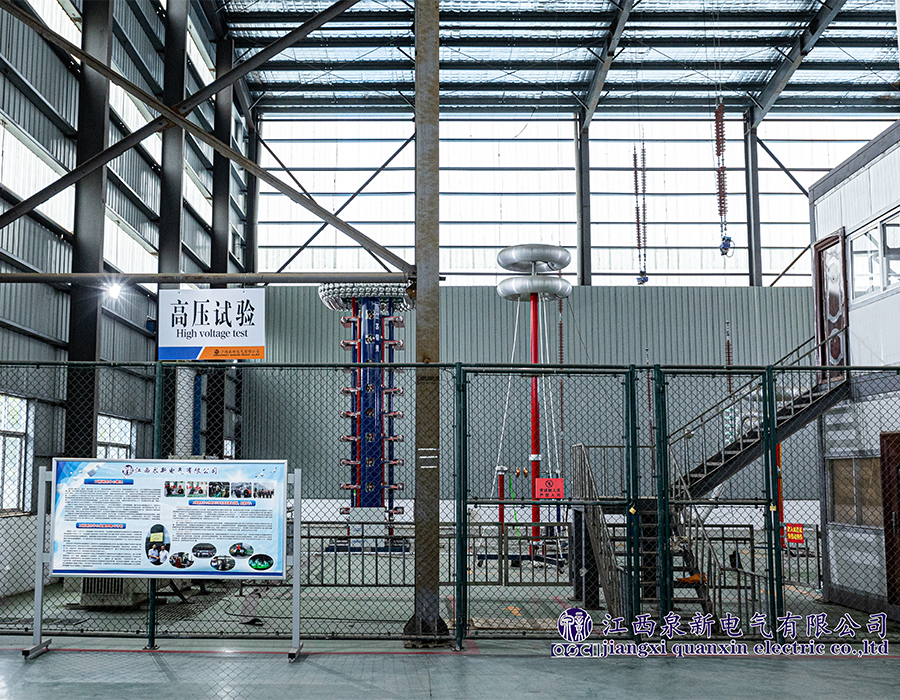
Every toughened glass shell is subjected to high-frequency electric sparks and power-frequency voltage stress testing to identify and eliminate defective units.
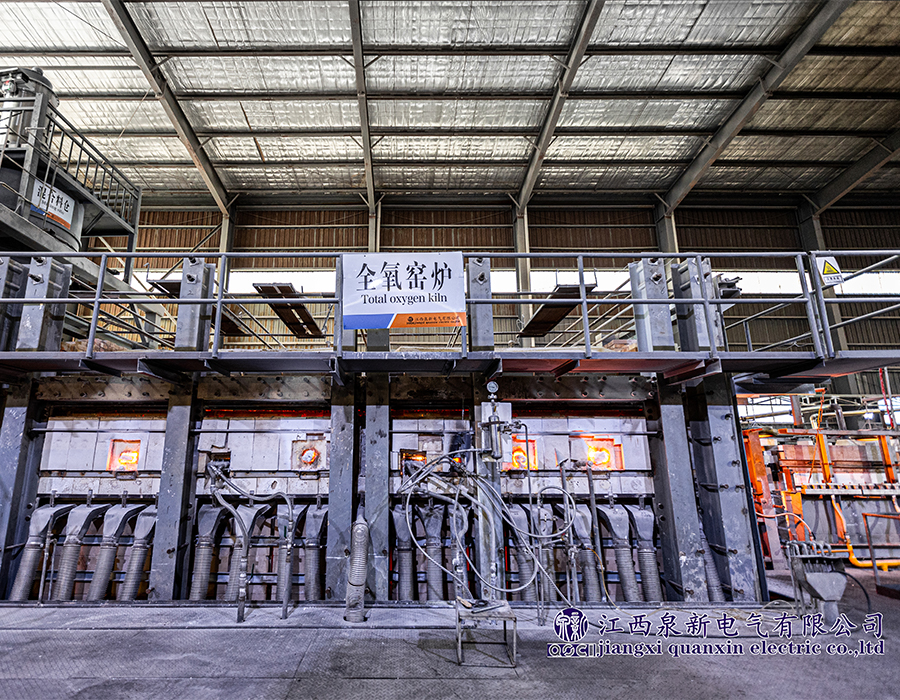
Our total oxygen kilns utilize clean natural gas, maintaining optimal thermal stability to produce uniform, bubble-free molten glass daily.
Our factory processes comply with international transmission line standards. We maintain comprehensive quality systems to ensure our products meet global grid specifications.
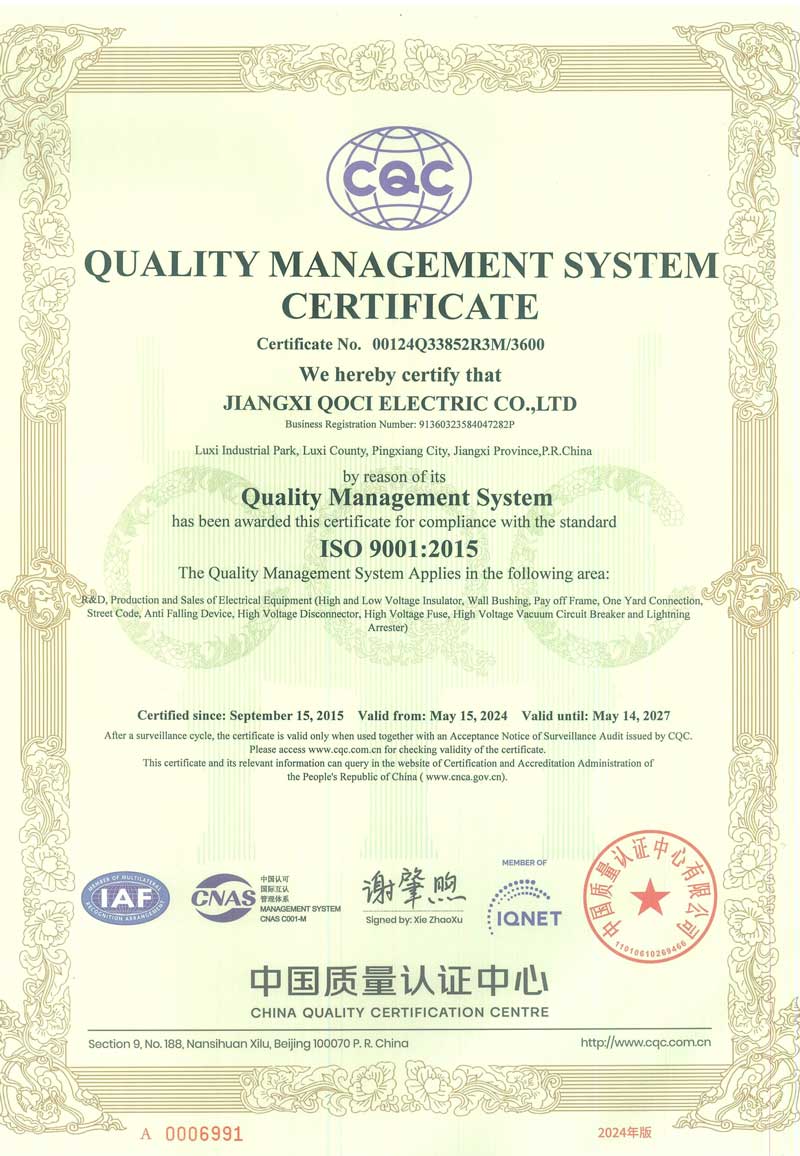
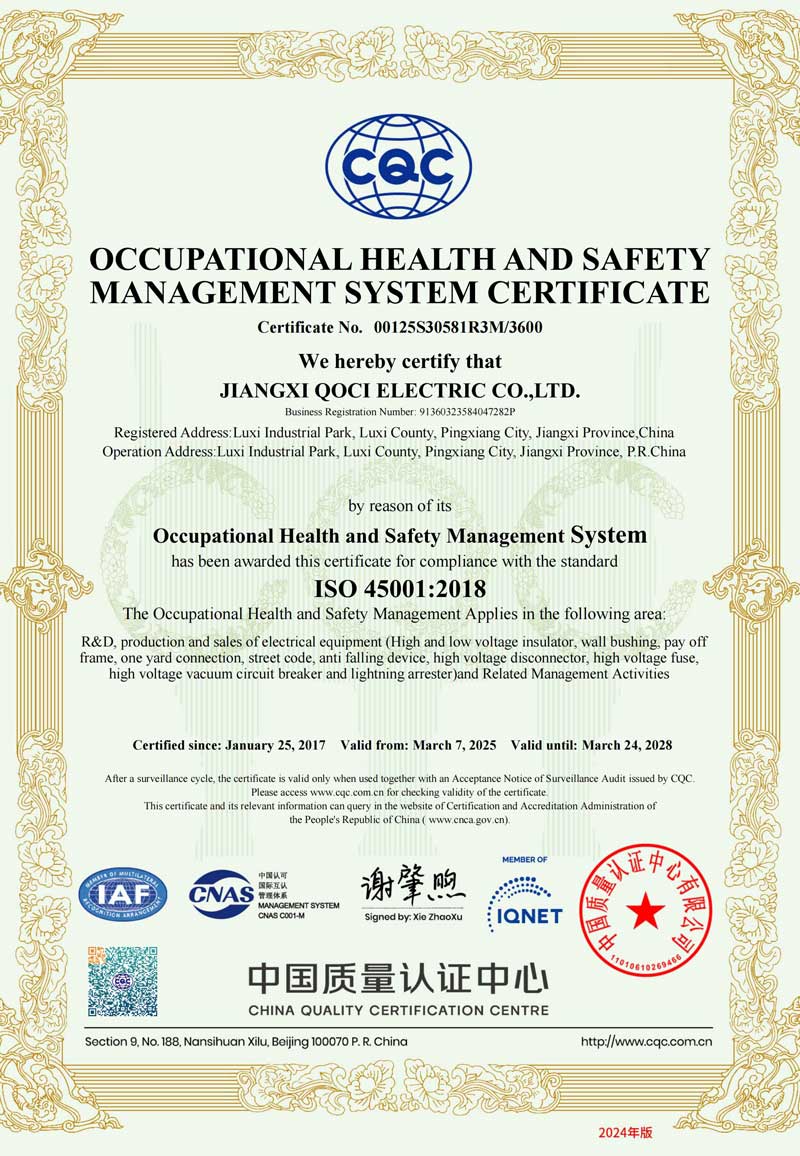
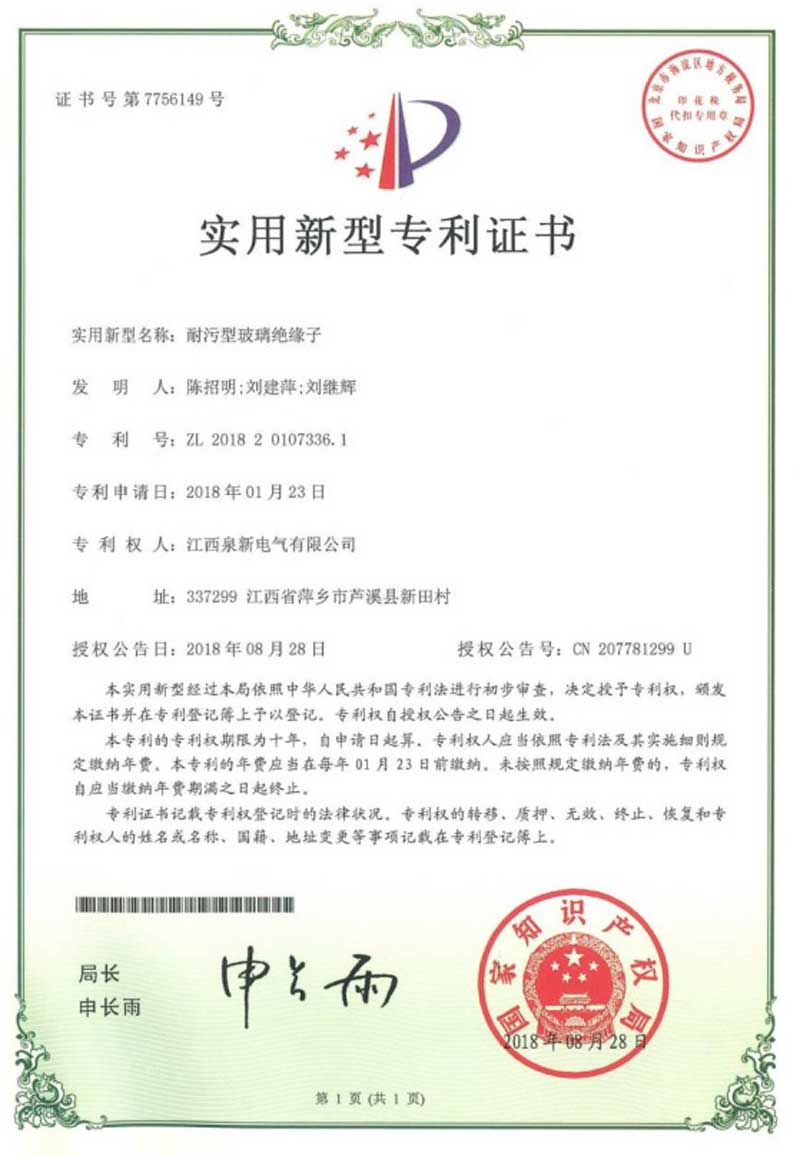
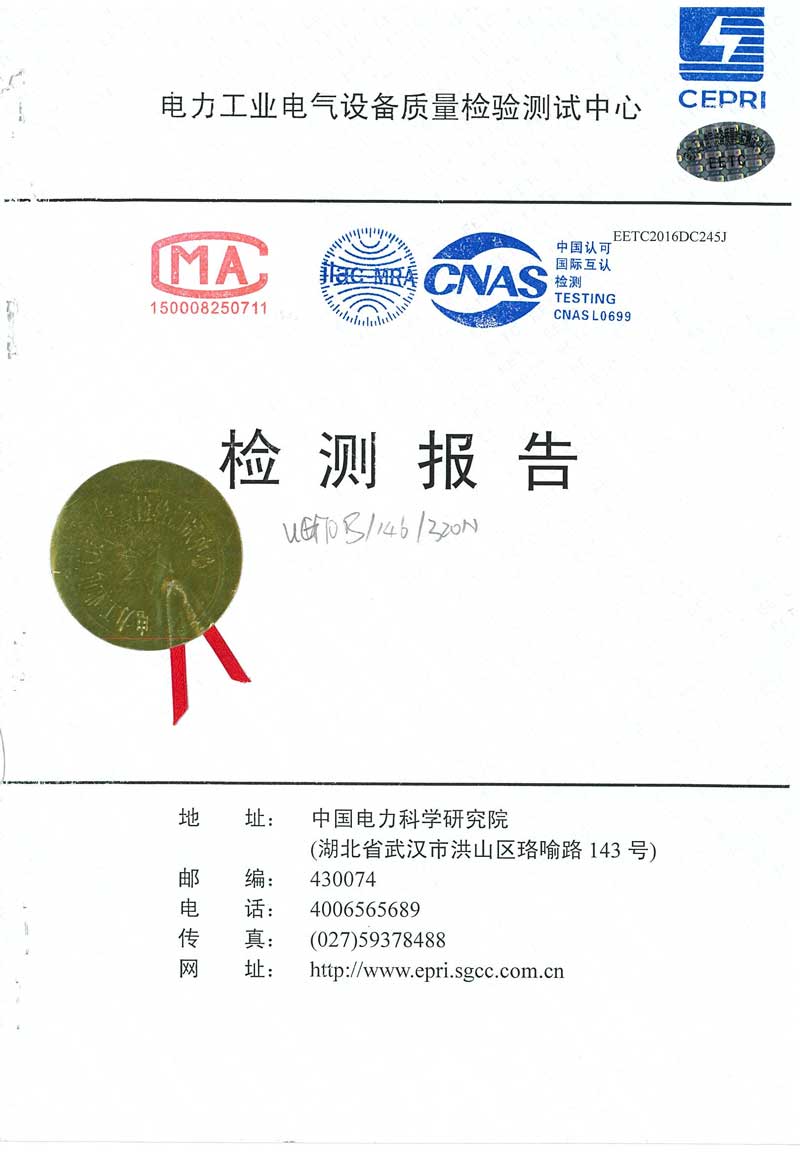
As global transmission networks move toward Ultra-High Voltage (UHV) AC and DC configurations, insulation materials must meet stricter operational parameters. Modern smart grids require insulator strings with high mechanical load ratings and low leakage currents.
Our technology roadmap focuses on developing advanced composite-glass solutions. This includes factory-applied Room Temperature Vulcanized (RTV) silicone coatings on toughened glass, combining the mechanical stability of glass with the hydrophobic performance of composite insulators in polluted environments.
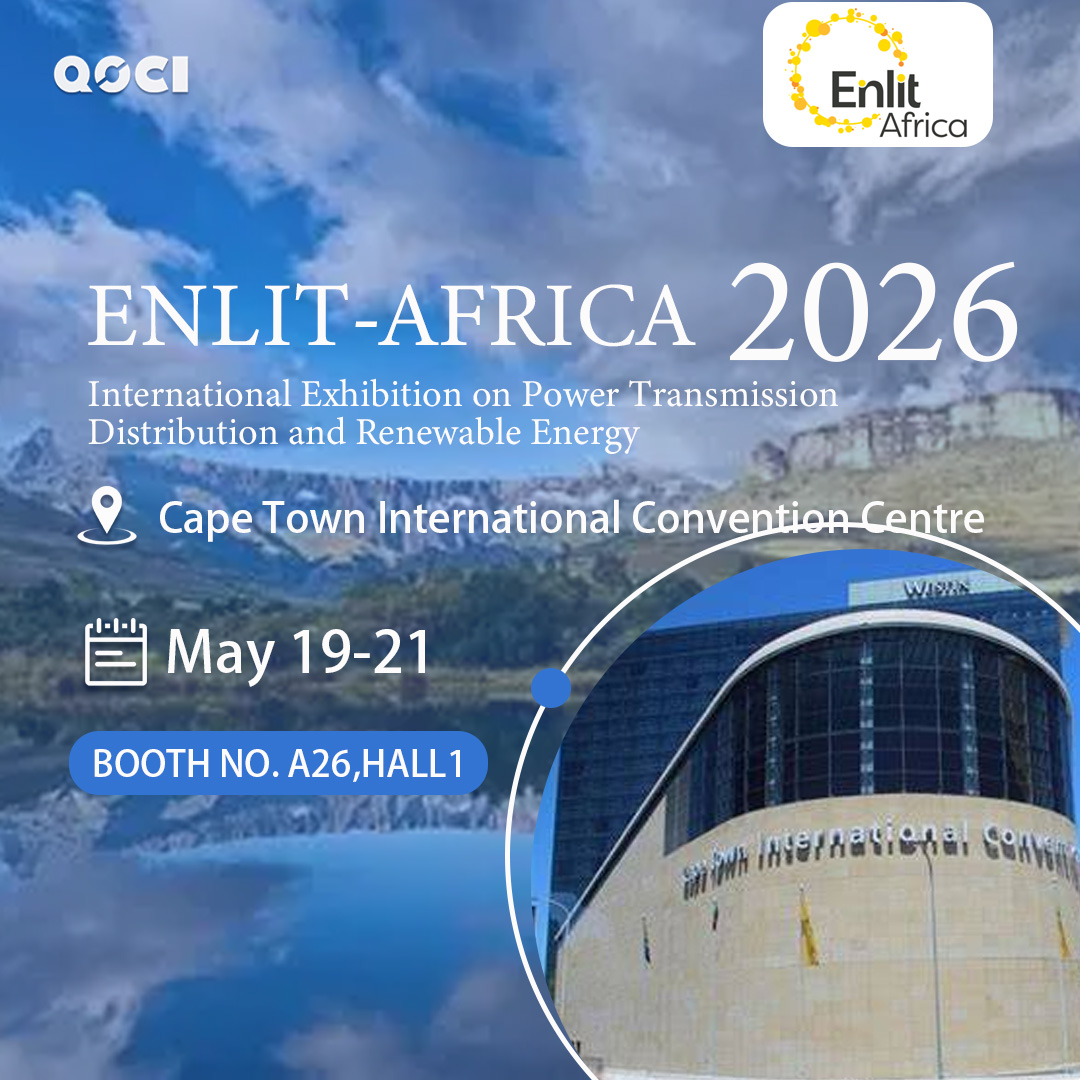
As the global energy transition accelerates, our team participates in key forums like Enlit Africa to discuss high-voltage transmission infrastructure.
Read Press Release →A review of how China-manufactured glass insulators perform under extreme conditions, including high icing loads, high altitudes, and seismic activity.
Read Full Report →Join QOCI Electric at the IEEE PES T&D Conference to view our latest toughened glass products and discuss utility infrastructure standards.
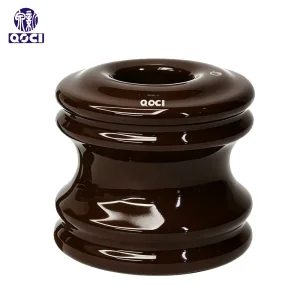
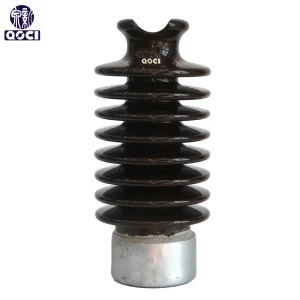
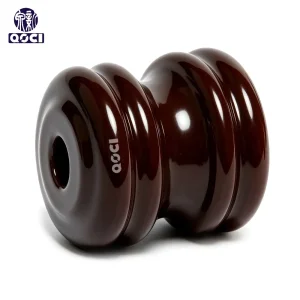
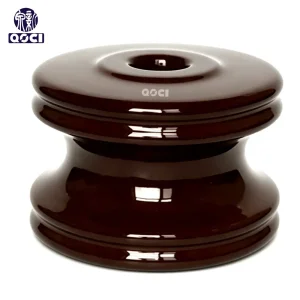
Find Booth Details →We offer a complete range of low-voltage spool insulators, high-strength suspension units, and post-top insulators. Select the links below to view detailed specifications.