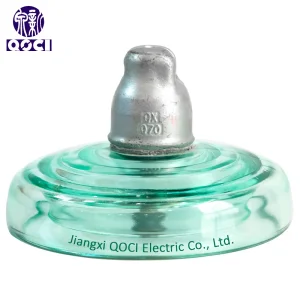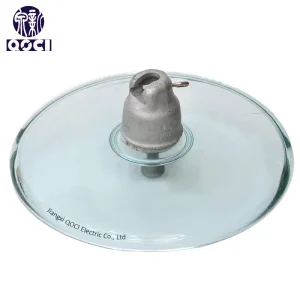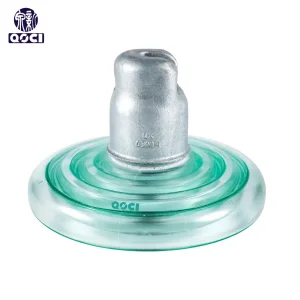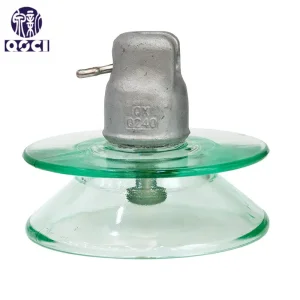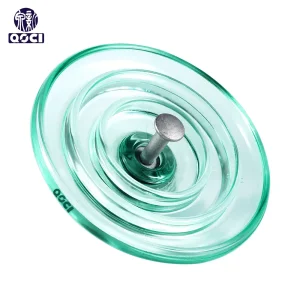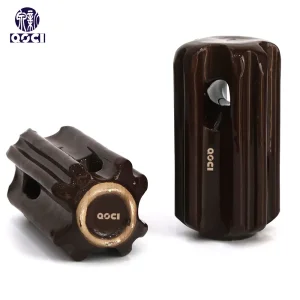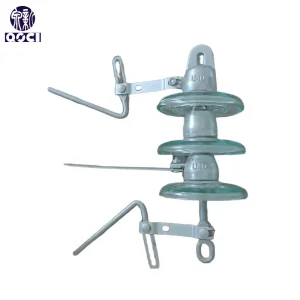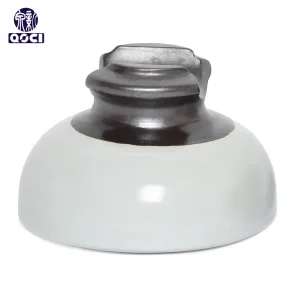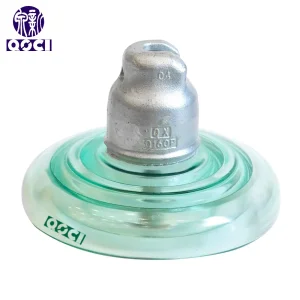
In the global infrastructure landscape, the Glass Insulator U120BLD represents more than just a component; it is a critical safeguard for high-voltage transmission stability. As modern power grids transition toward Ultra-High Voltage (UHV) and Smart Grid architectures, the demand for manufacturers capable of producing high-precision, 120kN electromechanical strength glass units has surged. At Jiangxi QOCI Electric Co. Ltd, we integrate twenty years of ceramic and glass expertise to redefine the standards of the U120BLD series.
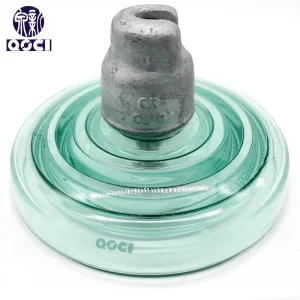
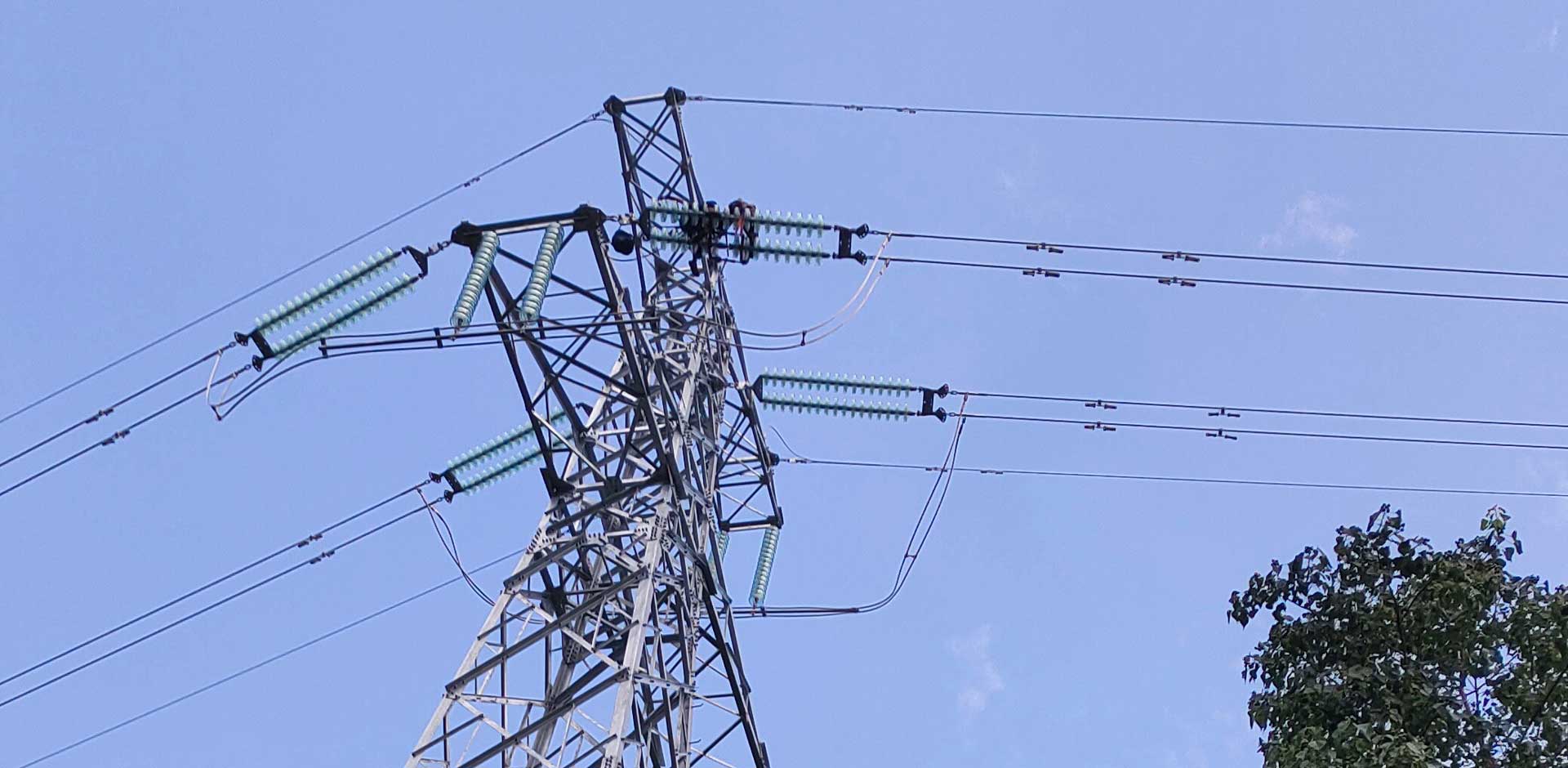
The "U" stands for suspension unit, "120" signifies a mechanical failing load of 120kN, and "BLD" denotes the specific cap and pin design suited for standard or fog-prone environments. These units are engineered to withstand extreme thermal fluctuations and mechanical stresses that would cause traditional porcelain to fatigue. The toughened glass material provides a unique "self-shattering" property—if the glass is damaged, it shatters into small fragments while maintaining its mechanical integrity, making line inspections visually instantaneous and highly efficient.
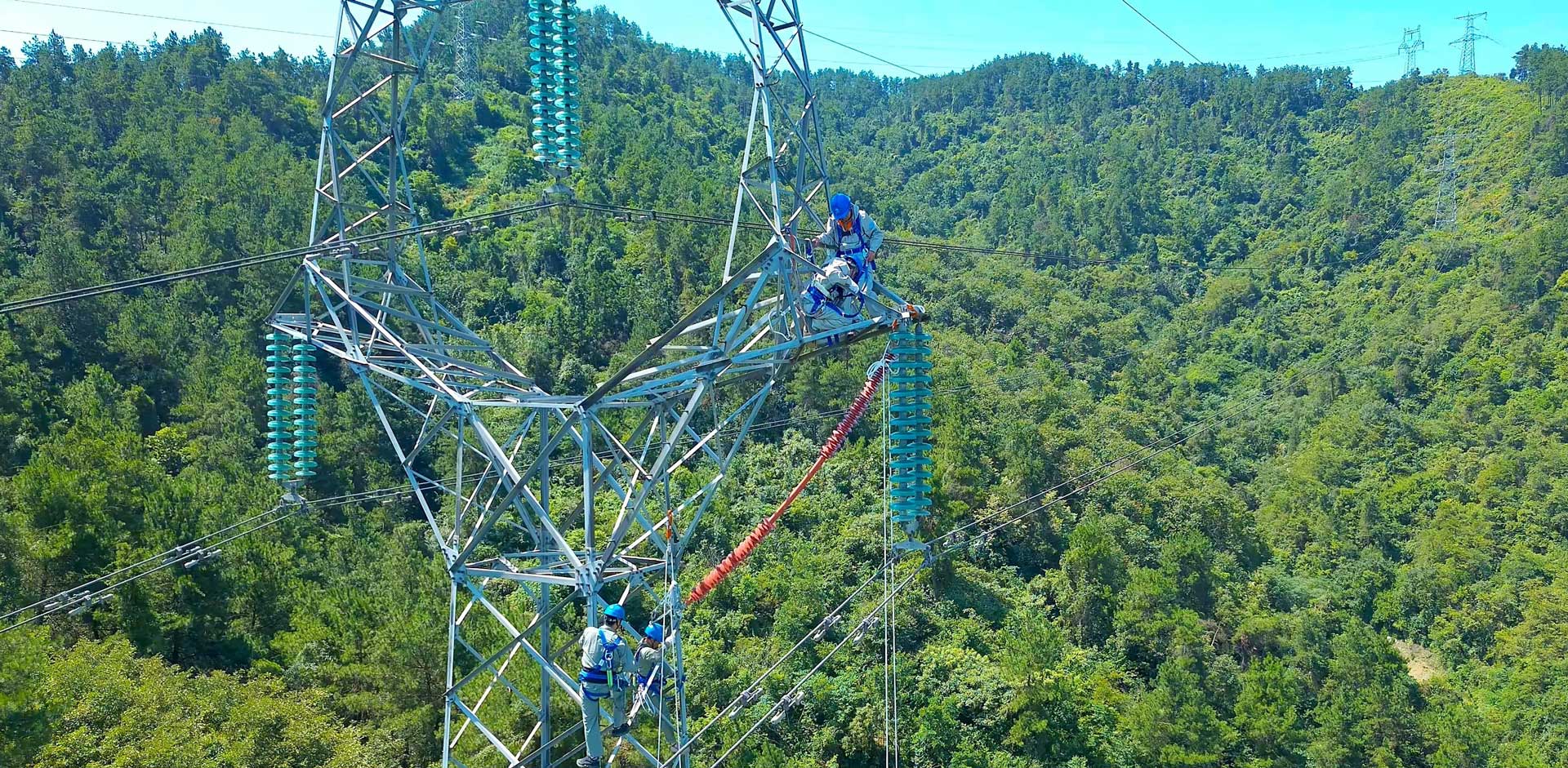
Designed to operate between -60°C and +50°C without loss of dielectric strength, ideal for both arctic and desert grid applications.
The smooth glass surface facilitates natural cleaning by wind and rain, preventing the accumulation of industrial pollutants.
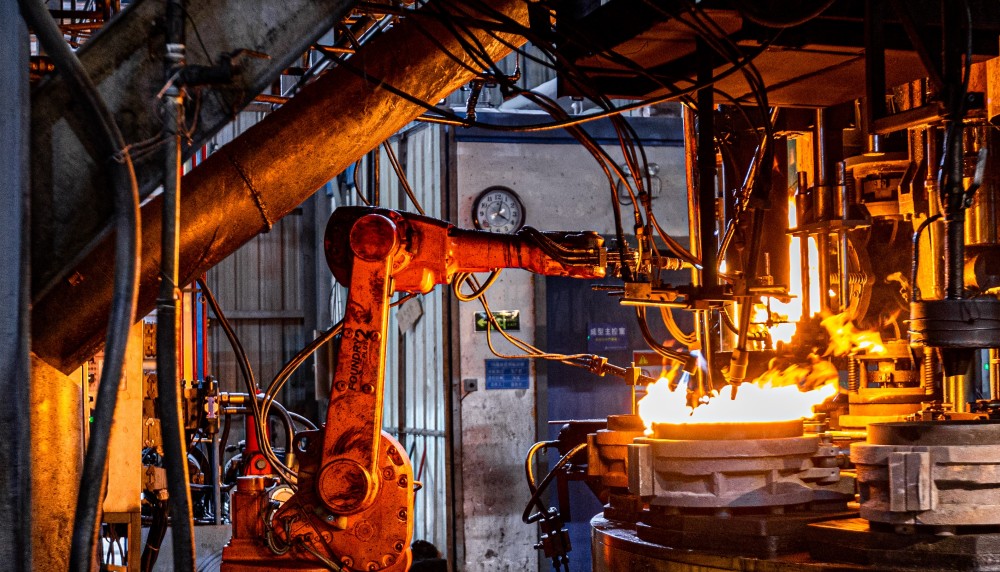
Utilizing total oxygen kiln technology to ensure uniform glass stress distribution and zero internal inclusions.
Jiangxi QOCI Electric Co. Ltd was founded in Dec. 2002, with a registered capital of 508 million Yuan. Spanning 70,000 m², our facility in Pingxiang is the heart of China's insulator innovation. We are not just a factory; we are a partner to the world's most demanding utility companies.
Leading the shift towards sustainable, high-efficiency power transmission.
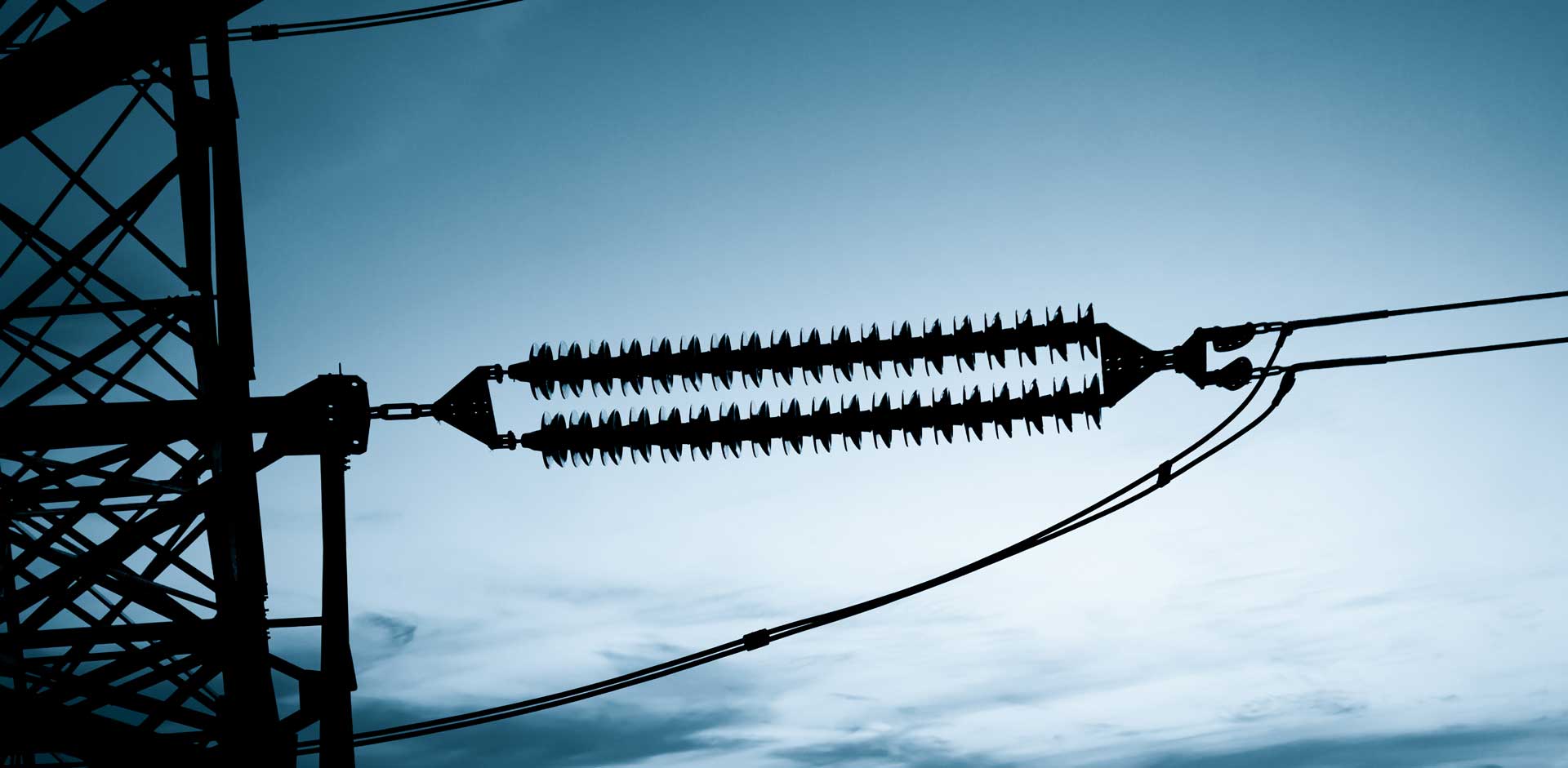
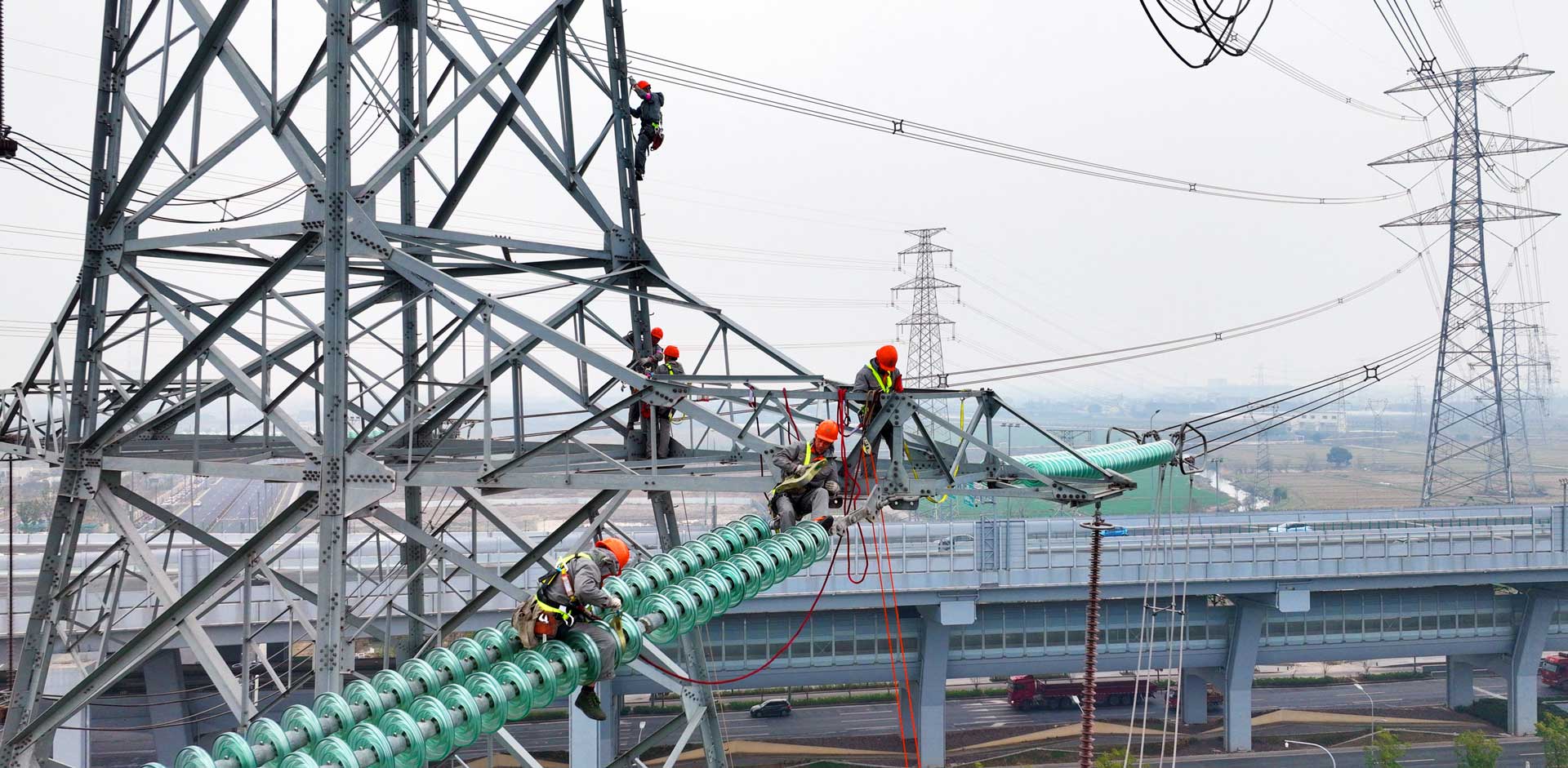
As countries bridge the gap between remote renewable sources and urban hubs, our U120BLD units are optimized for 800kV+ HVDC lines, minimizing corona loss and radio interference.
For coastal and high-industrial zones, we offer Room Temperature Vulcanization (RTV) coated glass insulators. This hybrid solution combines the mechanical strength of glass with the hydrophobicity of polymers.
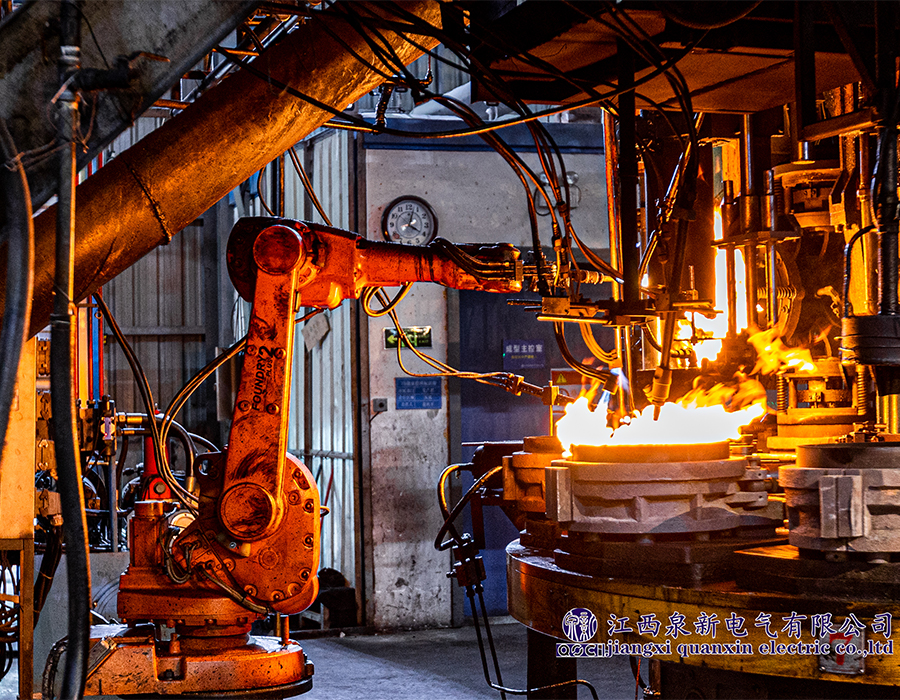
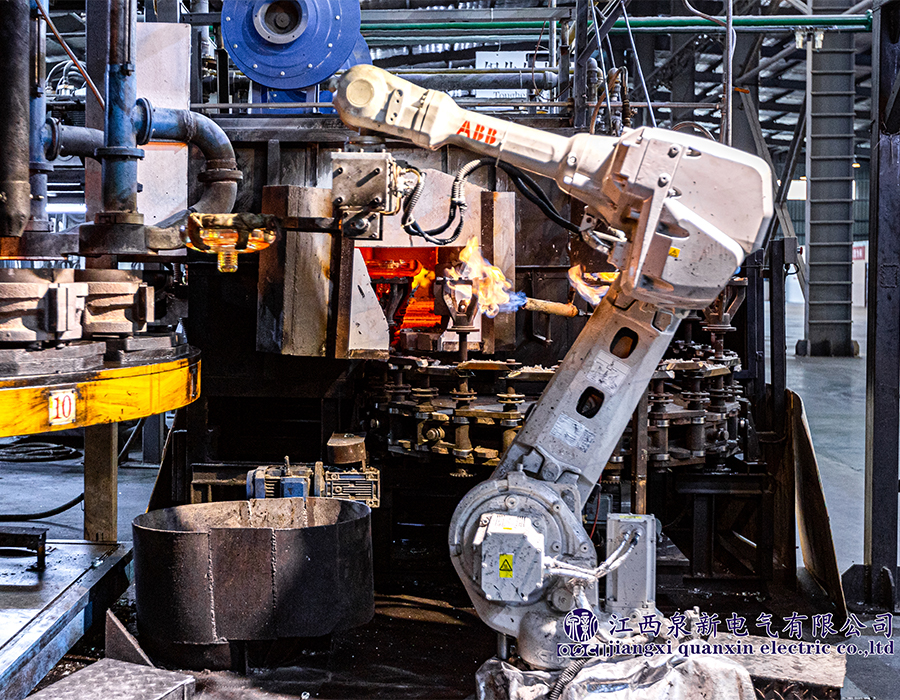
Our "Total Oxygen Kiln" is part of a digitized production line that monitors glass stress in real-time, ensuring every U120BLD unit exceeds IEC 60305 standards.
Procurement directors for national grids now prioritize Life Cycle Cost (LCC) over initial unit price. The U120BLD’s longevity (50+ years) and easy inspection reduce operational expenditure (OPEX) significantly. We provide localization support including compliance with IEC, ANSI, and BS standards, ensuring seamless integration into any national infrastructure project.
Perfecting the glass composition to minimize iron content, enhancing transparency and dielectric performance.
Integrating RFID and sensor-ready caps to allow drones to scan insulator health and serial data wirelessly.
Transitioning kilns to hydrogen-assist melting to reduce the carbon footprint of heavy infrastructure manufacturing.
Geographic Adaptability
High Voltage Systems
Power Grid Functional
Special Industry
The "D" usually refers to an increased creepage distance or a specific "Fog Type" shed design, allowing the insulator to perform better in high-pollution or coastal environments compared to the standard "BL" profile.
Toughened glass offers visible failure (self-shattering), higher mechanical consistency, and better aging resistance. Unlike porcelain, glass does not suffer from "puncture" (internal electrical breakdown) without outward physical signs.
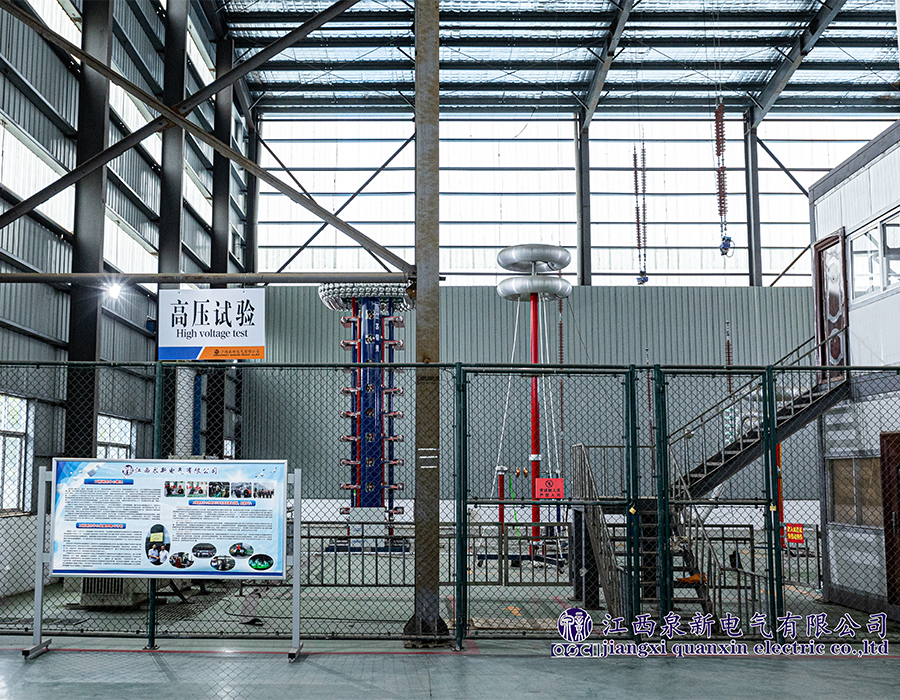
Our products are certified to ISO 9001, ISO 14001, and our testing labs follow IEC 60305, IEC 60383, and ANSI C29 series standards to ensure global interoperability.
Yes, we specialize in factory-applied Room Temperature Vulcanization (RTV) silicone coatings which provide superior hydrophobic properties for extreme pollution zones.