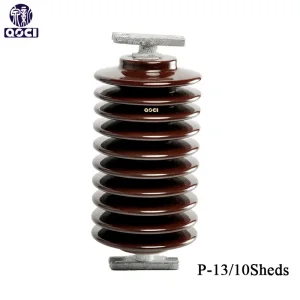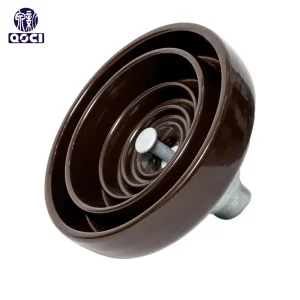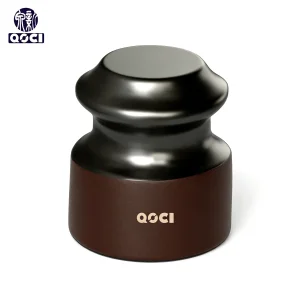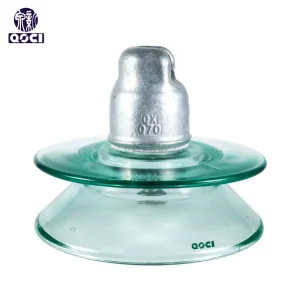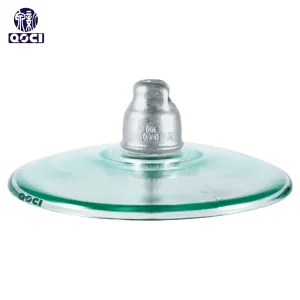
High-performance suspension glass and post insulators engineered to international grid standards.
Jiangxi QOCI Electric Co. Ltd is a leading high-voltage transmission insulator manufacturer committed to international engineering standards.
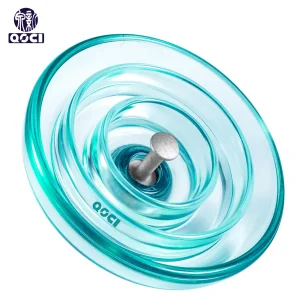
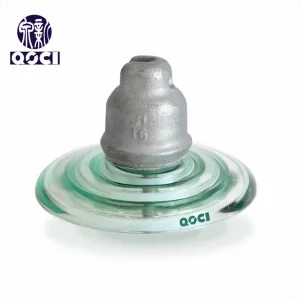
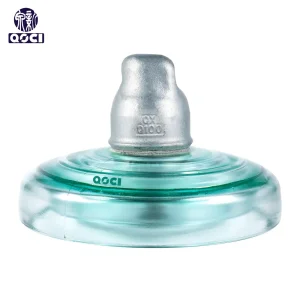
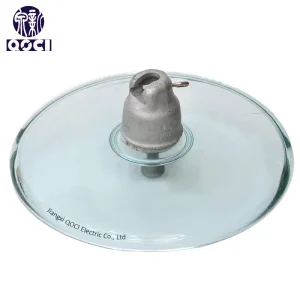
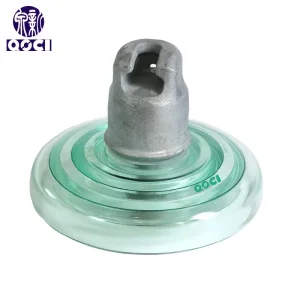
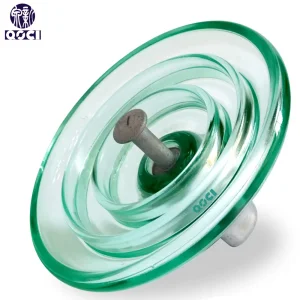
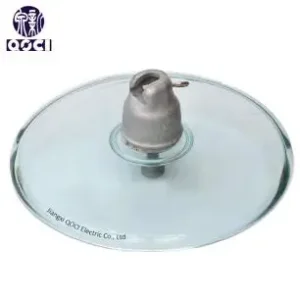
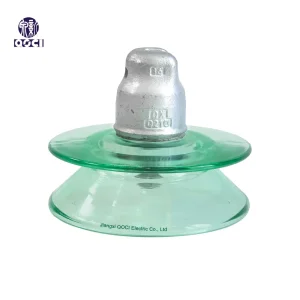
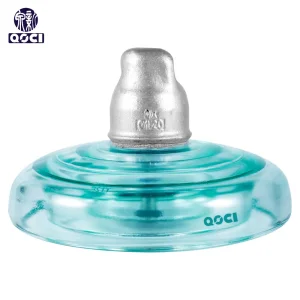
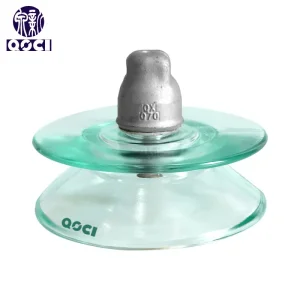
In the construction of high-voltage (HV), extra-high-voltage (EHV), and ultra-high-voltage (UHV) transmission networks, suspension-type toughened glass insulators stand out as indispensable structural and dielectric barriers. Designed specifically for elevated mechanical tension and electrical insulation efficiency, our product line—including standard profiles, aerodynamic configurations, and high-strength variations like the Wholesale Glass Isolator U300blp—delivers outstanding reliability under continuous atmospheric stresses.
Toughened glass provides deep thermal-stress durability through highly specialized annealing and shock tempering. Under high load mechanical configurations, tension strings encounter dynamic factors like wind-induced conductor swing, icing accumulation, and sudden temperature variations. Our U300blp series insulators are engineered with a mechanical failing load rating of 300 kN, serving as a critical safety factor for bulk energy transmission systems across continents.
As the world transitions toward massive decarbonization pathways, renewable energy generation sites (such as offshore wind farms, solar fields, and remote hydroelectric stations) must link to load centers via long-distance transmission corridors. This paradigm change demands extra-high-voltage AC and DC grids with minimal line losses, larger conductor bundles, and heightened transmission mechanical stresses.
Our specialized glass insulators directly address the challenges of modern grid expansions:
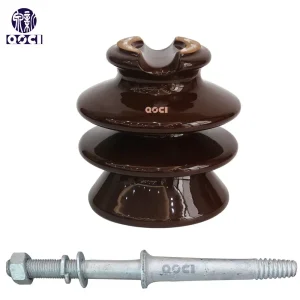
The demand for high-strength toughened glass insulators continues to grow rapidly. In developing economies throughout Asia, Africa, and Latin America, grid extension projects are deploying thousands of circuit kilometers of EHV lines. In developed markets such as Europe and North America, aging grid infrastructures are undergoing major refurbishments, shifting from older porcelain designs to modern toughened glass lines with Room Temperature Vulcanizing (RTV) silicone coatings.
Jiangxi QOCI Electric Co. Ltd actively services this international marketplace from our state-of-the-art Pingxiang plant in Jiangxi, China. Producing 39,000 tons of glass insulators annually, our factory delivers wholesale quantities with rapid transit timelines. This scale ensures consistent global logistics support for massive utility contracts and emergency grid restoration efforts alike.
Detailing our specialized insulator profile configurations designed for specific environmental environments.
Exceeds IEC 60305 leakage distance requirements. Features shallow, well-spaced ribs that promote optimal self-cleaning during wind and rain events. Ideal for mild to moderate environmental zones.
Characterized by deep, widely-spaced under-ribs designed to prevent electrical arc bridging. Boasts a high leakage distance to spacing ratio (approx 3.2), making it the primary choice for coastal areas and industrial zones with salt fog.
Designed with an extended disk diameter and no under-ribs. This prevents the accumulation of sand, dust, and particulate deposits under desert winds, while also solving winter ice-bridging challenges.
Features dual external ribs that reduce overall pollution accumulation. Designed for extreme solid industrial dust and saline soils, and easily cleaned manually or through natural downpours.
Constructed with three independent layers of umbrella discs. Highly optimized for Ultra-High Voltage (UHV) transmission networks in coastal humid zones and high altitudes.
Combines the mechanical reliability of toughened glass with the excellent hydrophobicity of Room Temperature Vulcanization silicone. Eliminates the need for regular insulator washing in highly polluted areas.
Every stage of production is controlled to ensure compliance with IEC, ANSI, and ISO global standards.
Ultra-pure raw silica, soda ash, and calcium compounds are strictly graded for high dielectric strength.
Raw batch ingredients are mixed and melted in a computerized total oxygen kiln at high temperatures.
Molten glass is pressed into precise insulator shells, then immediately tempered to lock in mechanical stress.
100% of finished glass shells undergo steep-front impulse voltage and mechanical load testing.
Electrical transmission lines cross diverse terrains, ranging from high-humidity coastal corridors to arid inland deserts. To maintain grid stability across different areas, QOCI provides localized structural engineering support. We assist utility teams in selecting appropriate creepage distances, pin compositions, and zinc sleeve parameters.
Our insulators conform fully to major international codes, including IEC 60305, IEC 60383, and ANSI C29.8. Our manufacturing plants operate in strict compliance with ISO 9001:2015, ISO 14001:2015, and ISO 45001:2018 quality, environmental, and occupational health systems.
QOCI continues to invest in material science and glass formulations. Our future roadmap targets carbon-neutral glass melting facilities powered by clean energy.
Furthermore, we are developing integrated smart sensor technology for high-strength insulators. These micro-sensors monitor leakage currents and mechanical tension variations in real-time, feeding diagnostic data directly to grid management centers.
Technical clarifications on the deployment, mechanics, and design of high-voltage toughened glass insulators.
Trusted globally for high-voltage, extra-high-voltage AC and DC transmission systems.