💡 The Australian Market Reality: Australia is currently undergoing one of the world's most rapid energy transitions. With the decommissioning of coal-fired power stations and the massive influx of renewable energy projects (Solar and Wind) in regions like the Renewable Energy Zones (REZ) of New South Wales and Victoria, the demand for robust Ground-Wires Type insulators has reached an all-time high. The National Electricity Market (NEM) requires high-performance grounding solutions to mitigate the risks associated with lightning strikes in the Outback and bushfire prevention near forested corridors.
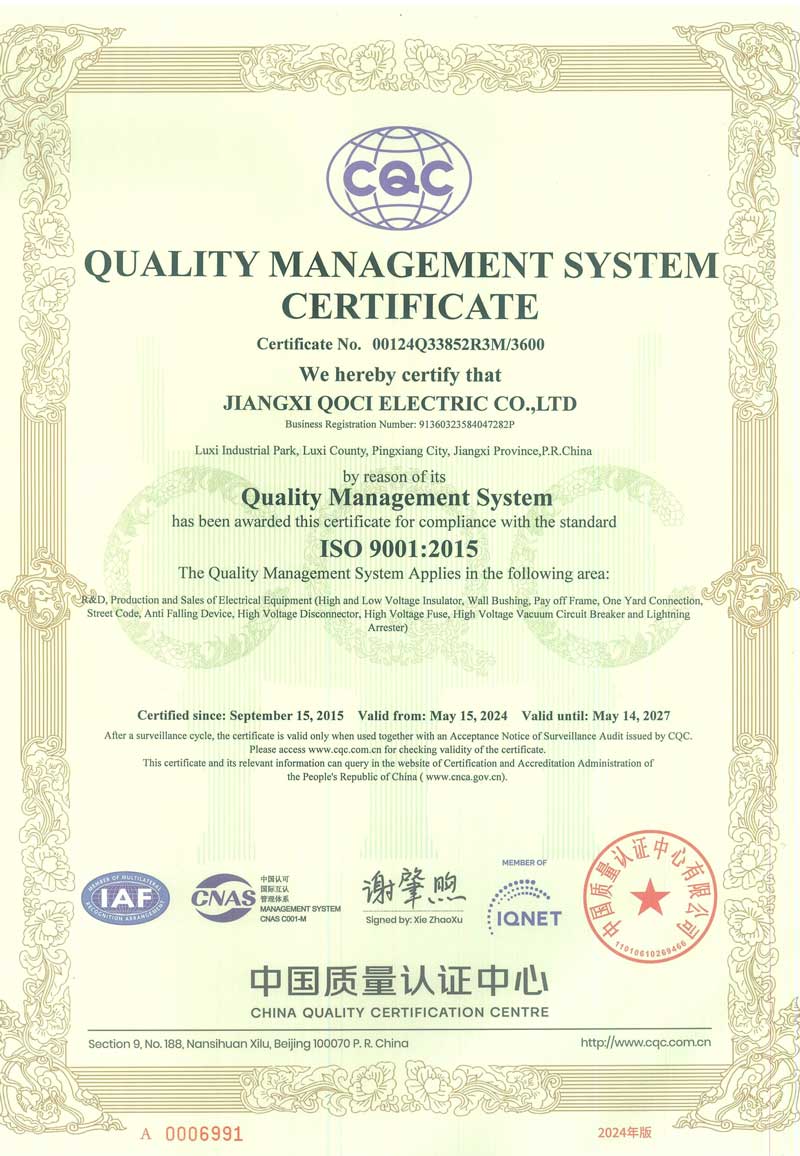
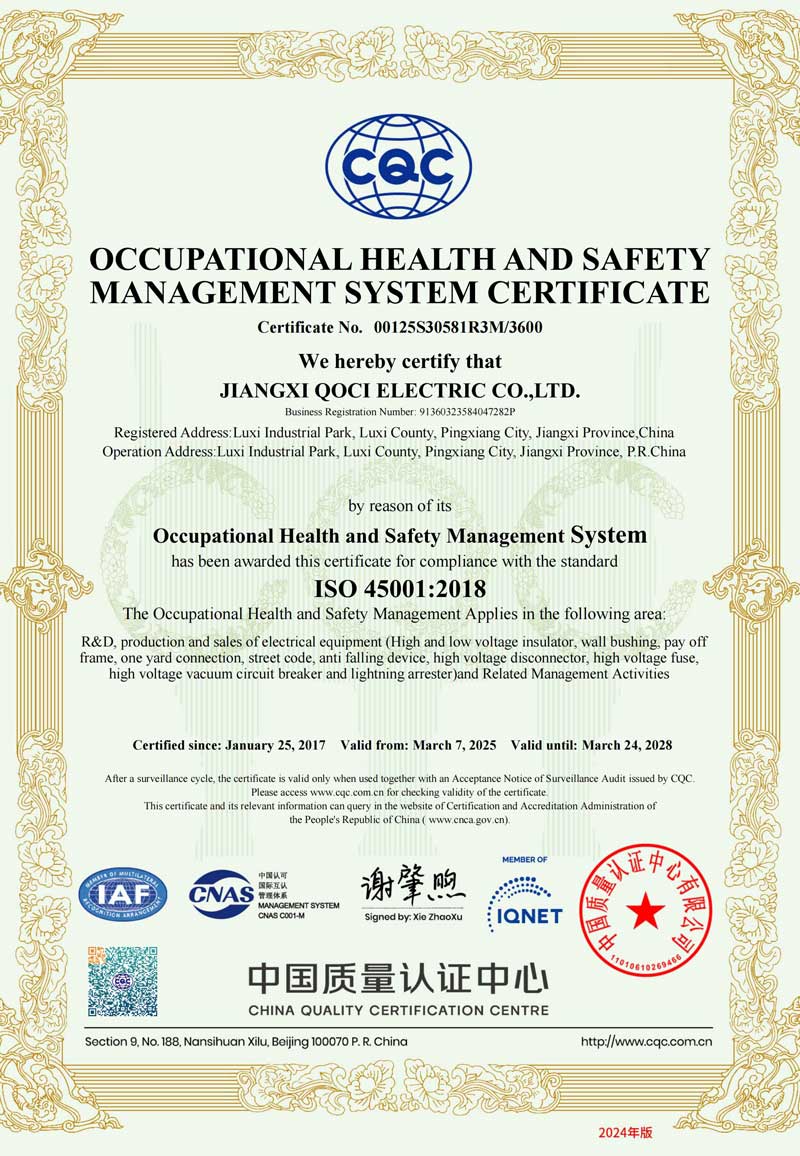
Technical compliance with AS/NZS 60305 and IEC standards is not just a requirement but a safety imperative for Australian utilities such as Ausgrid, Endeavour Energy, and Powerlink. Our factory focus is to provide "Information Gain" through superior dielectric strength and pollution flashover resistance, specifically tailored for the high-UV and salt-spray environments of the Australian coastline.
The roadmap for Ground-Wires type technology is shifting towards Smart Material Integration and Enhanced Hydrophobicity. For the Australian market, we focus on three key technological pillars:
Our macroscopic approach involves "System-Level Insulation Coordination." We don't just sell components; we provide solutions that enhance the Mean Time Between Failures (MTBF) for Australian grid operators. By analyzing the salt-fog density of the Queensland coast versus the dry heat of the Northern Territory, we customize the creepage distance of our U160BL and U210 series to ensure zero-leakage performance.
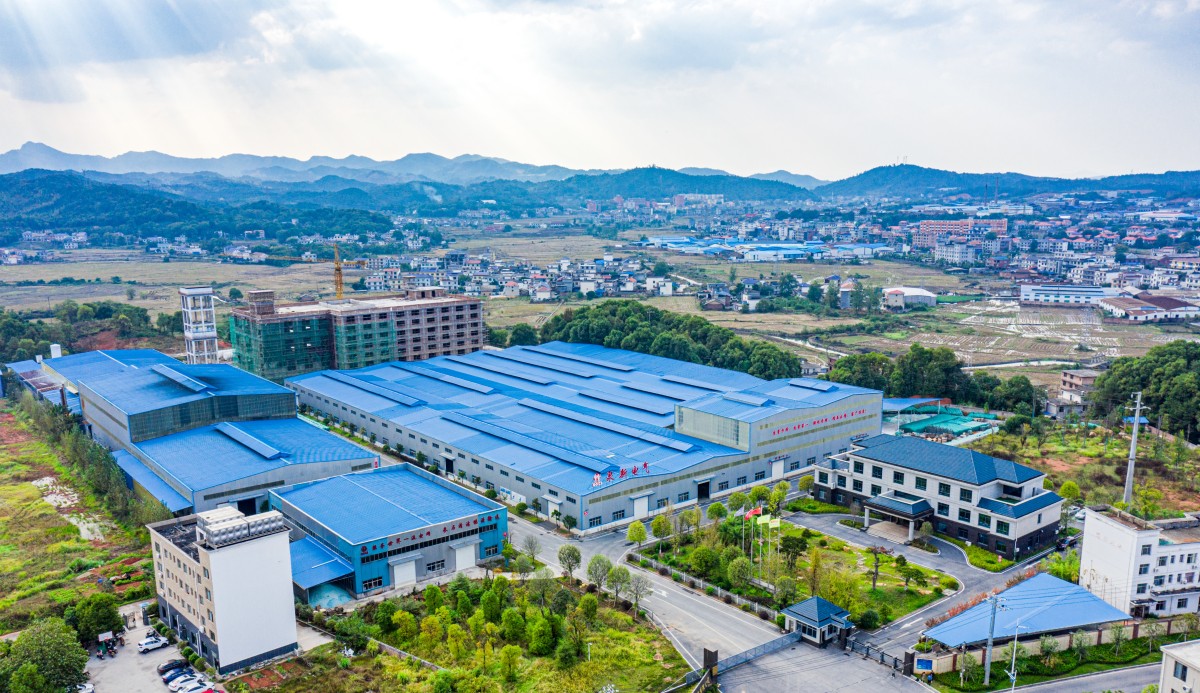
Jiangxi QOCI Electric Co. Ltd represents the pinnacle of China’s "Industry 4.0" initiative in the power sector. Located in the Luxi Industrial Park, our 70,000m² facility utilizes:
For Australian procurement managers, this translates to Supply Chain Resilience. Our proximity to major shipping ports and high-volume output means we can meet the aggressive timelines of Australia’s "Rewiring the Nation" program.
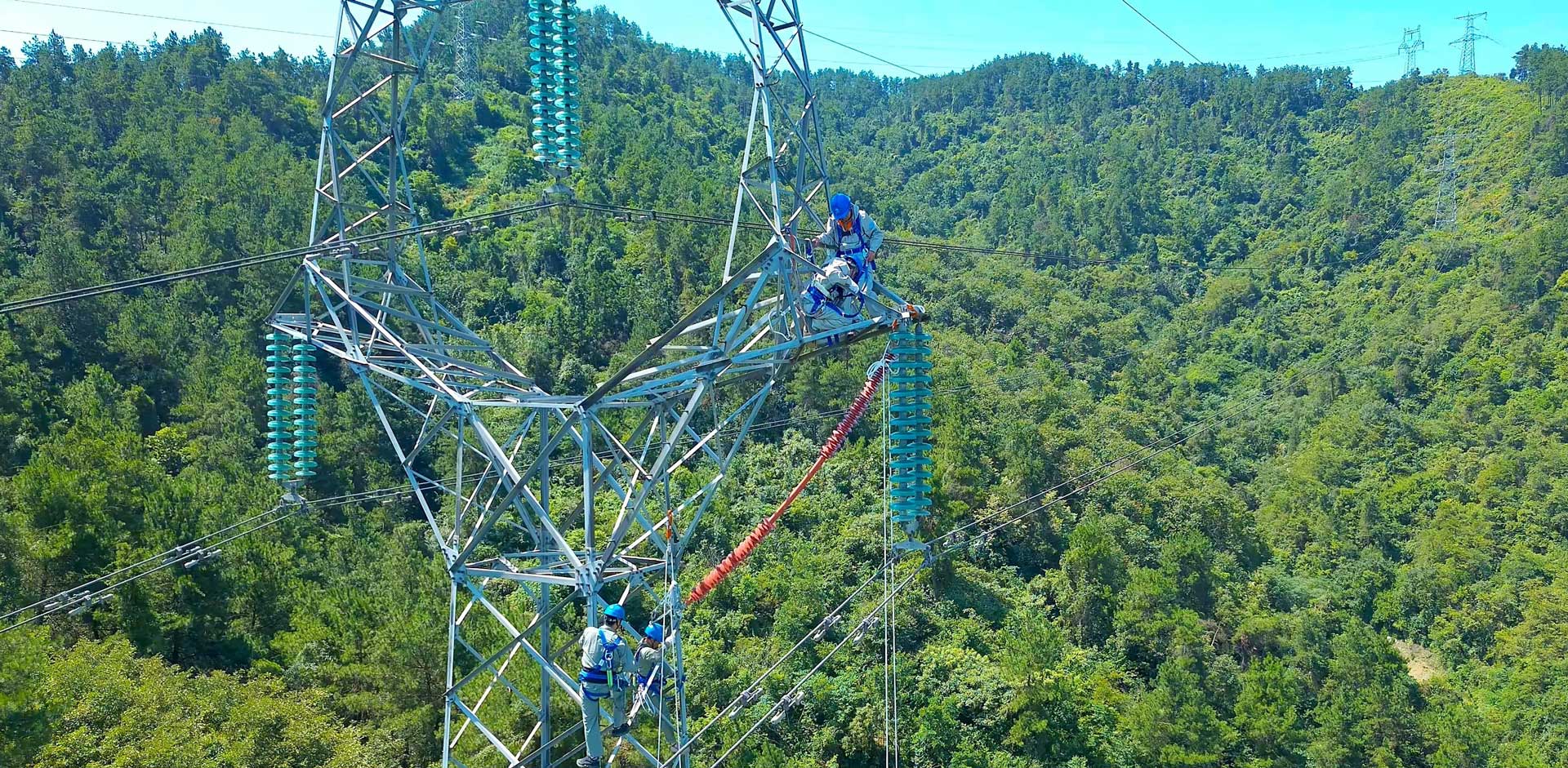
Mining & Resources
Western Australia Iron Ore Grids
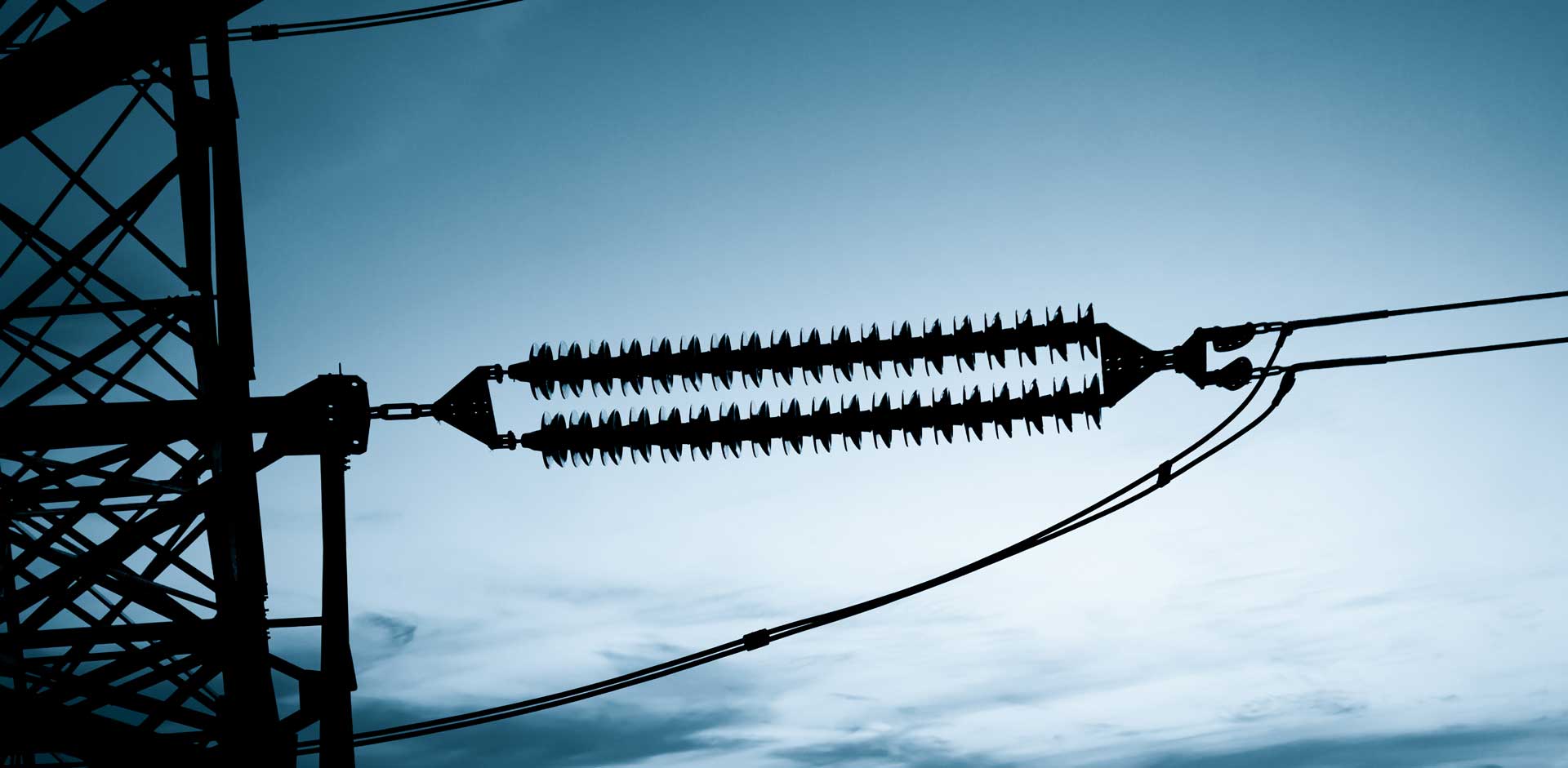
Renewable Integration
Solar & Wind Farm Sub-stations
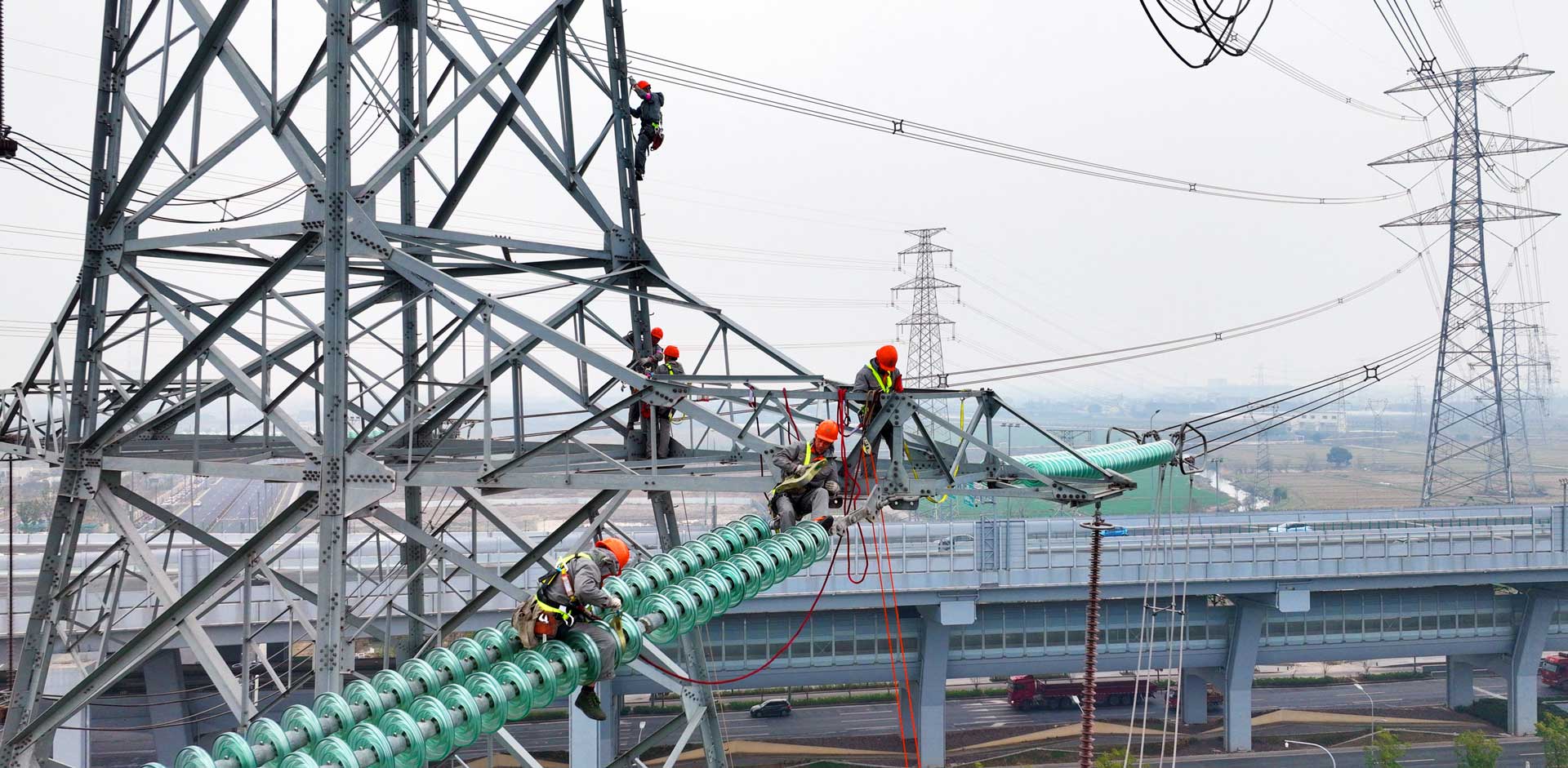
Grid Modernization
Aging Asset Replacement Programs
Coastal Transmission
Salt-Spray Resistant HV Lines
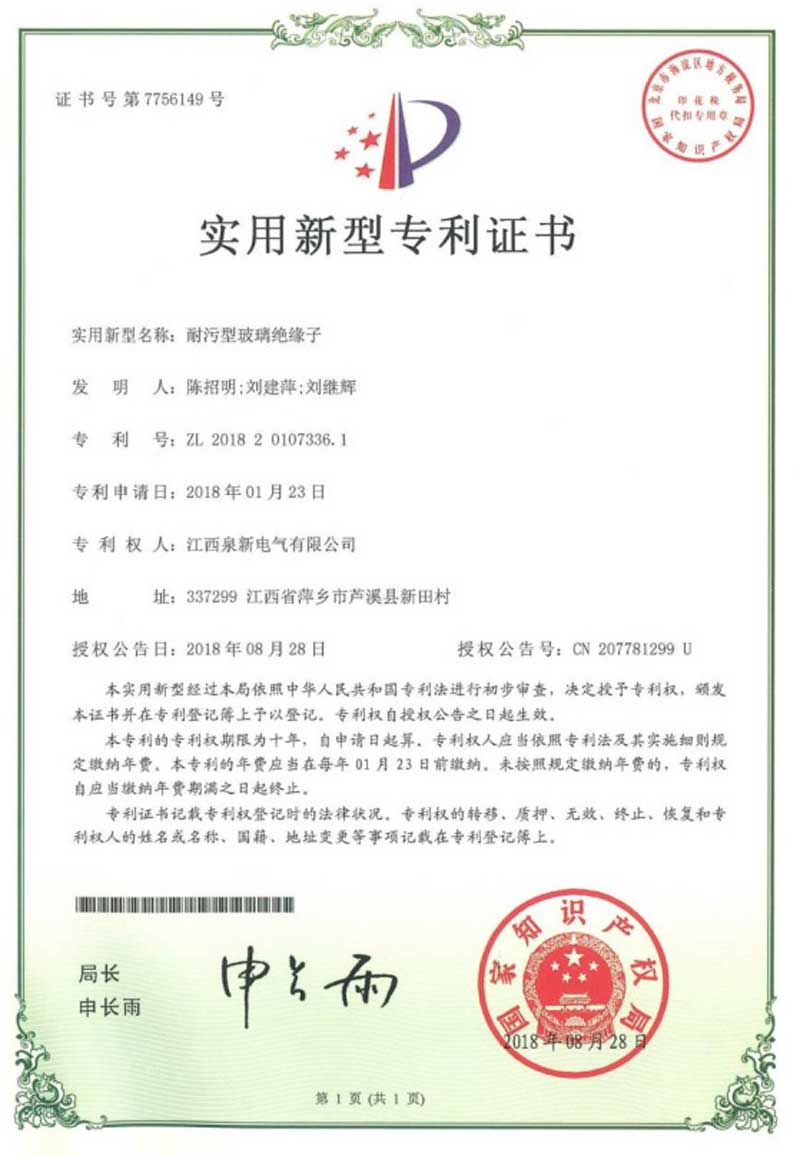
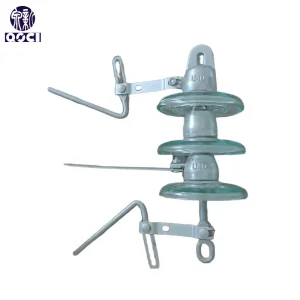
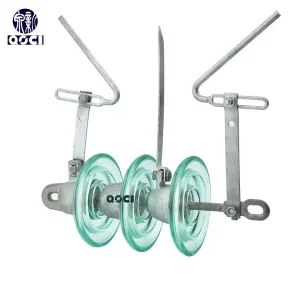
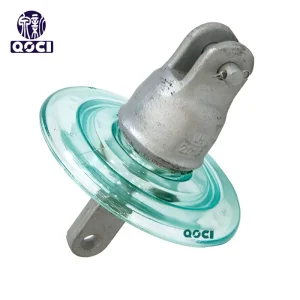
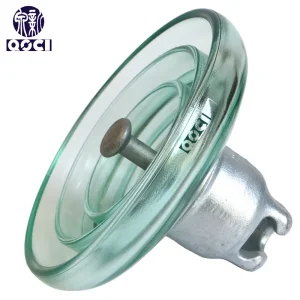
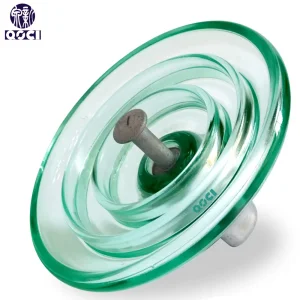
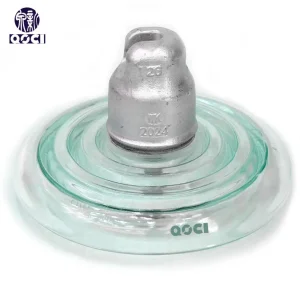
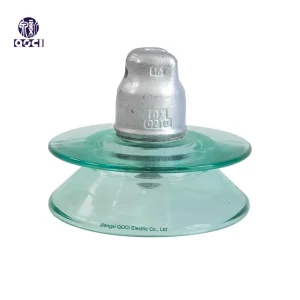
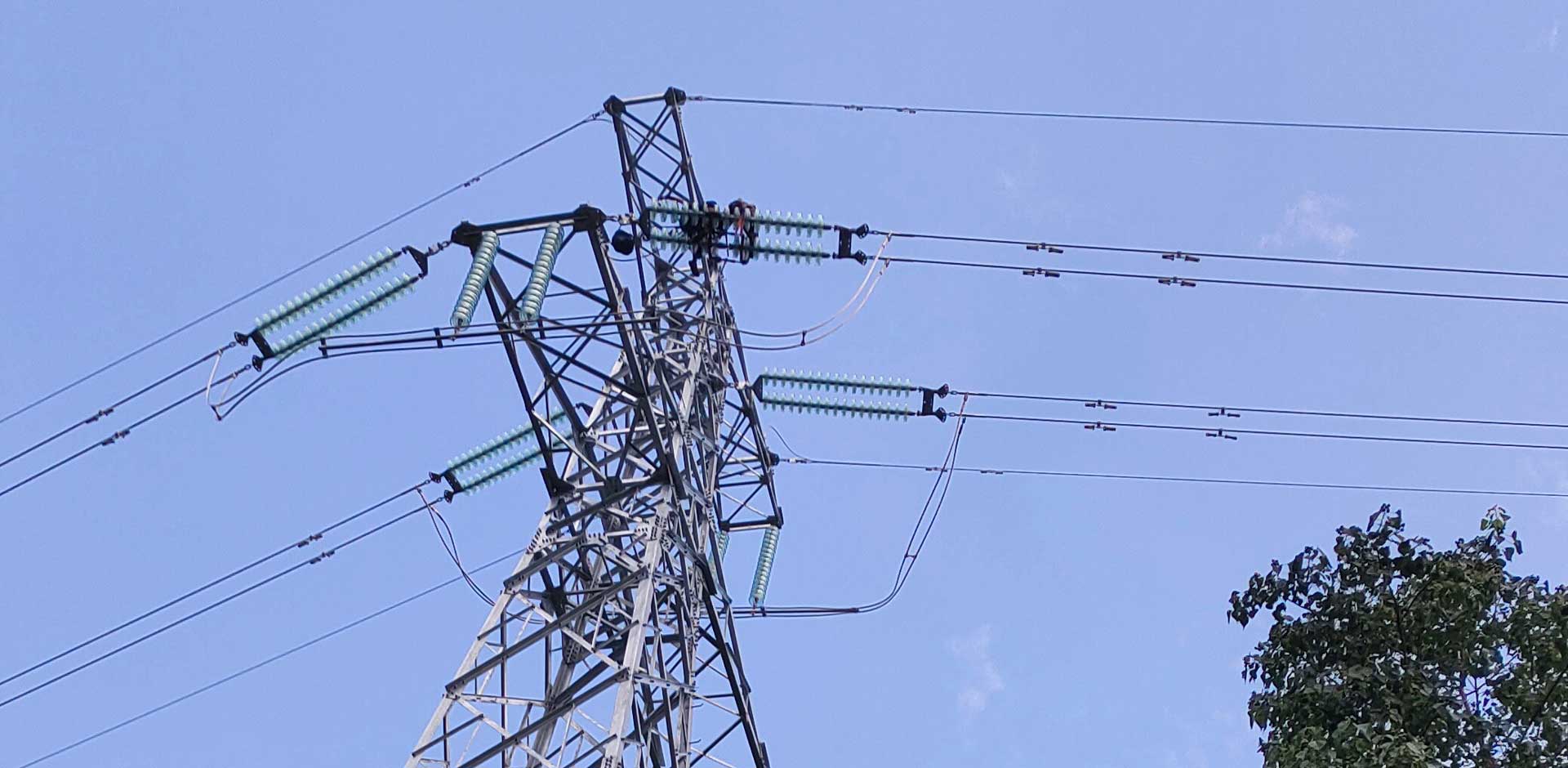
Ground-wires Profile Details: By connecting internal or external metal accessories (such as steel feet and flanges) to the grounding wire, reliable grounding can be achieved. The grounding function effectively guides lightning current, reduces line lightning damage, and protects the safety of lines and equipment. The glass surface is smooth and has low hydrophilicity, making it easy to remove dirt.
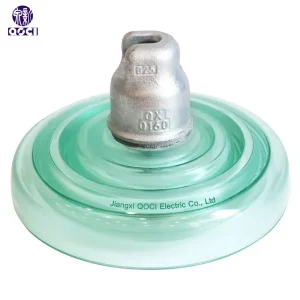
RTV Silicone-coated Advantage: Silicone-coated insulators offer an excellent alternative which guarantees optimum performance for high voltage overhead lines in areas with heavy pollution. They minimise leaking currents and thereby reduce operation and maintenance costs. The product used to coat the insulators is Room Temperature Vulcanization (RTV) silicone which contains mineral fillers embedded in the silicone itself.
1. Do your Ground-Wires insulators comply with AS/NZS standards?
Yes. Our manufacturing process is aligned with IEC 60305, which is the foundational standard for Australia's AS/NZS 60305 requirements. We provide full test reports for tensile strength and dielectric performance.
2. How do your products handle Australia's high UV index?
Our toughened glass is chemically inert and UV-stabilized. Unlike composite insulators that may degrade in the intense Australian sun, our glass insulators maintain their structural integrity for 40+ years.
3. What is the lead time for bulk orders to major Australian ports (Sydney, Melbourne, Perth)?
Due to our Factory 4.0 capacity (39,000 tons annually), we can typically fulfill bulk orders within 4-6 weeks, with shipping times to Australia ranging from 15-25 days depending on the port.
4. Can we customize the creepage distance for coastal Queensland projects?
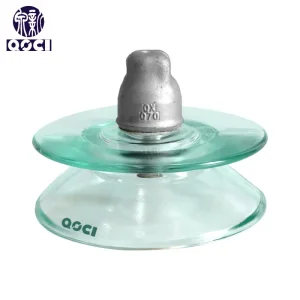
Absolutely. We offer Anti-Pollution and Double-Shed profiles that provide extended creepage distances specifically designed for high-salinity environments.
As Australia targets Net Zero emissions, the grid must become smarter. Our future roadmap includes the integration of IoT-enabled sensors within insulator strings to monitor leakage current in real-time, allowing Australian utilities to move from reactive to predictive maintenance. We are committed to supporting Australia's green energy construction with dedication and world-class innovation.