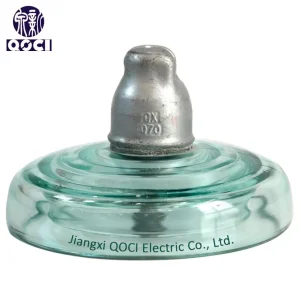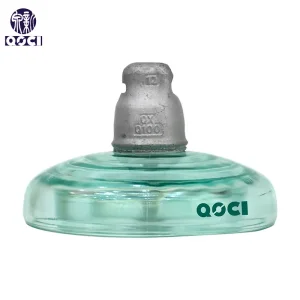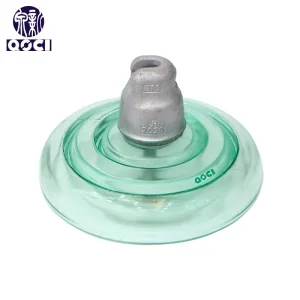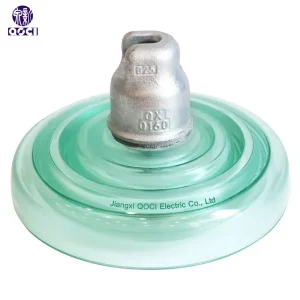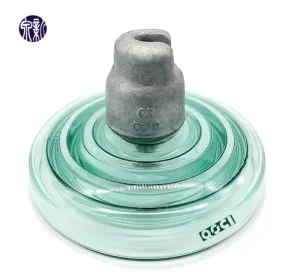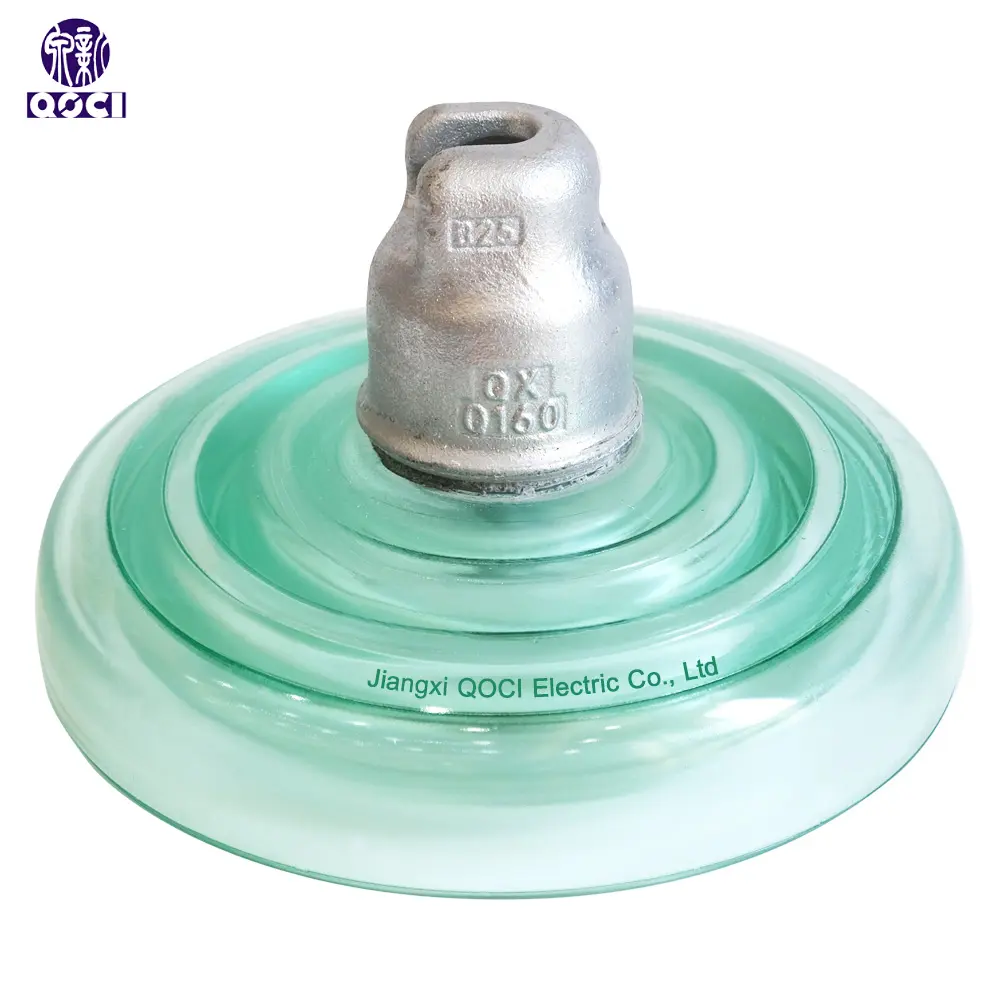
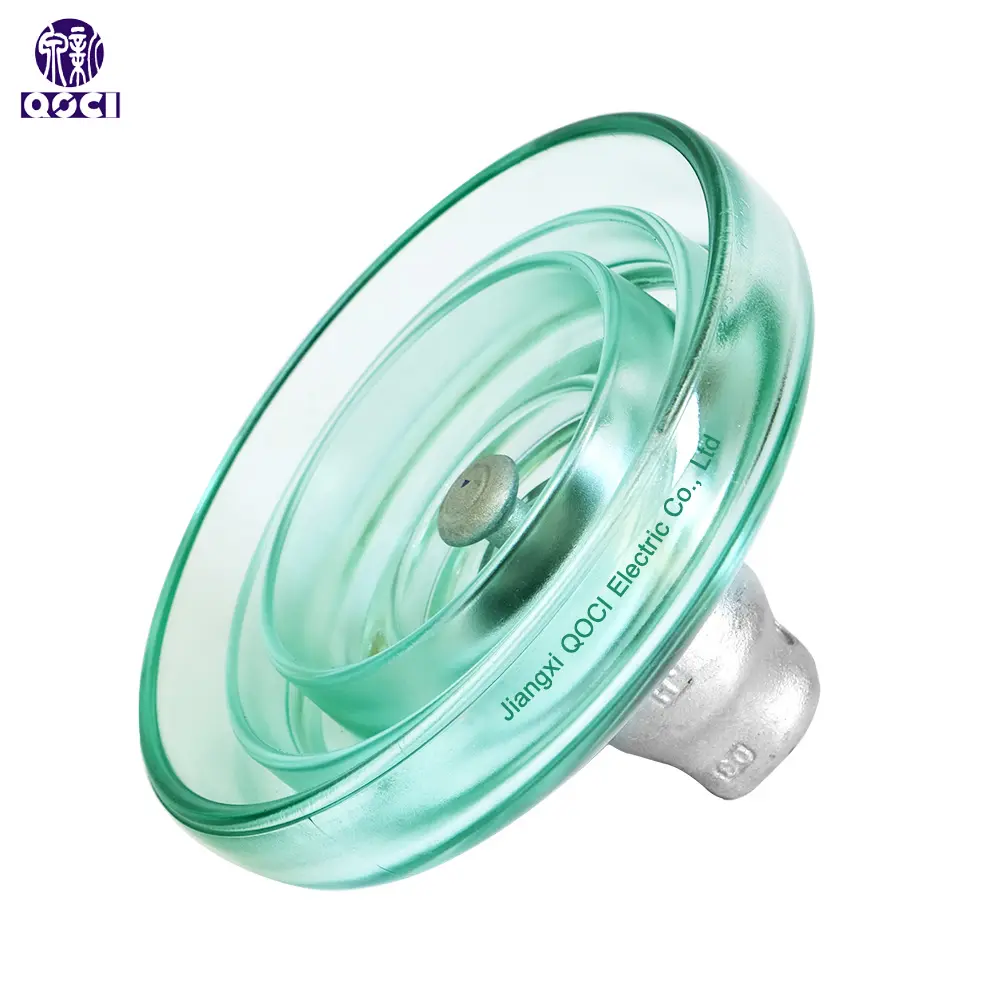
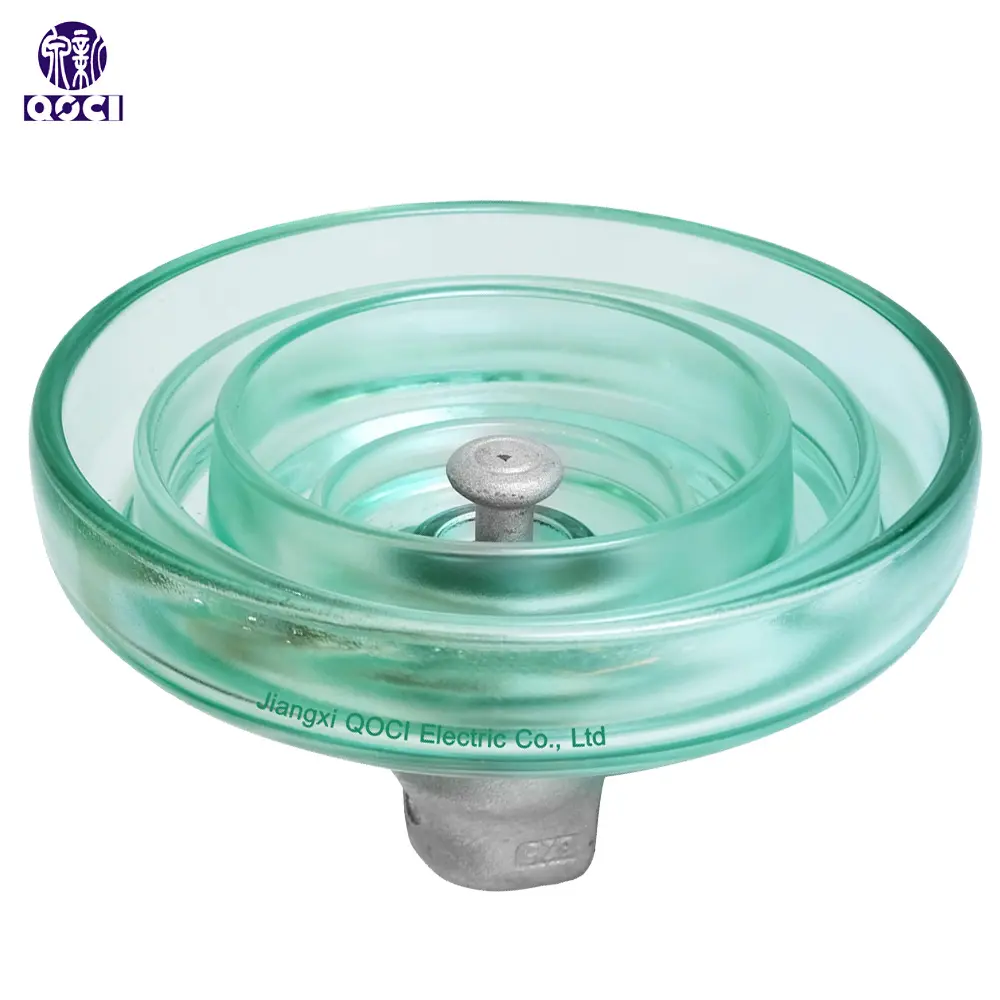
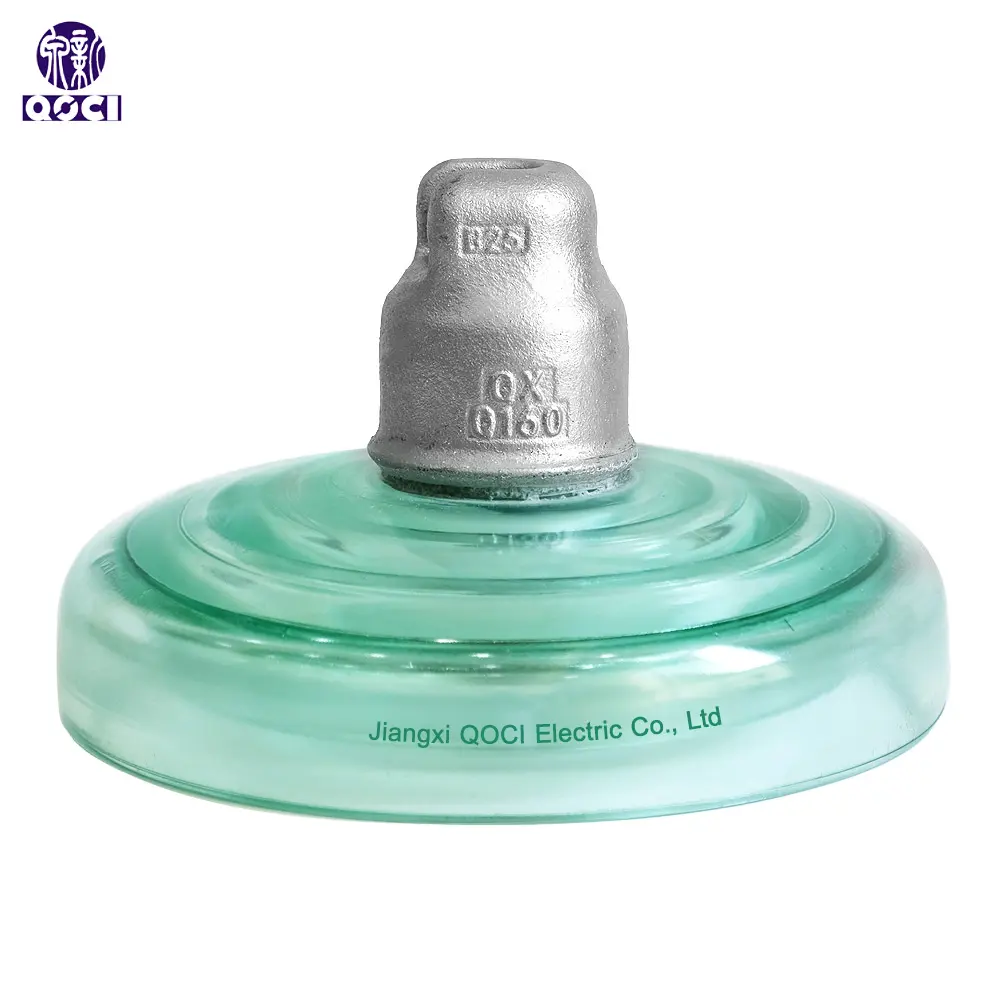
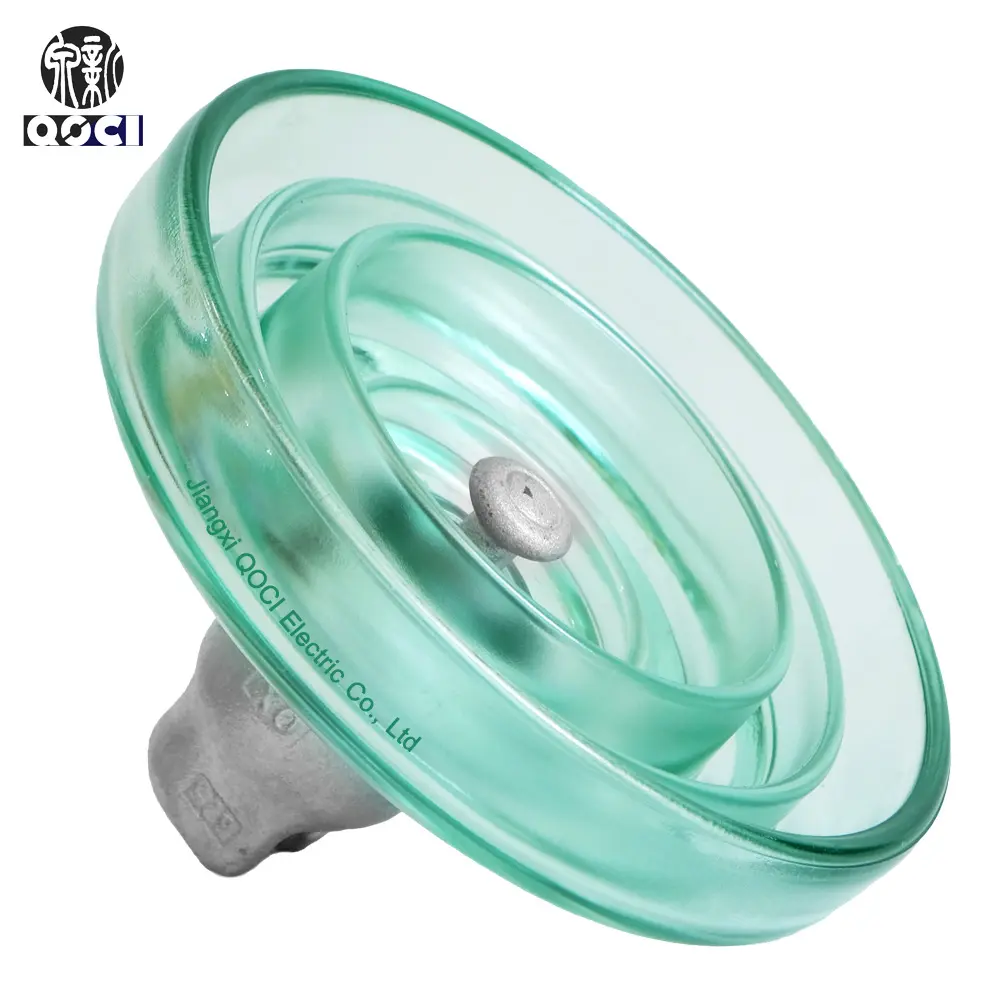

Wholesale HV glass suspension insulator U160BLP Manufacturers, Factories

High Voltage Line Toughened Glass Suspension Insulator 120 kN Anti-Pollution IEC Standard Isolators Toughened Glass Disc

Product Description

Product Information

u160.jpg

Model Specification: U160BLP

  • U - Refers To Disc Suspension Insulator
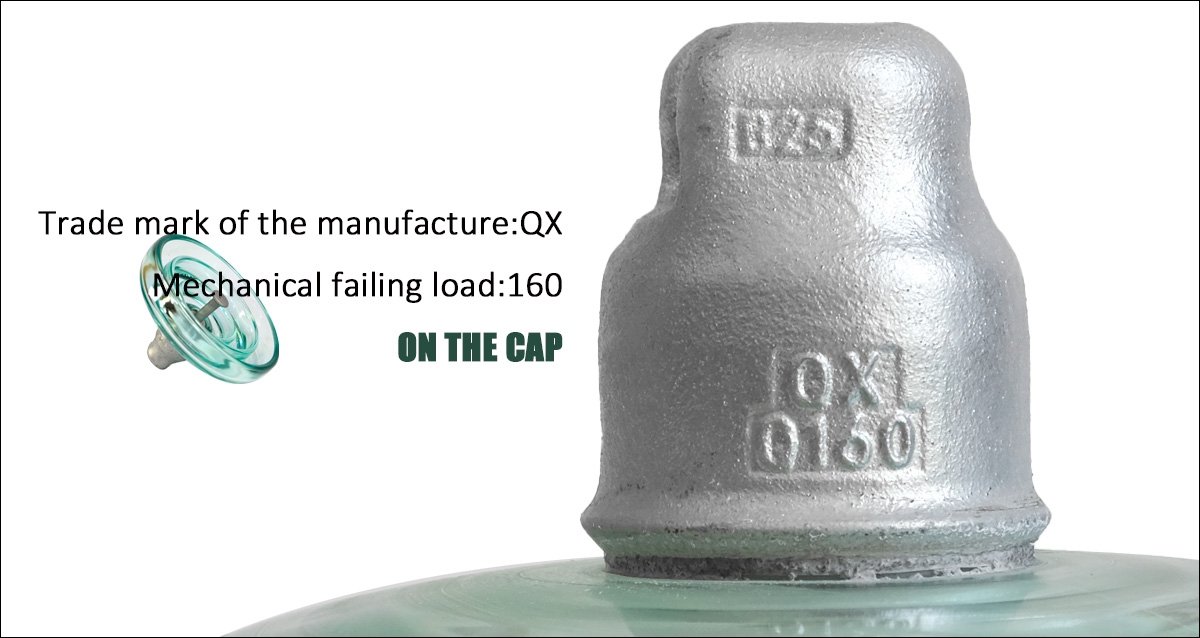
  • 160 - Indicates a rated Mechanical failing load of 160kN
  • B - For Ball And Socket Type
  • L - For Long steel feet
  • P - For Anti-Pollution type glass Insulator
  • Disc Diameters: 320mm (alternative diameters of 280mm also available).
  • Structure Height: 170mm (alternative spacing of 146mm or 155mm also available).
  • Creepage Distance: 550mm (alternative creepage distances of 450mm also available).
  • Profile Type: Anti-Pollution Profile Toughened Suspension Type.
  • Rated Mechanical Load: 160kN (approximately 16 tons).
  • Application: Widely applicable as insulation support for medium and high voltage transmission lines and substation equipment, capable of stable operation under various climatic conditions.
Standard Specifications & Requirements:
• The product model is in accordance with IEC60383-1:1993, MOD / GB/T1001.1.
• The connection structure is in accordance with GB/T4056-2008 (IEC60120:1984, MOD) and BS 3288 part III.
• According to customer requirements, the locking pin can be either W-pin or R-pin. If there is no special instruction, a W-pin is used for U160BP.

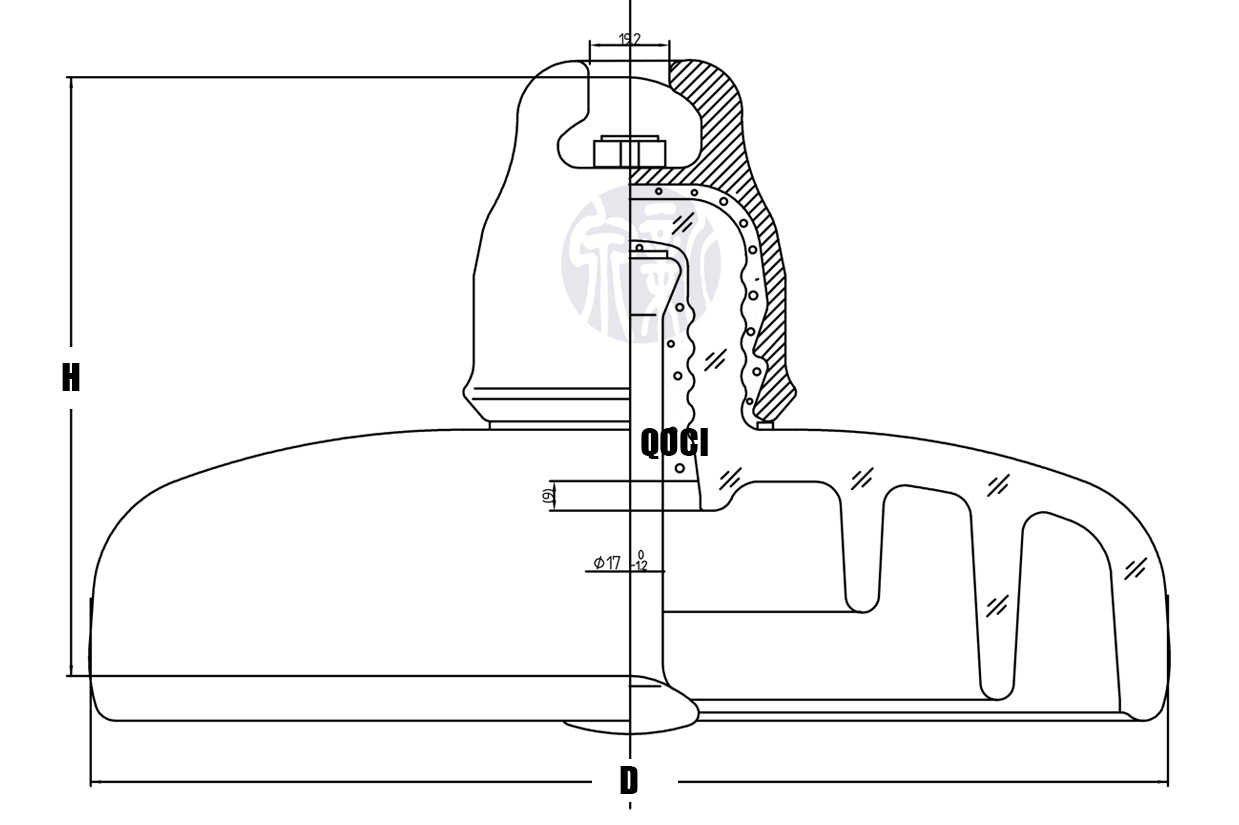
Product Drawing

Product drawing

Product Parameters

Domestic Designation U160BMP U160BMP1 U160BSP U160BLP U160BLP1
Model Type UG160B155/450H UG160B170/450H UG160B146/550H UG160B170/550H UG160B155/550H
Mechanical failing load kN 160 160 160 160 160
Nominal Diameter D mm 280 280 320 320 320
Nominal Spacing P mm 155 170 146 170 155
Creepage distance L mm 450 450 550 550 550
Socket coupling mm 20 20 20 20 20
Wet power frequency withstand voltage kv 50 50 55 55 55
Dry lightning impulse withstand voltage kv 125 125 140 140 140
Power frequency puncture voltage kv 130 130 130 130 130
Radio interference voltage (10kV 1MHz) μv 50 50 50 50 50
Corona visual test P/C kv 18/22 18/22 18/22 18/22 18/22
Power frequency electric arc voltage ka 0.12S/20kA 0.12S/20kA 0.12S/20kA 0.12S/20kA 0.12S/20kA
Impulse puncture voltage P.U 2.8 2.8 2.8 2.8 2.8
Net weight per unit kg 7.1 7.2 9.4 9.6 9.5

Suspension Insulator Components

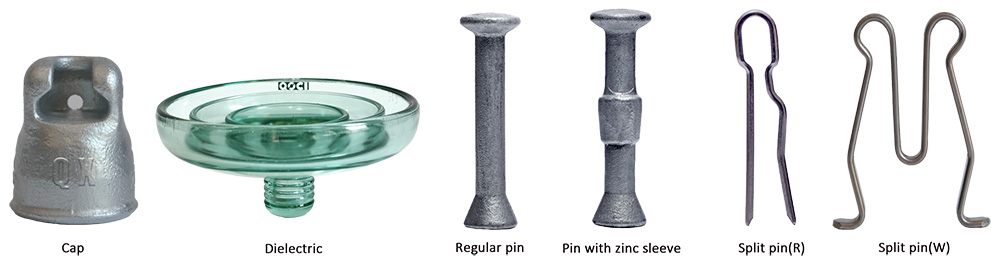
Suspension insulator components

Suspension insulators consist of the following elements:

  • Dielectric: Made of toughened glass with specific properties and shape adapted for environmental operating conditions.
  • Cap: Made of hot-dip galvanized nodular or ductile malleable cast iron.
  • Pin: Made of hot-dip galvanized forged steel.
  • Assembly: The cap and pin are assembled on the glass piece using premium aluminous cement to withstand thermomechanical stress.
  • Locking Device: Includes a stainless steel or phosphor bronze split pin locking device to secure the coupling of units.
  • Corrosion Protection: Pin can be protected using a zinc sleeve (sacrificial anode) upon request. This is strongly recommended for heavy pollution environments.

Glass Insulator Shell Cross-Section

Under long-term electrical stress, contaminants can trigger local arcs, leading to insulator surface carbonization (electrocorrosion). Adequate creepage distance disperses the strength of the electric field, reduces the risk of local discharge, and extends service life.
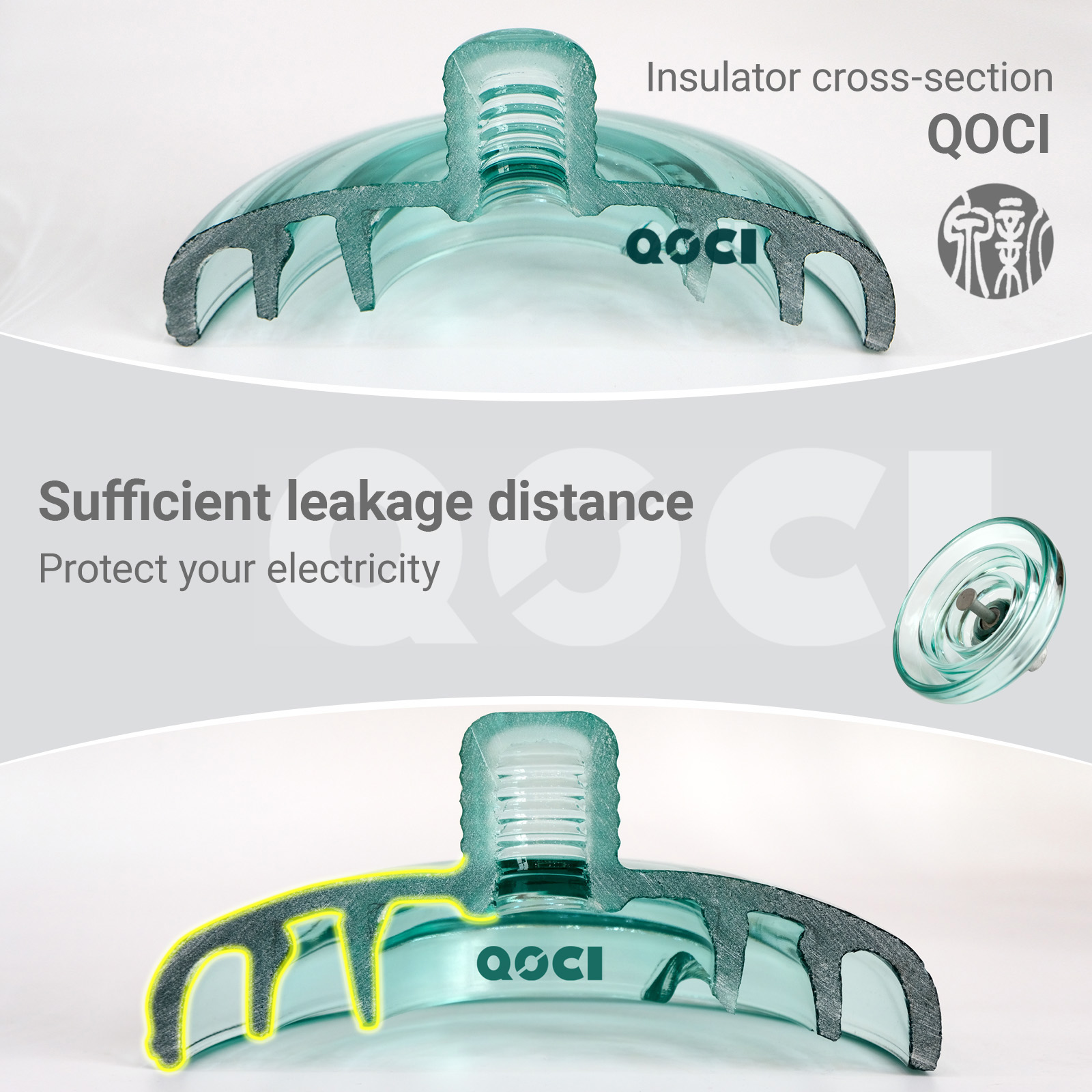
Cross-section diagram

Product Display

u160 glass insulator-3
IMG_20250522_100312
u160 glass insulator-4

Frequently Asked Questions

What does the designation code "U160BLP" represent?
The code represents specific properties: U stands for Disc Suspension Insulator, 160 indicates a rated mechanical failing load of 160kN, B is for Ball and Socket type, L indicates long steel feet, and P stands for the anti-pollution type glass insulator.
What standards do these glass suspension insulators follow?
The product model is designed in accordance with standard IEC60383-1:1993, MOD / GB/T1001.1. The connection structure complies with GB/T4056-2008 (IEC60120:1984, MOD) and BS 3288 part III.
What locking pins are used for the units?
Depending on your requirements, either a W-pin or R-pin can be supplied. Unless specified otherwise, a standard W-pin is used for the U160BP model.
Why is creepage distance critical for these insulators?
Under long-term electrical stress and environmental contamination, local arcs can cause surface carbonization (electrocorrosion). An adequate creepage distance disperses the electric field strength, significantly lowering the risk of local discharge and prolonging the insulator's operating life.
What materials are used for the main components?
The dielectric is toughened glass, the cap is hot-dip galvanized nodular or ductile malleable cast iron, and the pin is hot-dip galvanized forged steel. High-strength aluminous cement is used for assembly, and a stainless steel or bronze split pin secures the coupling.
Is there a corrosion prevention option for highly polluted environments?
Yes. A sacrificial zinc sleeve (anode) can be applied to protect the steel pin. This sleeve is strongly recommended for transmission lines located in areas with high environmental pollution.

Related Products