
Engineered for high mechanical load margins and exceptional impulse flashover performance under marine ambient salinity.
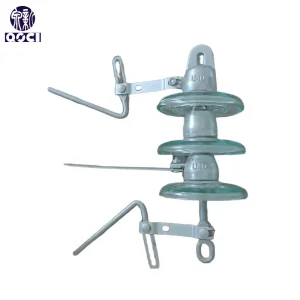
Optimized 3-insulator string assembly config providing reliable grounding paths for HV shield wires.
Explore Specifications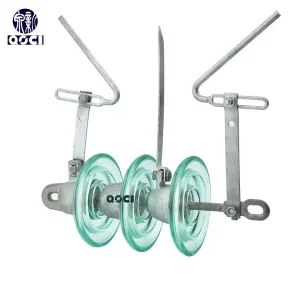
High tensile toughness profile designed to support heavy earth wires and composite OPGW structures.
Explore Specifications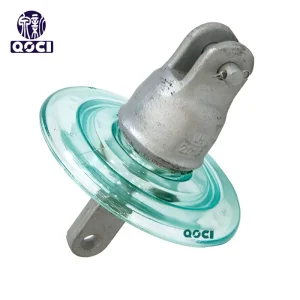
Standard suspension type for reliable distribution grounding networks facing Atlantic salt winds.
Explore Specifications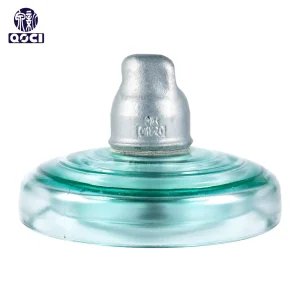
Engineered with dense fog profile paths (146/320/550 mm parameters) for extreme marine mist.
Explore SpecificationsPortugal is aggressively steering its national energy infrastructure towards complete decarbonization. As a focal link in the Iberian electricity system, Lisbon's metropolitan distribution networks are witnessing intense modernization. Operating high-voltage power corridors near the Tagus Estuary and along the rugged Atlantic shoreline introduces a distinct challenge: high relative humidity combined with dense marine salt spray deposition.
Overhead transmission systems managed by network operators require grounding assemblies and shield wire insulators that can withstand both extreme mechanical loads from maritime wind patterns and severe electrochemical stress. The ground-wires type toughened glass insulators serve a dual imperative: ensuring uninterrupted low-resistance grounding paths during atmospheric discharge phenomena and isolating the secondary current loops against high-voltage step-voltages.
Transitioning from traditional shield wires to multi-functional smart ground pathways requires advanced insulation diagnostics.
Optical Ground Wires (OPGW) integrate communication fibers into the shield wires. Our glass insulator strings (e.g., CTV254 and U160BLP) provide high mechanical safety margins, mitigating risks of structural failure which can damage valuable fiber optic backbones serving Portugal's internet routing hubs.
For coastal substations near Lisbon Port, we recommend applying factory-cured Room Temperature Vulcanized (RTV) silicone coatings on high-performance toughened glass. This mitigates leakage currents under heavy mist, eliminating the high cost of periodic live-line washing procedures.
Integration of dynamic line rating sensors requires insulators that maintain stable electrostatic behavior under variable currents. Continuous laboratory research ensures our caps, pins, and dielectric glass maintain insulation resistance above 100 GΩ even under thermal shocks.
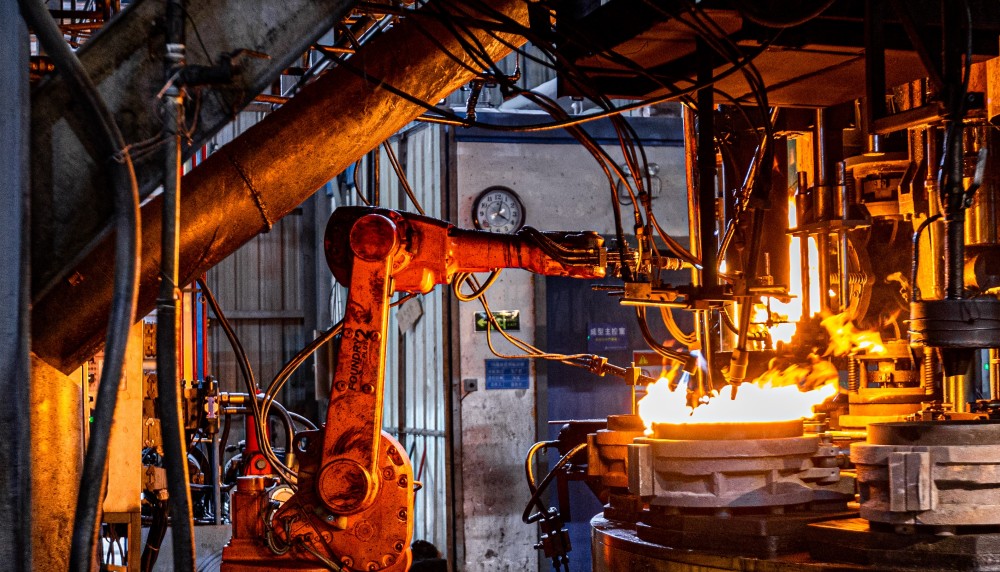
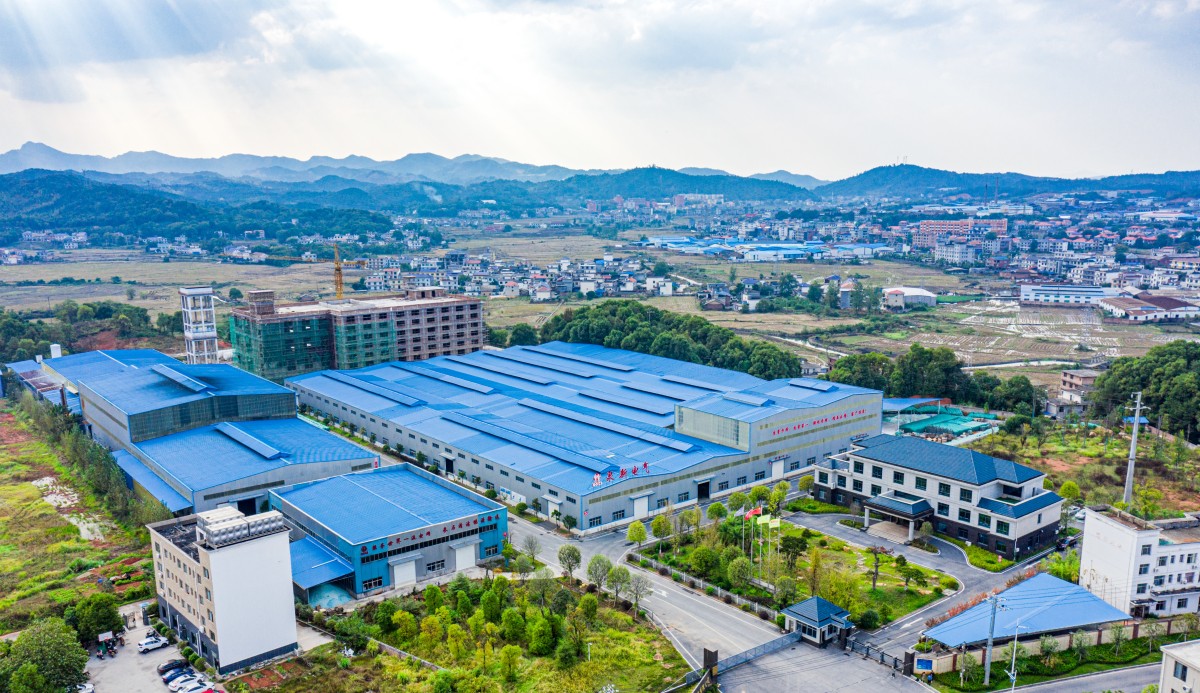
 Jiangxi QOCI Electric Co. Ltd was founded in Dec. 2002, with registered capital of 580 million Yuan, leading the global industry in automated glass molding.
Operating from our modern production facility in Pingxiang, Jiangxi Province, Jiangxi QOCI Electric Co., Ltd represents the peak of high-voltage transmission insulator manufacturing. Utilizing state-of-the-art fully oxygen-fueled glass melting furnaces (Total Oxygen Kilns), we achieve high thermal homogeneity during glass formulation. This process eliminates impurities and guarantees a zero-defect rate in the structural matrix of our toughened glass.
Our automation processes encompass forming presses, computerized hot-to-cold thermal shock cycles, and high-voltage electrical testing lines. Because our processes are vertically integrated from raw materials to finished packaging, we offer Lisbon utility buyers and international contractors significant cost-efficiency, technical compliance, and reliable lead times.
Every single disk is subjected to structural stress inspections and electrical puncture testing under steep-front wave impulses. This strict testing process assures grid engineers that the insulators will not undergo mechanical separation or electric breakdowns when installed on high-voltage spans.
A reference table outlining key design parameters to support network design calculations for Lisbon's climate demands.
| Profile Class | Standard Mechanical Load (kN) | Creepage Distance (mm) | Suitable Environment | Lisbon Infrastructure Reference Application |
|---|---|---|---|---|
| Standard Profile | 70 - 160 kN | 290 - 450 mm | Inland, Mild Climate | Inland Tagus River basin transmission grounding. |
| Anti-Fog Profile | 70 - 210 kN | 320 - 550 mm | Heavy Coastal Fog, Estuary Mist | Lisbon Port and shoreline overhead shield wires. |
| Open Profile | 70 - 160 kN | 300 - 400 mm | Dry, Sandy, Windy Zones | Agricultural perimeter pathways with high particulate matter. |
| Silicone Coated (RTV) | 120 - 210 kN | Equivalent + Hydrophobicity | Extreme Industrial / Saline Zones | Tagus Estuary industrial parks and petrochemical complexes. |
Full-spectrum IEC compliance spanning standard, anti-pollution, aerodynamic, double, and triple-shed profiles.
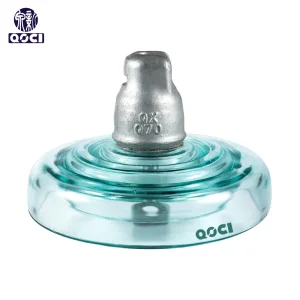
High performance anti-pollution characteristics designed for medium-voltage Lisbon distribution networks.
Request Technical Drawing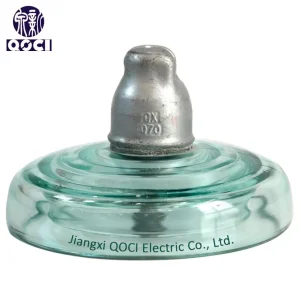
High mechanical rating of 160kN to secure main 220kV transmission runs feeding Lisbon's smart grid.
Request Technical Drawing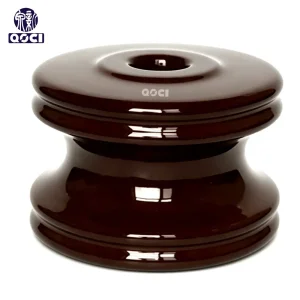
Meets North American and European standard parameters for shackle secondary distribution mounts.
Request Technical Drawing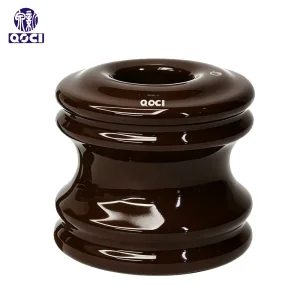
High electrical stability, design flexibility, and mechanical endurance for local secondary grids.
Request Technical Drawing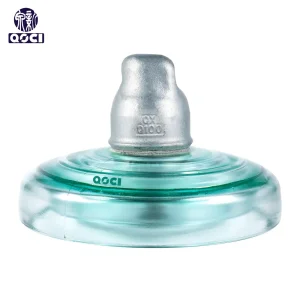
Optimized spacing & configuration profiles to secure transmission infrastructure under foggy marine climates.
Request Technical Drawing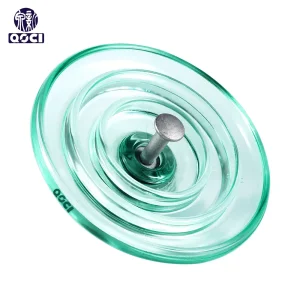
High mechanical rating, double-shed capability, optimized cap and pin geometry.
Request Technical Drawing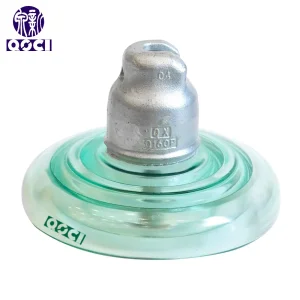
Specifically tuned to support main voltage phases along complex suburban Lisbon pathways.
Request Technical Drawing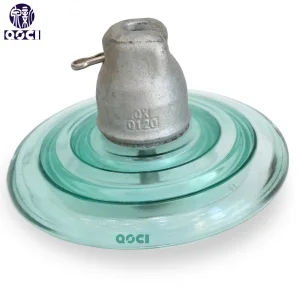
Matches standard European IEC specifications for grid reliability and structural endurance.
Request Technical Drawing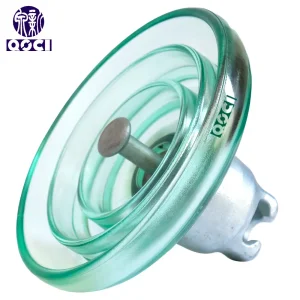
Designed for major 400kV transmission grid corridors interlinking Lisbon and northern Spain.
Request Technical Drawing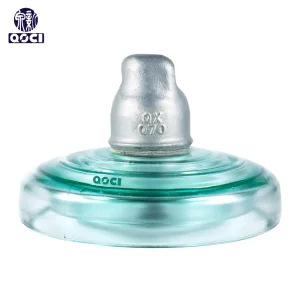
High creepage-to-spacing ratio to prevent salt-fog flashovers in Lisbon's heavy estuary zones.
Request Technical Drawing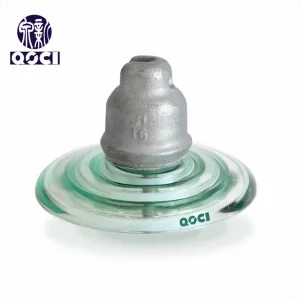
Optimized for future HVDC interconnectors linking renewable wind clusters directly to Lisbon.
Request Technical Drawing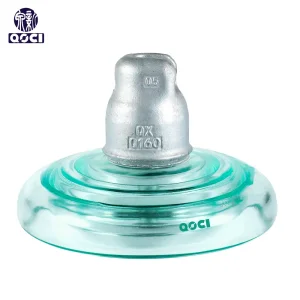
Superior dielectric and mechanical properties engineered to guarantee system life exceeding 40 years.
Request Technical DrawingAny insulator deployed inside the Portuguese transmission network must satisfy strict regulatory compliance requirements set forth by REN (Redes Energéticas Nacionais) and the European Network of Transmission System Operators for Electricity (ENTSO-E). Our factory processes ensure that every line element aligns with CENELEC EN standards and international IEC guidelines.
Key compliance areas include:
We work closely with local engineering consultants in Lisbon to deliver certified test reports from accredited third-party laboratories (including KEMA and CESI), ensuring seamless project approvals.
We provide comprehensive service configurations for key projects across Lisbon and Portugal:
Providing specialized system configurations to support engineering procurement contracts (EPC) across Europe.
Substation termination structures represent critical assets. Using our high-tension ground-wire glass insulators limits the amplitude of incoming traveling waves caused by direct lightning strikes, preventing system failures at substation switchyards.
As Portugal expands its renewable wind energy footprint, high-voltage direct current lines are being implemented. Our specialized HVDC glass insulator line products (like the U40B) prevent ion migration and thermal degradation under continuous DC stresses.
Deploying glass structures with optimized RTV silicone coatings along coastal cliffs ensures hydrophobic properties. This design prevents water accumulation, reducing the risks of dry-band arcing and keeping leakage currents below threshold limits.
In-depth engineering answers addressing installation, standards compliance, and supply capabilities for Portugal.
Partner with Jiangxi QOCI Electric to implement stable, long-lasting high-voltage grounding systems customized for Lisbon's specific environment.
Send Inquiry Now