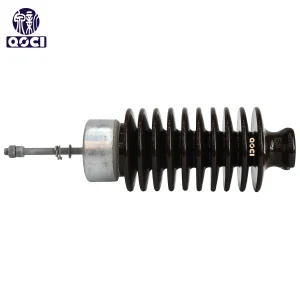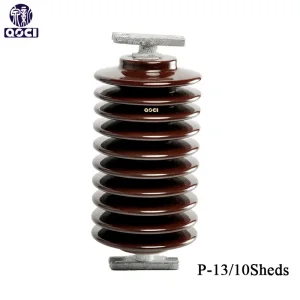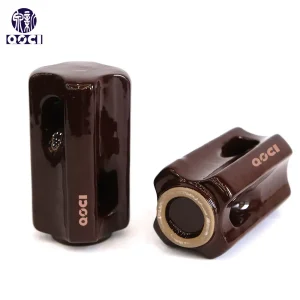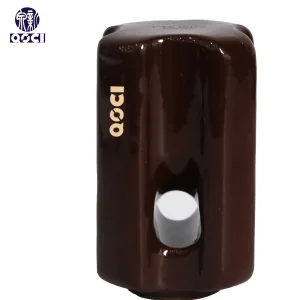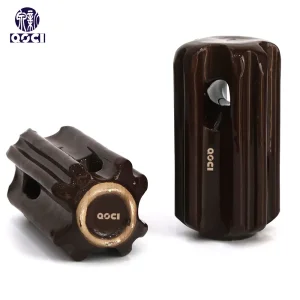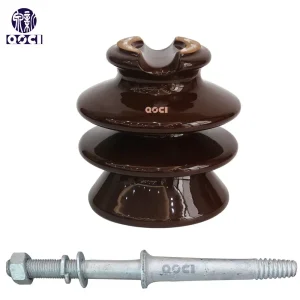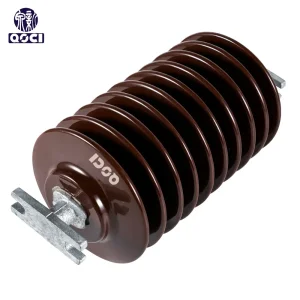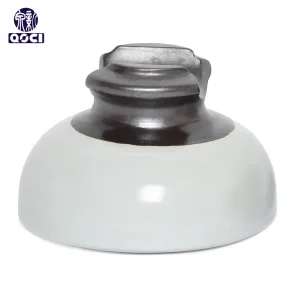
Premium grade porcelain line post and pin type insulators precision-engineered to meet stringent European standard DS/EN 50341 and global ANSI requirements.
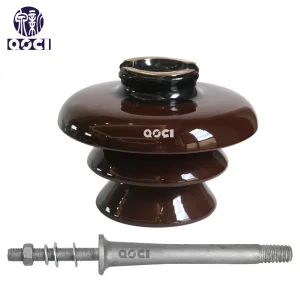
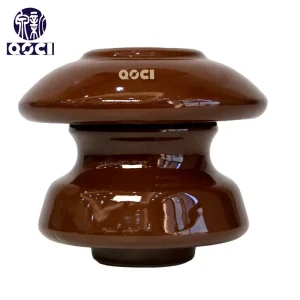
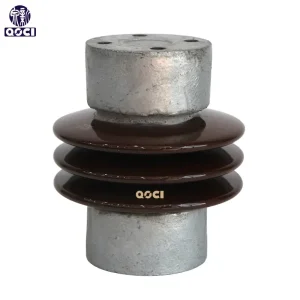
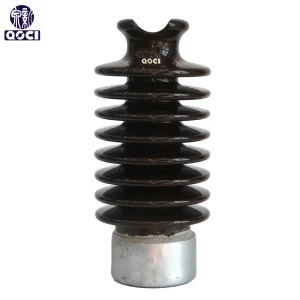
Denmark is internationally recognized as a pioneer in wind energy and green electricity grids. The national grid operator, Energinet, continuously upgrades the overhead line infrastructure to facilitate the transmission of high volumes of renewable offshore wind power. This demanding operational paradigm requires state-of-the-art porcelain and glass insulation technologies capable of managing variable wind loading, extreme mechanical shear, and severe maritime saline corrosion.
Overhead transmission systems running through coastal areas of Jutland and Funen face unique atmospheric challenges. The Baltic and North Sea winds carry fine salt spray that settles on insulator sheds, leading to leakage currents and flashover hazards. High-tensile strength wet-process porcelain and silicone-coated insulating systems represent the gold standard in preventing grid faults under these dynamic coastal meteorological conditions.
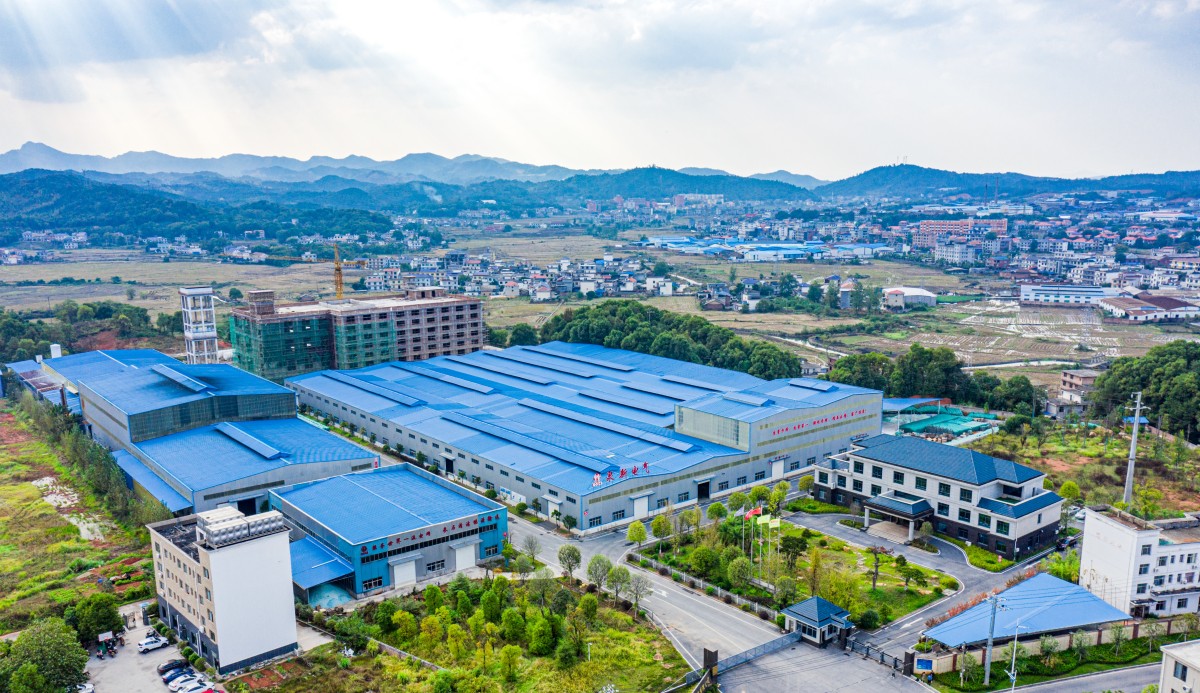
Founded in December 2002 with a registered capital of 508 million Yuan, Jiangxi QOCI Electric Co., Ltd. has developed into a premier global powerhouse in high-strength insulation technology. Spanning over 70,000 m² in Luxi County, Pingxiang—the heart of China's electrical porcelain industry—we produce both high-strength toughened glass insulators and wet-process high-voltage porcelain insulators.
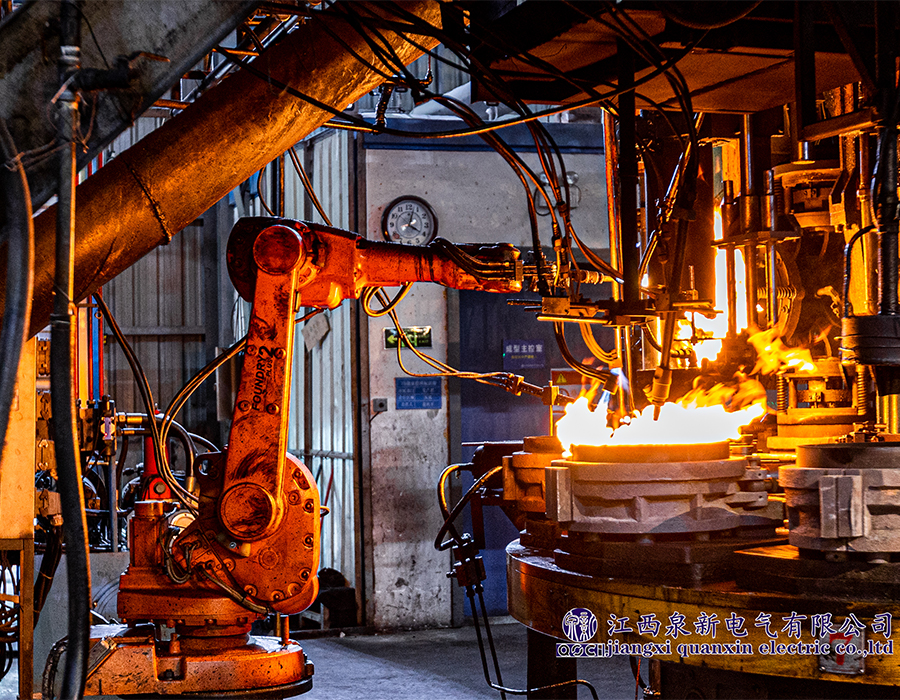
By using total oxygen firing kilns and optimized production raw materials, our facility secures uniform thermal distribution, resulting in exceptional dielectric performance. This allows Denmark utility providers and electrical distributors to access high-quality products with shorter shipping cycles and highly competitive pricing structures.
Plant Area (m²)
Annual Output (Tons)
R&D Engineers
Invention & Utility Patents
Our comprehensive selection of insulator designs guarantees optimal mechanical and electrical reliability under varied atmospheric burdens.
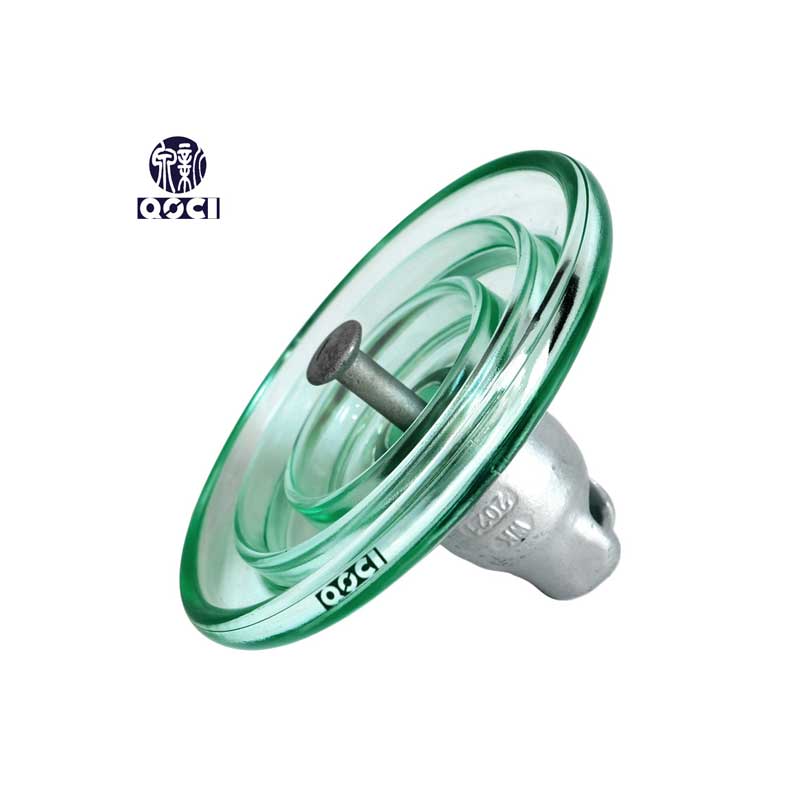
Designed with shallow, well-spaced ribs. These insulators optimize wind and rain self-cleaning. Ideal for low-pollution inland corridors.
Inquire Standard Profile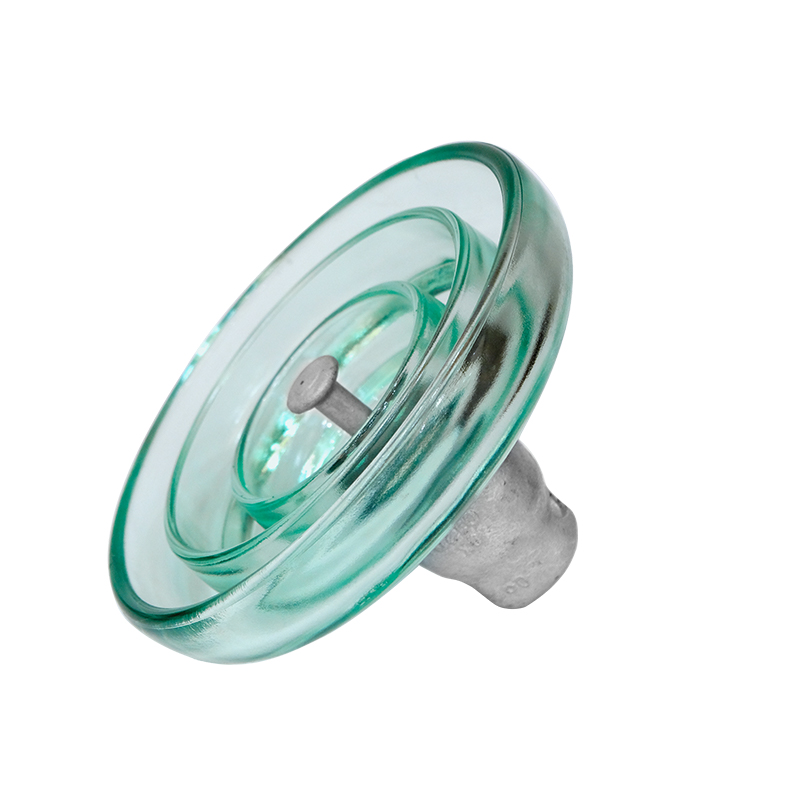
Features deep, widely spaced under-ribs to prevent arc bridging under heavy marine fog and high-saline coastal conditions.
Inquire Anti-Fog Profile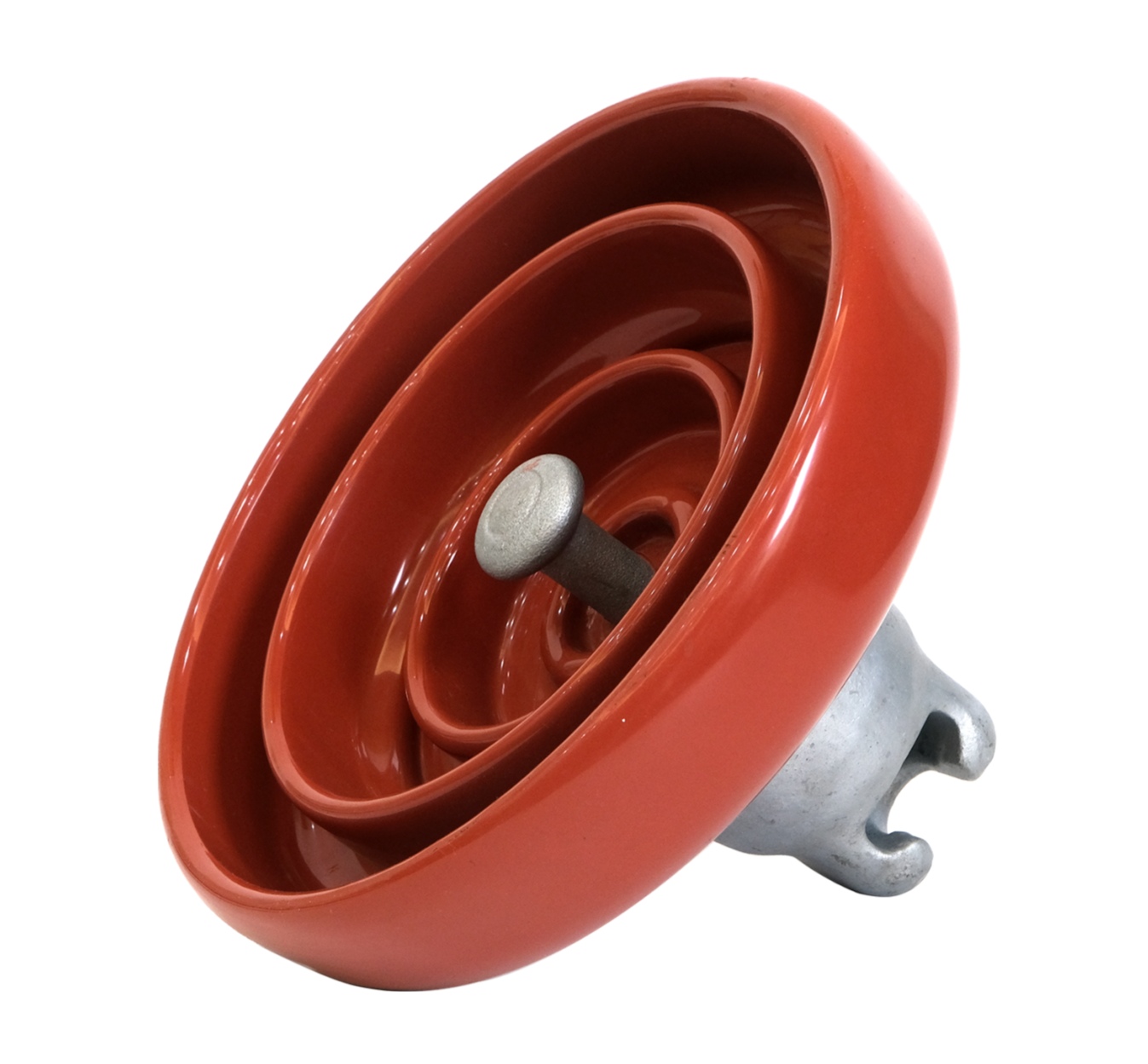
Utilizes vulcanized silicone layer on glass/porcelain substrate, ensuring hydrophobic properties to lower maintenance expenses.
Inquire RTV TechnologyUnderstanding critical engineering and material considerations when source-selecting electrical insulation for major grid projects.
Creepage distance is the shortest path along the surface of an insulating material between two conductive parts. For coastal Denmark regions, designing overhead lines with high creepage values (minimum 31 mm/kV or Class IV-V pollution level) is critical to protect lines from flashover risks under salt mist and industrial dust build-ups.
QOCI utilizes high-grade alumina porcelain formulations (IEC C-120/C-130 classification). High alumina composition dramatically enhances the mechanical cantilever strength, torsional rigidity, and thermal shock resistance. This is vastly superior to standard silica-based clay formulations which display higher failure rates under freezing temperatures.
Unlike composite (silicone rubber) insulators that suffer from UV degradation, tracking, and structural erosion over 15-20 years, premium fired porcelain offers a service life exceeding 50 years. This aligns perfectly with Denmark’s long-term grid sustainability targets and asset lifecycle optimization strategies.
High-reliability ceramic solutions optimized for low-to-medium voltage systems, ensuring distribution safety across regional substations and power masts.
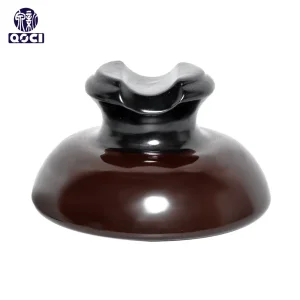
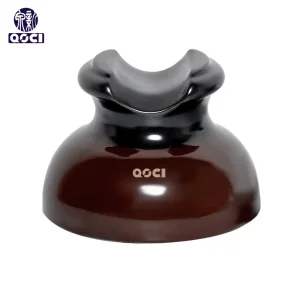
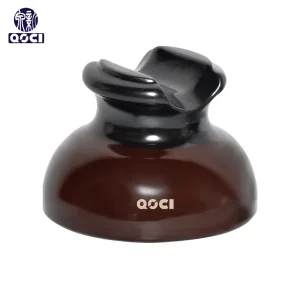
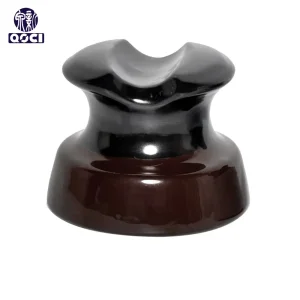
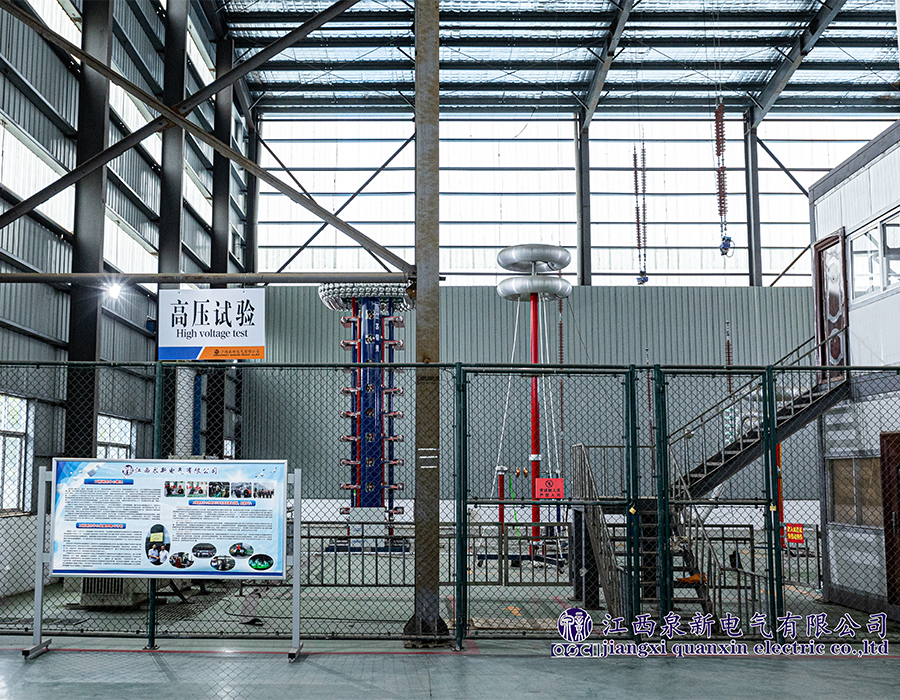
Every porcelain insulator leaving our factory is subject to rigorous electromechanical testing in compliance with IEC 60383 and ANSI standards. Our facility integrates state-of-the-art clay mixing machines, hydraulic presses, precision lathe profiling, and computer-controlled gas firing kilns.
Our test lab handles steep-front impulse voltage tests, thermal mechanical testing, water absorption analysis, and ultimate failing load calculations to guarantee flawless performance in cold environments like Denmark and Northern Europe.
Technical guidance and answers for power utility engineers and global procurement managers.
A: High alumina content increases overall mechanical tensile and bending strengths, preventing fractures under structural loads caused by extreme wind gusts and freezing ice buildup in Northern Europe.
A: All metal fittings (spindles, pins, caps, and pins) are hot-dip galvanized according to EN ISO 1461/ASTM A153. This ensures long-term protection against salty marine air in Denmark's coastal locations.
A: RTV silicone increases surface hydrophobicity. Moisture forms distinct droplets instead of continuous water films, drastically reducing leakage currents and avoiding flashovers in high pollution/coastal zones.
A: Each production batch undergoes rigorous routine mechanical test cycles. Type and sample tests (including steep-front wave impulse tests and thermal-mechanical performance tests) are certified by authorized third-party laboratories.
A: Standard orders are processed and manufactured within 30-45 days. Shipping transit time from China to key Danish ports like Aarhus or Copenhagen typically spans 30-35 days via established ocean freight lines.
Complete lineup of high-voltage transmission, stay, shackle, and distribution post insulators built to meet global grid standards.