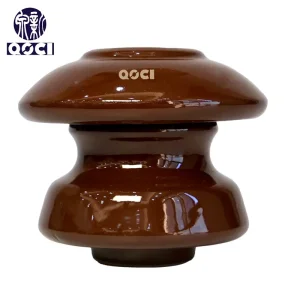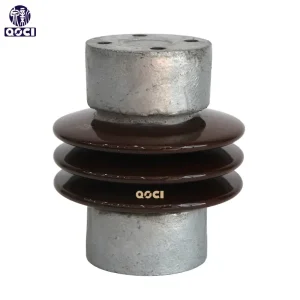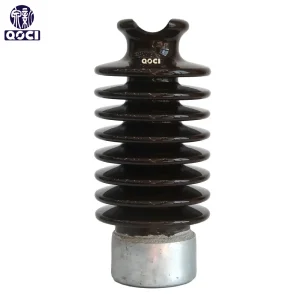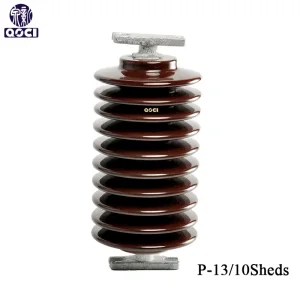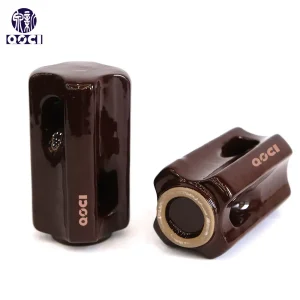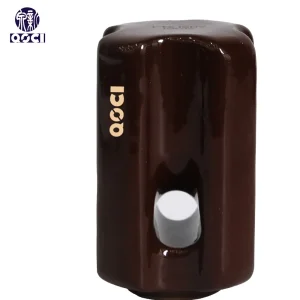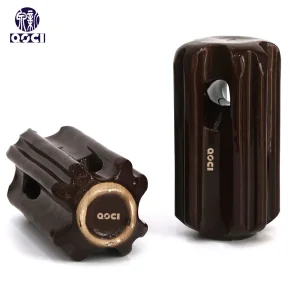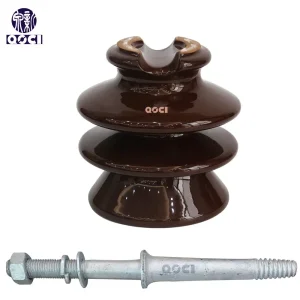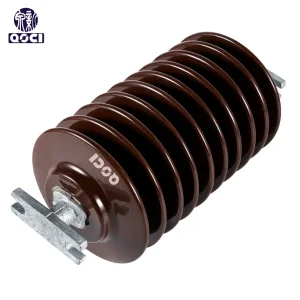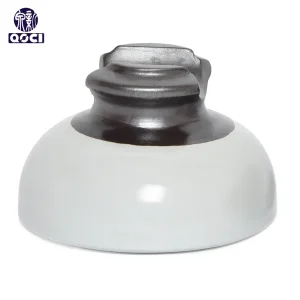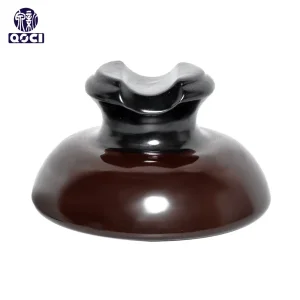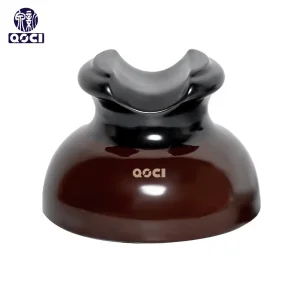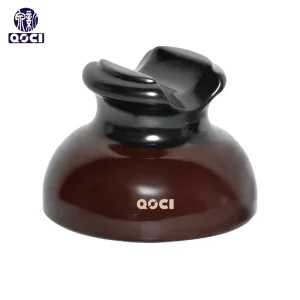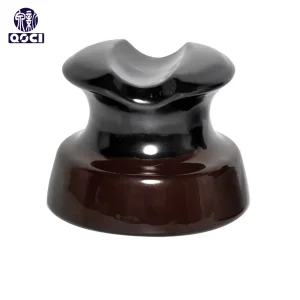
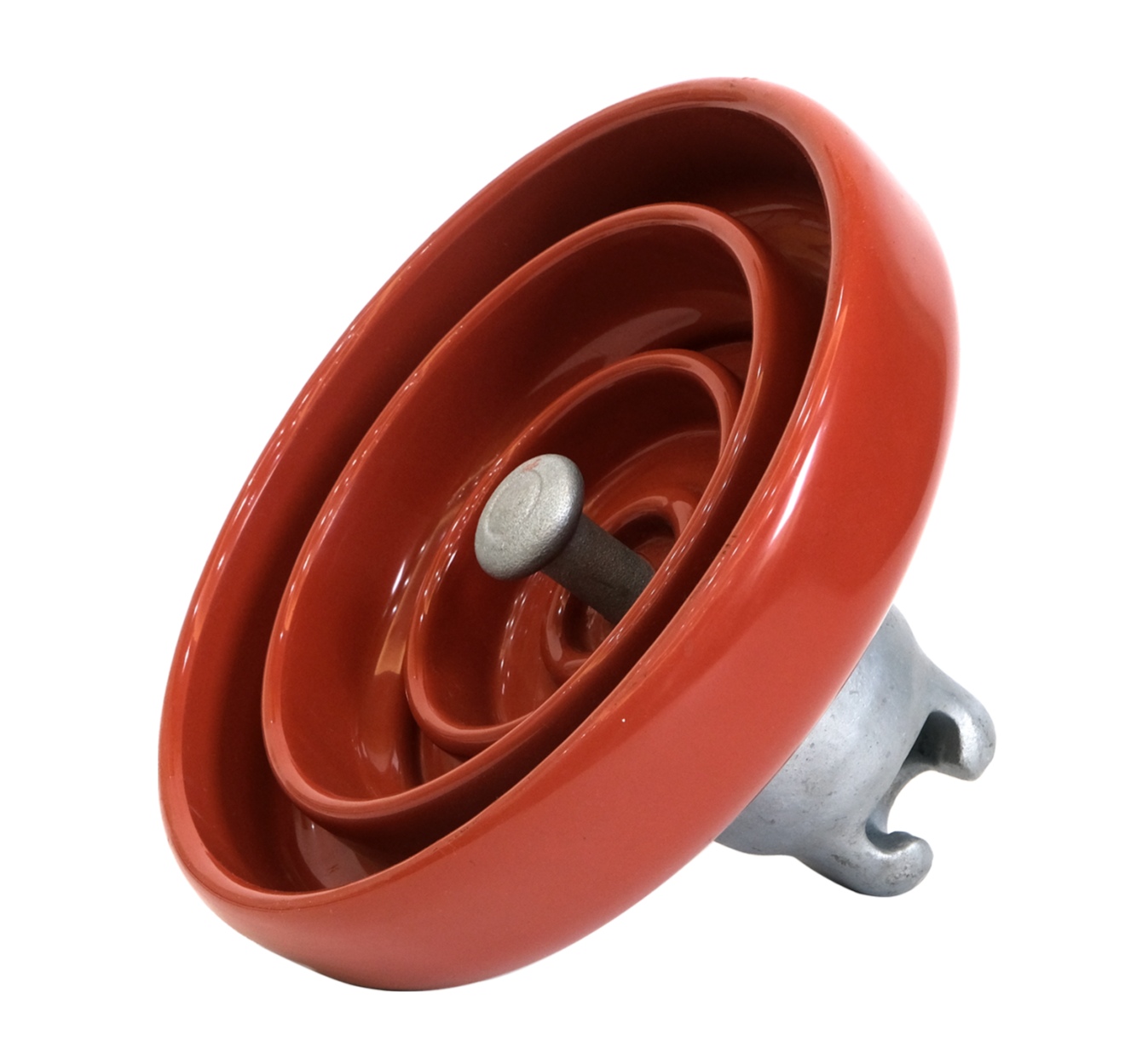
Standard and heavy-duty high-voltage porcelain insulators engineered for high dielectric strength and arid dust endurance.
Mazar-i-Sharif, as the economic engine and main urban center of Balkh Province, occupies a paramount position in Northern Afghanistan’s energy corridor. Bordering Uzbekistan and Tajikistan, the region serves as the crucial terminus and transit zone for cross-border high-voltage transmission interconnectors (including 220kV and 500kV lines connecting Central Asian power pools to the Afghan national grid).
The climate in Mazar-i-Sharif is characterized by severe temperature swings (-10°C in winter to over +45°C in summer) paired with relentless wind-borne desert dust (known locally as the *120-day wind*). Microscopic sand particles build up fast on insulator sheds, requiring exceptional creepage distance, hydrophobic glazes, and anti-pollution profile geometry to stop dry-band arcing and flashover outages.
The Mazar-i-Sharif 500kV/220kV Substation network acts as a core step-down hub receiving electricity imported from Surkhan (Uzbekistan). Maintaining continuous operation requires high-alumina (C-130) electrical porcelain insulators engineered to withstand heavy mechanical tension, severe thermal shock, and high short-circuit impulse voltages without puncture or structural failure.
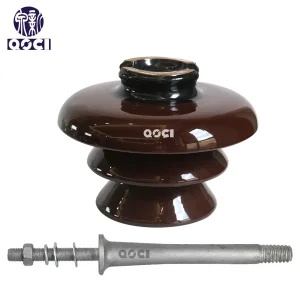
Overhead distribution networks across Balkh Province experience heavy mechanical stresses driven by intense gusting winds and thermal expansion of conductors. Porcelain pin, line post, and guy strain insulators must maintain cantilever ratings up to 12.5 kN and tensile strengths reaching 160 kN to safeguard line stability across rural and industrial sectors.
With decades of manufacturing heritage, Jiangxi QOCI Electric Co., Ltd. supplies high-voltage porcelain insulators across global transmission networks. Our state-of-the-art facilities guarantee uncompromised structural density and electrical integrity for projects serving Mazar-i-Sharif.
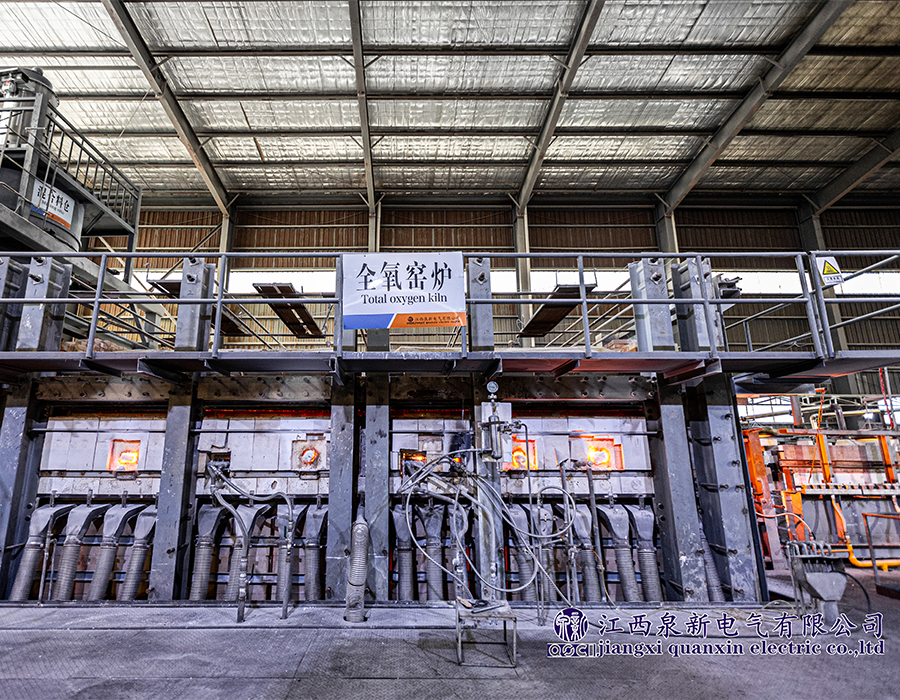
Our factory uses computerized Total Oxygen Tunnel Kilns, maintaining precision firing temperatures above 1,300°C. This eliminates internal micro-porosity within the alumina matrix, resulting in non-porous C-120 and C-130 wet-process porcelain body formulations. Every batch destined for Mazar-i-Sharif undergoes strict routine tests, including thermal-mechanical performance testing, steep-front impulse flashover checks, ultrasonic internal defect scanning, and porosity verification under high pressure.
Why high-strength wet-process porcelain remains the preferred choice for heavy-dust, high-UV, and extreme temperature environments like Mazar-i-Sharif.
| Performance Metric | High-Alumina Wet Porcelain (QOCI) | Toughened Glass Insulators | Composite (Silicone Rubber) |
|---|---|---|---|
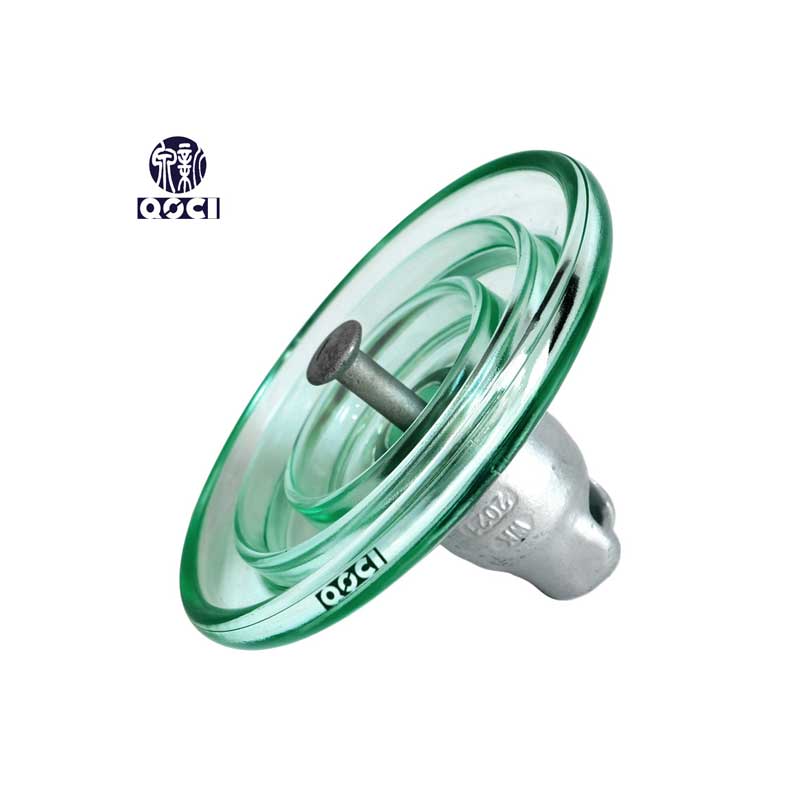
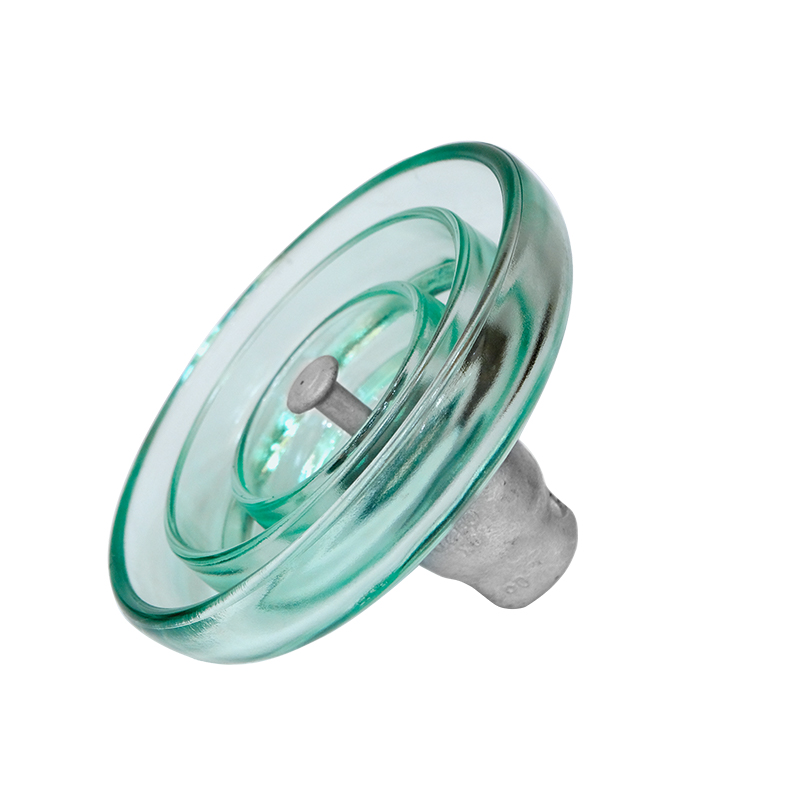
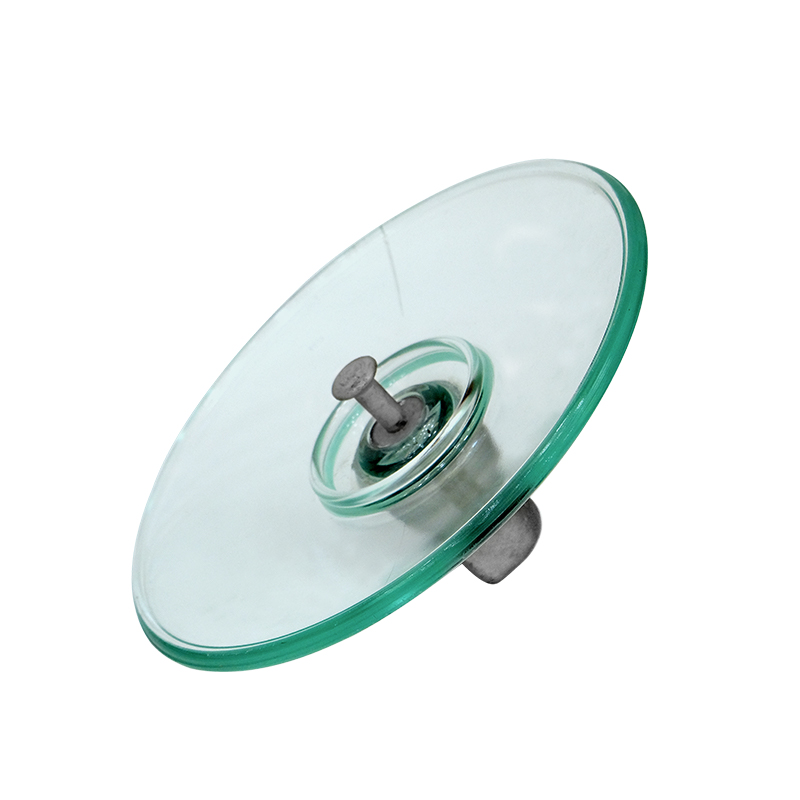
| Resistance to Sandstorm Erosion | Exceptional — Hard vitreous glaze withstands abrasive wind sand. | Moderate — Surface micro-pitting can occur over time. | Poor — Abrasive sand strips silicone housing hydrophobic layers. |
| UV Degradation & Aging | Zero Aging — Inorganic ceramic inert to intense solar radiation. | Zero Aging — Highly resistant to sunlight. | Susceptible — Organic polymers degrade under high solar UV radiation. |
| Thermal Shock Tolerance (-20°C to +50°C) | High — Formulated for low coefficient of thermal expansion. | High — Self-shattering risk if micro-cracks form. | Moderate — Interface shear stress under thermal cycles. |
| Operational Lifespan | 50+ Years — Longest proven track record in global power grids. | 40+ Years | 15 - 25 Years — Shorter life cycle requiring frequent replacements. |
| Resistance to Arcing & Vandalism | Superior — Resists power arcs; high mechanical core hardness. | Shatters under impact for easy fault detection. | Prone to rod damage if sheath is punctured. |
Meeting the demands of next-generation 220kV/500kV substations and urban overhead networks in Mazar-i-Sharif.
For sub-stations located in dust-heavy zones surrounding Mazar-i-Sharif, QOCI supplies porcelain post insulators pre-factory coated with Room Temperature Vulcanizing (RTV) silicone. This creates a surface hydrophobic dynamic that prevents water-beading continuous paths, virtually eliminating flashovers during rare damp mornings or dew events.
Standard under-rib shapes often trap fine desert dust. QOCI’s open aerodynamic shed profiles feature smooth, widely-spaced geometry that leverages natural wind patterns for continuous self-cleaning, preventing solid contaminant crust accumulation.
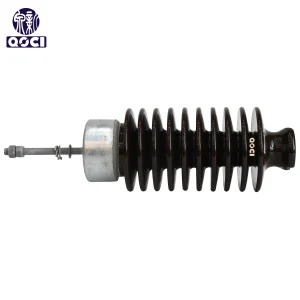
To support high-capacity busbars and heavy disconnect switches in Mazar-i-Sharif substations, our solid-core station post insulators utilize high-strength C-130 alumina bodies, guaranteeing high cantilever and torsional strength ratings under severe seismic or short-circuit dynamic forces.
Original application spectrums and production operations engineered to support international power utility requirements.
Our comprehensive portfolio covers low voltage, high voltage, extra-high voltage (EHV), and ultra-high voltage (UHV) AC and DC electrical transmission lines operating in severe desert, high-altitude, and heavy-pollution industrial corridors.
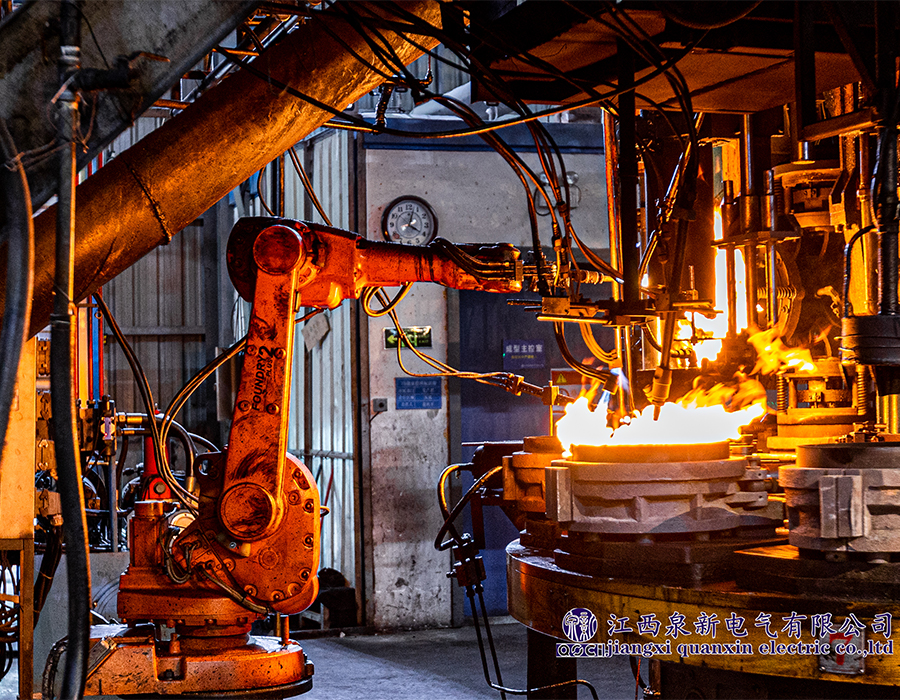
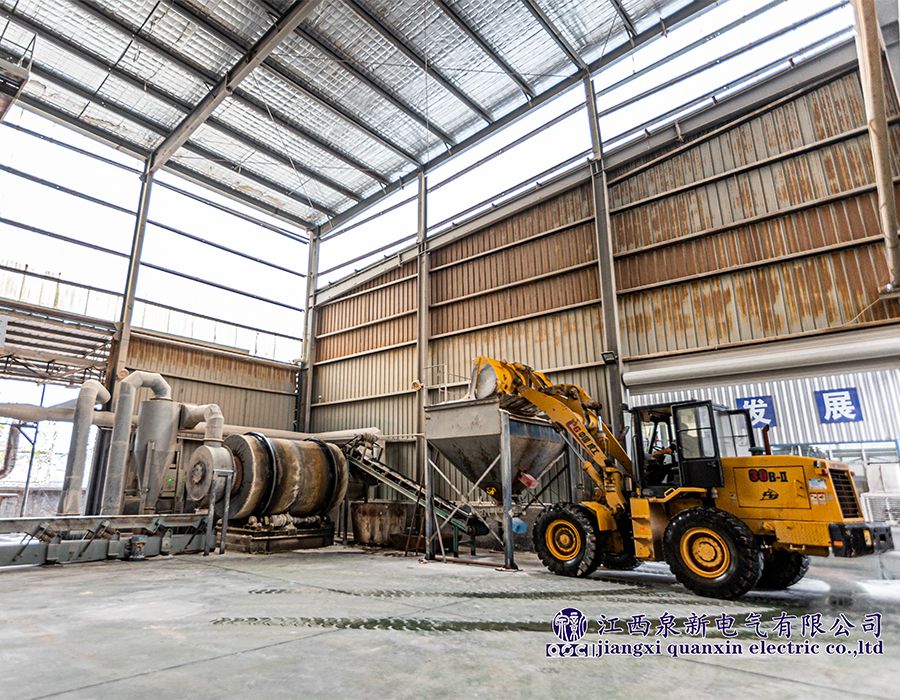
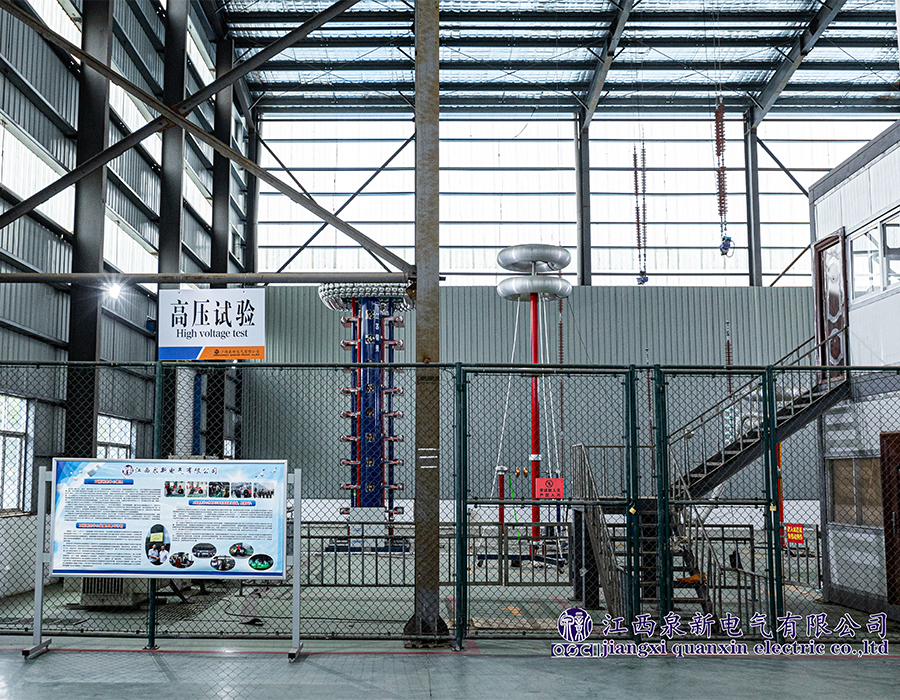
Take an inside look at our modern manufacturing plant, equipped with automated forming presses, high-capacity clay mixers, digital high-voltage testing laboratories, and total oxygen tunnel kilns.
Expert insights for power utility engineers, procurement agencies, and EPC contractors operating in Northern Afghanistan.
Explore our complete range of stay, post, strain, and pin porcelain insulators optimized for Mazar-i-Sharif grid projects.
Get comprehensive technical datasheets, CAD drawings, batch test reports, and factory-direct quotation prices tailored for utility projects in Northern Afghanistan.