Explore our highly reliable overhead line electrical porcelain configurations tailored for heavy tropical environments.
Chittagong (Chattogram), the main seaport of Bangladesh, represents a highly challenging operational ecosystem for overhead distribution and transmission lines. High tropical relative humidity, extreme annual monsoon precipitation, and intense coastal salt fog from the Bay of Bengal combined with local industrial emissions demand robust mechanical and electrical design parameters for high-voltage ceramic insulators.
Power distribution infrastructure within the Chittagong Port Authority (CPA) zones, the Mirsarai Special Economic Zone (Mirasarai EZ), and industrial areas like Kalurghat, Nasirabad, and Halishahar is constantly exposed to high levels of airborne chloride deposits. This saline atmosphere forms a conductive film on insulator surfaces during light rain, morning dew, or dense maritime fog. This phenomenon significantly lowers the dry flashover limits of electrical lines, leading to potential tracking currents, leakage arcs, and eventual system trip-outs.
Additionally, localized air emissions from steel scrap melting facilities, petrochemical refineries, chemical processors, and cement production plants around Patenga and Anwara accumulate dense solid dust layers on the porcelain surfaces. Standard design parameters are insufficient for these zones. Our specific engineering focus balances optimized creepage-to-spacing ratios, high-grade alumina content, and ultra-smooth silica glazes to support self-cleaning properties and long operational life.
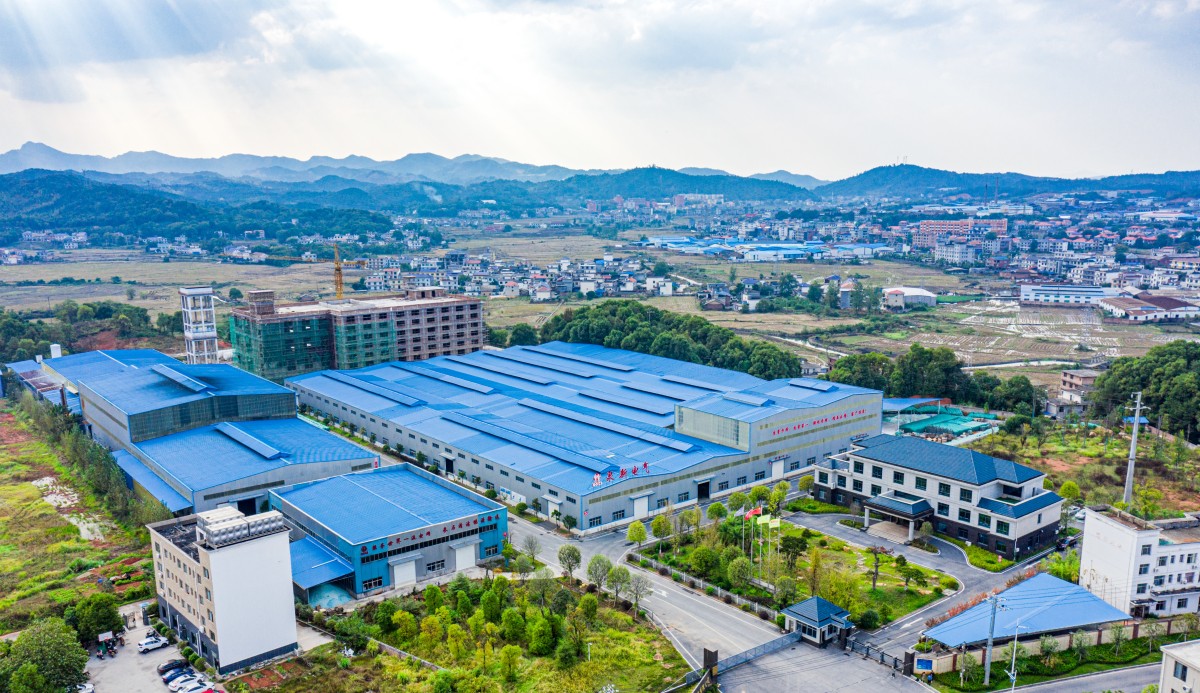
Founded in December 2002 with a registered capital of 508 million Yuan, Jiangxi QOCI Electric Co. Ltd is a recognized leader in high-performance utility insulation systems. Strategically located in the Luxi County Industrial Park, Pingxiang, Jiangxi Province, our modern manufacturing plant covers 100 mu (70,000 square meters) of manufacturing space. Here, we transform premium raw kaolin clays and refined raw minerals into high-end porcelain and toughened glass insulators for grids worldwide.
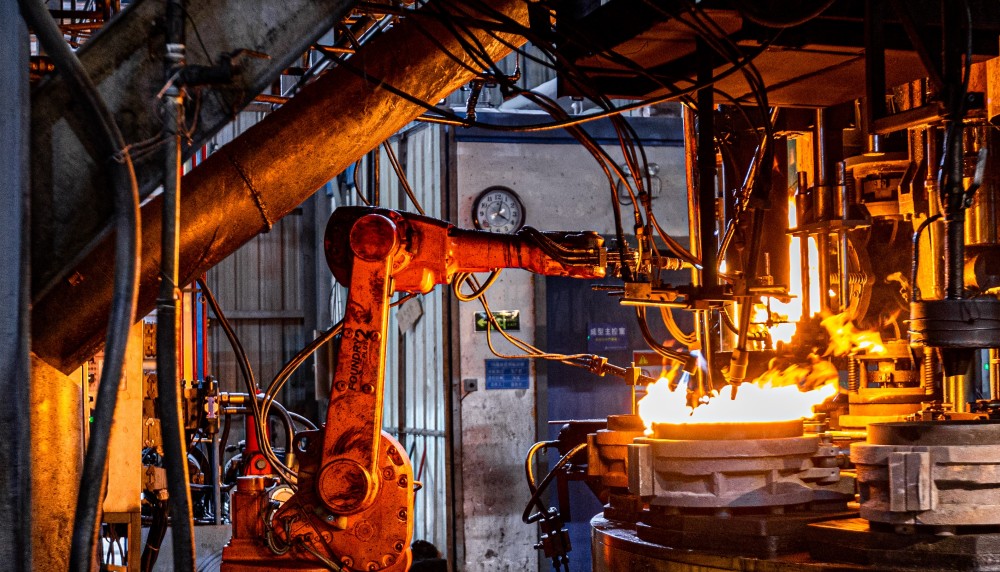
With an annual output capacity of 39,000 tons, our facilities are equipped with total oxygen kiln systems, advanced forming presses, high-speed automated mixers, and precise high-voltage testing bays. This enables us to maintain complete control over raw material composition, shaping parameters, firing schedules, and dimensional tolerance checks. Our 53-member engineering team supports customized product modifications to match unique geographical and environmental demands, ensuring long-term resilience for our partners.
"Reliable grid performance requires stable mechanical and electrical parameters under thermal and environmental stress."

| Technical Standards Matrix | |
|---|---|
| Applicable Standards | IEC 60305, IEC 60383, ANSI C29.2, C29.7 |
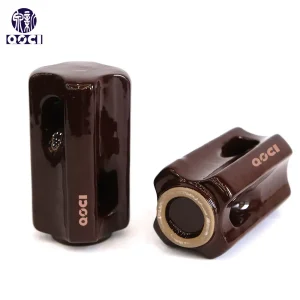
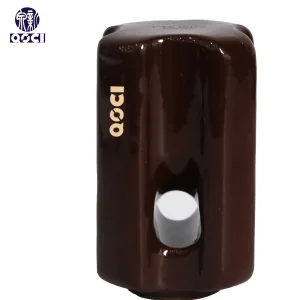
| Insulator Types | Porcelain Pin, Line Post, Shackle, Glass Suspension |
| Rated Voltage Range | 11kV, 33kV, 132kV, 230kV, 400kV, 765kV EHV/UHV |
| Mechanical Tensile Load | 70kN, 100kN, 120kN, 160kN, 210kN, 300kN up to 530kN |
| Glaze Selection | Brown / Light Gray (Coated / Anti-Pollution Semi-Conductive) |
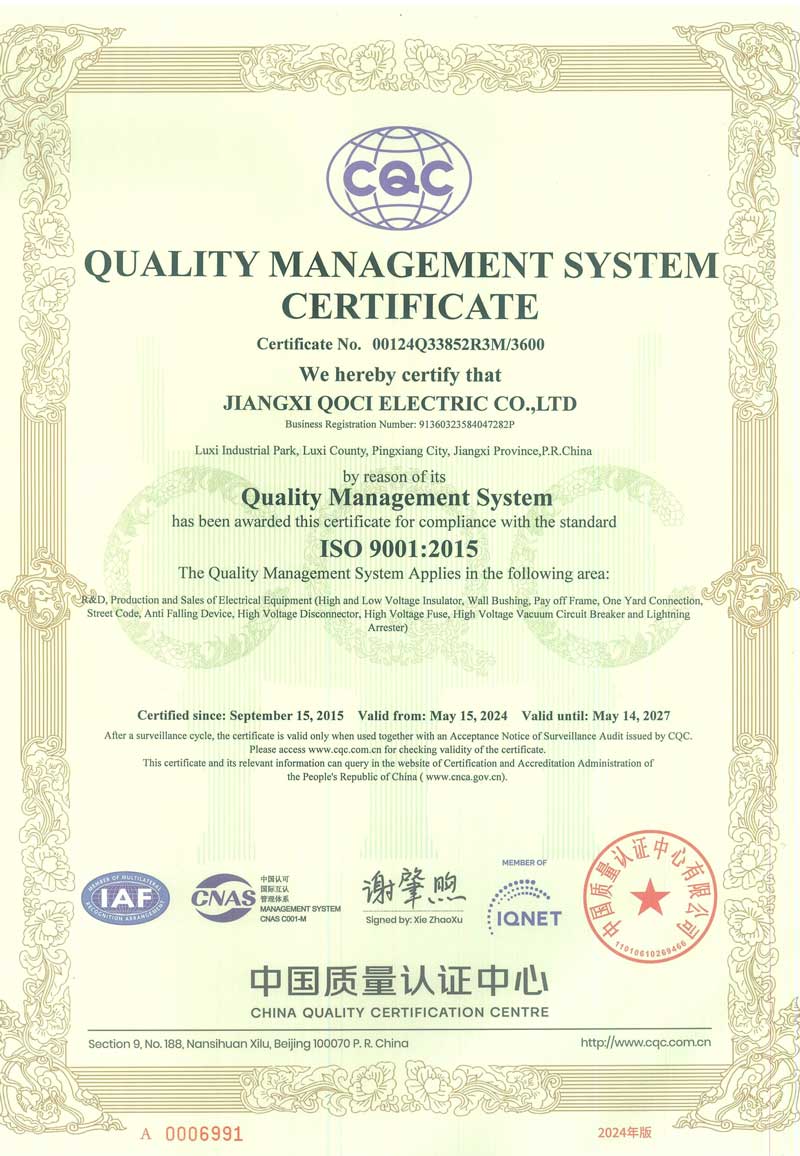
| Factory Quality Audits | ISO 9001, ISO 14001, ISO 45001, KEMA, CESI Lab Certified |
Complementing our core porcelain units, QOCI manufactures high-strength glass insulators for low-voltage, high-voltage, and extra-high-voltage AC/DC electric transmission lines.
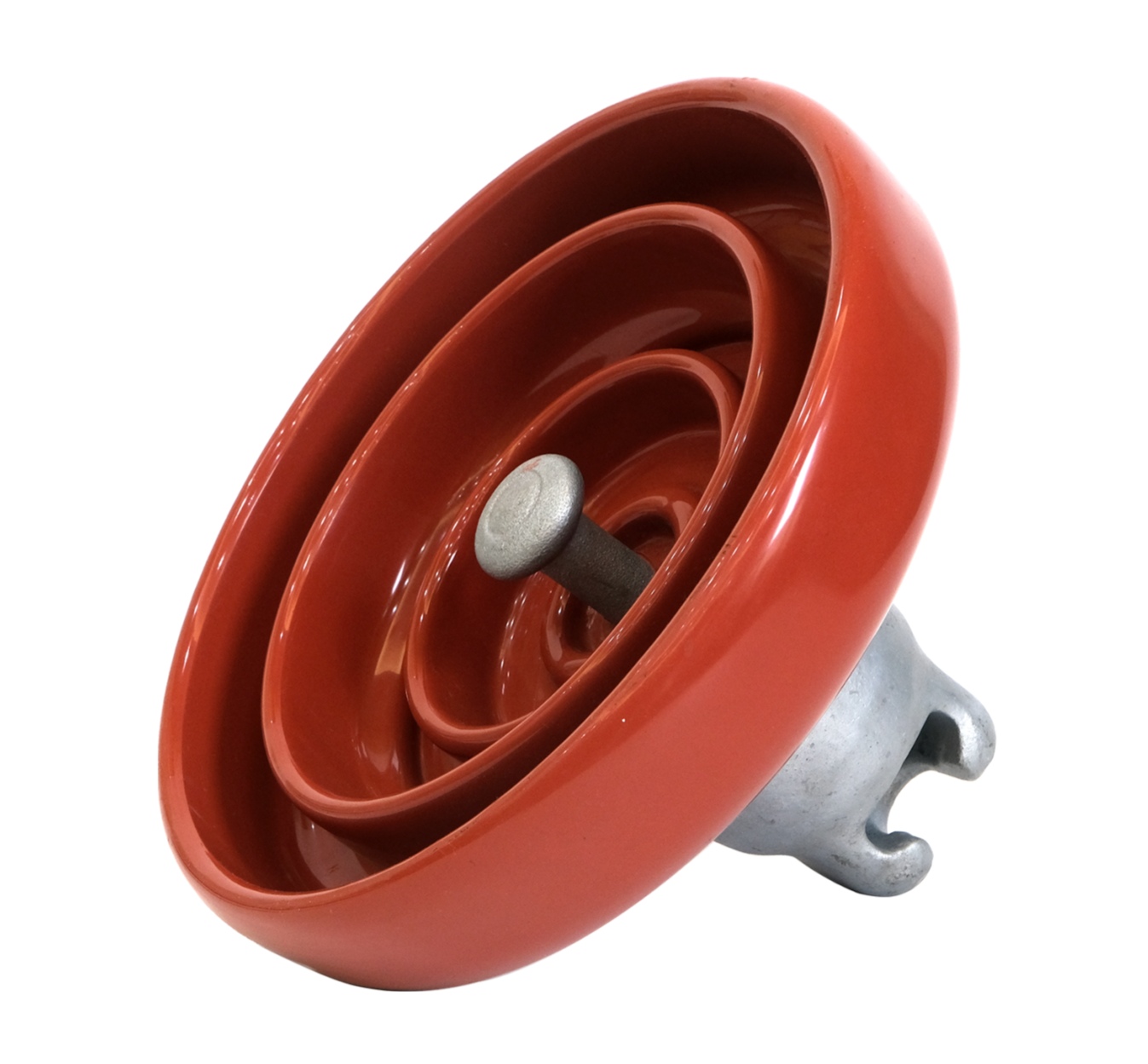
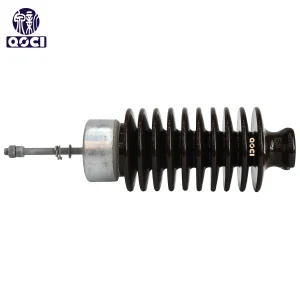
Combines the mechanical reliability of toughened glass with the excellent hydrophobicity of Room Temperature Vulcanization (RTV) silicone coatings. This design effectively minimizes leakage currents and dry band arcing, helping to reduce maintenance costs by eliminating the need for regular washing in polluted coastal environments.
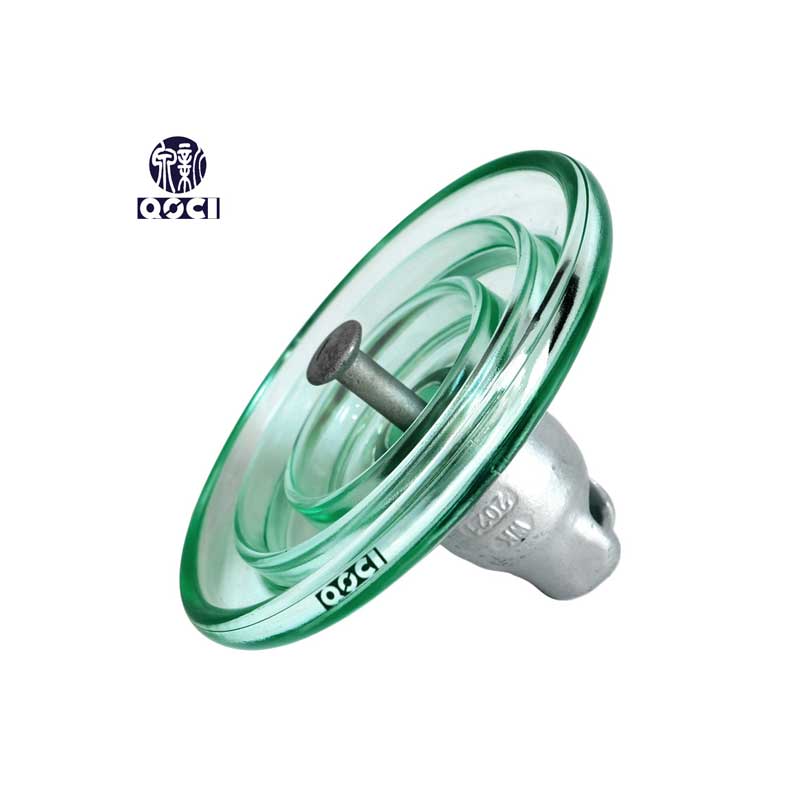
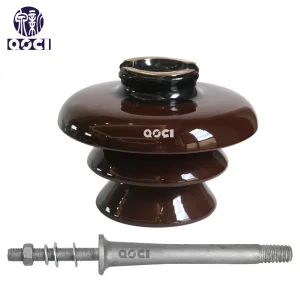
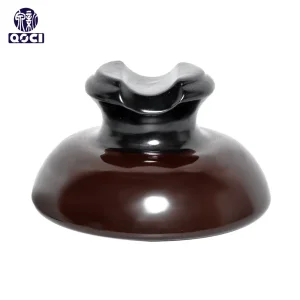
Designed with a leakage distance exceeding standard values in IEC 60305. The insulating part features shallow, well-spaced ribs that allow for effective self-cleaning by wind and rain, making it a reliable solution for clean or moderate-pollution areas.
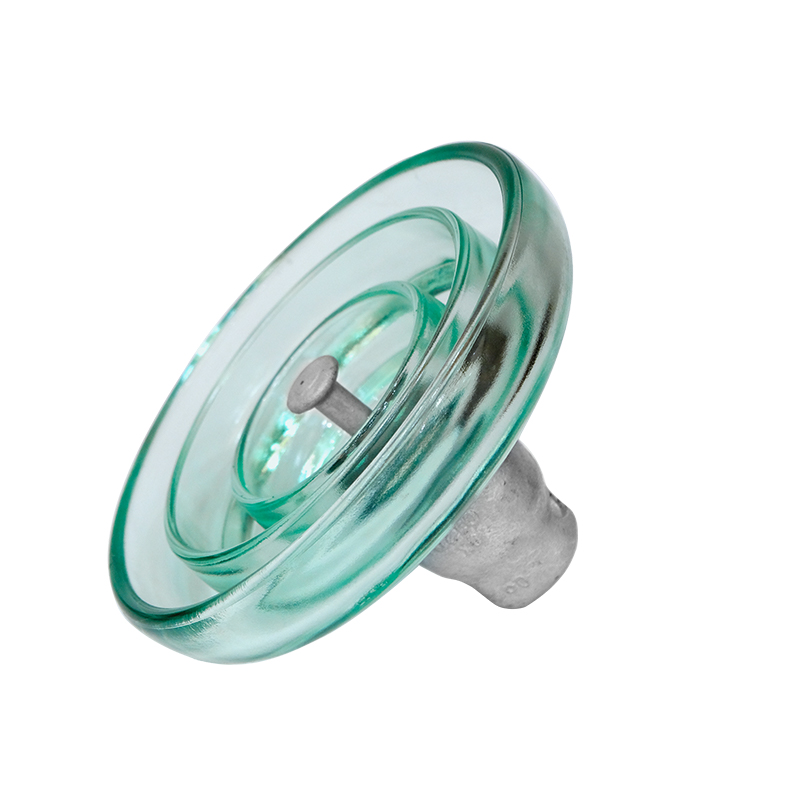
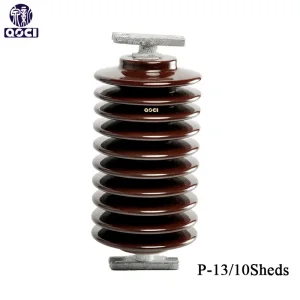
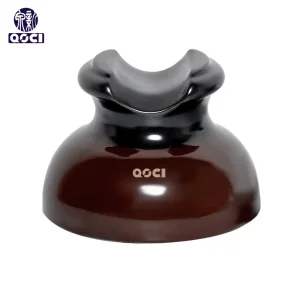
Features deep, widely spaced under-ribs designed to avoid arc bridging between adjacent sections. With a leakage distance to spacing ratio of approximately 3.2, it is highly suited for coastal lines exposed to salt fog and industrial air pollution.
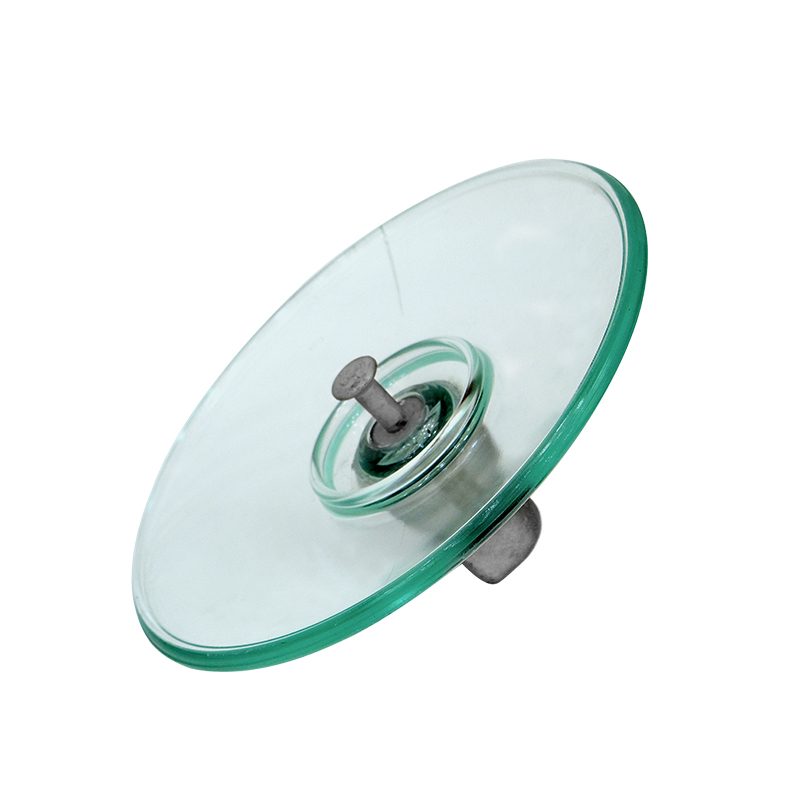
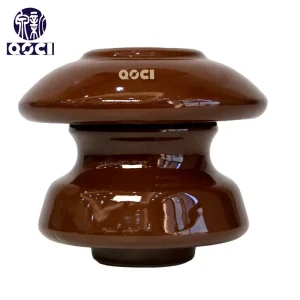
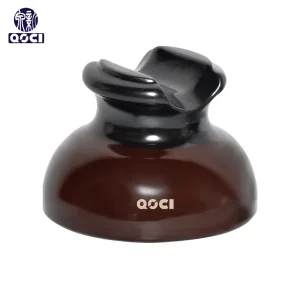
Features an open design without under-ribs and a larger disc diameter. This structure helps prevent the accumulation of solid particles (dust, sand) on the lower surface. It performs well in arid zones and can help mitigate ice-bridging issues when alternated with other profiles.
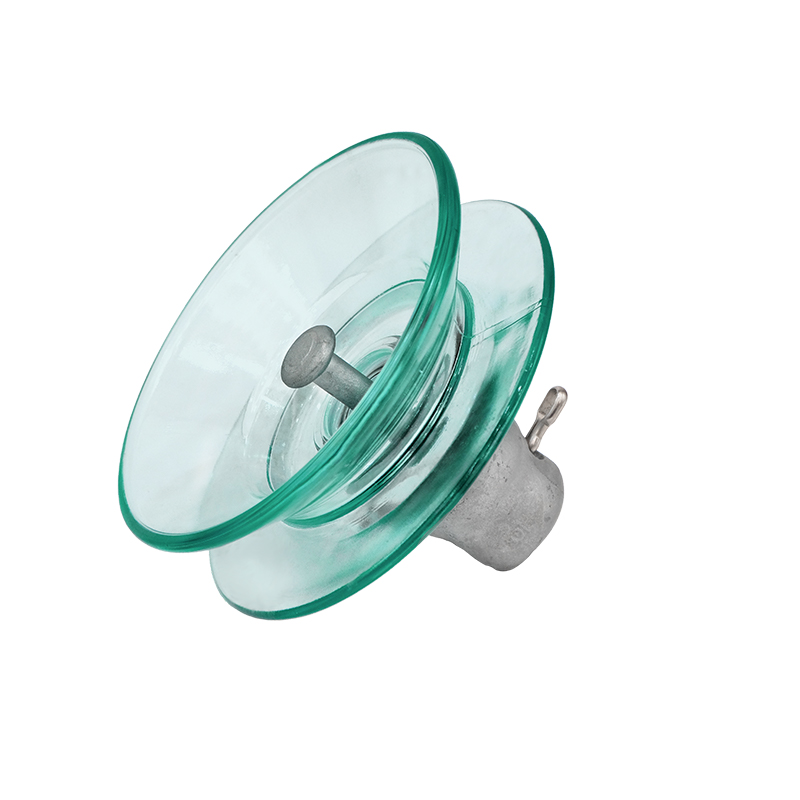
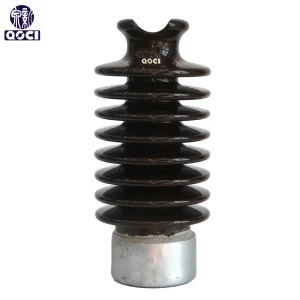
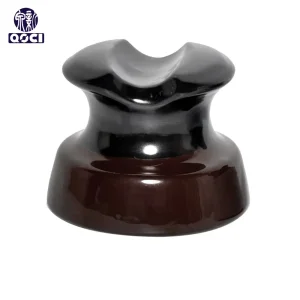
Features two external ribs to limit pollution build-up and facilitate self-cleaning. This design provides high leakage distance relative to its size, making it suitable for environments with industrial emissions or saline soil.
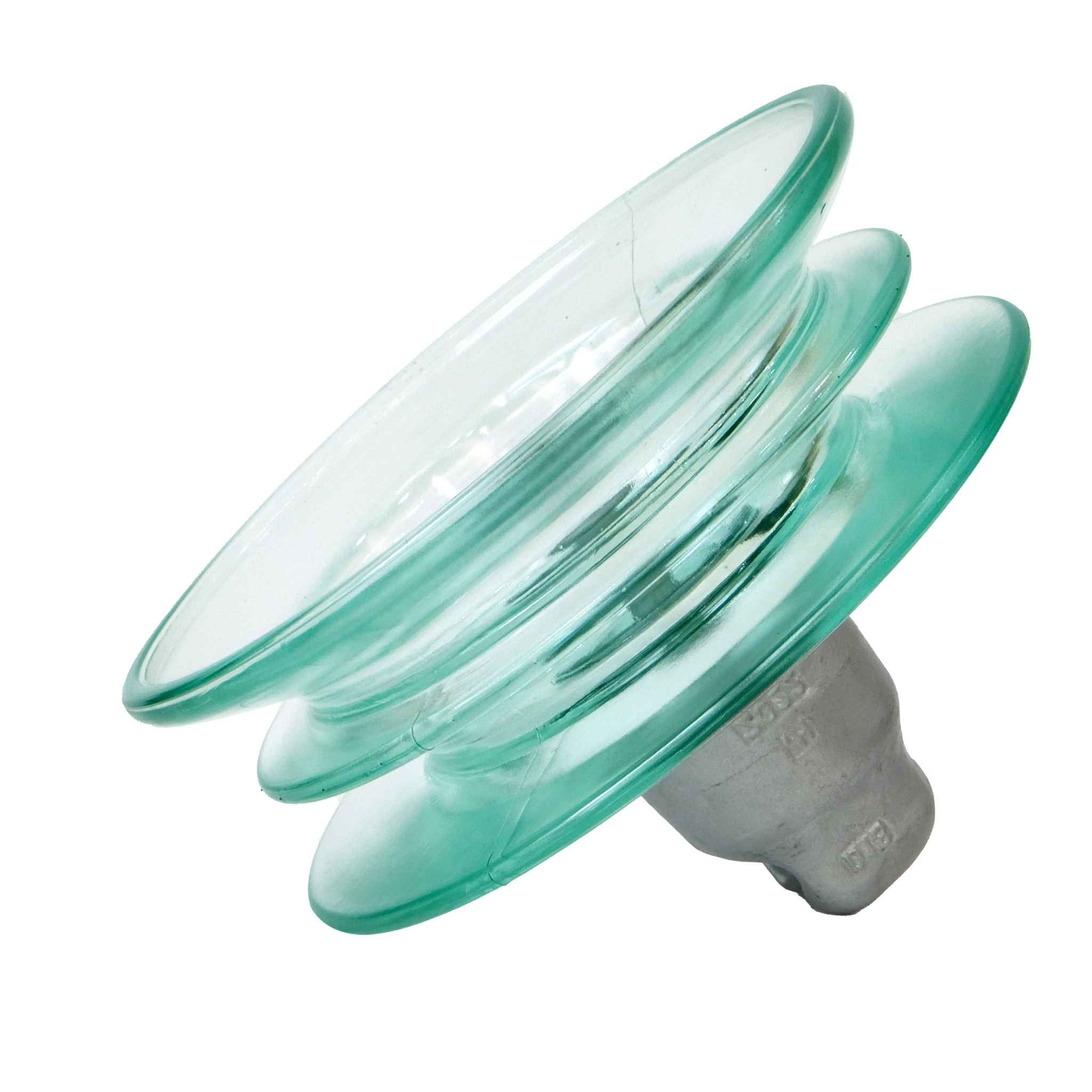
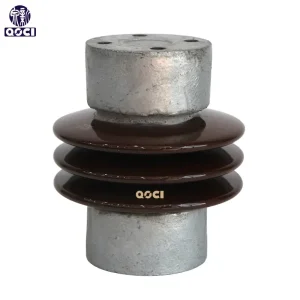
Designed with three layers of separated umbrella discs, providing a long creepage path and high resistance to flashover. This profile is commonly used on high-altitude, coastal, or heavily polluted transmission corridors, including UHV systems.
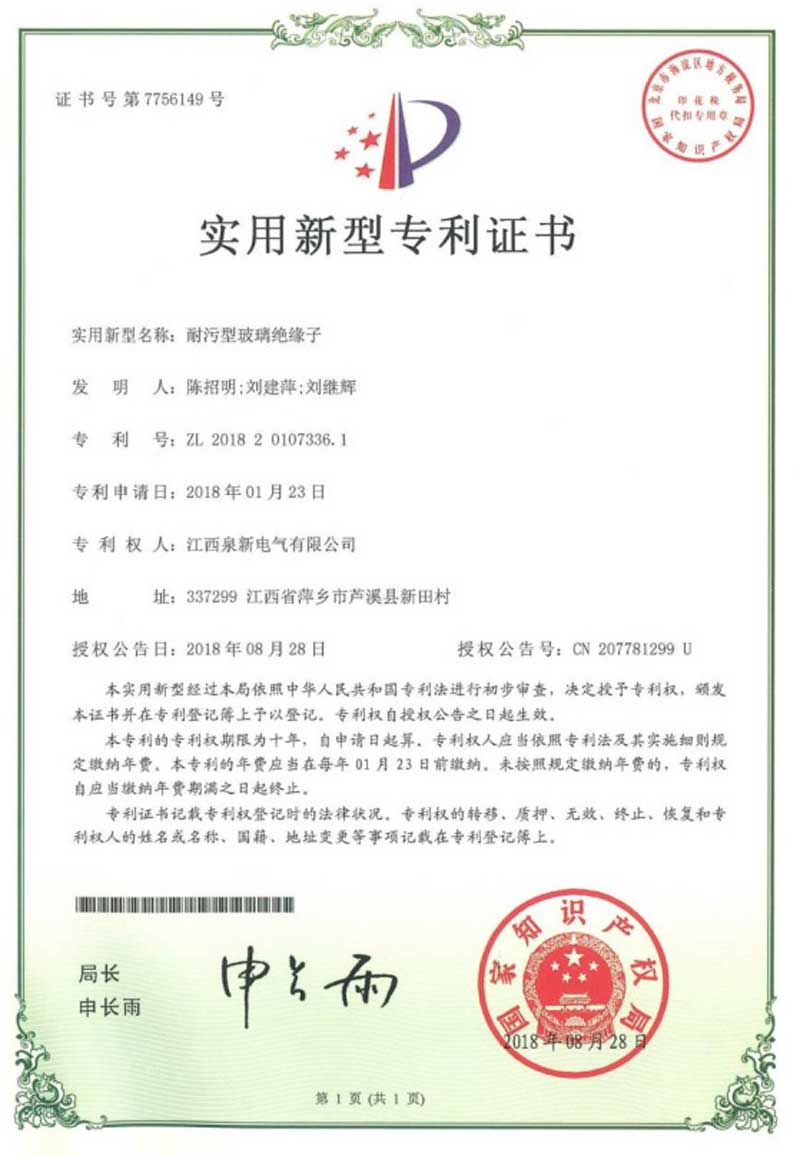
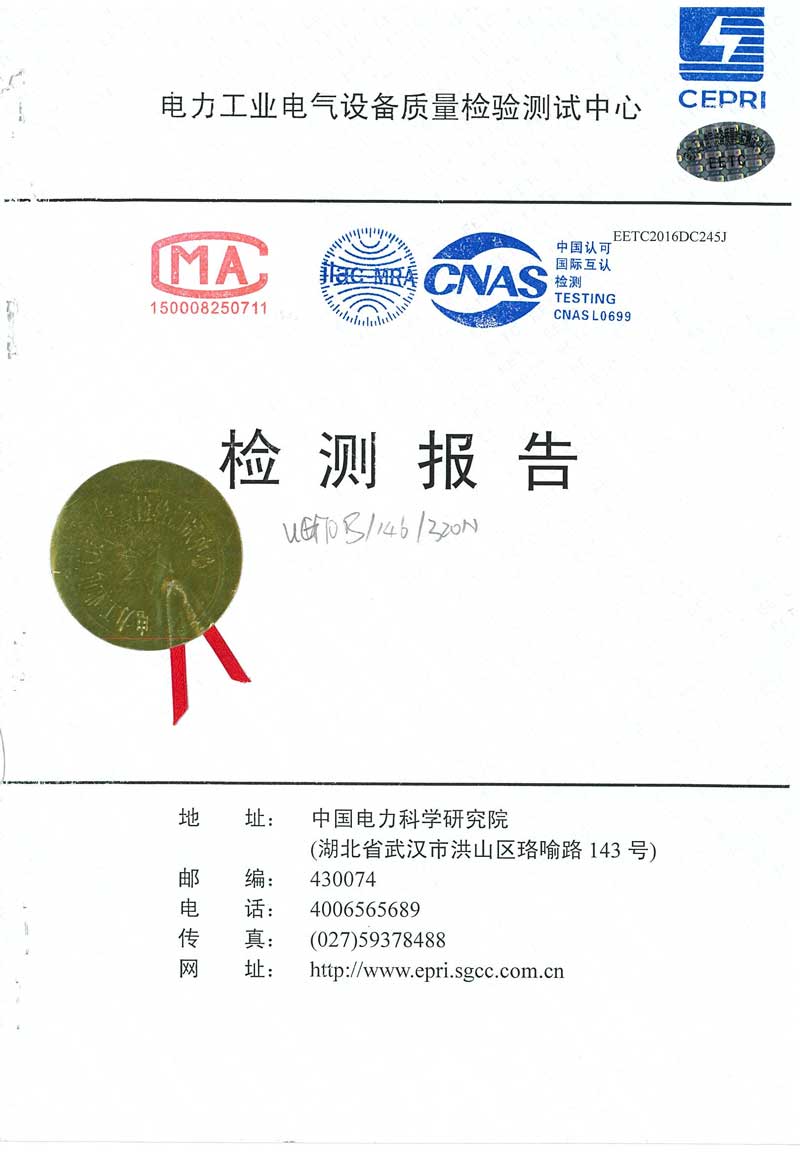
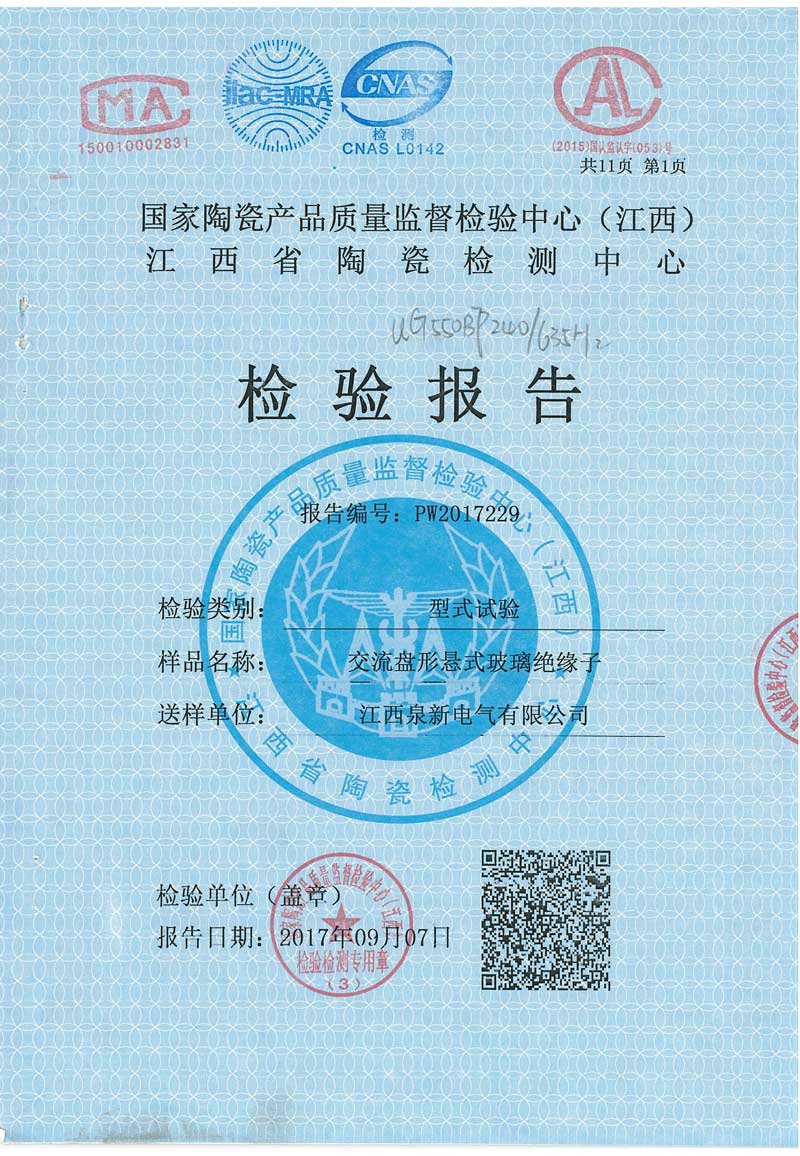
Global procurement teams supplying infrastructure items to entities such as the Bangladesh Power Development Board (BPDB), the Dhaka Electric Supply Company (DESCO), the West Zone Power Distribution Company (WZPDCO), and the Power Grid Company of Bangladesh (PGCB) operate under strict regulatory and operational parameters. Tender requirements typically require robust mechanical and electrical performance verification, supported by certified laboratory type-test reports from recognized independent testing institutions like KEMA or CESI.
Our company provides comprehensive documentation to support the tendering process. Every porcelain and glass insulator batch is shipped with complete traceability records, chemical analysis of raw clay materials, and verification of mechanical load-bearing capacity. This documentation ensures compliance with critical local operational standards:
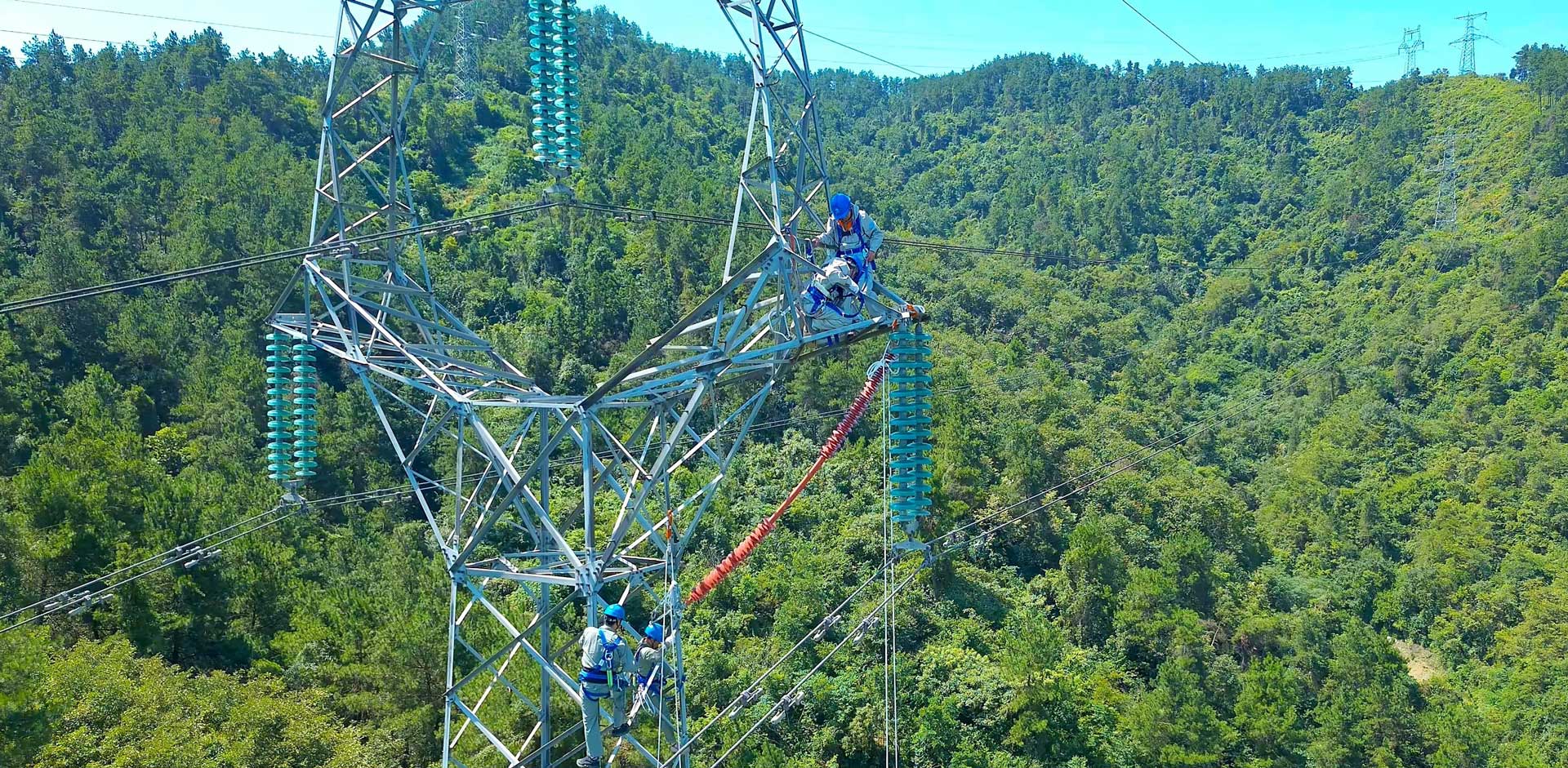
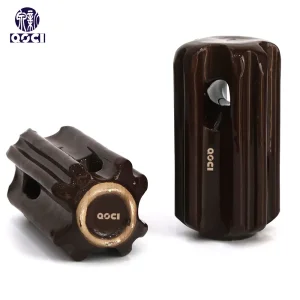
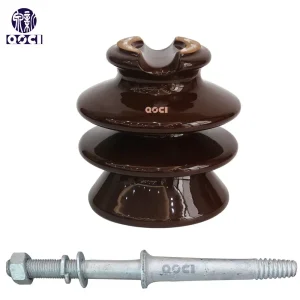
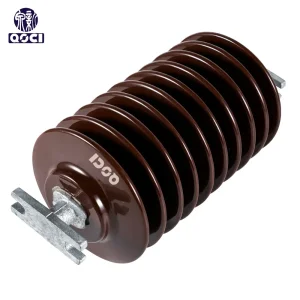
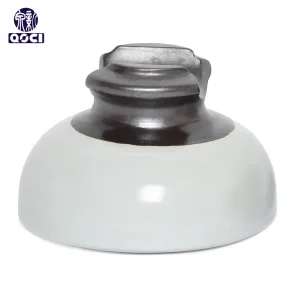
A comprehensive catalog of high-strength porcelain stay, strain, post, pin, and shackle insulators designed for low to extra-high voltage transmission and distribution lines.
QOCI uses advanced industrial processing machinery and automated testing systems to ensure stable quality control across our product lines.
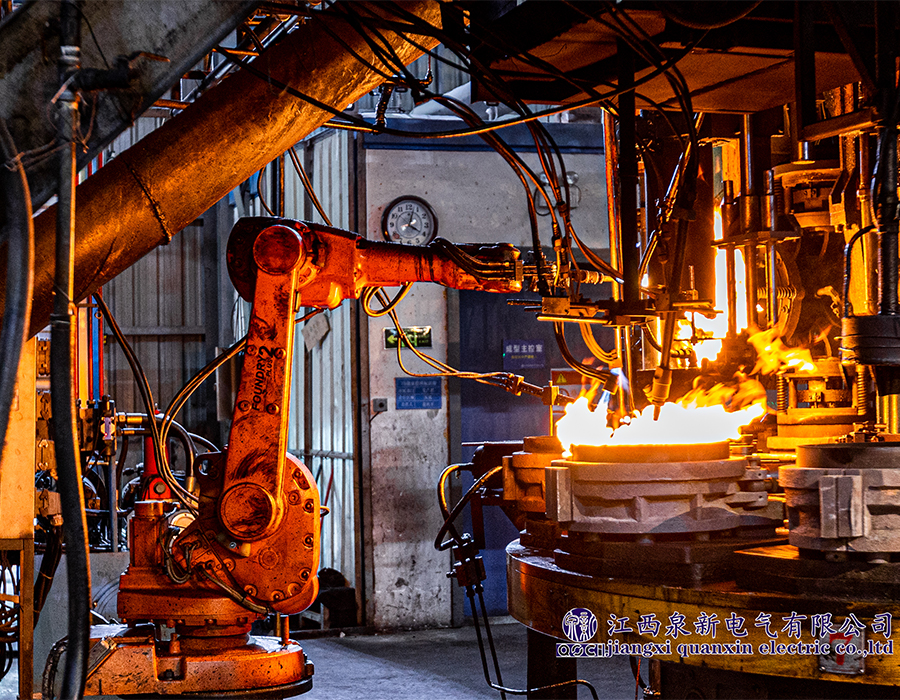
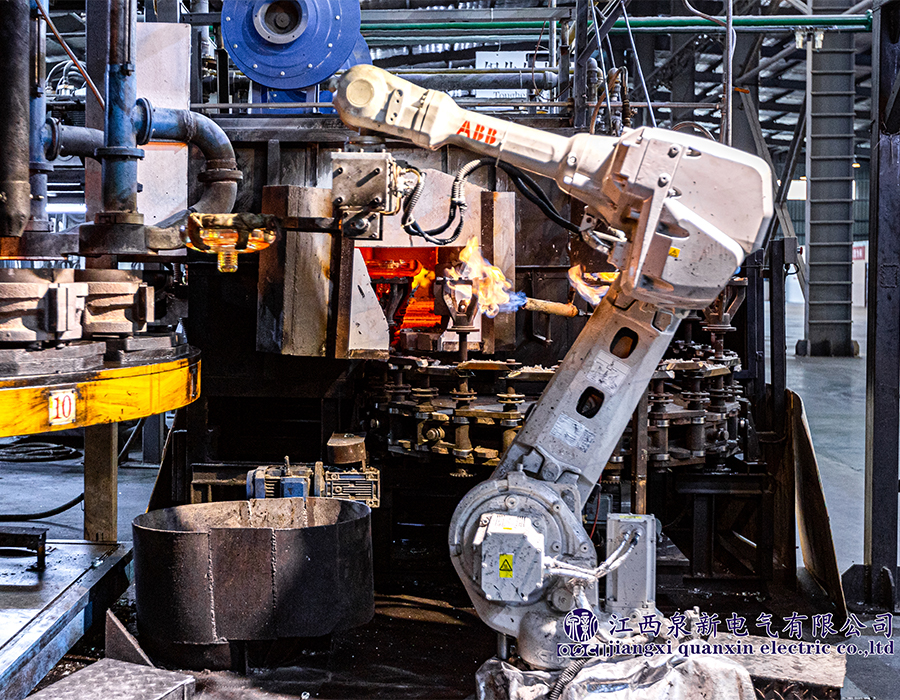
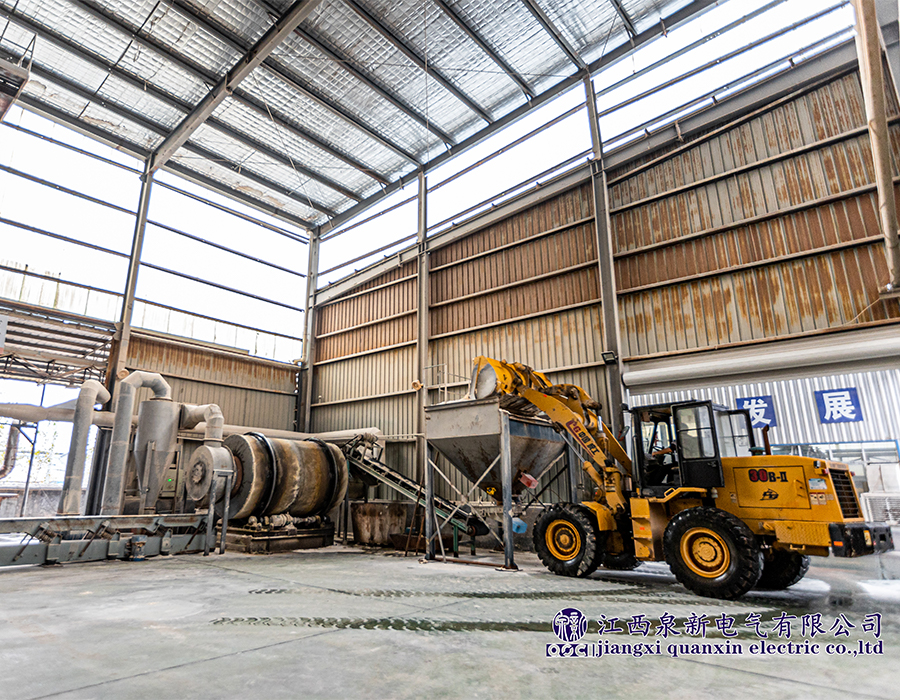
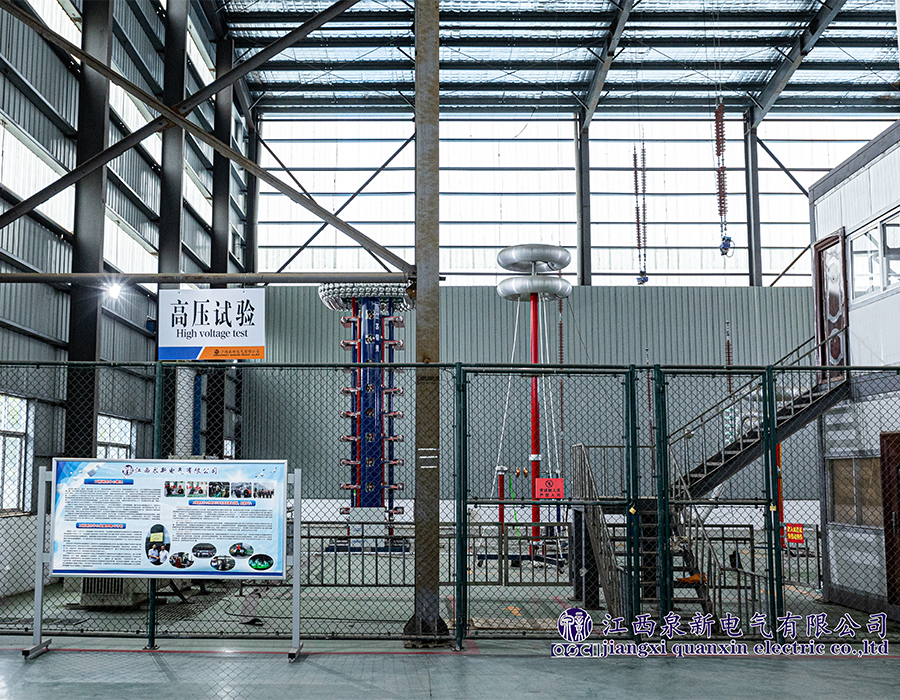
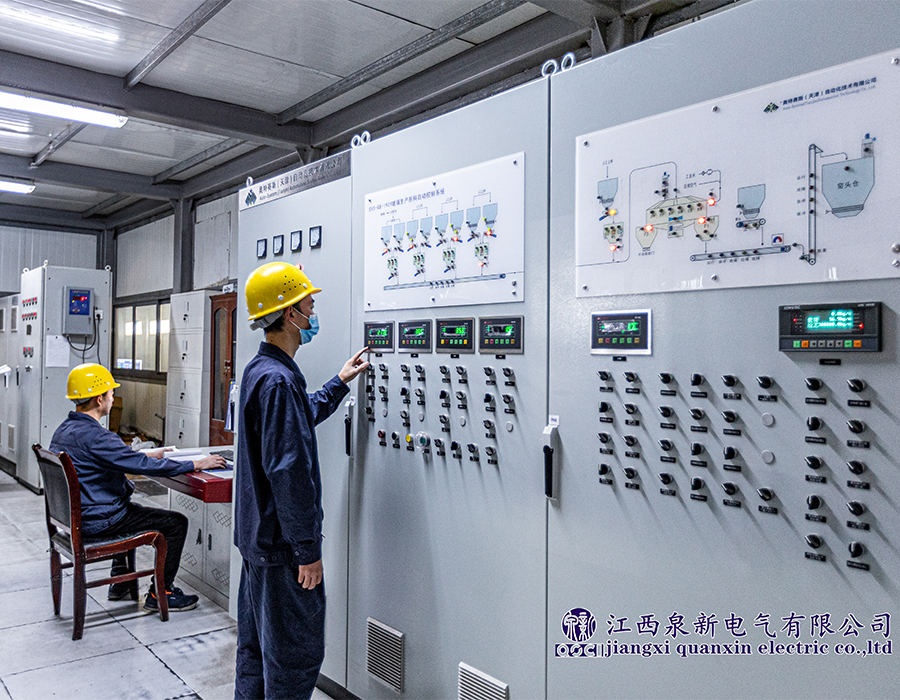
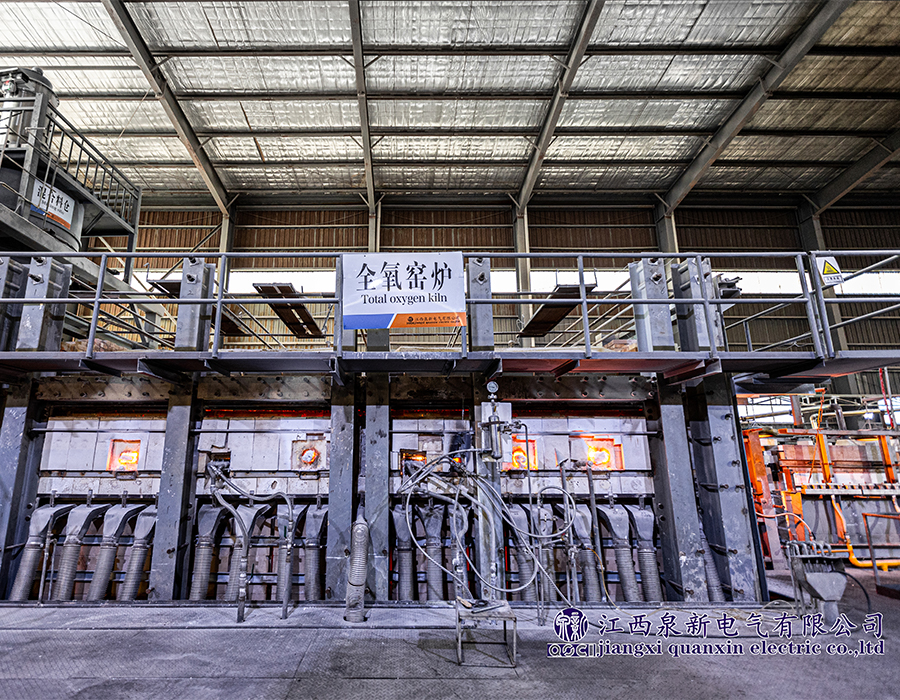
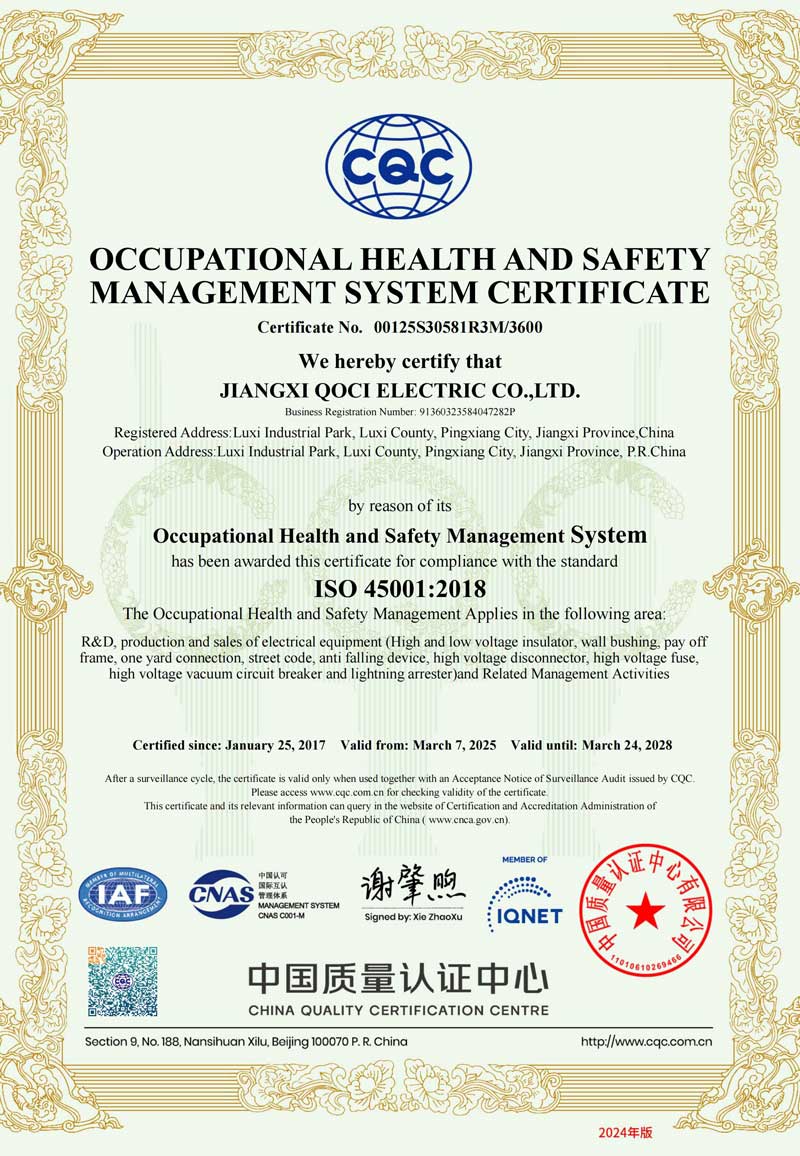
Our manufacturing and quality control systems are certified under international management standards, including ISO 9001, 14001, and 45001.
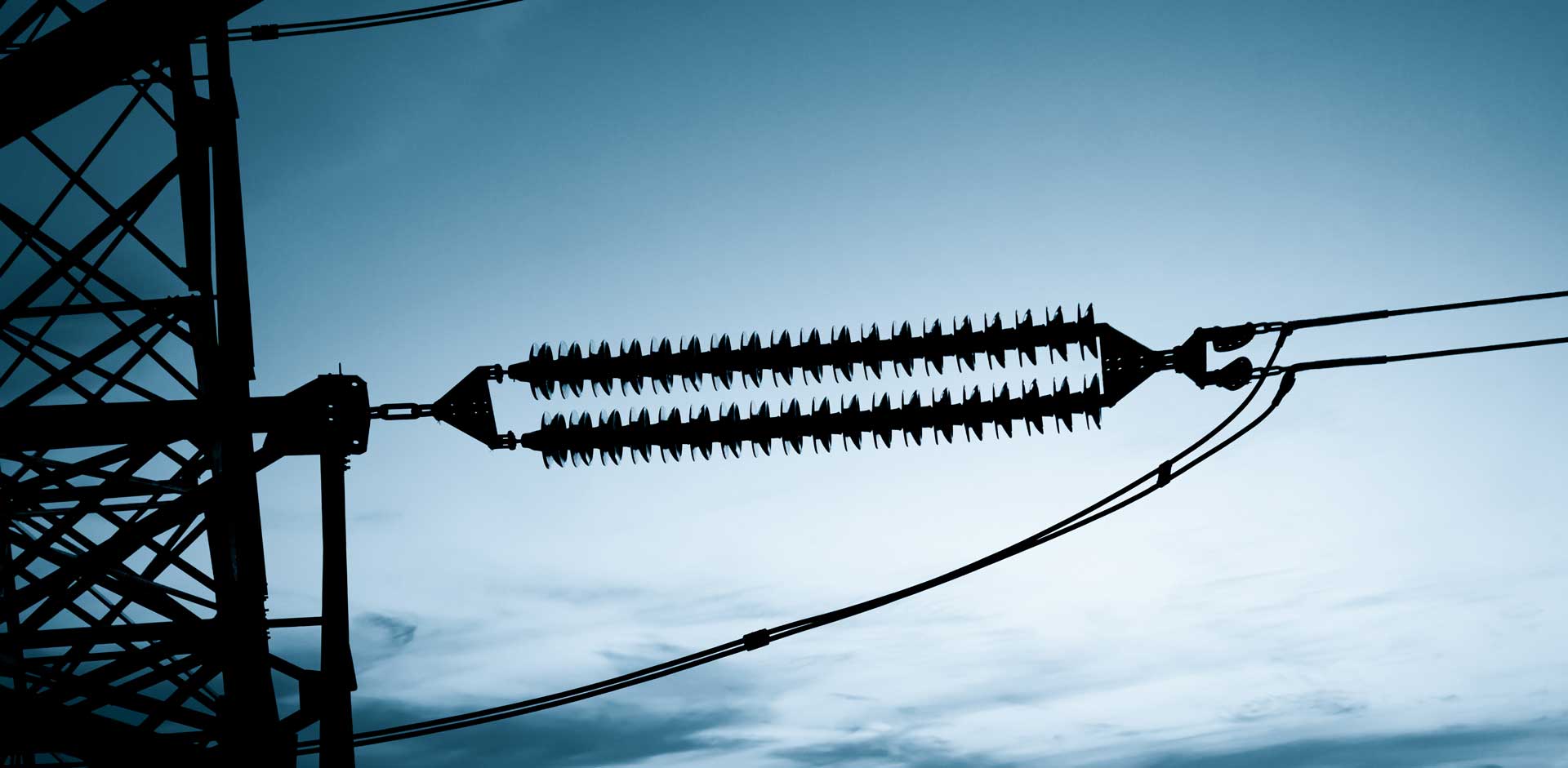
Delivering bulk shipments of heavy ceramic products to Bangladesh requires robust structural packaging to prevent mechanical damage, chipping, or glazing wear during sea transit and port handling. At QOCI, our logistics department uses reinforced, fumigated wooden crates designed to meet ISPM 15 phytosanitary standards. These crates are bound with high-tensile steel bands to withstand movement during ocean transit.
Additionally, each crate features a internal moisture-barrier lining to protect the hardware fittings from saline oxidation and humidity during sea transport. Our factory is located near major Chinese shipping ports, enabling efficient dispatch. Typical transit times from Ningbo or Shanghai to the Port of Chittagong (Chattogram) range from 14 to 22 days, supported by complete shipping documentation, including clean bills of lading, Mill Test Certificates (MTC), origin documentation, and third-party pre-shipment inspection (PSI) certificates.
Our research and development initiatives focus on improving performance under environmental stress, aligning with global trends toward smart grids and high-voltage DC systems.
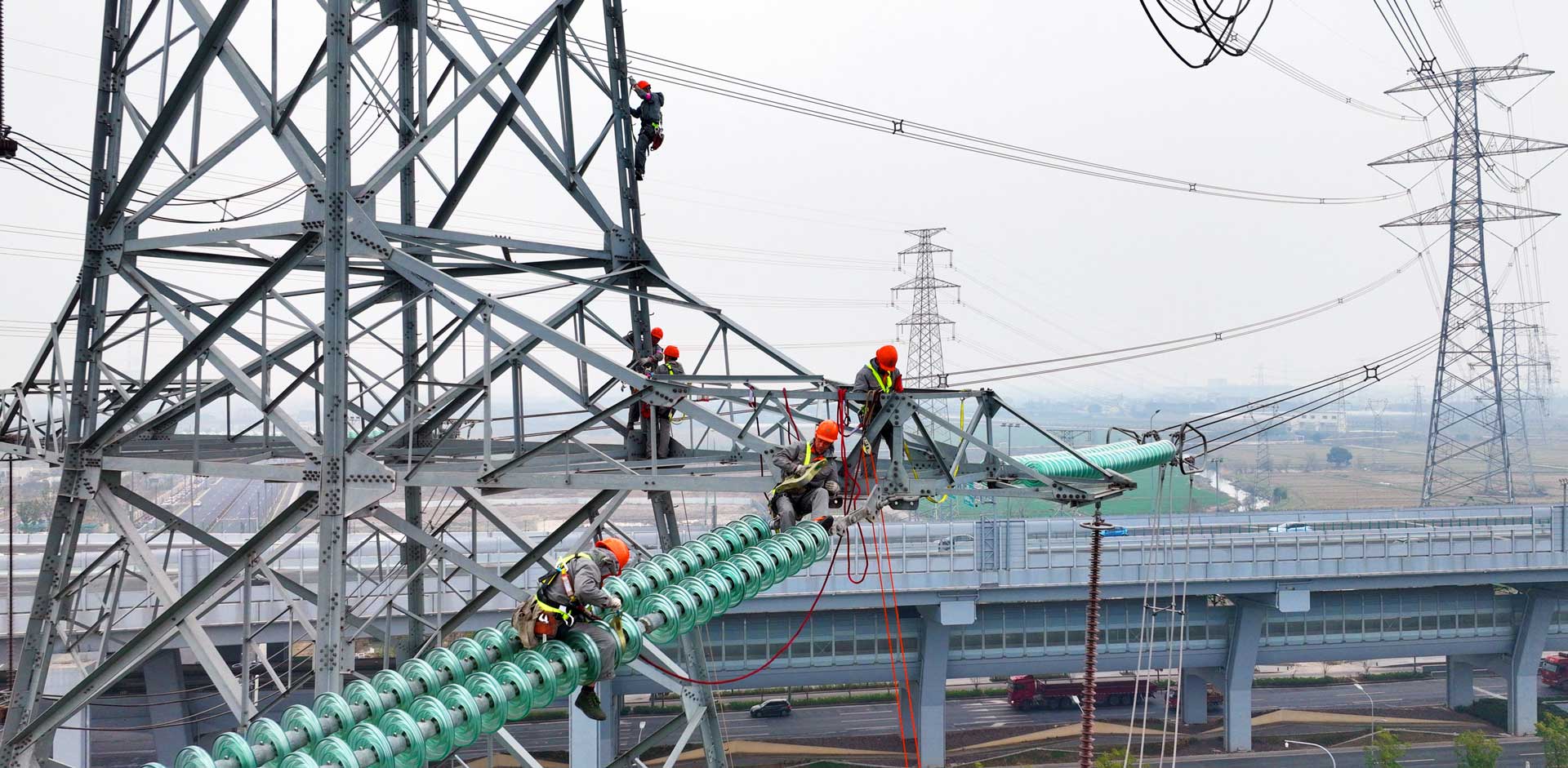
Increasing the alumina (Al₂O₃) content to over 50% in our structural kaolin clay mix improves both mechanical tensile and cantilever load strength. This modification helps prevent porcelain fractures during line stress events like short circuits, high winds, or physical impacts.
We are testing silica-based coatings designed to create a hydrophobic surface on the porcelain. This modification reduces the adhesion of saltwater droplets and dust, helping the insulator clean itself during light rain events.
By applying a thin layer of RTV silicone coating directly to high-strength porcelain bodies, we aim to combine the structural longevity of ceramic with the contamination performance of composite materials.
Answers to common technical, compliance, and logistical questions from grid engineers and procurement managers in Chittagong.
We adjust the glazing composition to produce a smooth, chemically inert surface that limits the accumulation of salt crystals. For high-salinity applications, we design units with a higher creepage-to-height ratio, which extends the leakage current path. We also offer factory-applied RTV silicone coatings to improve surface water-shedding performance.
Yes, our insulators are designed and manufactured to comply with IEC and ANSI standards, which are widely accepted in Bangladesh utility projects. We supply comprehensive testing documentation, including type-test reports from independent labs, internal routine test results, and material certificates to support technical compliance evaluations.
We follow standard test protocols including ANSI C29 and IEC 60383. Our testing includes: (a) ultrasonic scans for internal void detection, (b) cantilever and tensile strength verification, (c) power-frequency wet and dry flashover testing, and (d) impulse withstand voltage tests. We perform these tests on production samples to verify mechanical and electrical performance.
Production lead times range from 30 to 45 days, depending on order size. Shipping from major Chinese ports (Shanghai or Ningbo) to the Port of Chittagong typically takes 14 to 22 days via direct maritime container shipping routes.
All metal caps, pins, and structural fittings undergo hot-dip galvanization according to ASTM A153 or ISO 1461 standards. The zinc coating thickness is controlled to withstand salt-spray exposure. Additionally, we apply a zinc sleeve to the pin interface to protect against galvanic corrosion.
Stay informed about QOCI's global initiatives, technical exhibitions, and product announcements.
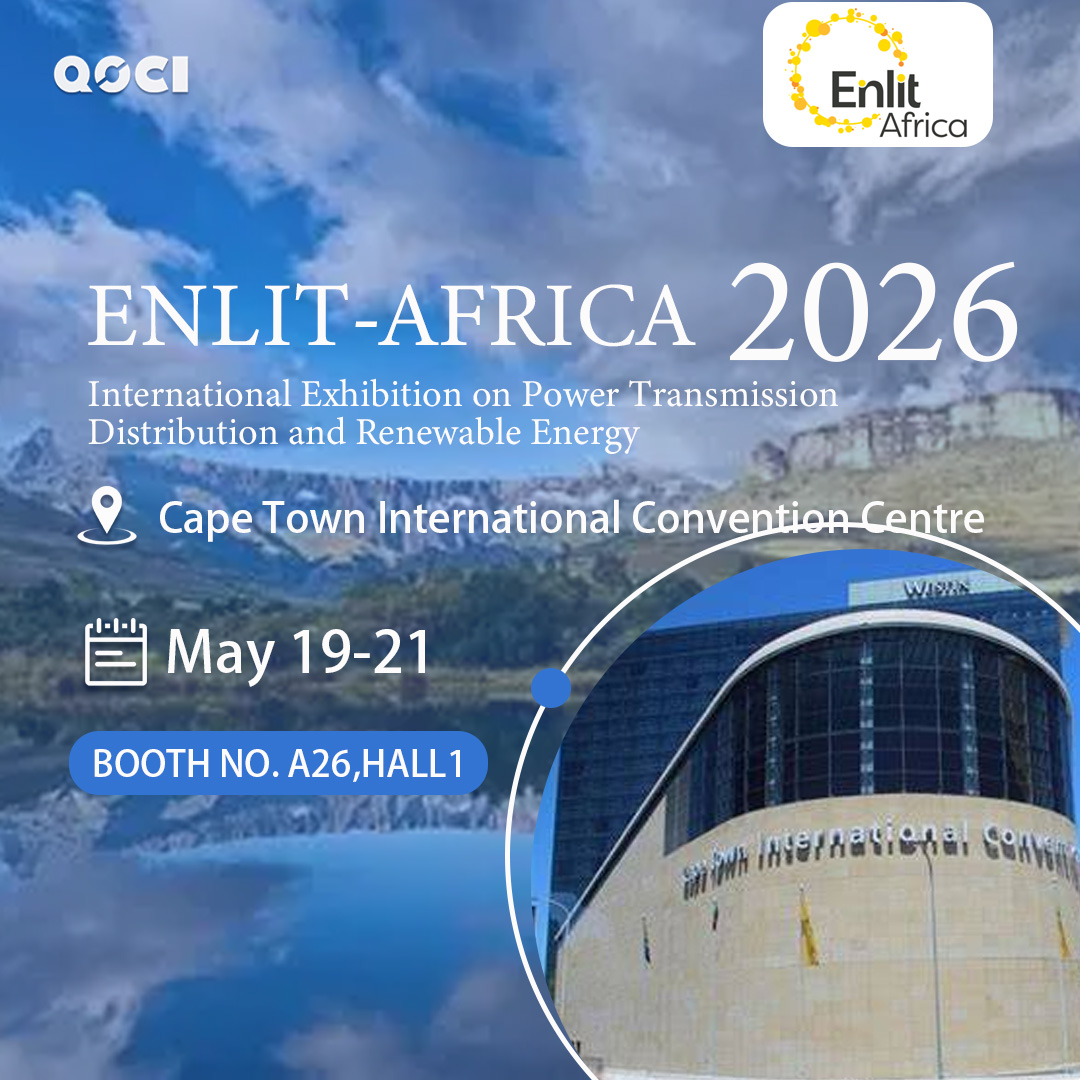
QOCI Electric will present its latest transmission line solutions at the Enlit Africa exhibition, focusing on grid modernization, renewable energy connections, and high-performance insulation technologies.
QOCI Electric will present its latest design innovations at the IEEE PES T&D Conference, highlighting products developed for high-stress transmission and distribution grids.
QOCI Electric has confirmed its participation in the Iraq Energy Exhibition, showcasing custom insulation designs tailored for high-temperature and dust-heavy grid environments.
Our products are used by utilities, grid operators, and industrial enterprises in international markets.

Contact our engineering and sales teams to request detailed dimensional drawings, test reports, or pricing proposals for your grid projects in Chittagong.
Send Inquiry Now