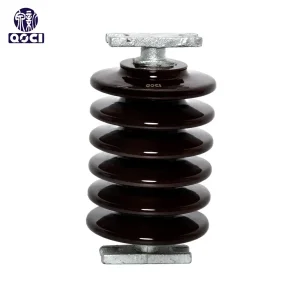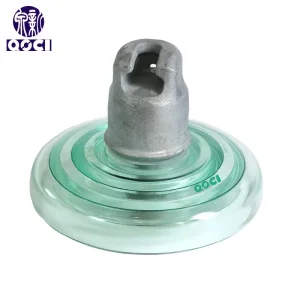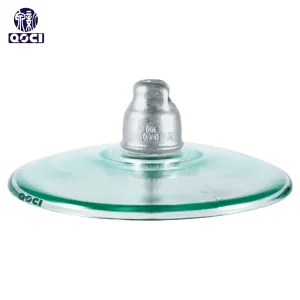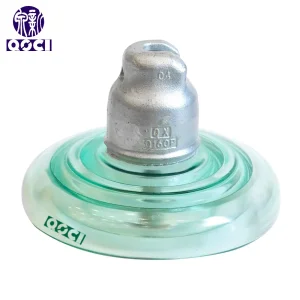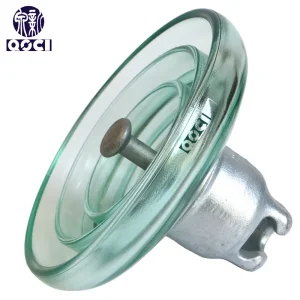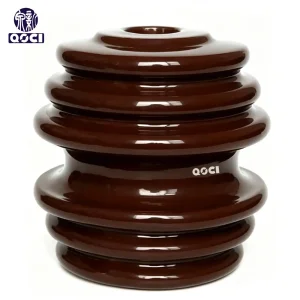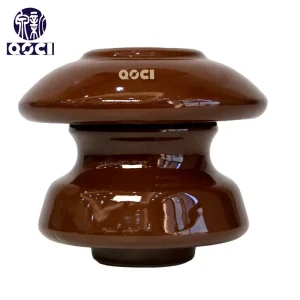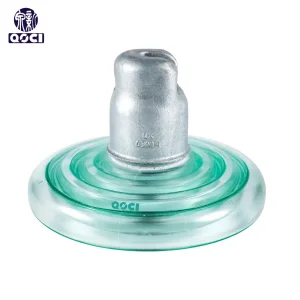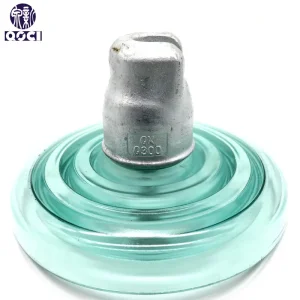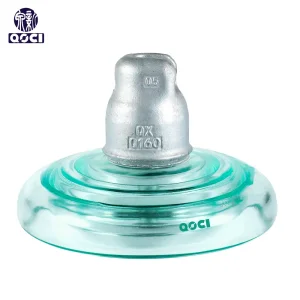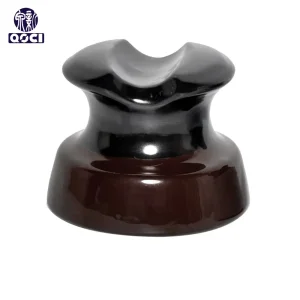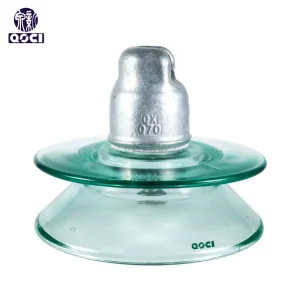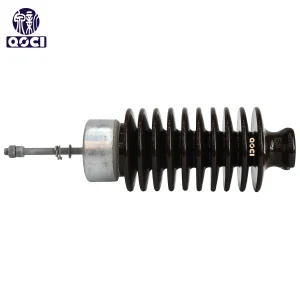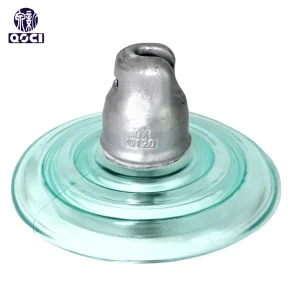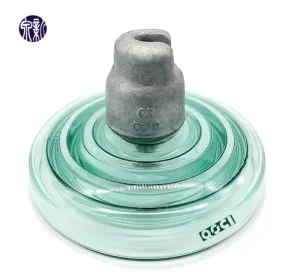
The global energy landscape is undergoing a seismic shift. As nations strive for decarbonization, the demand for long-distance, ultra-efficient power transmission has never been higher. At the heart of this infrastructure lies the U240bl Toughened Glass Insulator, a component engineered to withstand the brutal mechanical and electrical stresses of 330kV to 750kV transmission lines. This white paper explores why the U240bl model has become the global benchmark for utility procurement managers and how Chinese manufacturing prowess is redefining grid resilience.
The U240bl provides a failing load of 240kN. This high mechanical strength is essential for tension strings in mountainous terrains where wind and ice loads are extreme.
Designed with optimized creepage distances, these insulators prevent flashovers in high-pollution environments, ensuring 99.9% grid uptime.
Unlike porcelain, toughened glass offers "Self-Shattering" characteristics. A faulty unit is visible from the ground, eliminating the need for expensive live-line testing.
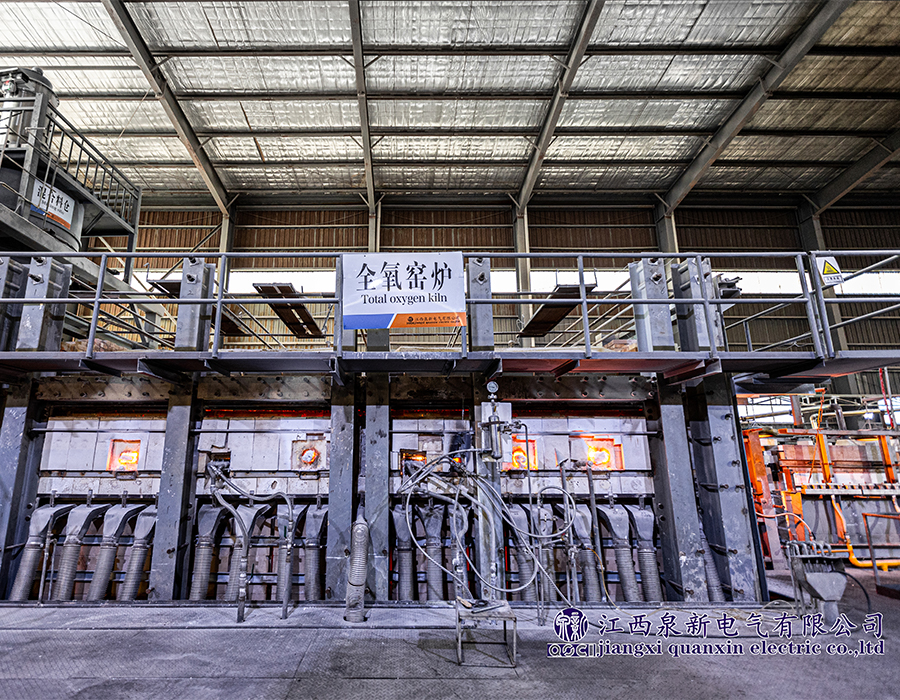
As a leading China Glass Insulator U240bl manufacturer, Jiangxi QOCI Electric utilizes a fully integrated production ecosystem. From the raw material processing in our high-precision mixers to the total oxygen kilns for glass melting, every step is monitored by AI-driven quality control systems.
This "Factory 4.0" approach ensures that each U240bl unit meets the rigorous IEC 60305 and ANSI standards. Our supply chain resilience allows us to mitigate global logistics volatility, providing international partners with stable lead times and competitive TCO (Total Cost of Ownership).
| Feature | Toughened Glass (U240bl) | Traditional Porcelain | Composite (Polymer) |
|---|---|---|---|
| Mechanical Aging | Virtually Zero | Significant over 20 years | Surface degradation |
| Failure Detection | Visual (Shatters unit) | Internal cracks (Requires Testing) | Partial discharge detection |
| Recyclability | 100% Recyclable | Low | Non-recyclable |
| Lifecycle Cost | Lowest (Low Maintenance) | Moderate | High (Short replacement cycle) |
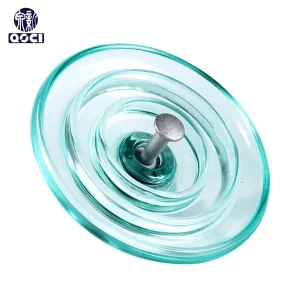
In regions like Southeast Asia and Middle Eastern coastlines, salt fog is the enemy. Our Anti-Fog profile glass insulators utilize deep under-ribs to increase creepage distance, preventing salt-induced flashovers.
For desert grids, the Open Profile design is utilized. The absence of under-ribs prevents sand accumulation, allowing natural wind cleaning to maintain insulation integrity.
At altitudes above 3000m, air density drops. The U240bl suspension strings are configured in specialized "V" or "Double Shed" formats to compensate for reduced air dielectric strength.
When sourcing Glass Insulator U240bl suppliers, global procurement officers must look beyond the unit price. The "Information Gain" in this sector comes from understanding the metallurgy of the cap and pin. At Jiangxi QOCI Electric, our caps are made of high-strength ductile iron, and pins are forged steel, both hot-dip galvanized to exceed ISO 1461 standards.
Reliability is further reinforced by our cement composition. We use high-grade Portland cement combined with special additives to ensure the expansion coefficient matches the glass and metal, preventing thermal-mechanical failure during extreme temperature swings (-40°C to +50°C).
Furthermore, the E-E-A-T principle is embodied in our certification portfolio. From ISO 9001 to KEMA type test reports, our documentation provides the "Trust" required by national utility boards. We don't just export products; we export grid stability solutions supported by 53+ senior engineering technicians.
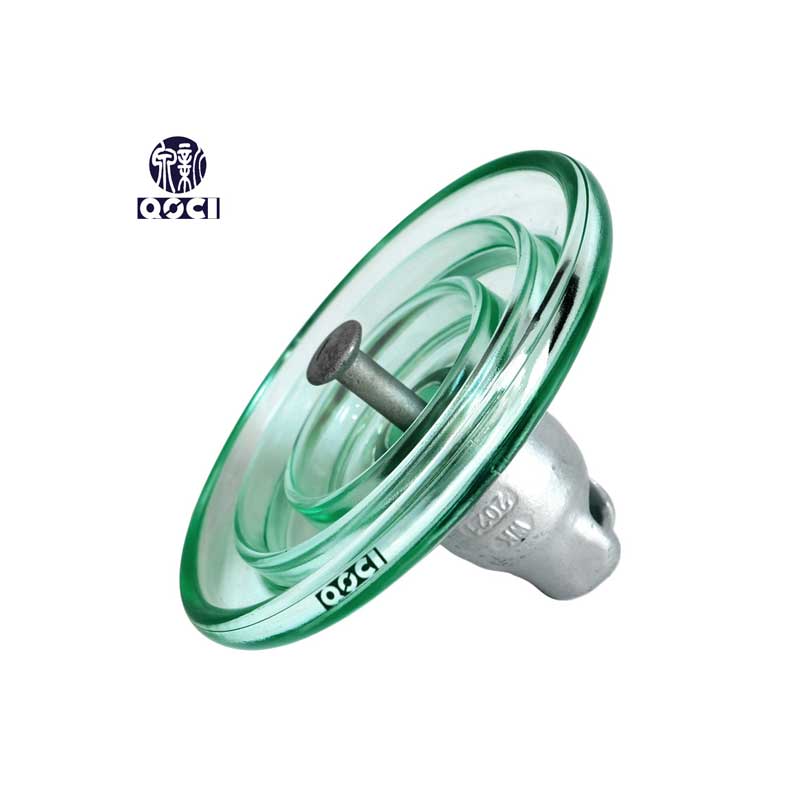
Shallow, well-spaced ribs for effective self-cleaning by wind or rain. Ideal for clean to moderate pollution areas.
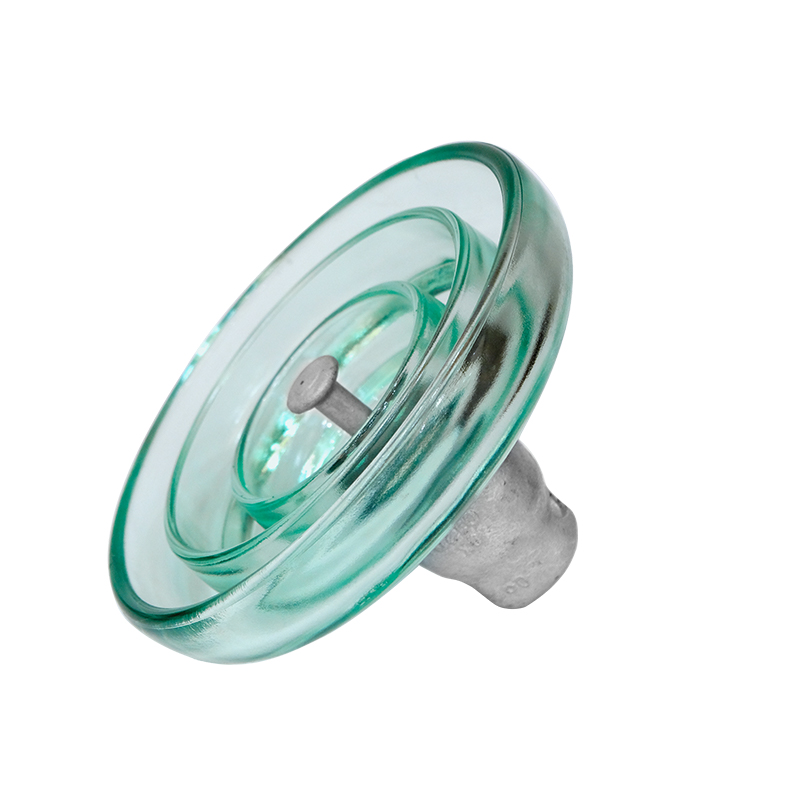
Characterized by long, widely-spaced under-ribs to avoid arc bridging. Leakage distance ratio around 3.2.
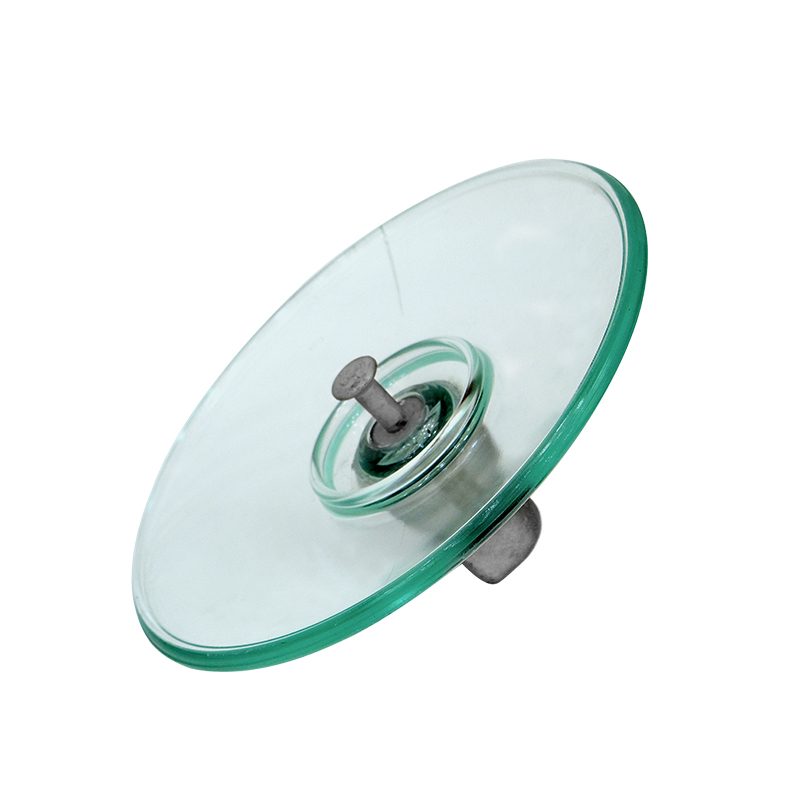
No under-ribs to avoid accumulation of dust and sand. Perfect for desert environments and ice-bridging prevention.
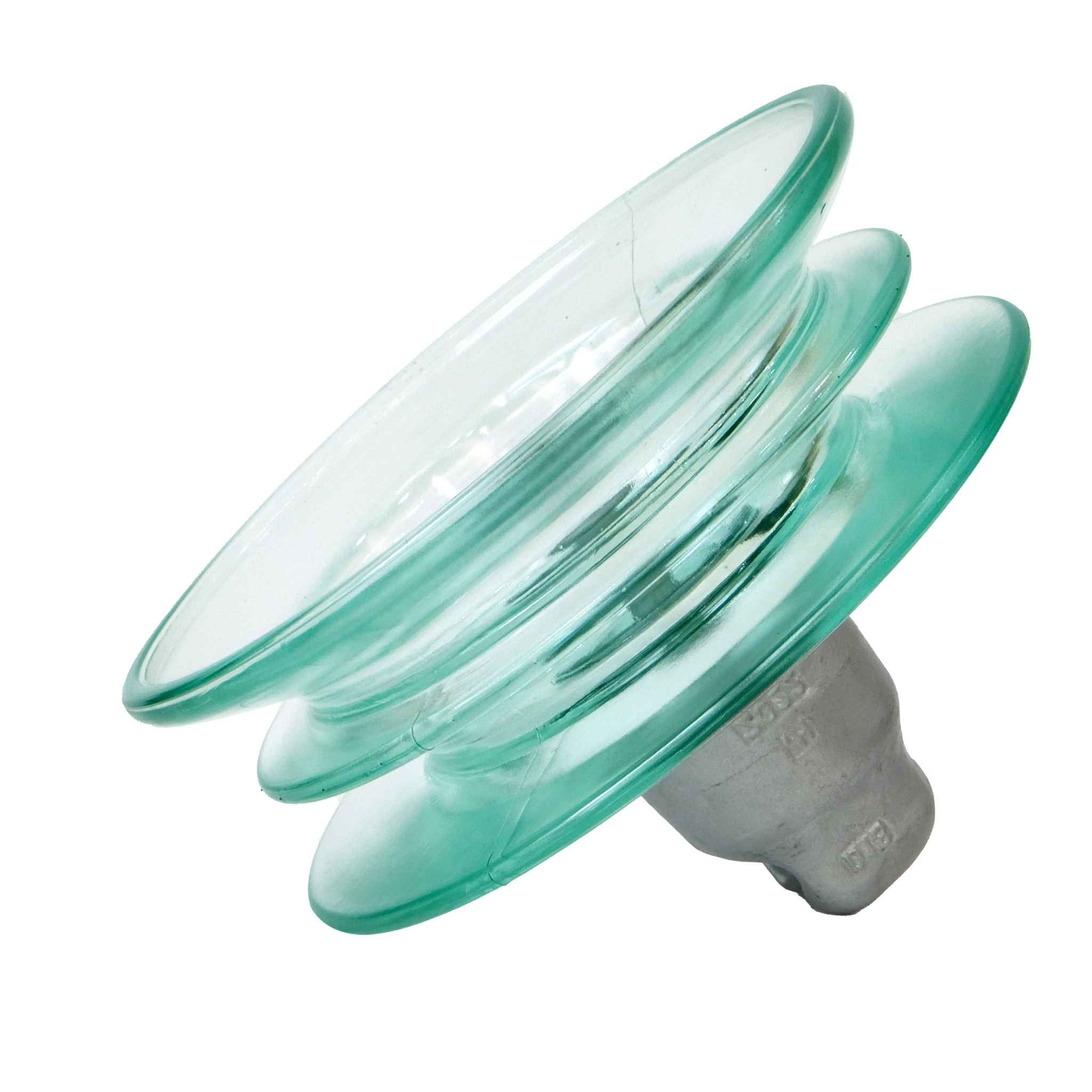
Three layers of umbrella discs for extreme pollution resistance. A key choice for Ultra-High Voltage (UHV) lines.