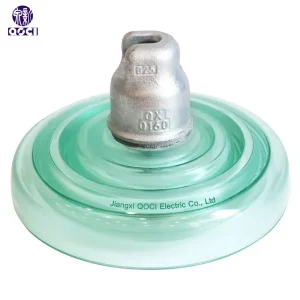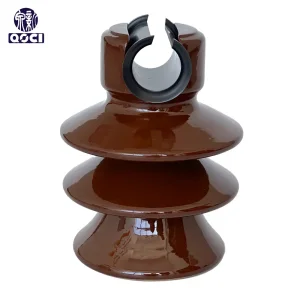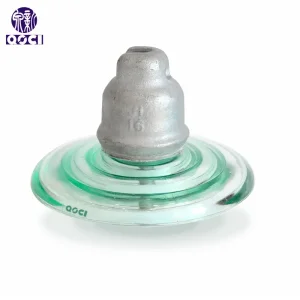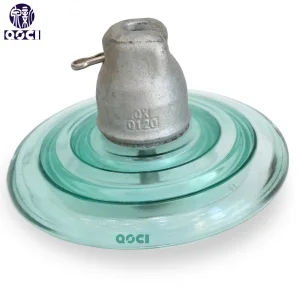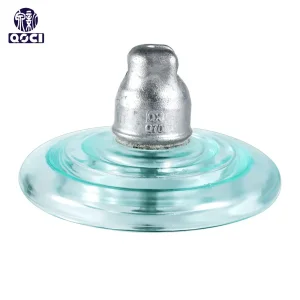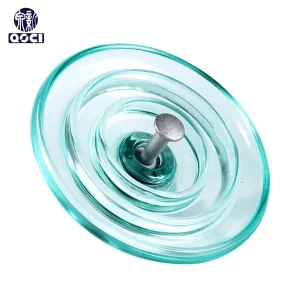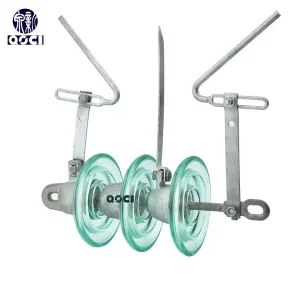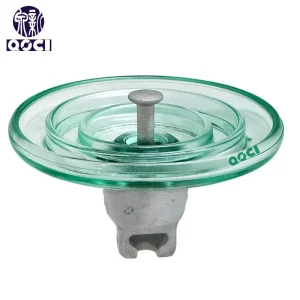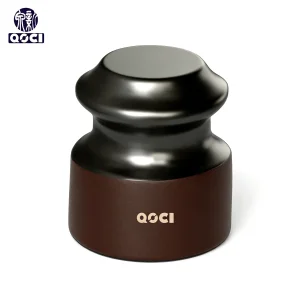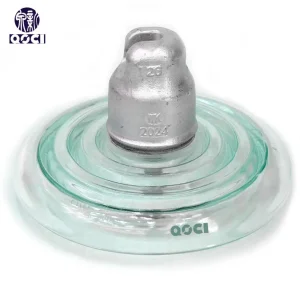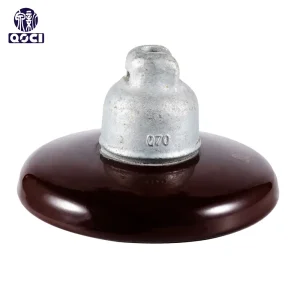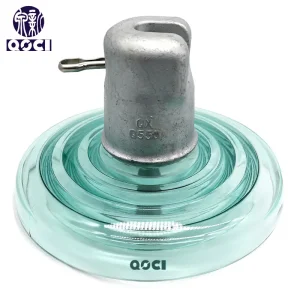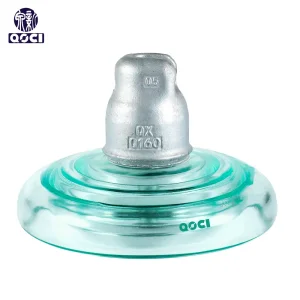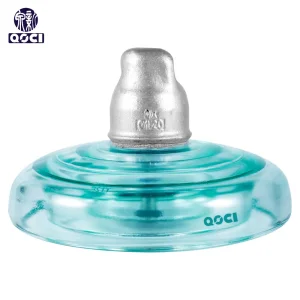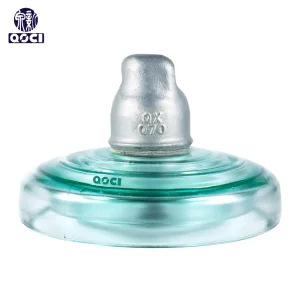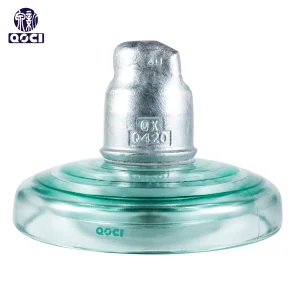
In the macro-landscape of global electrification, Strain Porcelain Insulators (often referred to as tension insulators) represent the backbone of mechanical and electrical reliability for overhead transmission lines. Unlike suspension insulators that primarily support the weight of the conductor, strain insulators are engineered to withstand the extraordinary longitudinal tension of conductor spans at dead-end towers, sharp corners, and river crossings.
As a leading China strain porcelain insulator manufacturer, Jiangxi QOCI Electric Co. Ltd integrates decades of ceramic expertise with modern automated production. Our facilities in the Luxi Industrial Park leverage the region's rich mineral resources to produce high-alumina porcelain that meets and exceeds IEC, ANSI, and AS standards.
Serve the world-class power grid with dedication. Actively participate in the construction of green energy through advanced dielectric research.
Responsibility is the guarantee of quality. Our QC protocols include steep-front impulse voltage tests and thermal-mechanical performance verification.
Serve the electric power industry and ensure the safety of the power grid with 24/7 technical support and logistical excellence.
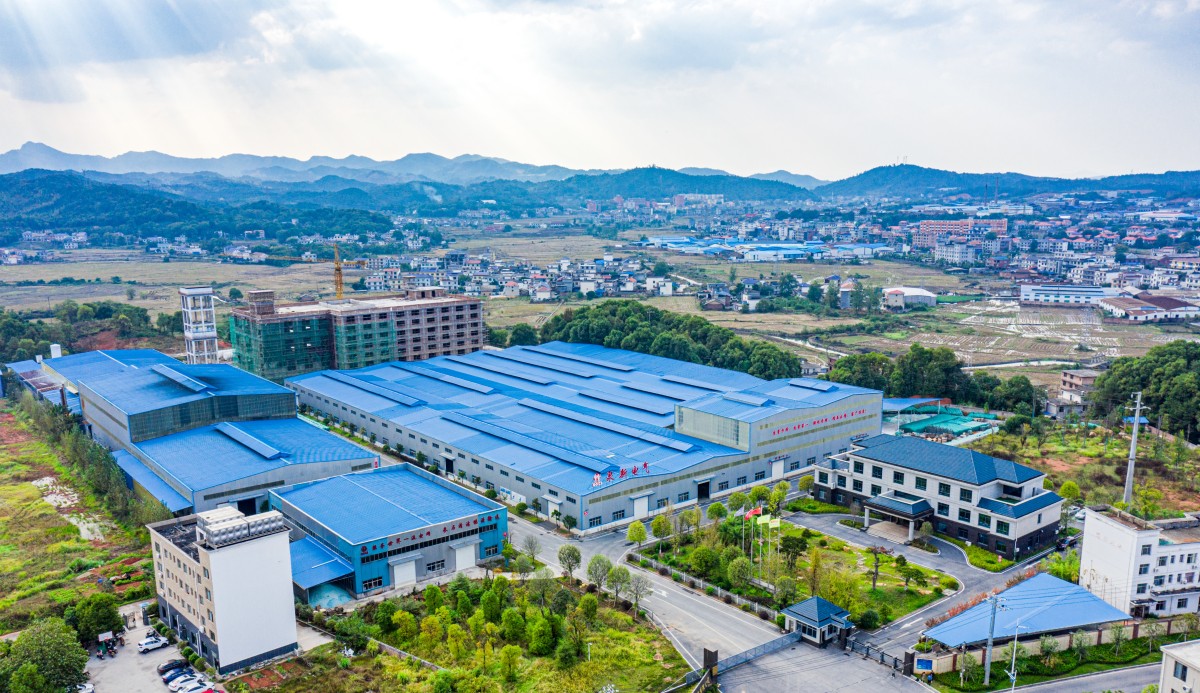
Jiangxi, particularly the Pingxiang region, is the global hub for electrical ceramics. This geographic concentration ensures a robust supply chain of high-purity kaolin, specialized glazes, and forged steel fittings, reducing lead times and costs.
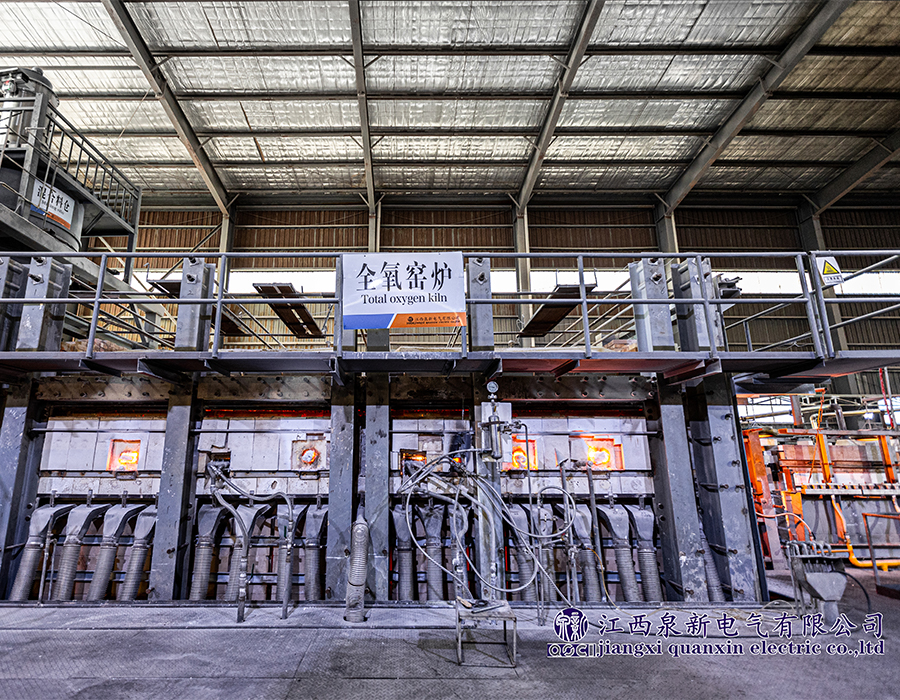
Modern Chinese factories like QOCI utilize Isostatic Pressing and automated Total Oxygen Kilns. This results in insulators with higher density, zero porosity, and superior resistance to aging compared to traditional wet-process methods.
We don't just manufacture; we engineer for specific environments. From the salt-fogs of coastal Southeast Asia to the high altitudes of the Andes, our products are customized for regional electrical stresses.
The power transmission sector is undergoing a paradigm shift. As a premier China strain porcelain insulator manufacturer, we are at the forefront of these three major trends:
Ultra-High Voltage (UHV) lines require insulators with massive mechanical strength (up to 530kN and beyond). We are investing in nanotechnology-enhanced glazes to improve surface conductivity and reduce corona discharge.
Future strain insulators will incorporate RFID and IoT sensors for real-time condition monitoring, helping utilities predict failures before they occur.
We are phasing out lead-based glazes in favor of eco-friendly alternatives, ensuring our "Green Energy" commitment is reflected in our manufacturing footprint.
| Environment | Challenge | Recommended Insulator Profile | Key Advantage |
|---|---|---|---|
| Coastal / Saline | Salt-fog corrosion & leakage current | Anti-Pollution / Fog Type | Extended leakage distance & deep ribs |
| Desert / Arid | Sand accumulation & dry flashover | Aerodynamic / Open Profile | Self-cleaning shape prevents dust buildup |
| High Altitude | Air ionization & low pressure | Triple-Shed / Double-Shed | Optimized arc distance for thin air |
| Industrial Zones | Chemical deposits & acid rain | RTV Silicone Coated Glass/Porcelain | Hydrophobic surface minimizes maintenance |
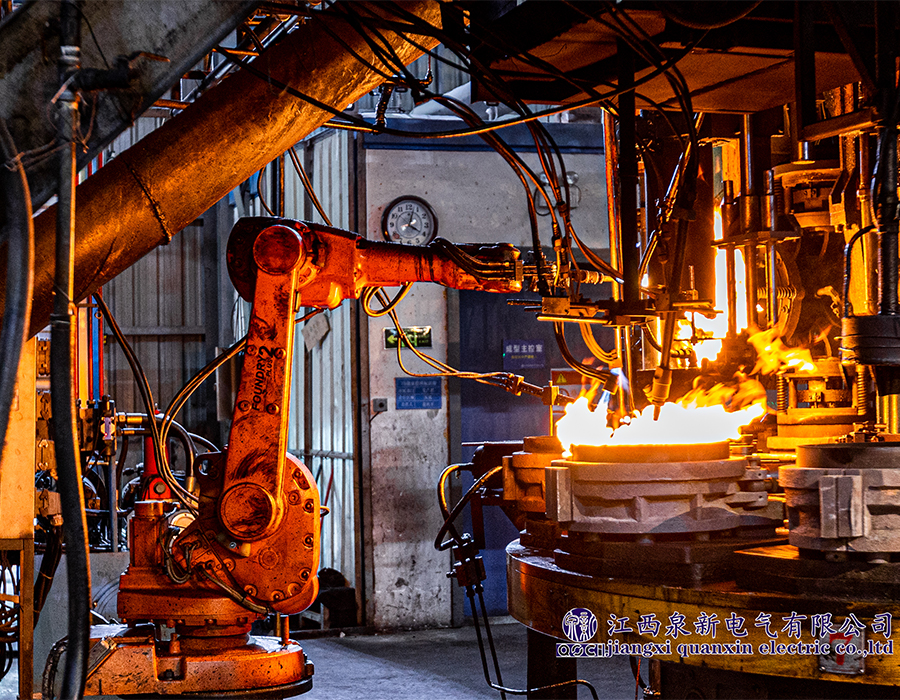
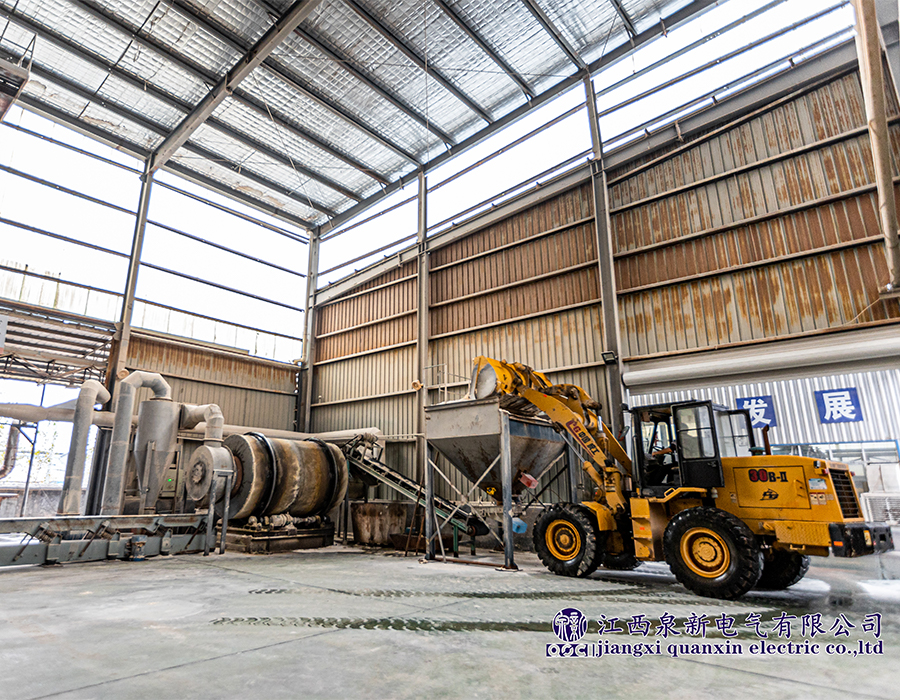
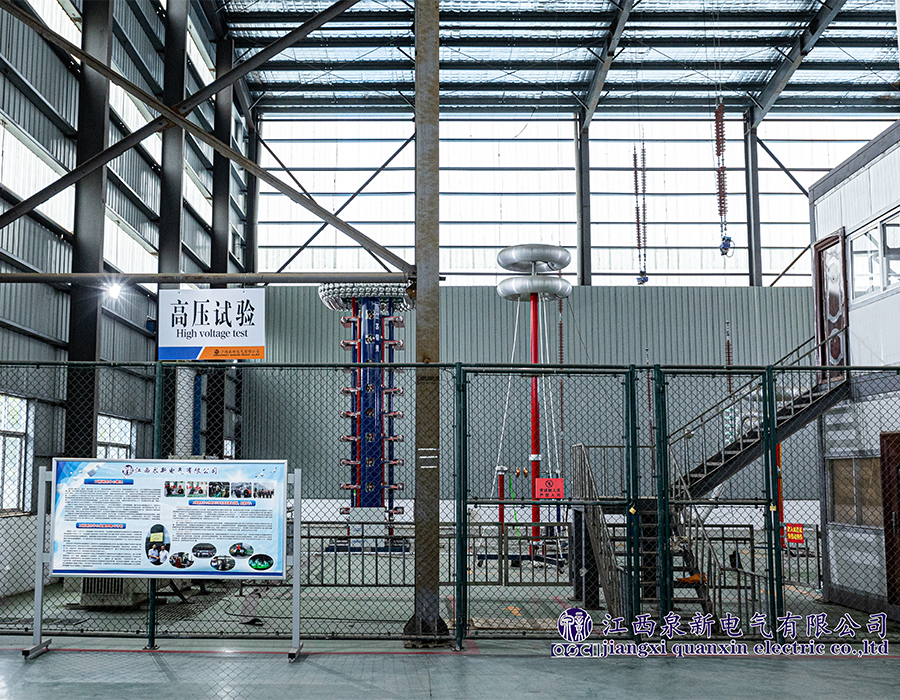
Sourcing from a China strain porcelain insulator factory requires meticulous attention to technical compliance. We ensure all shipments include:
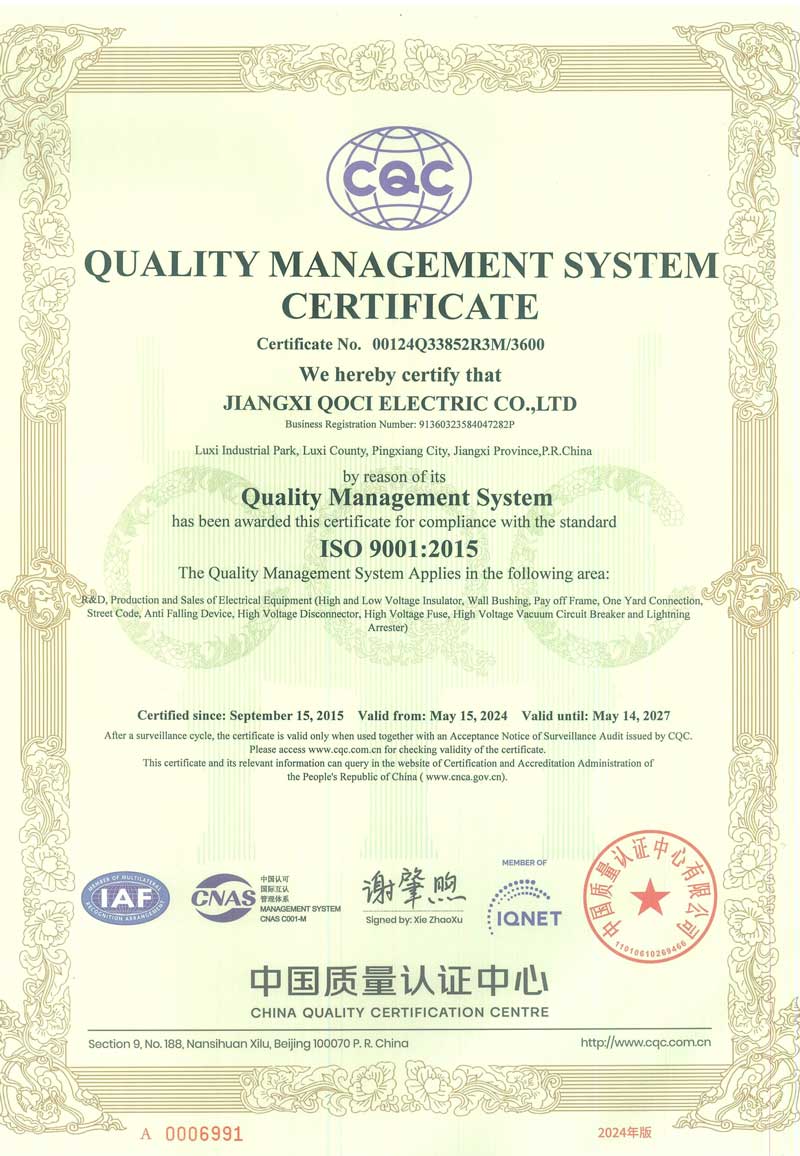
Verification of ISO 9001, ISO 14001, and OHSAS 18001. We provide Type Test reports from independent labs like KEMA or CPRI upon request.
Every batch undergoes routine tests: Visual inspection, Galvanizing test, and Mechanical failing load test. We welcome third-party inspectors like SGS or Bureau Veritas.
Insulators are packed in heat-treated wooden crates or reinforced pallets with moisture-proof linings to ensure integrity during sea freight.