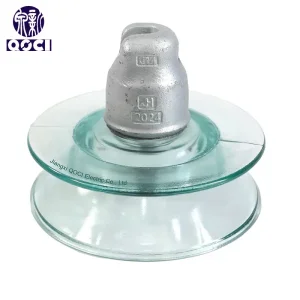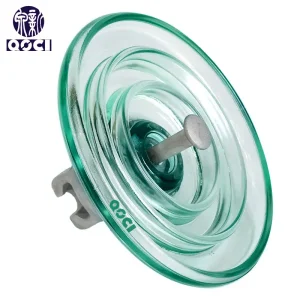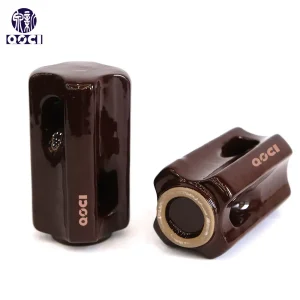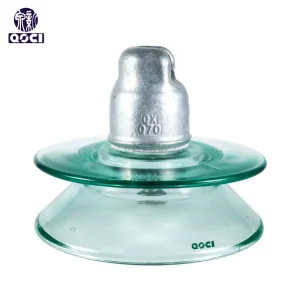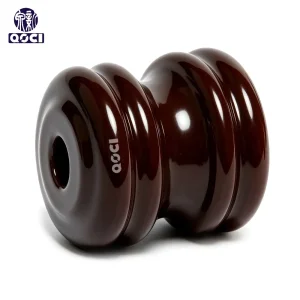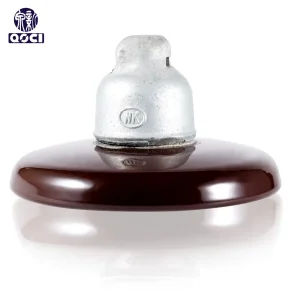
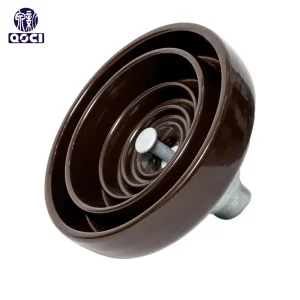
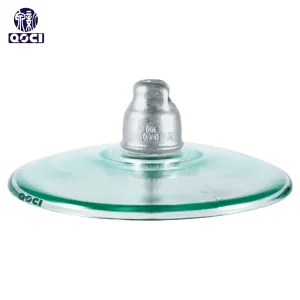
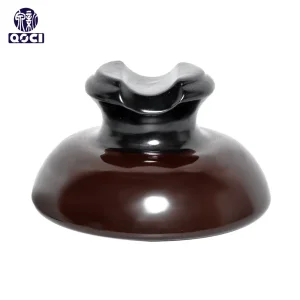
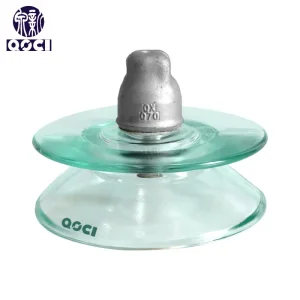
Premium standard and anti-pollution toughened glass and porcelain components engineered for high-voltage and ultra-high-voltage overhead transmission lines.
A global leader in high-performance grid insulation technology and advanced material research.
Founded in December 2002, Jiangxi QOCI Electric Co. Ltd has established itself as an elite-level powerhouse in the high-voltage transmission equipment sector. Boasting a substantial registered capital of 508 million Yuan, our primary manufacturing headquarters is located in the high-tech Industrial Park of Luxi County, Pingxiang, Jiangxi Province—the historic capital of electrical porcelain engineering.
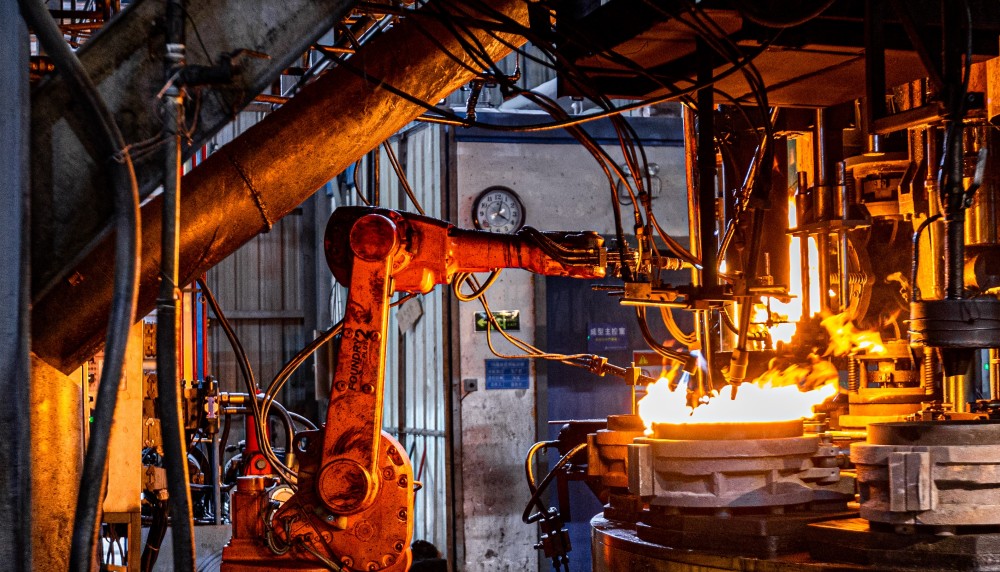
We specialize in designing, testing, and mass-manufacturing high-strength toughened glass insulators and technical porcelain units designed to safeguard low-voltage, high-voltage (HV), extra-high-voltage (EHV), and ultra-high-voltage AC and DC transmission systems worldwide. By utilizing high-tech total oxygen kilns and automated forming systems, we deliver uncompromising safety, longevity, and structural resilience to overhead power networks.
Unveiling the material science, mechanical calculations, and electrical performance parameters driving modern high-voltage grids.
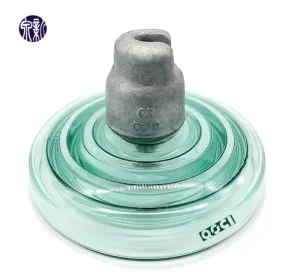
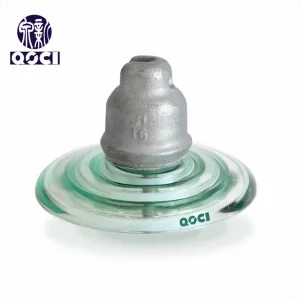
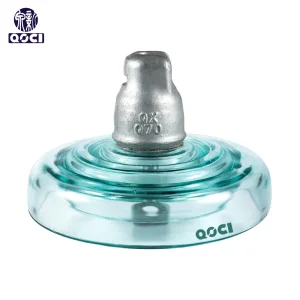
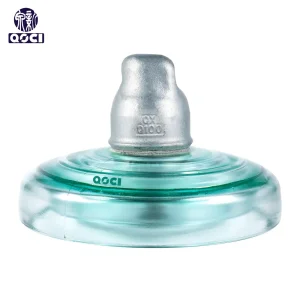
In high-voltage engineering, mechanical and geometry designations dictate structural success. The U70b denotes a cap-and-pin toughened glass insulator with a rated electromechanical failing load of 70 kN, complying with standard IEC 60305 configurations. When integrated with the Ctv 254 designation, it references a specialized profile characterized by an optimized spacing of 146mm, a disk diameter of 255mm, and a custom creepage profile (reaching up to 320mm or 450mm in anti-pollution designs) optimized specifically to avoid flashovers.
The glass chemistry utilizes a soda-lime-silica composition that undergoes a rapid thermal tempering process. This creates high compressive stress on the exterior surface layer and balanced tensile stress inside. Consequently, if the glass body is damaged, it shatters into small, non-cutting fragments without parting the string. This represents the iconic "fail-safe" characteristic of toughened glass over porcelain.
The U70b is built to withstand massive tensile loads. Under extreme wind conditions, line icing, or seismic activity, the glass shell distributes mechanical strain uniformly down to the cap and steel pin interfaces, preventing line drops.
Tempered glass sustains thermal shock cycles ranging from -40°C up to +120°C. In coastal environments, it exhibits chemical immunity to salt erosion and industrial chemical run-off, maintaining zero leakage current.
Featuring an aerodynamic bottom surface and optimized shed configurations, wind and rain naturally wash away accumulated dust and debris, mitigating the risk of dry band arcing.
A comparative look at the cost, technical capabilities, and rigorous quality assurance pipelines of modern Chinese manufacturers.
A detailed review of standard, anti-pollution, open, external-shed, triple-shed, ground-wire, and silicone-coated structures.
The characteristic of the standard profile is that the leakage distance is higher than the value indicated for standard insulators in IEC 60305. The insulation part is designed with shallow and well-spaced small ribs, which can be effectively self-cleaned by wind or rain.
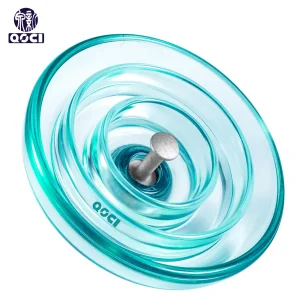
The fog type profile is characterized by long and widely-spaced under-ribs so as to avoid arc bridging between adjacent ribs. It features a leakage distance/spacing ratio of around 3.2 and is particularly effective in coastal areas (Salt fog) as well as in polluted areas where a higher specific leakage distance is required.
Designed without under-ribs and with an extended disk diameter to prevent the accumulation of dust, sand, or ice. Excellent for desert regions with strong winds but infrequent rain, preventing dry-band flashover and bridging.
Features two prominent external sheds. The elimination of under-ribs reduces overall pollution buildup, enabling wind-driven self-cleaning. Facilitates easy manual cleaning and operates effectively in industrial soils and saline climates.
Consists of three layers of umbrella discs separated on the insulation body. Delivers a highly extended creepage distance, rendering it perfect for Ultra-High Voltage (UHV) lines, high altitudes, and coastal zones.
Enables reliable system grounding by linking internal or external metal accessories (such as steel feet and flanges) to the ground wire. This redirects lightning currents and protects the system from lightning damage.
An excellent hybrid design featuring Room Temperature Vulcanization (RTV) silicone coatings with embedded mineral fillers. RTV silicone creates a highly hydrophobic surface that prevents leakage currents and eliminates the need for periodic manual cleaning. It absorbs arc energy to maintain glass integrity in ultra-heavy industrial or coastal locations.
Providing high-voltage grids with stability under extreme geological and weather conditions.
Our standard and anti-pollution insulators are engineered to perform in geographical extremes. In high-altitude alpine sectors, they resist ice-shed bridging. In coastal regions, they withstand corrosive salt fog, preventing salt-deposit-induced leakage currents. In arid regions, their aerodynamic profiles prevent dust and sand accumulation.
HVDC overhead lines demand zero-defect insulation due to the continuous electric field that attracts airborne pollutants. Our specialized HVDC glass insulator profiles (like the U40B and U70B families) use high-resistivity glass compositions to maintain performance under steady electrical stresses.
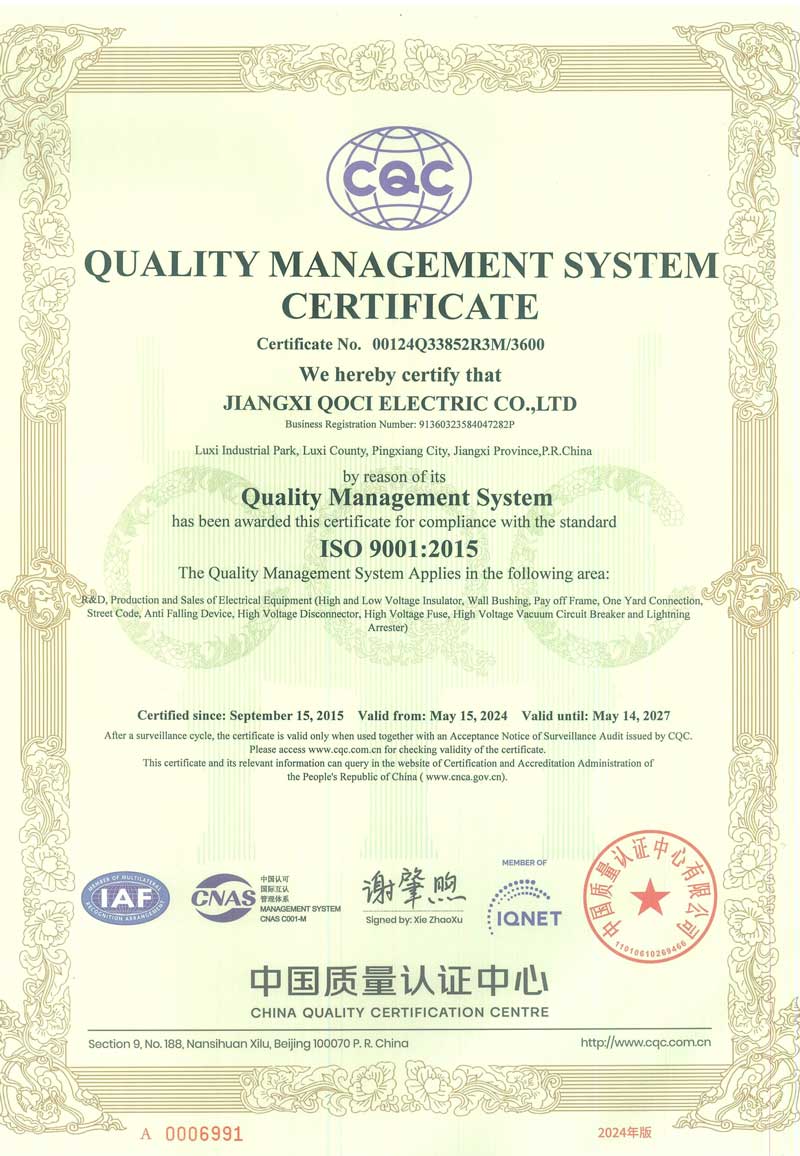
International electrical grid utilities, EPC contractors, and procurement departments must prioritize factories that adhere strictly to international testing criteria. Jiangxi QOCI Electric maintains complete compliance with IEC 60305, IEC 60383, ANSI C29.2B, and ISO 9001 quality management benchmarks. When sourcing the Ctv 254 / U70b series, procurements should request routine tests (mechanical load, thermal shock, electrical puncture), sample tests, and design verification reports to ensure absolute longevity on the field.
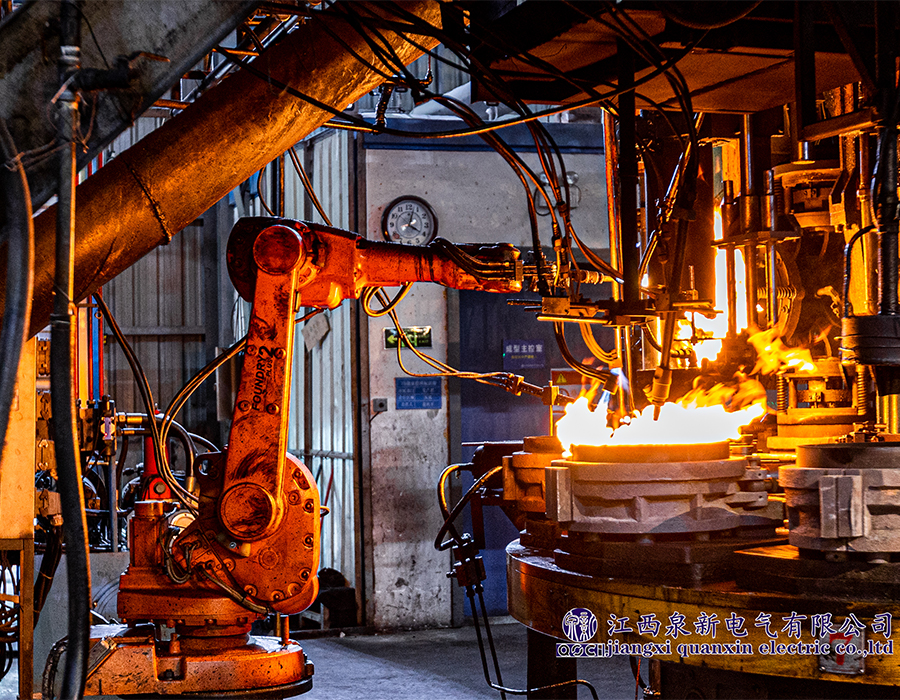
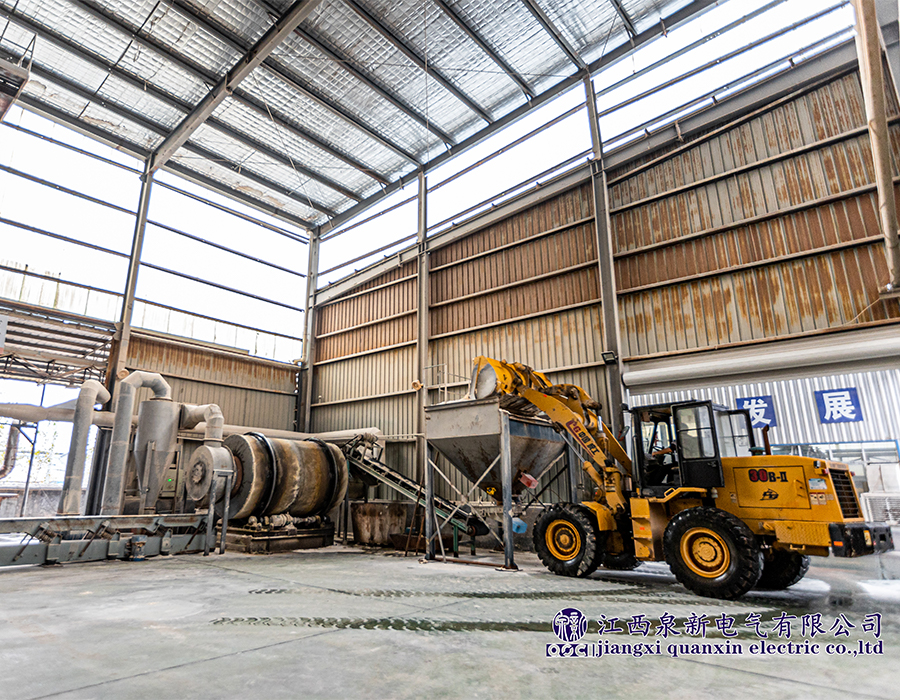
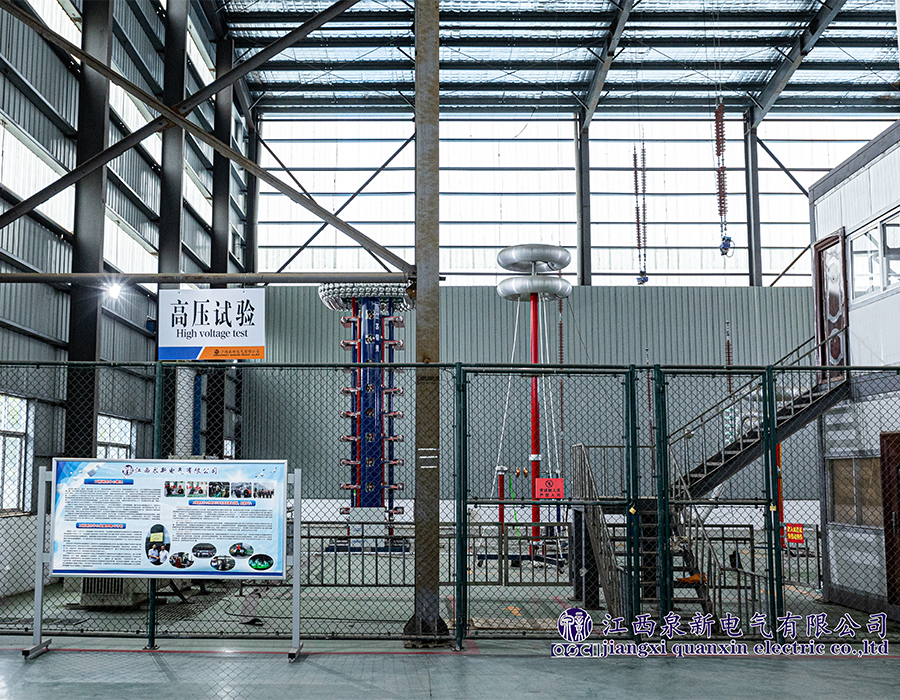
Advanced equipment, strict processes, and international safety certifications.
Expert answers addressing the selection, installation, and performance of Ctv 254 U70b Glass Insulators.
The designation Ctv 254 corresponds to a proprietary, high-creepage version of the standard U70B suspension glass insulator. It specifies an insulation disc diameter of 255mm, a spacing height of 146mm, and a custom creepage distance configuration designed to increase surface resistivity against atmospheric pollution.
Toughened glass provides a unique "fail-safe" feature: if the glass is compromised, it shatters into tiny, harmless fragments but does not part the string. This makes identification of broken units simple during visual fly-by or drive-by inspections, reducing maintenance costs. Glass also possesses higher mechanical homogeneity and does not age like porcelain.
At Jiangxi QOCI Electric, each U70b unit undergoes rigorous proof-load testing at 50% of its rated mechanical failing load. The structural components—high-purity tempered glass, hot-dip galvanized cast steel cap, and forged pins—are assembled using specialized high-grade Portland cement, providing balanced stress distribution.
While standard U70b insulators are designed primarily for high-voltage AC overhead networks, we manufacture custom high-resistivity glass formulations and RTV silicone-coated glass configurations that are ideal for mitigating the unique electrical stresses of HVDC transmission systems.
Our manufacturing processes and product designs comply with key global benchmarks, including IEC 60305 (cap-and-pin insulators), IEC 60383 (testing specifications), and ANSI C29.2B (US utility standards), ensuring seamless integration into grids worldwide.
Premium standard and anti-pollution toughened glass and porcelain components engineered for high-voltage and ultra-high-voltage overhead transmission lines.