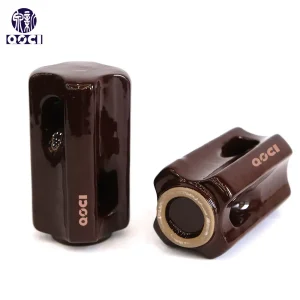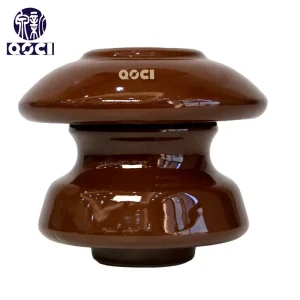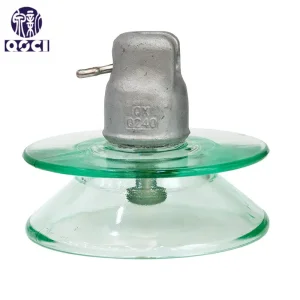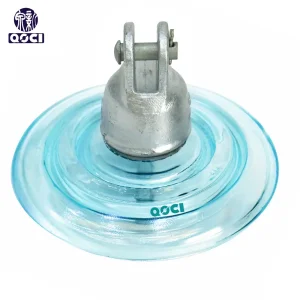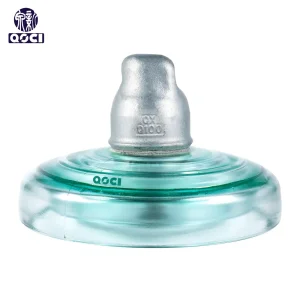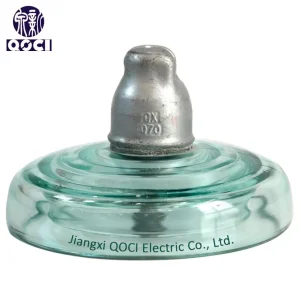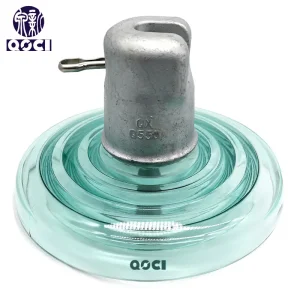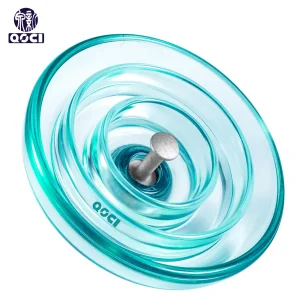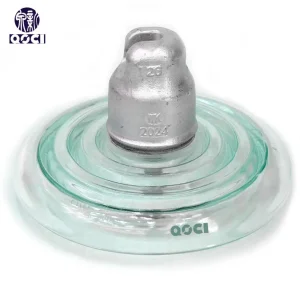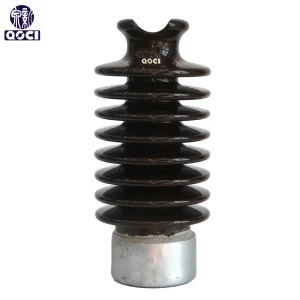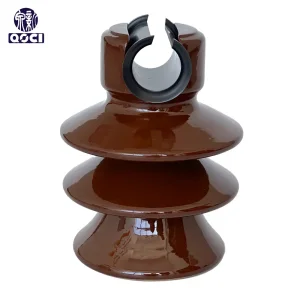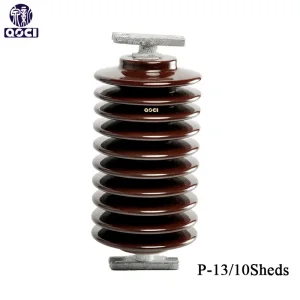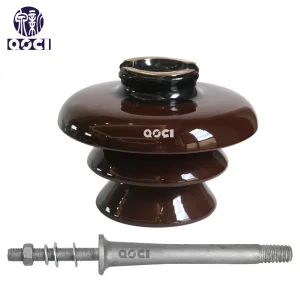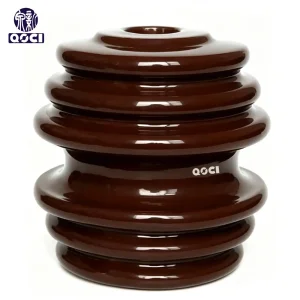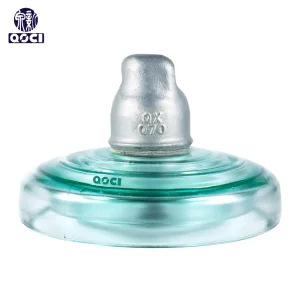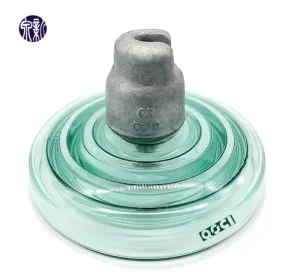
In the modern electrical landscape, the term "CTV 254 Isolator En Verreulation" (Toughened Glass Insulation) represents the pinnacle of transmission line reliability. As global energy grids transition toward Ultra-High Voltage (UHV) and renewable integration, the demand for insulators that offer both high mechanical strength and electrical stability has skyrocketed. Unlike traditional porcelain, toughened glass insulators provide a unique "self-shattering" characteristic, which simplifies maintenance by making faulty units visible from the ground, significantly reducing inspection costs and grid downtime.
Recent data from 2024-2025 indicates a shifts in global procurement strategies:
Jiangxi QOCI Electric Co. Ltd provides comprehensive solutions that go beyond product supply. Our macro-level approach includes:
Optimized shed profiles (Anti-fog, Aerodynamic) to mitigate the effects of industrial pollution and saline deposits in coastal transmission corridors.
Specially formulated glass compositions to prevent ion migration in DC applications, ensuring a service life exceeding 50 years.
Reducing the Total Cost of Ownership (TCO) through zero-cleaning RTV coatings and automated diagnostic features.
Registered Capital (Yuan)
Plant Area (m²)
Annual Output (Tons)
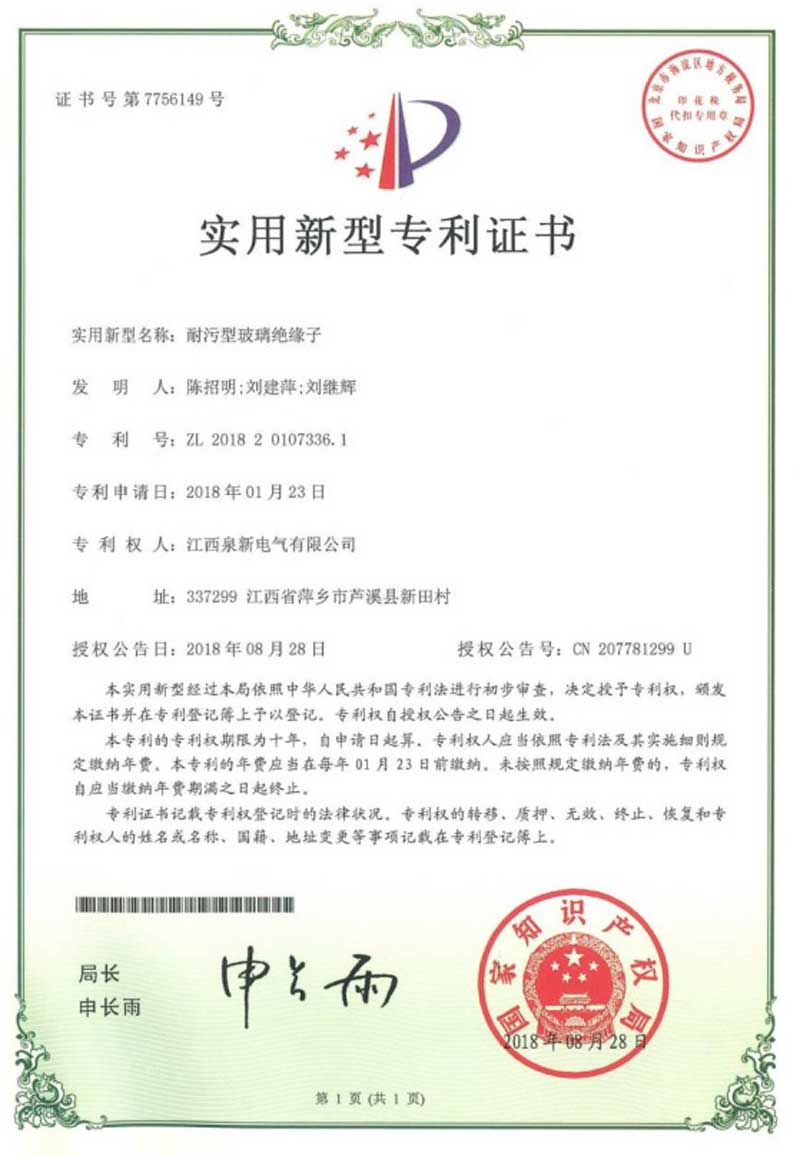
Invention Patents
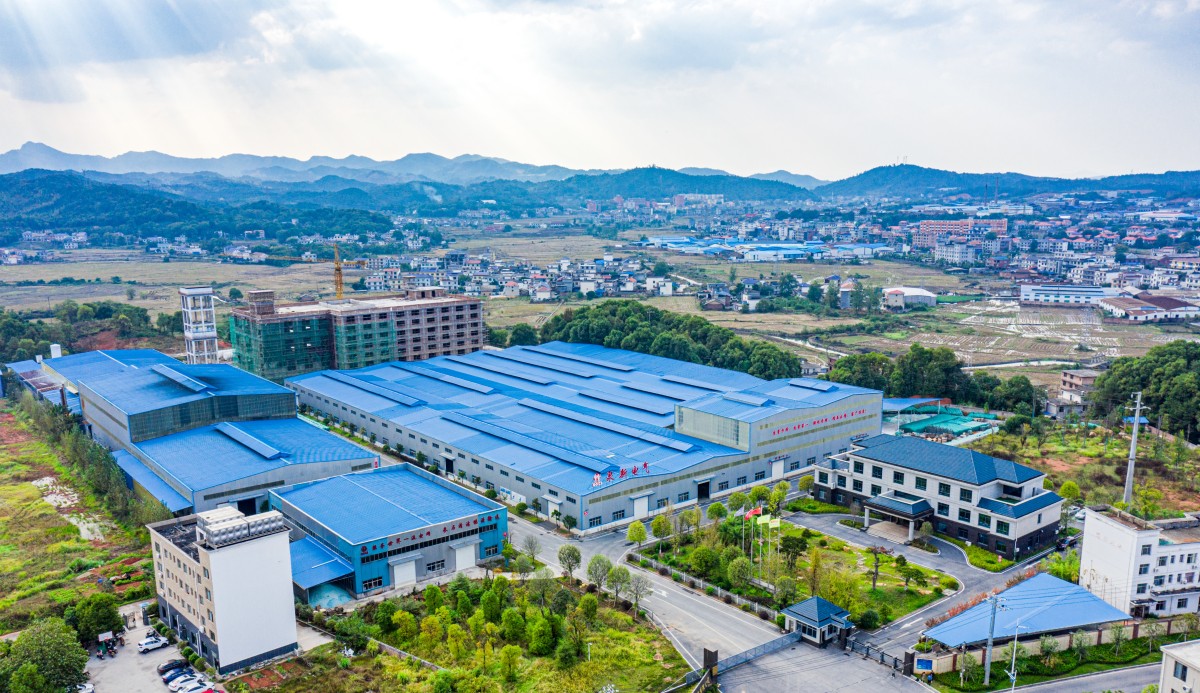
Founded in December 2002, Jiangxi QOCI Electric Co. Ltd has established itself as a world-class leader in the power grid sector. Located in the Industrial Park of Luxi County, Pingxiang, our facility covers 100 mu of advanced manufacturing space. Our mission is to serve the world-class power grid with dedication, actively participating in the construction of green energy infrastructure.
With 53+ senior engineering technicians and a rigorous quality control system, we ensure that "Responsibility is the guarantee of quality." Our products are exported to over 30 countries, meeting IEC, ANSI, and AS standards.
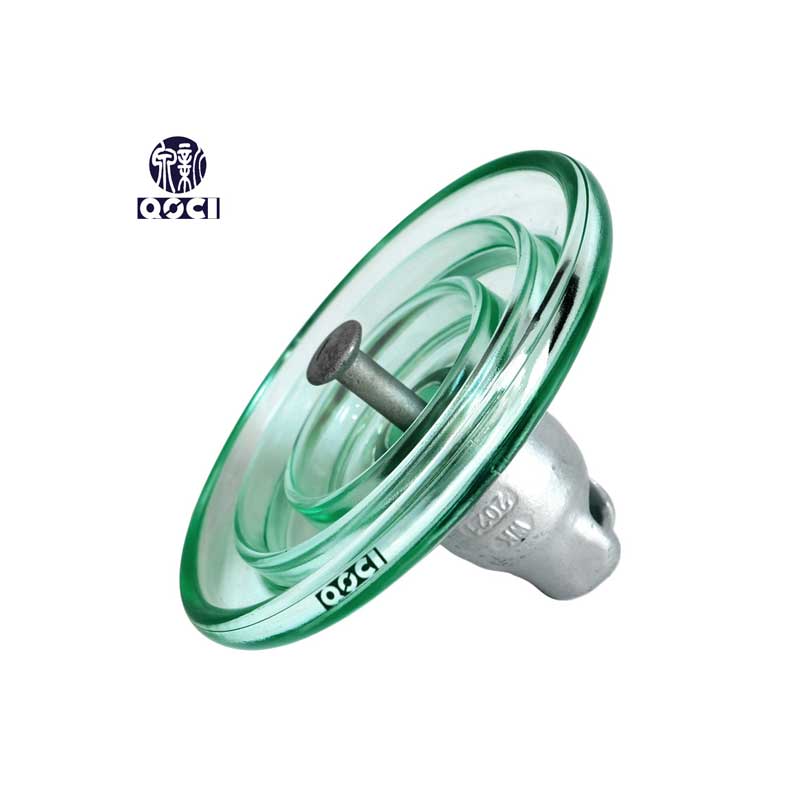
Designed with shallow and well-spaced small ribs for effective self-cleaning by wind or rain. Exceeds IEC 60305 leakage distance values.
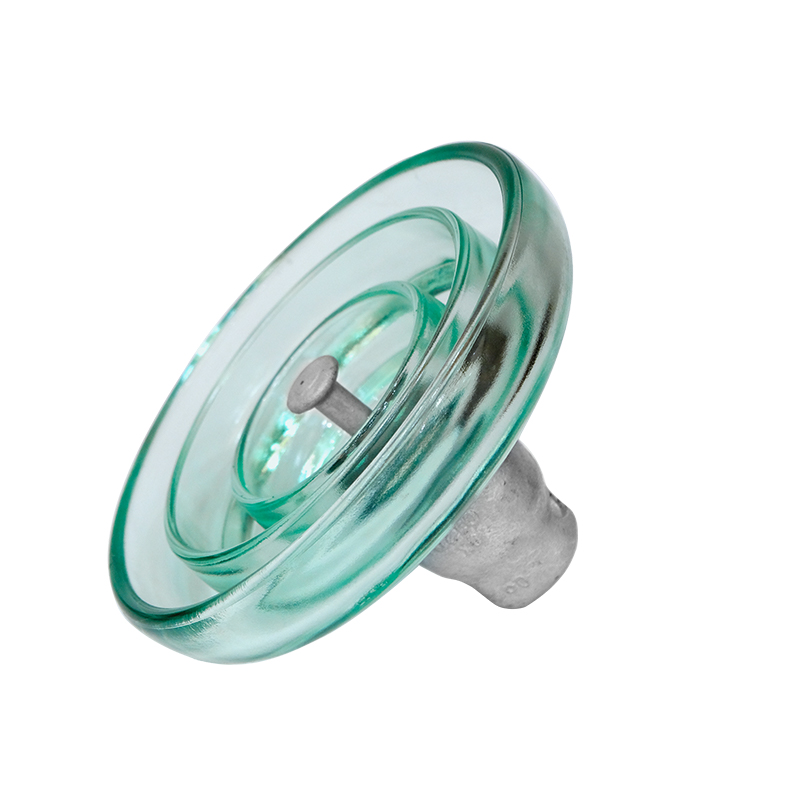
Features long, widely-spaced under-ribs to avoid arc bridging. Ideal for salt-fog coastal regions and high-pollution industrial zones.
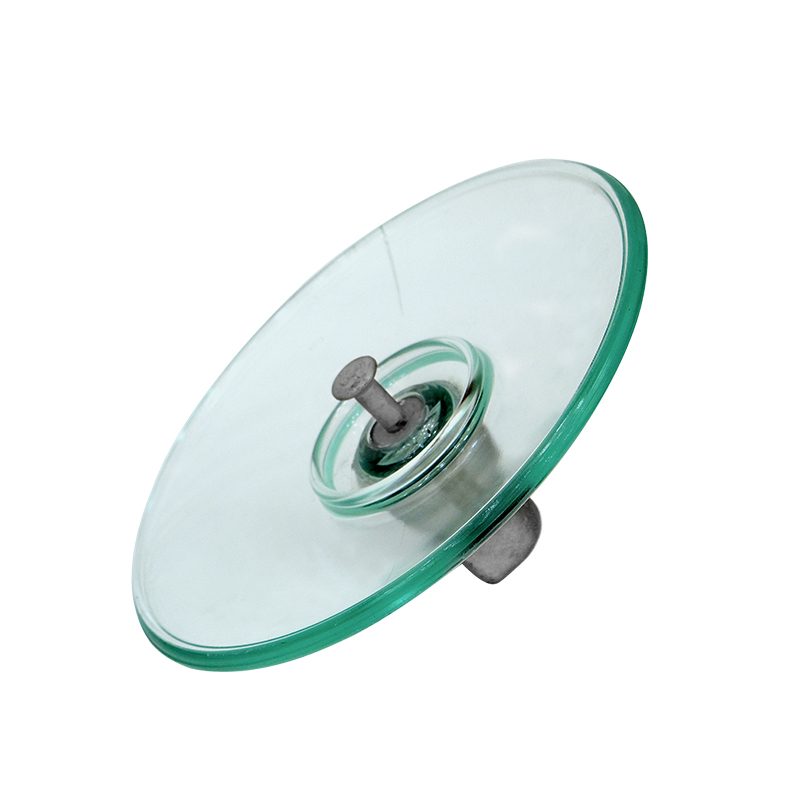
Absence of under-ribs prevents sand and dust accumulation. Solves ice-bridging problems in extreme northern climates.
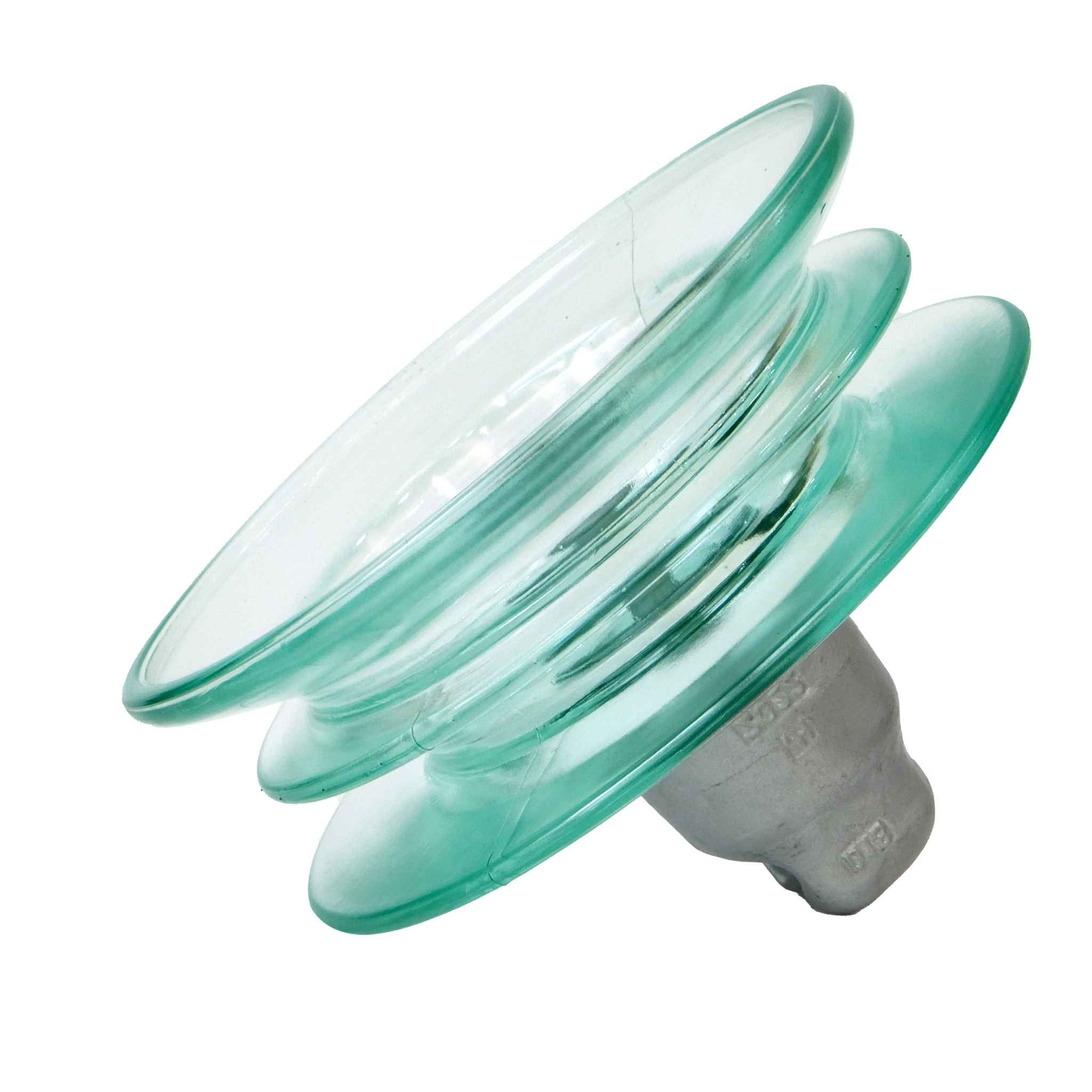
Advanced open shed design for UHV lines. Provides massive creepage distance and superior flashover resistance.
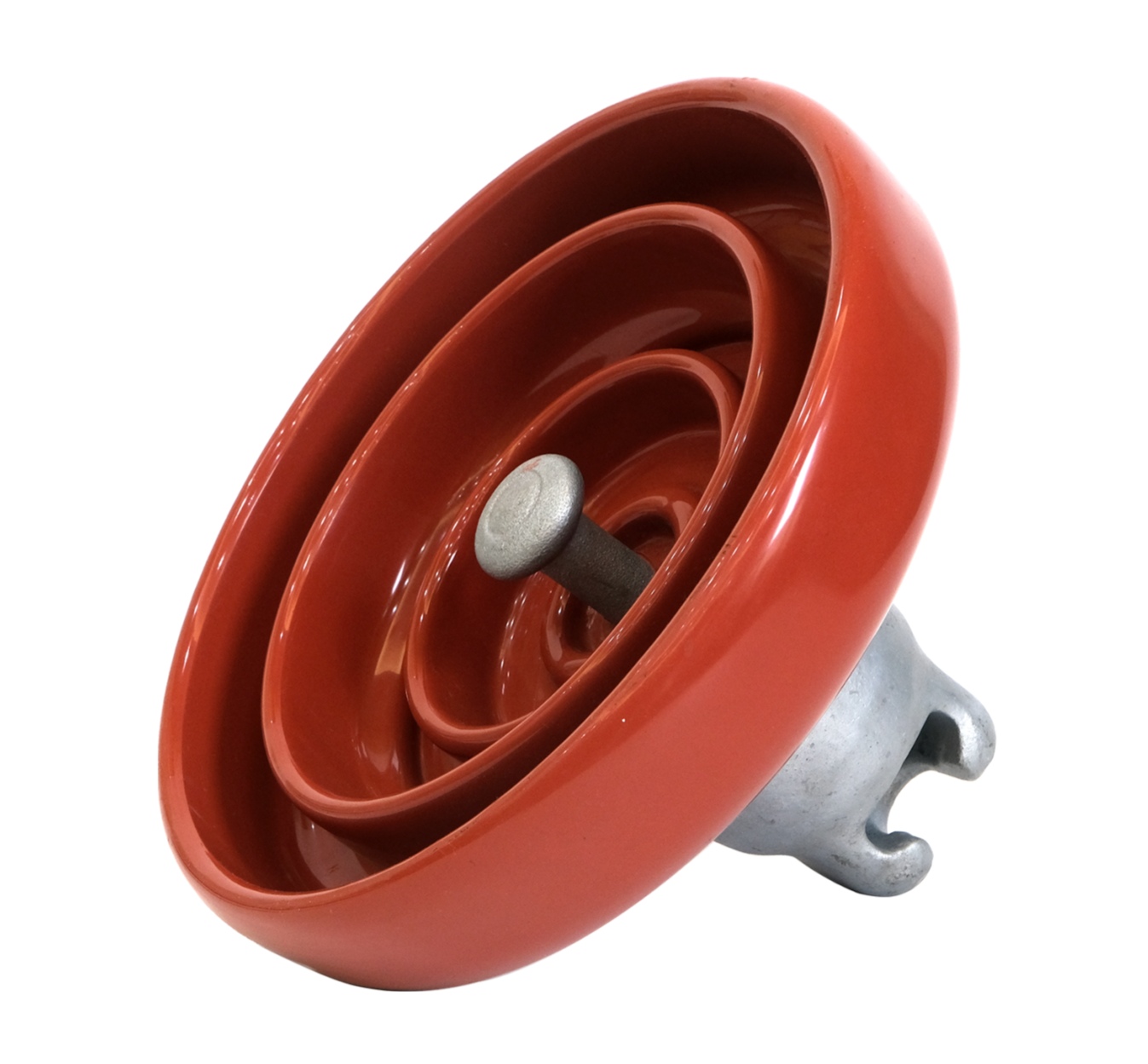
Room Temperature Vulcanization coating eliminates the need for manual cleaning while maintaining glass mechanical reliability.
Our R&D team is currently focused on the next generation of Smart Grid Insulation. The roadmap includes:
Localization is another core pillar. We offer local compliance support, ensuring our products meet the specific regulatory frameworks of ENTSO-E (Europe), IEEE (Americas), and specialized regional requirements in Africa and the Middle East.
The main advantage is the "automatic fault indication." If a glass insulator fails electrically or mechanically, the shell shatters into small fragments, making the "stub" easily identifiable by line patrols. Porcelain can fail internally without any external sign, requiring expensive testing to find the faulty unit.
Yes. Toughened glass has a very low coefficient of thermal expansion and can withstand temperature cycles from -60°C to +50°C without loss of mechanical integrity, making it ideal for Arctic and high-altitude installations.
RTV (Room Temperature Vulcanization) silicone coating provides a hydrophobic surface. This prevents the formation of continuous water films during rain or fog, thereby suppressing leakage currents and preventing pollution-induced flashovers.
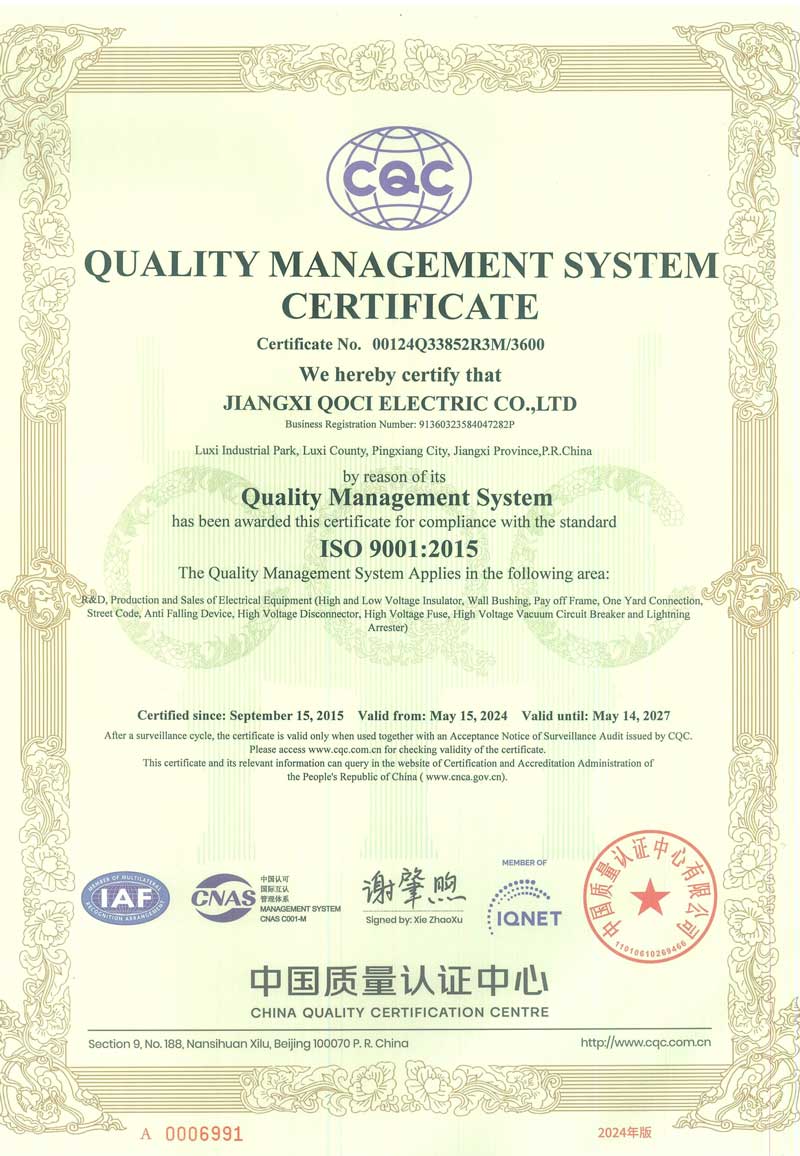
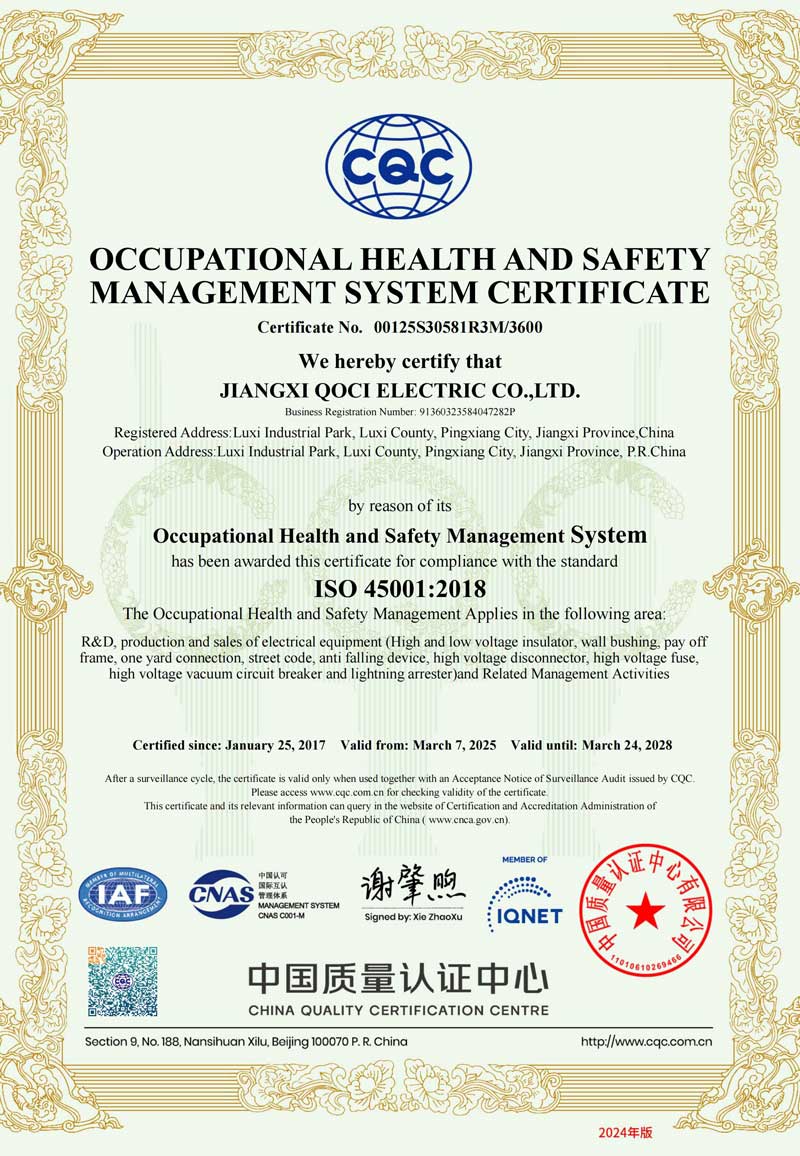
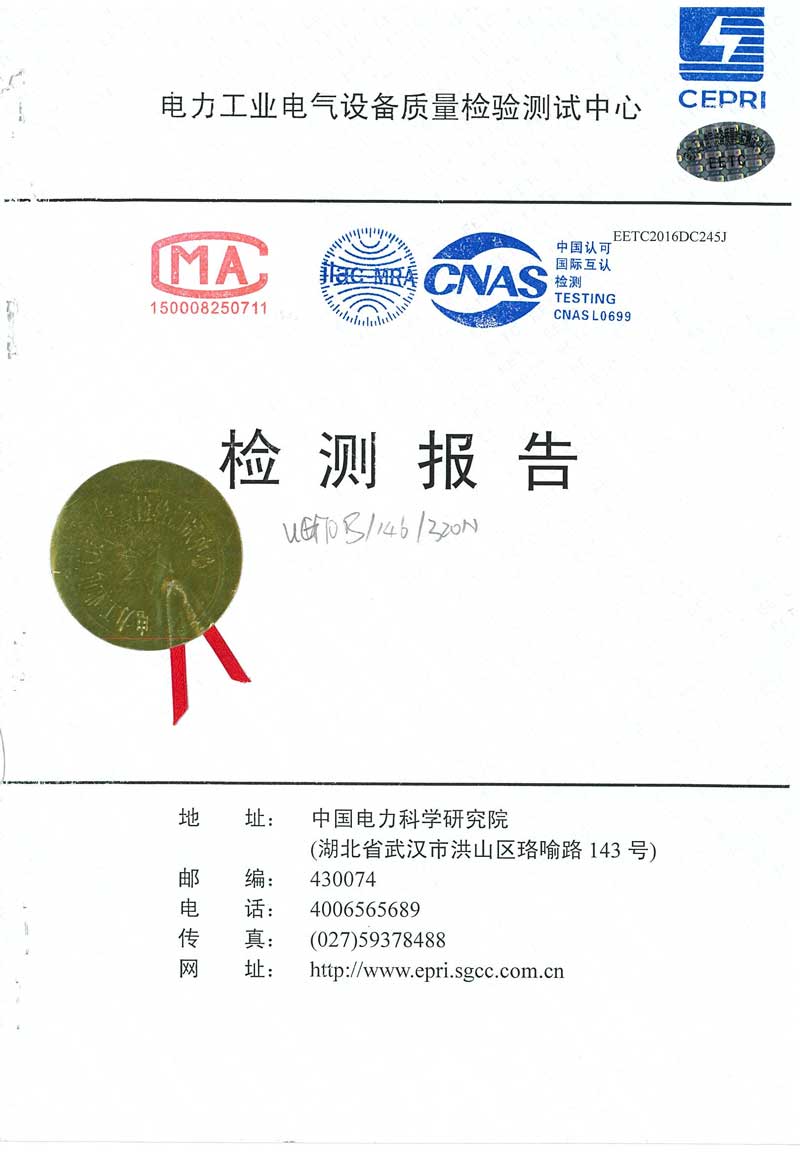
Our factory is ISO 9001, 14001, and 45001 certified. All products are tested according to IEC 60383, IEC 60305, and ANSI C29 standards in CNAS-accredited laboratories.