Direct Factory Sourcing Solutions & Standardized Toughened Glass Assemblies
Industrial performance metrics and capacity baseline of Jiangxi QOCI Electric Co., Ltd.
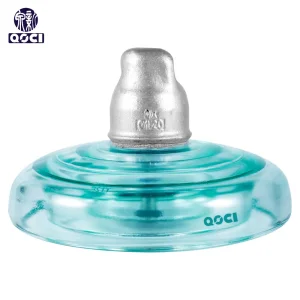
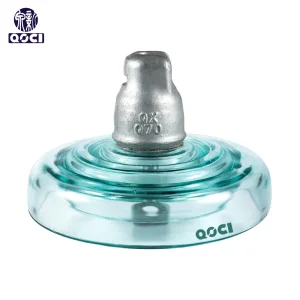
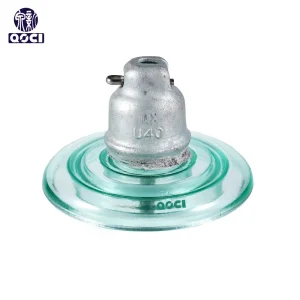
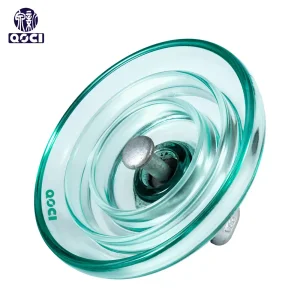
In modern high-voltage (HV) and ultra-high-voltage (UHV) overhead transmission infrastructures, the electrical and mechanical integrity of suspension strings relies heavily on standardized cap-and-pin toughened glass insulators. Among the vast array of structural mechanical ratings, the Glass Insulator 120 kN class (including models such as U120B, U120BP, U120BLP, and U120BSP) serves as a cornerstone standard for transmission networks operating between 66kV and 500kV.
Selecting a certified, high-volume wholesale manufacturer for 120kN toughened glass insulators requires an in-depth analysis of metallurgical composition, thermal quenching precision, cap-pin cement anchoring, and strict adherence to IEC 60305, IEC 60383, ANSI C29.2, and BS standards. This comprehensive technical whitepaper addresses the critical evaluation criteria for utility procurement directors, electrical line engineers, and EPC contractors seeking top-tier supply chain partners from China's leading manufacturing hubs.
Electromechanical properties, structural dimensions, and profile configurations for standard and extreme environment applications.
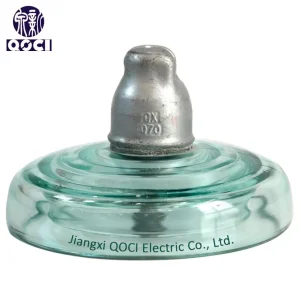
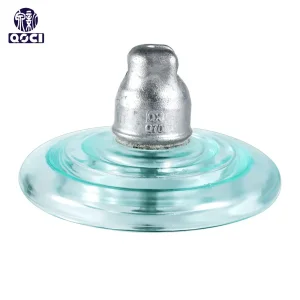
Designed for standard overhead lines in regions with clean or moderately low pollution levels. Features self-cleaning aerodynamic ribs that maximize wind and rain washing efficiency while maintaining a mechanical load strength of 120 kN.
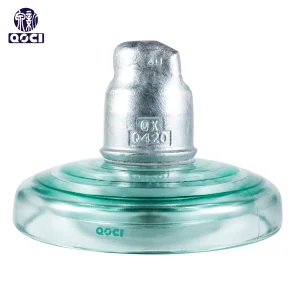
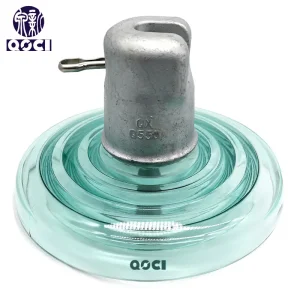
Engineered with deep, widely spaced under-ribs to drastically extend the specific creepage distance (up to 450mm or 550mm). Ideal for coastal salt fog, desert sandstorms, and heavy industrial pollution belts, preventing electrical arc bridging.
Factory-applied Room Temperature Vulcanization (RTV) silicone elastomer coating provides permanent surface hydrophobicity. Completely eliminates the need for periodic insulator washing in severe salt-spray and industrial chemical zones.
| Insulator Model Type | IEC / ANSI Standard | Mechanical Failing Load (kN) | Spaced Height (mm) | Disc Diameter (mm) | Nominal Creepage Distance (mm) | Dry Lightning Impulse Withstand (kV) |
|---|---|---|---|---|---|---|
| U120B (Standard) | IEC 60305 Class 120 kN | 120 kN | 146 mm | 255 mm | 320 mm | 100 kV |
| U120BLP (Anti-Fog) | IEC 60305 Deep Under-rib | 120 kN | 146 mm | 280 mm / 320 mm | 450 mm / 550 mm | 110 kV |
| U120BSP (Super Fog) | IEC 60305 Heavy Pollution | 120 kN | 127 mm / 146 mm | 280 mm | 450 mm | 105 kV |
| U160BLP (High Mechanical) | IEC 60305 Heavy Duty | 160 kN | 170 mm | 320 mm | 540 mm | 120 kV |
| U70BLP (Light Line Standard) | IEC 60305 Distribution | 70 kN | 146 mm | 280 mm | 450 mm | 95 kV |
Tailored structural configurations engineered for specific meteorological & electrical environments
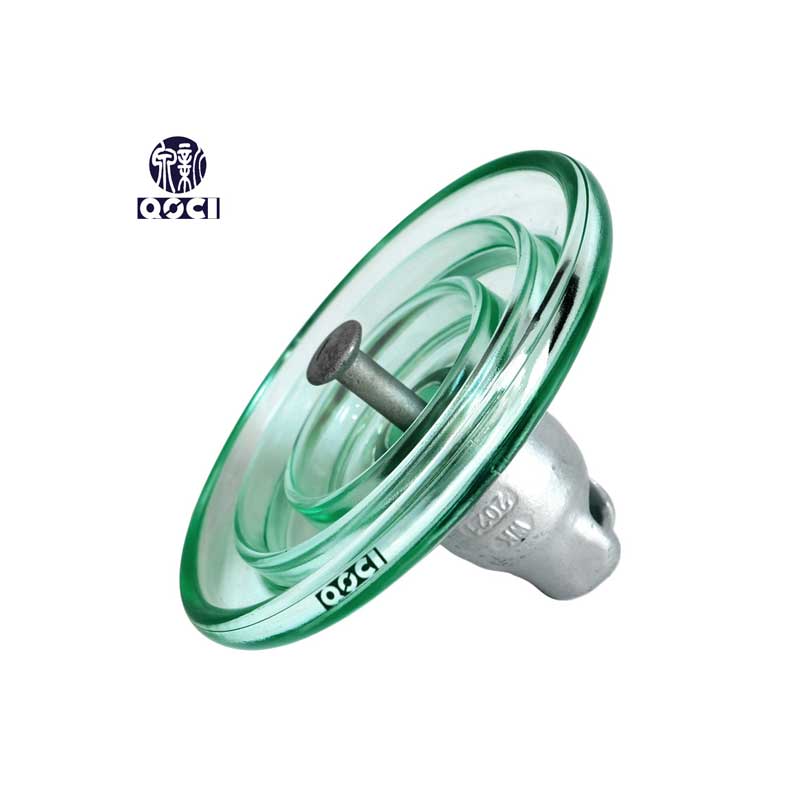
The characteristic of the standard profile is that the leakage distance is higher than the value indicated for standard insulators in IEC 60305. The insulation part is designed with shallow and well-spaced small ribs, which can be effectively self-cleaned by wind or rain.
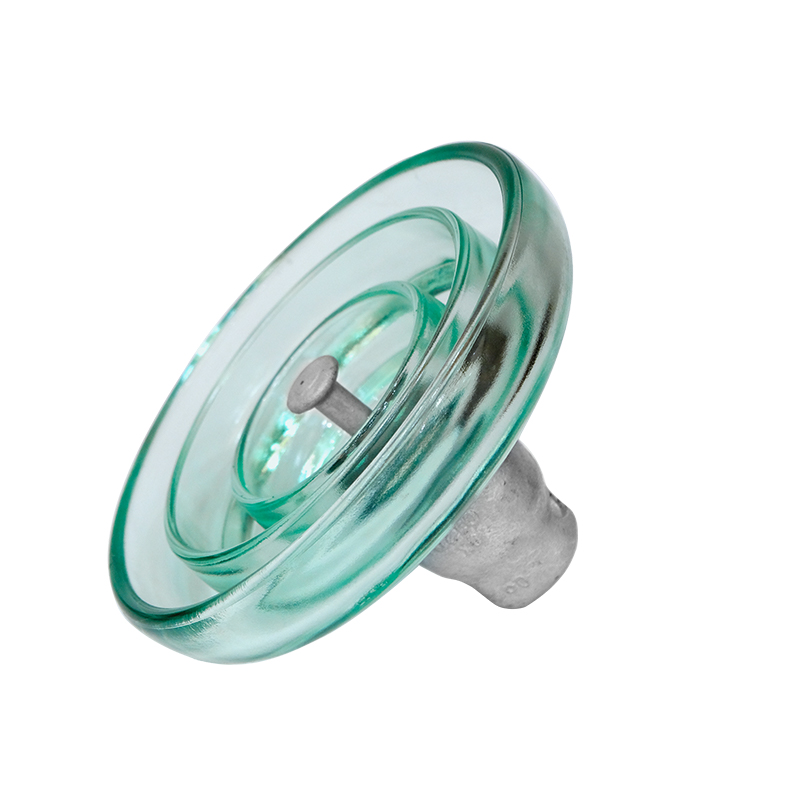
The fog type profile is characterized by long and widely-spaced under-ribs so as to avoid arc bridging between adjacent ribs. It features a leakage distance/spacing ratio of around 3.2 and is particularly effective in coastal areas (salt fog) as well as heavily polluted zones.
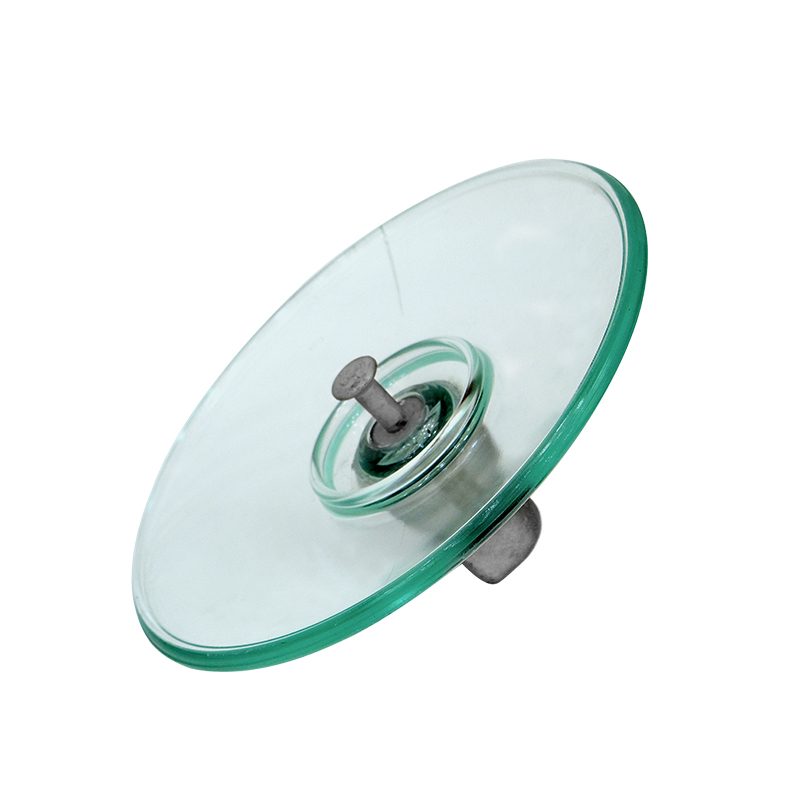
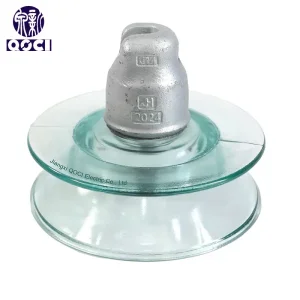
Design of insulating part with open profile is marked by absence of under-ribs and extended diameter of disk, avoiding accumulation of solid pollution deposits (dust, sand). It is particularly adapted to desert areas with frequent sandstorms and infrequent rain, solving ice-bridging issues.
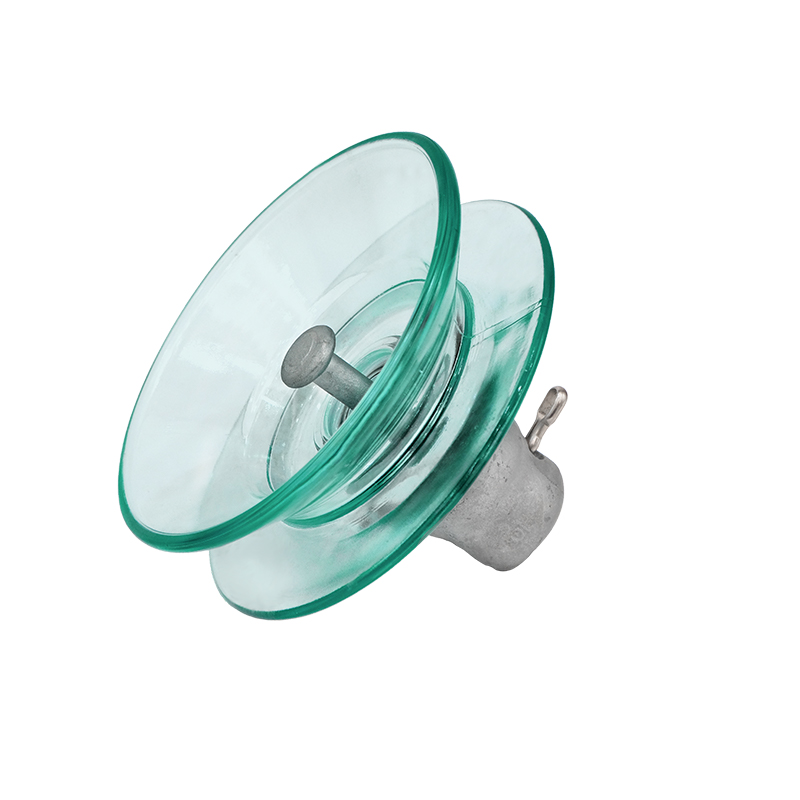
Features two external ribs and zero under-ribs, drastically reducing pollution build-up and facilitating strong wind self-cleaning as well as manual maintenance. Provides an equivalent leakage distance to anti-pollution profiles under extreme industrial solid pollution.
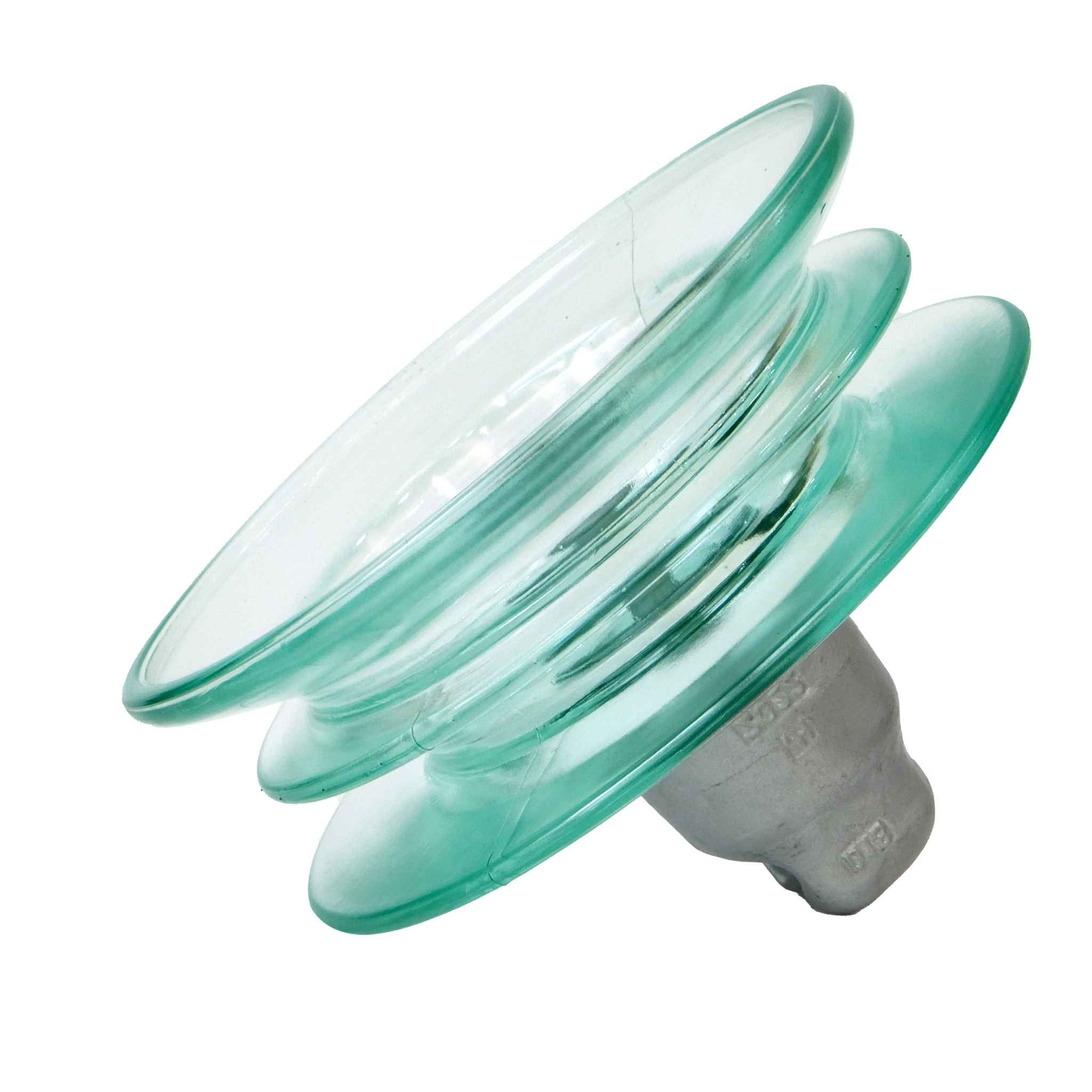
Characterized by three layers of umbrella discs separated from each other on the insulation body. Open shed design achieves self-cleaning during wind and rain while providing an exceptionally long creepage distance for Ultra-High Voltage (UHV) projects.
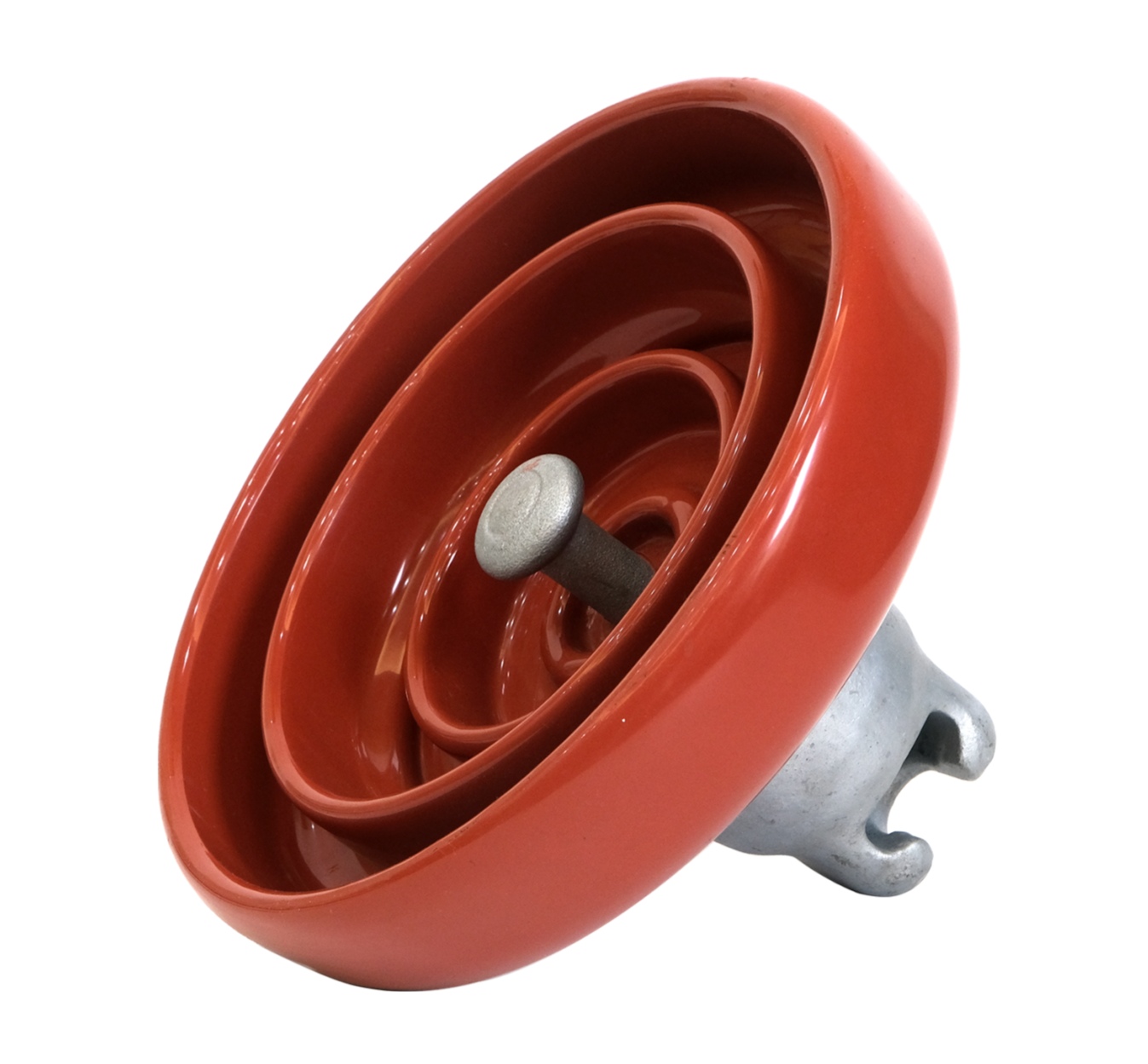
Factory-applied Room Temperature Vulcanization (RTV) silicone containing embedded mineral fillers. Increases surface hydrophobicity, minimizes leakage currents, absorbs electric arc energy, and eliminates line washing costs while maintaining mechanical reliability.
Why Global Power Grids Source 120 kN Glass Insulators directly from Jiangxi QOCI Electric Co., Ltd.
Jiangxi QOCI Electric Co., Ltd. was founded in December 2002 with a registered capital of 508 million Yuan. Situated in the specialized Electrical Industrial Park of Luxi County, Pingxiang, Jiangxi Province, the corporation spans over 100 mu (70,000 m²) of advanced industrial footprint. With an annual capacity exceeding 39,000 metric tons of toughened glass insulators, QOCI stands as a key partner to State Grid Corporation of China and major global utilities.
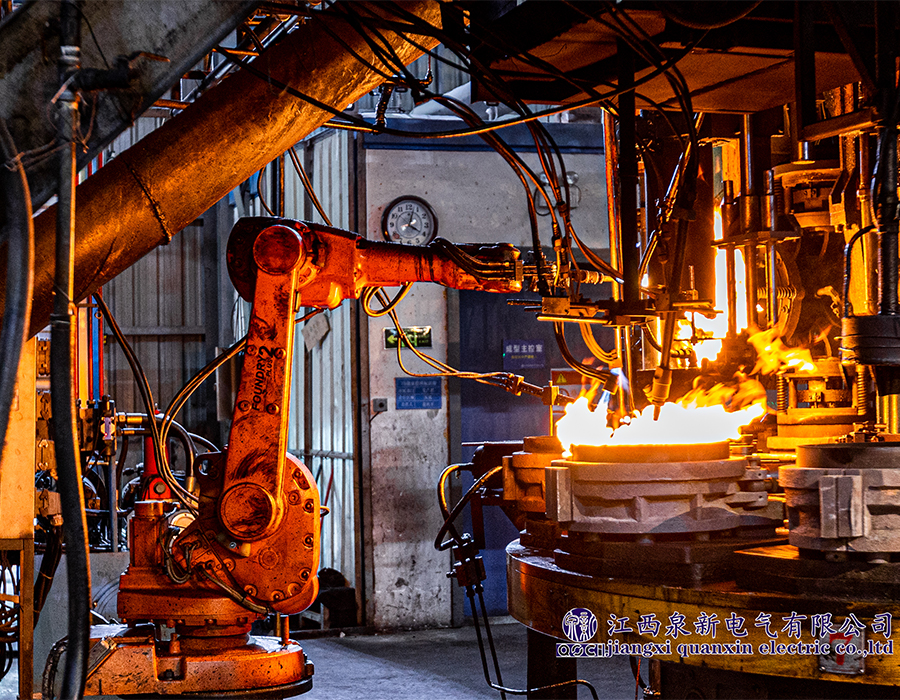
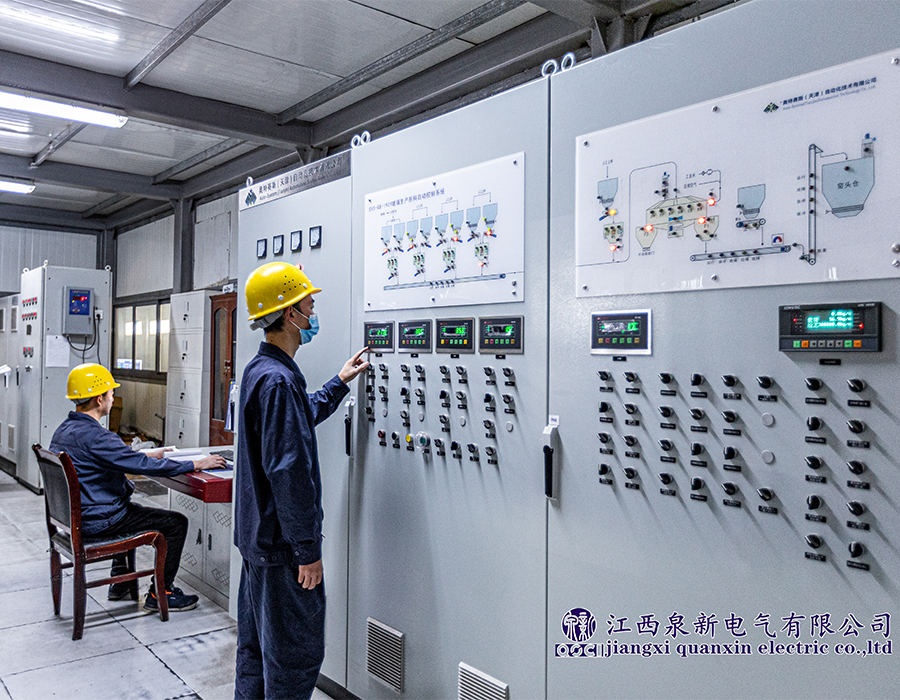
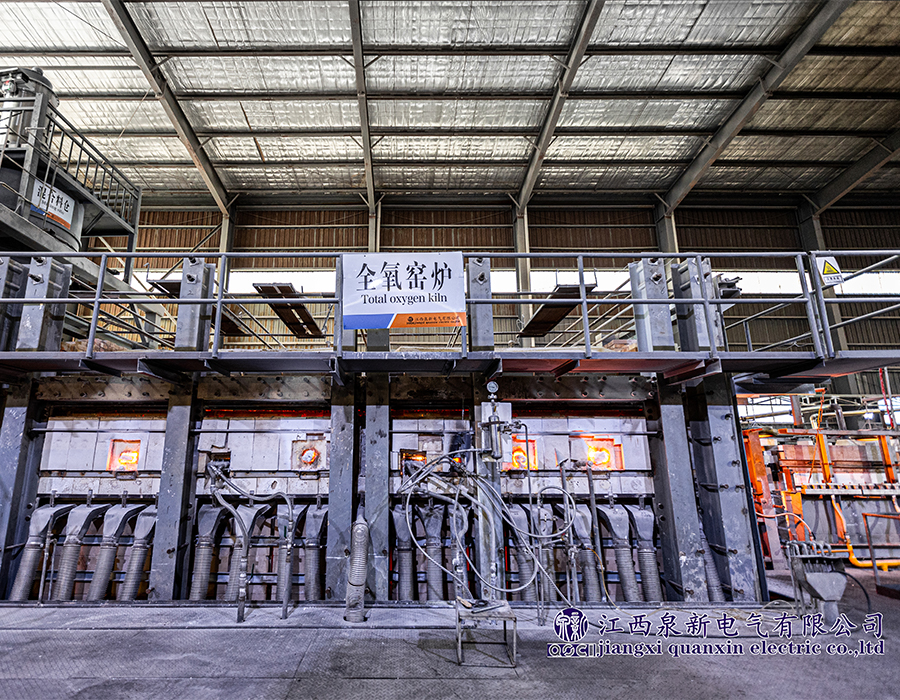
QOCI utilizes total oxygen-fuel glass melting kilns that eliminate impurities, micro-bubbles, and structural defects in molten glass. Premium silica sand and automated chemical batching ensure 100% homogenization of toughened glass discs.
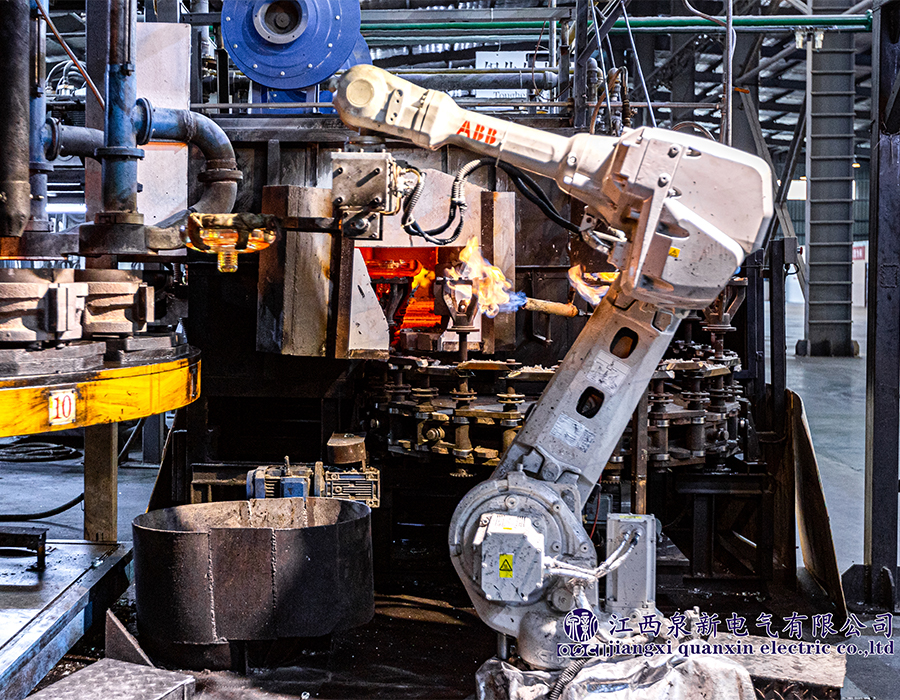
Rapid air-quenching creates uniform surface compressive stress. This precise thermal treatment grants our 120 kN glass shell exceptional resistance to sudden temperature swings (-40°C to +50°C) and violent physical impacts.
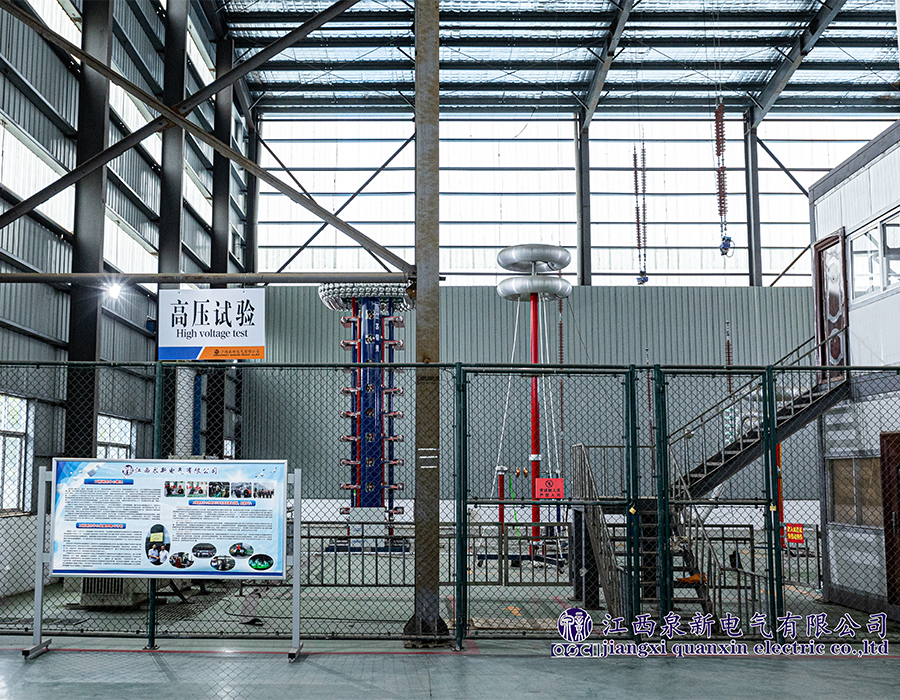
Every batch undergoes 100% thermal shock testing, mechanical load verification up to 120 kN, steep-front impulse flashover testing, and automated optical glass inspection, guaranteeing a self-shattering rate far below the 0.02% industry baseline.
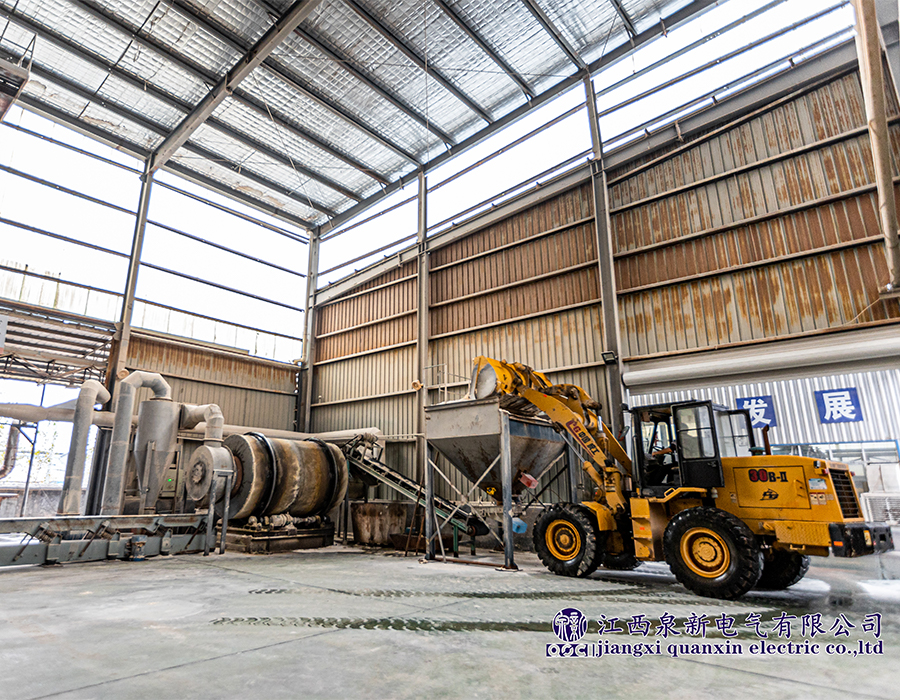
Inside China's premier high-voltage insulator manufacturing base
How procurement engineering managers evaluate 120 kN wholesale suppliers
When selecting 120 kN mechanical rating suspension strings for high-voltage transmission projects, power utilities evaluate long-term Total Cost of Ownership (TCO). Toughened glass insulators offer three decisive structural benefits over porcelain and composite alternatives:
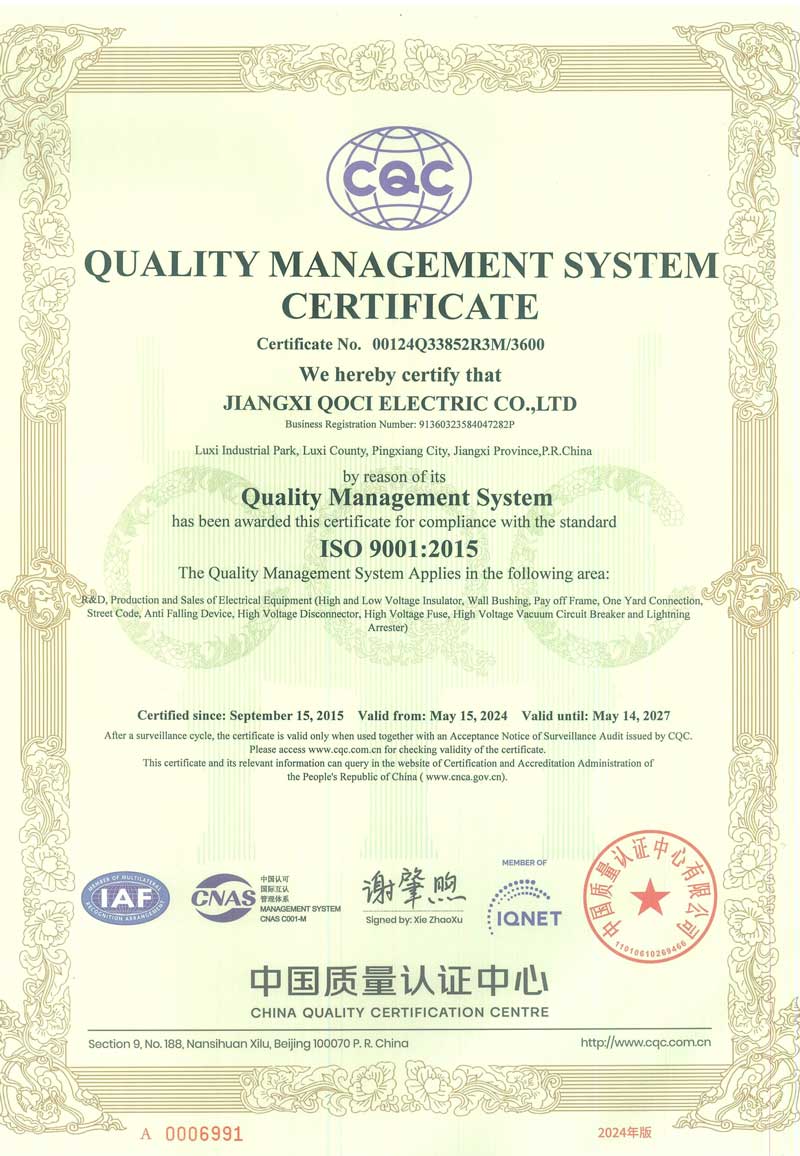
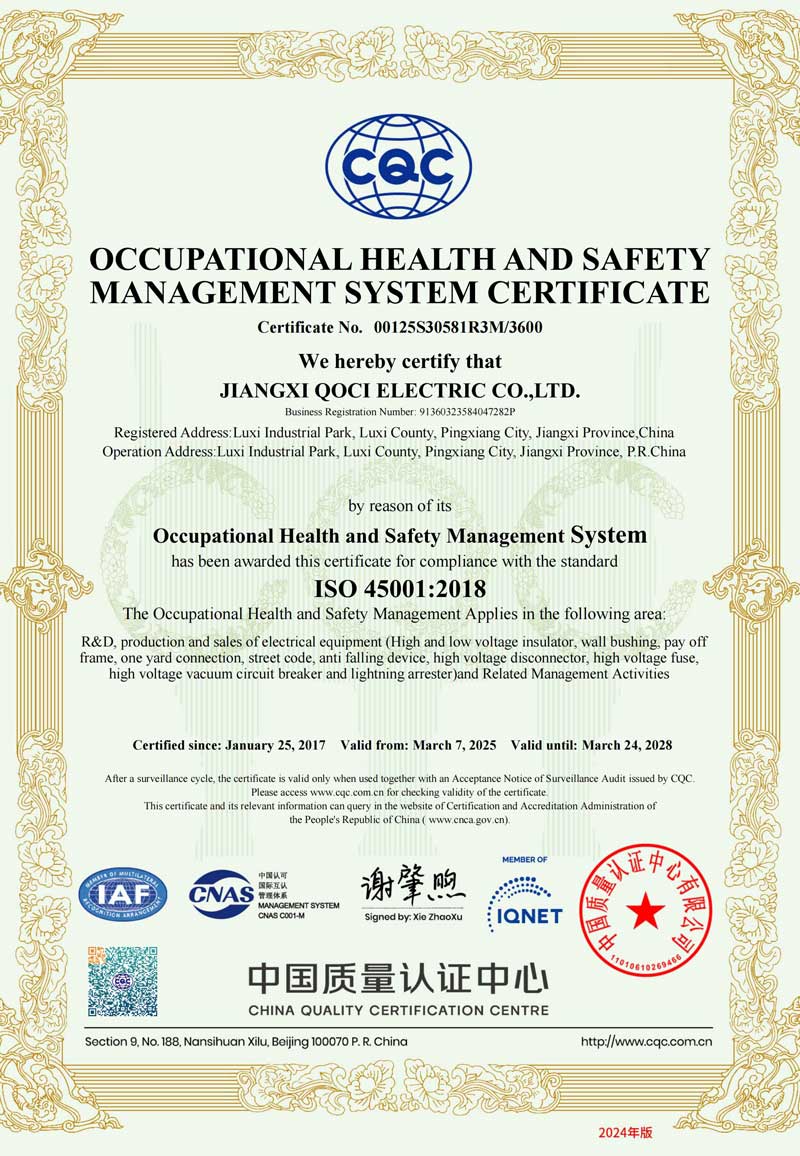
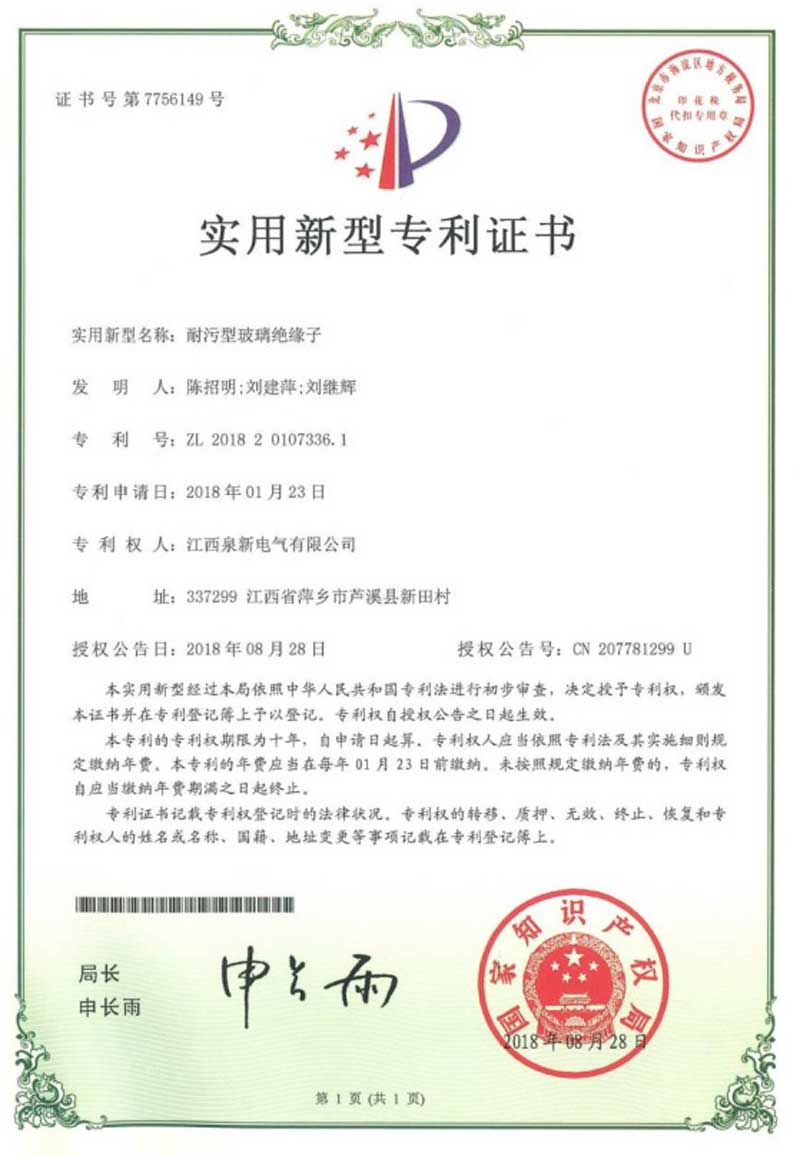
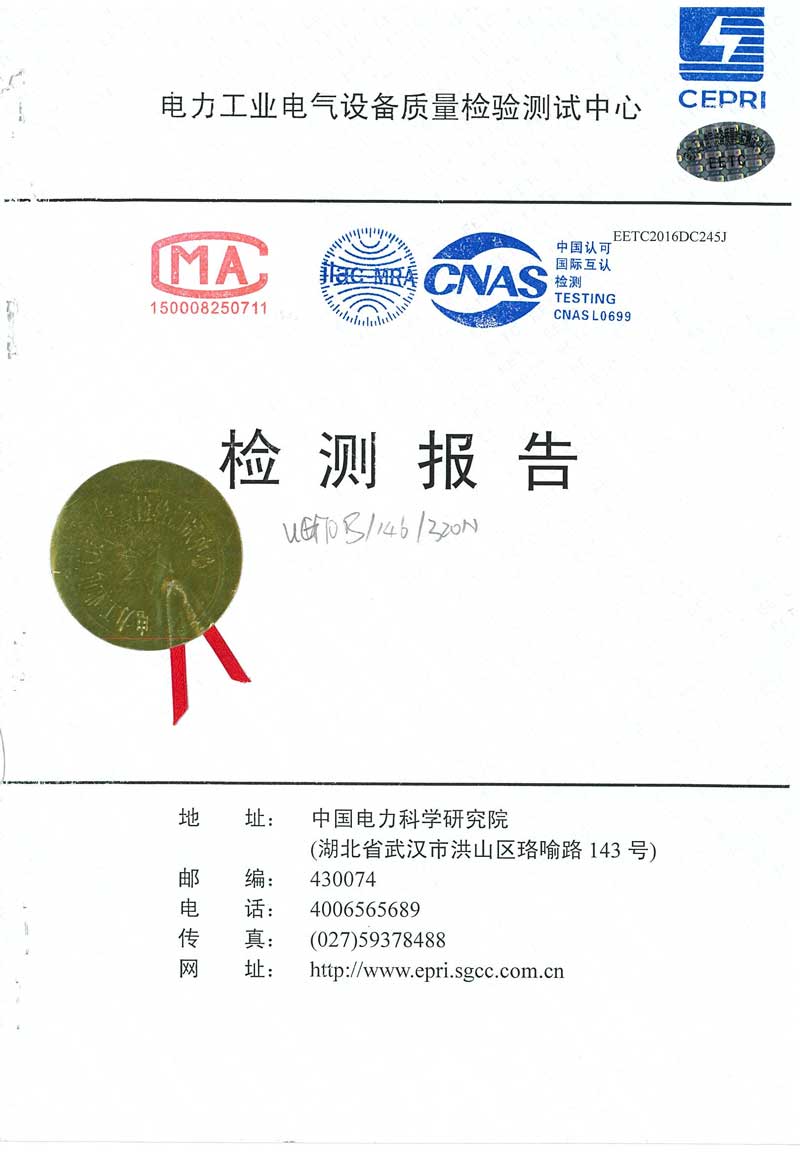
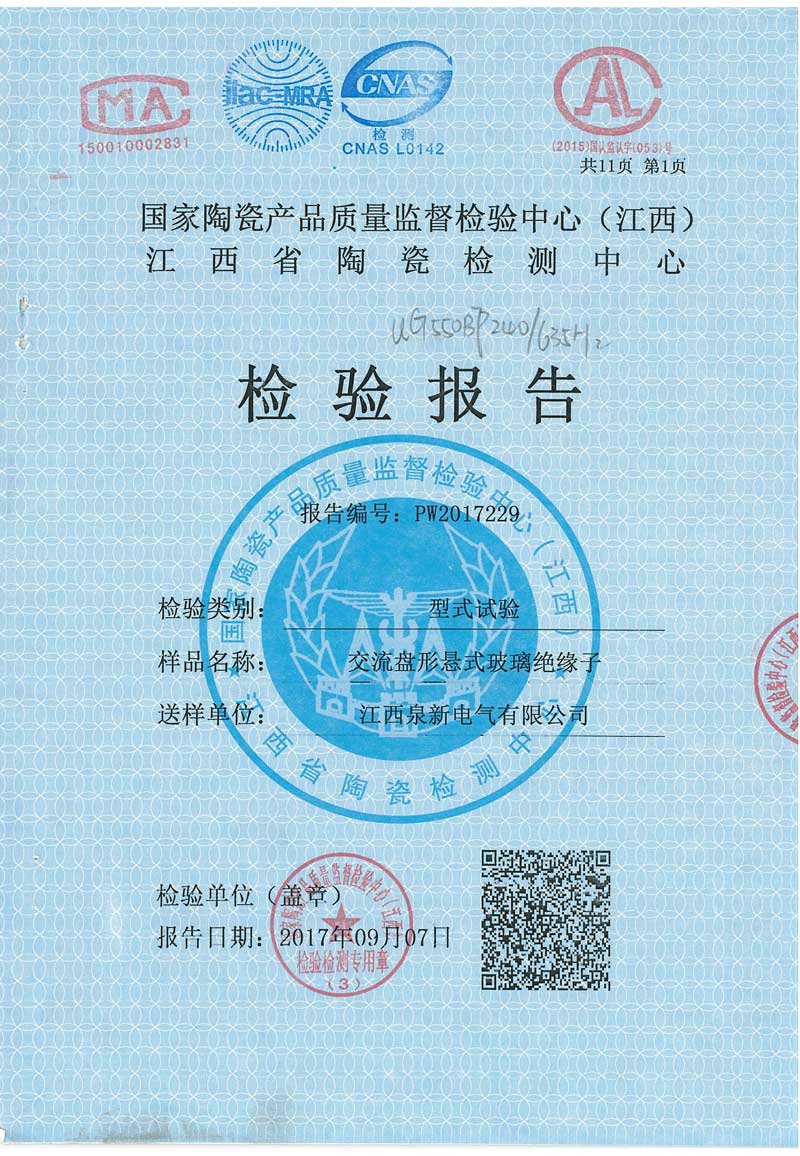
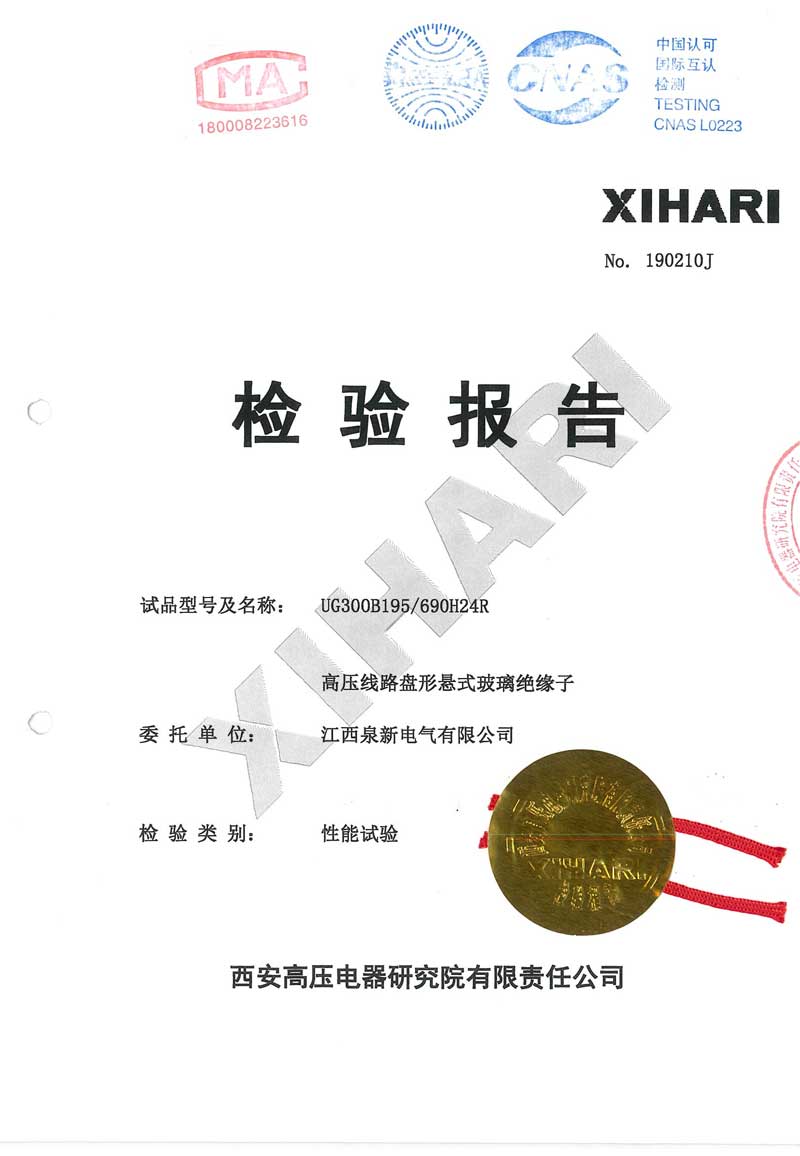
To ensure seamless tender compliance, QOCI's Glass Insulator 120 series is manufactured and certified in accordance with regional utility standards across five continents:
Adapting 120 kN Glass Insulators to extreme environmental hazards & future power transmission networks
Salt deposits combined with high humidity create conductive water films on standard insulator discs, causing line flashovers. Operating U120BLP anti-pollution models with extended 450mm creepage distance or RTV silicone coatings provides maximum surface resistivity, stopping leakage currents completely.
In desert terrains across the Middle East and North Africa, sandstorms deposit heavy solid dust layers, while rainfall is extremely rare. QOCI Open Profile 120 kN glass insulators lack under-ribs, preventing sand accumulation and allowing desert winds to naturally clear the smooth disc surface.
Extreme cold can cause micro-fractures in substandard ceramic materials. Toughened glass withstands thermal drops down to -50°C. In icing regions, alternating standard and open profile 120 kN discs disrupts continuous ice shed formation, preventing ice-bridging short circuits.
Petrochemical plants, cement mills, and coal-fired power stations emit corrosive acid aerosols and solid particulate. QOCI's specialized hot-dip galvanized caps and zinc sleeve pins protect 120 kN insulators from chemical corrosion and galvanic degradation.
Direct answers from QOCI senior power grid engineers to guide procurement decisions
Complete product range for global transmission, distribution, and substation applications
Stay updated with our global exhibition presence and power grid technology innovations
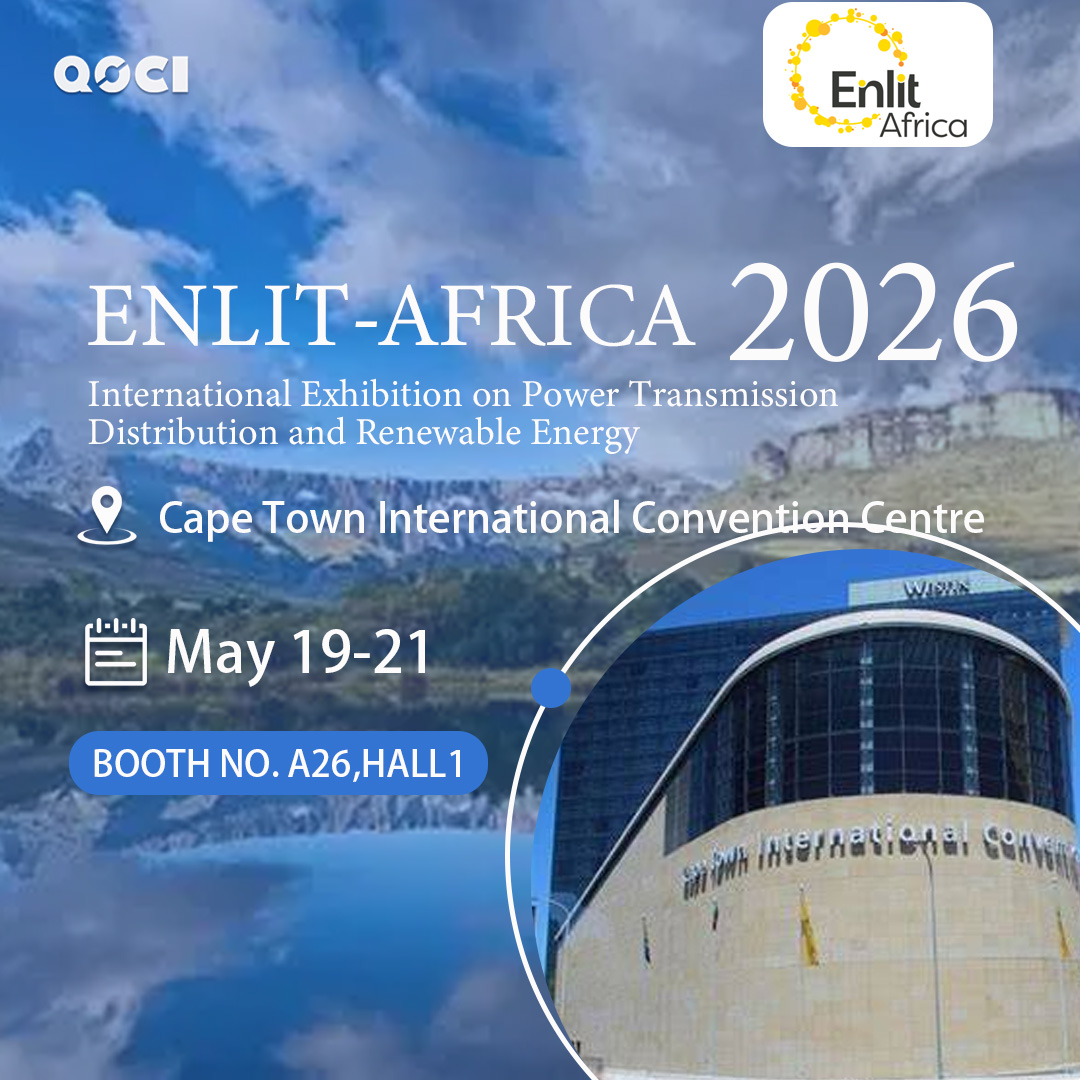
As the global energy transition accelerates, the importance of electricity, renewable grid connection, and durable 120 kN toughened glass insulators becomes vital across African power grid expansion programs.
Having withstood extreme environmental conditions including icing, high altitude, pollution, earthquakes, and typhoons, China's high-voltage glass insulator manufacturing sector delivers proven global reliability.
On behalf of our team at Jiangxi QOCI Electric Co., Ltd., we invite procurement managers to join us at IEEE PES T&D Exposition to inspect our 120 kN - 550 kN glass insulator portfolio.