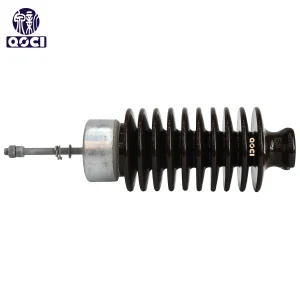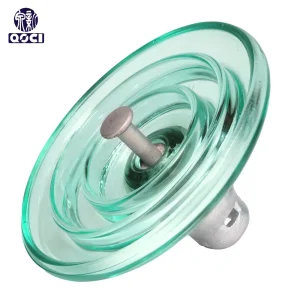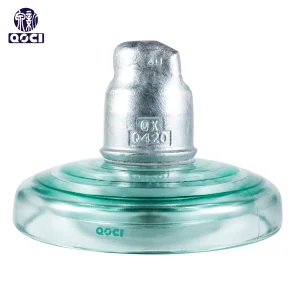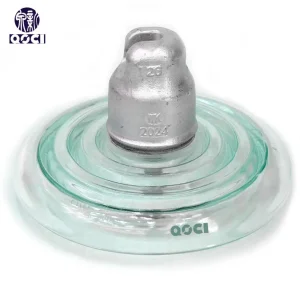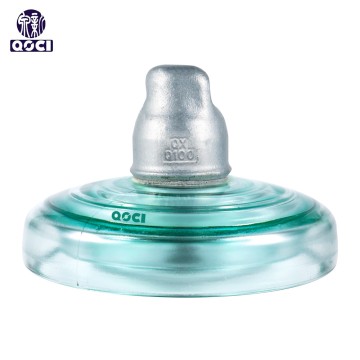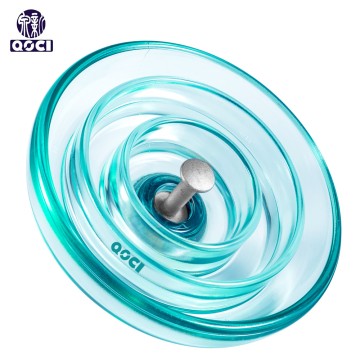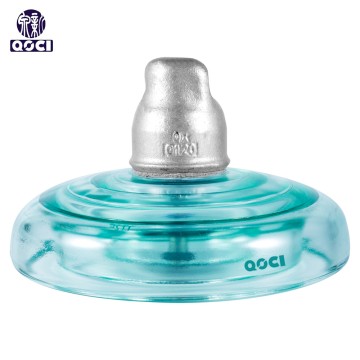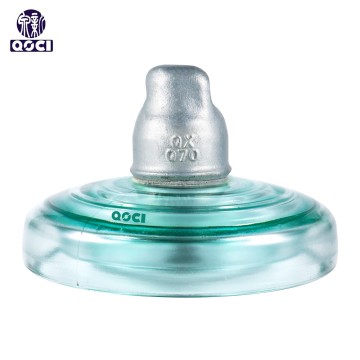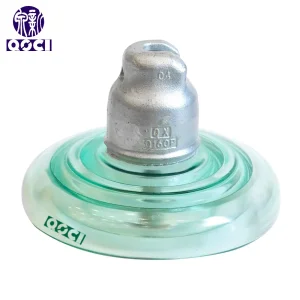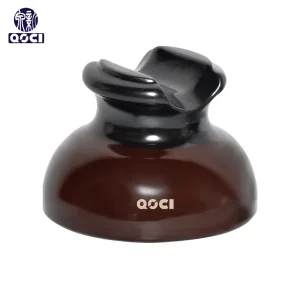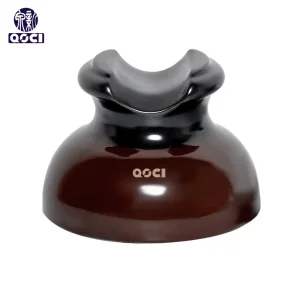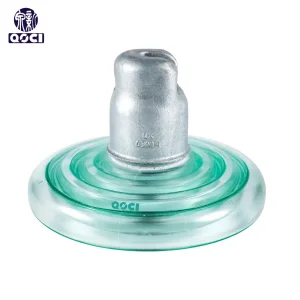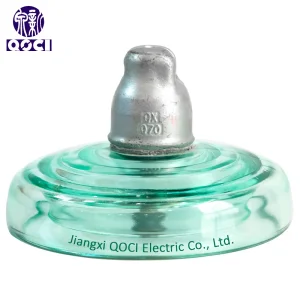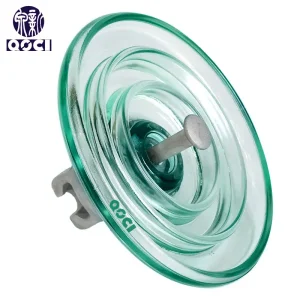
Explore our flagship transmission, distribution and station post insulators designed for severe environment resilience and optimal mechanical strength.
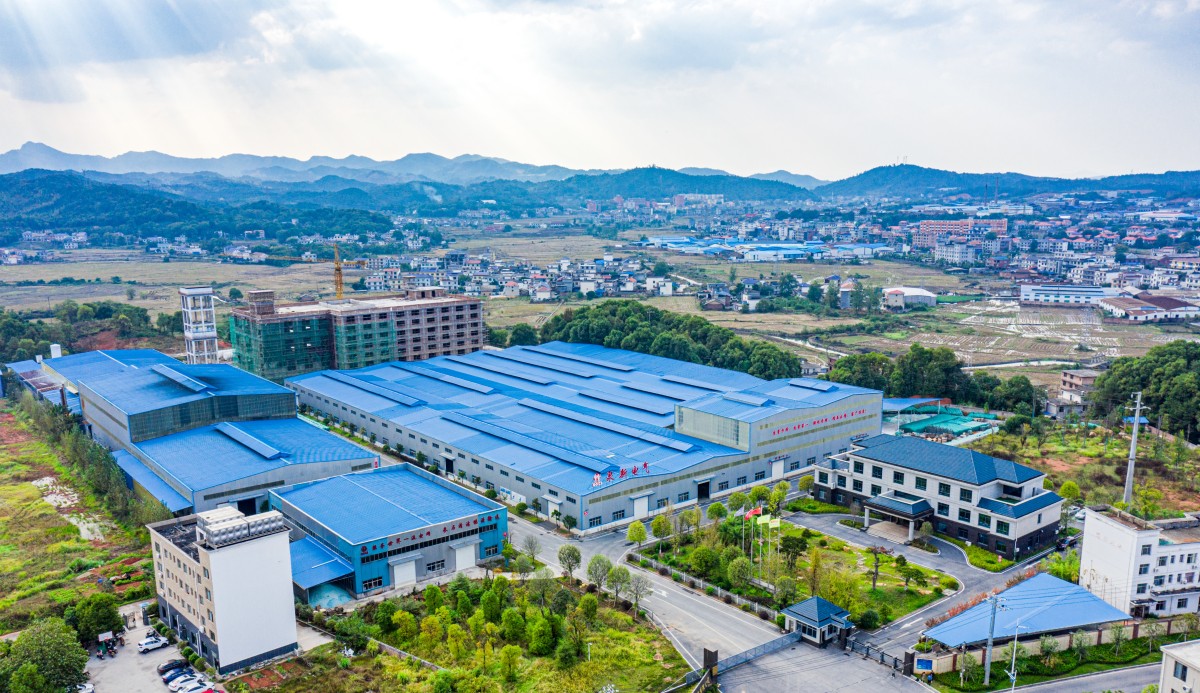
Jiangxi QOCI Electric Co., Ltd. was founded in December 2002, with a registered capital of 508 million Yuan. Strategically located at the Industrial Park, Luxi County, Pingxiang, Jiangxi Province, our manufacturing base covers an extensive area of 70,000 square meters.
We specialize in manufacturing high-strength toughened glass insulators for low-voltage, high-voltage (HV), extra-high voltage (EHV), and ultra-high voltage (UHV) AC and DC transmission systems. Our company actively participates in green energy initiatives and ensures global grid safety by delivering robust, zero-maintenance dielectric line elements.

A comprehensive assessment of the engineering profiles developed by QOCI to secure reliability in transmission configurations.
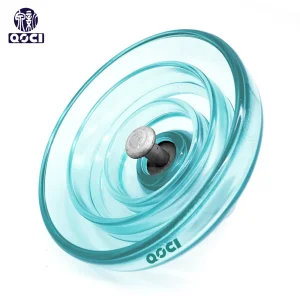
Designed to exceed minimum leakage distance values defined in IEC 60305. Features shallow, widely spaced under-ribs that naturally shed pollutants through wind and rainfall, avoiding thermal stress buildup under nominal operations.
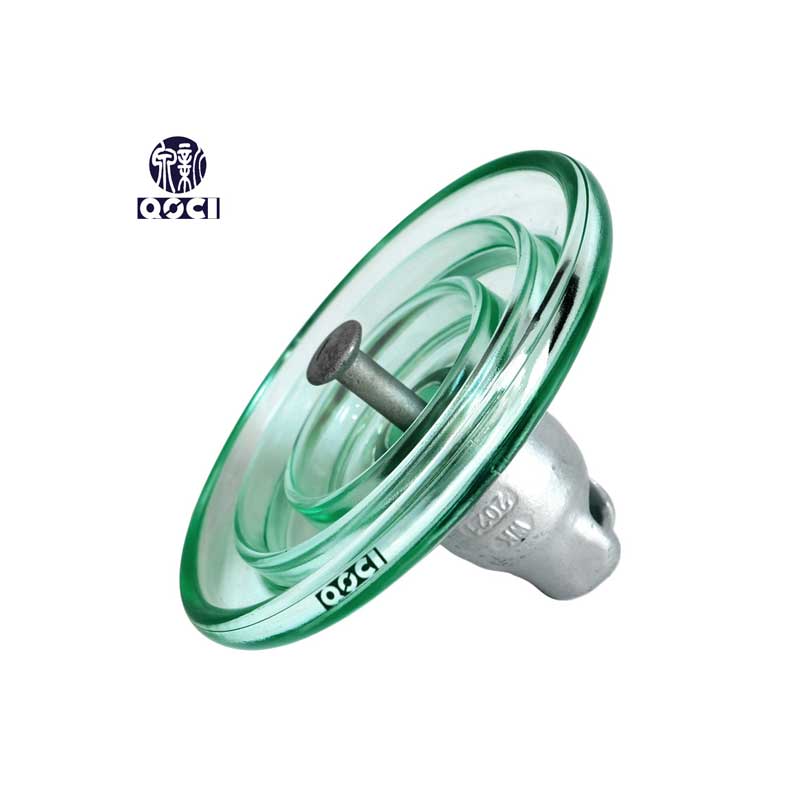
Features deep, elongated, and highly spaced under-ribs. It is optimized to prevent dry-band arcing and bridging under heavy fog or high marine salt contamination. Leakage-to-spacing ratio averages 3.2.
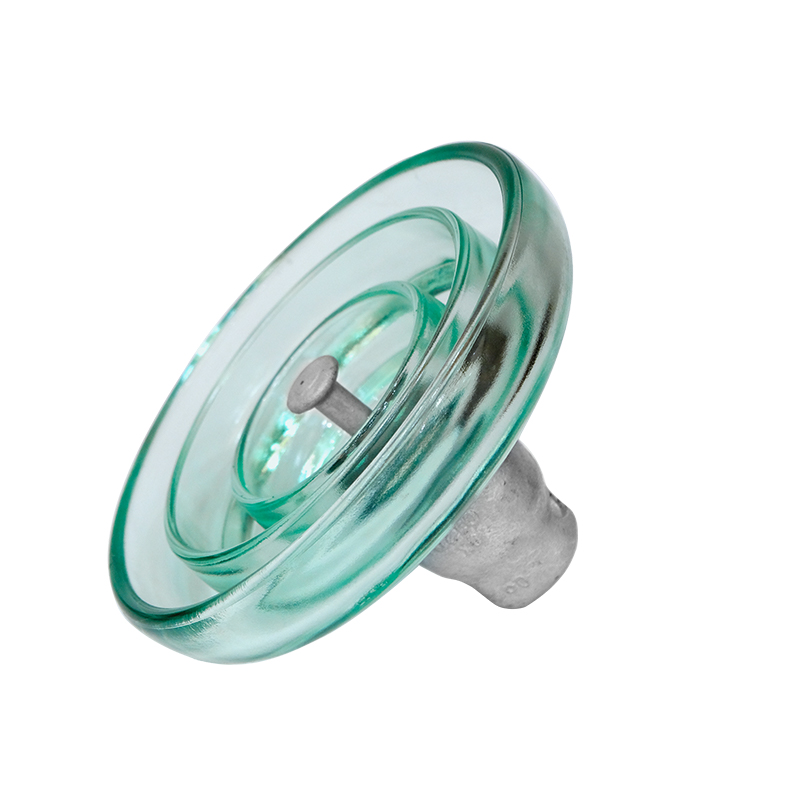
Completely lacks under-ribs to minimize sand and dust accumulation under windy desert conditions. Large disc diameters prevent ice bridging in cold, dry high-altitude locations, streamlining self-cleaning cycles.
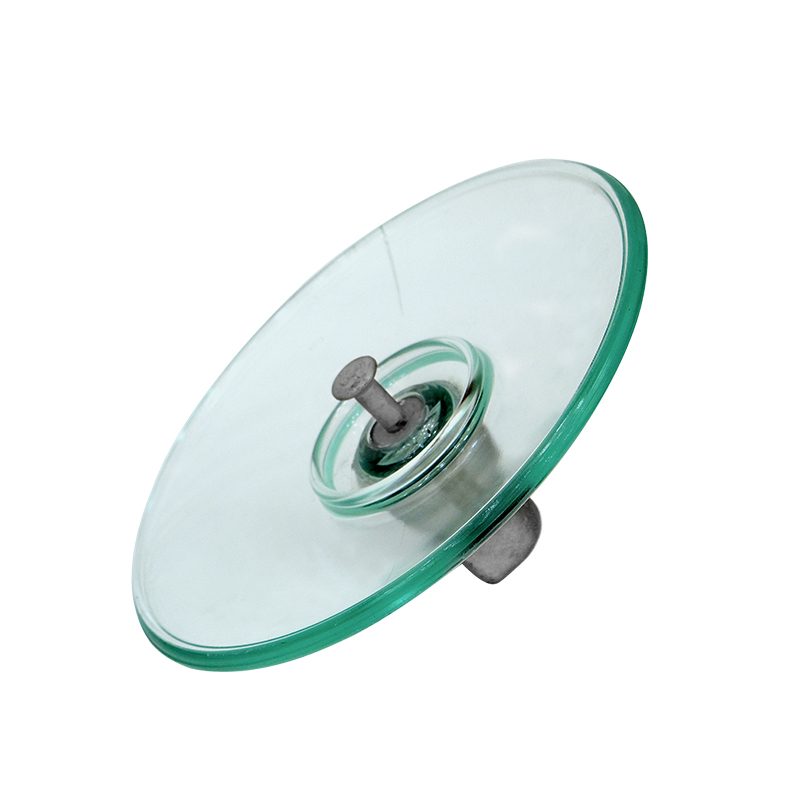
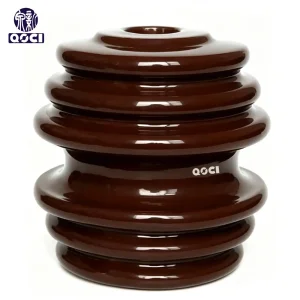
Engineered with dual external ribs to drastically reduce contaminant buildup and facilitate manual maintenance when required. Widely implemented across industrial zones experiencing chemical and saline depositions.
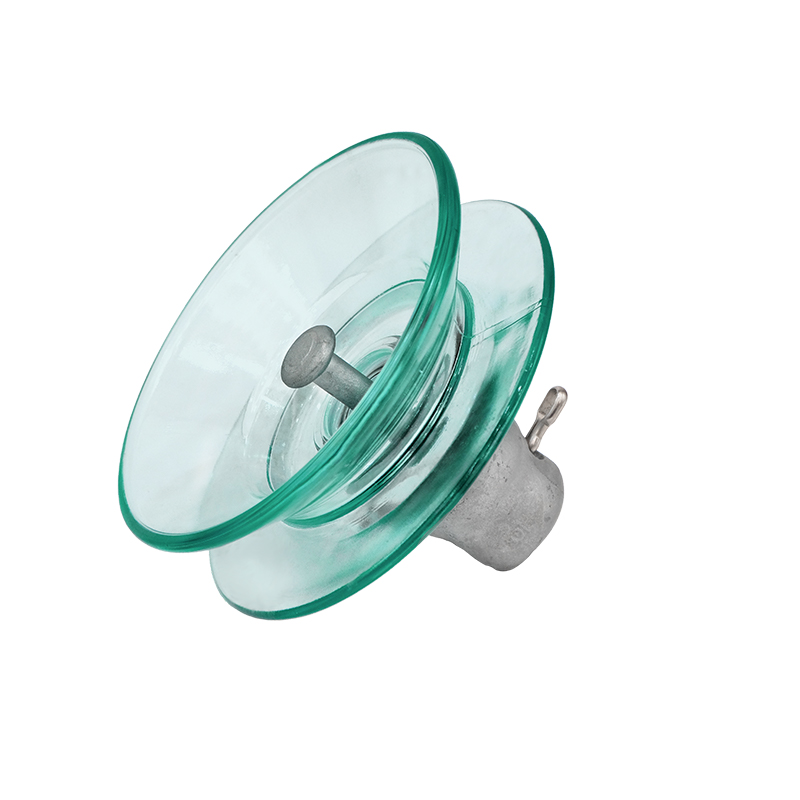
Three distinct levels of protective shells configured vertically on the dielectric body. Provides extra-long creepage distances suitable for critical grid infrastructure like UHVDC systems in heavy industrial areas.
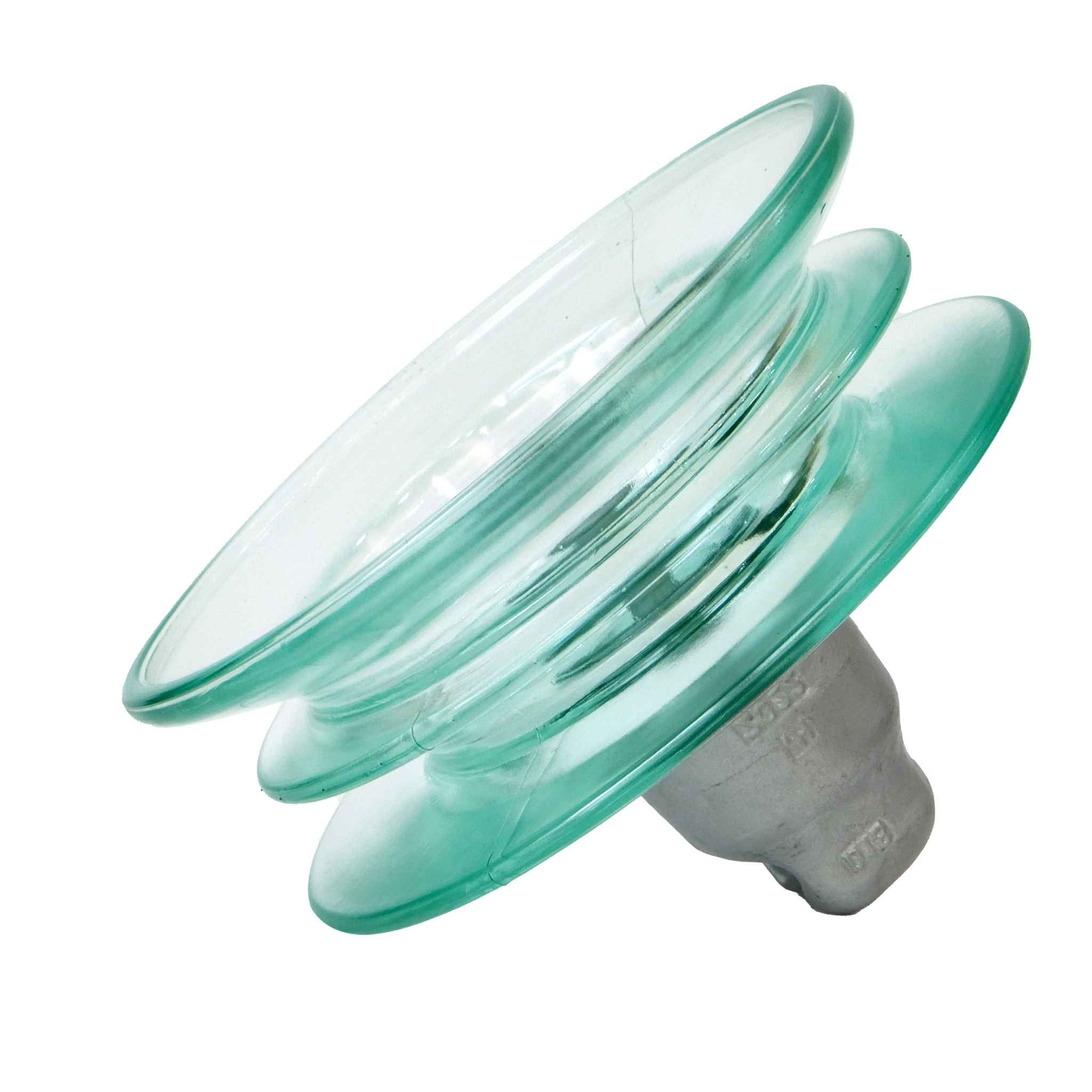
Features dedicated mechanical connection spots for overhead shield lines. Safely channels high lightning currents straight to the ground system, protecting expensive sub-station transformers from electrical surges.
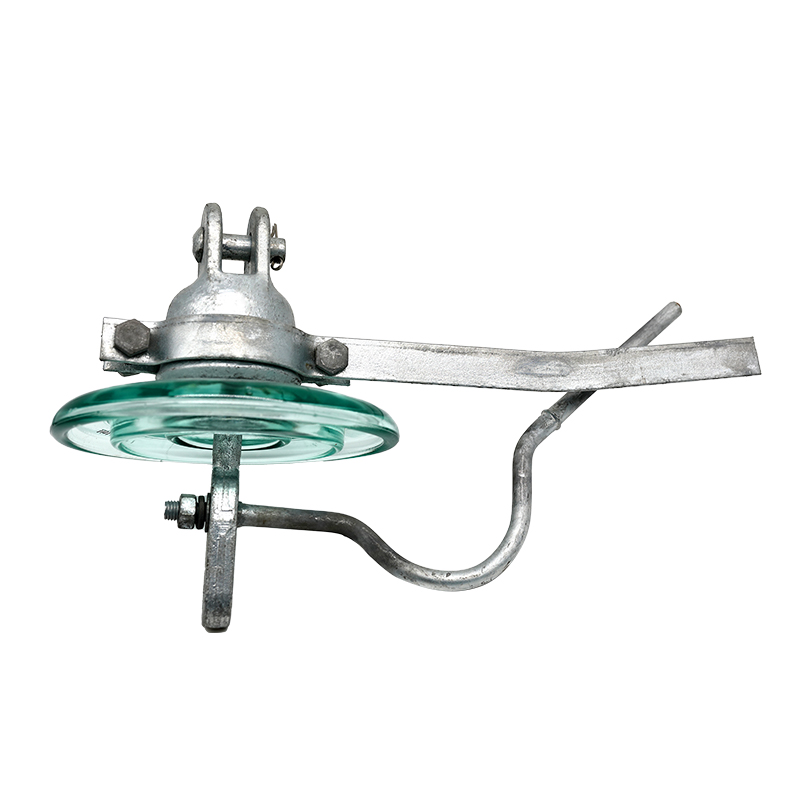
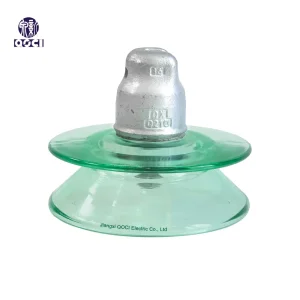
Combines the unmatched structural strength and longevity of toughened glass with the excellent hydrophobicity of silicone. Room Temperature Vulcanized (RTV) coatings mitigate leakage currents, completely eliminating the need for periodic manual washing of string elements in highly polluted regions.
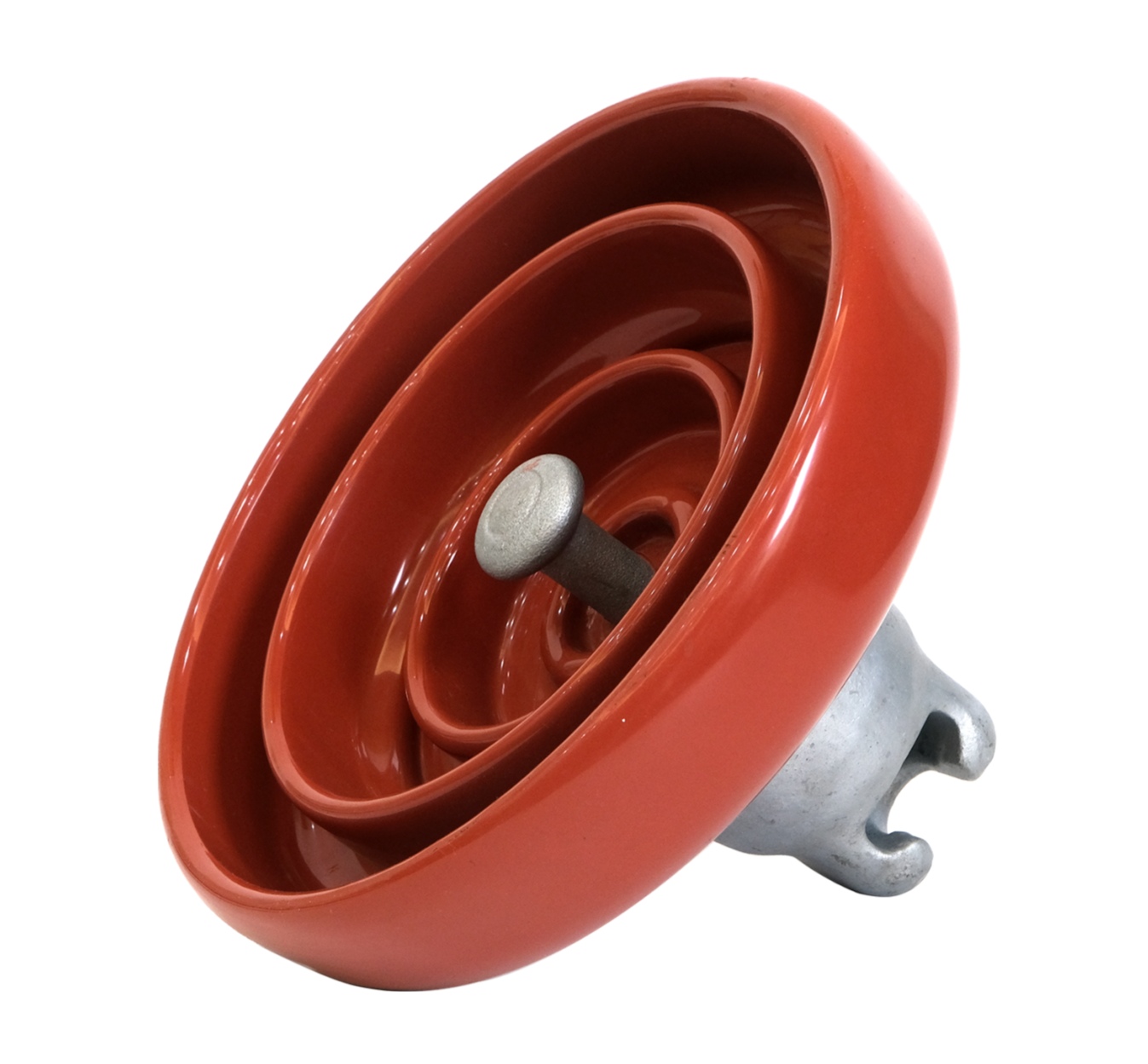
Detailed technical specifications of the U300B & U300BMA high-load series, designed for systems up to 1000kV AC/DC.
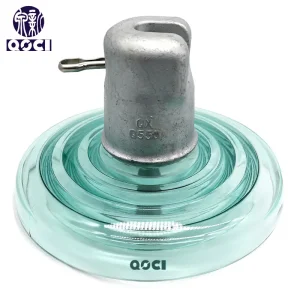
Our U300B / U300BMA insulators are engineered to withstand extreme tensile and torsional forces. The glass shell consists of specially formulated, heat-treated soda-lime silicate glass, delivering outstanding dielectric strength and resistance to thermal shock.
| Parameters / Performance Matrix | Standard Value (U300B / U300BMA) |
|---|---|
| Rated Electro-Mechanical Failing Load | 300 kN / 67,440 lbs |
| Insulator Disc Diameter (D) | 320 mm / 340 mm |
| Unit Spacing (H) | 195 mm / 205 mm |
| Nominal Creepage Distance | 485 mm / 550 mm (Anti-pollution type) |
| Power Frequency Dry Withstand Voltage | 120 kV |
| Power Frequency Wet Withstand Voltage | 75 kV |
| Dry Lightning Impulse Withstand (1.2/50μs) | 200 kV |
| Coupling Size & Standard Connection | 24 mm (IEC 60120 Standard) |
Toughened glass isolators perform reliably under critical mechanical stresses, providing grid operators with several key structural advantages:
Deep-dive insights into modern grid deployments, raw material supply lines, and performance parameters in hostile climates.
As global energy demands rise, power grids are moving toward Extra-High Voltage (EHV) and Ultra-High Voltage (UHV) systems. This shift has driven a need for durable suspension disc insulators like the U300B and U300BMA. Global utility networks in regions like the Americas, Sub-Saharan Africa, and Central Asia are replacing aging composite or porcelain lines with toughened glass. Toughened glass offers long-term mechanical reliability, lower lifetime maintenance costs, and a clear visual failure indicator (shattered glass shell without losing string integrity).
High-voltage lines require isolators with exceptional mechanical strength and pollution performance. The U300B series, rated for a 300 kN electro-mechanical failing load, is widely used in heavy-duty tension and suspension strings, river crossings, and heavy mountain span corridors. Its high mechanical margin of safety prevents conductor drops, ensuring stable power delivery across long transmission corridors.
Our toughened glass formulation is designed to resist environmental aging from UV radiation. The smooth, non-porous glass surface sheds salt deposits, chemical residue, and moisture. In desert locations, the open profile prevents sand buildup. In coastal regions, anti-fog and RTV-coated profiles protect against salt spray, preventing leakage currents and partial discharges.
Jiangxi QOCI Electric is modernizing its production lines to support sustainable energy infrastructure:
Integrating clean-burning oxy-fuel furnaces reduces nitrogen oxide (NOx) emissions by 80% and cuts fuel consumption, minimizing the carbon footprint of our glass production.
Developing smart insulator strings with built-in sensors. These components monitor leakage currents and mechanical stress in real-time, feeding diagnostic data directly to substation SCADA systems.
Testing silica-based RTV coatings that bond directly with the glass during production, ensuring long-lasting hydrophobicity even in highly corrosive industrial environments.
Engineered solutions tailored to the distinct operational conditions and electrical demands of modern utility networks.
At altitudes above 2000m, air density drops, which lowers the corona extinction voltage. We provide larger profile discs with longer leakage paths, preventing corona discharge and radio interference while maintaining reliable performance.
In coastal areas exposed to sea salt and industrial regions with chemical emissions, standard insulators can suffer from flashovers. Our high-leakage anti-fog strings and factory-applied RTV silicone coatings preserve surface resistivity, helping prevent outages.
In cold regions, ice buildup can link insulator sheds, causing electrical failures. Our double and triple-shed profiles create protective physical breaks that prevent ice bridging. At the same time, the 300 kN tensile rating handles the heavy mechanical weight of wind-driven ice.
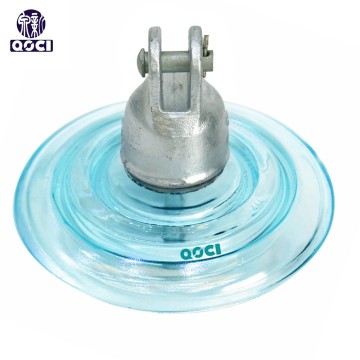
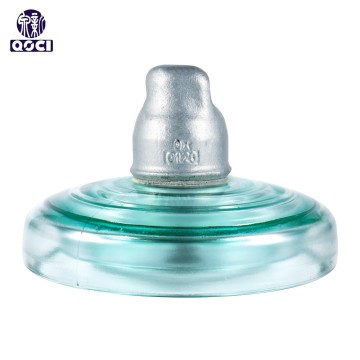
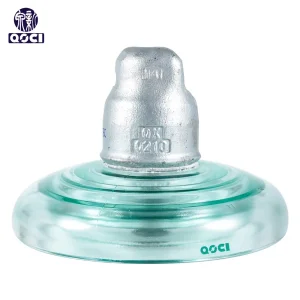
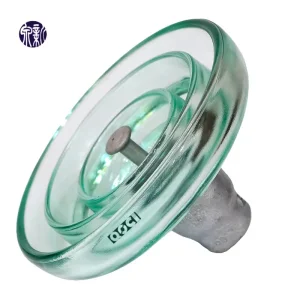
Premium selection of high-demand toughened glass suspension configurations deployed in substations and lines worldwide.
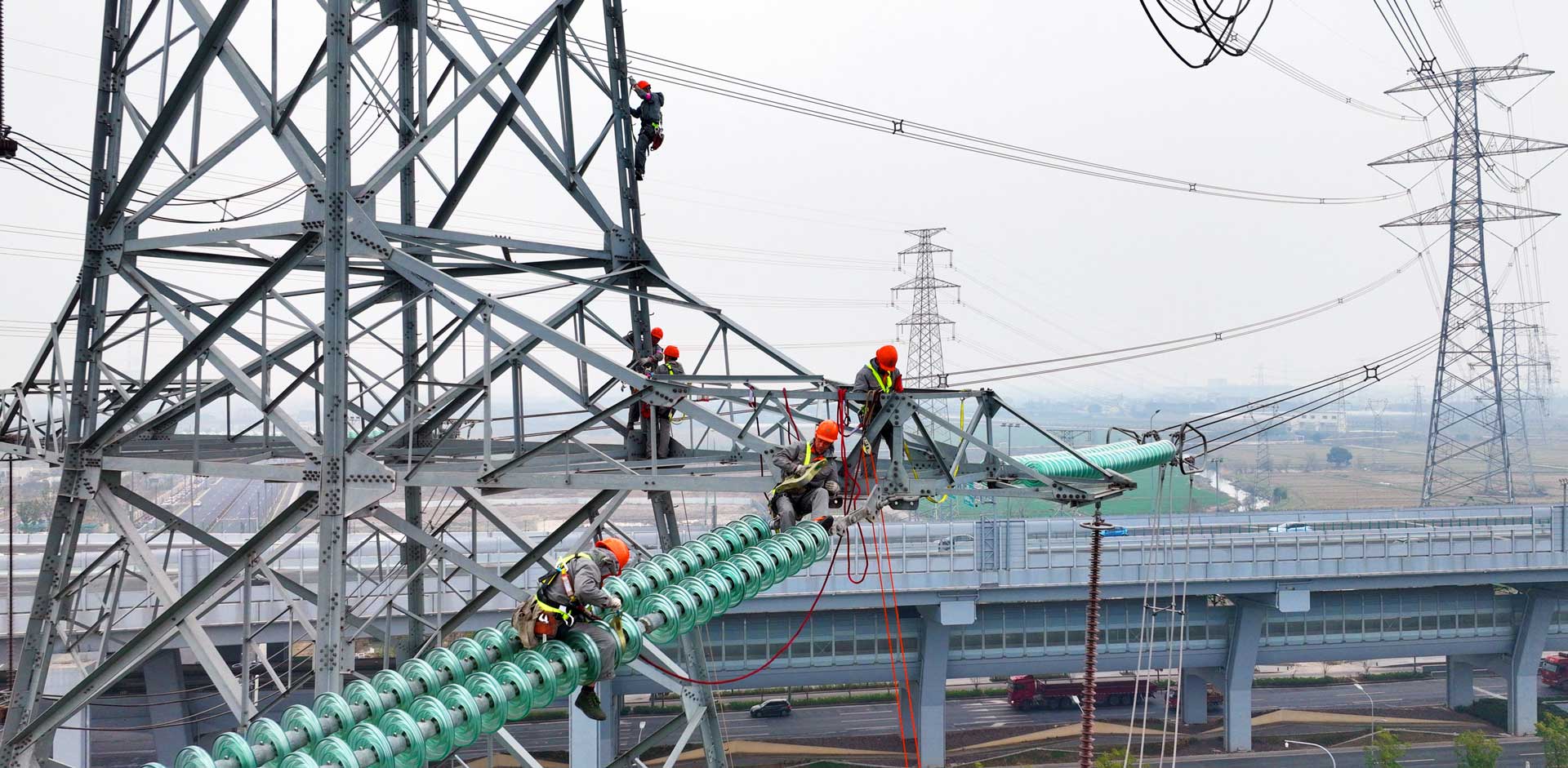
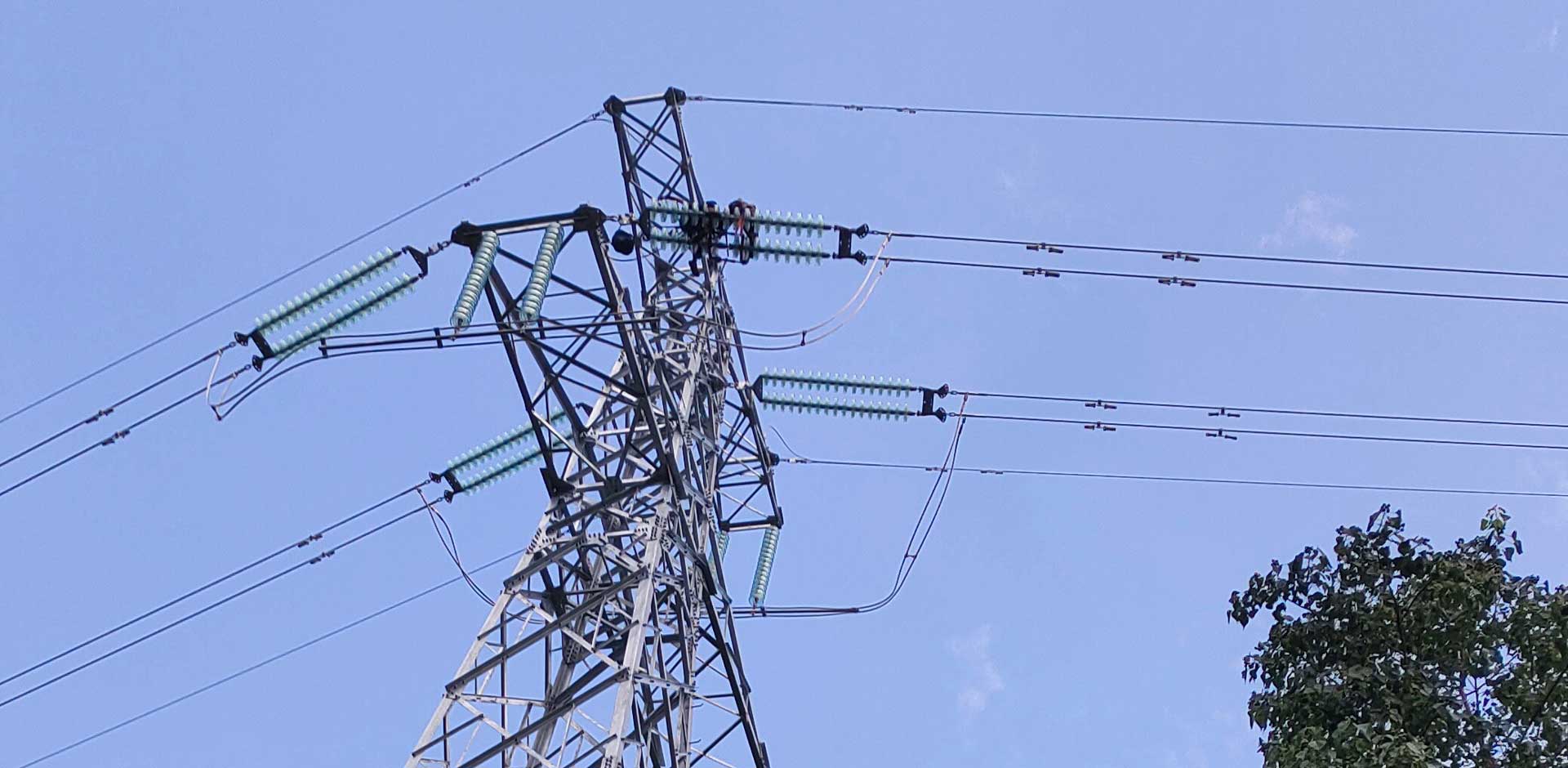
Operational photos showing actual site installations of QOCI glass insulators across global high-voltage projects.
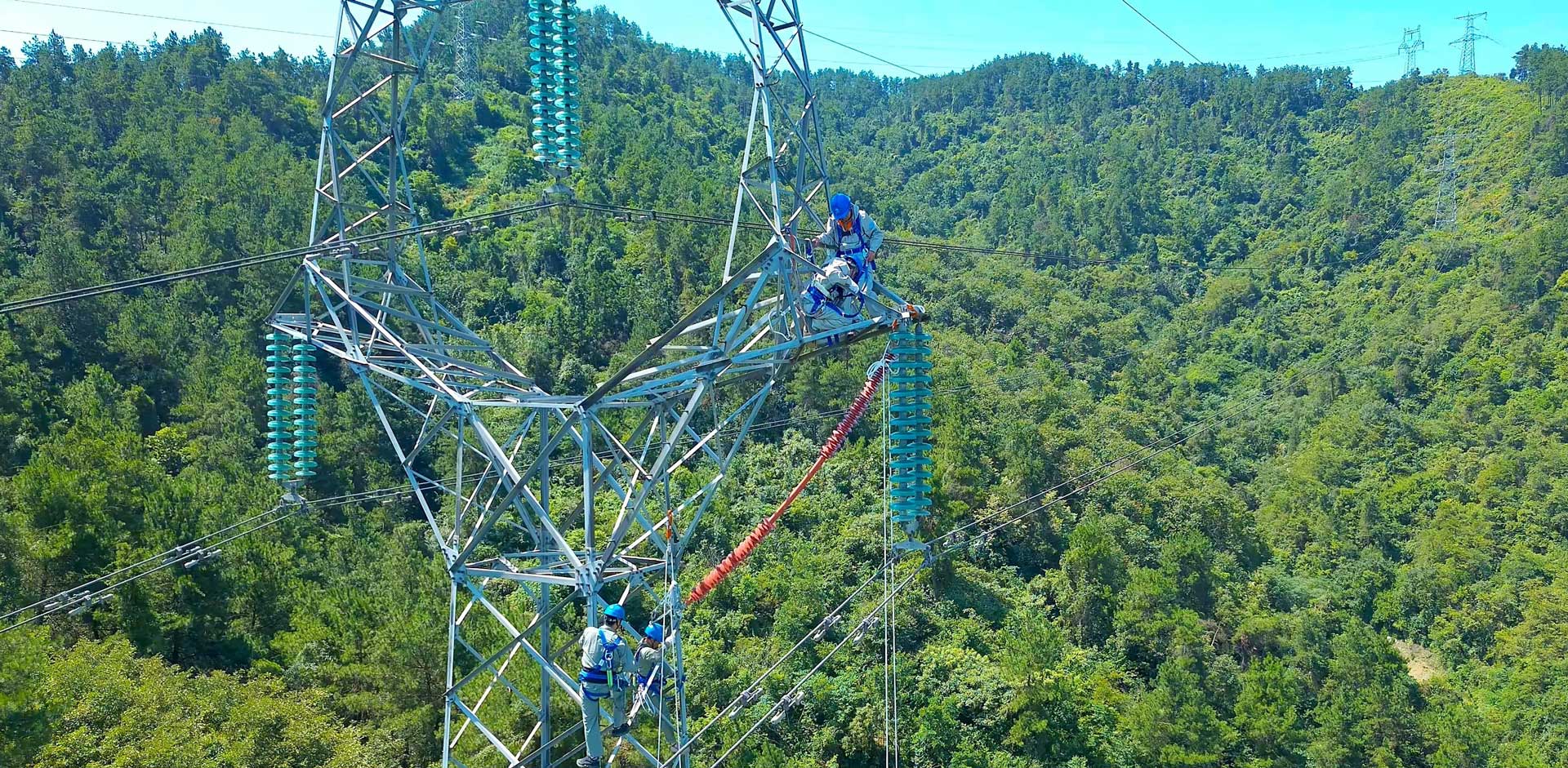
Our raw material formulation and production steps conform to international quality control certifications.
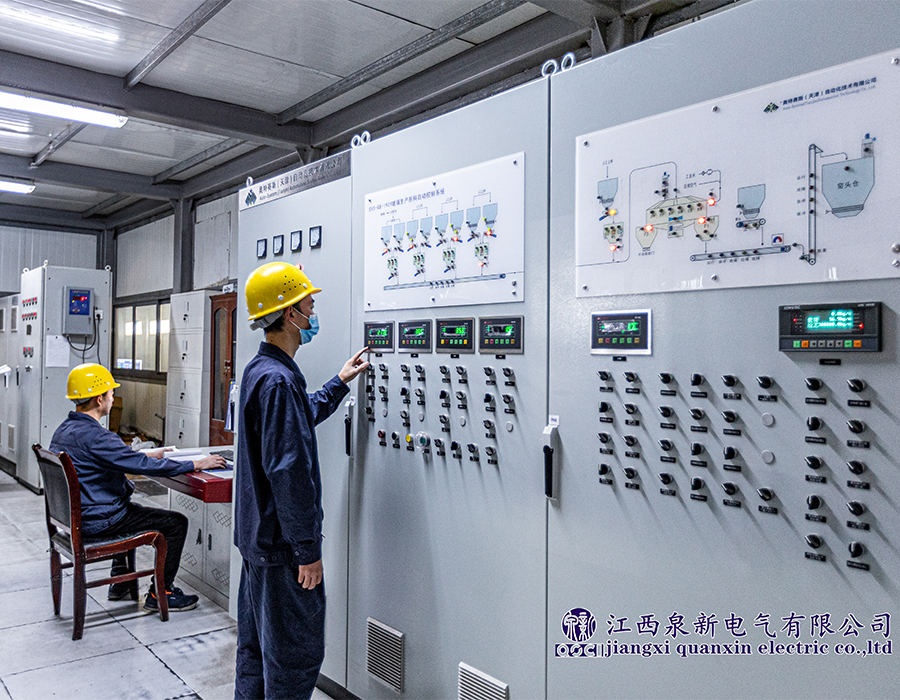
We use high-grade chemical components, including quartz sand, soda ash, and feldspar. Each batch is carefully tested for mineral purity before processing.
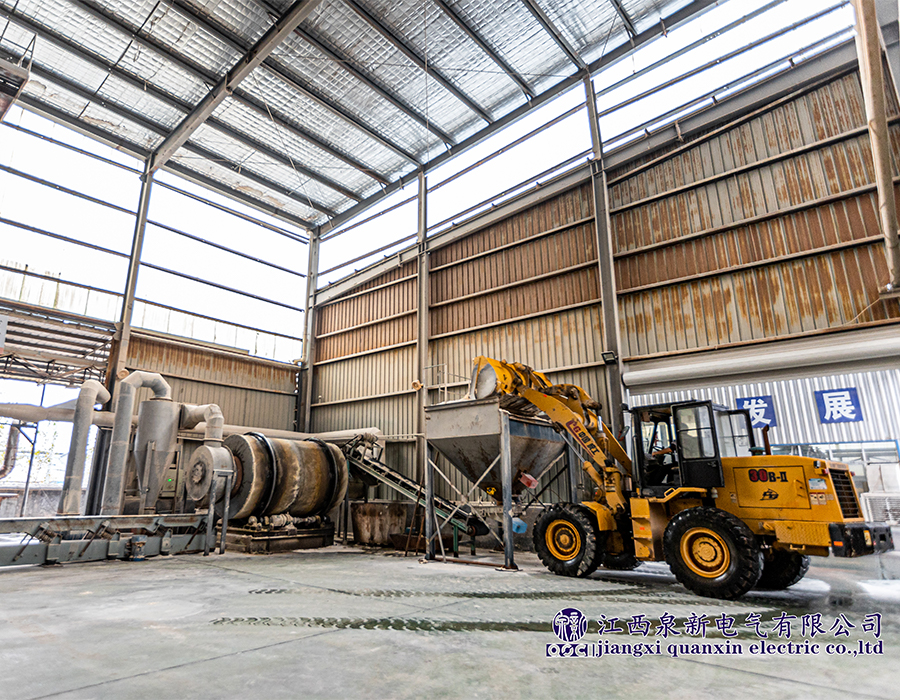
Computer-controlled mixing balances the batch components, preventing thermal stress inconsistencies during forming.
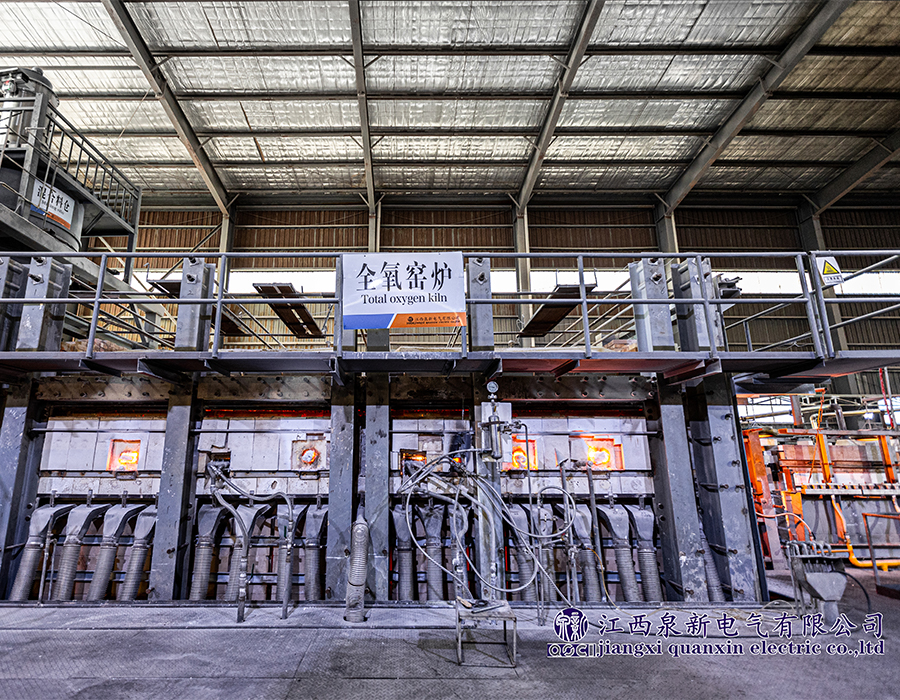
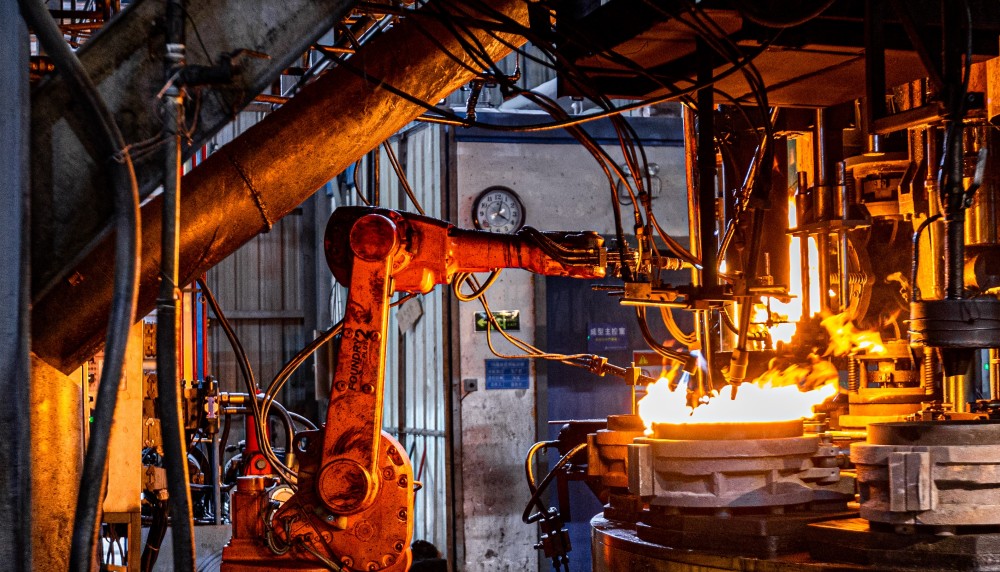
Batches are melted in an oxygen-rich environment at 1500°C. This ensures a uniform glass melt, free of gas pockets or structural flaws.
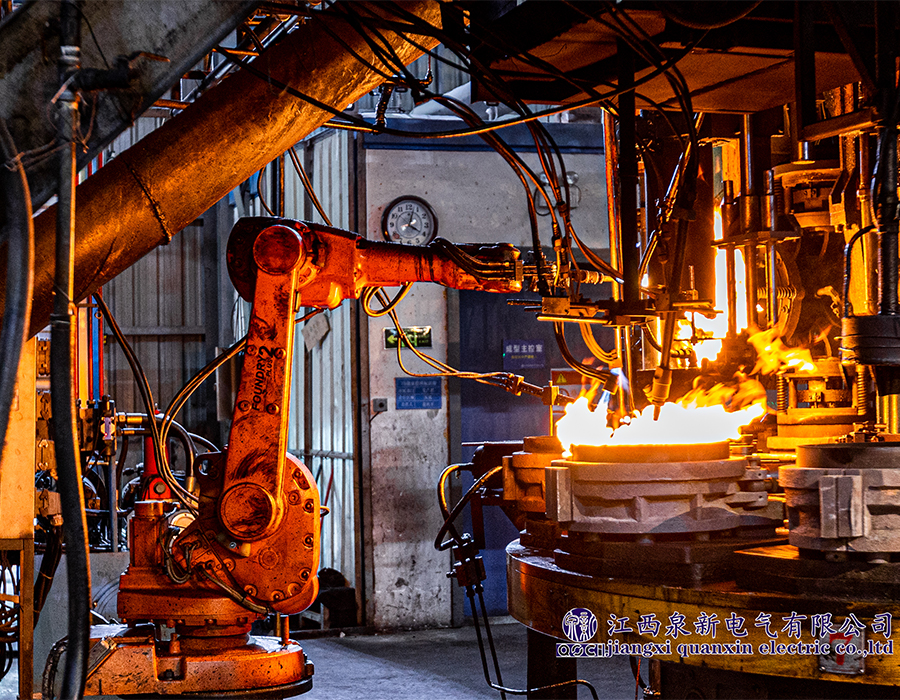
Melted glass is precision-pressed into shape. This stage sets the design dimensions, including creepage spacing and cap connection dimensions.
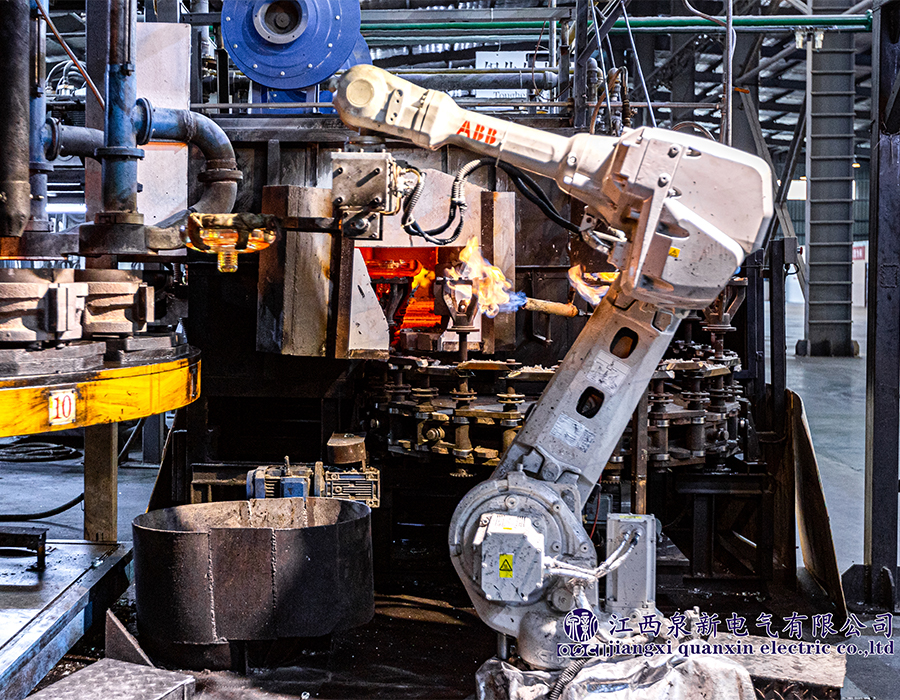
Rapid hot-and-cold air cycles create controlled surface tension, giving the glass its mechanical strength and shatter characteristics.
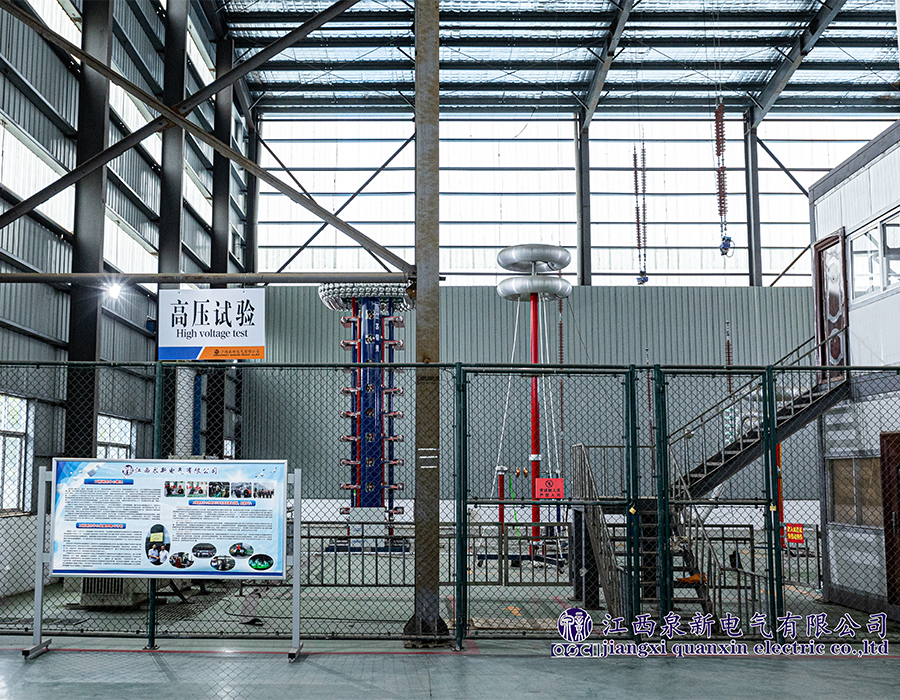
Every insulator string component undergoes routine electrical and mechanical load tests to ensure field reliability.
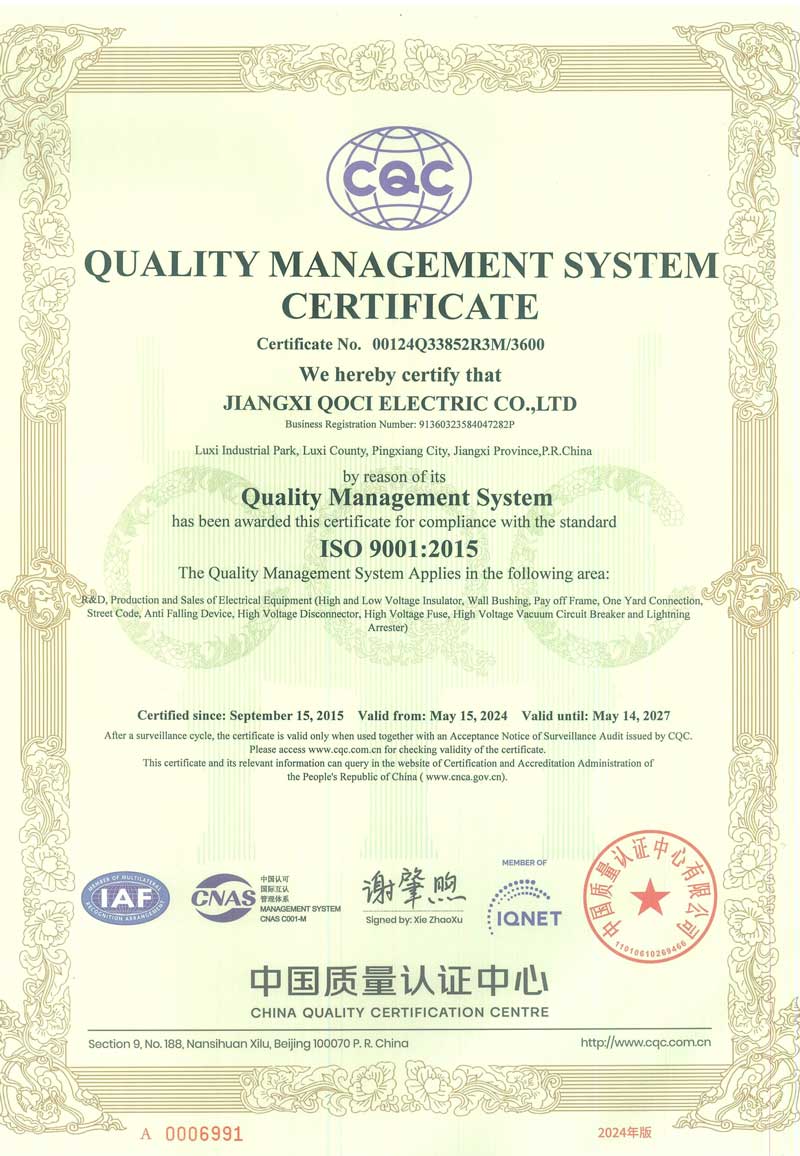
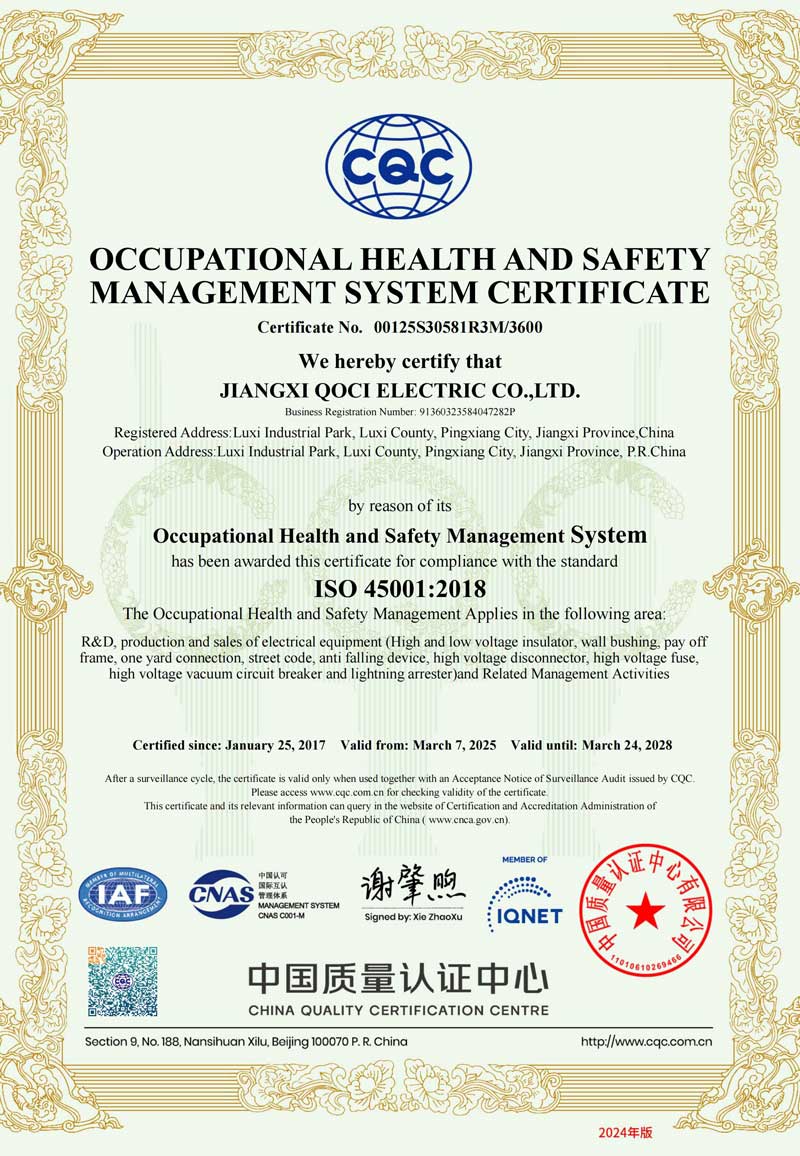
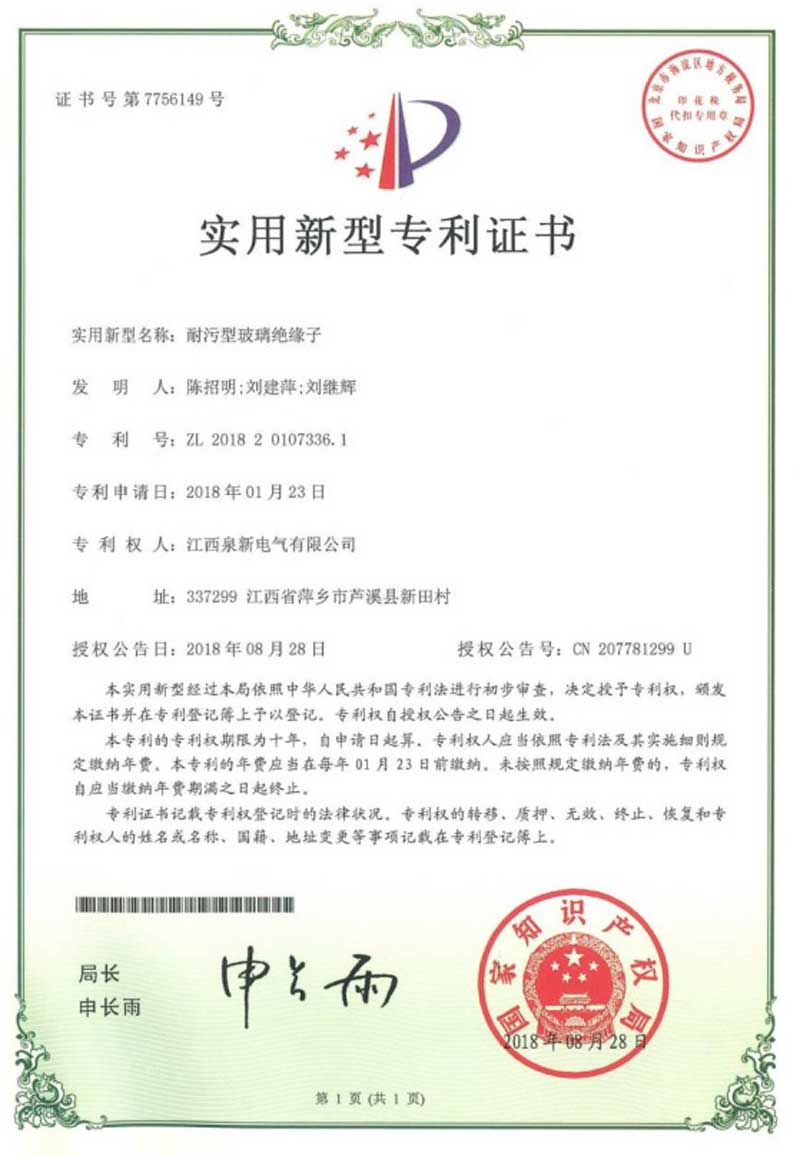
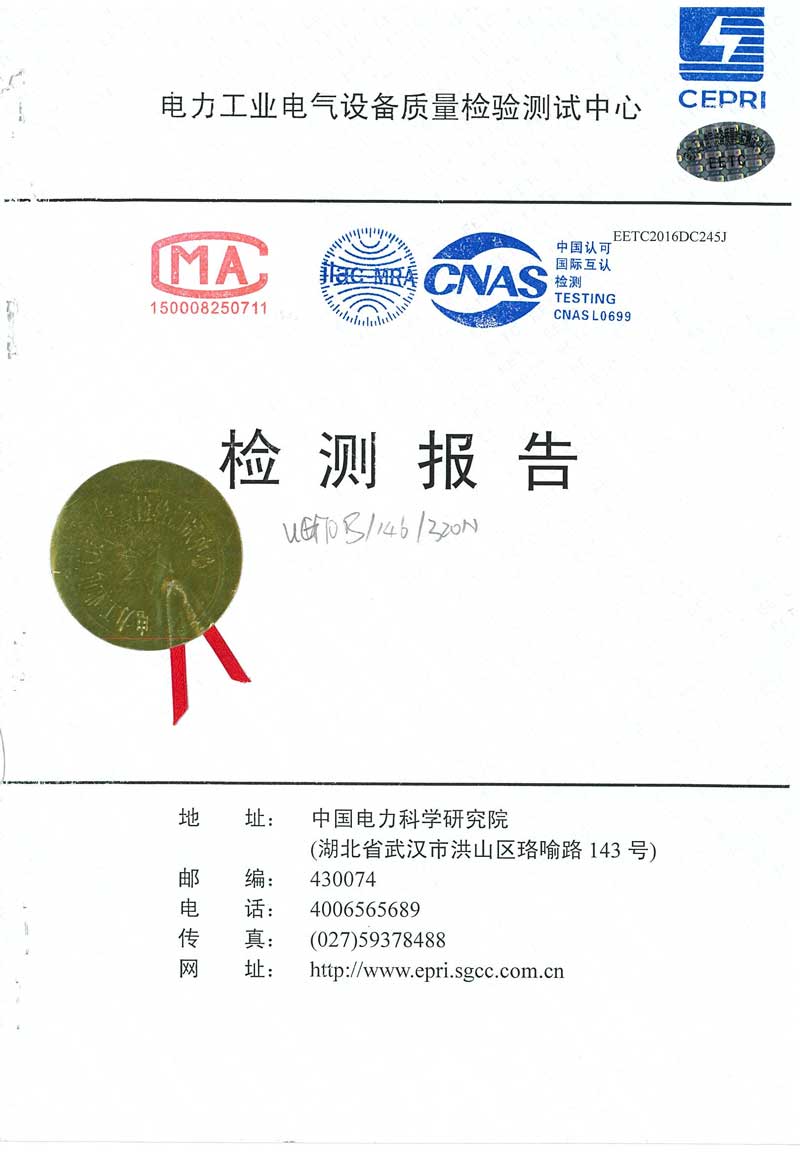
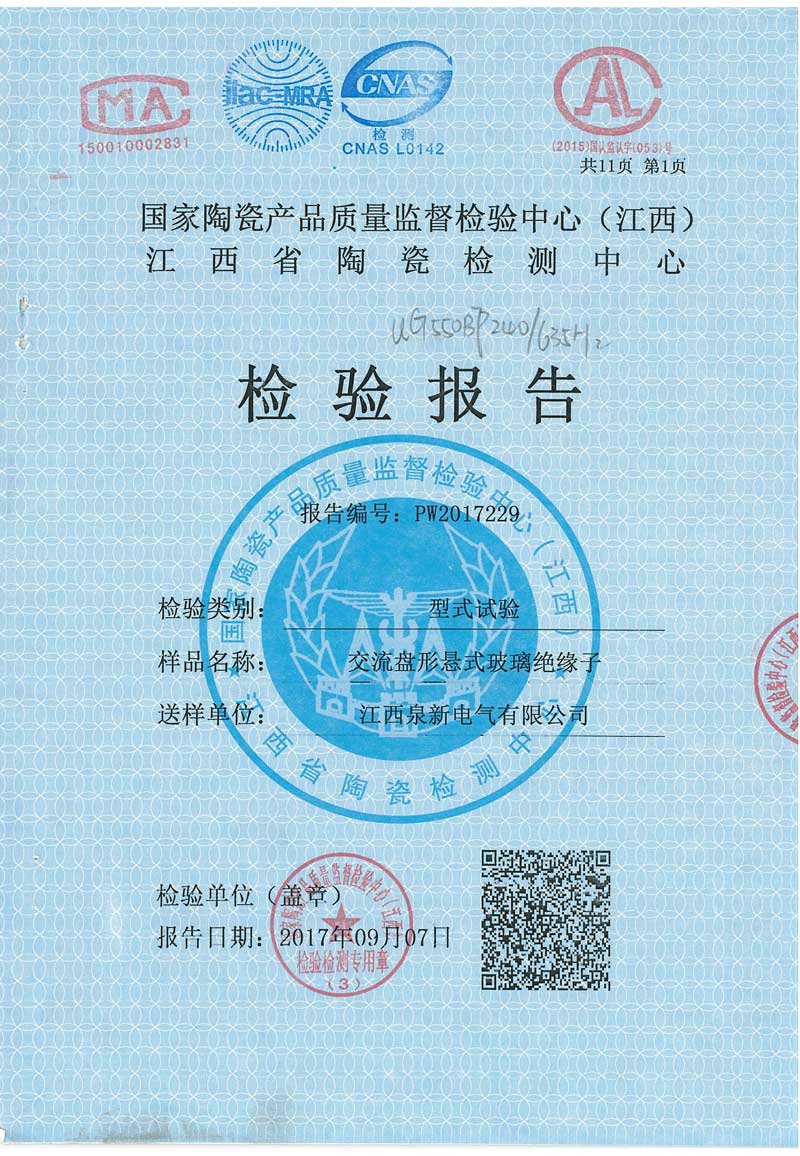
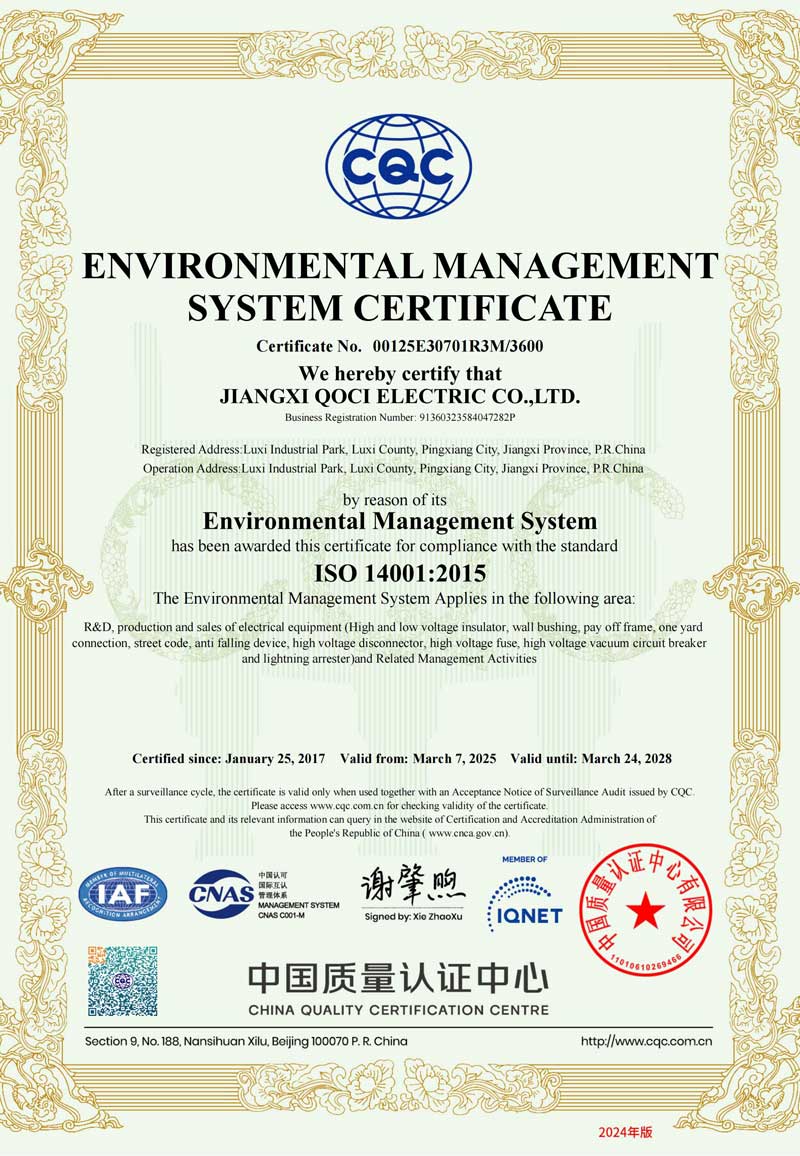
Our manufacturing and quality assurance workflows are verified by third-party testing bodies.
We collaborate with quality packing suppliers to protect our glass insulators during transport. Our partners provide specialized packaging, including heavy-duty concrete-formwork plywood boxes, keeping shipments secure over long sea routes.

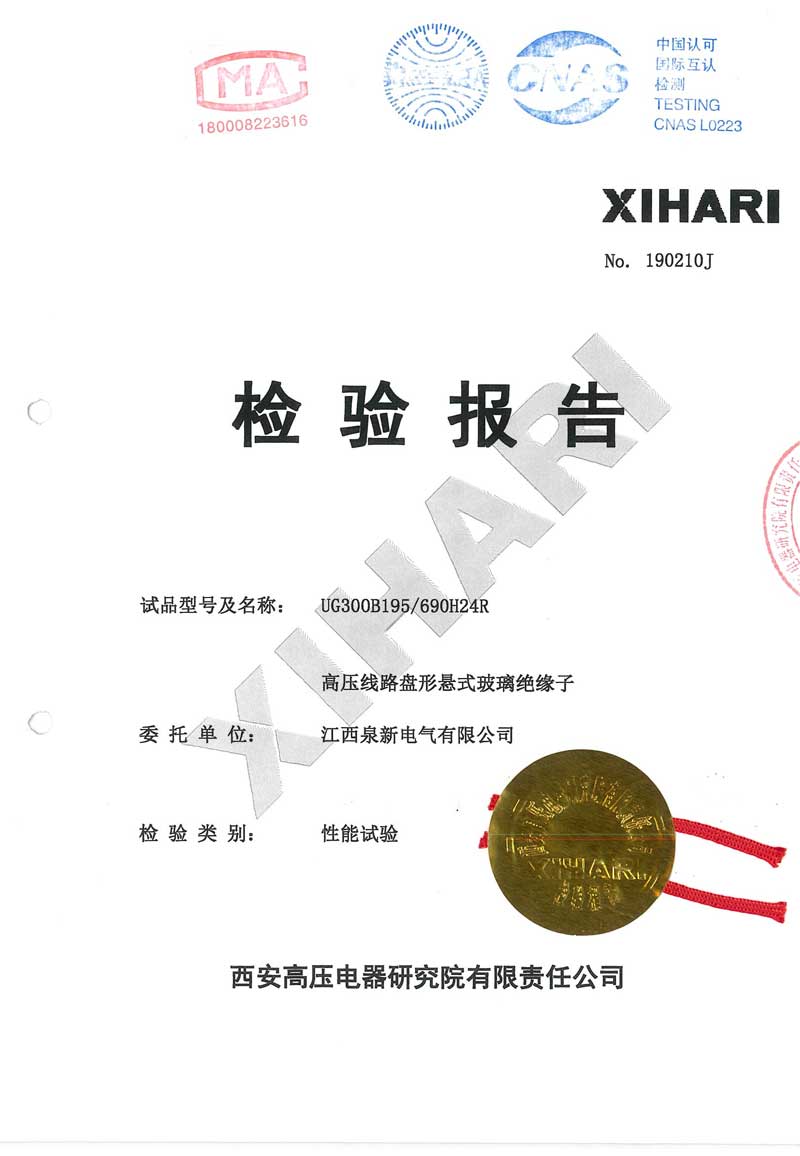
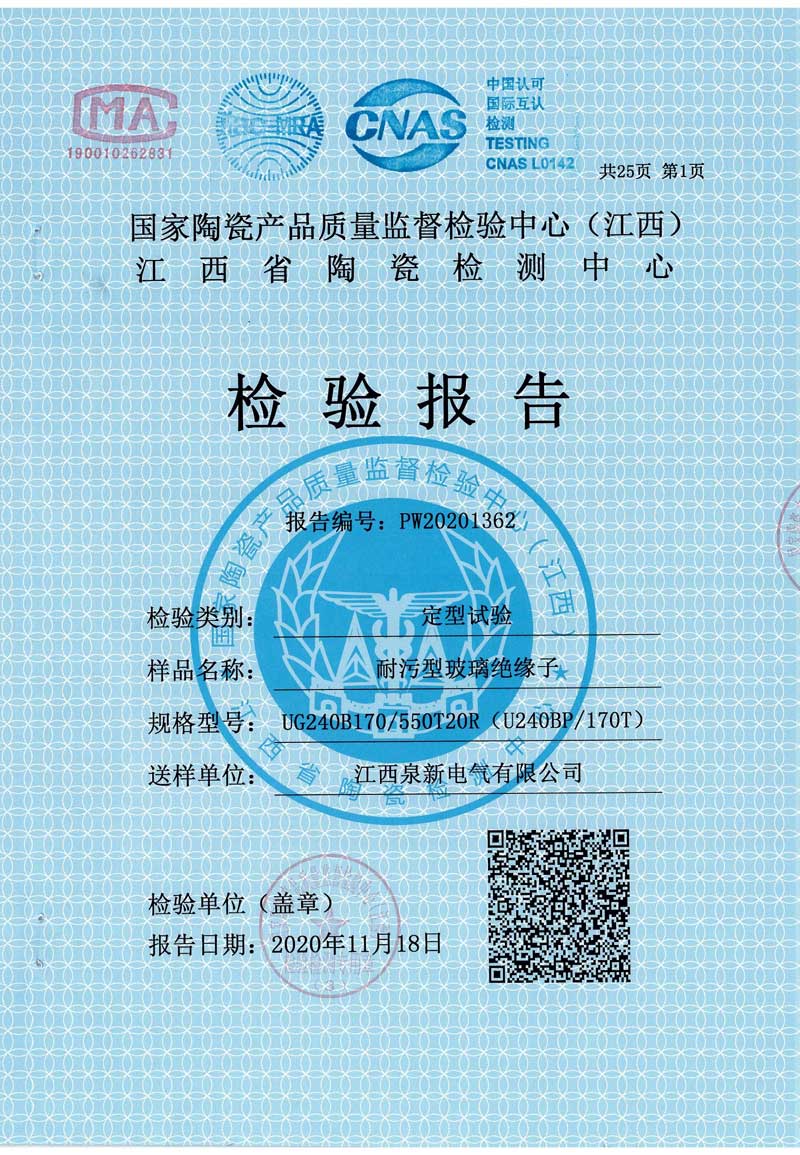
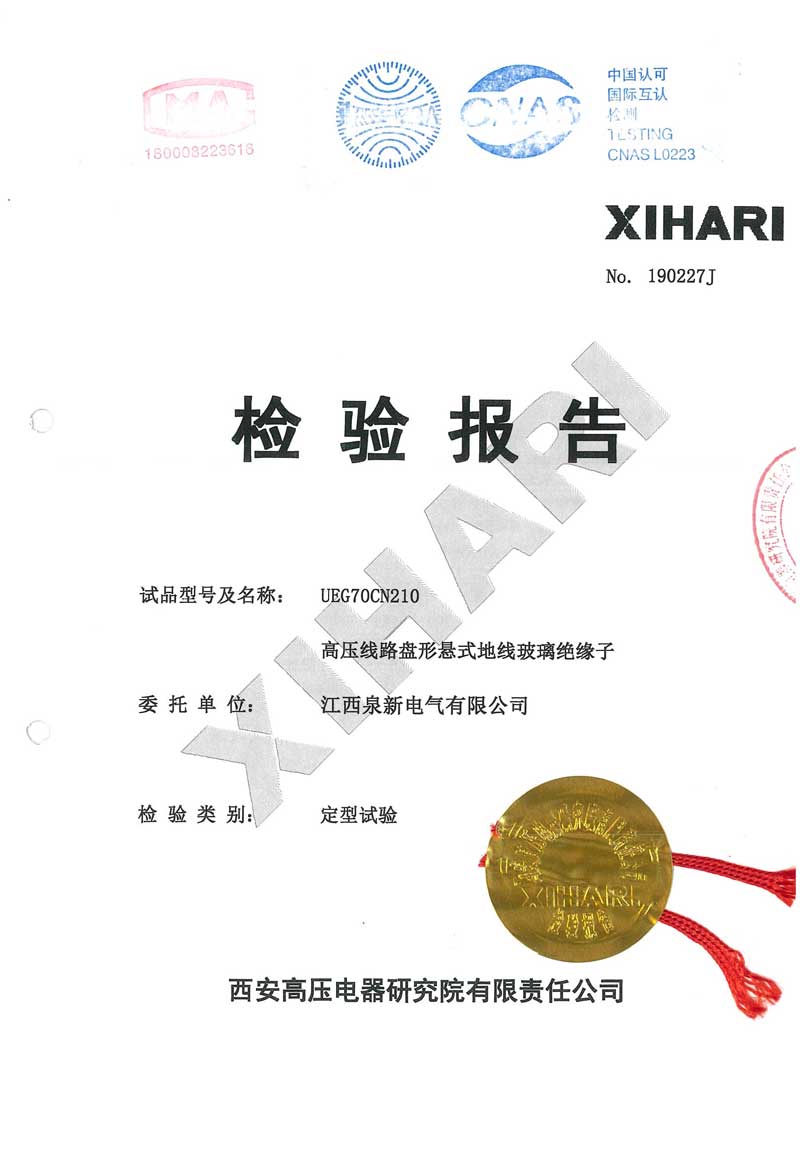
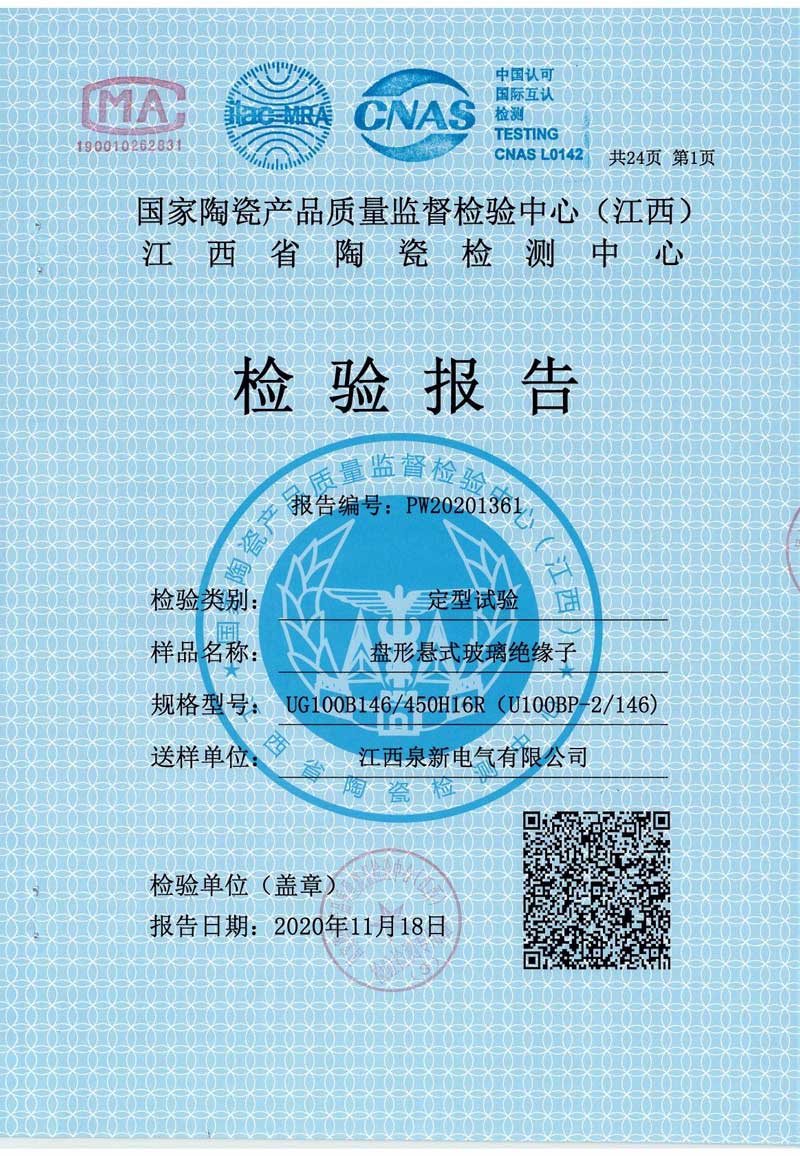
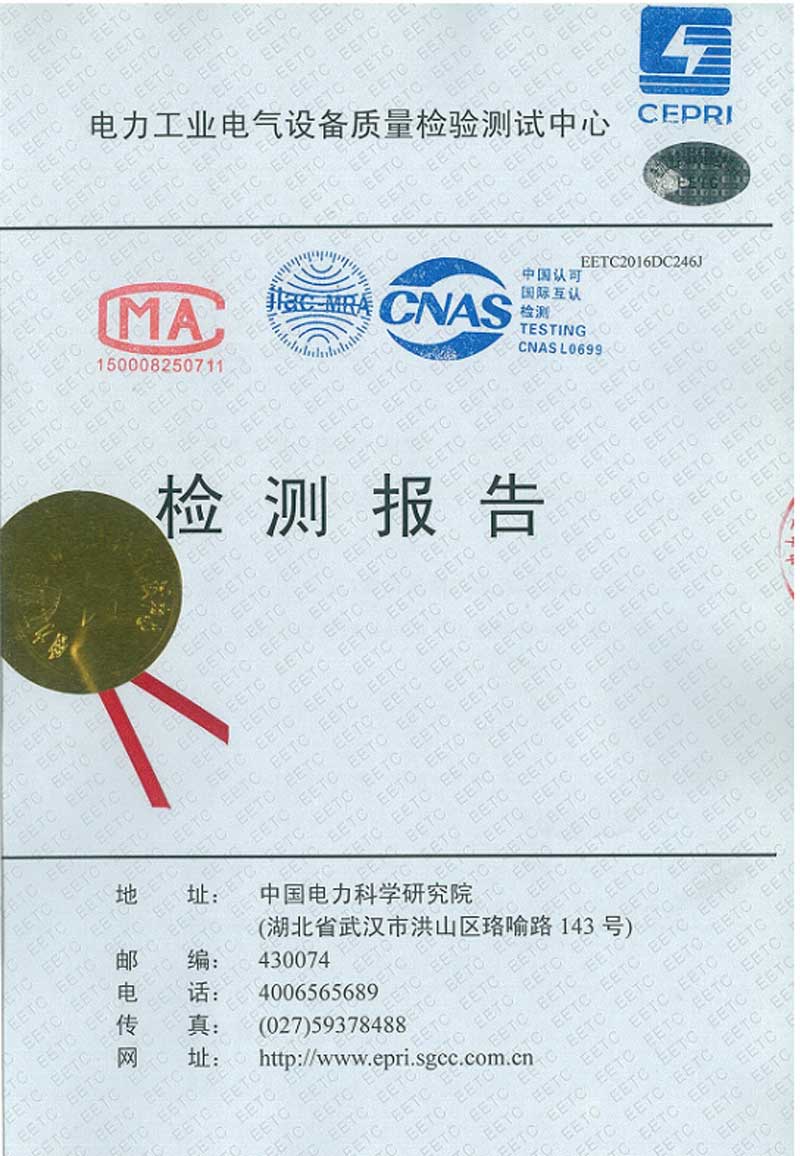
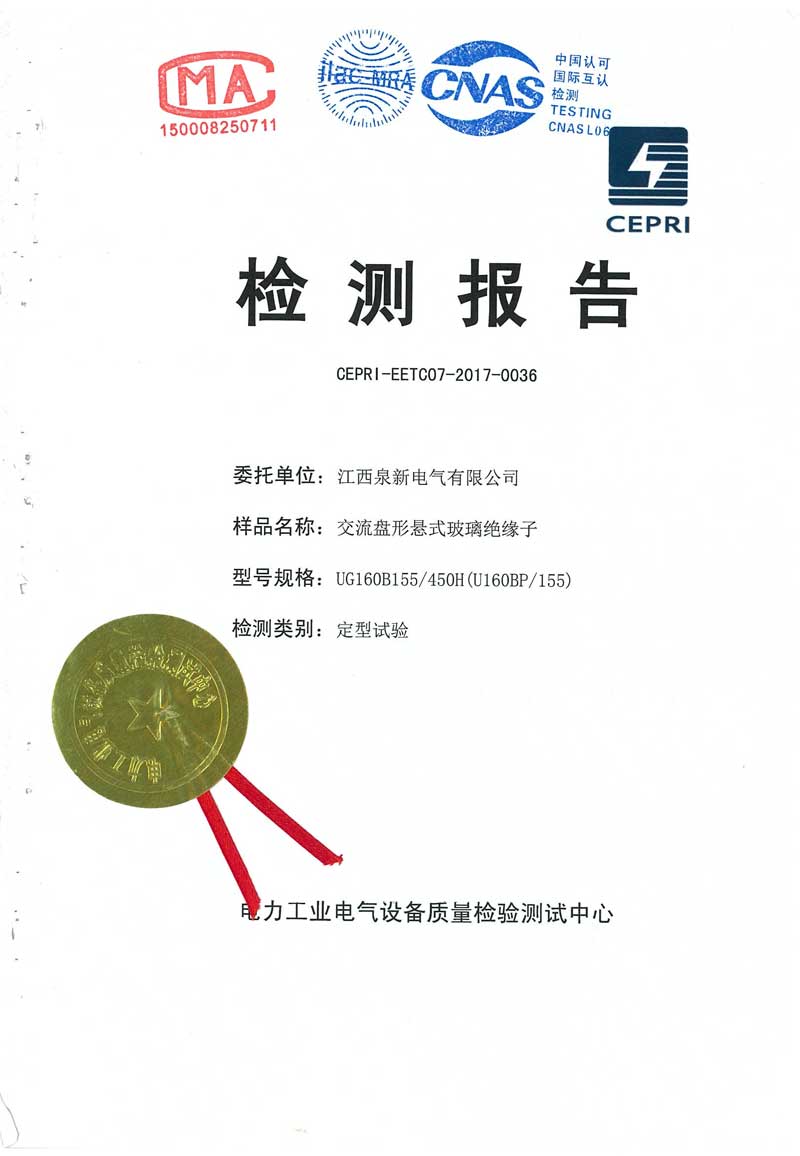
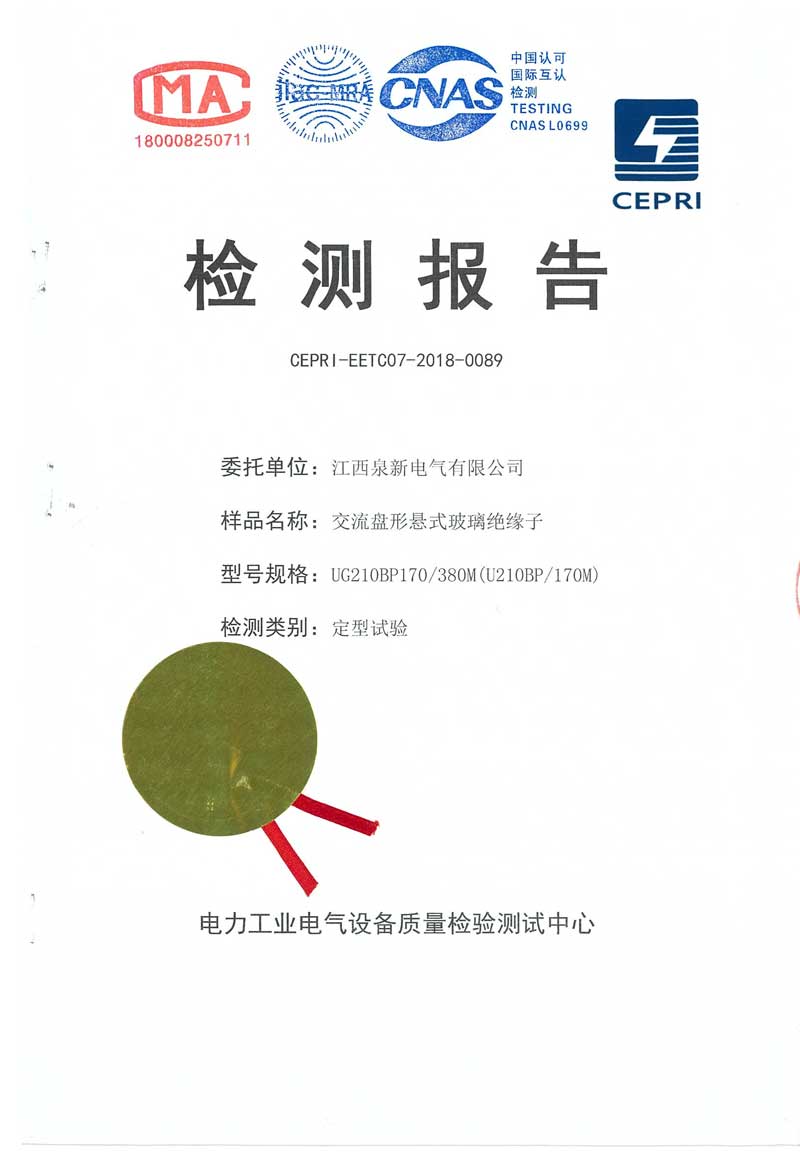
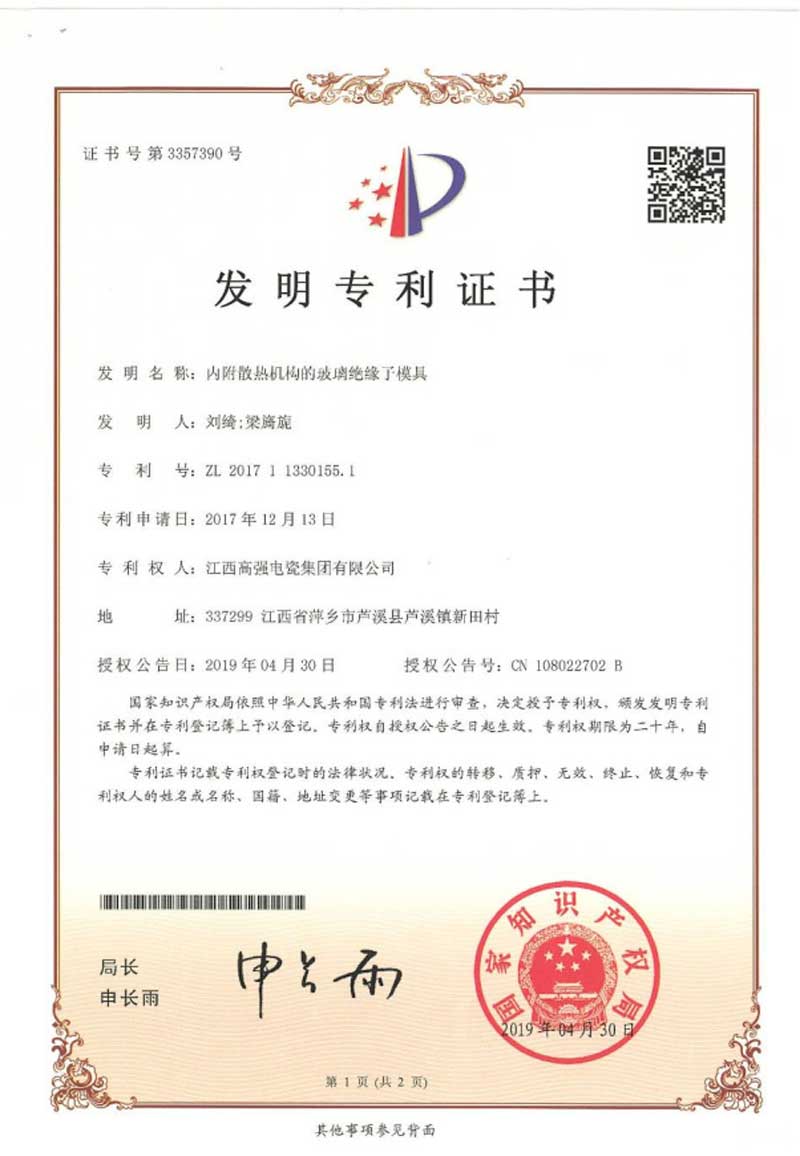
All QOCI glass isolator designs undergo type testing and electrical safety inspections. Our products hold certificates from international testing organizations, verifying compliance with KEMA, CESI, and state utility standards.
Technical guidance for substation engineers and utility procurement managers regarding glass isolators.
Both models feature a rated electro-mechanical failing load of 300 kN. The U300BMA incorporates a modified structural profile that increases the nominal creepage distance to 550 mm. This design is optimized for high-pollution environments and extra-long span installations.
Toughened glass maintains stable tensile strength and does not age under UV exposure. If a glass shell fails, it shatters into small fragments while keeping its mechanical structure intact. This allows maintenance crews to easily locate damaged units through simple ground visual checks, eliminating the need for complex testing tools.
A Room Temperature Vulcanized (RTV) silicone coating adds hydrophobic properties to the smooth glass surface. This prevents water sheets from forming, which limits leakage currents and helps avoid dry-band arcing in highly polluted areas.
Our products are manufactured and tested in compliance with standard IEC 60305, IEC 60383, and ANSI C29.2. They undergo mechanical load, thermal shock, radio interference voltage (RIV), and impulse withstand testing to ensure grid safety.
Stay updated on Jiangxi QOCI Electric's global activities, product releases, and upcoming power grid conferences.
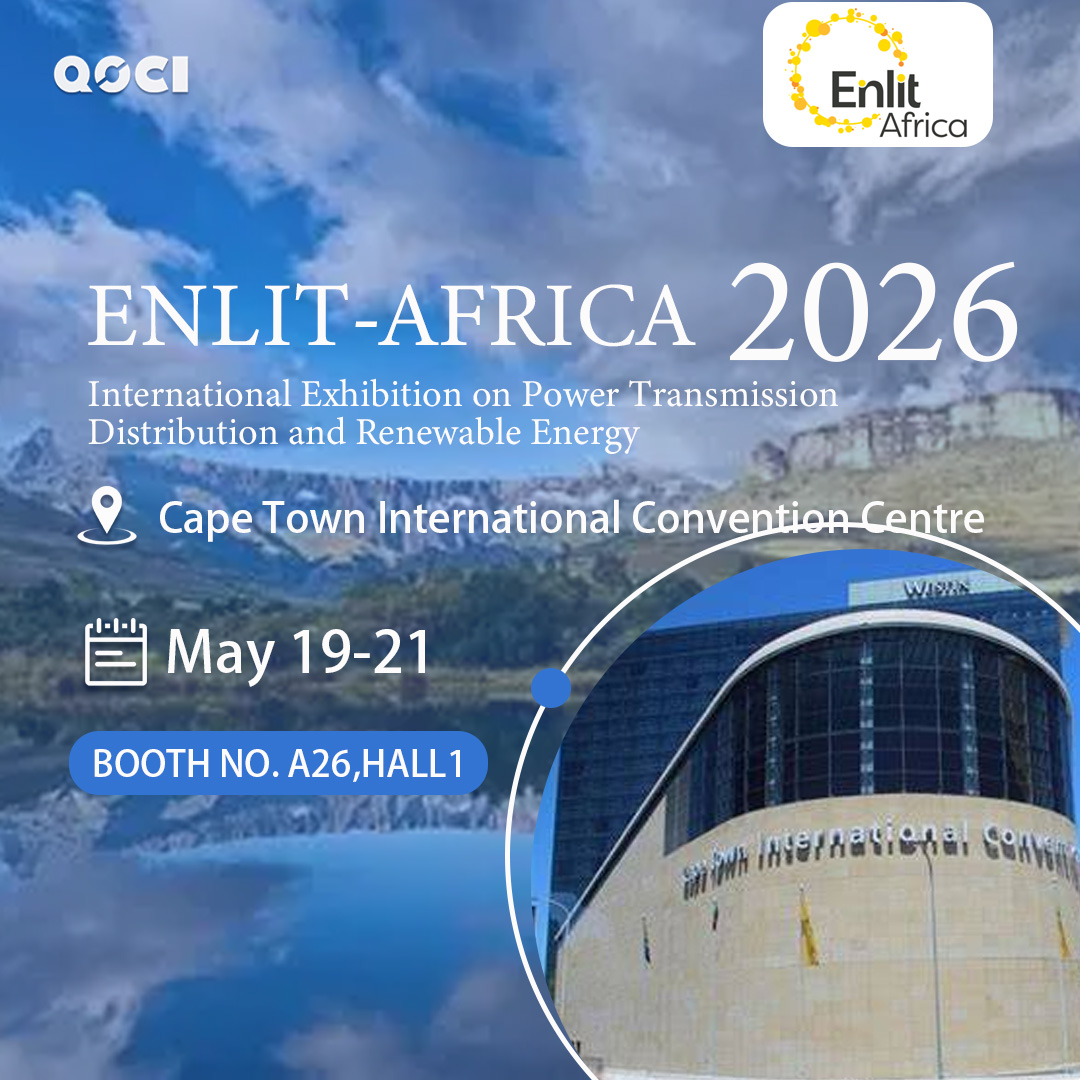 PRESS RELEASE
As the global energy transition speeds up, the demand for reliable transmission infrastructure continues to grow. QOCI Electric will showcase its latest high-voltage insulation systems at Enlit Africa, displaying our solutions for regional grid modernization.
Our insulation systems are designed to withstand extreme environmental challenges, including heavy icing, high altitudes, pollution, earthquakes, and typhoons, providing reliable service on major transmission networks.
Meet our engineering team at the IEEE PES T&D Conference. We will present our latest research on glass insulators and discuss custom insulation designs with international utility planners.
QOCI Electric has confirmed its participation in the Iraq Energy Exhibition, showcasing our specialized insulation designs for sandy, hot, and arid desert environments.
Compare our line post, suspension, and distribution glass insulators to find the right configuration for your power project.