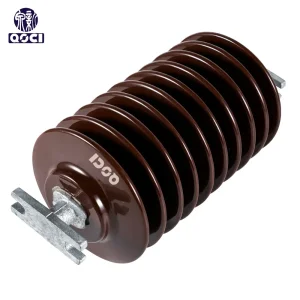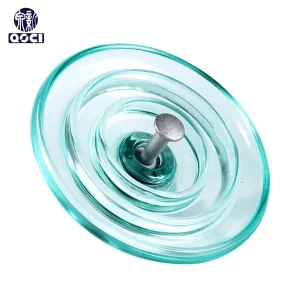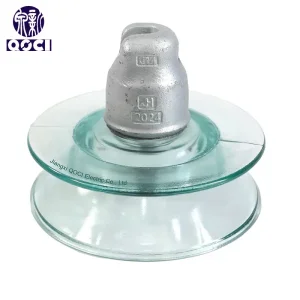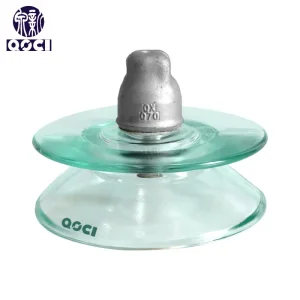
Explore our industrial range of toughened suspension glass insulators manufactured to strict IEC and ANSI specifications.
Understanding the critical electromechanical demands of overhead transmission lines and high-voltage distribution networks.
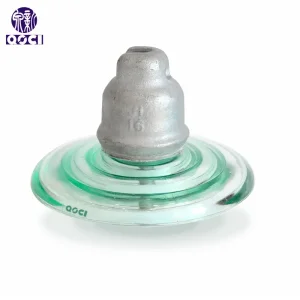
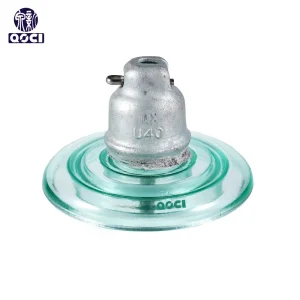
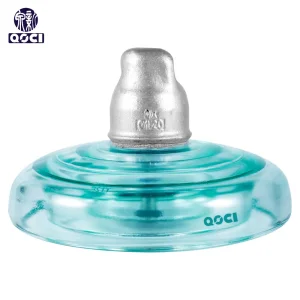
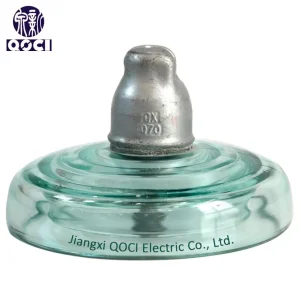
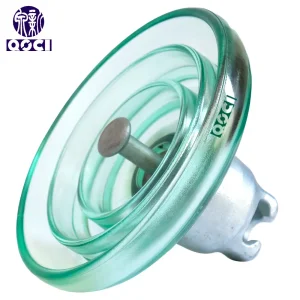
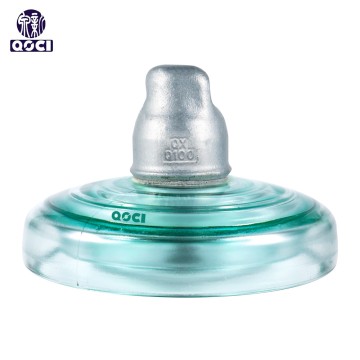
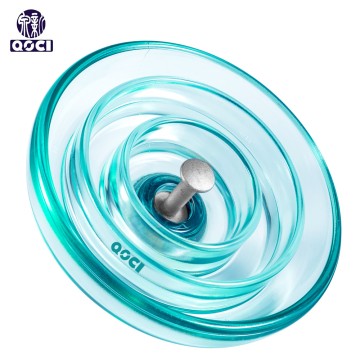
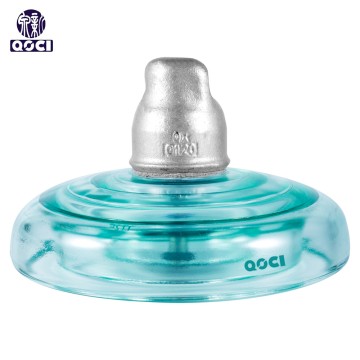
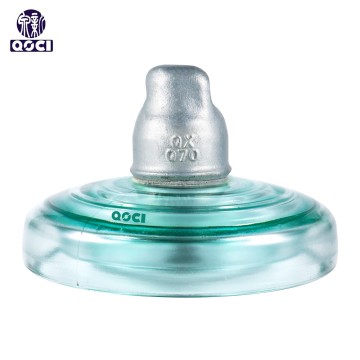
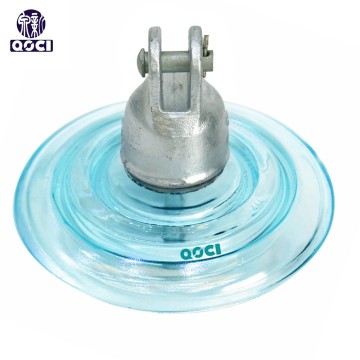
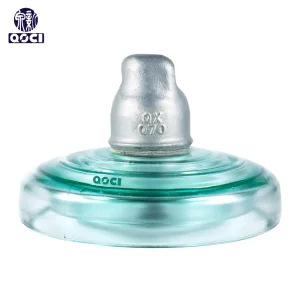
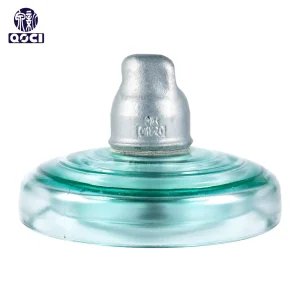
The U70bsa represents a pinnacle in suspension insulator engineering. The "U" denotes utility suspension application, "70" specifies a rated electromechanical failing load of 70 kilonewtons (kN), and the suffixes define its configuration, including spacing (146/127 mm), disc diameter (255 mm), and creepage distance. Utilizing high-toughness tempered glass, this component acts as a structural anchor and a dielectric barrier under critical mechanical tension.
Unlike composite polymer options or standard electrical porcelain, toughened glass possesses high mechanical homogeneity and superior resistance to thermal shock. The tempering process creates outer surface compressive stresses paired with inner core tensile stresses. This design feature causes the glass to shatter into small, harmless fragments if damaged, allowing for easy, immediate visual detection of "zero-value" units on site.
Under varying climate conditions, transmission grids face exposure to corrosive marine salt fog, industrial waste deposits, and severe wind shears. U70bsa glass isolators are built to withstand these demands. Their self-cleaning design prevents dirt build-up and maintains stable insulation resistance over decades of service.
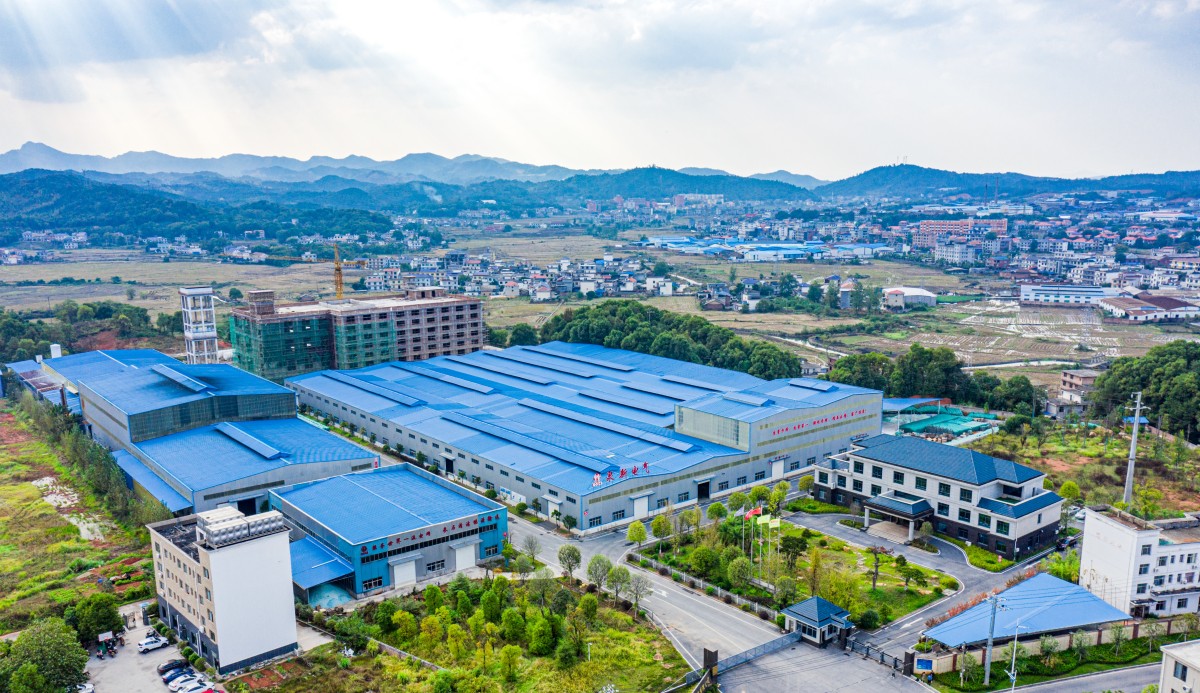
Founded in December 2002 with a registered capital of 508 million Yuan, Jiangxi QOCI Electric Co., Ltd. has established itself as an industry leader in manufacturing high-strength glass and porcelain insulators. Located in the Industrial Park of Luxi County, Pingxiang City, Jiangxi Province—the renowned Chinese production base for high-voltage insulators—our facility covers an expansive 100 mu (70,000 square meters).
We are dedicated to supporting world-class power grids by participating in the construction of green energy systems. Guided by our principles of high quality and reliable service, we strive to ensure the safety and structural integrity of transmission grids worldwide.

How state-of-the-art facilities, thermal processing, and advanced quality testing ensure zero-defect distribution of high-voltage insulators.
Based in Pingxiang, Jiangxi Province, our manufacturing center leverages a highly integrated industrial cluster. This provides direct access to high-grade raw materials and a specialized workforce. This location allows us to optimize production cycles and control logistics costs, offering competitive pricing for global projects without compromising quality.
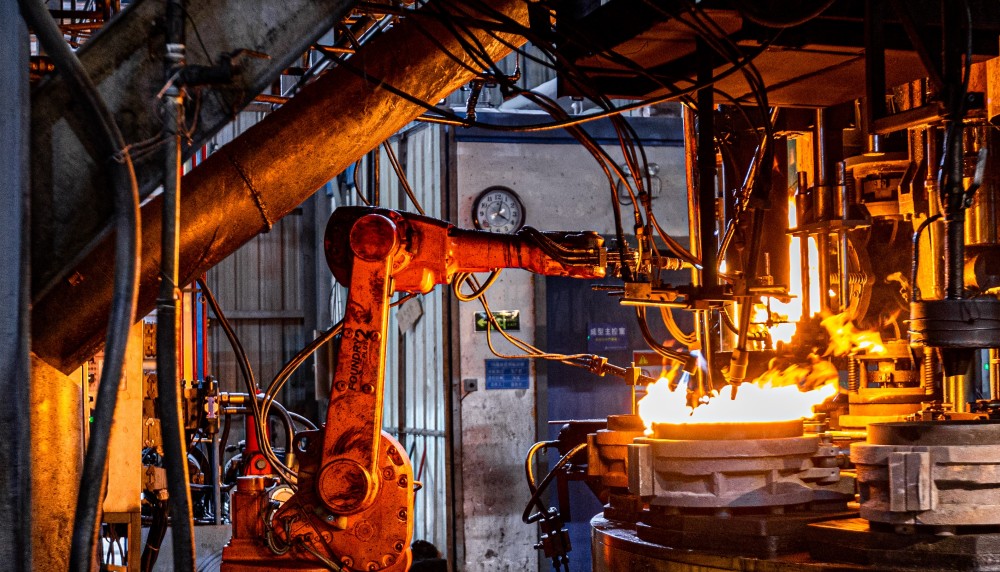
Our raw material formulation (comprising silica sand, soda ash, feldspar, and dolomite) undergoes precise mixing and melting in high-efficiency, fully oxygenated kilns. The hot glass shells are molded under strict computer control and then subjected to rapid thermal air quenching. This process creates balanced internal tensions that give our toughened glass suspension insulators high puncture resistance and stable mechanical load handling.
| Standard Parameter Group | IEC 60305 Technical Value | QOCI Guaranteed Limits |
|---|---|---|
| Mechanical Failing Load | 70 kN | 75 kN - 80 kN |
| Creepage Distance (Standard) | 320 mm | > 330 mm |
| Puncture Resistance (in oil) | 130 kV | > 140 kV |
| Power Frequency Withstand (Wet) | 45 kV | 50 kV |
| Standard Coupling Size | 16 mm (Ball/Socket) | 16 mm conforming to IEC 60120 |
Explore our engineering adaptations optimized for specific environmental conditions and pollution levels.
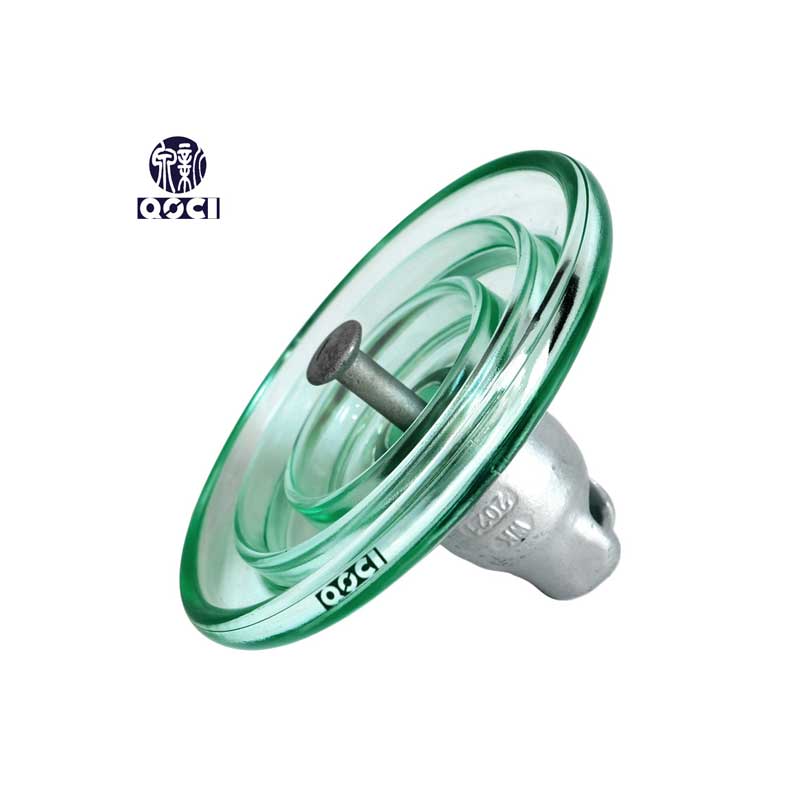
Features shallow, well-spaced small ribs on the underside. Designed to maximize creepage distance beyond the basic values in IEC 60305 while allowing effective self-cleaning by wind and rain. Best suited for zones with low to moderate environmental pollution.
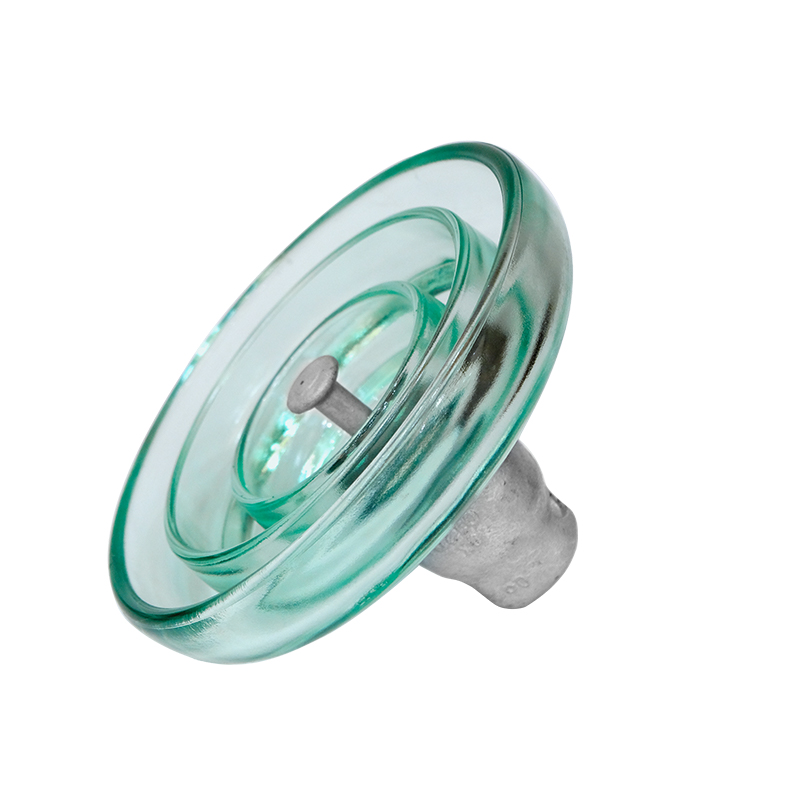
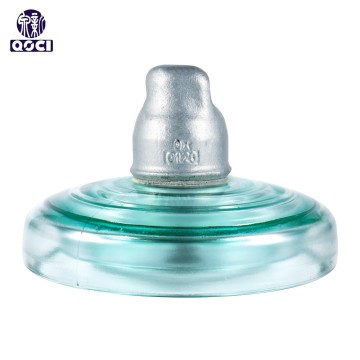
Characterized by deep, widely-spaced under-ribs that prevent arc bridging under heavy contamination. With a high leakage distance to spacing ratio (approx. 3.2), this profile is optimized for coastal environments with salt fog and industrial corridors with heavy dust deposits.
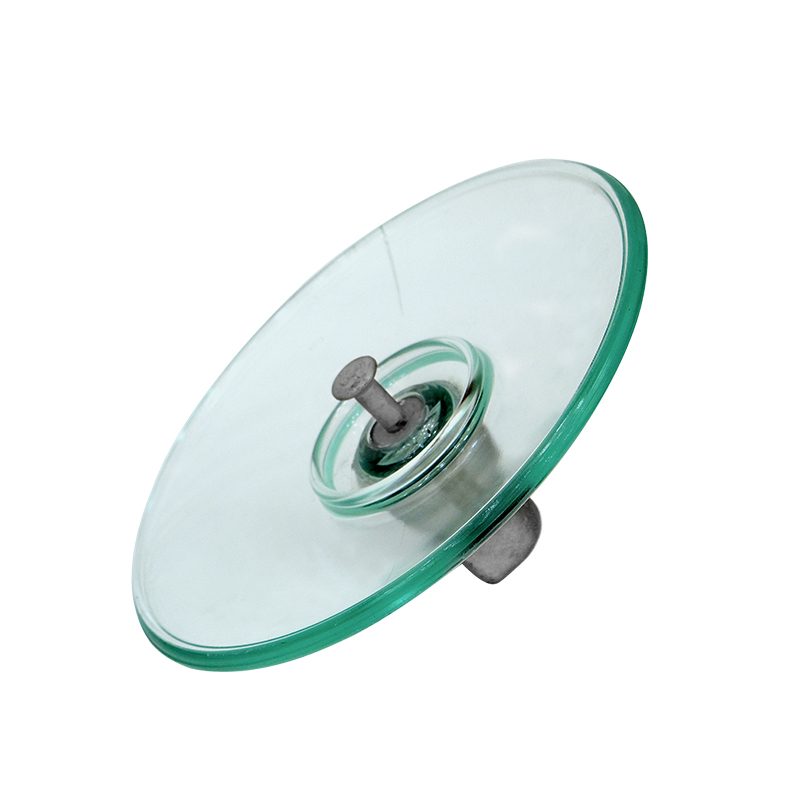
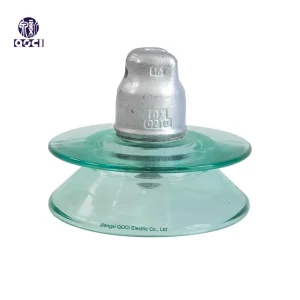
Designed without under-ribs and featuring a larger disk diameter to prevent the accumulation of windborne sand and dust. It is particularly effective for high-tension lines in arid, desert regions with frequent sandstorms and infrequent rainfall.
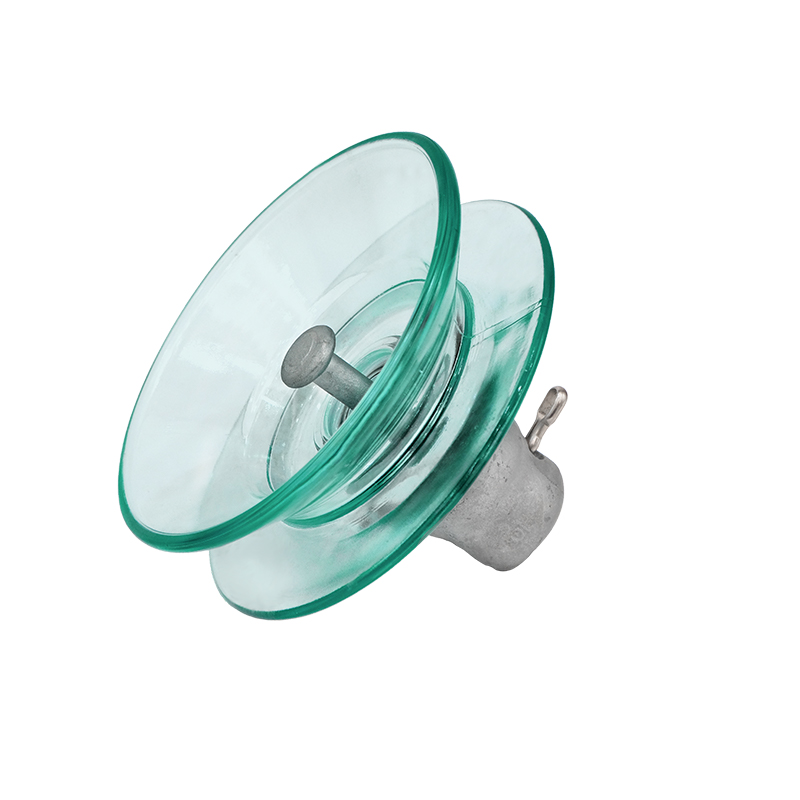
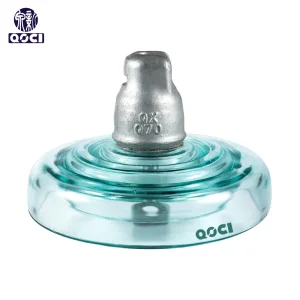
Equipped with two external ribs to limit pollution build-up and facilitate easy manual or natural wind cleaning. Ideal for environments with dense industrial pollution or dry, salty soils.
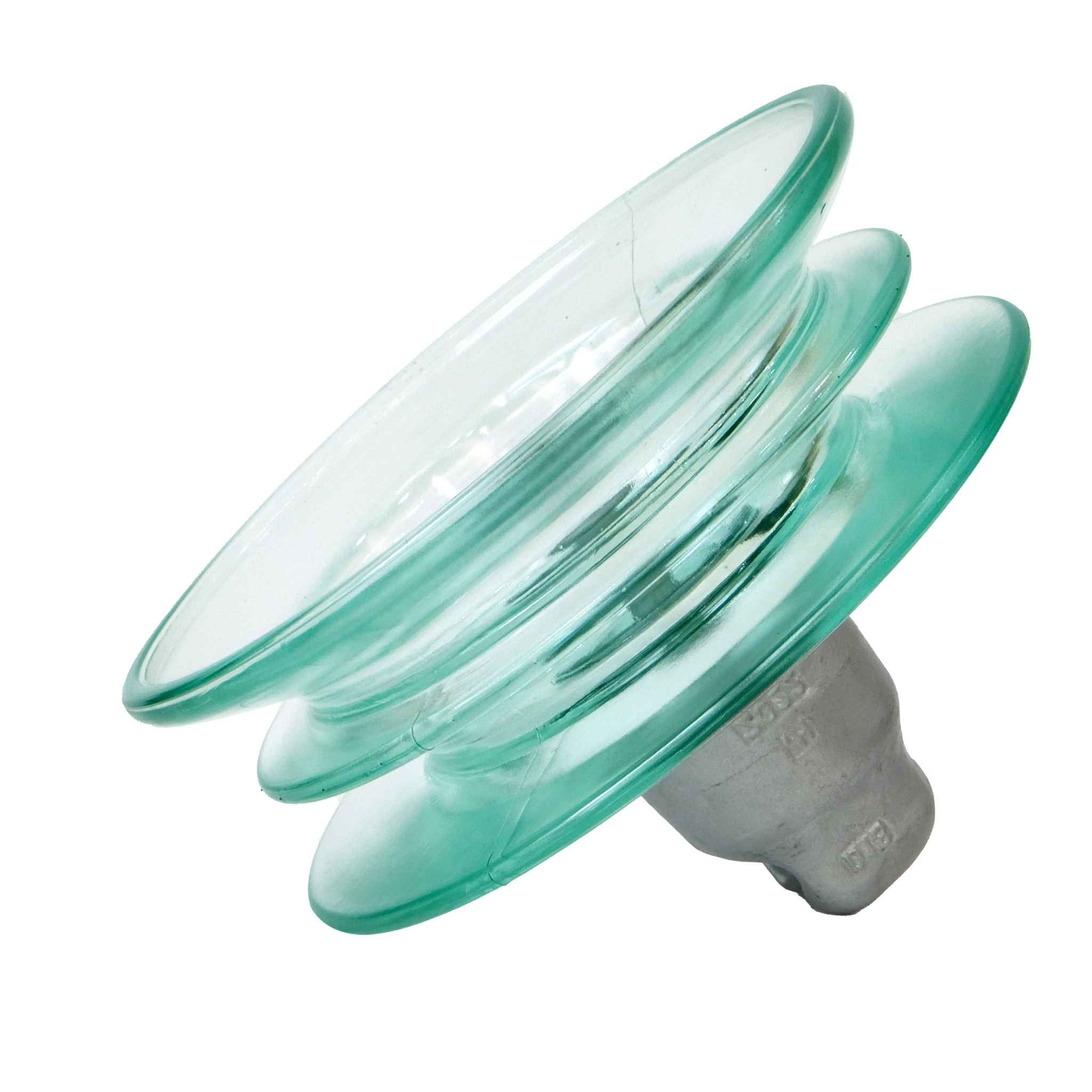
Features three layers of umbrella discs that provide a long creepage path. This profile is engineered for extreme high-voltage (UHV) systems operating at high altitudes or in humid, high-pollution regions.
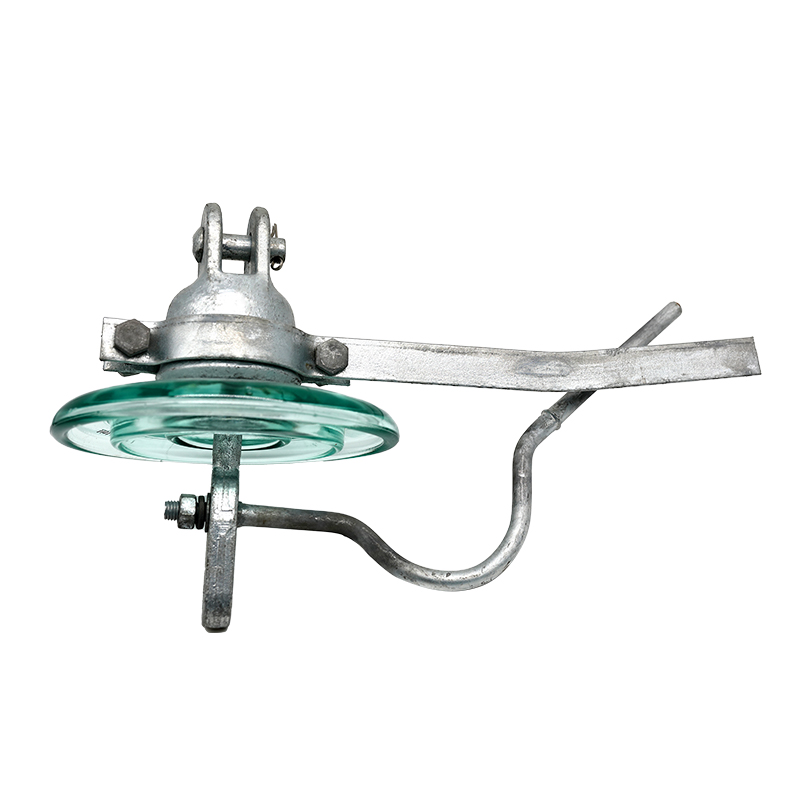
Designed to connect overhead ground wires or static shielding wires directly to the tower structures, providing reliable grounding path. Helps protect against direct lightning strikes and limits structural surge damage.
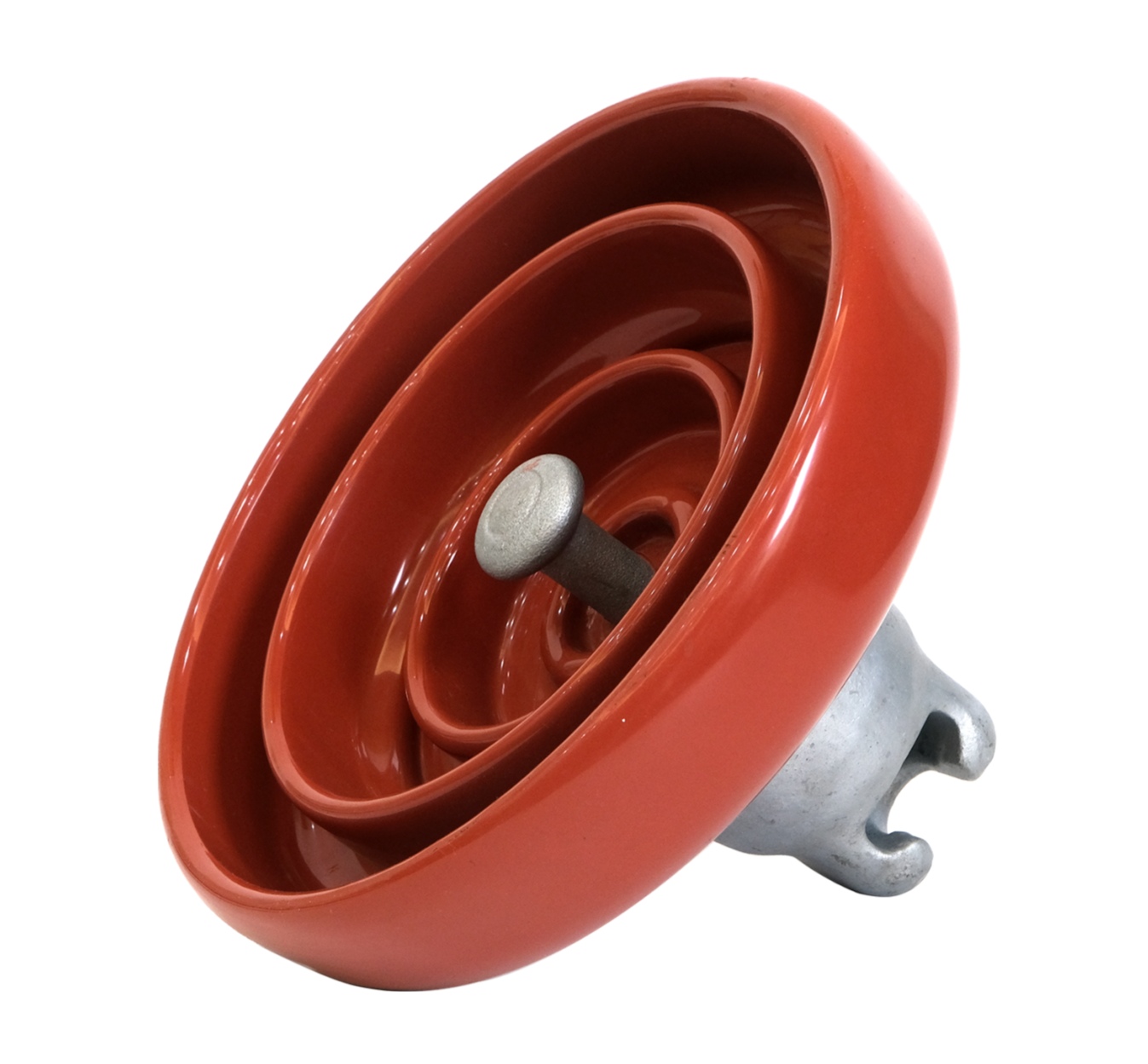
These insulators are factory-coated with Room Temperature Vulcanizing (RTV) silicone rubber, combining the mechanical reliability of toughened glass with the hydrophobic surface properties of polymer insulators. The coating minimizes leakage currents and flashover risks, offering a cost-effective, low-maintenance solution for heavily polluted environments by eliminating the need for regular washing.
How our toughened glass suspension lines protect and sustain national grid connections across diverse operational environments.
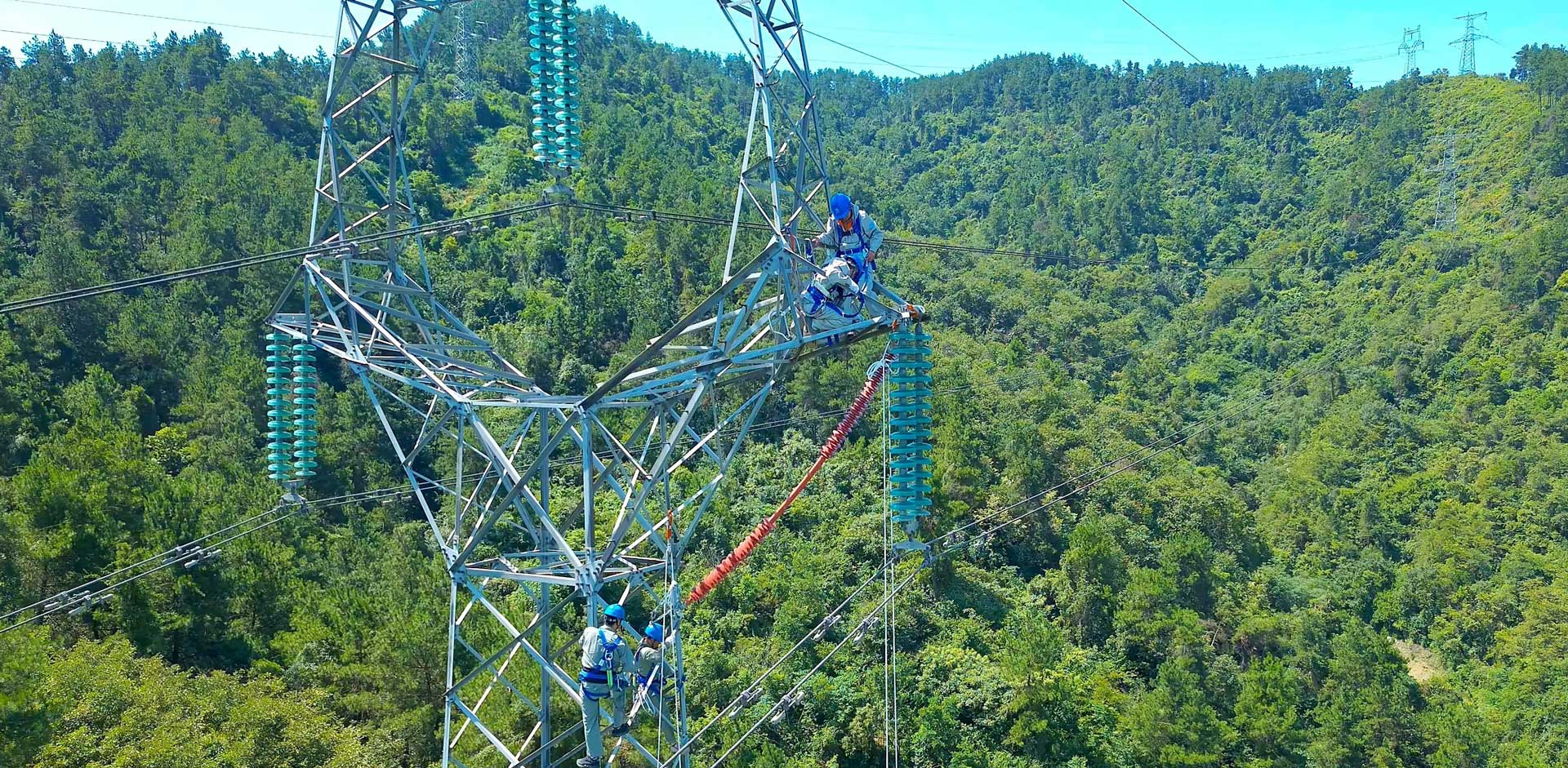
Designed to perform across diverse terrain, from frozen mountain corridors to tropical wetlands, maintaining mechanical strength and resistence to thermal expansion.
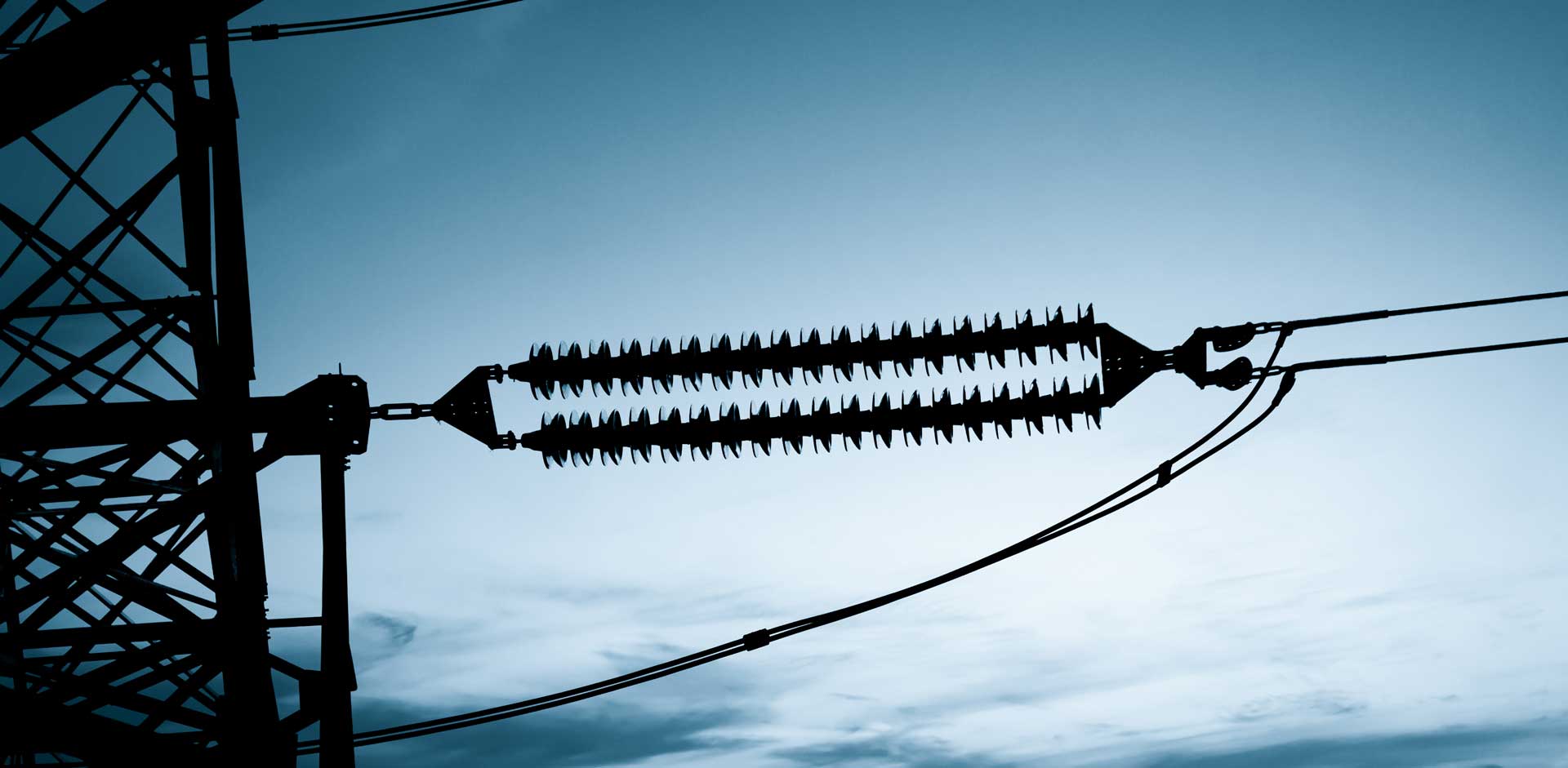
Tailored for sub-transmission systems and primary regional grids (66kV up to 500kV AC/DC systems) where mechanical reliability is critical.
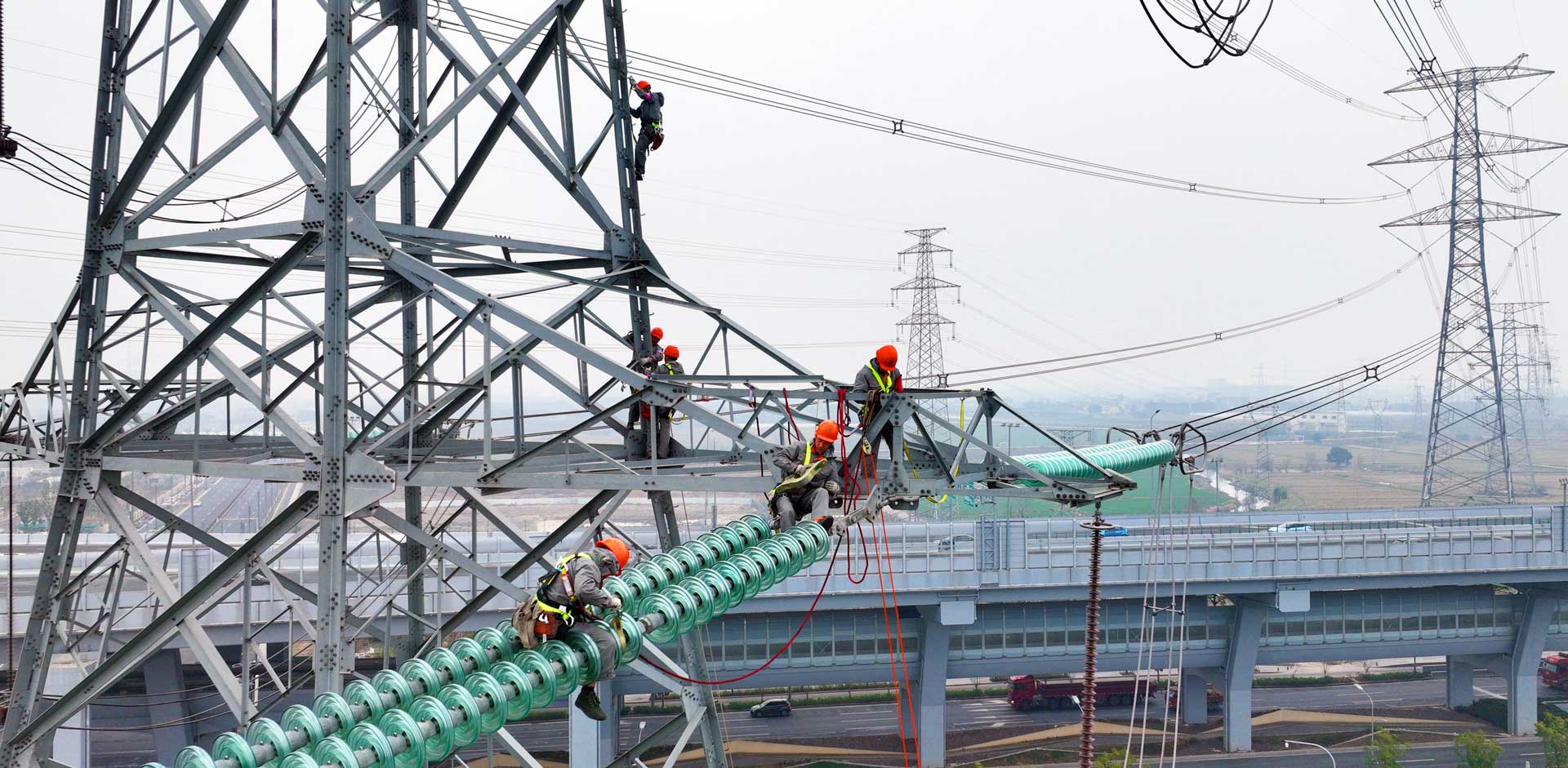
Engineered for complex electrical environments, including heavy wind loading and lines prone to galloping, ensuring consistent mechanical tension.
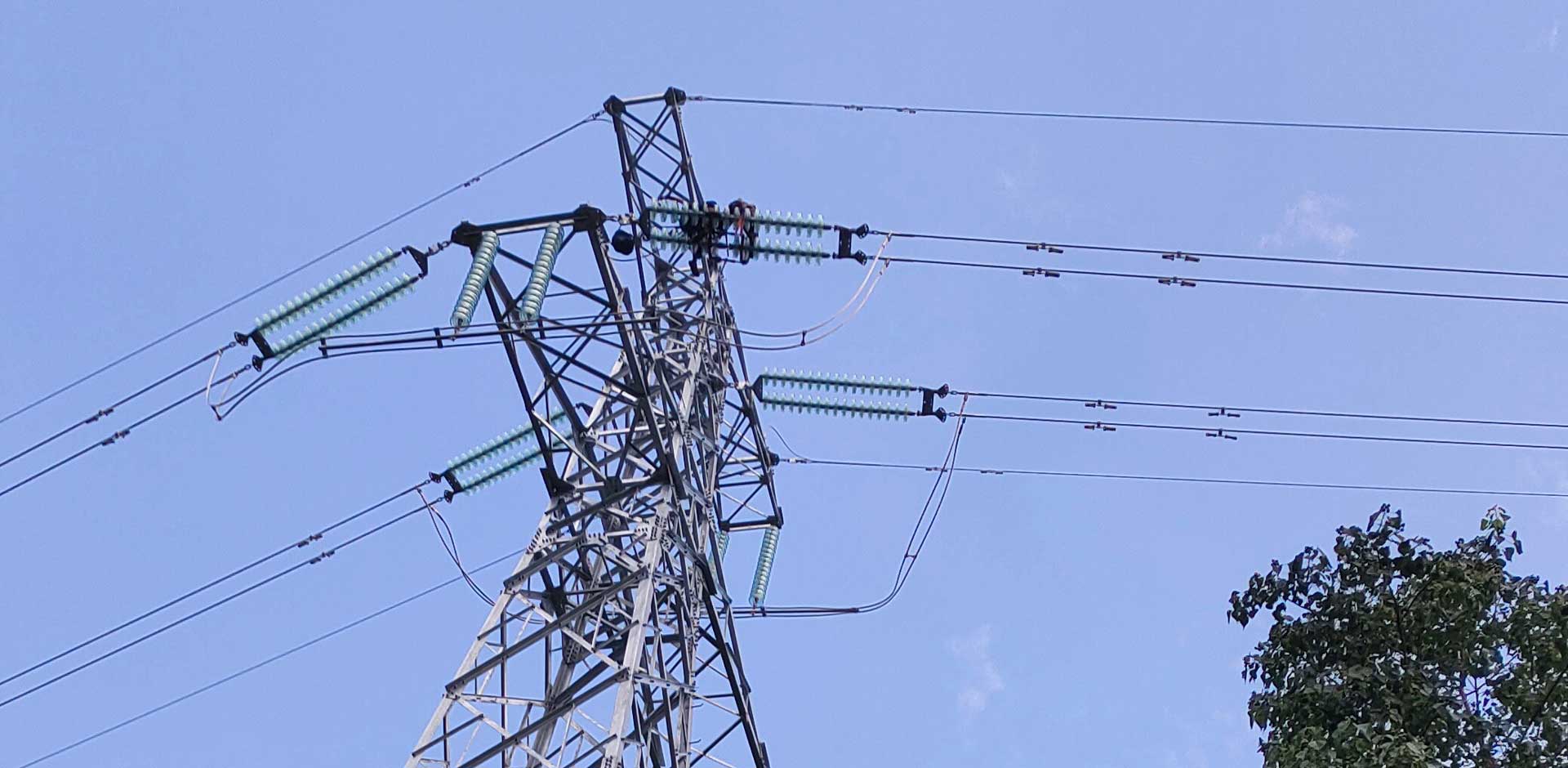
Optimized for harsh industrial zones, including heavy chemical corridors, mining plants, and coastal installations exposed to salty air.
Inside the QOCI ISO 9001 certified manufacturing facility.
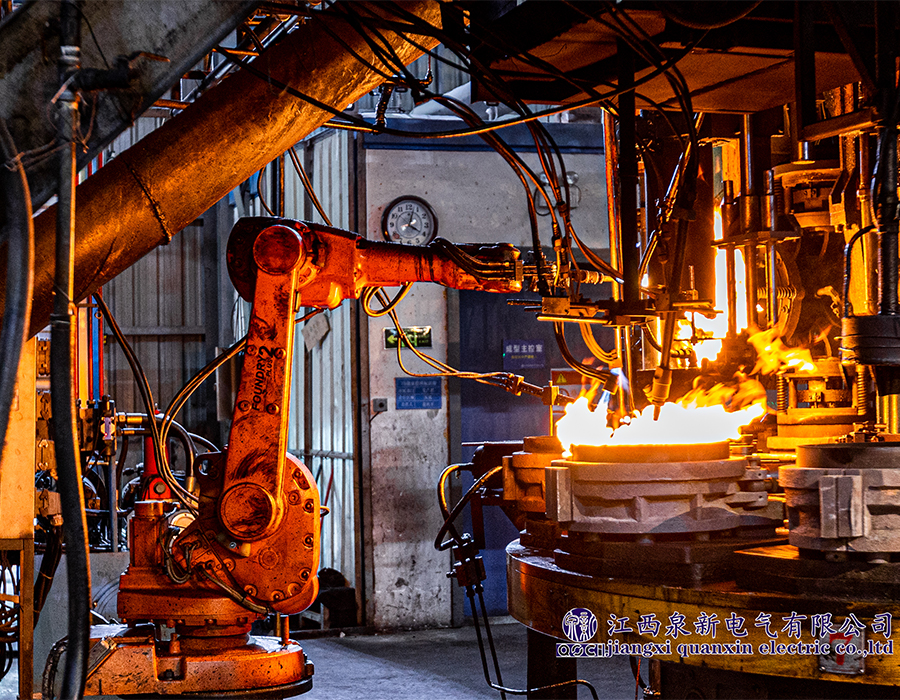
Liquid glass is pressed into mold cavities with controlled cycle times to ensure uniform wall thickness and structural stability.
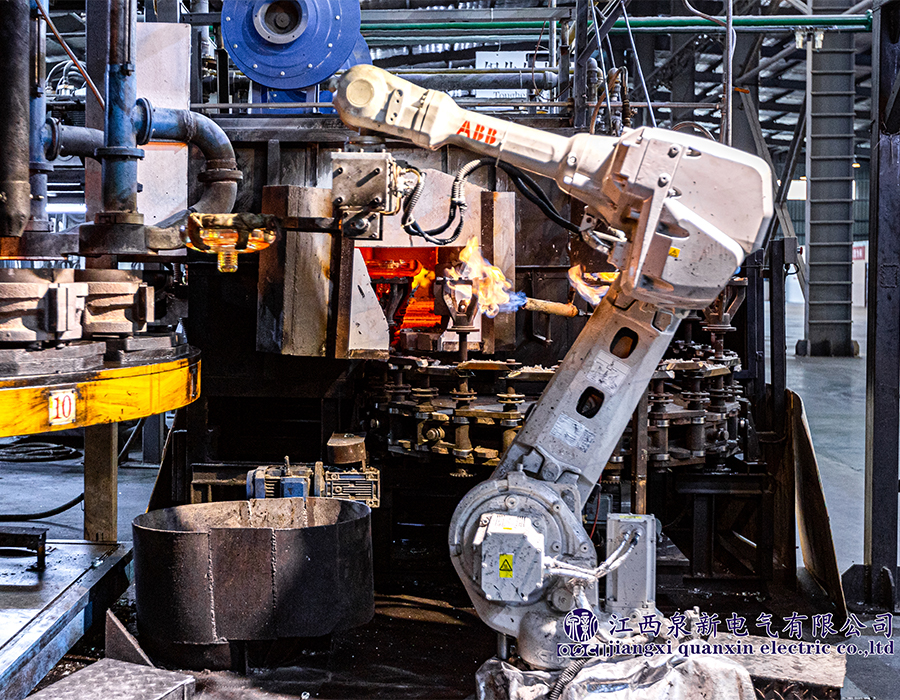
Utilizes automated hydraulic press runs to produce uniform profiles across large production batches, helping to maintain stable mechanical ratings.
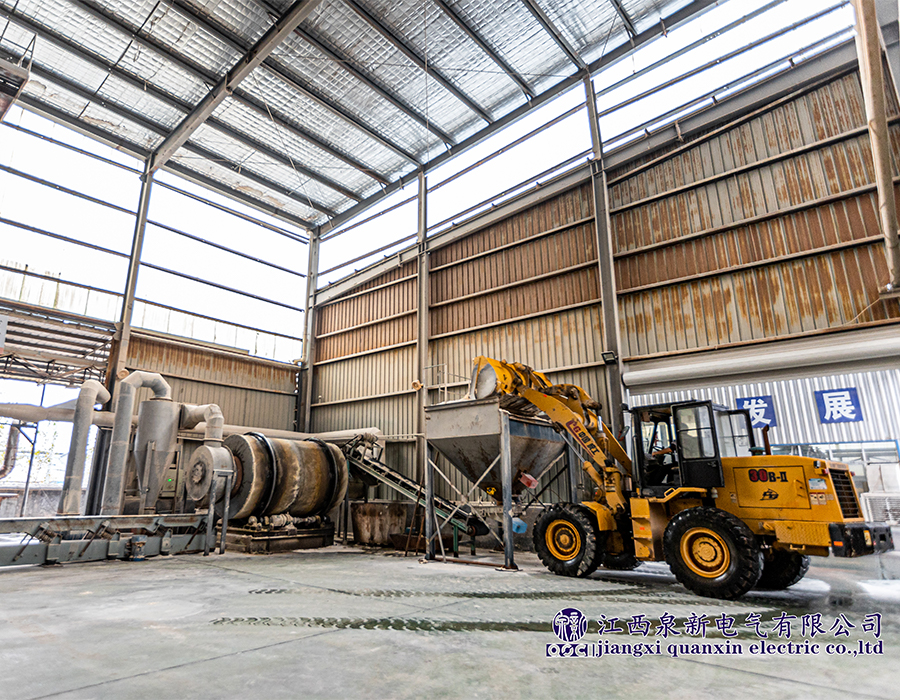
Controls the ratios of pure mineral components to prevent micro-impurities that could lead to electrical puncture issues in the field.
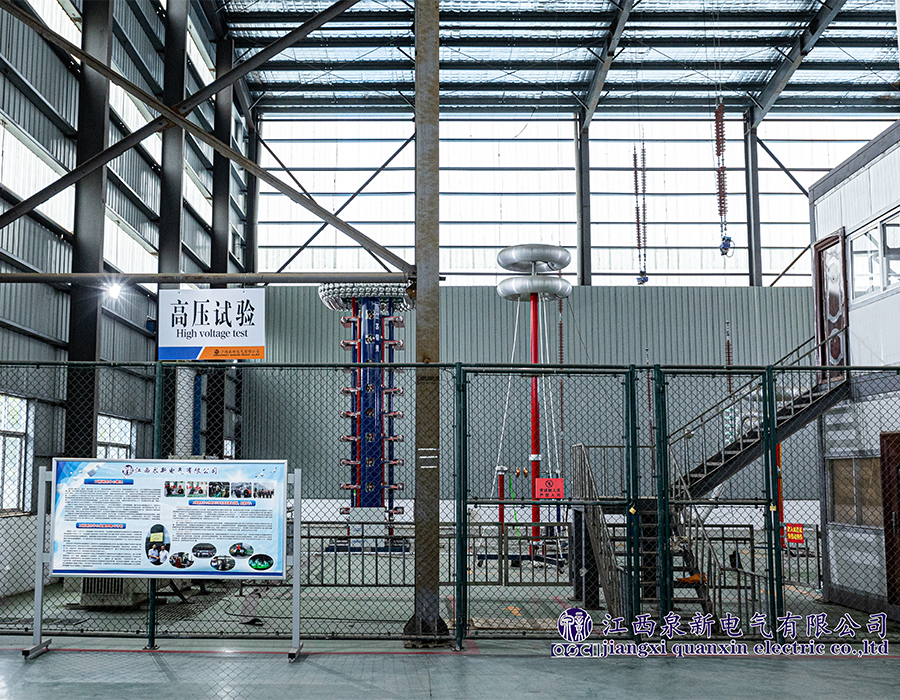
Each glass shell undergoes electrical withstand and puncture checks to verify its dielectric performance before final assembly.
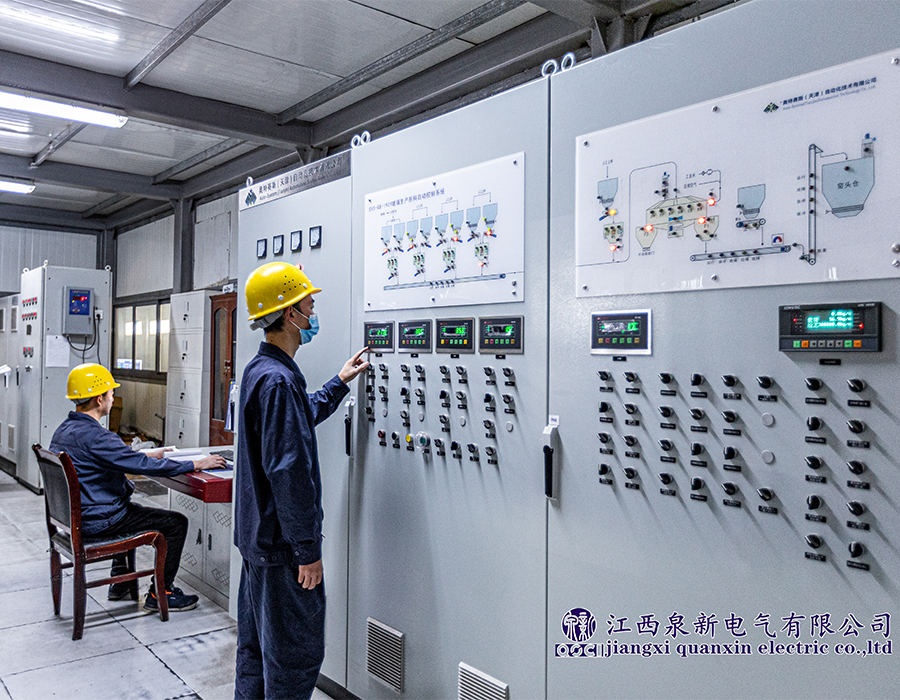
Strict QA testing is conducted on all inbound minerals, including silica sand and feldspar, to maintain high chemical purity.
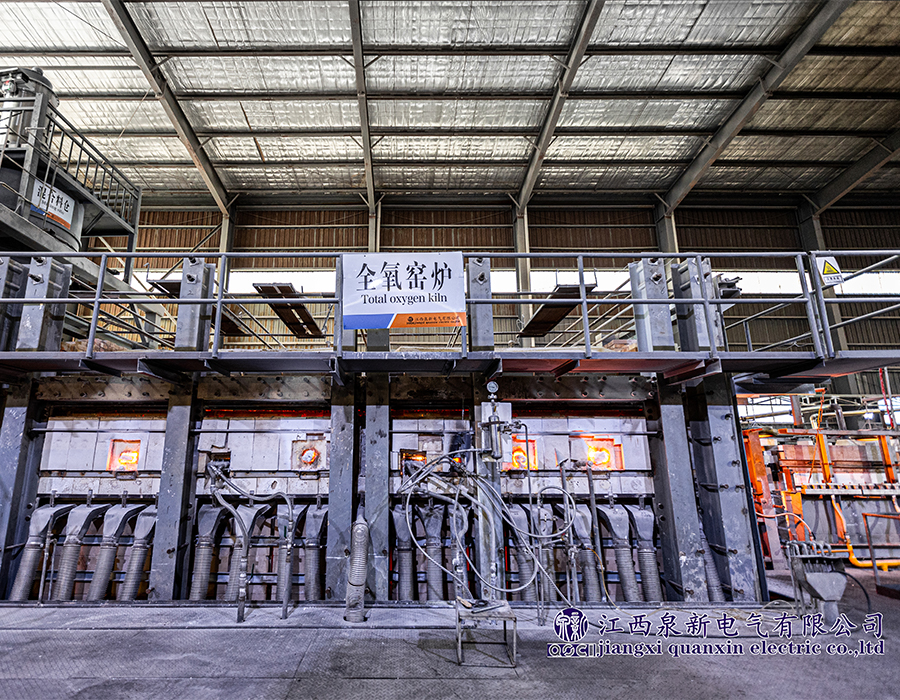
Advanced gas-oxygen combustion technology provides uniform melting temperatures, reducing bubbles and internal structural stress.
The most popular toughened glass isolator series ordered by international utilities.
A comprehensive analysis for supply managers, engineering directors, and utility buyers.
While polymer insulators typically have a lower initial purchase price, they are prone to degradation from UV exposure, tracking, and acid rain, requiring replacement every 15 to 20 years. In contrast, toughened glass suspension isolators like the U70bsa offer a service life of 40 to 50+ years. This longevity reduces maintenance, inspections, and lifecycle costs for utility operators.
Global procurement teams prioritize partners who can guarantee stable mechanical tolerances and quality metrics. At QOCI, our glass isolators undergo strict compliance testing, including steep-front impulse voltage tests, thermal mechanical performance evaluations, and mechanical failing load testing under tensile tension. These quality controls help minimize unexpected system outages in the field.
Technical answers to common questions about the application and performance of U70bsa suspension glass insulators.
Under international standards (such as IEC 60305), "U70" indicates a suspension type glass insulator with a minimum electromechanical failing load of 70 kN. "BS" or "bsa" refers to the coupling configuration and profile: "B" stands for Ball and Socket coupling (in accordance with standard 16mm coupling dimensions), "S" denotes standard profile design, and "a" or "b" indicate specific design variants in shell geometry, disc thickness, or spacing parameters.
Toughened glass features balanced internal stresses. If the glass body is mechanically damaged or experiences severe electrical stress, it shatters into small fragments. The remaining cap and pin stub retains its mechanical holding strength, preventing the line from dropping. This visual self-shattering eliminates the need for manual zero-value testing, allowing maintenance teams to easily spot and replace damaged units during routine ground inspections or flyovers.
Room Temperature Vulcanizing (RTV) silicone coatings add a highly hydrophobic layer to the glass surface, preventing the formation of continuous water films. This minimizes leakage currents and prevents flashovers in areas with heavy salt fog, desert dust, or industrial pollution. This combination offers the hydrophobicity of composite polymers alongside the long-term mechanical reliability of toughened glass.
Porcelain insulators can develop hidden internal cracks or punctures over time that cannot be detected visually, requiring manual testing of each unit. Toughened glass, however, either remains functional or shatters completely. In addition, the tempering process gives glass higher tensile strength, making it more resistant to thermal shock and mechanical impacts during transport and installation.
We use high-grade hot-dip galvanized ductile iron for our caps and forged steel for our pins. The assembly is secured using premium, high-strength aluminous cement and is cured in temperature-controlled water baths. This ensures uniform load distribution and prevents structural slippage under tension.
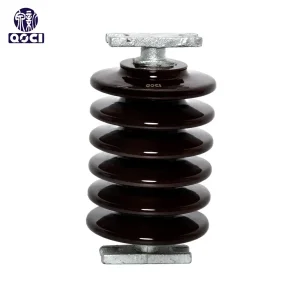
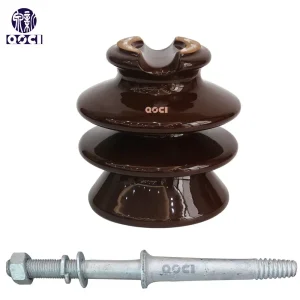
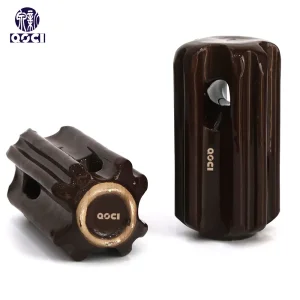
Complete your design requirements with our advanced suspension, pin, and post insulator series.
Jiangxi QOCI Electric maintains reliable relationships with global energy corporations, state grid operators, and infrastructure developers.
Note: Our industrial capacity is backed by a broad manufacturing footprint, which also includes an annual production capability of 160,000 cubic meters of structural formwork and packing plywood to support safe, heavy-duty marine transport of our glass insulator orders.


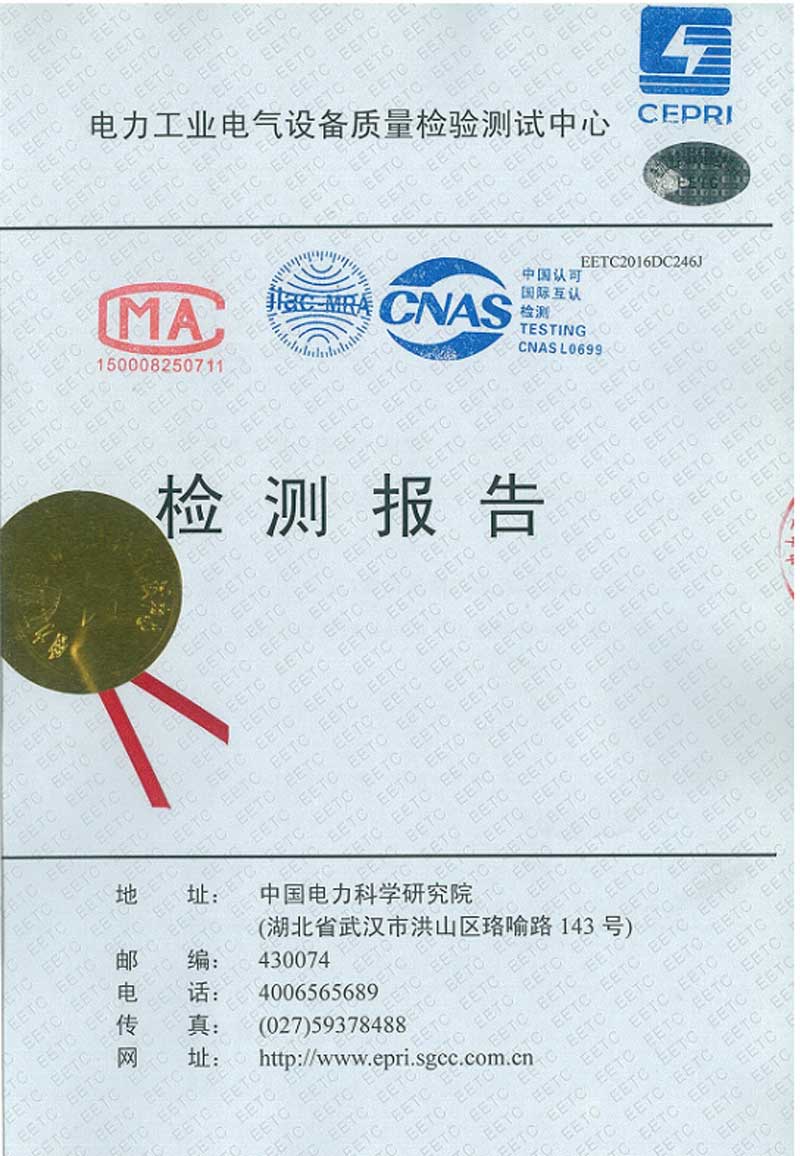
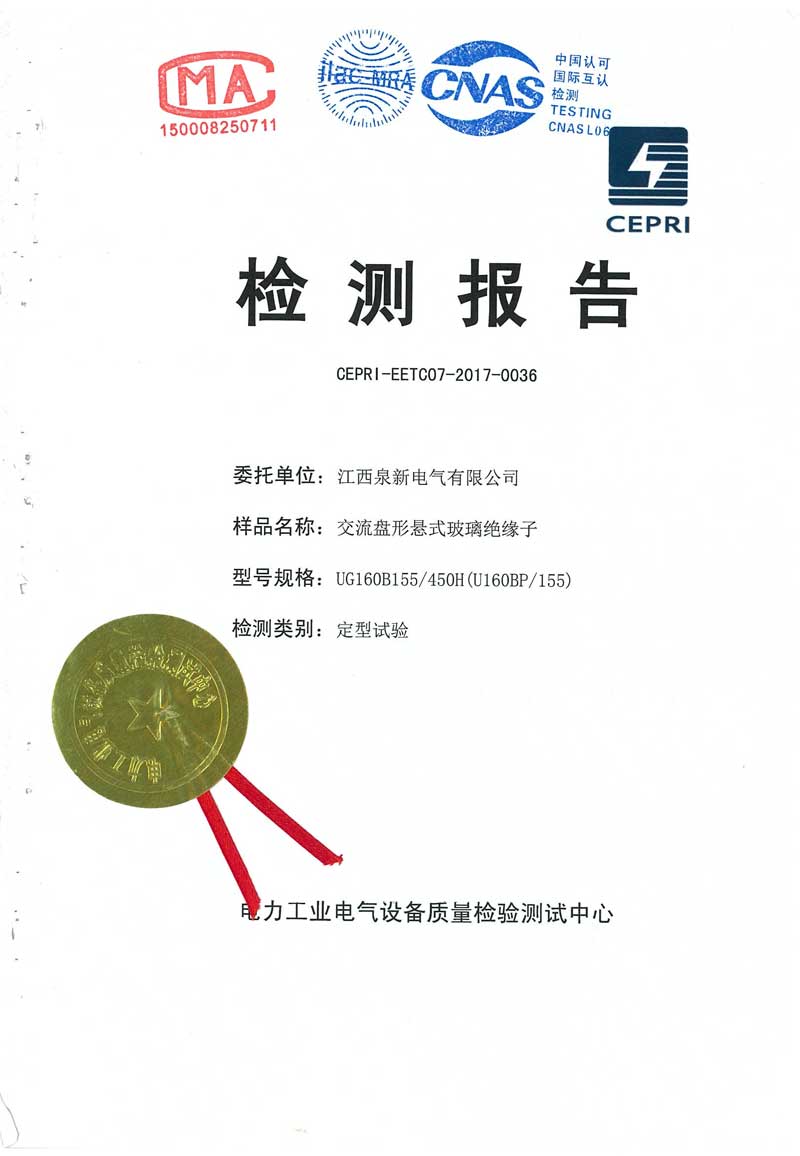
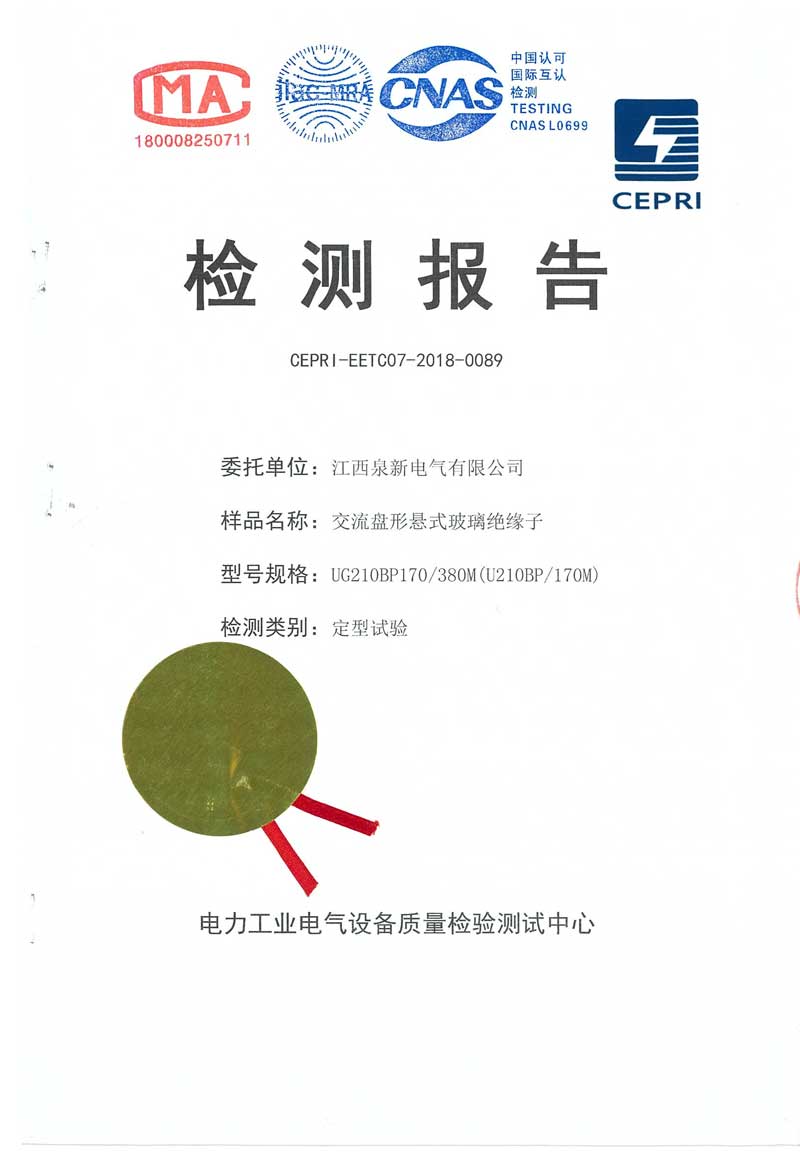
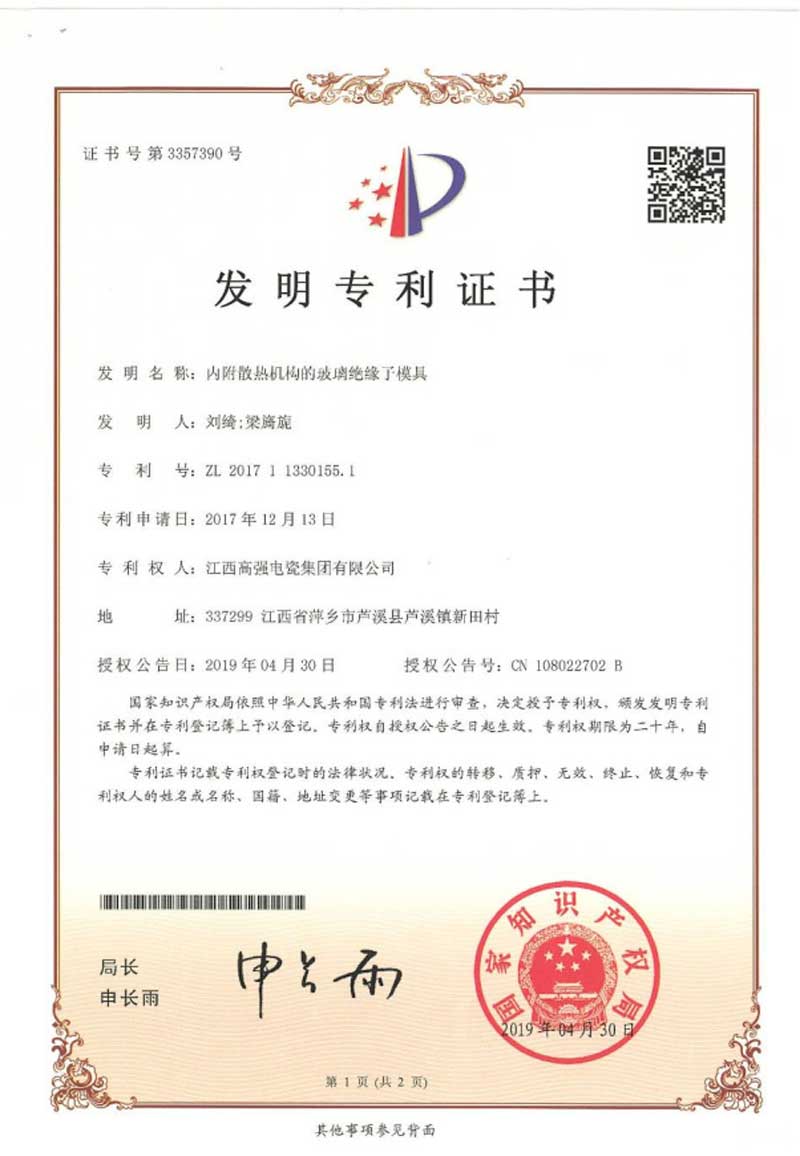
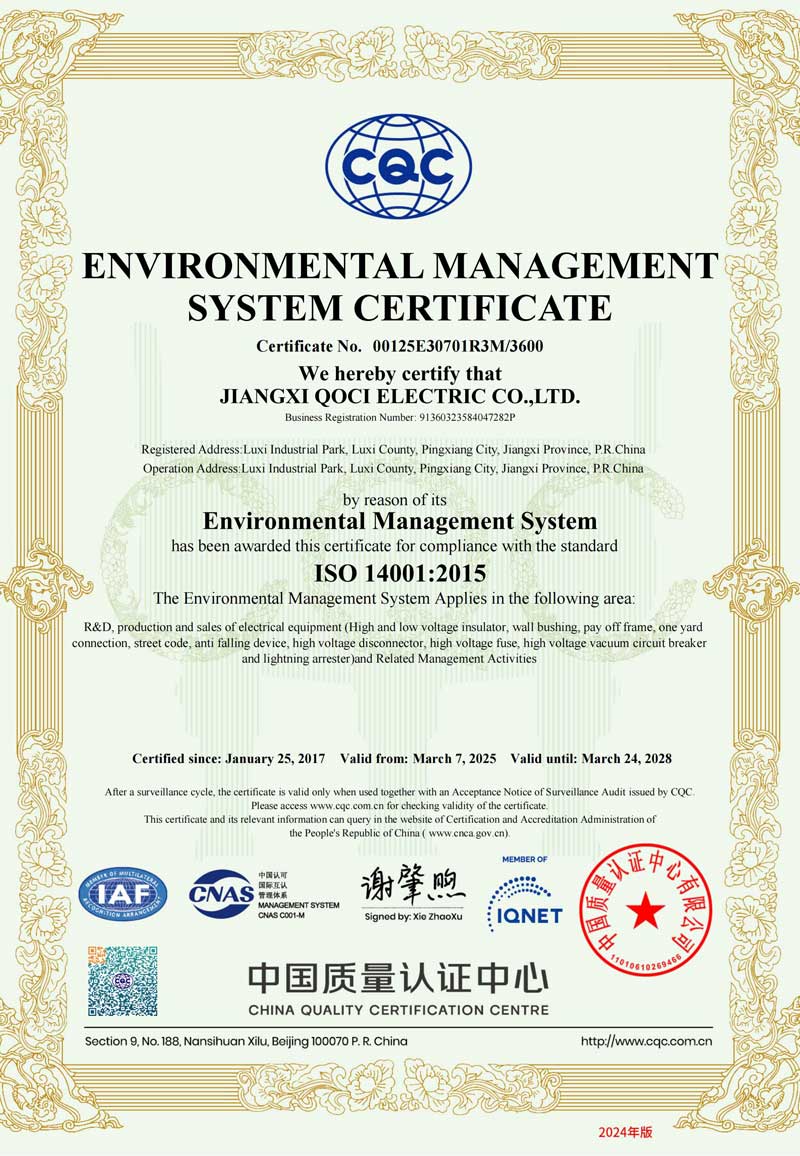
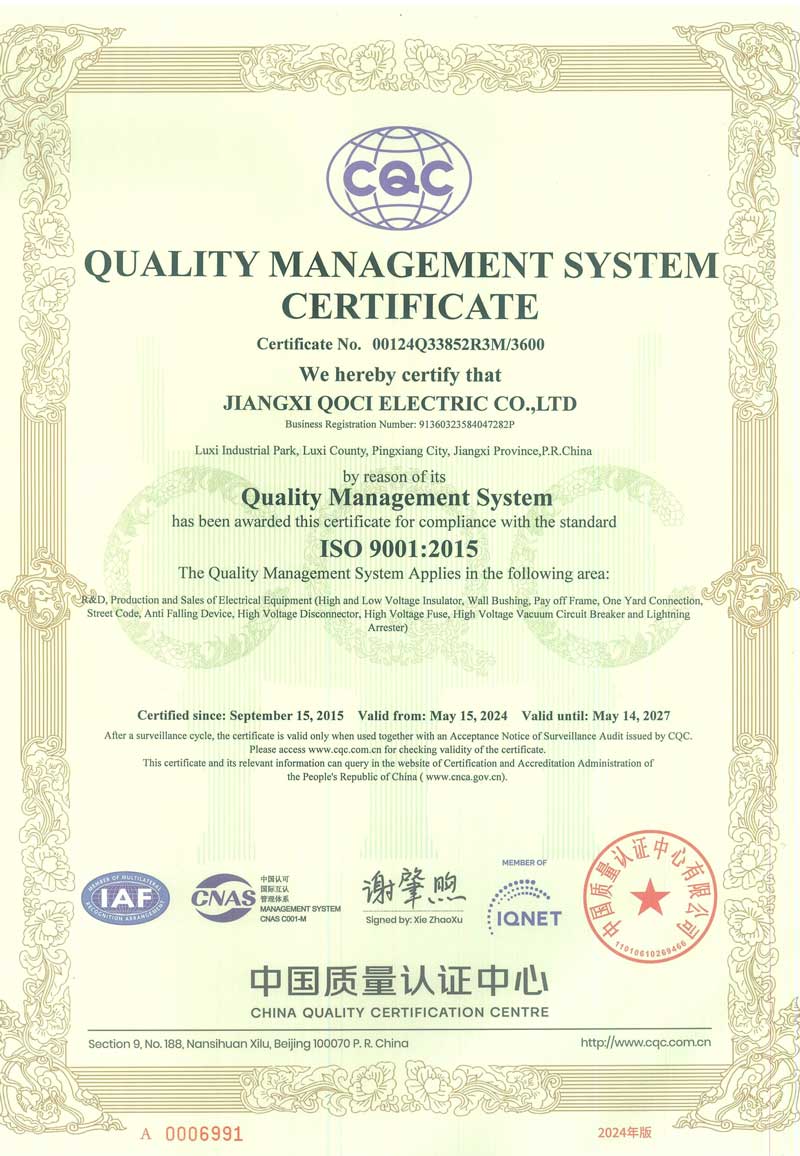
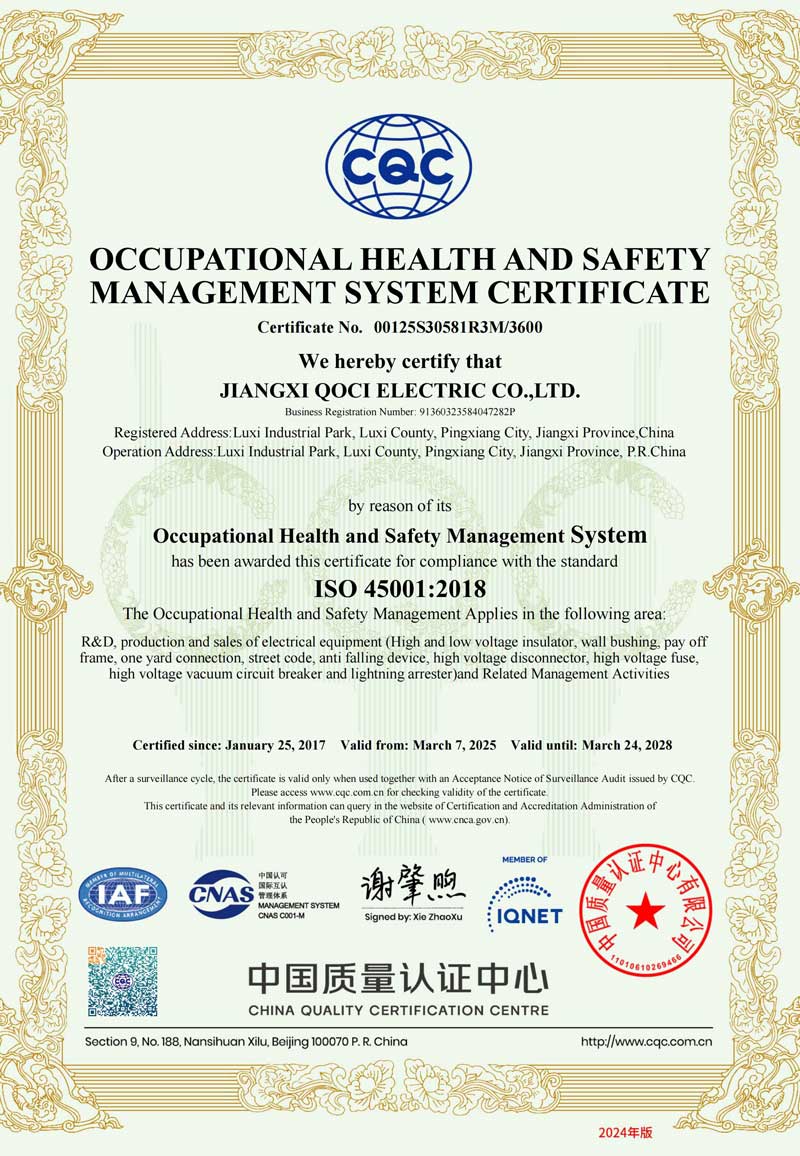
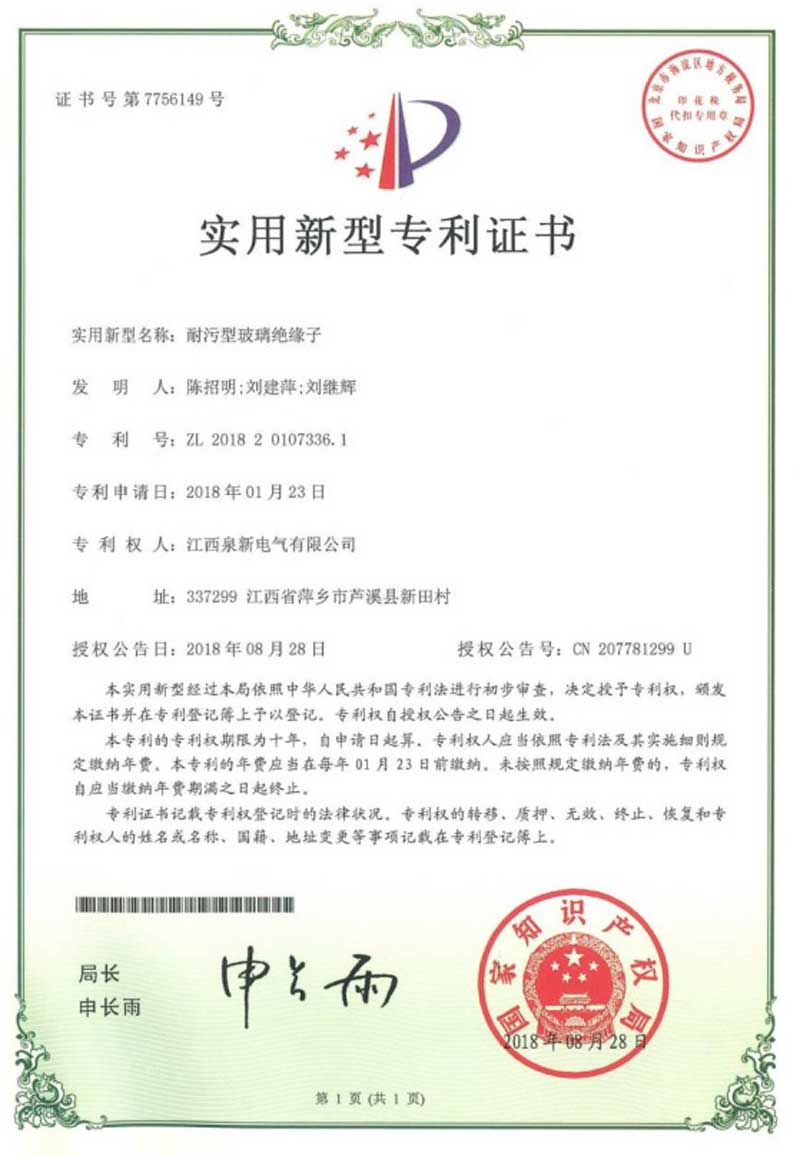
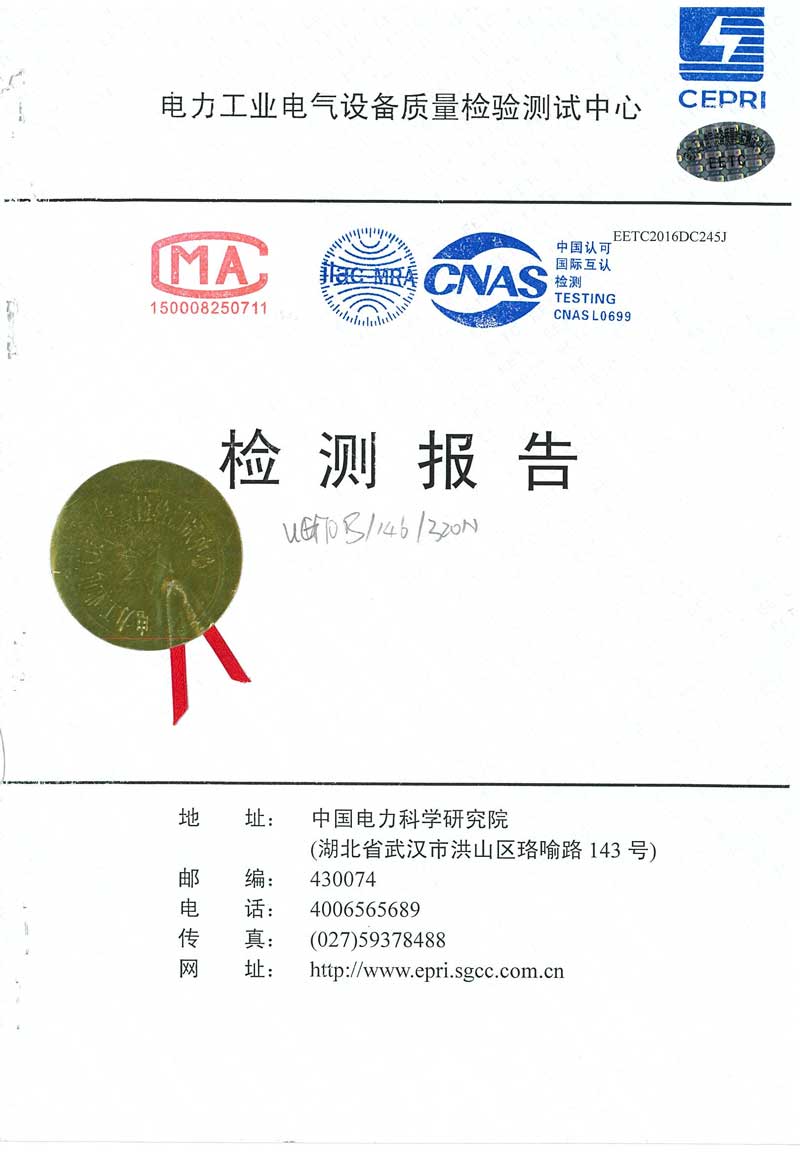
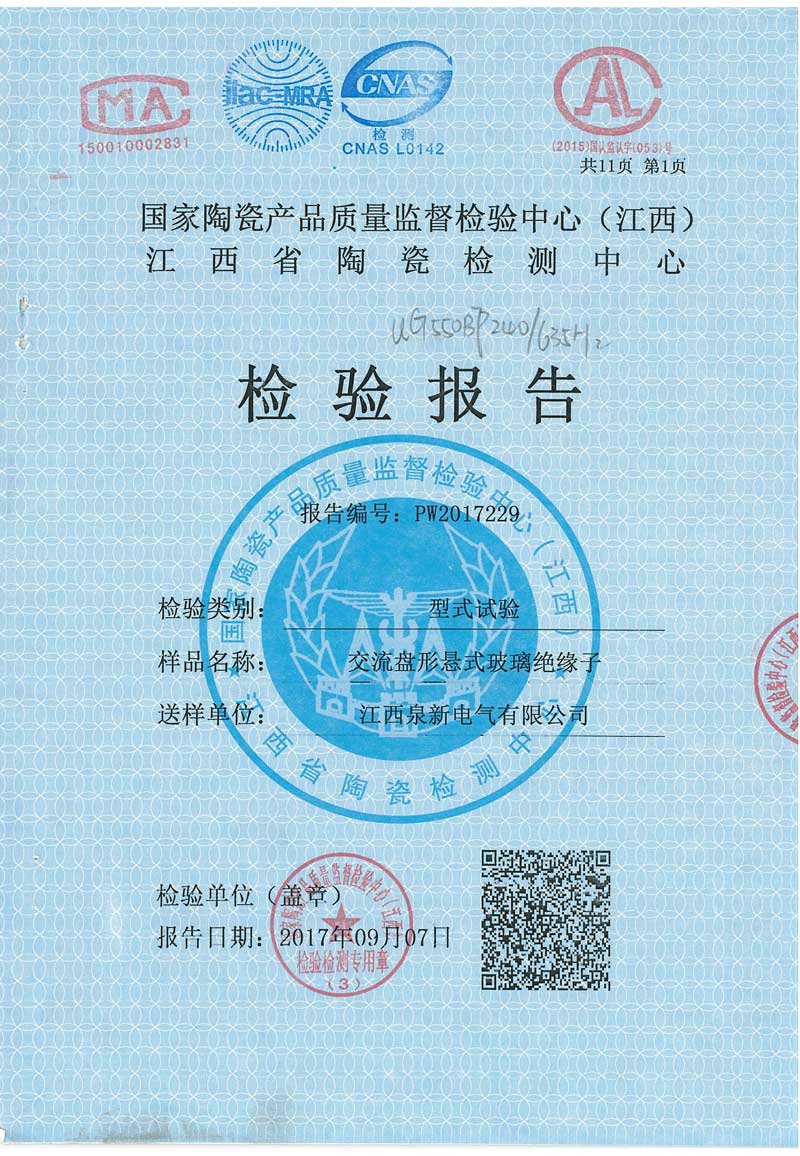
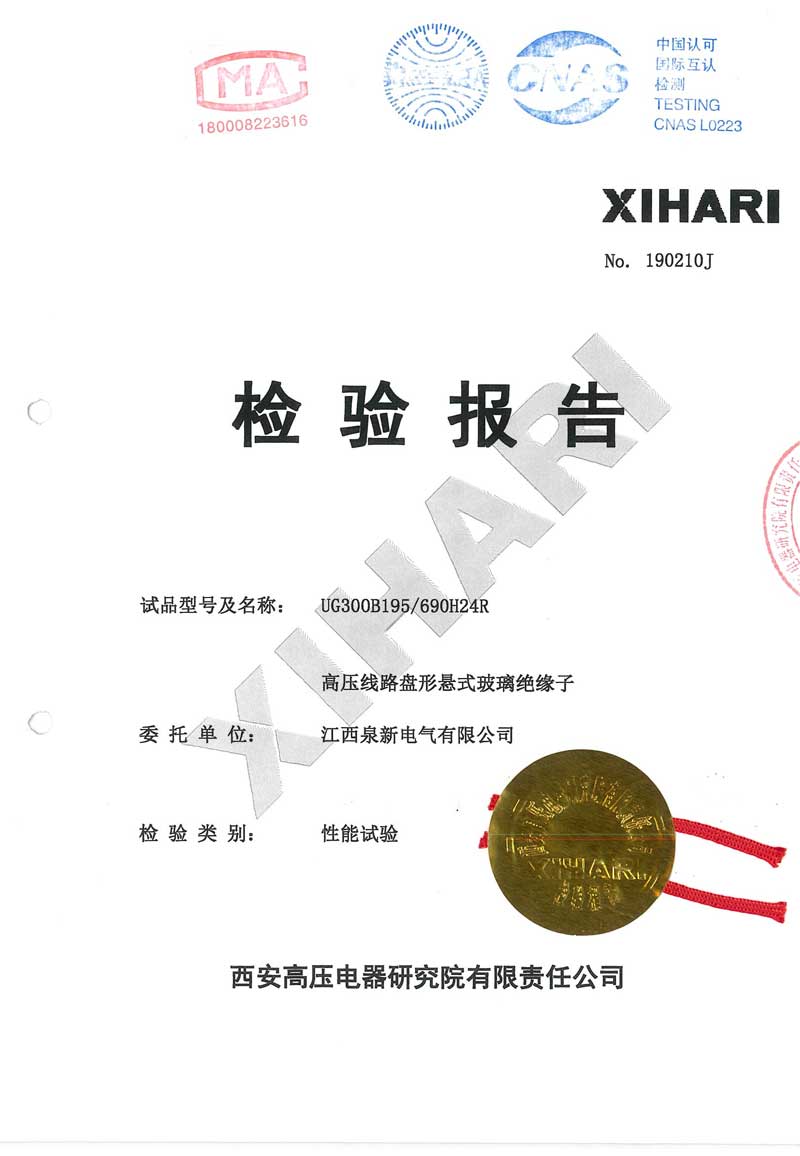
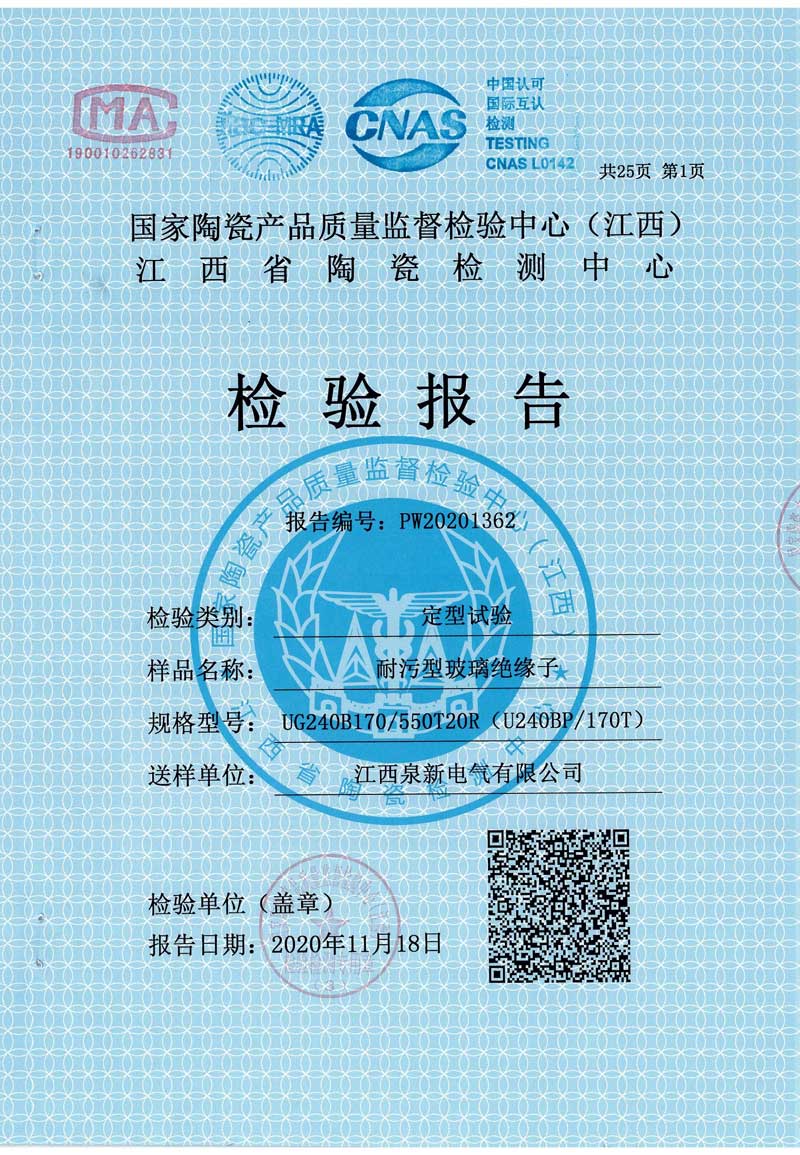
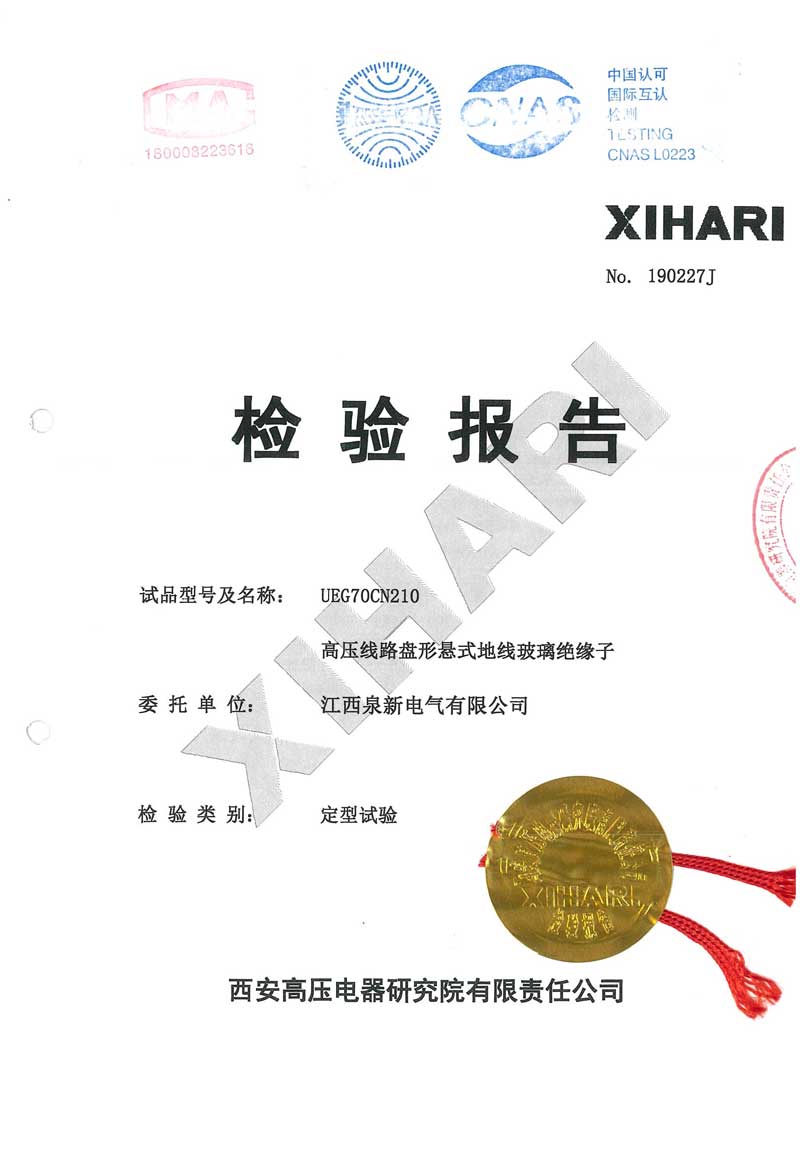
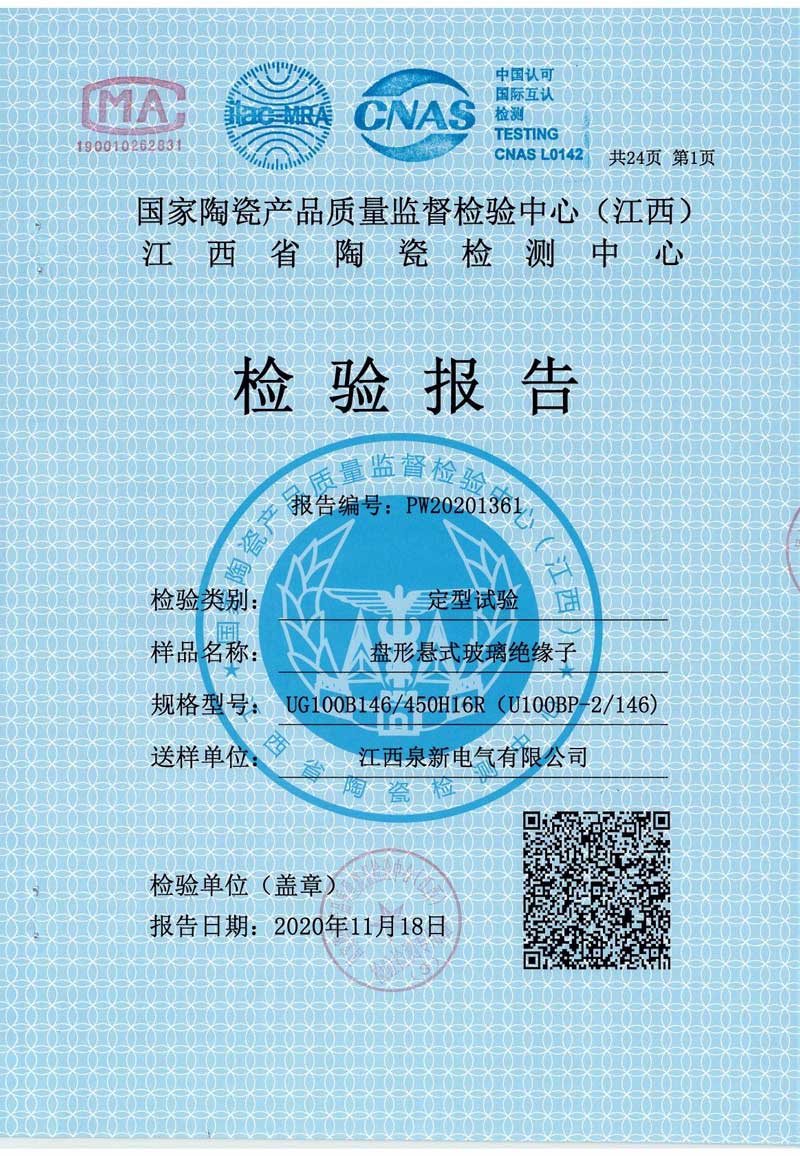
QOCI products undergo rigorous standard certifications to ensure compliance with ISO, KEMA, and international utility frameworks.
Stay informed about QOCI's global event participation and technological updates.
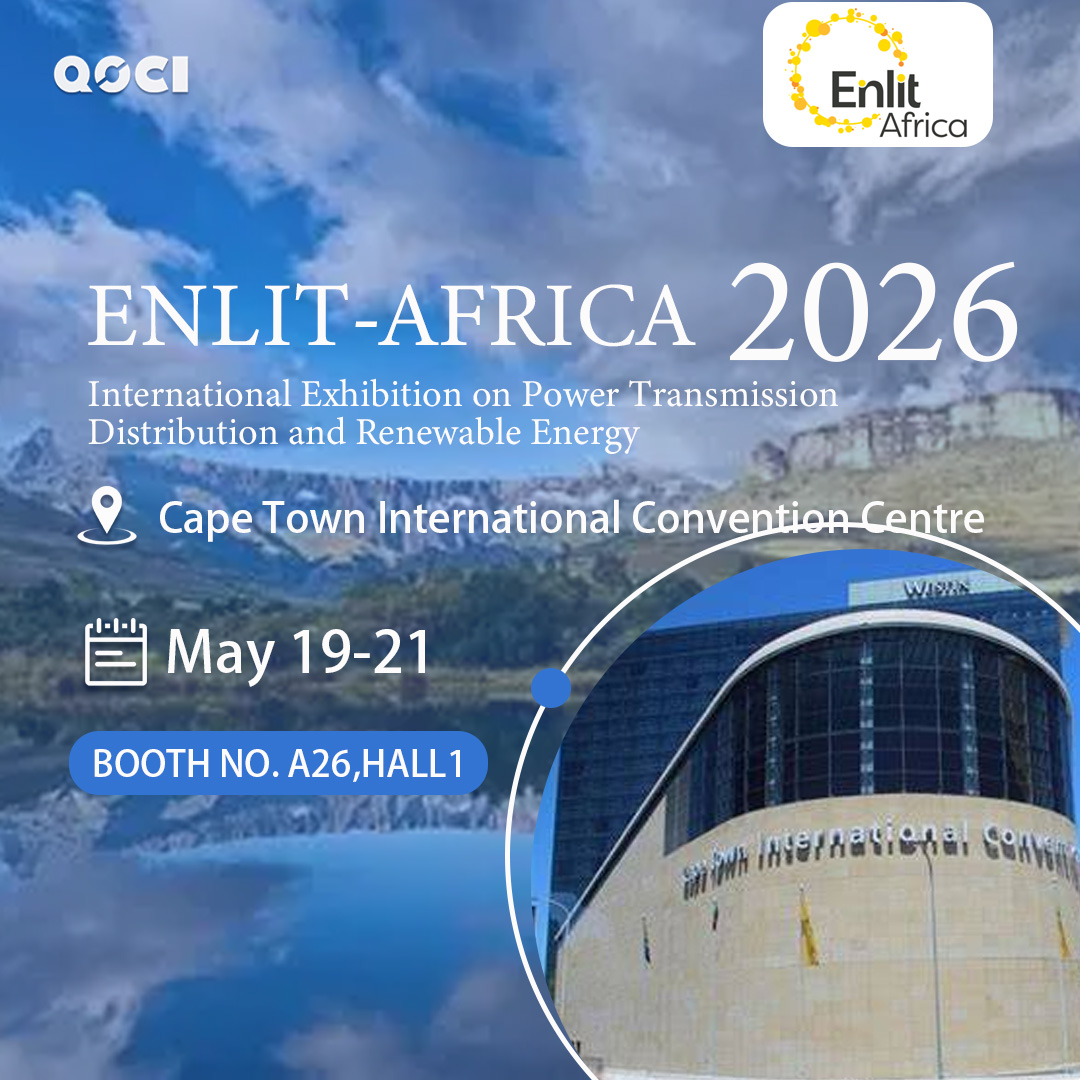
As the global energy transition accelerates, the importance of electricity, renewable energy, and energy storage technologies continues to rise.
Read More →QOCI's glass insulator portfolio is engineered to withstand demanding field conditions, including heavy icing, high altitudes, seismic events, and typhoons.
Read More →Join us at the IEEE PES T&D Conference to explore our latest high-voltage insulation solutions and manufacturing systems.
Read More →We are pleased to announce our participation in the upcoming Iraq Energy Exhibition, showcasing custom transmission line configurations for the Middle East.
Read More →