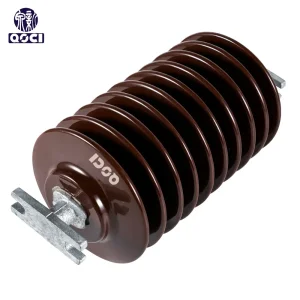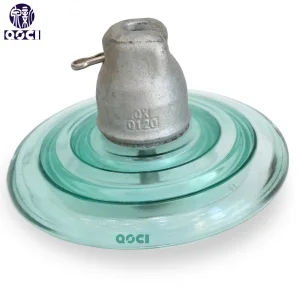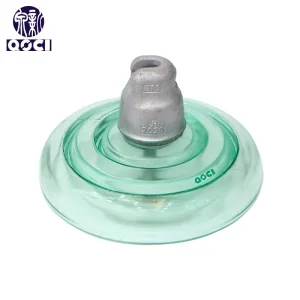
Nagoya, the capital of Aichi Prefecture, stands as Japan's leading industrial hub, home to the "Toyota City" automotive cluster and major aerospace facilities. This high concentration of manufacturing requires an exceptionally stable power grid. Aerodynamic type glass insulators are critical here, where the Chubu Electric Power grid faces unique challenges including seasonal typhoons, salt-spray from the Ise Bay, and urban particulate pollution. As a manufacturer serving the Nagoya market, we provide solutions that exceed IEC standards to ensure zero-downtime for these vital industrial arteries.
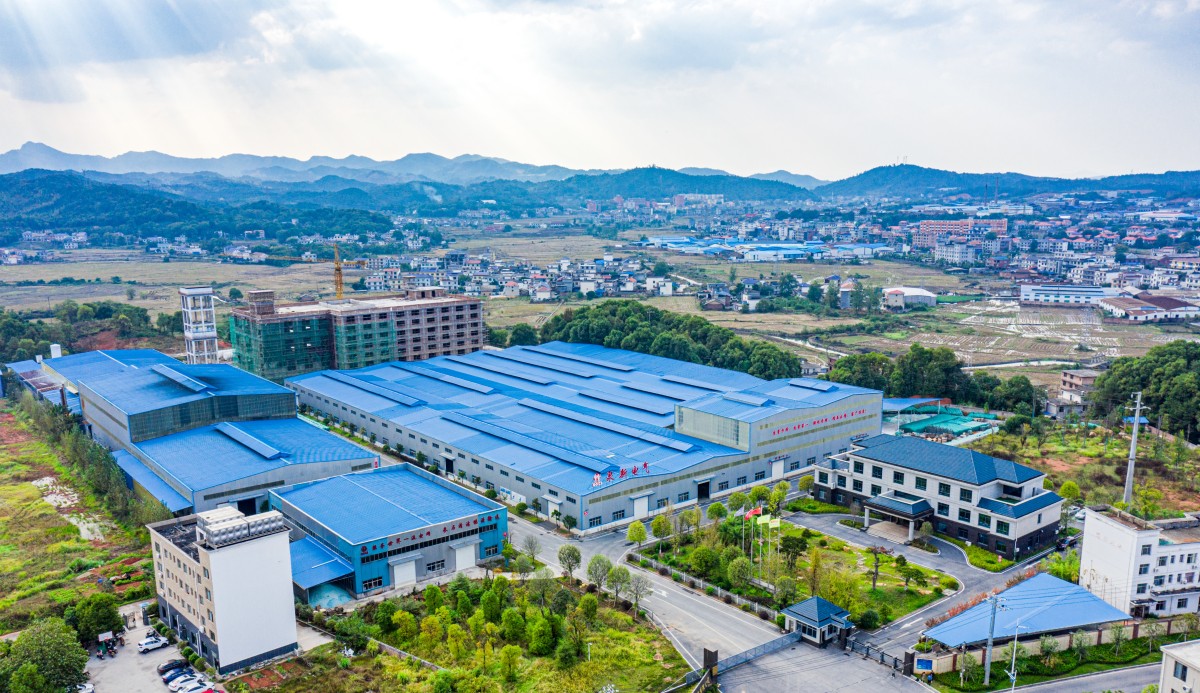
Founded in Dec. 2002 with a registered capital of 508 million Yuan, Jiangxi QOCI Electric Co. Ltd has established itself as a global authority in toughened glass insulation. Our 70,000 m² facility produces over 39,000 tons annually, backed by 53+ specialized engineering technicians. With 26+ invention patents, we don't just manufacture; we innovate specialized Aerodynamic and Anti-pollution profiles designed for the world's most demanding climates.
Registered Capital (Yuan)
Annual Output (Tons)
Expert Technicians
Global Patents
Advanced Engineering for Pollution Mitigation and Self-Cleaning Performance
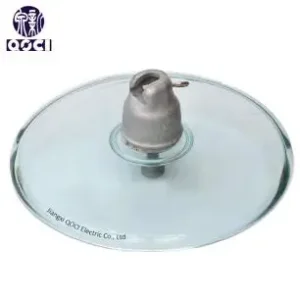
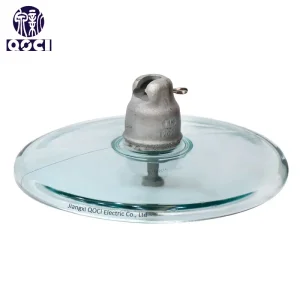
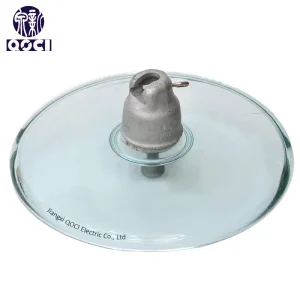
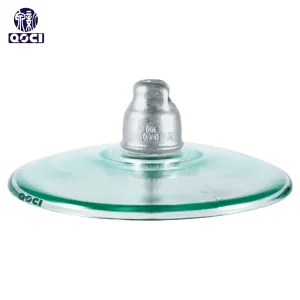
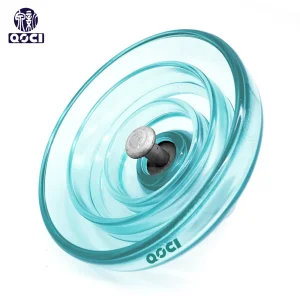
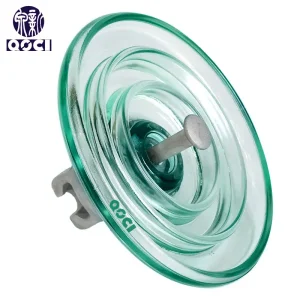
The insulating part is marked by the absence of under-ribs and an extended disk diameter. This design prevents the accumulation of solid pollution deposits (dust, sand, and industrial soot) on the lower surface. It is particularly effective in Nagoya's industrial zones where particulate matter is prevalent.
By utilizing the natural kinetic energy of wind and rain, the smooth aerodynamic shape facilitates a "natural wash." This reduces the need for manual maintenance and prevents "ice-bridging" problems in winter—a crucial factor for the fluctuating temperatures of the Chubu region.
With a high leakage distance/spacing ratio, our Aerodynamic types offer superior resistance to pollution flashover. This ensures the integrity of 220kv to 500kv transmission strings even during heavy fog or high-humidity periods typical of coastal Japan.
International EPC contractors and Nagoya-based utility firms require a procurement partner that understands "Information Gain"—providing more than just a product, but a full technical roadmap. We offer:
Adapting to the Next Generation of Smart Grids
Our roadmap includes the development of ultra-high voltage DC insulators capable of handling 800kV+ with minimal leakage current, specifically designed for cross-regional power sharing in Japan.
Integration of IoT sensors on insulator strings to monitor leakage current and pollution levels in real-time, feeding data directly to Nagoya's grid control centers.
Optimizing our "Total Oxygen Kiln" technology to reduce the carbon footprint of production by 15%, aligning with Japan's 2050 Green Growth Strategy.
Expert insights into Aerodynamic Glass Insulators
Standard types have deep under-ribs which are excellent for increasing leakage distance but can trap industrial dust and salt. In Nagoya, where rain can be infrequent during certain seasons, the ribs can't self-clean. The Aerodynamic type eliminates these ribs, allowing the wind to blow away contaminants before they bond to the surface.
Glass insulators have a unique "self-shattering" property when faulty, making them much easier to inspect from the ground (zero-maintenance detection). Porcelain requires expensive electrical testing to find "hidden" punctures. For Nagoya's high-traffic industrial zones, glass significantly reduces O&M costs.
Yes, our products are tested and certified according to IEC 60305, 60120, and 60383 standards. We have provided documentation for numerous projects throughout Asia and are prepared to meet the specific safety and reliability requirements of Nagoya's power infrastructure.