High-Voltage Engineering Solutions for Urban Reliability and Tropical Climate Resilience
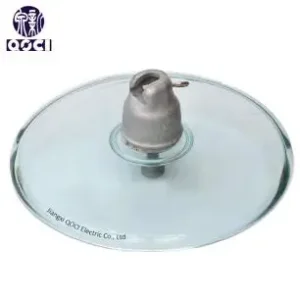
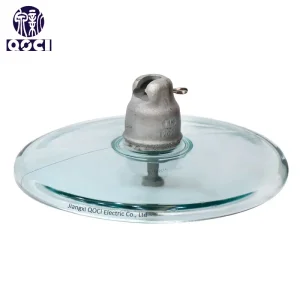
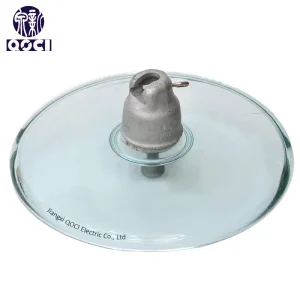
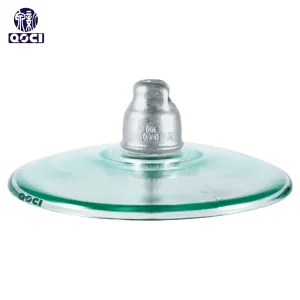
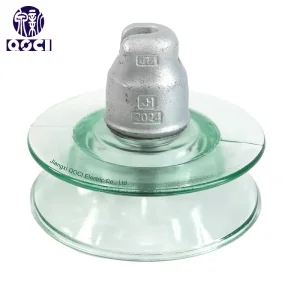
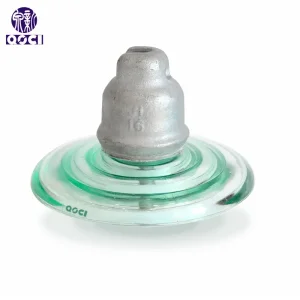
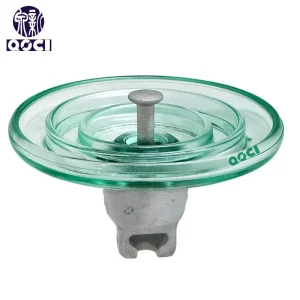
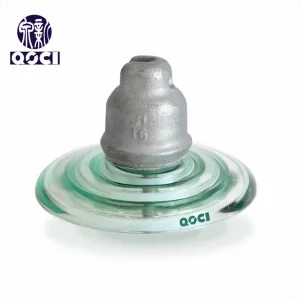
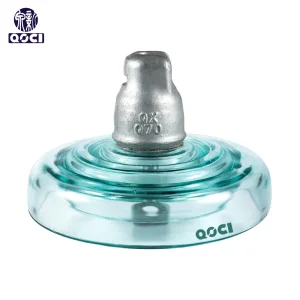
As a global hub for industrial innovation and a city-state committed to the Singapore Green Plan 2030, the demand for resilient power infrastructure has never been higher. Singapore's unique geographical constraints—limited land area, high humidity, and salt-laden coastal air—require power transmission components that exceed standard international benchmarks. The Aerodynamic Type Glass Insulator has emerged as the critical standard for ensuring grid stability in these tropical conditions.
Singapore’s power system, managed under strict Energy Market Authority (EMA) guidelines, prioritizes "N-2" redundancy for its 400kV and 230kV networks. Manufacturers of aerodynamic insulators targeting the Singapore market must address the "Self-Cleaning" requirement. In areas like Jurong Island and Tuas, industrial pollutants combined with maritime humidity can lead to "Pollution Flashover."
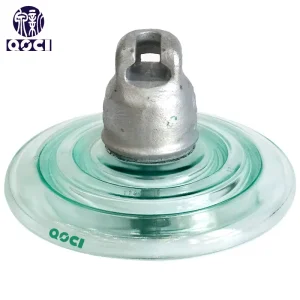
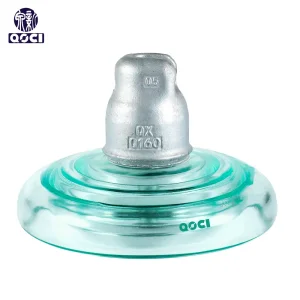
Aerodynamic profiles eliminate under-ribs, preventing the accumulation of dust and salt in high-wind environments.
Specifically engineered for Singapore's coastal zones to mitigate leakage currents caused by salt-spray.
Compact designs that allow for higher voltage transmission within Singapore’s narrow utility corridors.
Globally, the transmission industry is shifting towards Ultra-High Voltage (UHV) and High Voltage Direct Current (HVDC) technologies to facilitate renewable energy integration. Aerodynamic insulators are at the forefront of this transition. Unlike standard disc insulators, the aerodynamic profile utilizes wind flow to naturally remove contaminants, a feature now being integrated with RTV (Room Temperature Vulcanization) silicone coatings for a double-layer of protection.
Why do Singaporean EPC (Engineering, Procurement, and Construction) firms look to Chinese manufacturers like Jiangxi QOCI Electric Co. Ltd? The answer lies in the intersection of scale, speed, and specialized innovation.
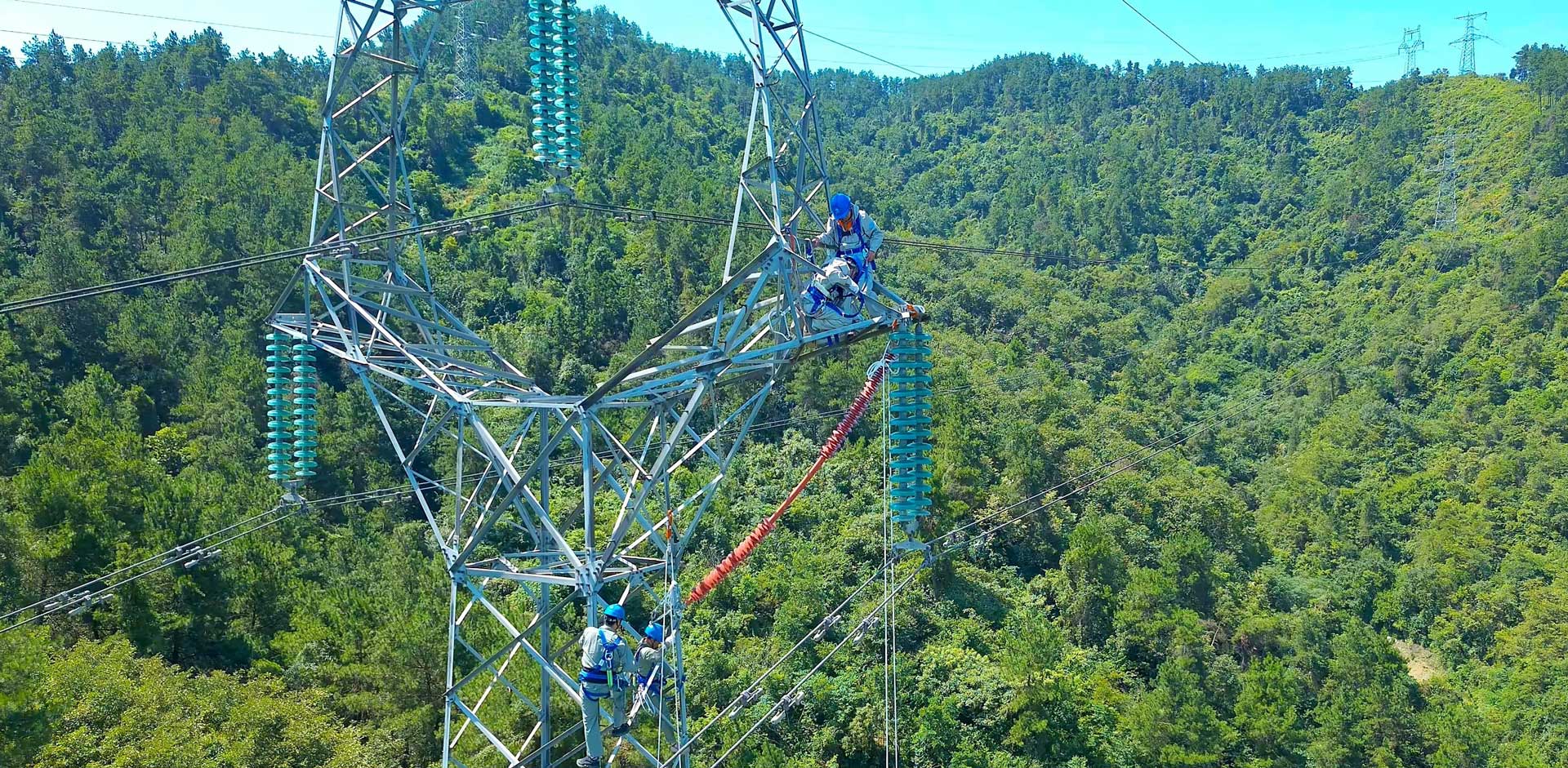
Designed for the high-salinity environments of Singapore’s southern islands and offshore wind test beds.
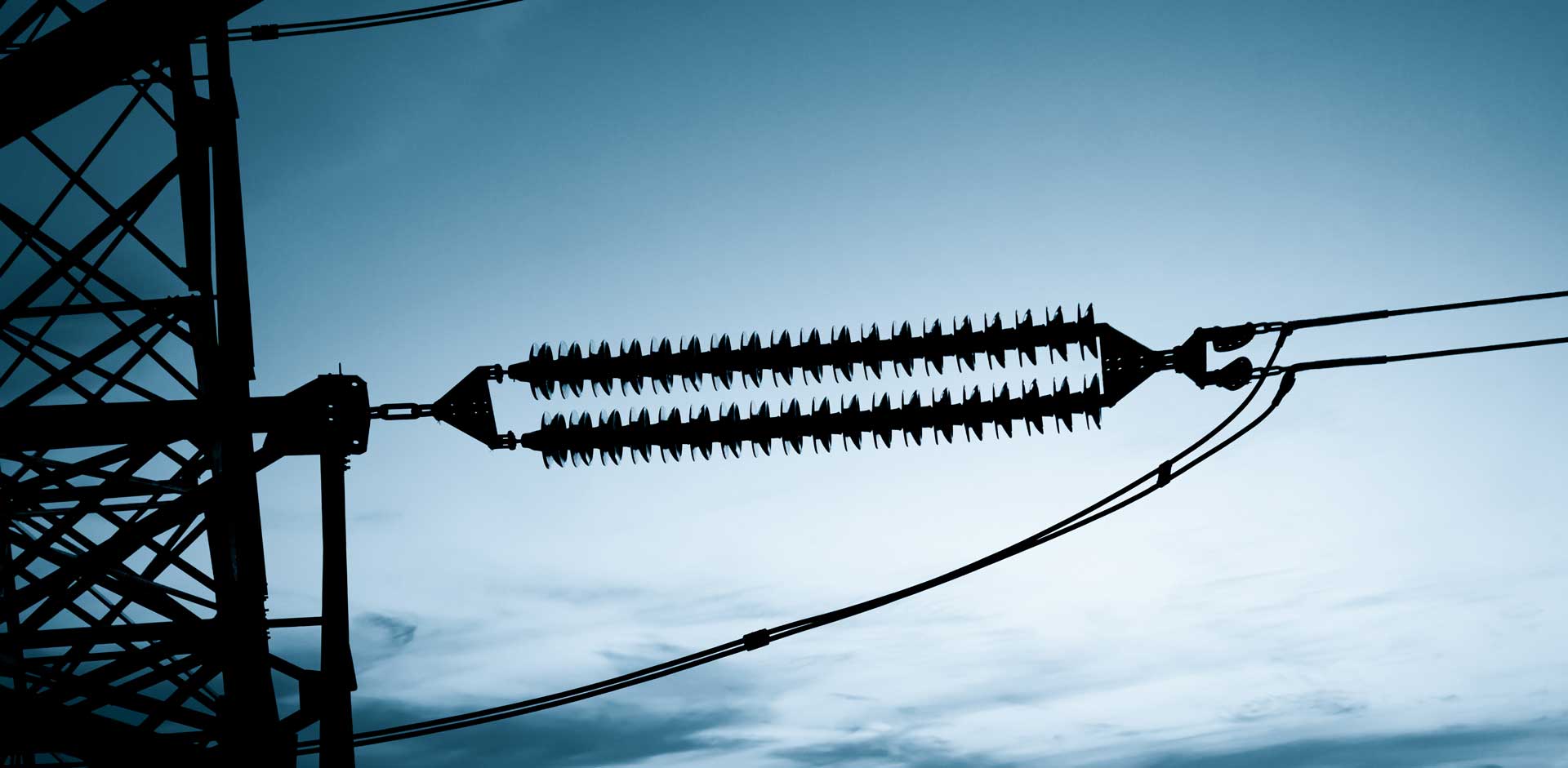
Ideal for the Singapore-Malaysia power link, providing aerodynamic stability during monsoon seasons.
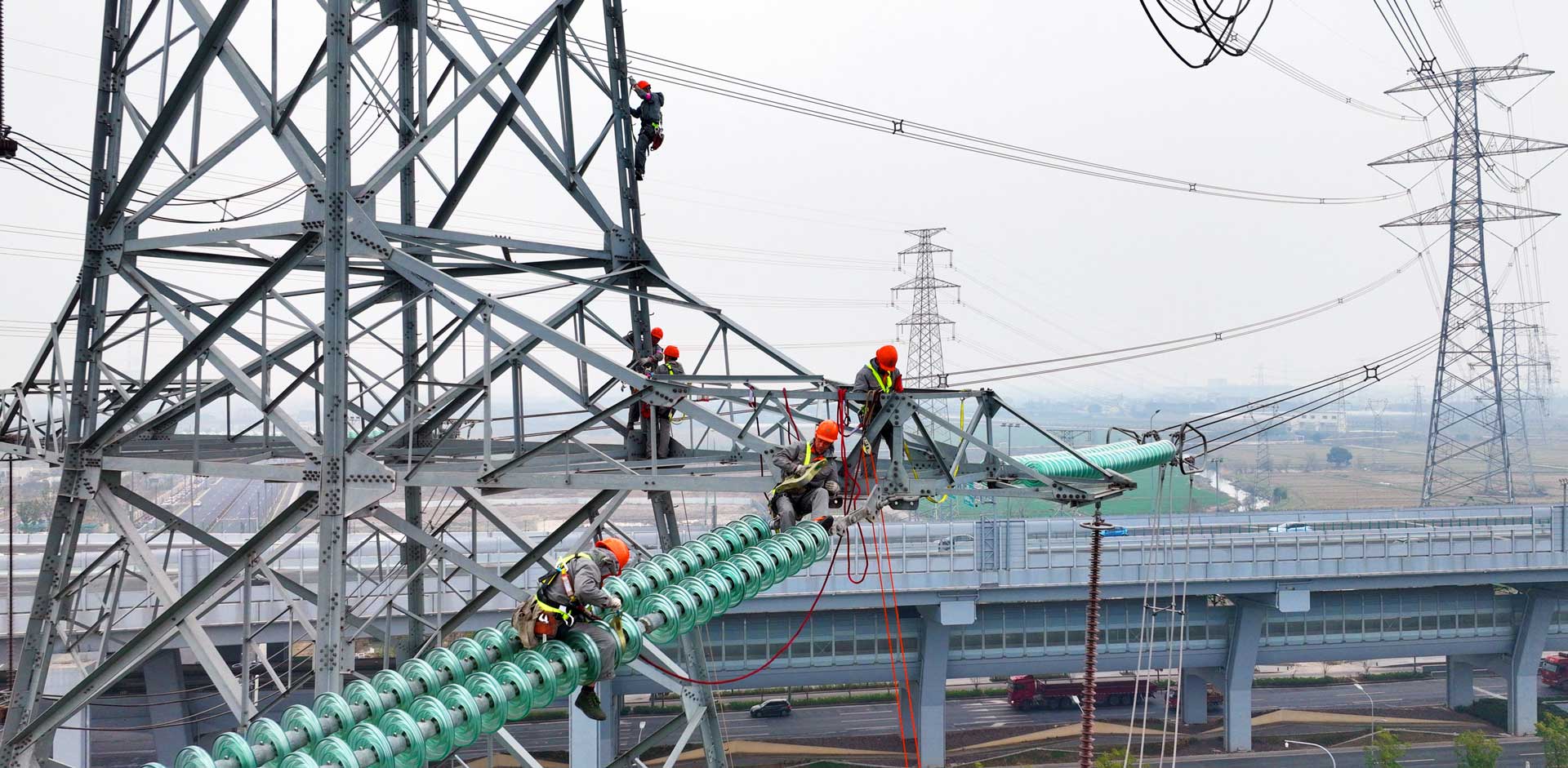
Managing particulate pollution in heavy industrial zones like Tuas and Jurong West.
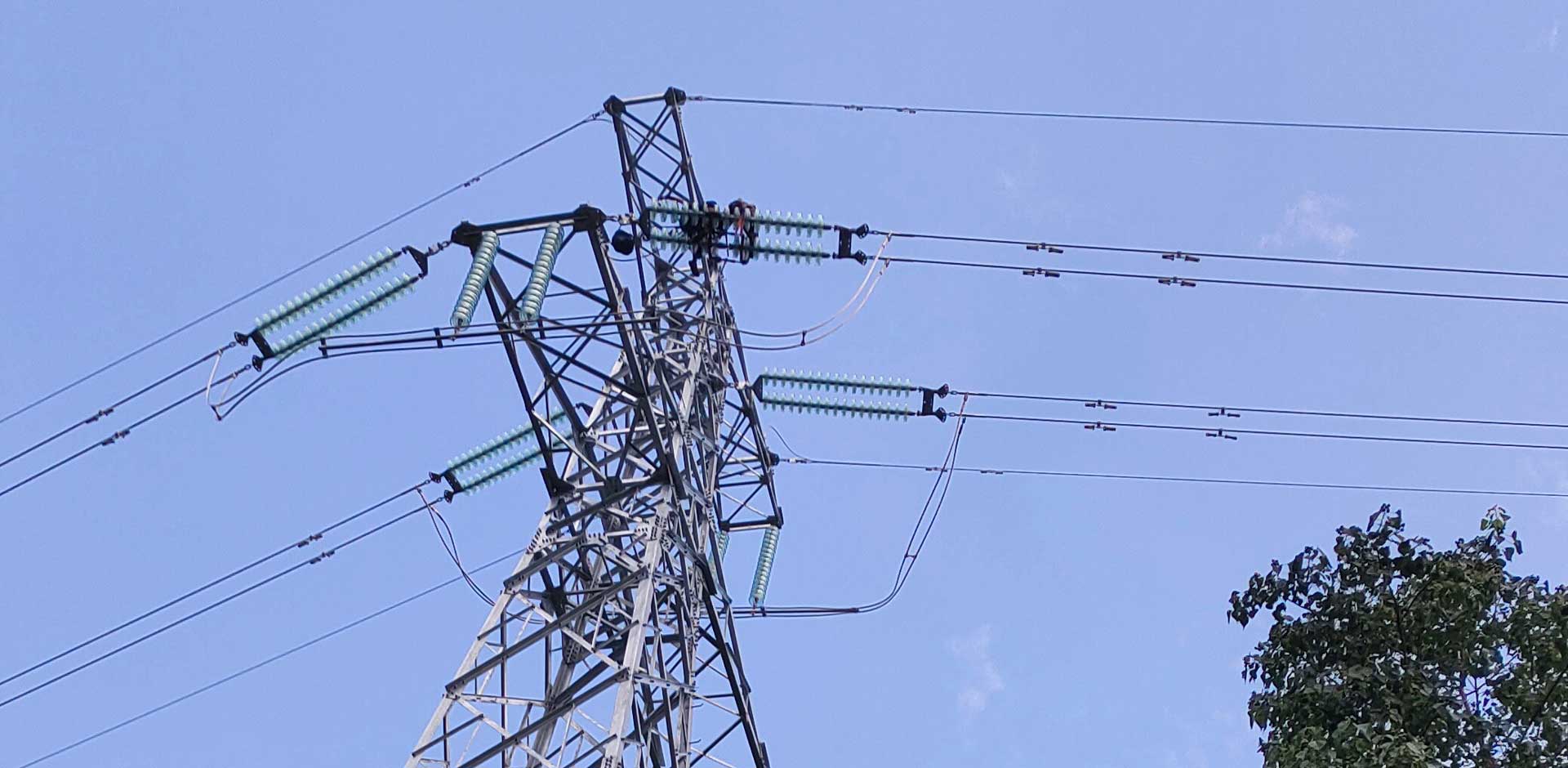
Supporting the massive power needs of Singapore’s digital economy with high-reliability glass insulation.
The global insulator market is projected to grow by 5.5% CAGR through 2030, driven by urbanization and the demand for energy security. In Singapore, this trend is manifested in the undergrounding of transmission lines and the use of aerodynamic insulators for the remaining overhead segments to reduce maintenance intervals.
As a senior growth director in SEO and high-voltage engineering, we understand that "Expertise" and "Authoritativeness" are not just buzzwords. Jiangxi QOCI Electric brings two decades of field-proven experience:
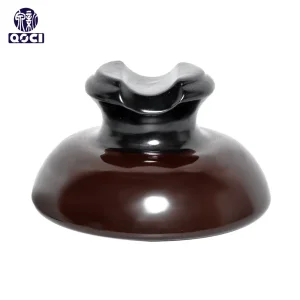
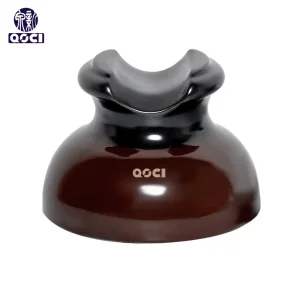
Singaporean procurement teams should focus on the Total Cost of Ownership (TCO). While initial costs for aerodynamic glass insulators may be higher than porcelain, the reduction in manual cleaning costs and the prevention of line trips (faults) provide a significant return on investment within 3-5 years.
Partner with a manufacturer that combines Chinese industrial efficiency with global engineering standards.
Send Inquiry Now