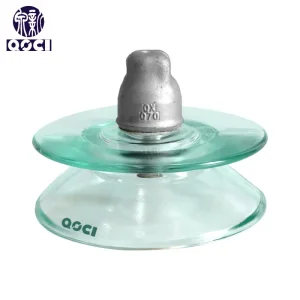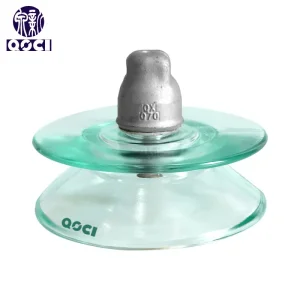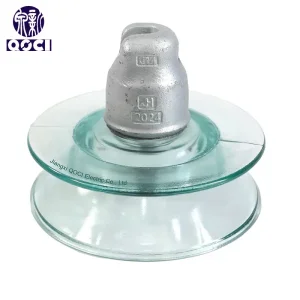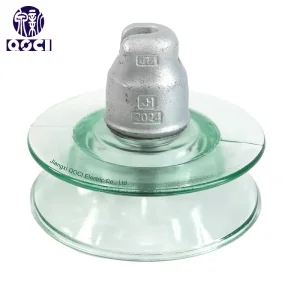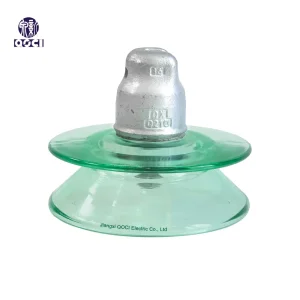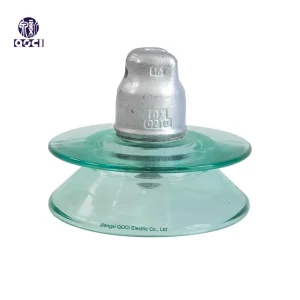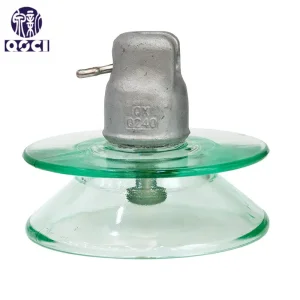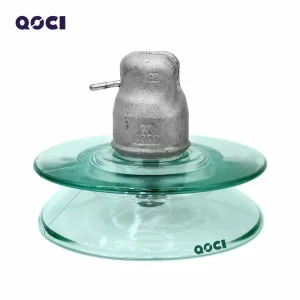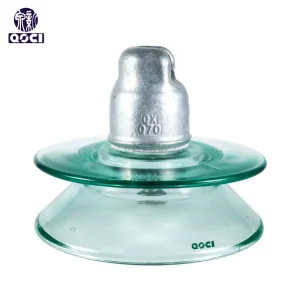
Seattle and the broader Washington state region represent a unique challenge for electrical infrastructure. With a climate characterized by high humidity, frequent rainfall, and a significant coastal interface through the Puget Sound, power transmission lines are subject to relentless environmental stress. The Double-Shed Type Glass Insulator has emerged as a critical component in mitigating these risks.
The industrial sectors in SODO, the tech hubs of Bellevue, and the heavy manufacturing facilities near Boeing Field rely on a "zero-outage" power grid. Traditional insulators often fail under "salt-fog" conditions prevalent in the Pacific Northwest, where salt particles from the ocean settle on insulator surfaces, creating conductive paths that lead to flashovers. Our Double-Shed design specifically addresses this by increasing the creepage distance and providing an aerodynamic profile that facilitates natural cleaning by the region's frequent rain.
Grid Reliability Support
Low-Temp Resistance
UHV Line Compatibility
Standard Compliance
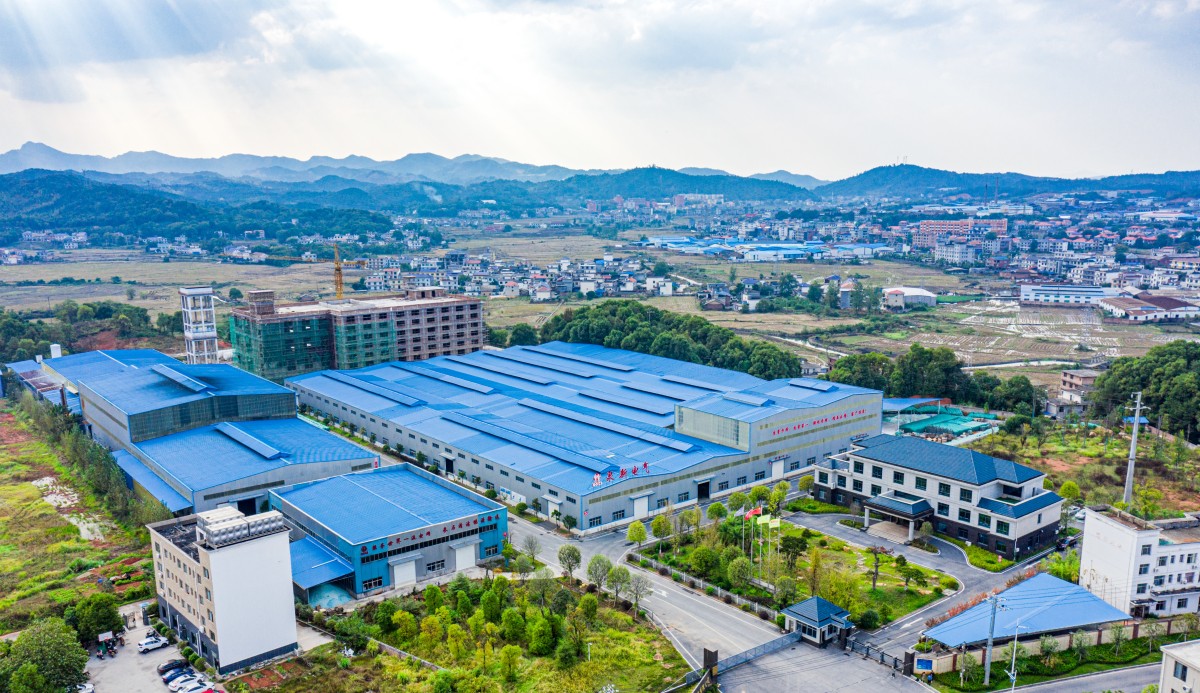
Founded in 2002 with a registered capital of 508 million Yuan, Jiangxi QOCI Electric Co. Ltd stands as a beacon of high-voltage insulation excellence. Our 70,000 m² state-of-the-art facility produces 39,000 tons of toughened glass insulators annually, serving world-class power grids across the globe, including critical projects in North America.
Our commitment to E-E-A-T (Experience, Expertise, Authoritativeness, and Trustworthiness) is backed by 53+ engineering technicians and 26+ national patents. We don't just manufacture; we innovate. Our total oxygen kiln technology and automated forming presses ensure that every Double-Shed insulator exceeds the mechanical and electrical requirements of Seattle's demanding utility standards.
For lines near the Port of Seattle and West Seattle, the Double-Shed design prevents salt accumulation, drastically reducing maintenance cycles.
Supporting Washington's massive hydro-grid, our insulators manage the high-load volatility required for renewable energy transmission.
The compact yet high-leakage distance of our U120BD series is ideal for narrow transmission corridors in Seattle's dense urban areas.
In an era of fluctuating raw material costs and logistical bottlenecks, our Jiangxi factory offers Seattle-based procurement officers a stable and cost-effective alternative. Our supply chain advantage is built on three pillars:
The industry is moving toward Smart Insulation and RTV (Room Temperature Vulcanization) Silicone Coatings. For Seattle’s grid, RTV-coated glass insulators provide the mechanical strength of toughened glass with the superior hydrophobicity of polymers. This "hybrid" approach is becoming the gold standard for areas with extreme industrial pollution and coastal humidity.
Furthermore, the shift toward UHV (Ultra-High Voltage) transmission lines to bring wind power from Eastern Washington to the Seattle metro area demands insulators with higher mechanical tension ratings (up to 300kN or 550kN). Our U300BD and U550B series are already at the forefront of this transition.
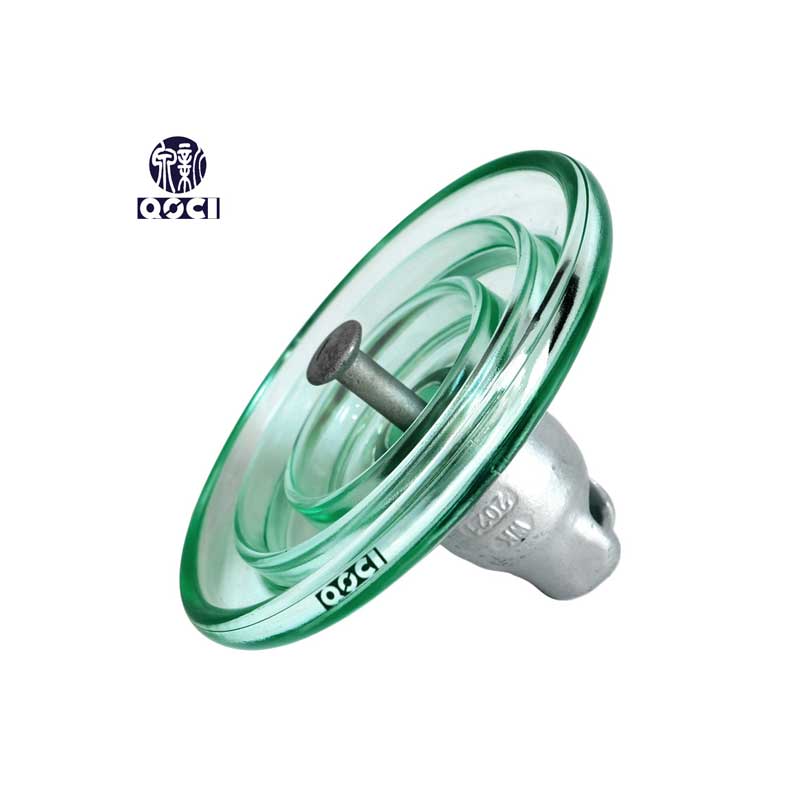
Leakage distance higher than IEC 60305. Designed with shallow ribs for effective self-cleaning by wind or rain.
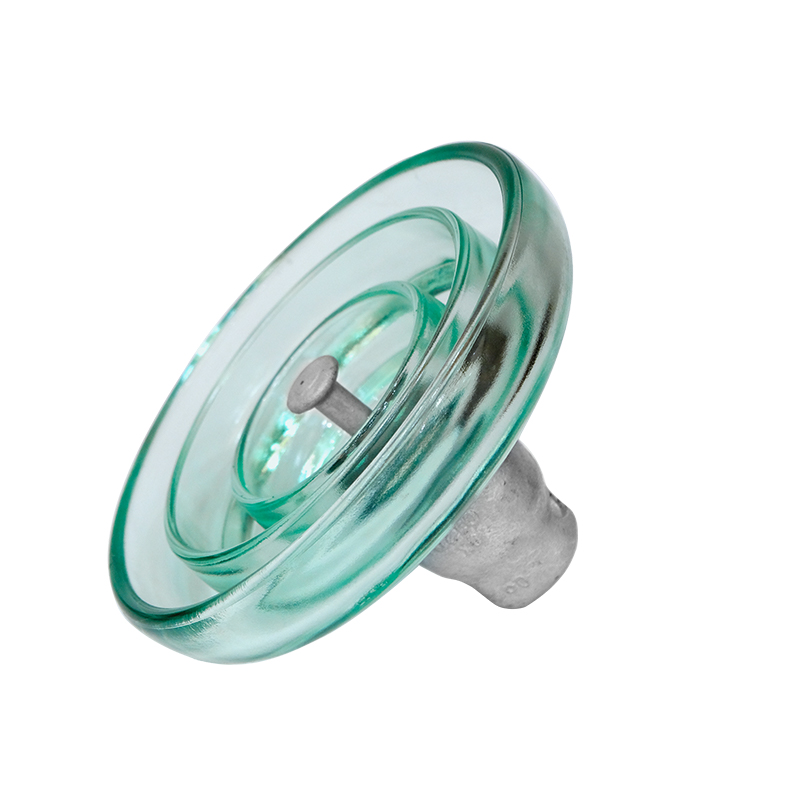
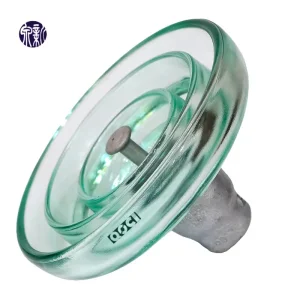
Longer and widely-spaced under-ribs avoid arc bridging. Effective in coastal areas (Salt fog) with leakage ratio around 3.2.
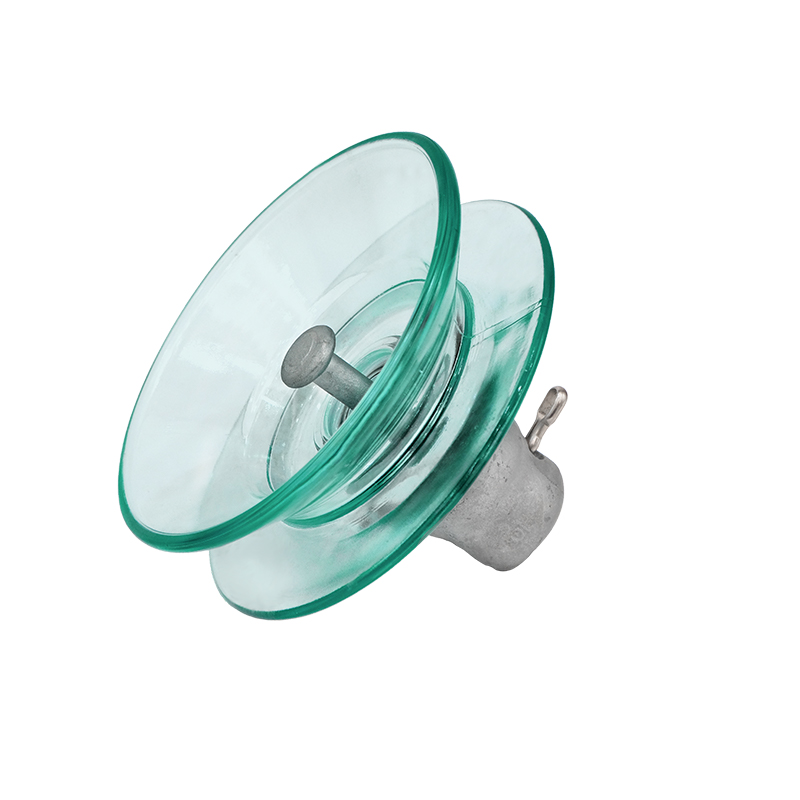
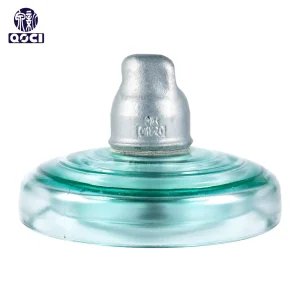
Features two external ribs. Reduced pollution build-up and facilitated manual cleaning. Ideal for saline soil and industrial zones.
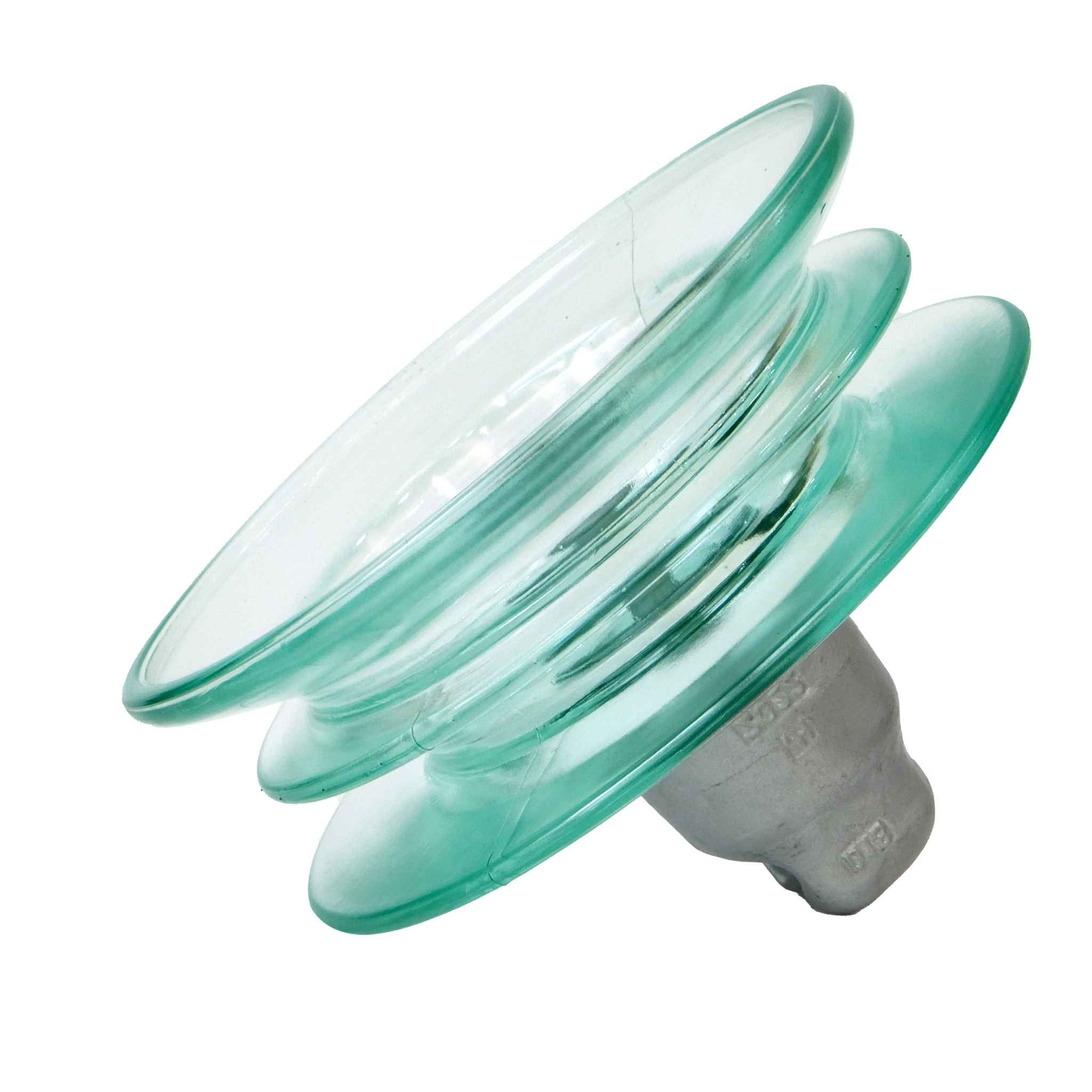
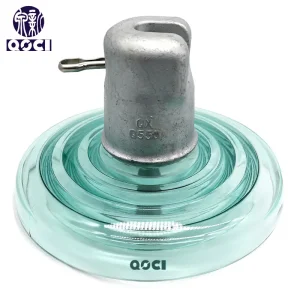
Three layers of umbrella discs. Open shed design for UHV lines in heavily polluted or high-altitude regions.
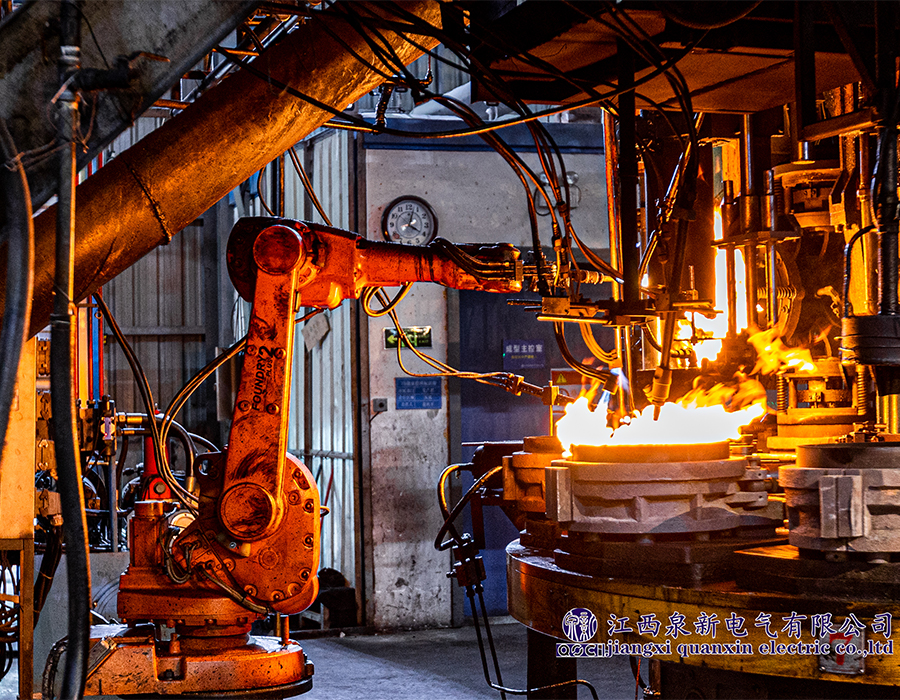
Forming Press
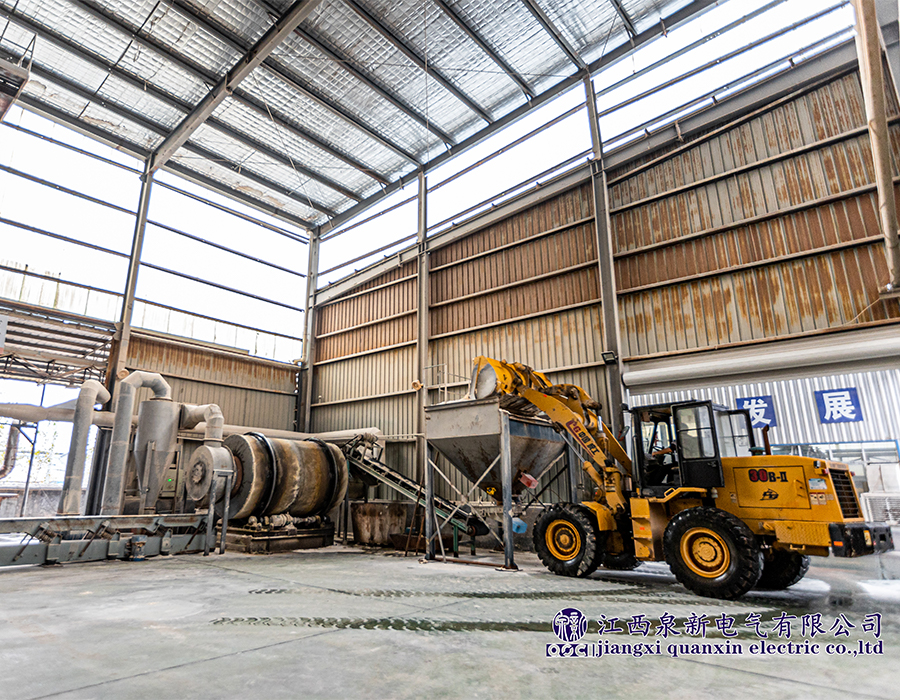
Mixer
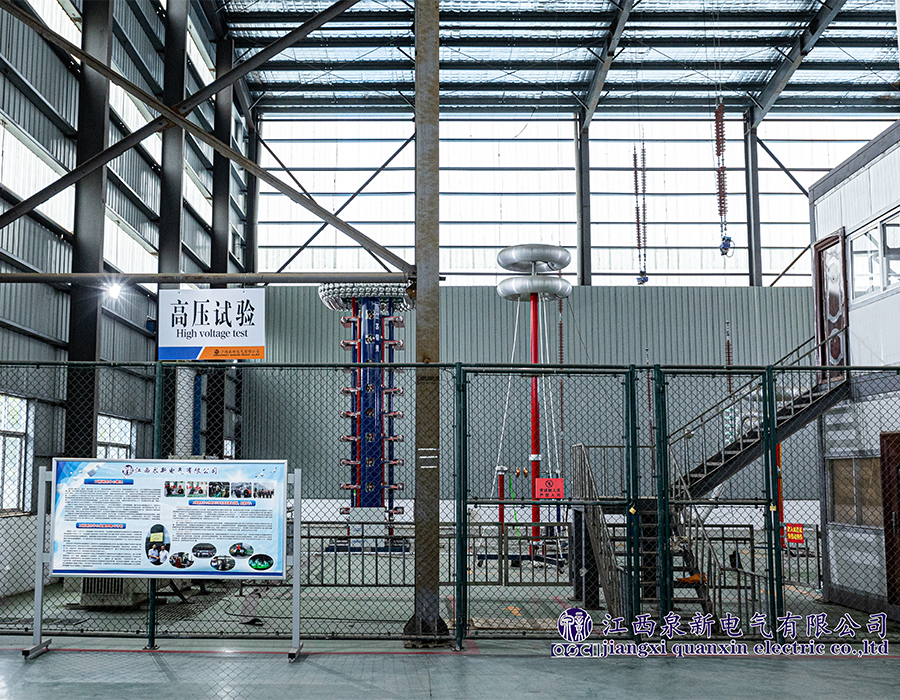
High Voltage Test
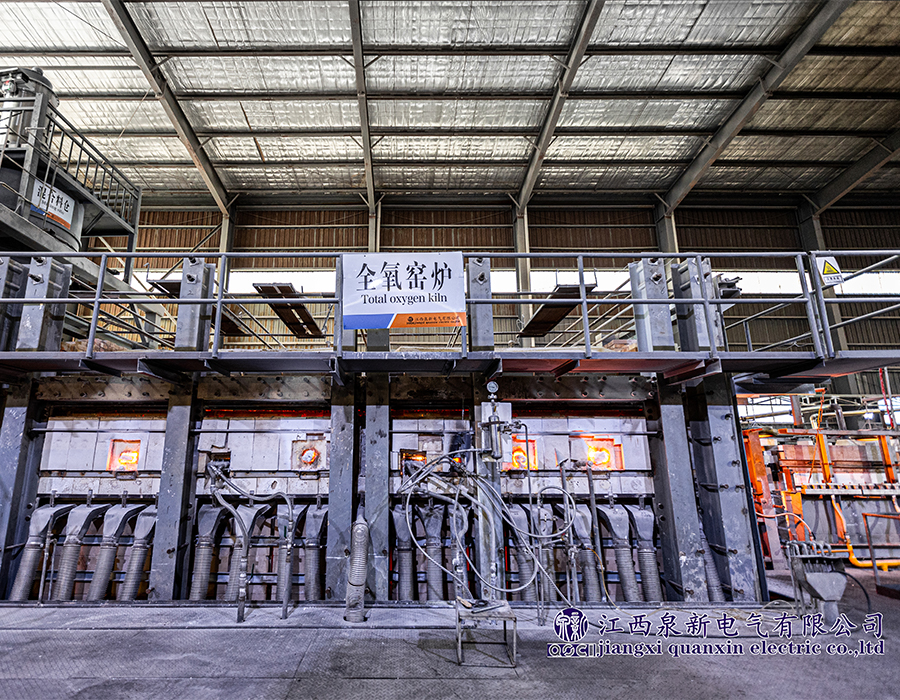
Total Oxygen Kiln