Empowering the Reconstruction of Libya's Power Grid with Advanced High-Voltage Solutions
Engineered to withstand coastal salinity and desert thermal fluctuations.
As the administrative and industrial heart of Libya, Tripoli is undergoing a massive transformation of its energy infrastructure. The General Electricity Company of Libya (GECOL) has prioritized the reinforcement of high-voltage transmission lines connecting the capital to regional substations. However, Tripoli’s unique geography—a Mediterranean coastal location adjacent to desert zones—presents severe challenges.
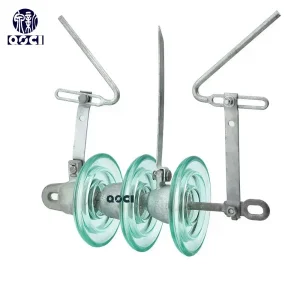
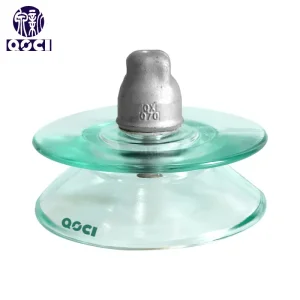
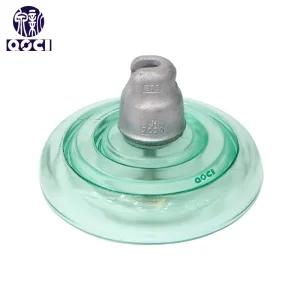
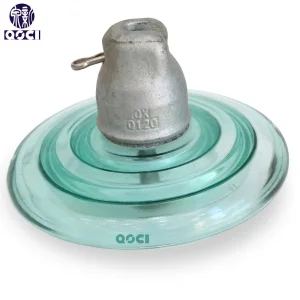
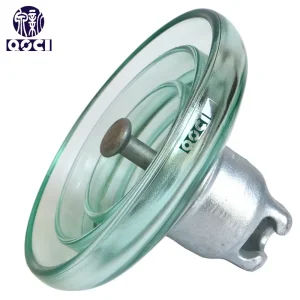
Salt Fog & Industrial Pollution: The coastal humidity brings high salinity, which, combined with urban industrial dust, can cause frequent flashovers on standard insulators. Our "Ground-wires type" products are specifically optimized for these "High Pollution" (Class IV-V) environments.
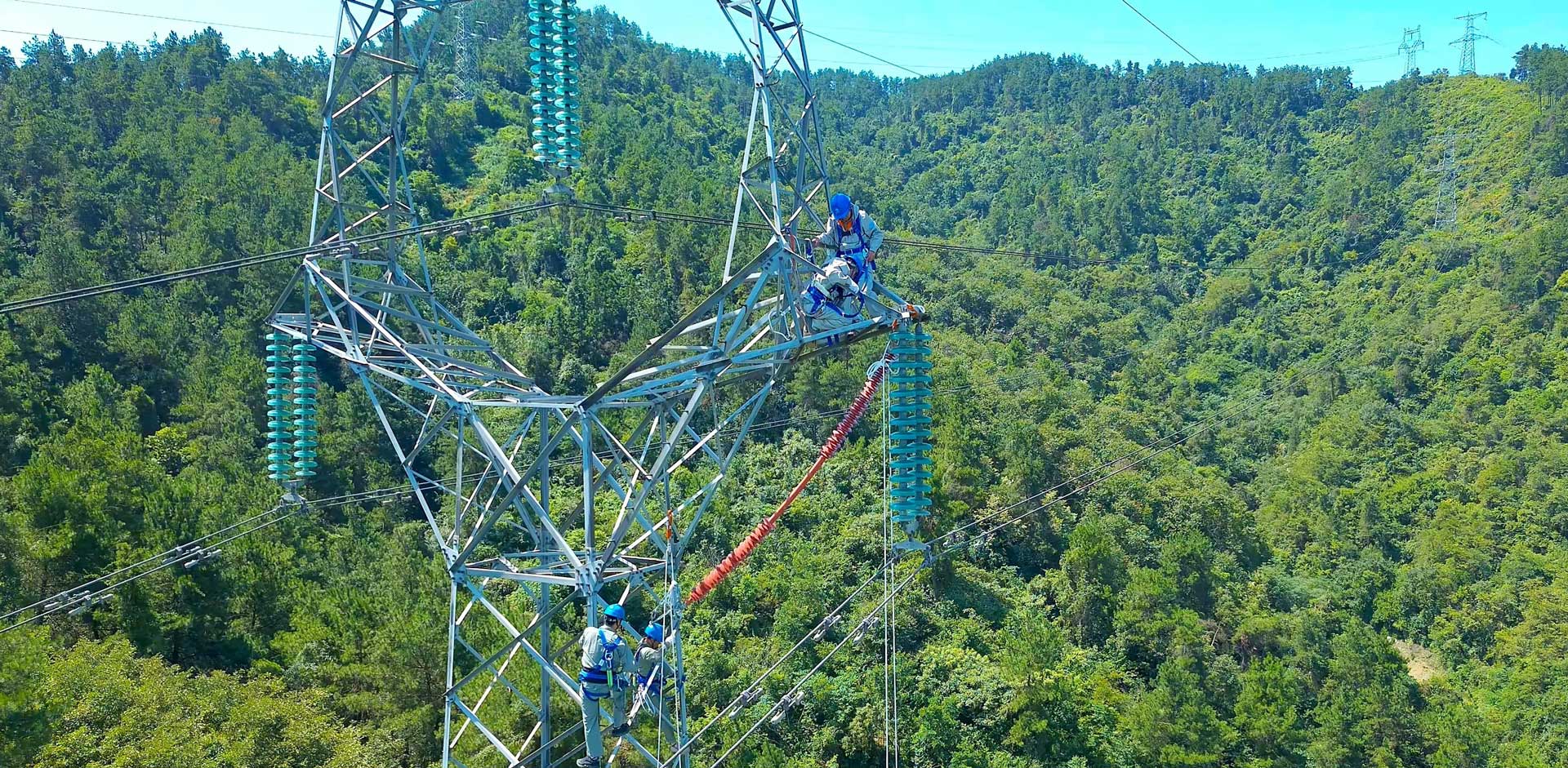
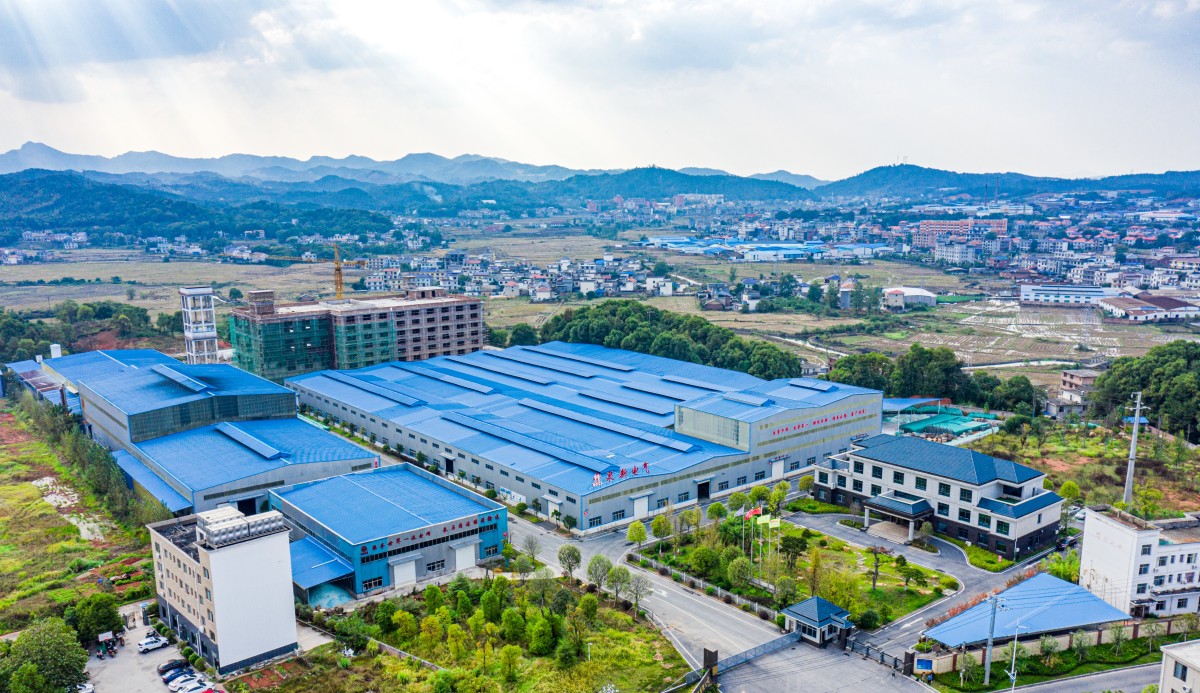
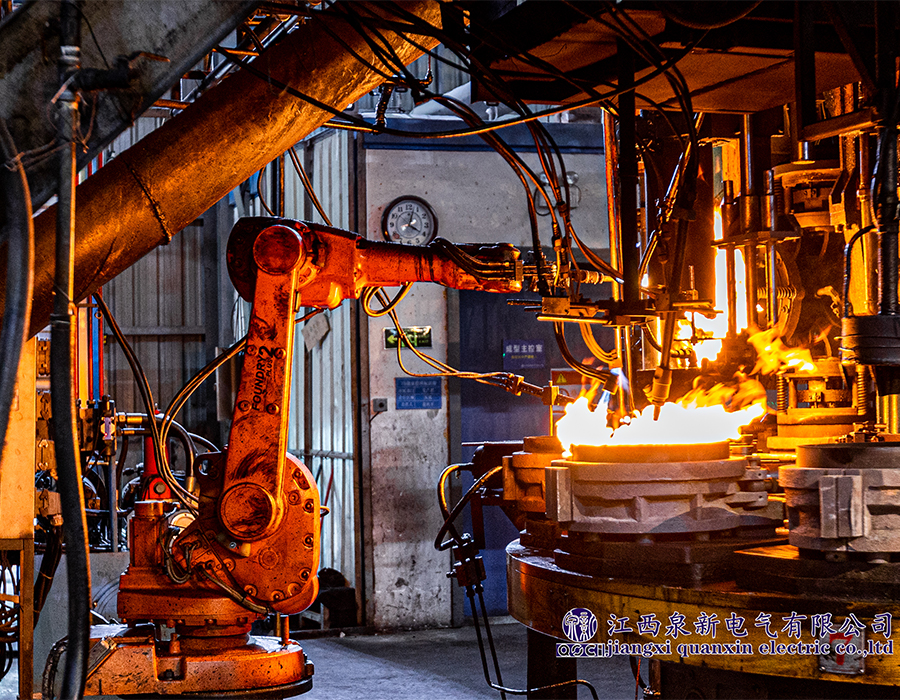
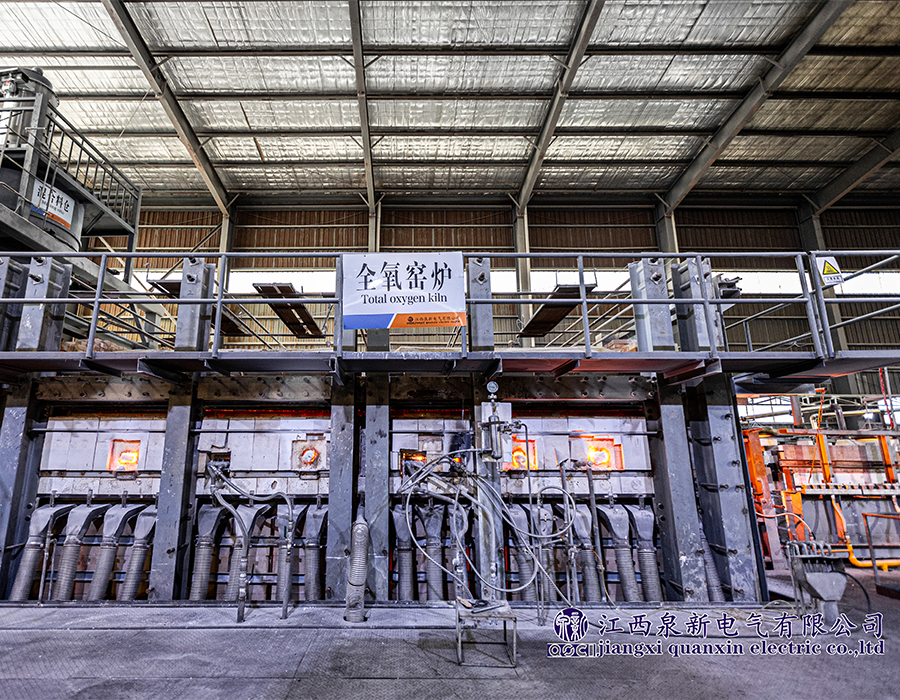
Jiangxi QOCI Electric Co. Ltd, founded in 2002 with a registered capital of 508 million Yuan, represents the pinnacle of Chinese high-voltage insulator engineering. Located in the Luxi Industrial Park, our 70,000m² facility integrates the world’s most advanced Total Oxygen Kiln technology.
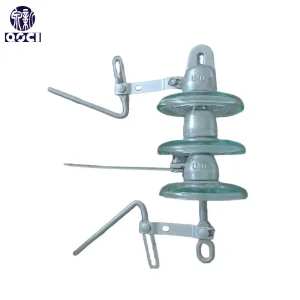
Our commitment to Innovation, Quality, and Service ensures that every "Ground-wire profile" insulator we ship to Tripoli meets or exceeds IEC 60305, IEC 60383, and ANSI standards.
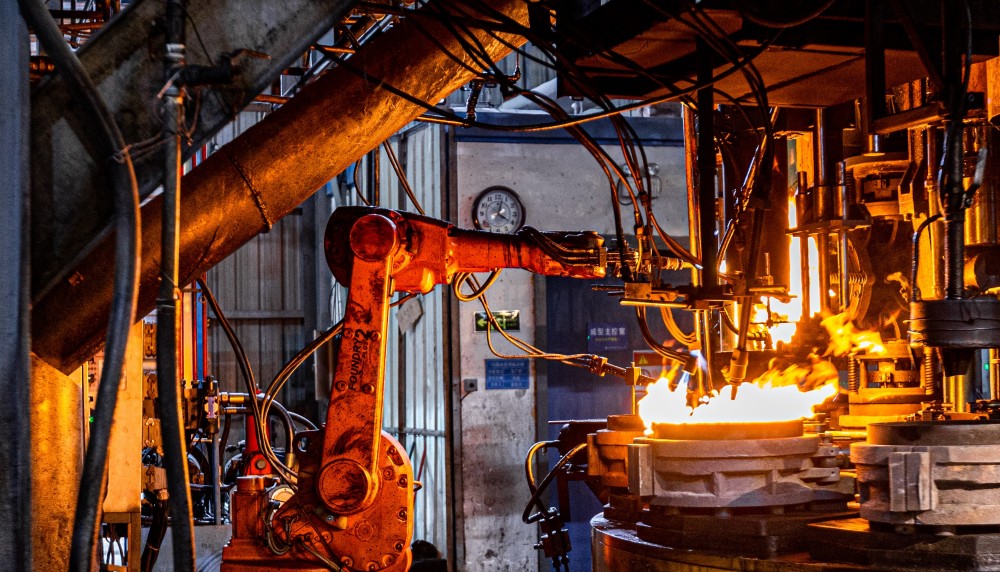
Transitioning from traditional protection to smart-monitoring systems.
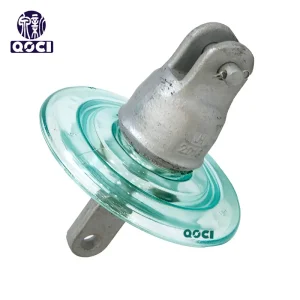
For Tripoli’s coastal zones, we offer RTV (Room Temperature Vulcanization) silicone coating on glass. This creates a hydrophobic surface, eliminating leakage current even in heavy salt fog conditions.
Modern Tripoli grid expansion includes OPGW (Optical Ground Wire). Our insulators are designed to handle the specific mechanical tension and grounding requirements of optical fiber communication lines.
Our insulators feature a self-shattering characteristic when faulty, allowing for "Zero-Value" detection through simple visual inspection—a critical feature for maintaining vast lines in the Libyan desert.
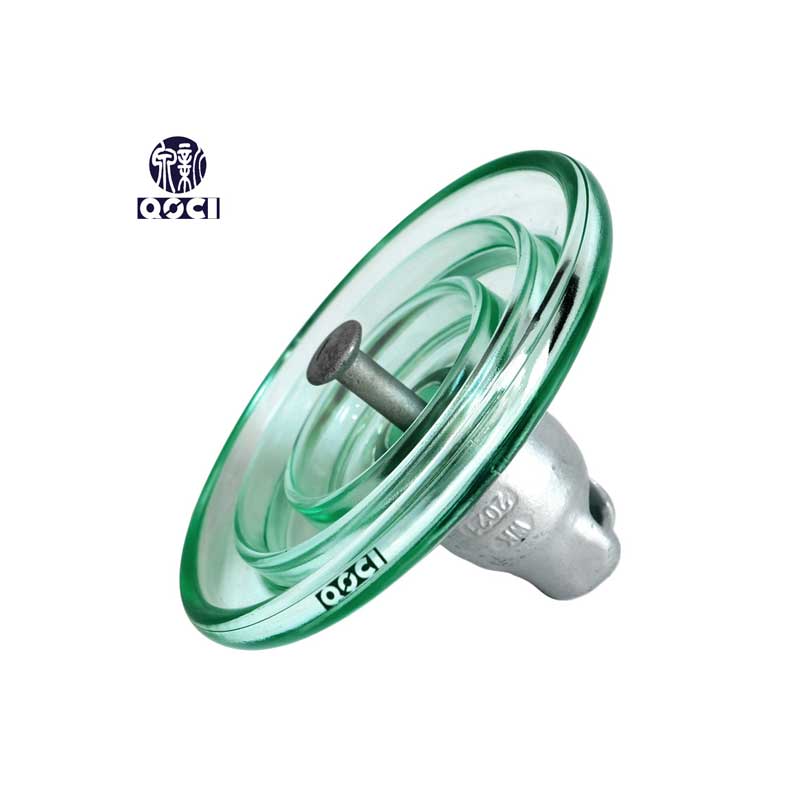
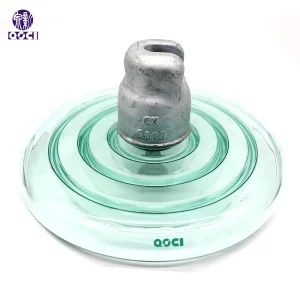
Designed with shallow, well-spaced ribs for effective self-cleaning by wind or rain.

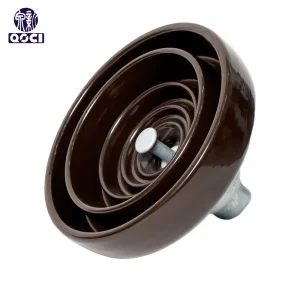
Featuring long under-ribs to avoid arc bridging. Ideal for Tripoli's humid coastal nights.
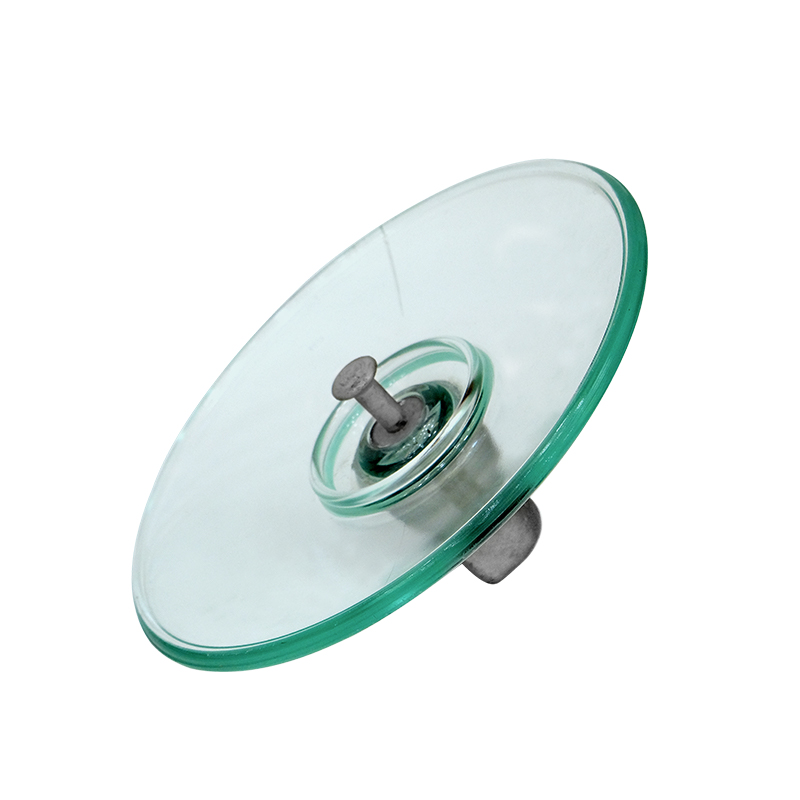
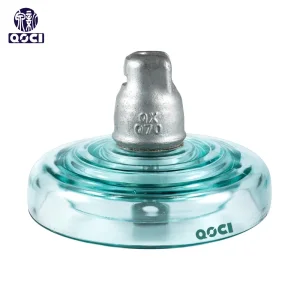
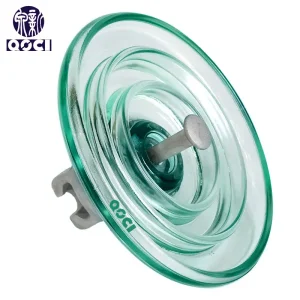
Absence of under-ribs prevents sand and dust accumulation. Perfect for the southern Sahara regions of Libya.
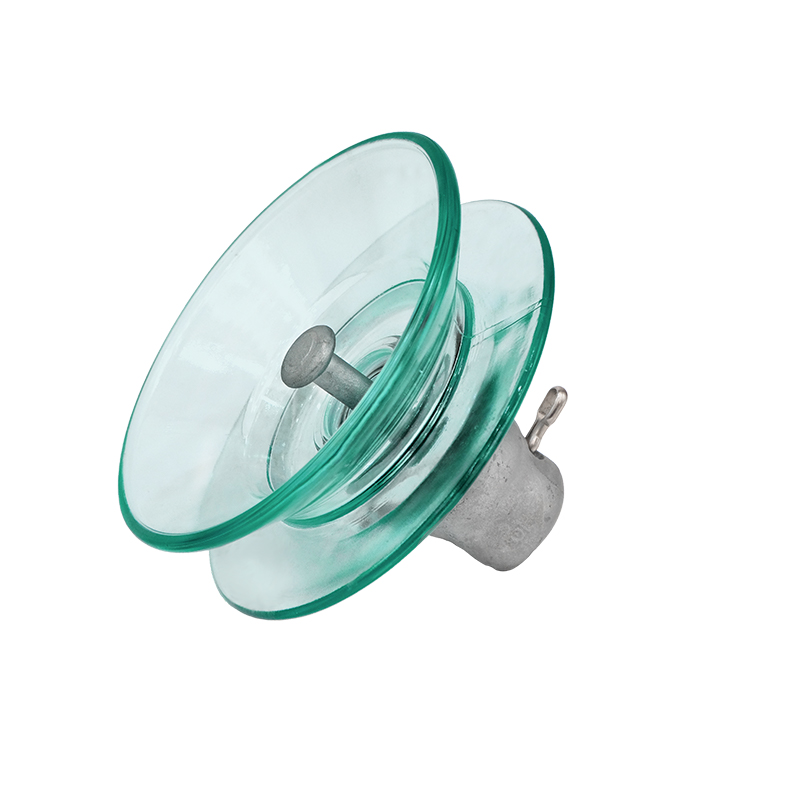
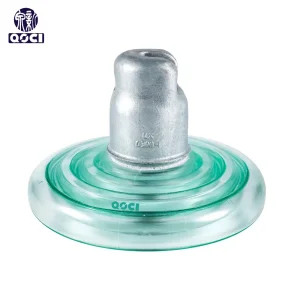
Two external ribs reduce pollution build-up, facilitating manual cleaning in industrial zones.
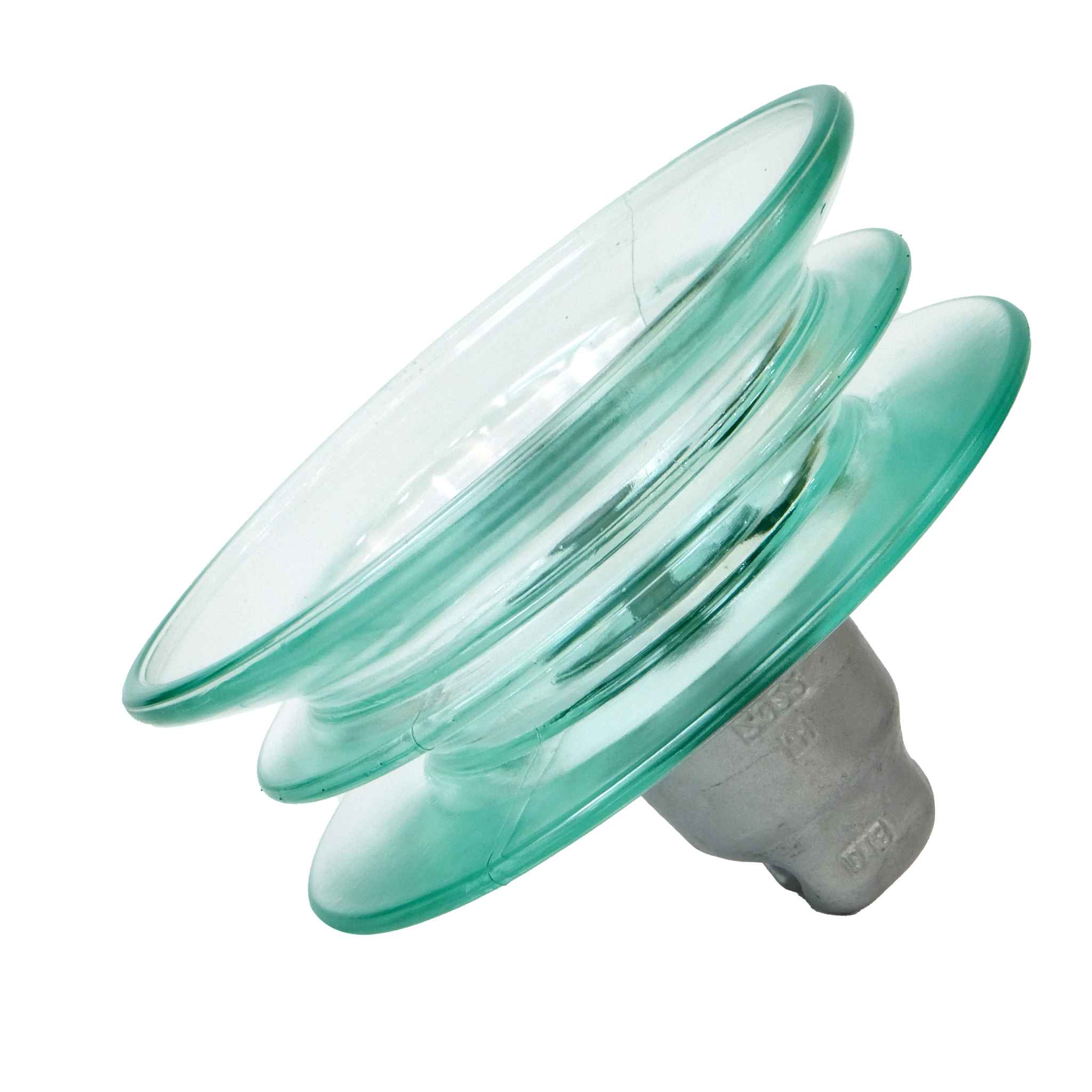
Key component for UHV lines with excellent pollution flashover resistance.
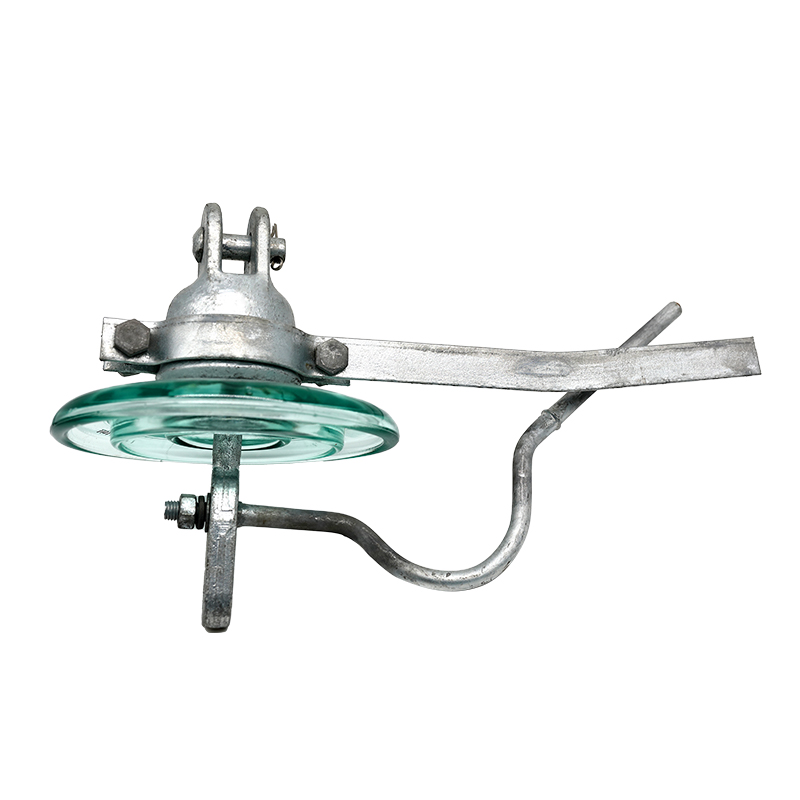
Guiding lightning current safely to protect Tripoli's transformers and equipment.
Sourcing high-voltage components for Tripoli requires a partner who understands international logistics and local compliance. QOCI Electric provides a seamless experience for Libyan energy contractors.
A: Glass insulators offer visual "self-shattering" when faulty, making inspection in remote desert areas significantly easier. They also exhibit higher resistance to thermal aging in Tripoli’s hot climate.
A: Standard orders are typically processed within 30-45 days, with direct sea freight to Tripoli Port taking an additional 25-35 days.
A: Yes, all our ground-wire type insulators are manufactured and tested strictly according to IEC 60305 and IEC 60383 international standards.
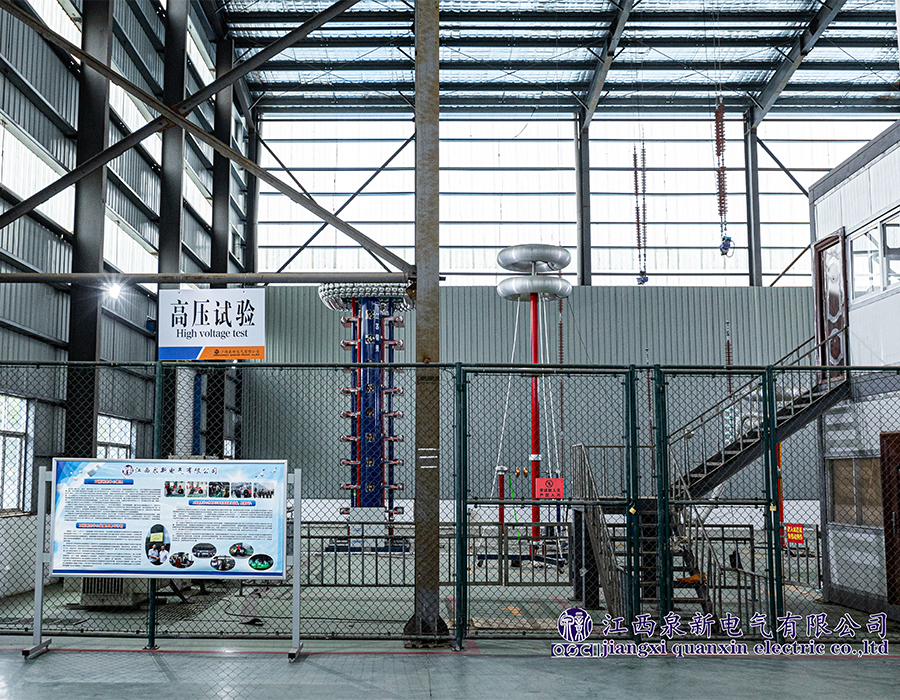
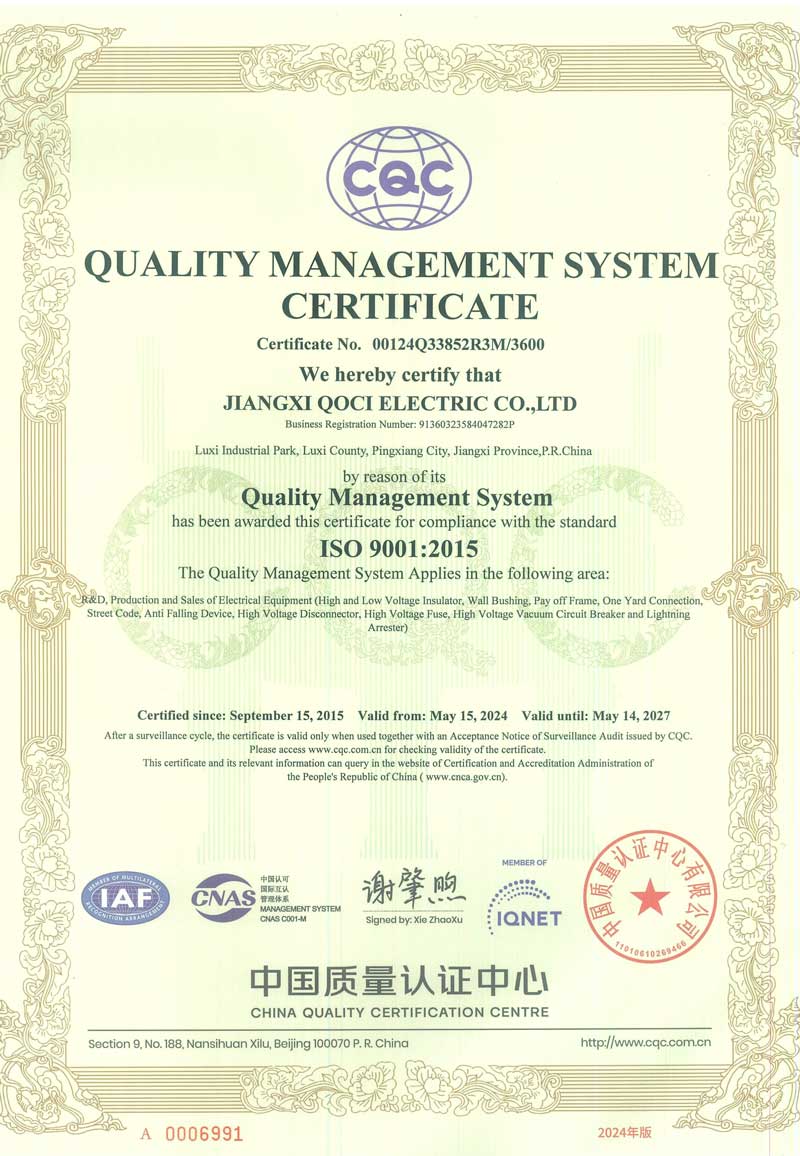
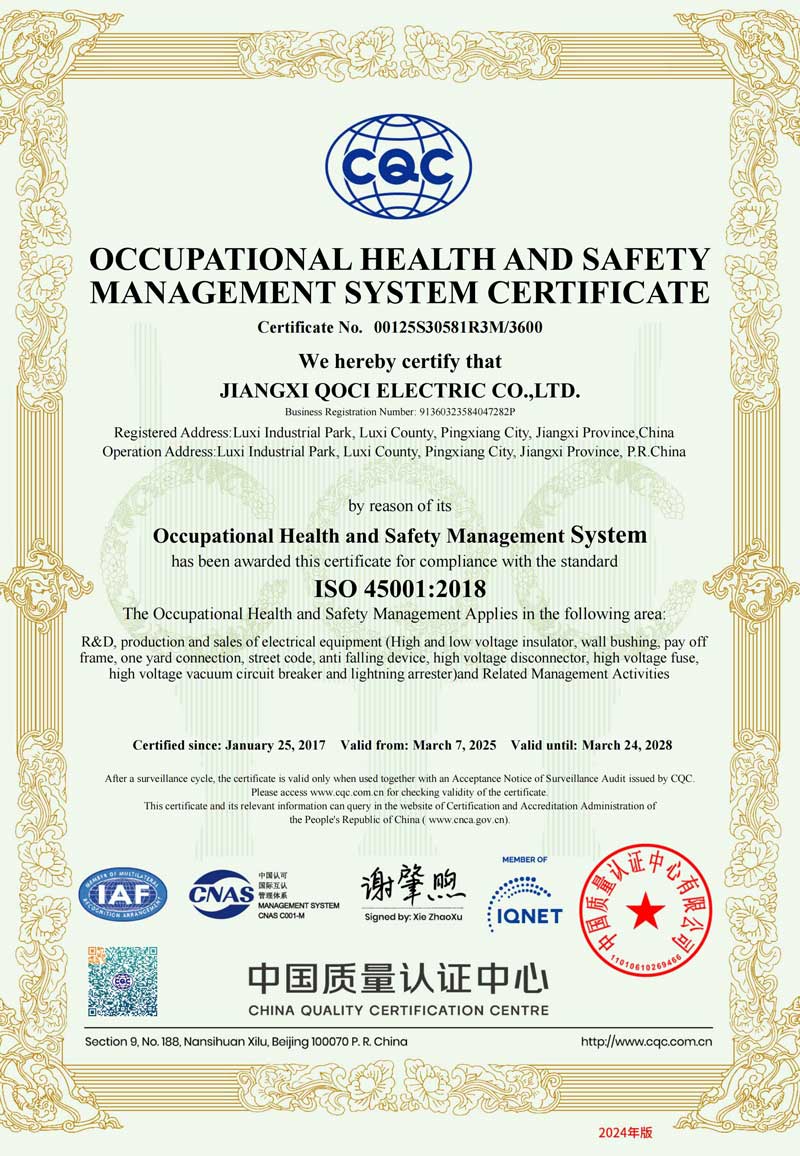
Certifications: ISO 9001, ISO 14001, OHSAS 18001, and international Type Test Reports.