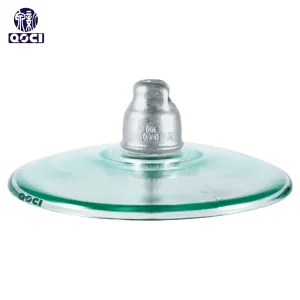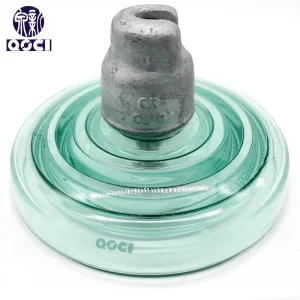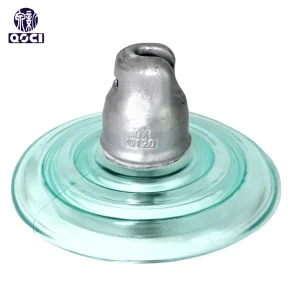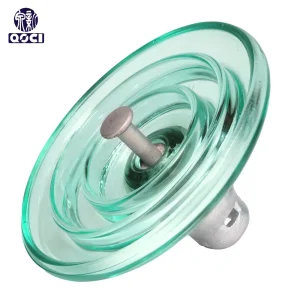
Pre-qualified high-voltage isolator components engineered to withstand coastal subtropical saline humidity and lightning surges.
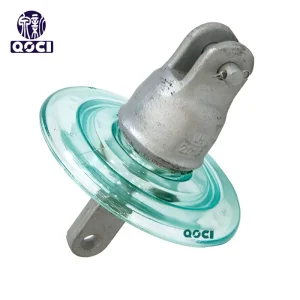
A comprehensive analysis of high-voltage system grounding, structural insulation materials, and local power corridor integration.
Brisbane and its surrounding sub-regions, managed under the transmission and distribution jurisdiction of Powerlink Queensland and Energy Queensland (Ergon Energy & Energex), present a unique set of meteorological and geographic challenges. Characterized by high lightning strike densities during the summer storm seasons and a highly corrosive subtropical coastal atmosphere, the local transmission grid requires exceptional structural reliability. The expansion of critical lines like the 275kV interconnectors requires ground-wire systems (both standard galvanized shield wires and Optical Ground Wires - OPGW) to perform dual roles: conducting massive surge currents to earth safely and ensuring structural survivability.
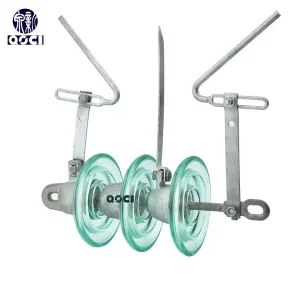
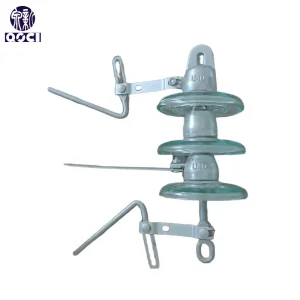
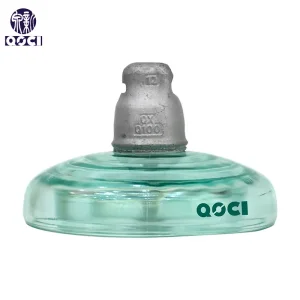
In traditional high-voltage line design, ground wires are directly clamped to the peak of the lattice towers. However, modern grid topologies in Brisbane increasingly isolate the ground wires using specialized Ground-Wires Type Insulators (such as the CTV 175 and CTV254 series). This insulation prevents continuous loop currents from inducing power losses along the span, allows high-frequency power-line carrier (PLC) communication signals, and assists in active line diagnostics. Consequently, when lightning hits, the insulator must act as an instant spark-gap or survive the voltage transient without breakdown, remaining mechanically intact under high structural tension.
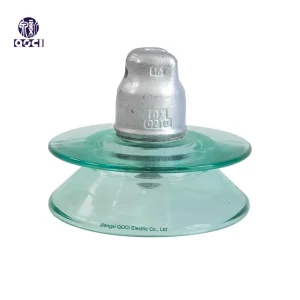
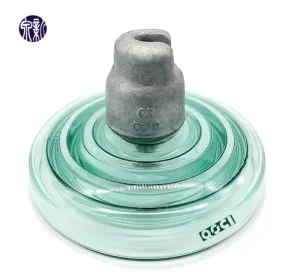
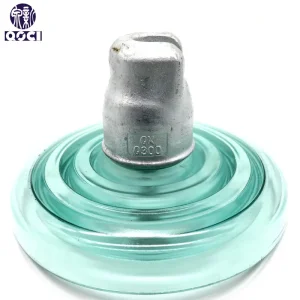
Internationally, power authorities are pivoting away from legacy porcelain and polymer string configurations toward Toughened Glass Insulators. Glass insulators offer a critical structural advantage: when they fail due to an electrical puncture or mechanical overload, the glass shell shatters instantly in a controlled manner, leaving the internal mechanical cap-and-pin link intact (known as a "stub"). This provides immediate visual confirmation of insulator health during helicopter or drone line patrols, eliminating the need for expensive, time-consuming diagnostic measurements required by porcelain or composite counterparts.
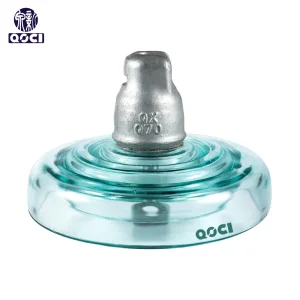
Additionally, the integration of Room Temperature Vulcanization (RTV) Silicone Coatings directly onto the glass surfaces has redefined high-voltage performance in polluted areas. In coastal hubs like the Port of Brisbane, where ocean salt spray mixes with coal dust and industrial pollutants, dry-band arcing poses a major flashover risk. RTV coatings impart temporary hydrophobicity to the accumulated pollutants, preventing the formation of conductive moisture films and suppressing leakage currents, which drastically reduces grid maintenance budgets.
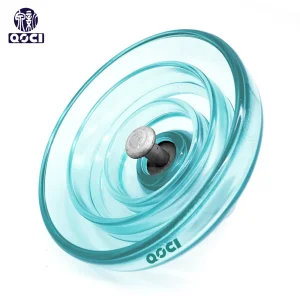
Features shallow, aerodynamically spaced ribs that facilitate natural self-cleaning by local winds and heavy coastal rains, reducing dust accumulation.
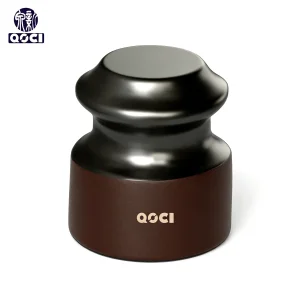
Engineered to handle high-voltage lightning transients. Optimizes ground path integrity while preventing regular high-frequency communication signal leaks.
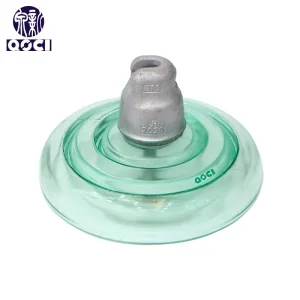
Equipped with specialized zinc sleeve rings on the pins to counteract electrolytic corrosion driven by Brisbane's humid, salt-laden sea air.
From deserts to salt-fog coastal lines, our product range is designed to optimize creepage distances and mechanical loading limits.
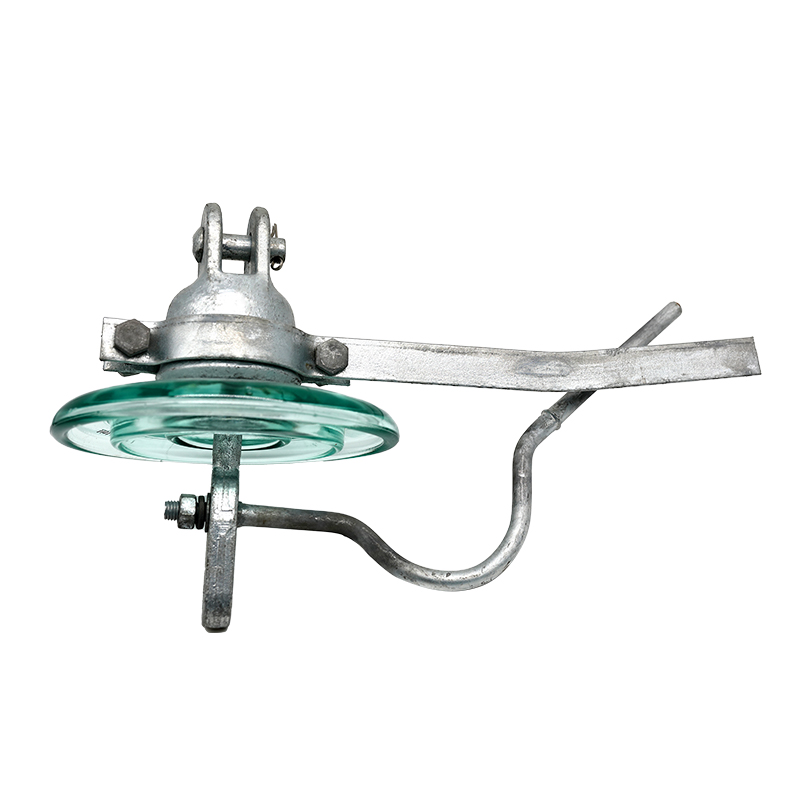
By connecting internal or external metal accessories (such as steel pins and flanges) to the grounding wire, reliable grounding is achieved. The grounding function effectively guides lightning current, reduces line lightning damage, and protects the safety of lines and substation equipment. The toughened glass surface is smooth and has low hydrophilicity, making it easy for natural rain to wash away accumulated dust and debris. Ideal for long-span high-voltage overhead lines.
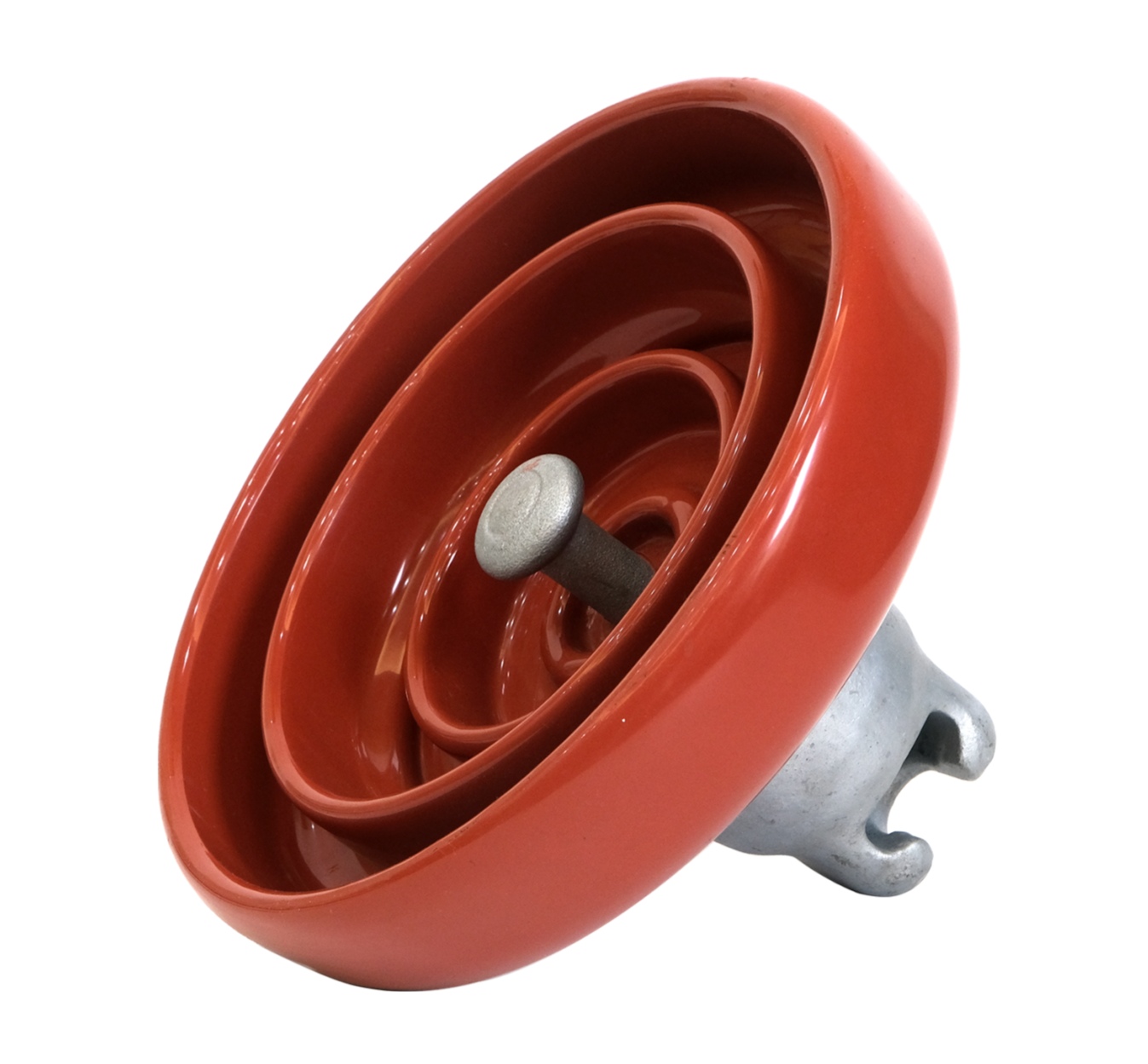
Silicone-coated insulators offer an excellent alternative which guarantees optimum performance for high voltage overhead lines in areas with heavy pollution. They minimise leaking currents and thereby reduce operation and maintenance costs. The product used to coat the insulators is Room Temperature Vulcanization (RTV) silicone which contains mineral fillers embedded in the silicone itself. This silicone increases the hydrophobic nature of the insulator's surface, improving its performance in polluted areas. Furthermore, the fillers absorb the energy of any possible electric arcs and protect the integrity of the coating.
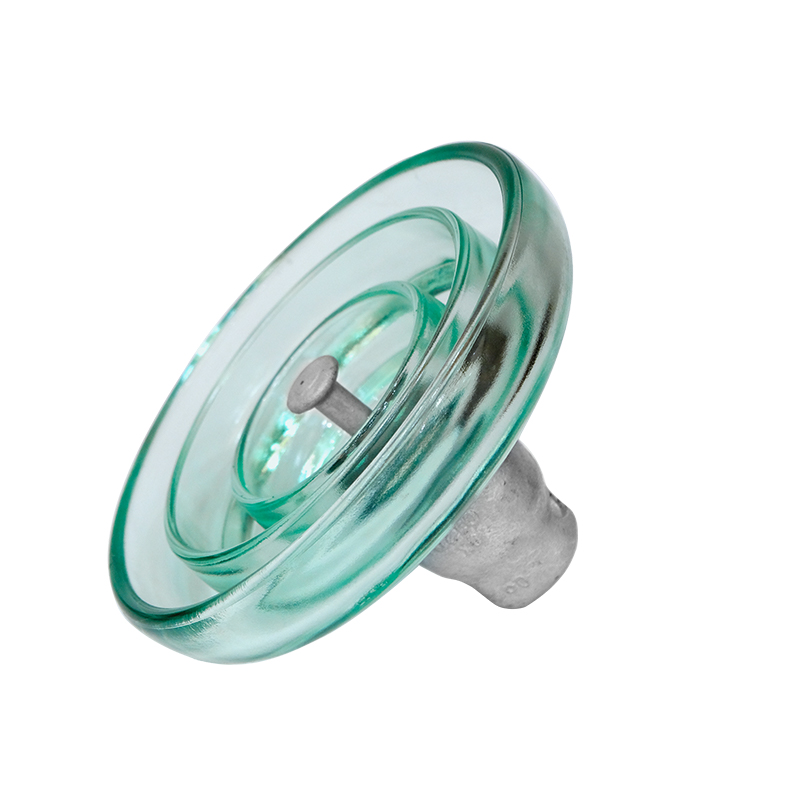
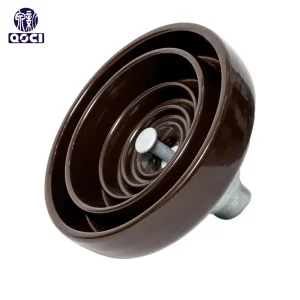
The fog type profile is characterized by long and widely-spaced under-ribs so as to avoid arc bridging between adjacent ribs. It features a leakage distance/spacing ratio of around 3.2 and is particularly effective in coastal areas (Salt fog) as well as in polluted areas where a higher specific leakage distance is required. Prevents premature flashovers caused by ocean condensation and mist.
How Jiangxi QOCI Electric achieves global cost leadership and superior quality control through modern manufacturing plants.
Our core manufacturing hub is located in the Industrial Park of Luxi County, Pingxiang City, Jiangxi Province—widely recognized as the capital of China's electrical porcelain and power utility supply industry. This geographic clustering provides us with a robust supply chain of premium raw materials, including high-purity silica sand, feldspar, and specialized clay, as well as access to highly skilled materials engineers.
By operating fully automated Total Oxygen Kilns, we maintain strict control over heat zones, preventing temperature fluctuations during glass and porcelain firing. This process results in zero internal defects, high dielectric uniformity, and reliable mechanical strength in every insulator batch.
Additionally, our automated hydraulic Forming Presses provide high structural consistency, ensuring all dimensions align with strict international standards (IEC 60305, ANSI C29). This allows us to supply cost-competitive, high-performance components to markets worldwide, including Brisbane, Australia, and regions throughout North America and Europe.
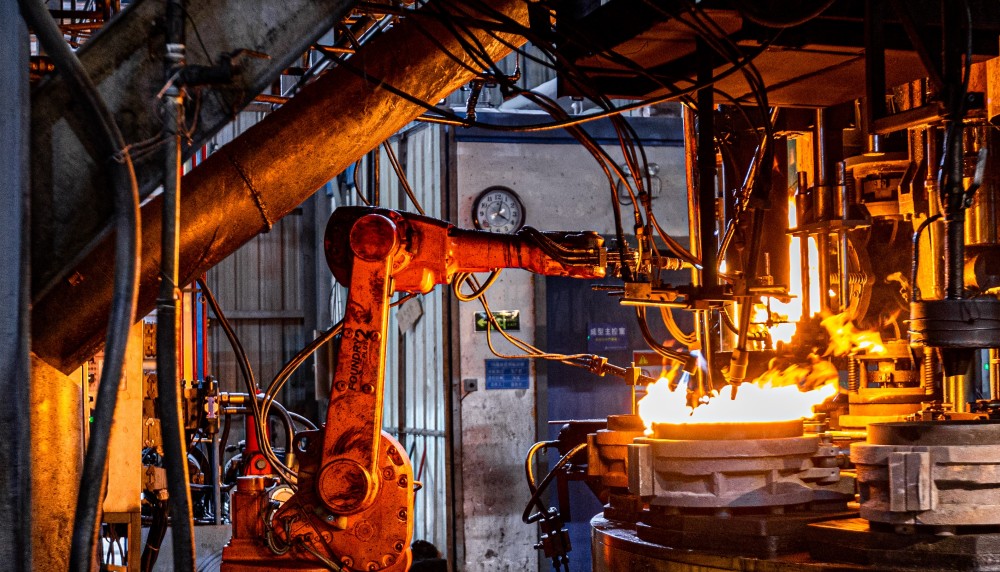
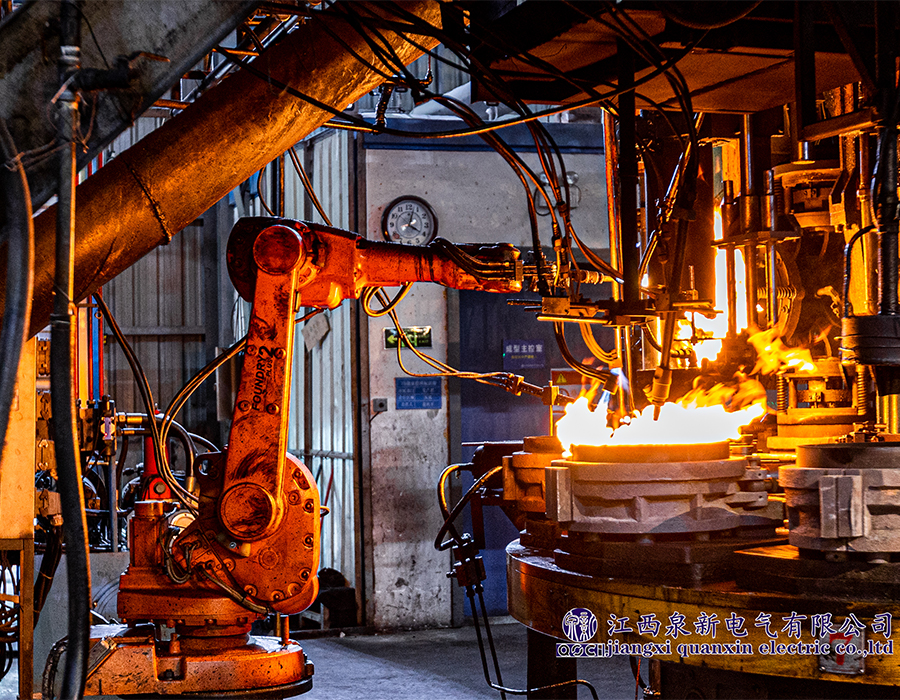
Hydraulic stamping guarantees tight physical tolerances and structural density.
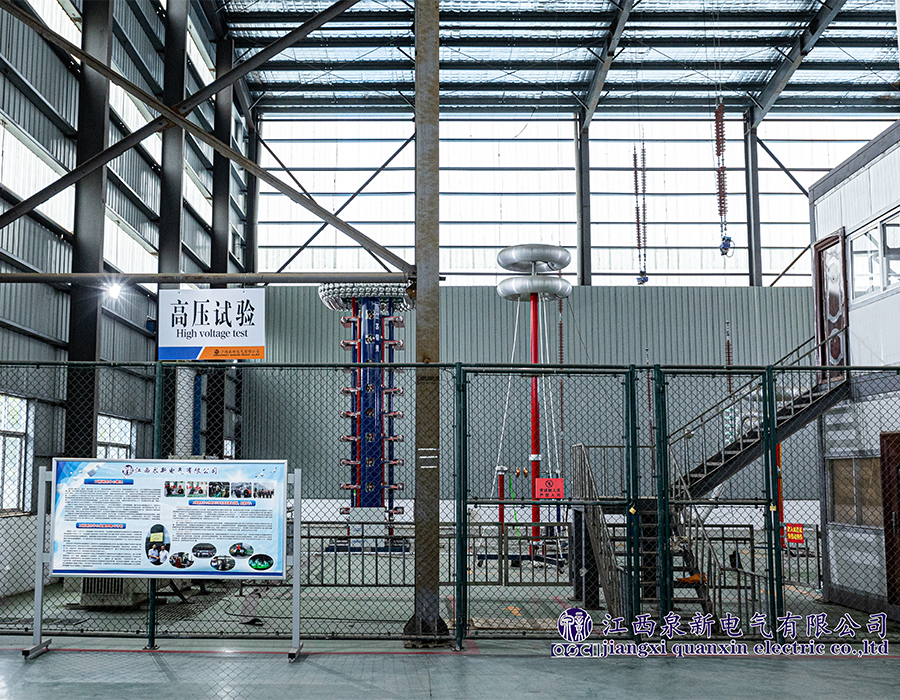
Every production run undergoes intensive steep-front impulse voltage verification.
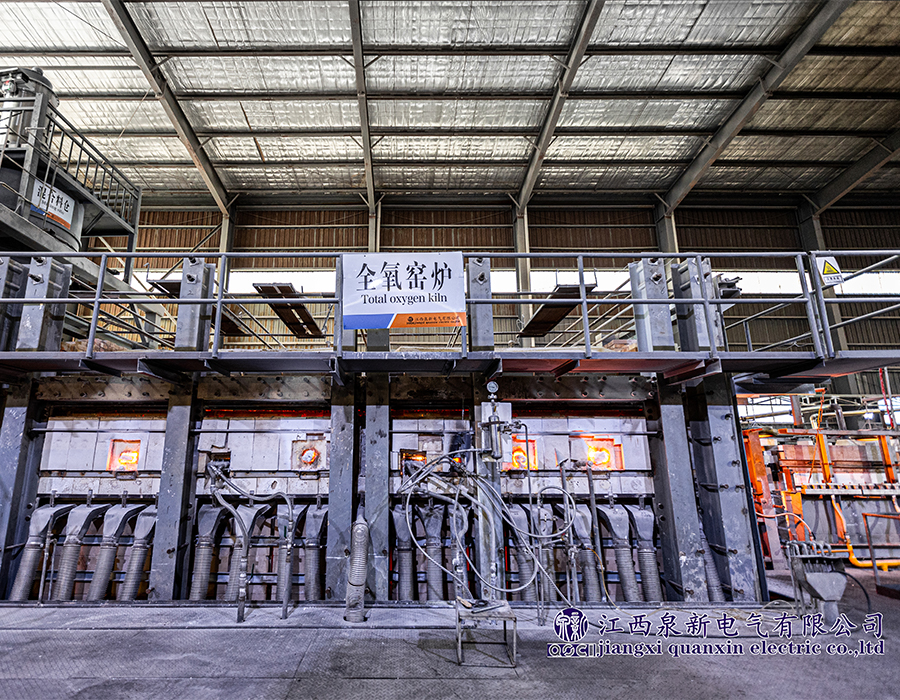
Optimized gas-combustion firing yields high structural integrity and reduces carbon emissions.
Browse our complete range of anti-pollution, double-shed, standard, and ground-wires type insulators serving Brisbane and global utility markets.
Deep-dive responses to crucial design and installation questions regarding overhead shield-wire isolators.
We work closely with global engineering, procurement, and construction (EPC) firms to supply power grids worldwide.

Whether designing a 132kV/275kV transmission system for South-East Queensland or upgrading industrial port electrical corridors, our engineering team can provide technical drawings, compliance test reports, and factory-direct pricing estimates.
Send Inquiry Now