
High-reliability insulation strings designed for lightning protection and ground wire isolation in high-voltage overhead transmission lines.
Understanding the Technical Demands for Overhead Line Grounding and Insulation Systems in Southeastern Europe
The Greater Bucharest metropolitan area, as the central economic engine of Romania, is experiencing unprecedented modernization of its high-voltage (110kV, 220kV, and 400kV) transmission networks. Managed under the national grid authority (Transelectrica) strategic upgrade plans, the region is shifting toward enhanced grid resiliency, integrating massive renewable energy inputs from the Dobrogea wind sector and Cernavodă nuclear facilities toward urban load hubs around Bucharest.
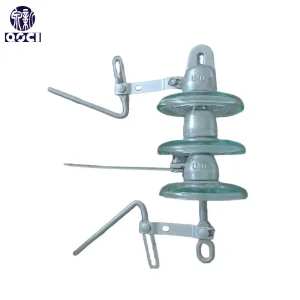
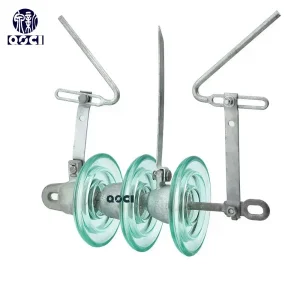
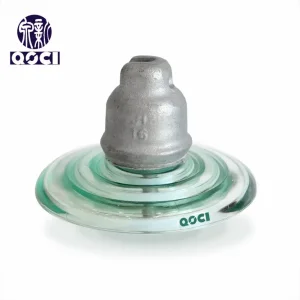
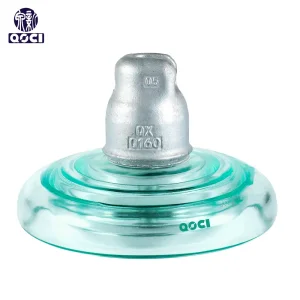
In this high-stakes power corridor, Ground-Wires Type Glass Insulators fulfill a crucial double role. They isolate optical ground wires (OPGW) or conventional shield wires from overhead towers under normal operational conditions to minimize circulating current losses, while providing robust, immediate discharge channels during direct lightning strikes or atmospheric surge events.
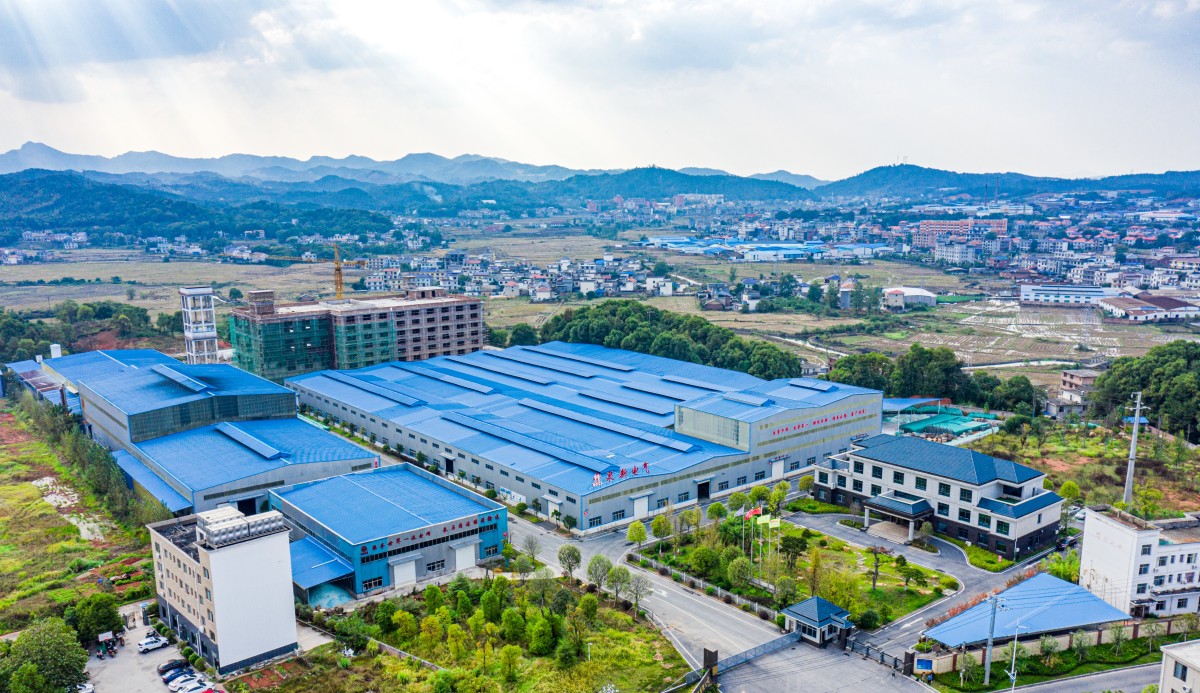
Jiangxi QOCI Electric Co., Ltd. was established in December 2002 with a registered capital of 508 million Yuan. Located in the industrial core of Luxi County, Pingxiang, Jiangxi Province, our manufacturing base spans over 100 mu (70,000 square meters).
We specialize in the high-precision manufacturing of toughened glass insulators for low voltage, high voltage (HV), extra-high voltage (EHV), and ultra-high voltage (UHV) AC and DC power transmission networks globally. By actively serving world-class utility clients, our factory combines total-oxygen automated melting kilns, automated press lines, and strict zero-defect thermal shock testing to guarantee electrical and mechanical integrity across European energy grids.
Tailored dielectric geometries designed to eliminate flashovers, structural degradation, and power disruptions across diverse operating conditions.
Designed specifically to connect internal or external metal fittings (such as high-tensile steel feet and forged flanges) to overhead ground cables. By guiding atmospheric surge currents straight into the tower grounding grid, this profile effectively mitigates shield-wire line trips while protecting sensitive terminal substation equipment.
Silicone-coated insulators present a high-performance solution for lines installed in heavily polluted or coastal environments. Utilizing Room Temperature Vulcanization (RTV) silicone containing specialized mineral fillers, these insulators maintain hydrophobic surface properties, virtually eliminating leakage currents and drastically lowering washing/maintenance costs.
Exceeding leakage distance requirements specified in IEC 60305, the standard profile features shallow, evenly-spaced ribs. This streamlined geometry uses natural wind and rain action for efficient self-cleaning, ideal for clean to moderately polluted rural transmission spans.
Engineered with deep, widely-spaced under-ribs that prevent electrical arc bridging between adjacent sheds. Offering a leakage distance to spacing ratio of up to 3.2, this profile excels in heavy industrial districts, damp river basins, and coastal salt fog environments.
Characterized by an open geometry without deep under-ribs and an extended disk diameter. The absence of under-ribs prevents solid particulate accumulation (such as fly ash or desert sand) and eliminates ice-bridging hazards in freezing rain conditions.
Incorporating multiple alternating umbrella discs, these high-voltage units maximize creepage distance within a compact string length. Built to handle heavy pollution and extreme winter icing in mountainous terrain like the Romanian Carpathians.
Addressing Systemic Ground-Wire Breakdown Risks in High-Voltage Lines
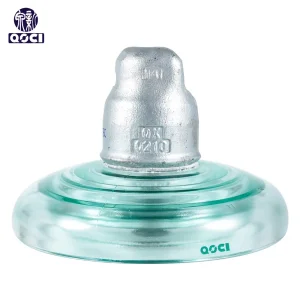
In modern HV/EHV grids, shield wires often double as telecommunication channels (OPGW) or carry induced AC voltages under continuous line loading. Installing uninsulated ground wires directly onto towers leads to circulating ground currents, resulting in thermal loss and signal noise. Our Ground-Wires Type Glass Insulators (such as the CTV 175 and U70C series) provide reliable low-voltage insulation under normal operation while maintaining a precise spark-over path for high-voltage surges.
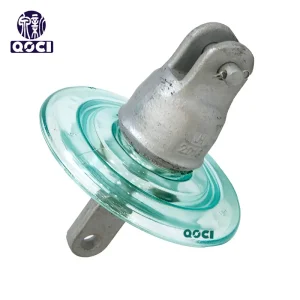
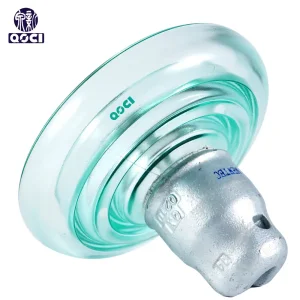
Unlike porcelain or organic composite materials, toughened glass maintains constant dielectric strength throughout its lifespan. Manufactured using rapid thermal quenching techniques, our toughened glass shells exhibit compressive stress layers exceeding 250 MPa on the outer skin. If mechanical or electrical destruction occurs, the glass shatters into small harmless granules, leaving the steel cap and pin intact to prevent line dropping—allowing instant visual identification during drone or line worker inspections.
Ranging from 70kN to 210kN rated mechanical failing load (MFL), tested under rigorous IEC 60383 protocols.
Cast iron caps and steel pins feature hot-dip galvanization meeting EN ISO 1461, ensuring 50+ years of maintenance-free service.
Designed to withstand continuous aeolian vibration and sub-span oscillation common in open plains and river crossings.
Deploying Optimized Insulation Hardware Across Key Regional Infrastructures
Near major sub-transmission sub-stations around the Bucharest ring road (Centura București), ground wires demand zero-maintenance reliability due to severe electromagnetic coupling and local ambient atmospheric pollution.
Lines spanning heavy moisture regions experience seasonal fog and industrial smog. Using anti-pollution glass profiles (such as U120BLP or U160BLP) guarantees long leak path safety without risk of flashover.
Northern supply lines traversing varying elevations encounter sudden temperature drops and high ice loads. High mechanical strength units (U160BM, CTV254) prevent conductor sagging and line rupture risks.
Inside QOCI Electric’s Rigorous Production and Quality Assurance Process
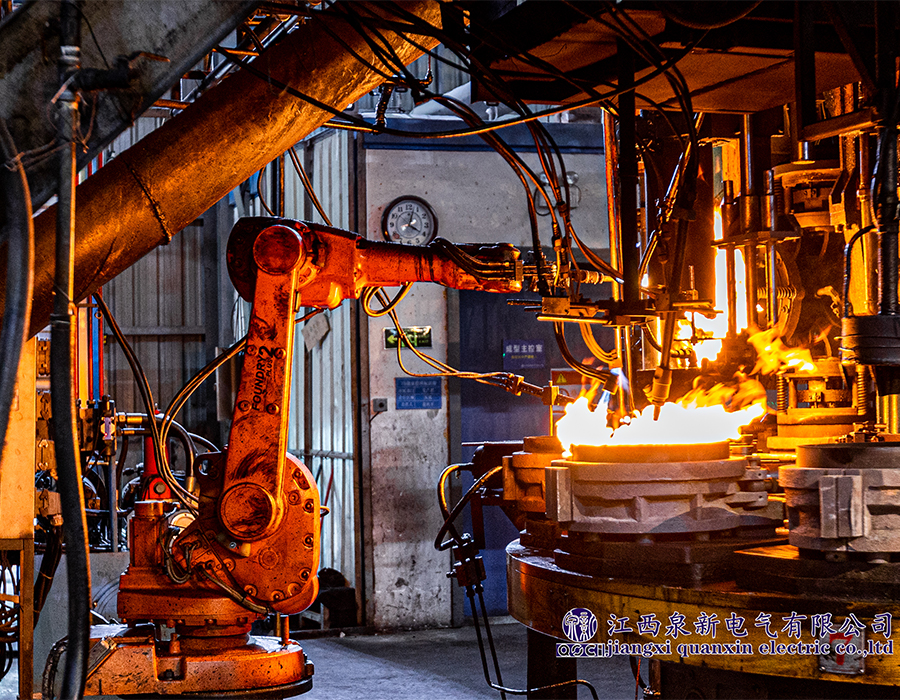
Precision molding guarantees exact wall thickness and uniform stress distribution during glass shell formation.
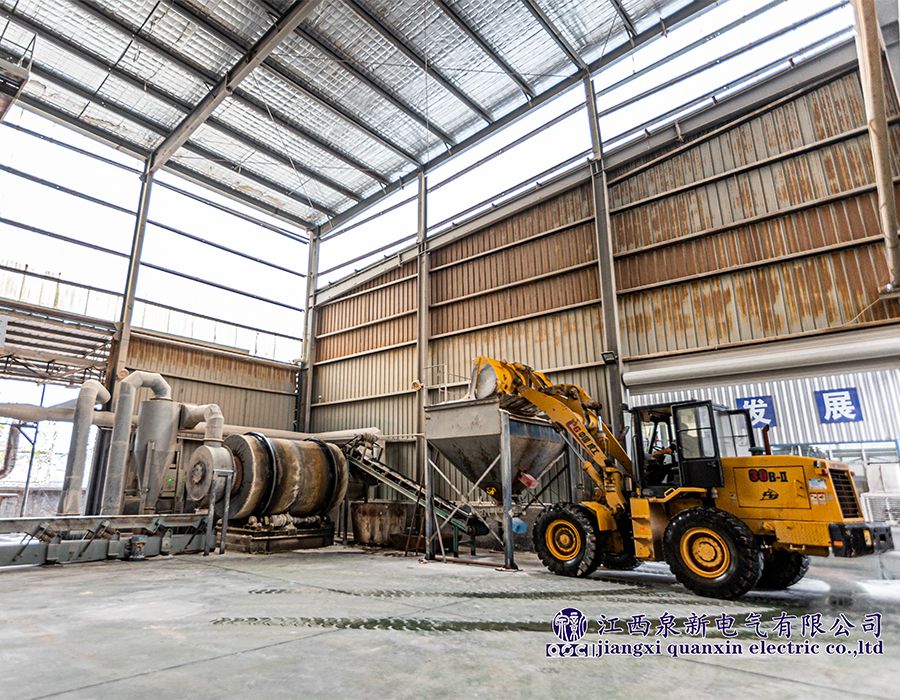
Strict chemical proportioning of silica, soda ash, and lime ensures crystal-clear glass batch purity.
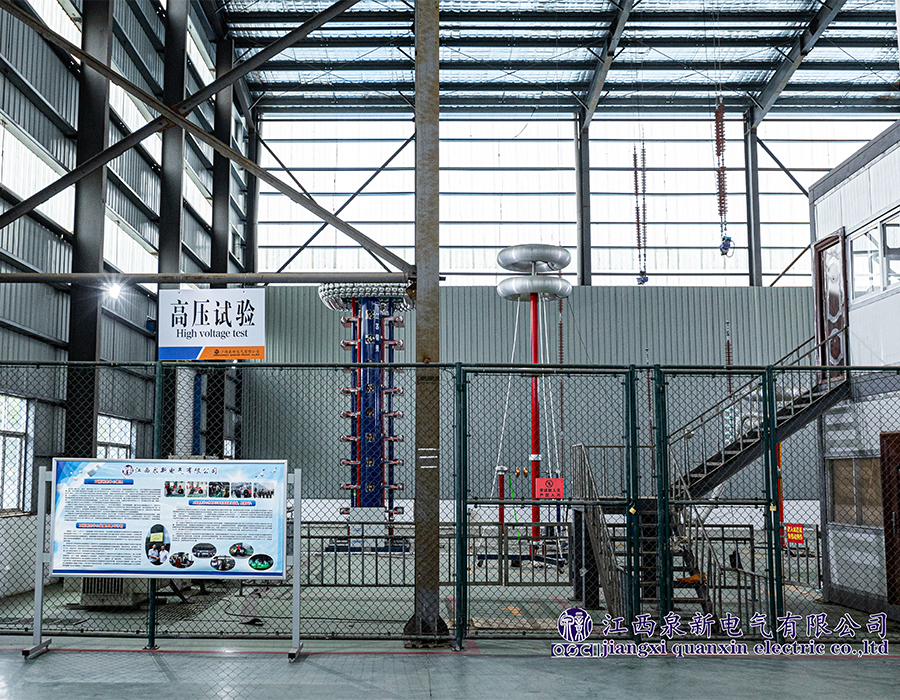
100% of manufactured units undergo power-frequency spark testing to verify zero electrical breakdown.
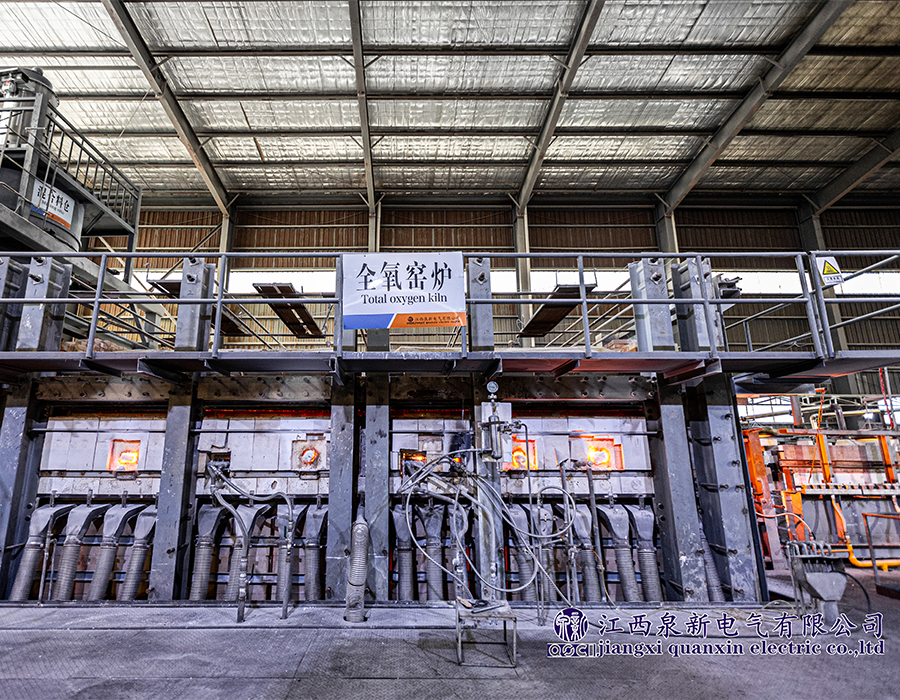
Eco-friendly high-temperature glass melting kiln minimizing carbon footprint and optimizing thermal homogeneity.
Entering the Romanian and broader European grid market requires rigorous adherence to European Committee for Electrotechnical Standardization (CENELEC) and International Electrotechnical Commission (IEC) benchmarks. All QOCI Electric ground-wire insulators destined for Bucharest and regional grid contractors come fully certified under:
We provide full factory acceptance testing (FAT) documentation, third-party type test reports (from independent KEMA/CNAS labs), and dedicated logistics support directly to job sites across Bucharest and surrounding counties.
As grid operations become smarter and increasingly automated, QOCI Electric is pioneering smart-insulator integration: incorporating built-in radio frequency identification (RFID) tags and dynamic strain sensors into the steel pin assembly.
This tech allows utility operators in Bucharest to conduct real-time asset health mapping via drone scanning, paving the way for predictive grid maintenance across Southeastern Europe.
Industry-standard cap & pin glass insulators available for prompt export to Bucharest and global power projects.
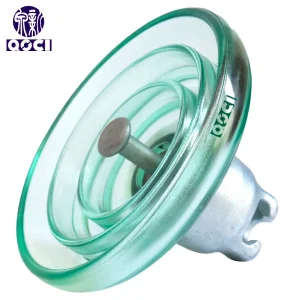
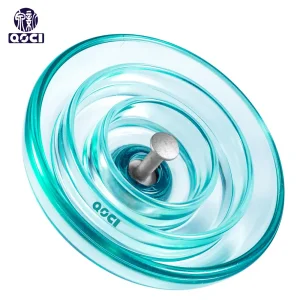
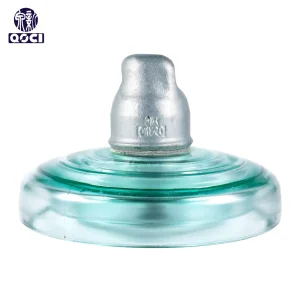
Technical guidance for EPC procurement teams, power utility engineers, and importers in the Bucharest market.
Partner with Jiangxi QOCI Electric Co., Ltd. for factory-direct toughened glass insulators engineered for the Bucharest power market and global HV transmission projects.
Send Inquiry Now