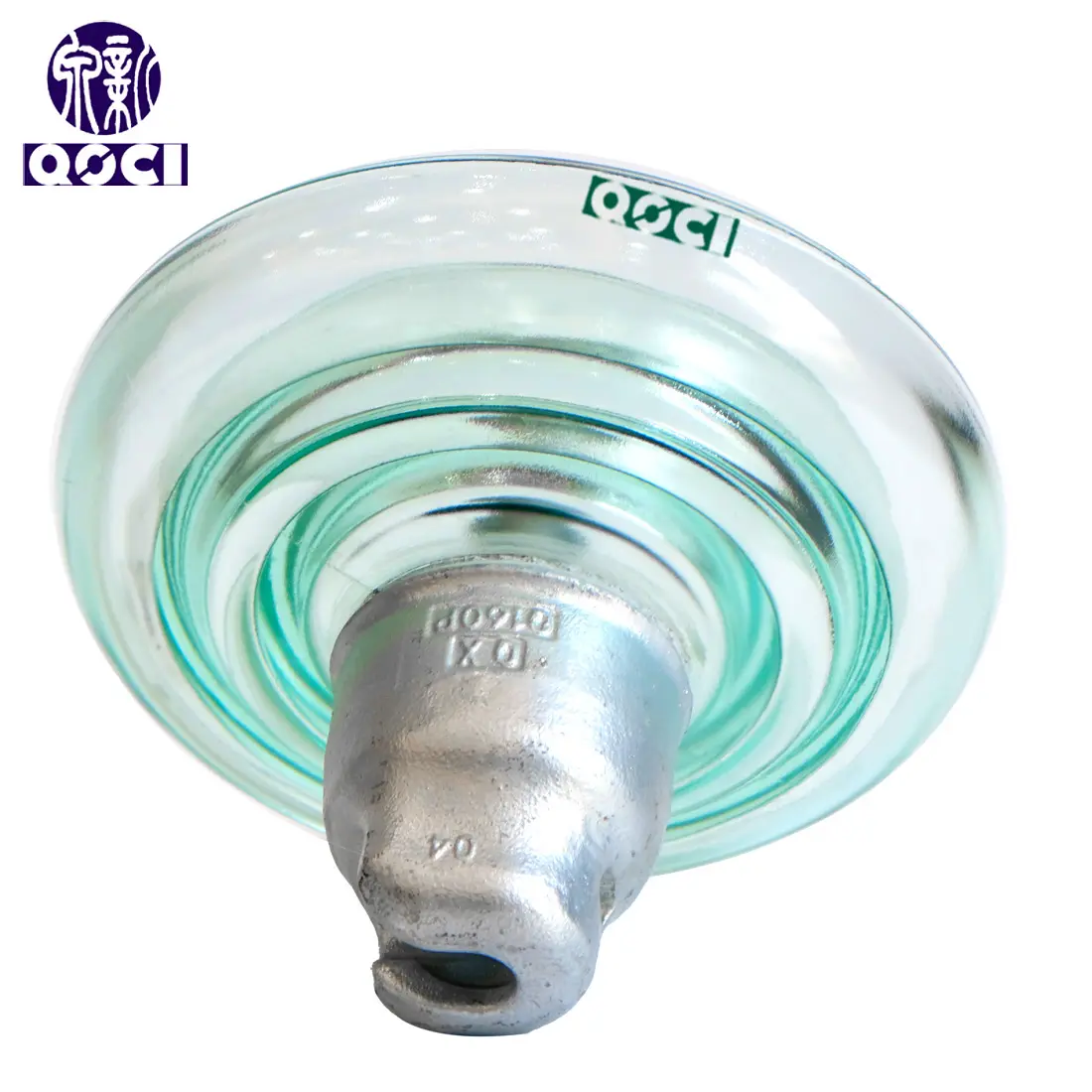
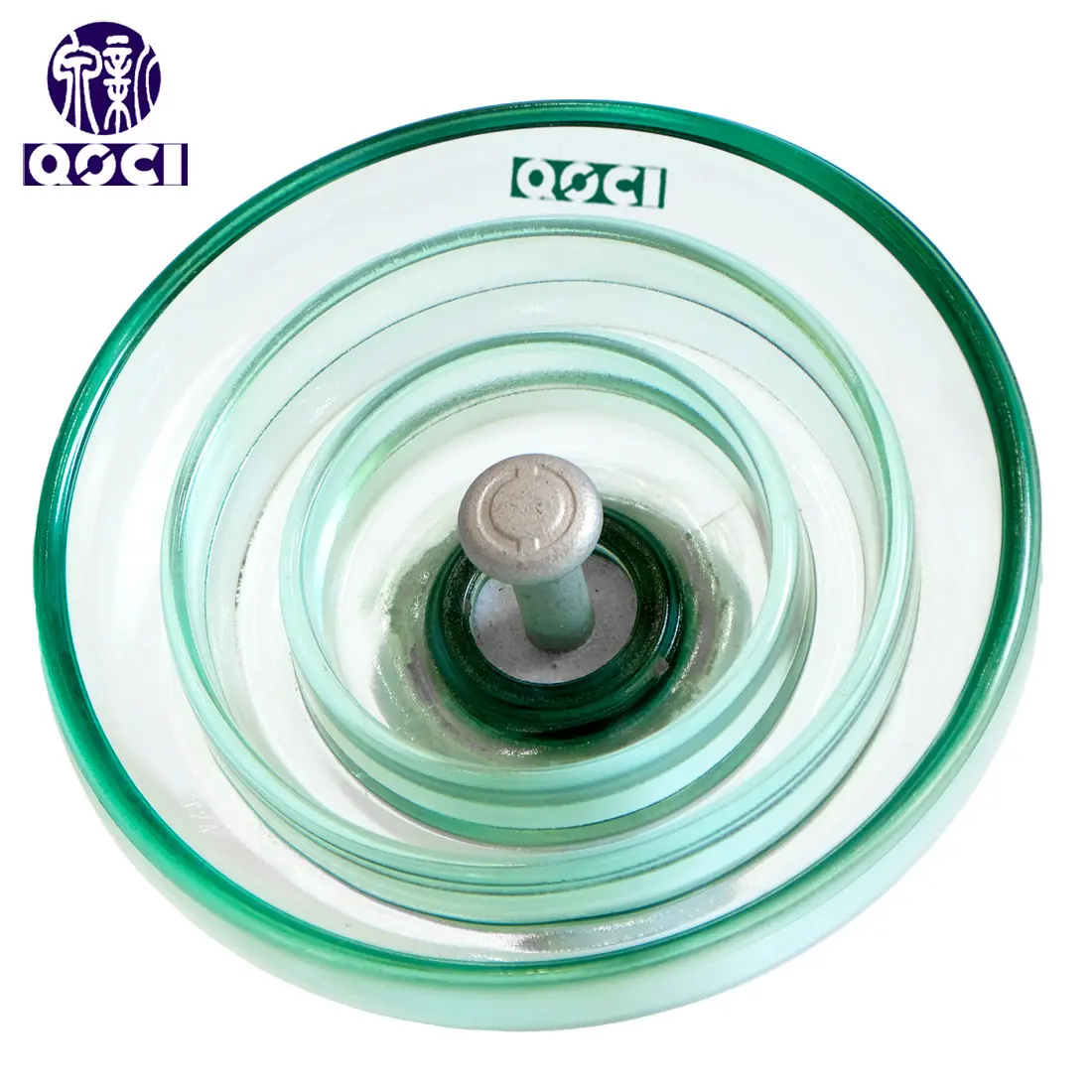
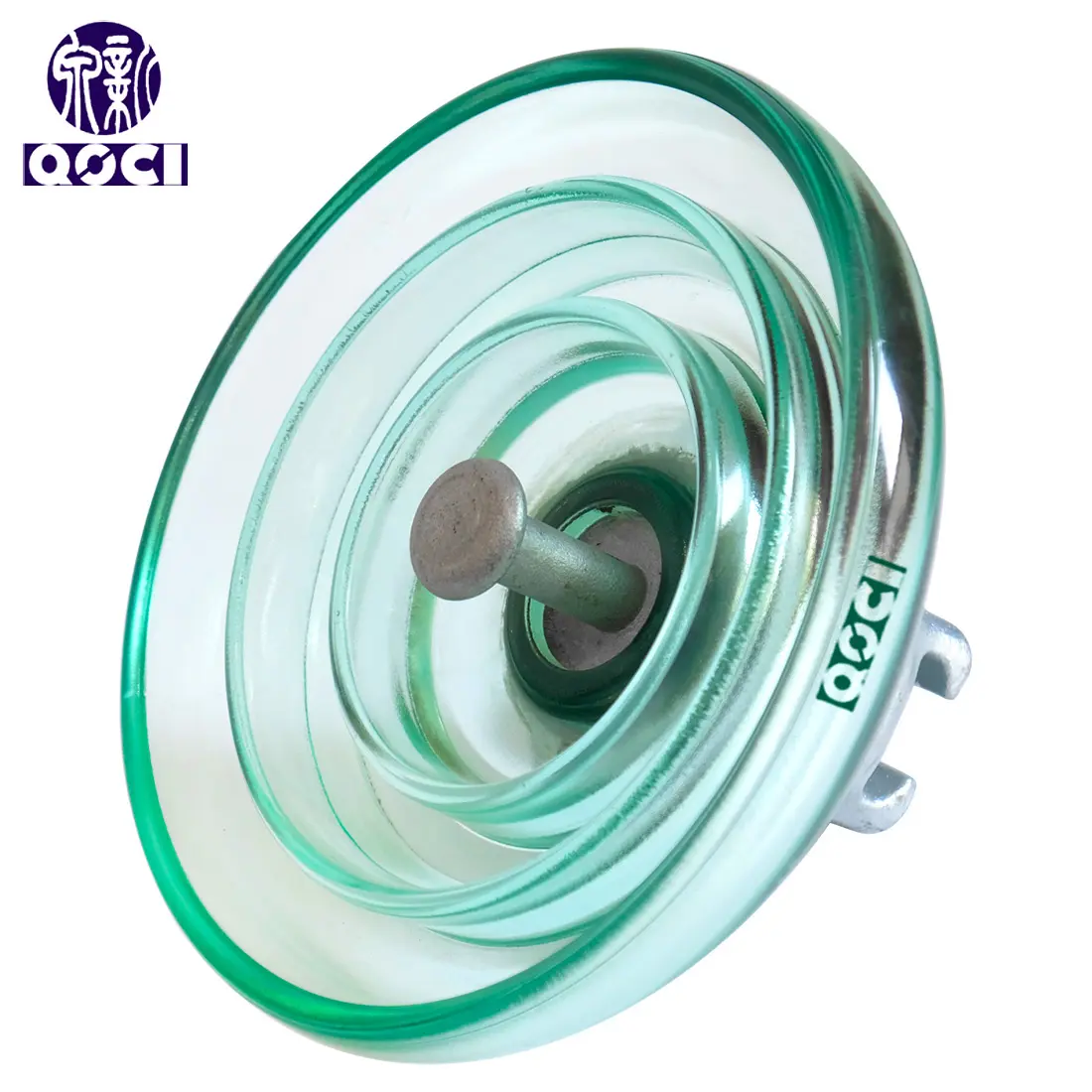
1 / 5

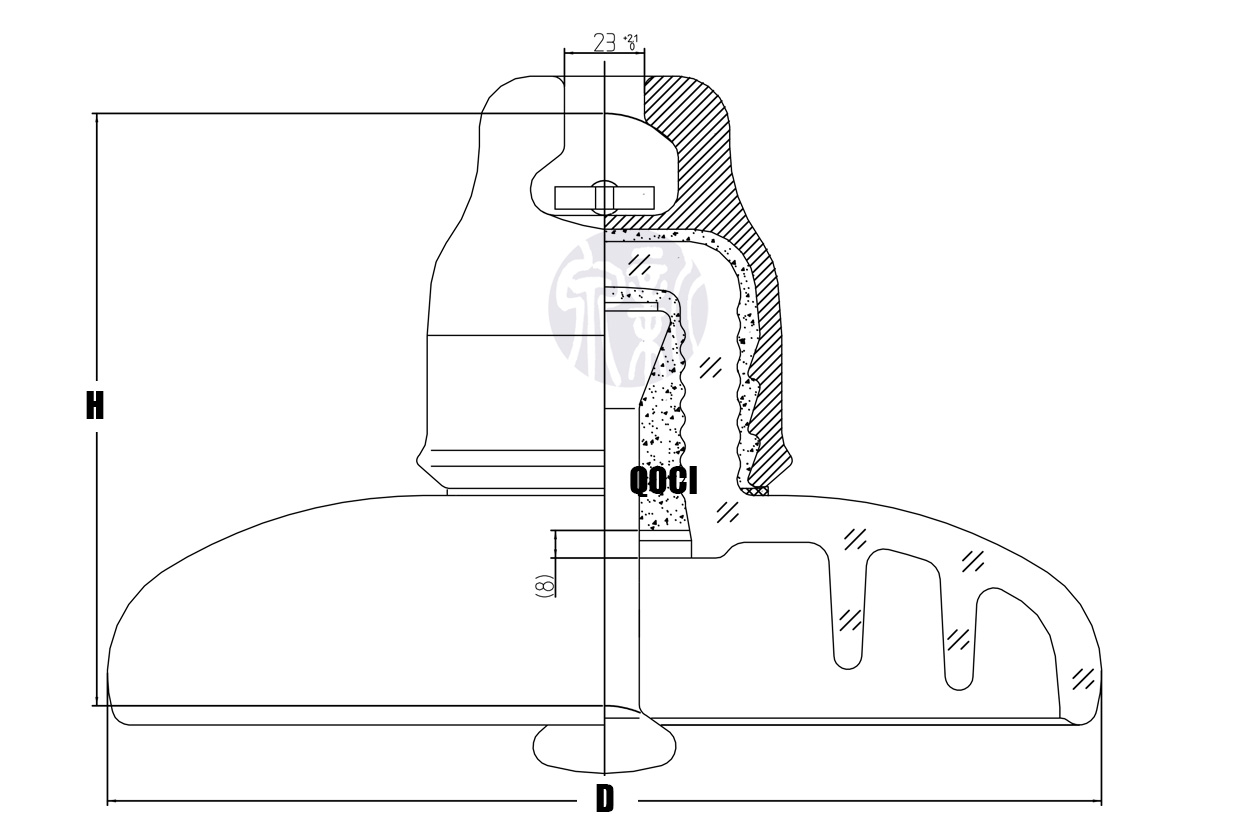
| IEC Designation | U160BS/146 | U160BM/155 | U160BL/170 | |
|---|---|---|---|---|
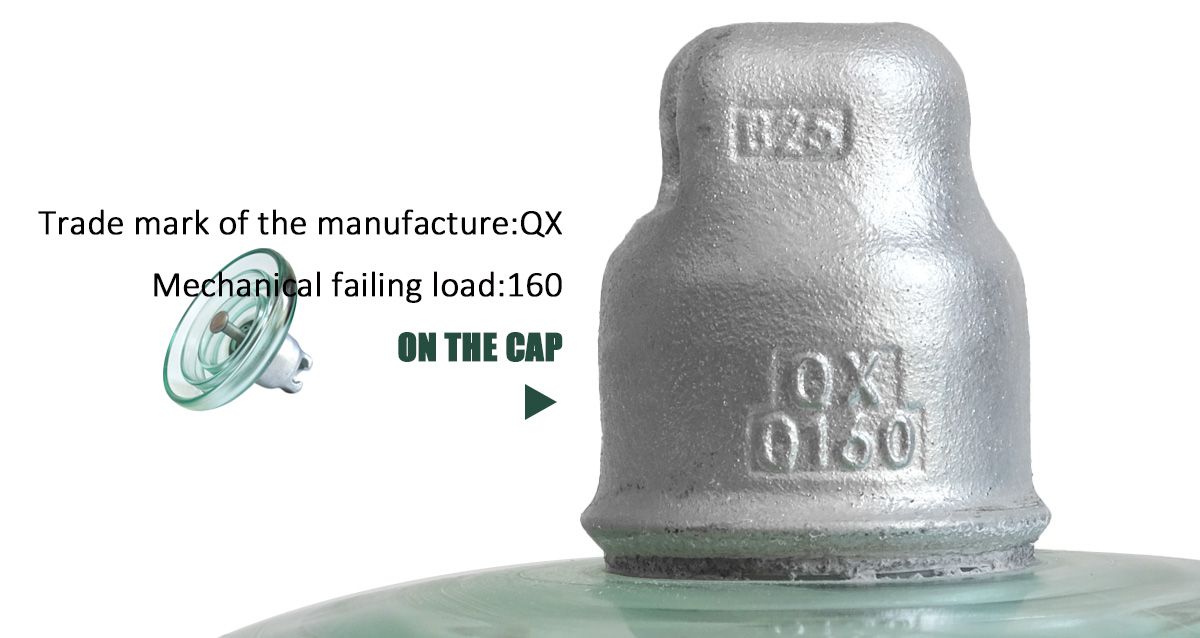
| Mechanical failing load | kN | 160 | 160 | 160 |
| Diameter D | mm | 280 | 280 | 280 |
| Height H | mm | 146 | 155 | 170 |
| Creepage distance L | mm | 400 | 400 | 400 |
| Socket coupling | mm | 20 | 20 | 20 |
| Wet power frequency withstand voltage | kV | 45 | 45 | 45 |
| Dry lightning impulse withstand voltage | kV | 110 | 110 | 110 |
| Power frequency puncture voltage | kV | 130 | 130 | 130 |
| Radio interference voltage (10kV 1MHz) | μv | 50 | 50 | 50 |
| Corona visual test | kV | 18/22 | 18/22 | 18/22 |
| Power frequency electric arc voltage | kA | 0.12s/20Ka | 0.12s/20Ka | 0.12s/20Ka |
| Impulse puncture voltage | P.U | 2.8 | 2.8 | 2.8 |
| Net weight per unit | kg | 6.5 | 6.6 | 6.7 |
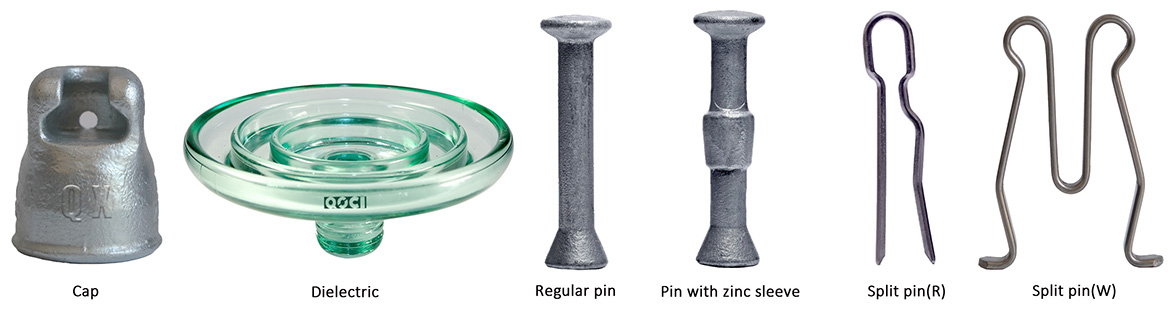
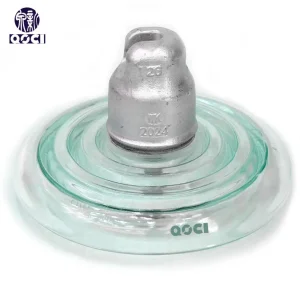
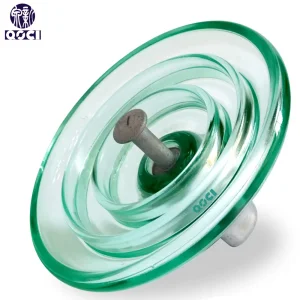
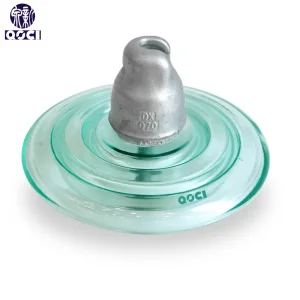
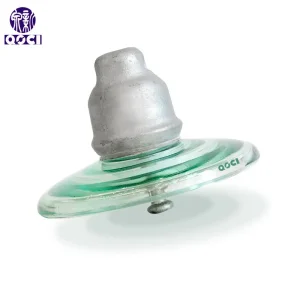
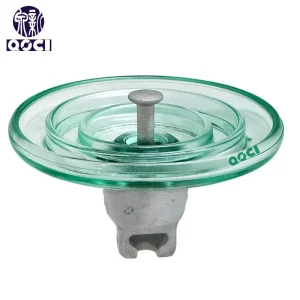
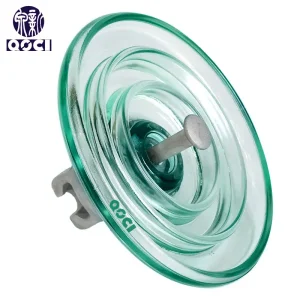
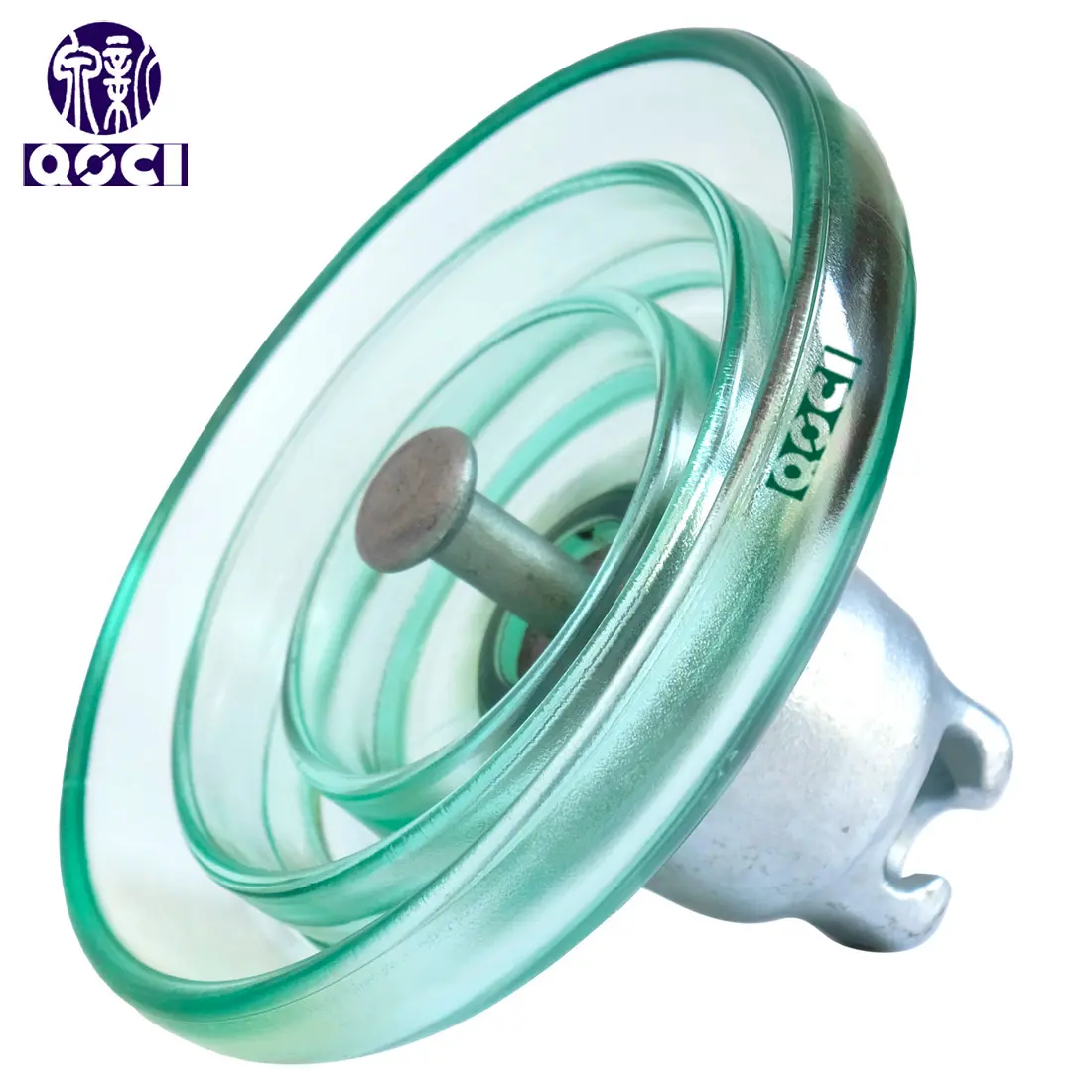
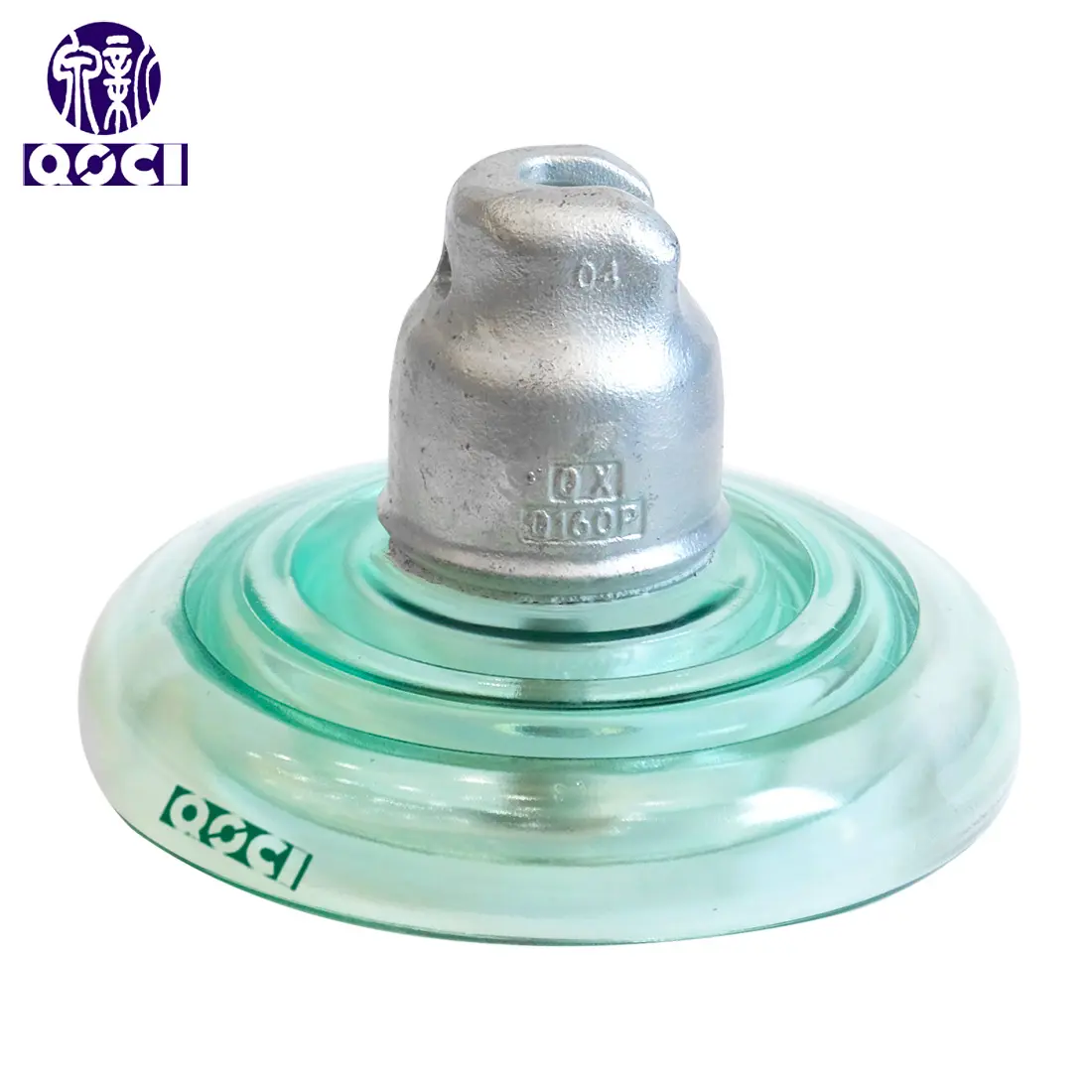
Key Elements of Suspension Insulators:
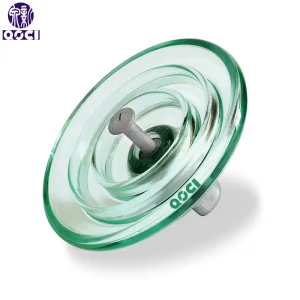
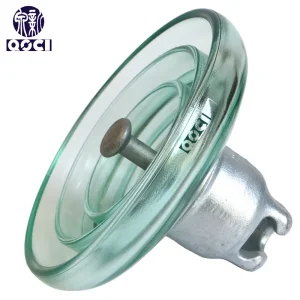
The unit is secured with a stainless steel or phosphor bronze locking device (split pin). Pins may also include an anti-corrosion zinc sleeve (sacrificial anode) for use in heavily polluted areas.
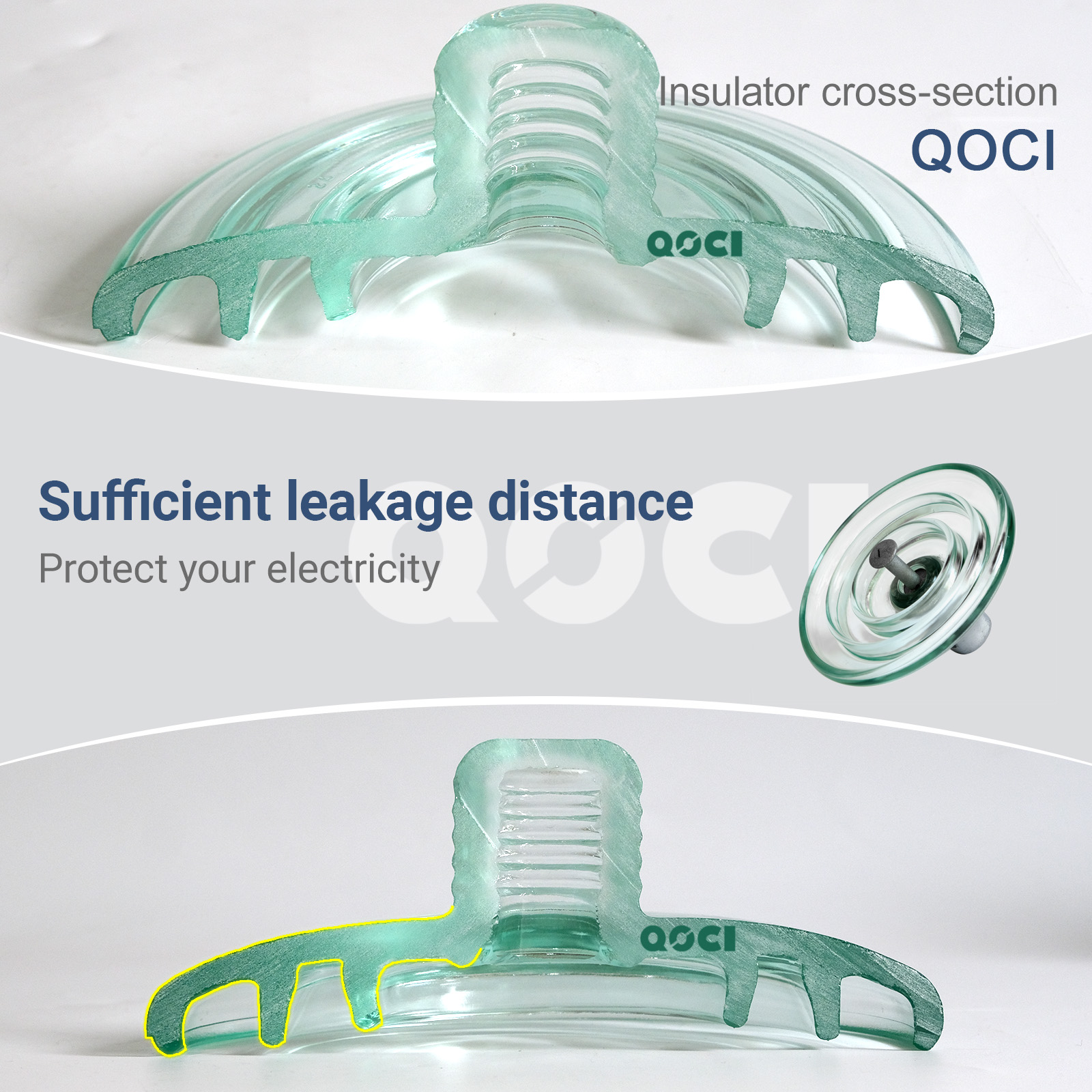
Under long-term electrical stress, contaminants can trigger local arcs, leading to insulator surface carbonization (electrocorrosion). Sufficient creep distance helps disperse electric field strength, reducing discharge risks and extending product life.