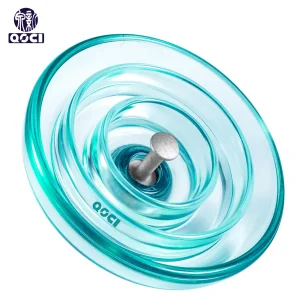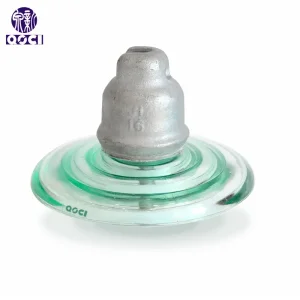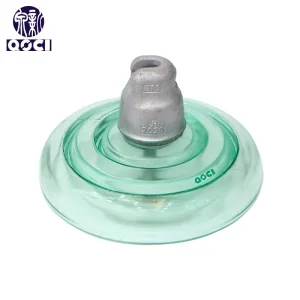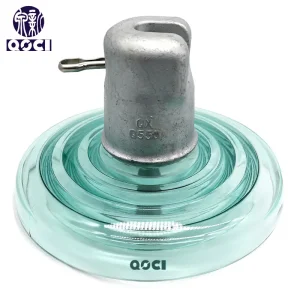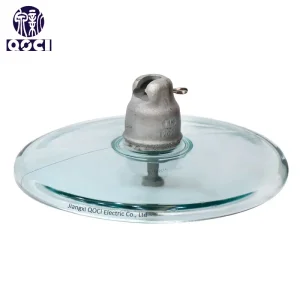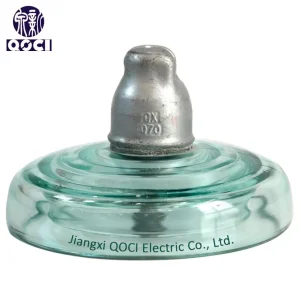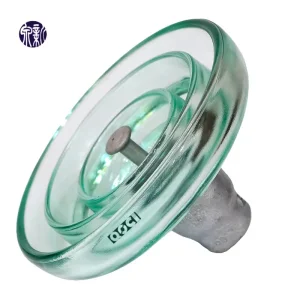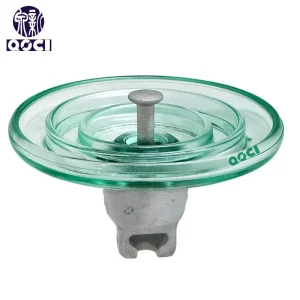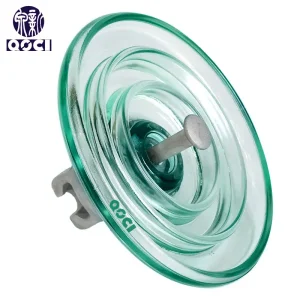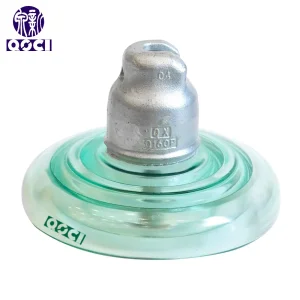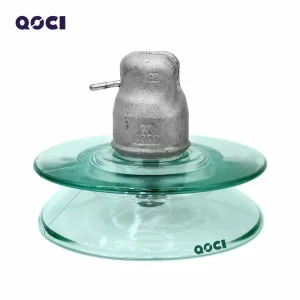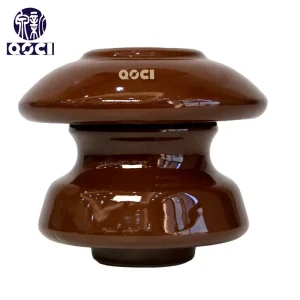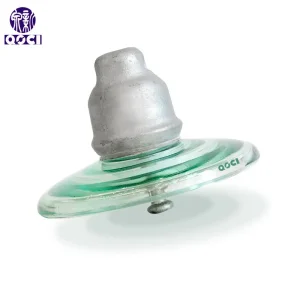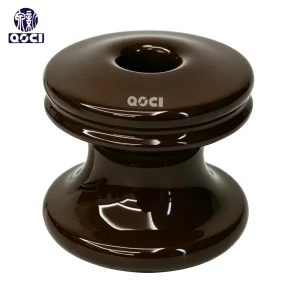
The global demand for high-voltage transmission equipment has shifted from basic functionality to extreme reliability. The Glass Insulator U100bmp (typically a 100kN mechanical failing load unit) represents the backbone of medium-to-high voltage overhead lines (66kV to 400kV). Currently, China dominates over 60% of the global production capacity, with Jiangxi QOCI Electric Co. Ltd leading the charge in technical innovation.
In Europe and North America, aging infrastructure is being replaced with toughened glass due to its "self-shattering" property upon failure, which significantly simplifies aerial inspections. In contrast, emerging markets in Southeast Asia and Africa are adopting the U100bmp standard for its resilience against high-humidity and high-temperature environments.
The toughened glass insulator industry is currently undergoing a "Material Intelligence" revolution. Key trends include:
Enhancing the silicate composition to eliminate "spontaneous breakage" caused by nickel sulfide (NiS) inclusions.
Development of "Triple-Shed" and "Aerodynamic" profiles to handle extreme salt-fog and desert pollution levels.
Self-diagnostic insulators capable of reporting structural integrity via long-range wireless protocols.
The U100bmp is not a "one-size-fits-all" solution. Its application varies significantly based on geography:
1. Coastal Regions (High Salinity): Here, we deploy the Anti-Pollution Type with extended creepage distances to prevent flashovers caused by salt deposits.
2. Desert Areas (Sand & Dust): The Open Profile/Aerodynamic Type is preferred. The absence of under-ribs prevents sand accumulation, allowing the wind to naturally clean the surface.
3. High-Altitude / Icing Areas: Double-Shed or Triple-Shed Type insulators provide extra distance between discs to prevent ice bridges from shorting the string.
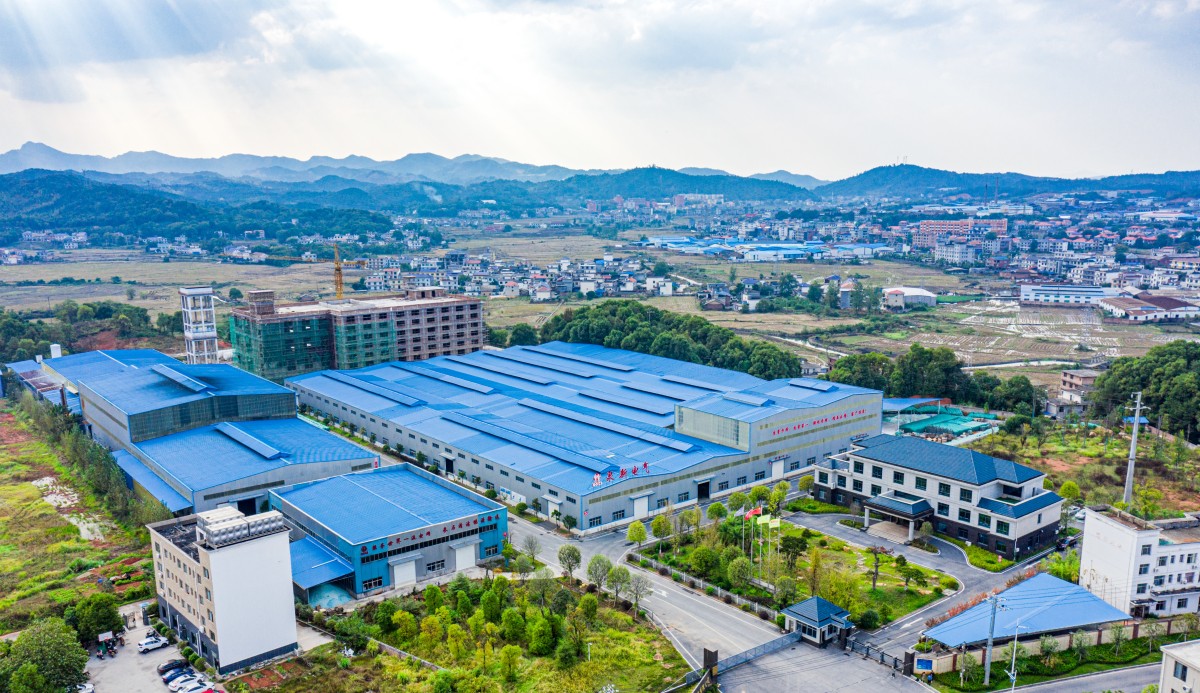
Founded in Dec. 2002, with a registered capital of 508 million Yuan. Located in Industrial Park, Luxi County, Pingxiang, Jiangxi Province. We serve the world-class power grid with dedication and actively participate in the construction of green energy.
Annual Capacity: 39,000 tons of high-strength glass insulators used in low voltage, high voltage, and UHV AC/DC transmission lines.
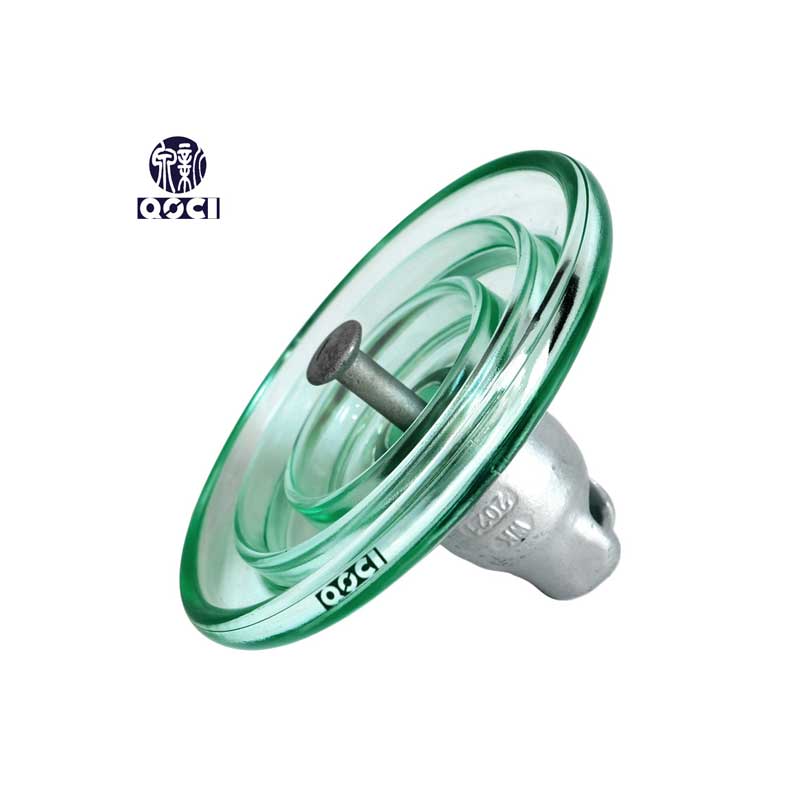
Standard Profile: Higher leakage distance than IEC 60305. Shallow ribs for wind/rain self-cleaning.
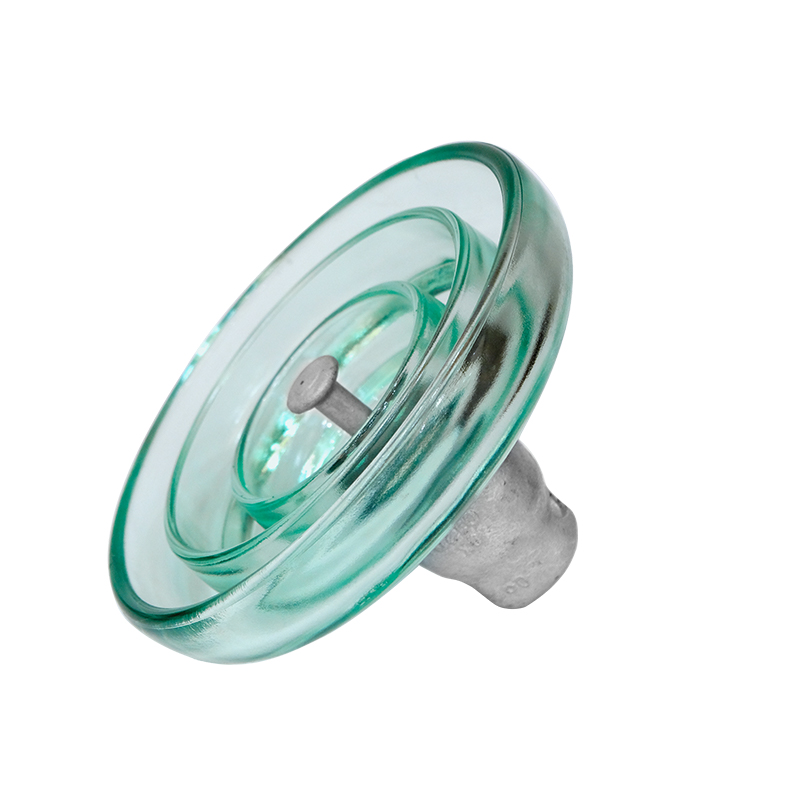
Anti-fog Profile: Widely-spaced under-ribs to avoid arc bridging. Ratio of ~3.2 leakage/spacing.
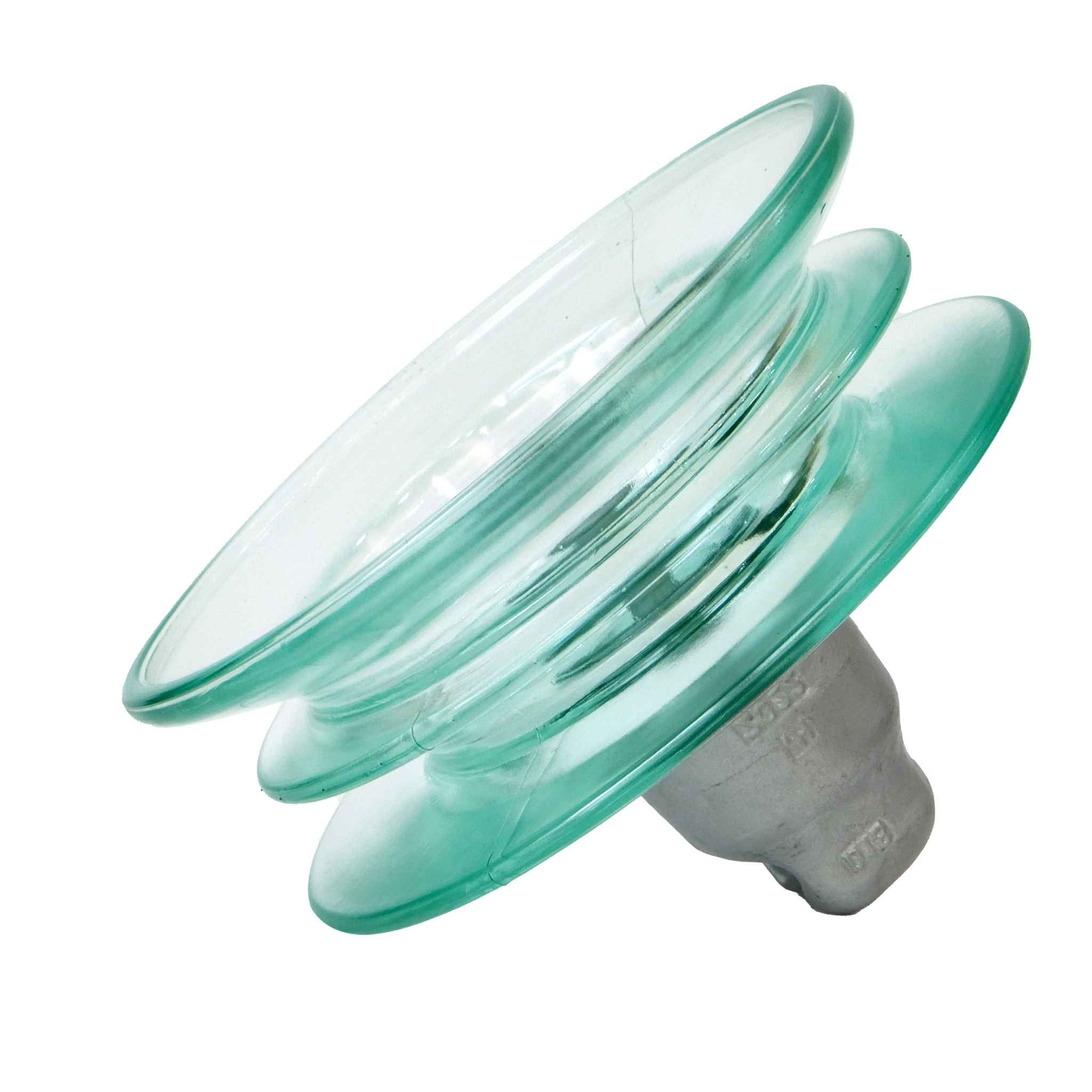
Triple-Shed Type: Three layers of umbrella discs for maximum creepage in heavily polluted areas.
We provide end-to-end insulation coordination services for national grids:
A: Toughened glass offers "Automatic Fault Indication." Unlike porcelain, which can have internal punctures that are invisible to the eye, a glass insulator will shatter into small chunks if its dielectric or mechanical integrity is compromised, making it easy for maintenance crews to spot from the ground.
A: Yes, our U100bmp series is designed and tested according to IEC 60305, IEC 60383, and equivalent ANSI standards. We provide full type test reports from accredited third-party laboratories.
A: Our toughened glass undergoes rigorous thermal shock testing (typically 70°C to 0°C cycles) to ensure stability in climates ranging from -40°C to +50°C.
The core expertise of a premier U100bmp glass insulator factory lies in the "Toughening Process." At Jiangxi QOCI, glass discs are heated to approximately 700°C and then rapidly cooled by high-pressure air jets. This process creates a permanent state of compression on the surface and tension in the core.
Impact Resistance: This stress distribution makes our glass 4-5 times stronger than annealed glass. Even if the glass is struck by a physical projectile or a high-energy power arc, the internal stresses cause it to fragment into small, non-sharp granules rather than large shards. This ensures that the mechanical load (up to 100kN) is still maintained by the "stub" (the internal cap and pin assembly), preventing the transmission line from falling to the ground.
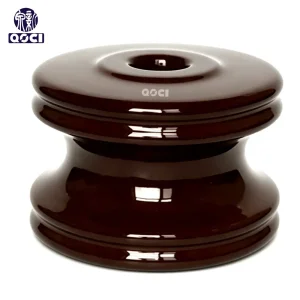
Dielectric Strength: Glass is a homogeneous material. Unlike porcelain, which can have internal voids or "porosity" during the firing process, glass is melted into a liquid state, ensuring a perfectly uniform dielectric barrier. This results in a higher puncture voltage per unit of thickness.
Our Jiangxi facility utilizes state-of-the-art Forming Presses and Mixers. However, the true difference is in the testing: