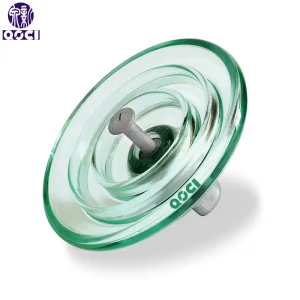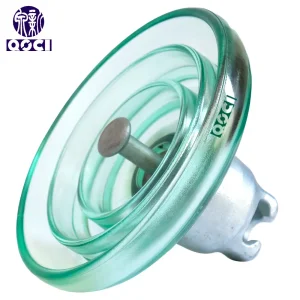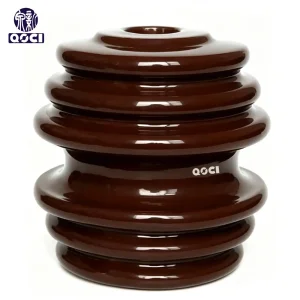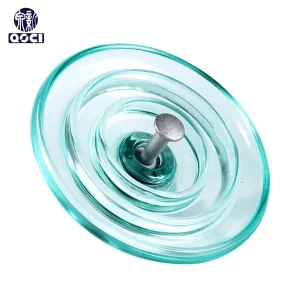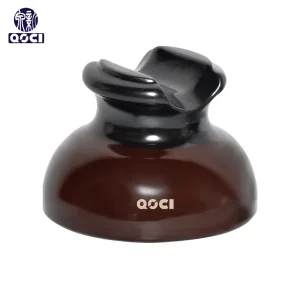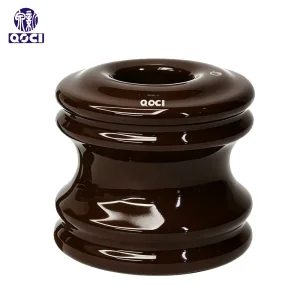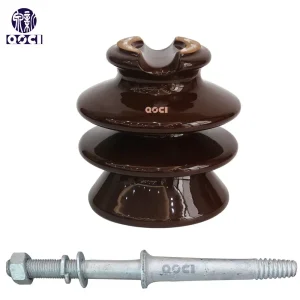
Explore our premium product portfolio engineered to withstand extreme mechanical loads and high voltage surges.
Analyzing the performance of U70BL (CTV 254) in modern ultra-high voltage power distribution networks.
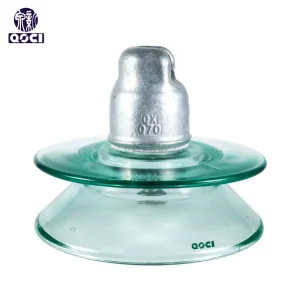
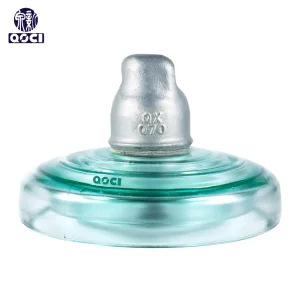
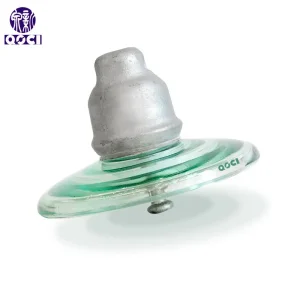
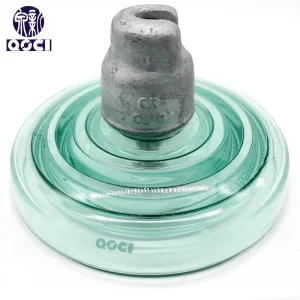
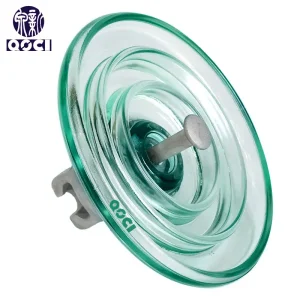
In global high-voltage grids, insulation reliability dictates total system uptime. The U70BL Toughened Glass Suspension Insulator represents a milestone in structural and materials engineering. Designed under stringent international standards like IEC 60305 and ANSI C29.2B, the U70BL designation stands for specific technical parameters: 'U' signifies a cap and pin suspension insulator unit, '70' details the rated electromechanical failing load of 70 kN, and 'B' refers to the ball connection type (typically a standard 16mm ball connection), with 'L' denoting the standard disk profile.
The equivalent designation CTV 254 (commonly used in French-speaking and European grid tenders under "Isolator En Verre") features a leakage distance of 320mm and a nominal spacing height of 146mm. This mechanical rating is engineered specifically for sub-transmission lines ranging from 33kV to 220kV, as well as grounding wire insulation on ultra-high voltage (UHV) systems.
Toughened glass insulators undergo a specialized thermal tempering treatment that induces a permanent compressive stress layer on the glass surface. This tempering process delivers several structural benefits:
Toughened glass exhibits a unique "shatter-but-not-drop" mechanical safety profile. In the event of an electrical puncture or severe mechanical impact, the glass shell shatters into tiny, non-sharp pieces, leaving the steel cap and pin string intact. This visual "zero-value" failure mode allows maintenance helicopters and ground crews to immediately spot damaged units without complex instruments.
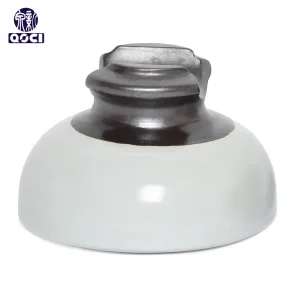
Unlike porcelain which can suffer from micro-cracking and internal moisture absorption over time, or composite insulators that degrade under UV radiation, toughened glass maintains its dielectric properties indefinitely. Its surface does not support microbial growth, and is highly resistant to industrial acids and ambient chemical pollutants.
The smooth, non-porous glass glaze minimizes dirt accumulation. During wind and rain events, the shallow under-ribs of standard profile insulators are washed clean naturally. Under high contamination, RTV (Room Temperature Vulcanization) silicone-coated glass variants provide advanced water repellent properties, eliminating leakage currents.
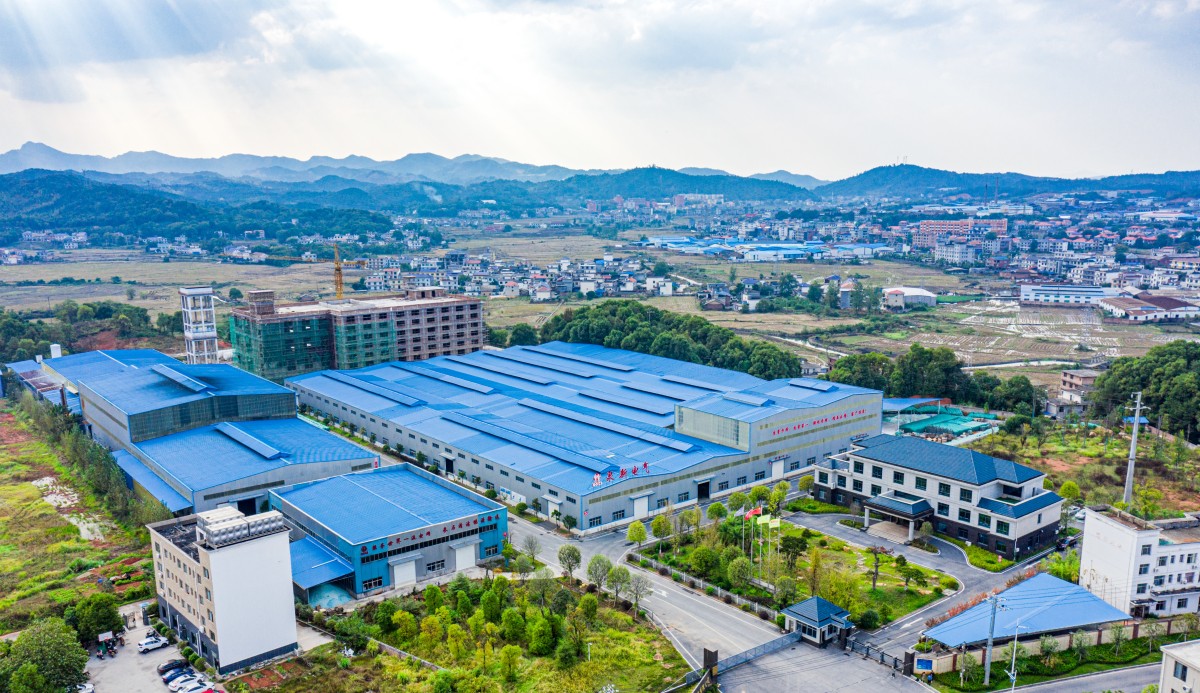
Established in December 2002 with a registered capital of 508 million Yuan, Jiangxi QOCI Electric Co. Ltd has positioned itself at the forefront of the global high-voltage insulator industry. Operating a state-of-the-art facility in the Luxi County Industrial Park, Pingxiang, Jiangxi Province, our manufacturing complex spans 70,000 square meters. By integrating automated oxygen-fuel combustion kilns, robotic hydraulic presses, and high-frequency acoustic testing lines, we maintain global supply chain resilience.
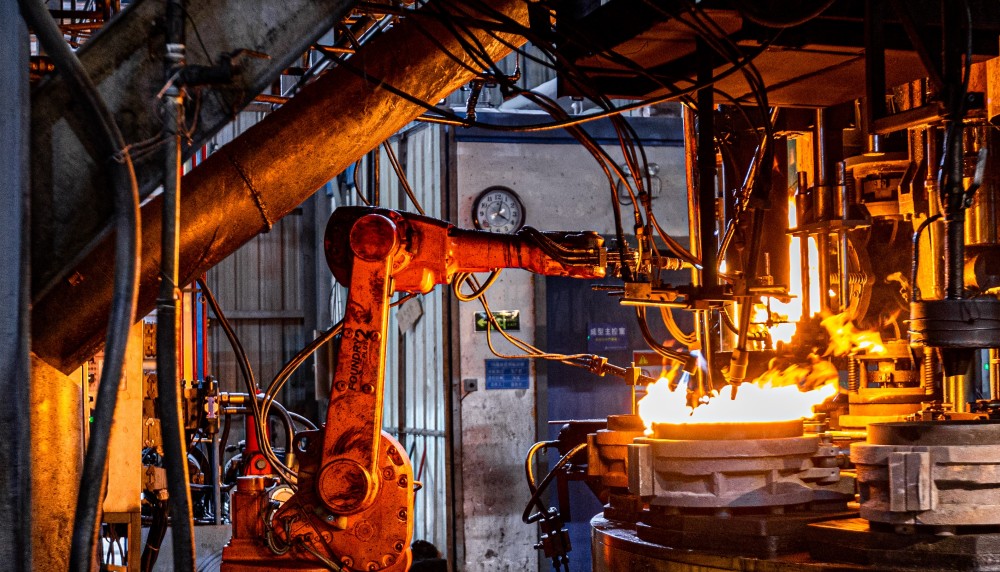

Through continuous investments in process engineering, our plant utilizes automated lines where raw quartz sand, feldspar, and sodium carbonate are melted under computerized temperature profiles to eliminate air bubble inclusions. Our strict Quality Management protocols conform to ISO 9001, ISO 14001, and ISO 45001 standards.
Grid environments vary from saline coastlines to dry desert dunes. Select the profile tailored for your specific grid coordinates.
The leakage distance is higher than the base values indicated for standard insulators in IEC 60305. The insulation part is designed with shallow, well-spaced small ribs, optimized for self-cleaning by wind or rain in standard temperate zones.
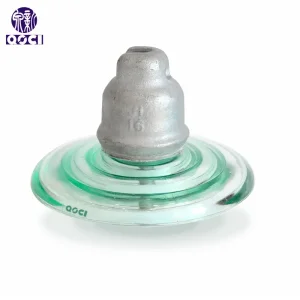
Characterized by long, deeply grooved, and widely-spaced under-ribs to prevent arc bridging between adjacent ribs. Features a high leakage-to-spacing ratio (~3.2), proving highly effective in salt fog and heavy chemical environments.
Marked by the absence of under-ribs and an extended disk diameter to prevent the accumulation of solid particles (sand, industrial dust). Ideal for desert areas with infrequent rain and strong winds, preventing ice bridging.
Features two distinct external ribs that reduce pollution buildup while facilitating easy manual cleaning. Engineered to perform reliably in extreme industrial air pollution and saline soil zones.
Characterized by three separate layers of umbrella discs on the insulation body. Highly suited for UHV (Ultra-High Voltage) lines in humid regions, offering superior flashover resistance under dense fog.
Links steel pins and flanges directly to grounding wires. Designed to guide lightning strikes and transient fault currents safely to the ground, protecting expensive transformers and terminal assets.
Coated with Room Temperature Vulcanization silicone containing high-performance mineral fillers. Combining the mechanical strength of toughened glass with the extreme hydrophobicity of composite insulators.
Our products are mainly high-strength glass insulators used in low voltage, high voltage, ultra-high voltage, extra-high voltage AC (DC) electric transmission lines.
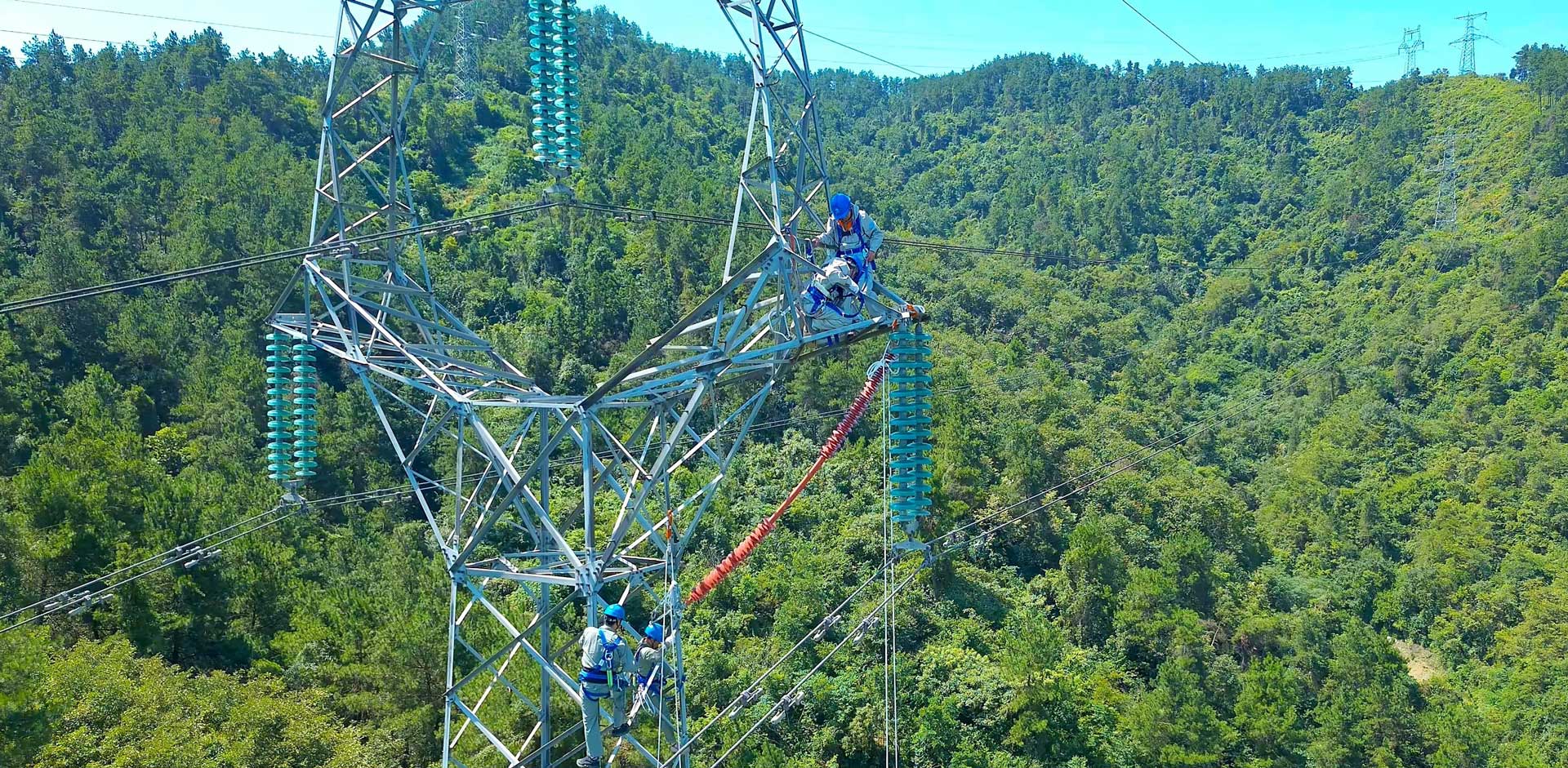
Ensuring uninterrupted transmission across high-altitude mountain corridors, coastal zones, and arid regions prone to temperature swings.
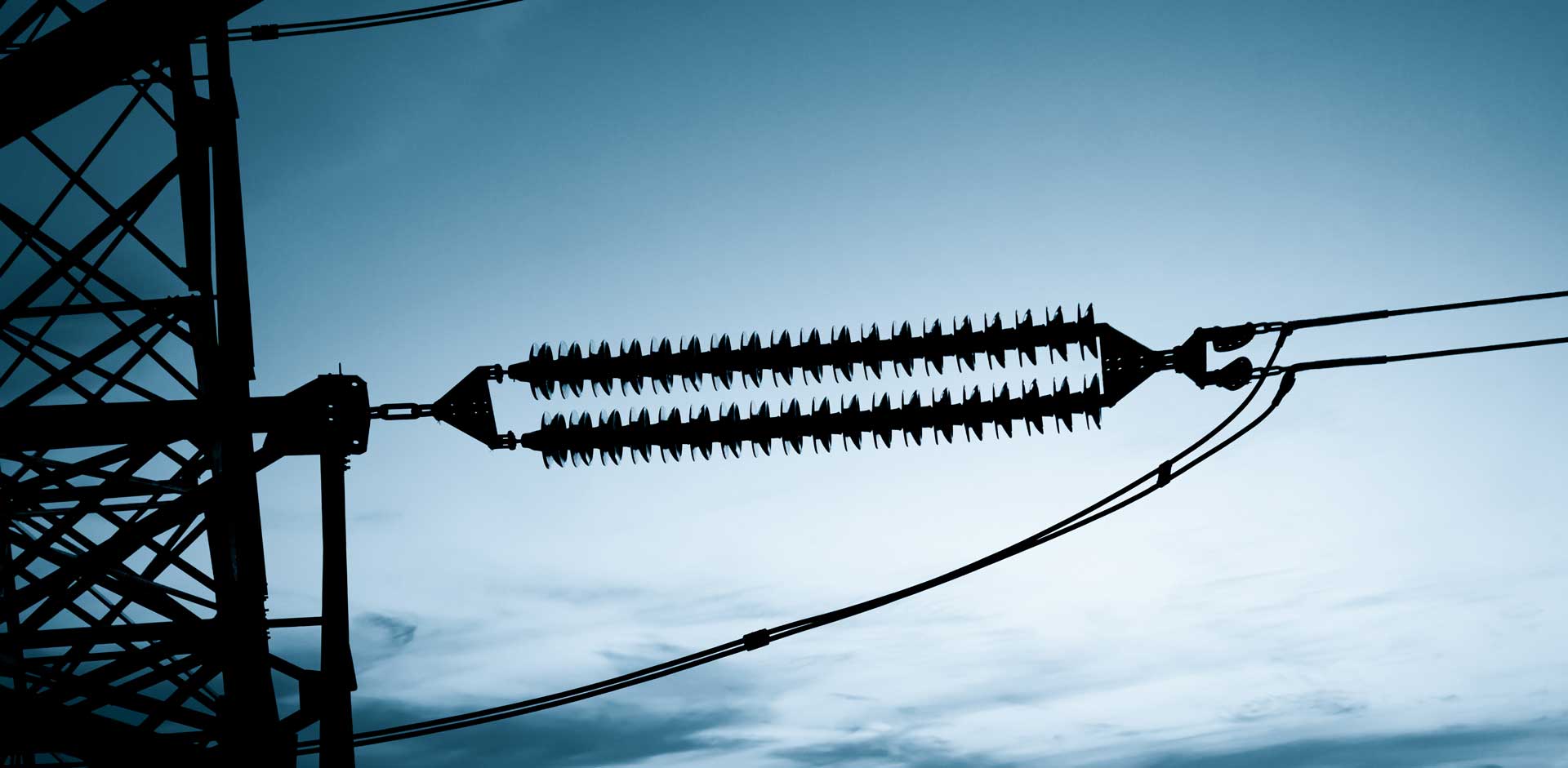
Supporting overhead transmission links and sub-station dead-end configurations from 11kV to 1000kV HVAC and HVDC networks.
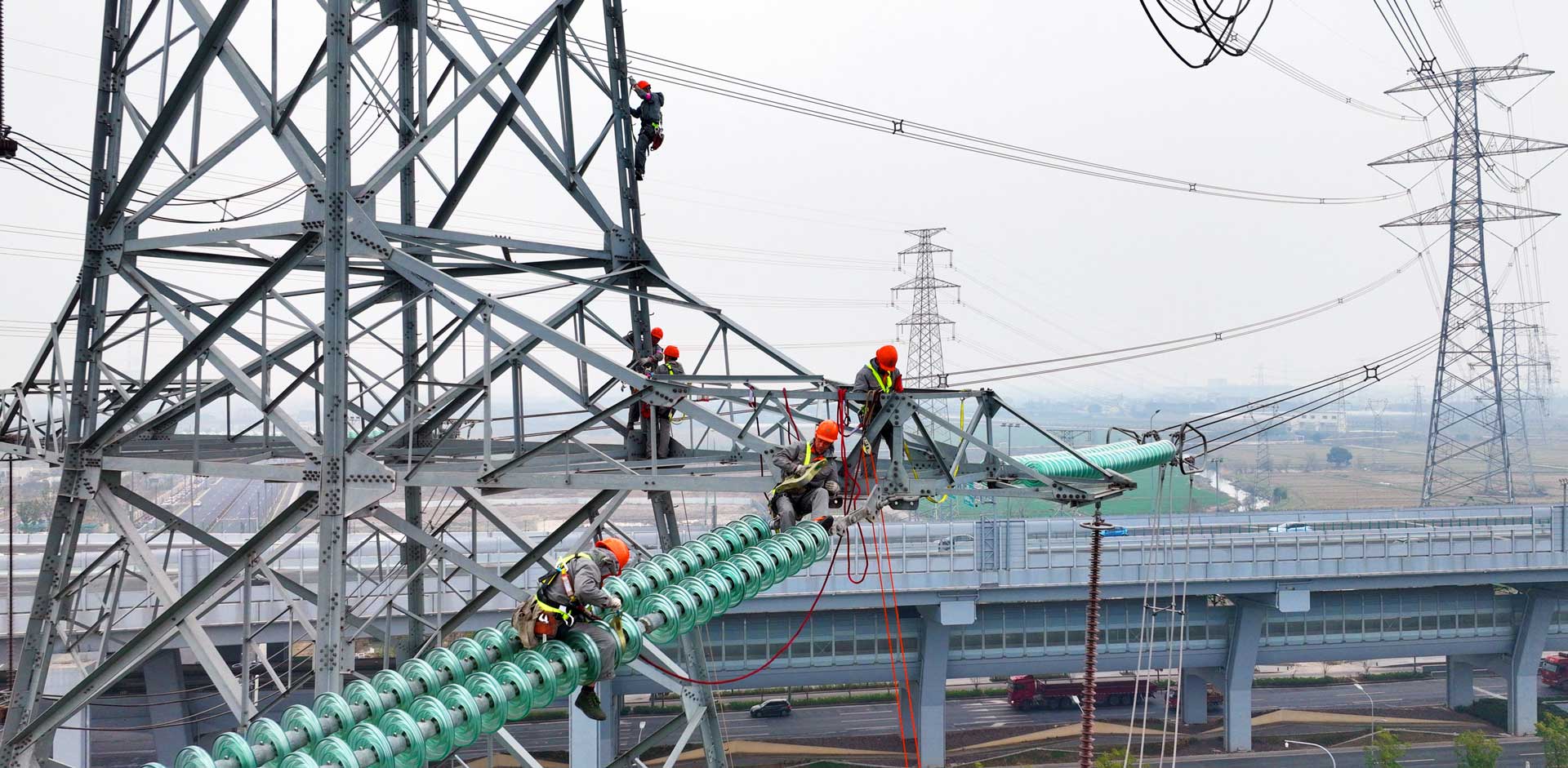
Delivering high mechanical creep resistance to maintain cable tension and clearances under heavy wind and physical load stresses.
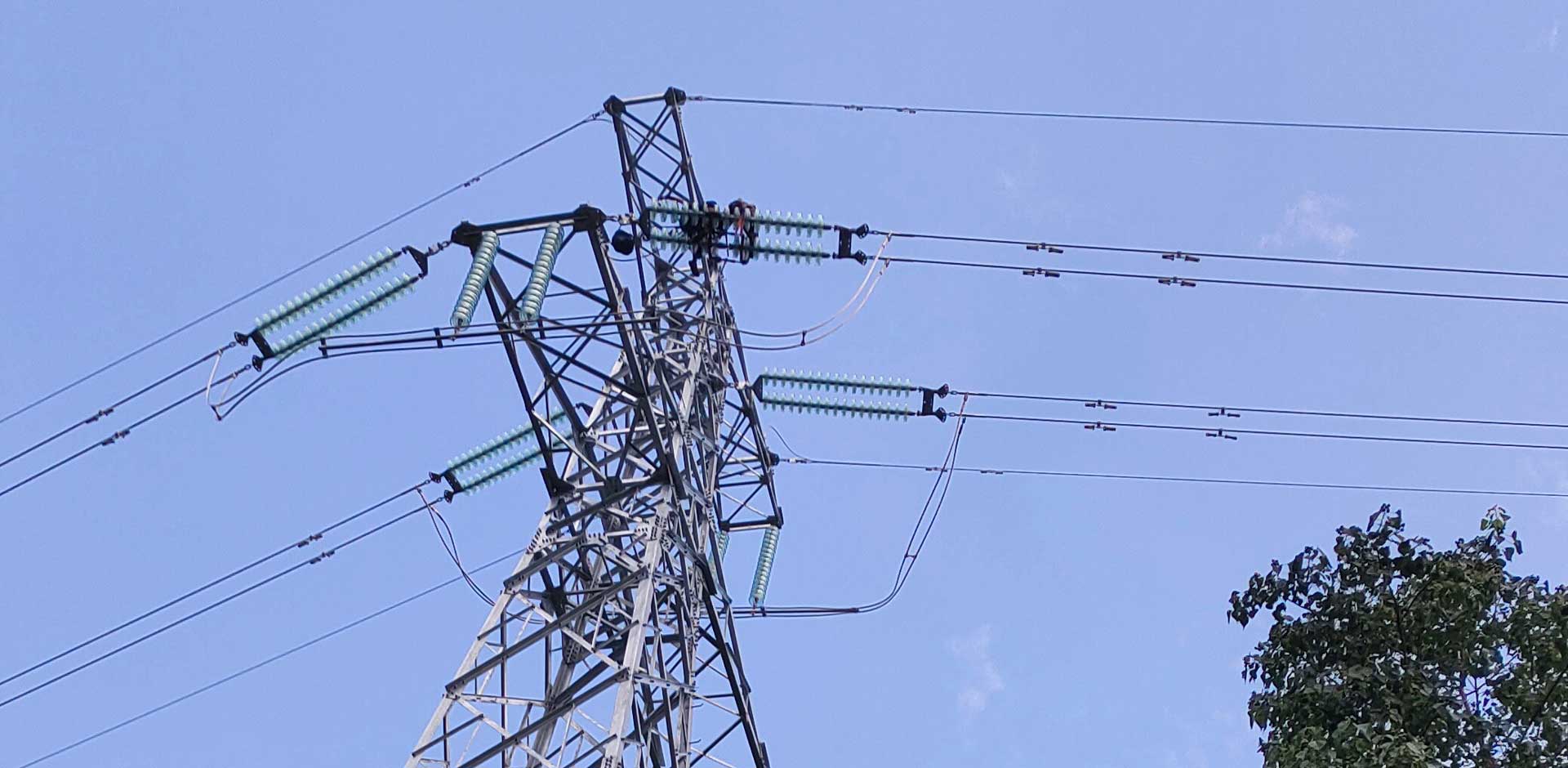
Applied in heavy industrial corridors, petrochemical processing plants, railway electrification networks, and harbor infrastructure.
A behind-the-scenes look at our production floor, where raw materials are transformed into certified high-voltage insulators.
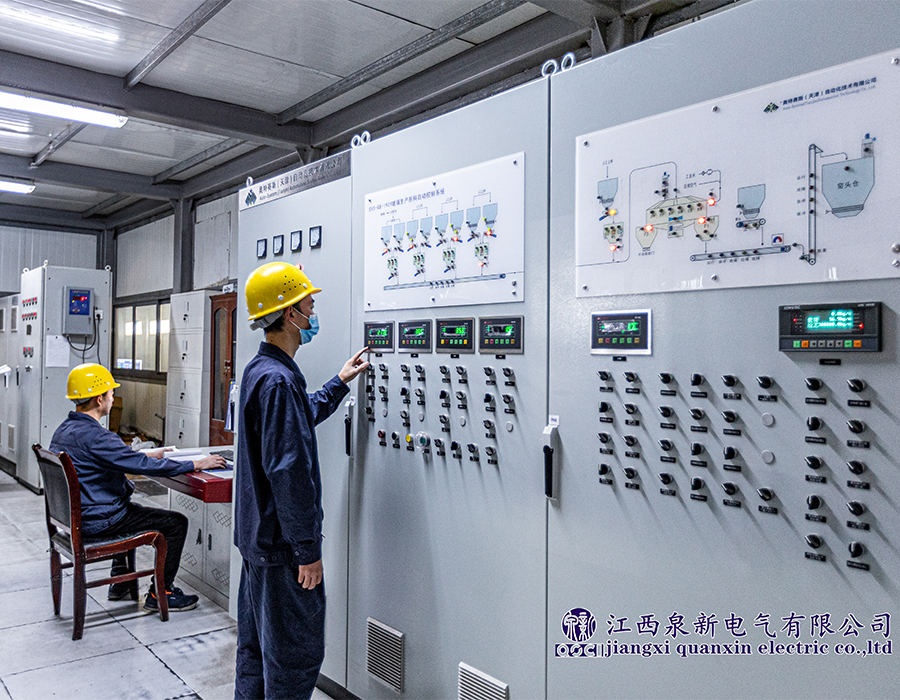
Precision batching of high-grade quartz sand, soda ash, and calcium compounds to guarantee chemical purity and structural uniformity.
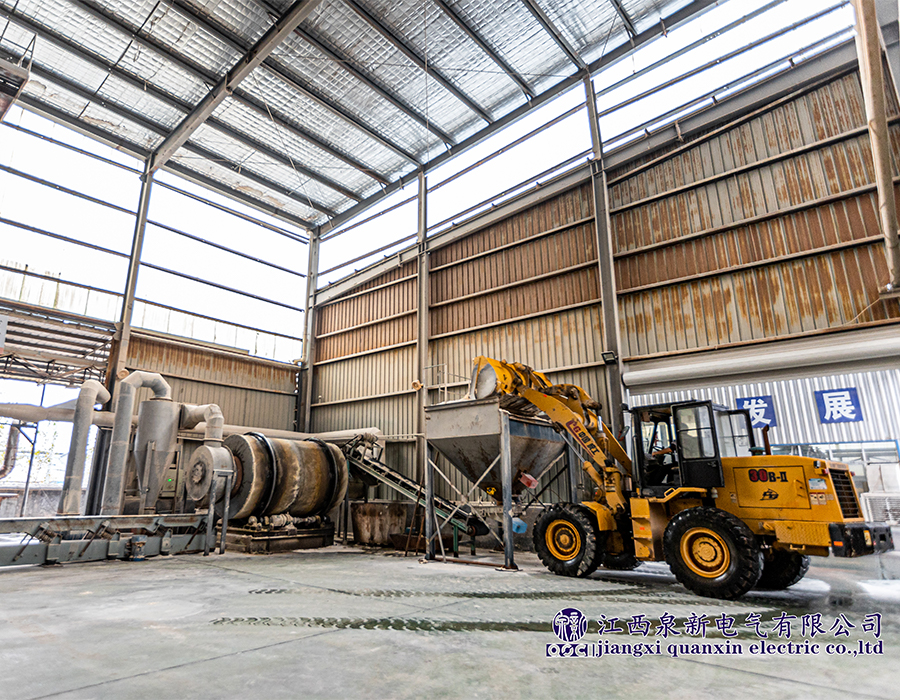
Computerized homogenizers ensure consistency throughout the chemical batch before feeding the raw mixture into the kiln.
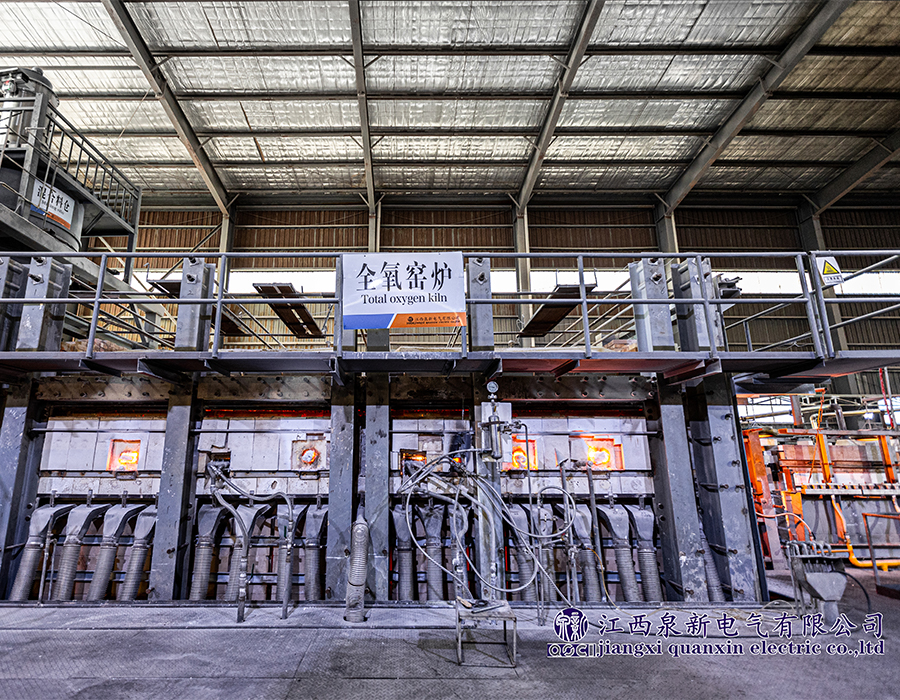
Eco-friendly combustion melting at temperatures above 1500°C, reducing emissions while eliminating internal structural bubbles.
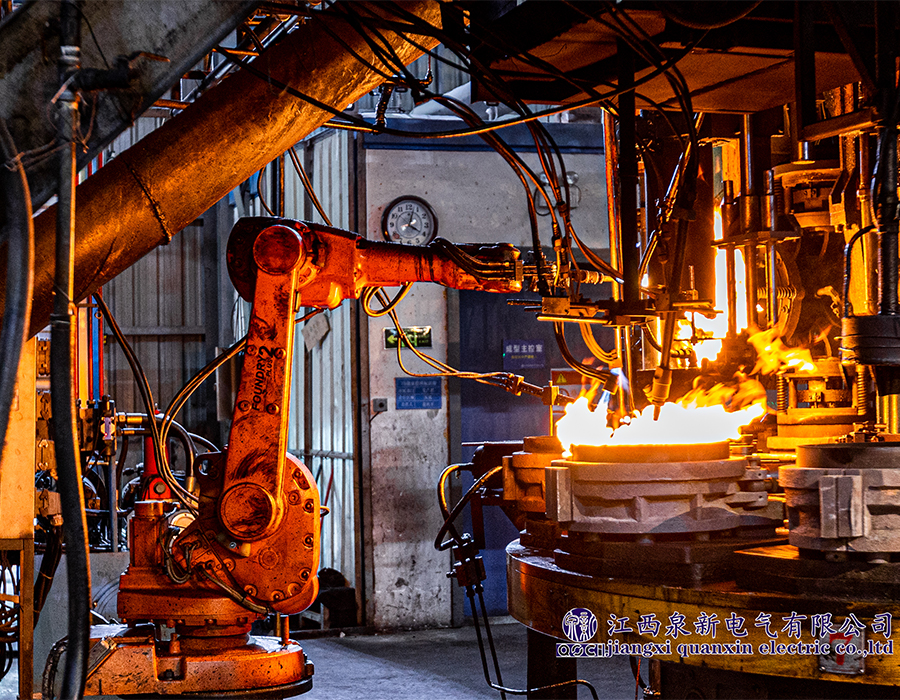
Molten glass drops are pressed into shape and quickly cooled to freeze outer surface molecules, generating compressive stress.
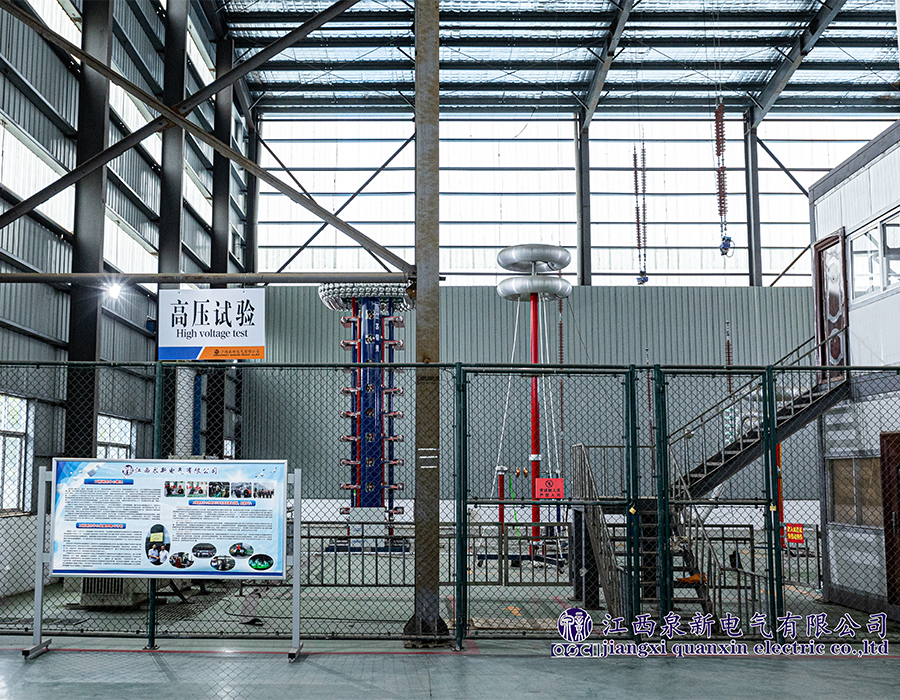
Every batch undergoes steep-front impulse, thermal-shock cycle, and electromechanical failing load verification tests.
Industry insights into how regional grid expansions affect technical specifications for glass insulators.
As governments globally push to hit carbon-neutral targets, power grids must connect remote renewable generation sites (such as offshore wind farms or desert solar fields) to urban centers. These long-distance transmission lines rely on Ultra-High Voltage Alternating Current (UHVAC) and Ultra-High Voltage Direct Current (UHVDC) systems, where insulator quality determines line stability.
Toughened glass insulators are preferred for these corridors due to their high residual mechanical strength. Even if a glass shell is shattered, the remaining inner core can sustain loads up to 1.5 times the rated load, keeping the wire in place and preventing catastrophic line drops.
Modern procurement managers look beyond base unit pricing, evaluating supplier engineering capacity, volume capabilities, and delivery reliability. China's industrial hubs, particularly the Pingxiang region in Jiangxi, offer strong supply chain vertical integration. From access to raw high-purity quartz mines to advanced steel casting foundries for caps and pins, Chinese factories maintain fast turnaround times. QOCI Electric's annual output of 39,000 tons allows us to fulfill large-scale utility grid contracts within tight construction windows.
Technical answers to common engineering and sourcing questions about U70BL glass suspension insulators.
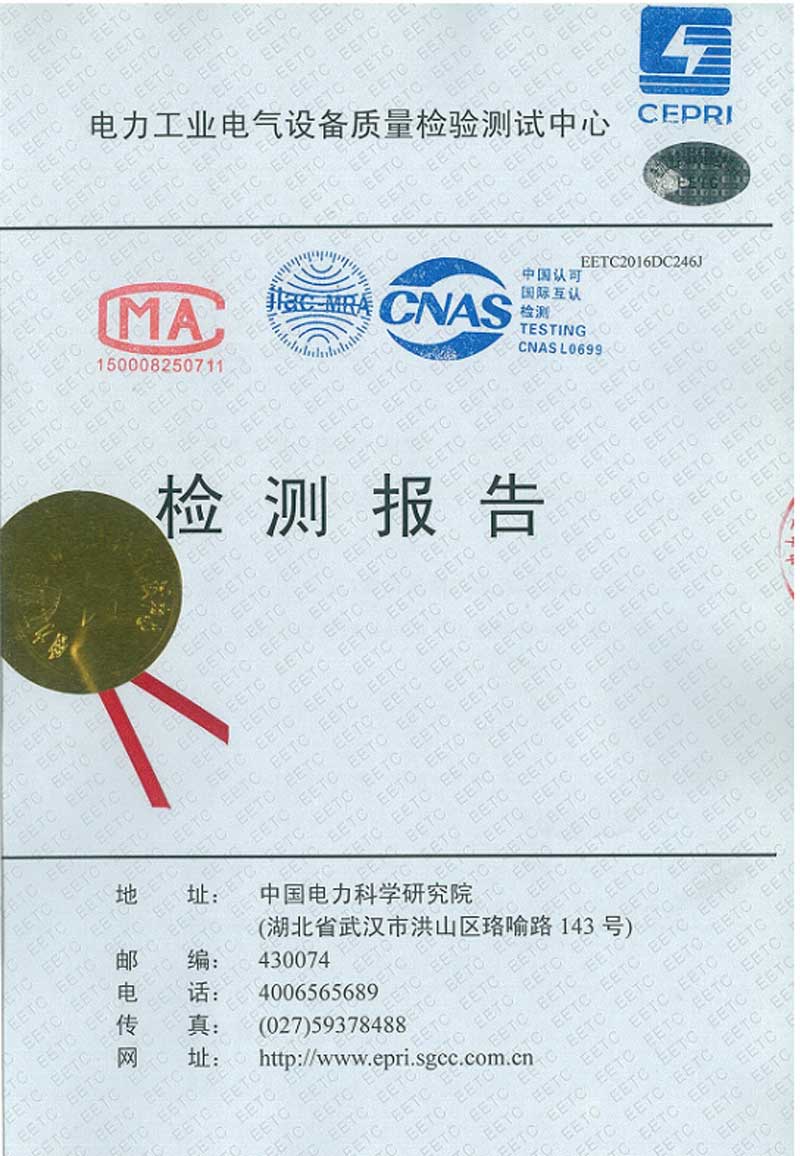
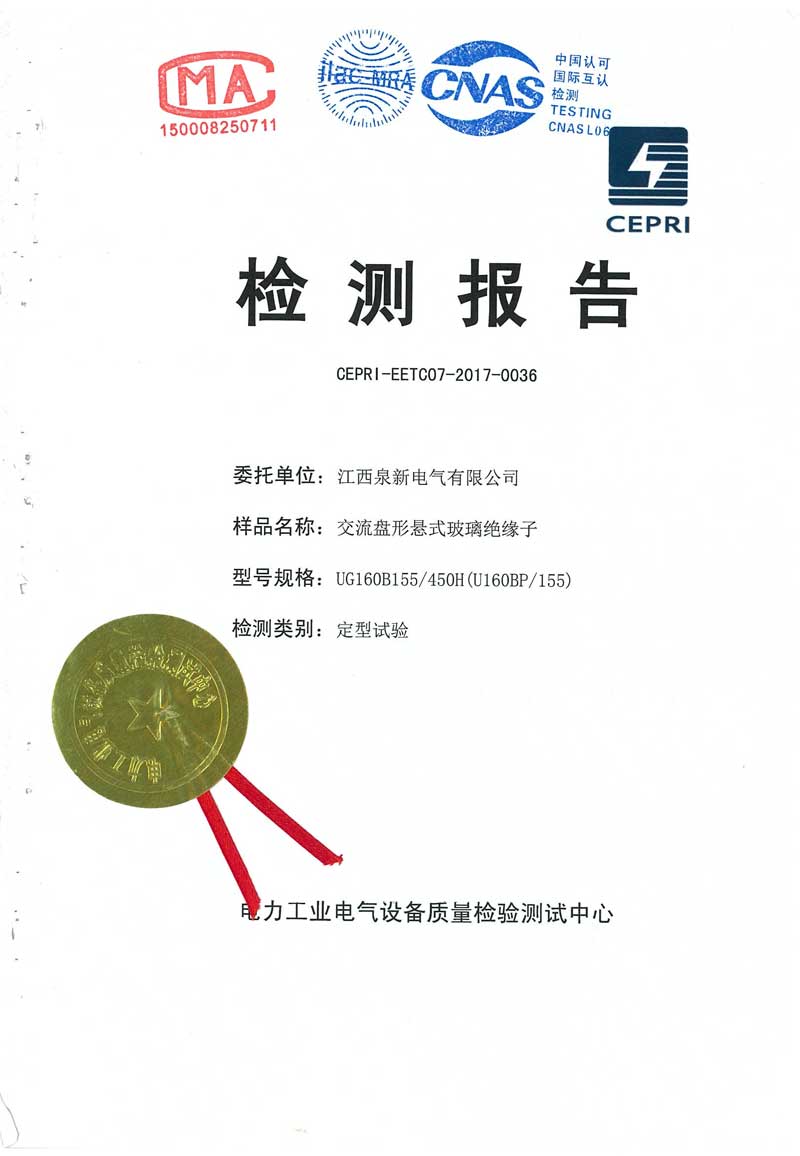
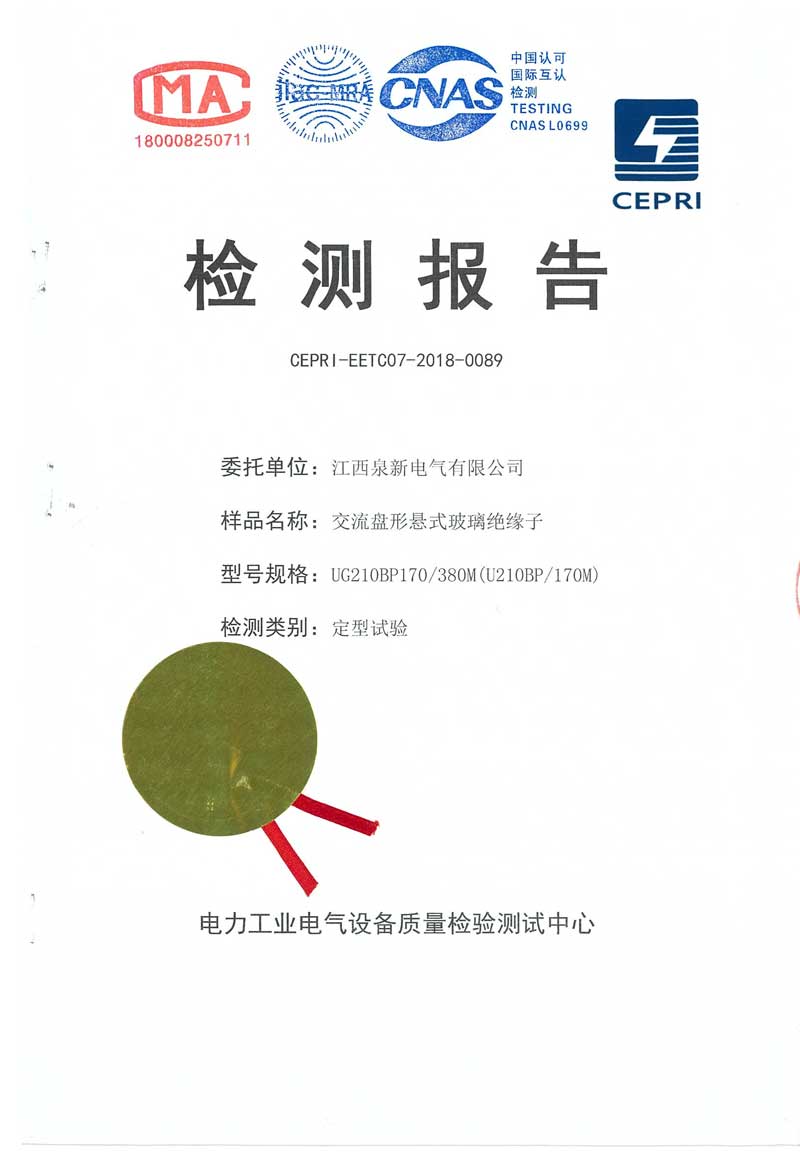
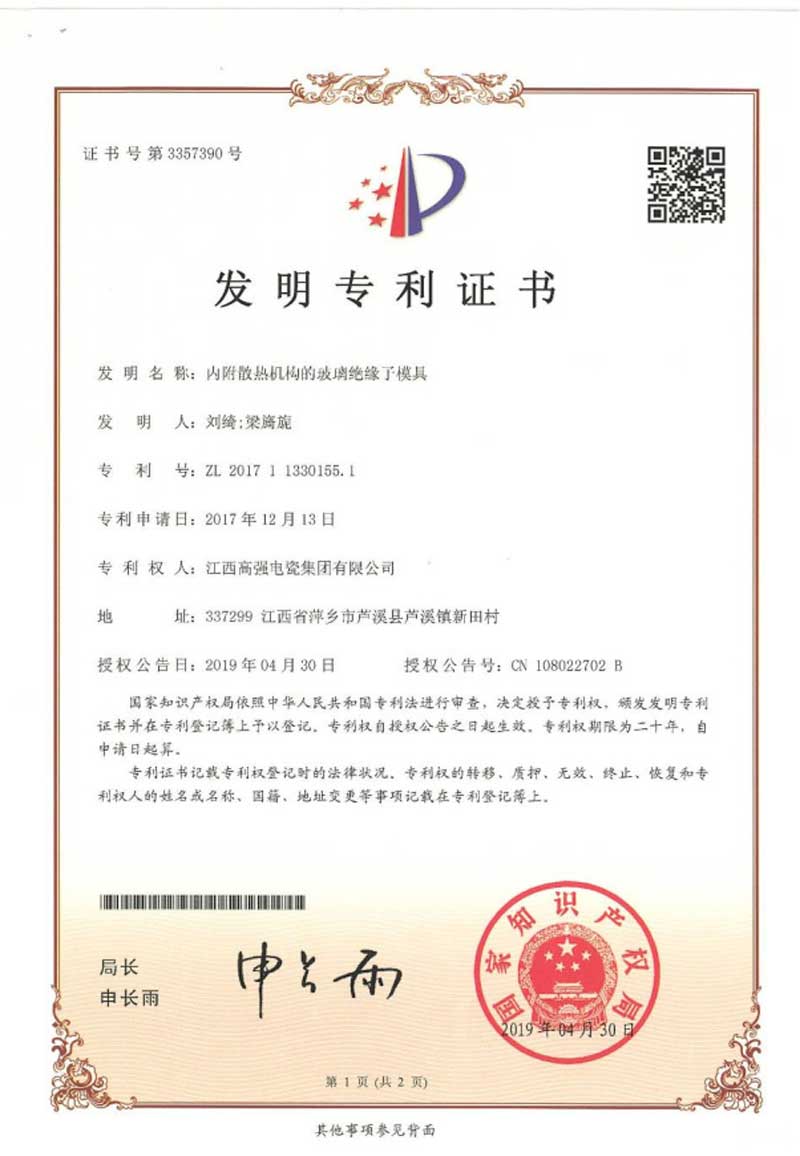
Our quality certificates and updates from international energy exhibitions and trade events.
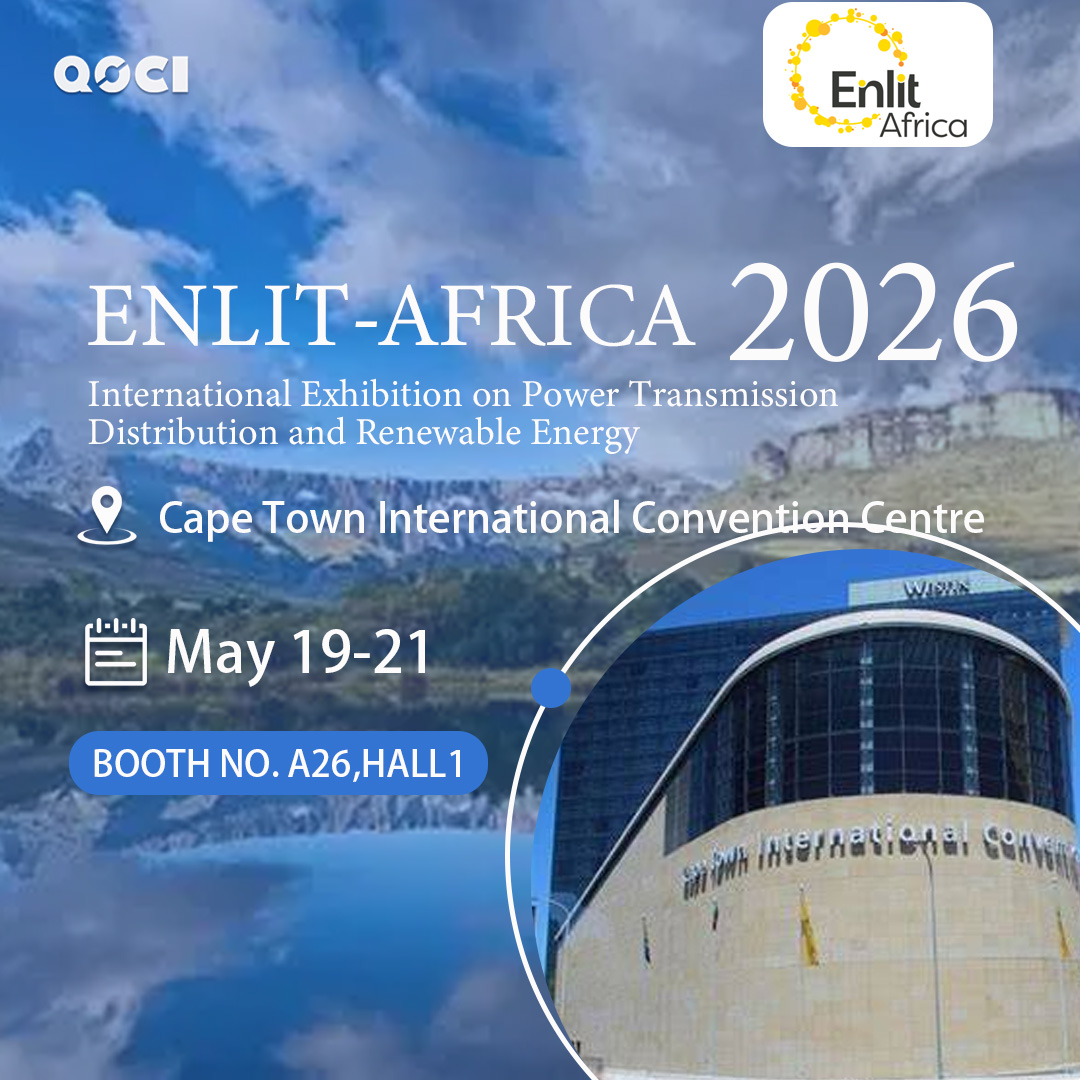
As the global energy transition accelerates, clean energy and storage technologies are becoming increasingly important for grid expansions across Africa.
Having withstood extreme environments including icing, high altitudes, pollution, earthquakes, and typhoons, China's insulator tech leads globally.
On behalf of our team, we encourage you to connect with us at the IEEE PES T&D Conference to view our latest insulator product lines.
QOCI Electric officially confirmed its attendance at the 11th Iraq Energy event, showcasing robust transmission solutions for Middle Eastern grid demands.
Connecting with leading national grid corporations and distribution system operators worldwide.

Explore more high-performance glass and porcelain insulator designs from QOCI Electric.