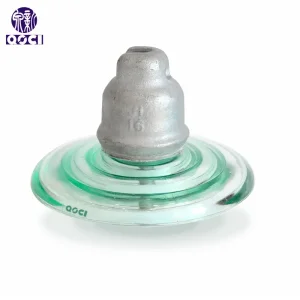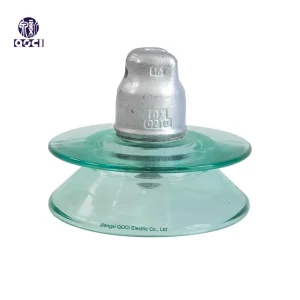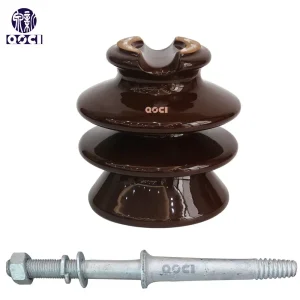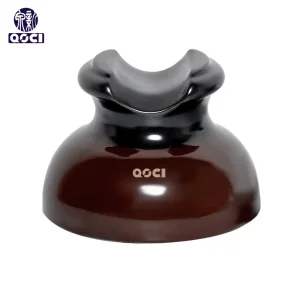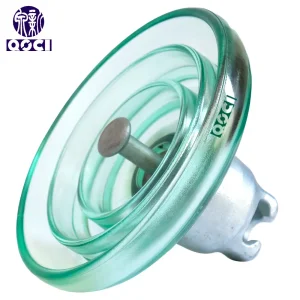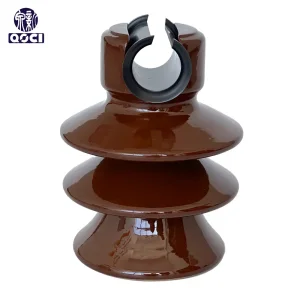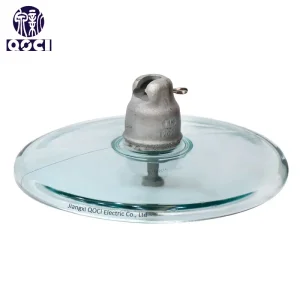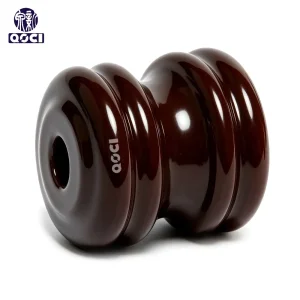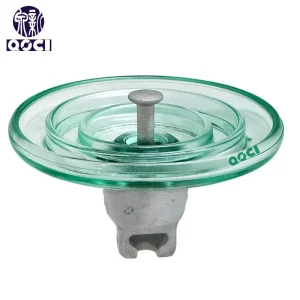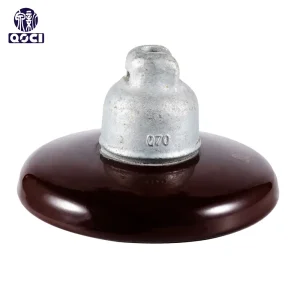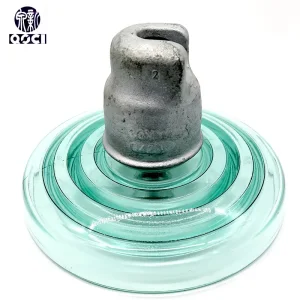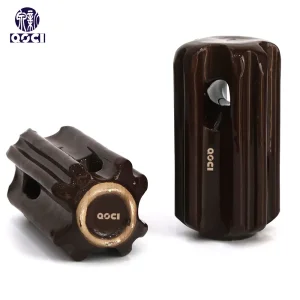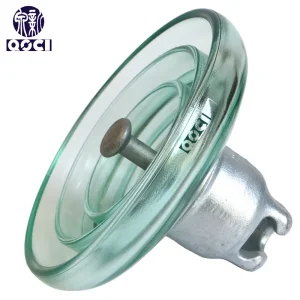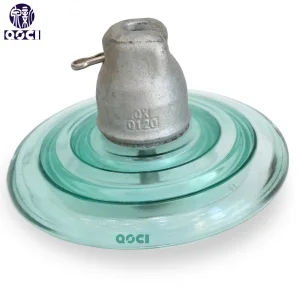
In the landscape of modern electrical infrastructure, Tension Insulator Strings represent the critical mechanical and electrical interface of high-voltage transmission lines. As global energy demands shift toward renewable sources—often located in remote, harsh environments—the reliability of these components has never been more vital. A tension string, typically composed of disc-shaped toughened glass or porcelain units coupled with precision-engineered hardware, must withstand immense mechanical loads while maintaining electrical integrity under extreme pollution, moisture, and lightning strikes.
China has emerged as the global epicenter for insulator manufacturing, not merely due to cost efficiencies but through significant "Information Gain" in material science and testing protocols. Factories like Jiangxi QOCI Electric Co. Ltd have integrated AI-driven quality control and automated forming processes to meet the rigorous E-E-A-T standards required by international utility companies. This guide explores why Chinese suppliers are the preferred partners for EPC contractors and grid operators worldwide.
Chinese factories utilize total oxygen kiln technologies and automated mixing to ensure the purity of toughened glass and high-grade porcelain. This results in insulators with zero-puncture probability and superior thermal stability.
Every string undergoes high-voltage tests, mechanical fail-load analysis, and steep-front impulse tests. Suppliers adhere to IEC 60305 and ANSI C29 standards, providing full traceability for global procurement audits.
With an annual output of 39,000 tons, manufacturers can support mega-projects from EHV (Extra High Voltage) to UHV (Ultra High Voltage) AC/DC lines with rapid turnaround times compared to European counterparts.
Anti-Pollution & Fog Profile: Designed with long, widely-spaced under-ribs to prevent arc bridging in salt-spray environments. These units offer a leakage distance/spacing ratio of ~3.2, ensuring stability in coastal grids.
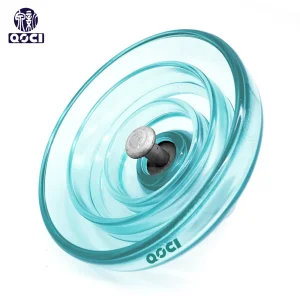
Open Profile (Aerodynamic): Features a smooth lower surface without ribs to prevent the accumulation of sand and dust. This design facilitates self-cleaning via wind, crucial for desert transmission corridors.
RTV Silicone Coating: Room Temperature Vulcanization (RTV) coatings on glass insulators provide hydrophobicity, minimizing leakage currents and reducing the need for manual cleaning in heavy industrial areas.
For Ultra-High Voltage projects, the Triple-Shed Type glass insulator is the "Gold Standard." It features three layers of umbrella discs that provide an extended creepage distance and exceptional pollution flashover resistance. This is the primary choice for China’s own world-leading UHV grid and is now being exported to emerging markets in South Asia, South America, and Africa.
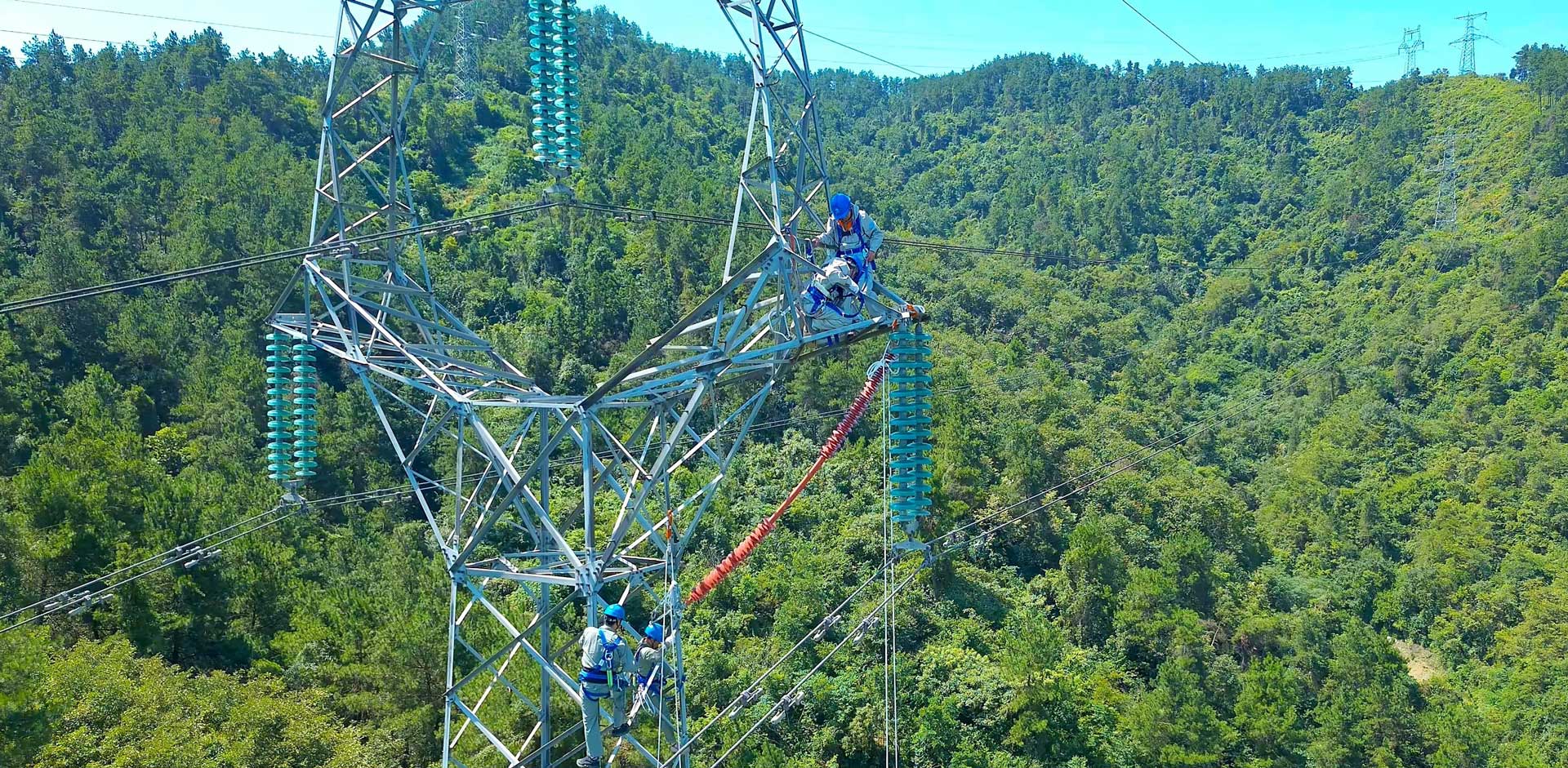
Optimized for varied terrains from mountainous regions requiring high mechanical tension to flat plains with extreme wind loads.
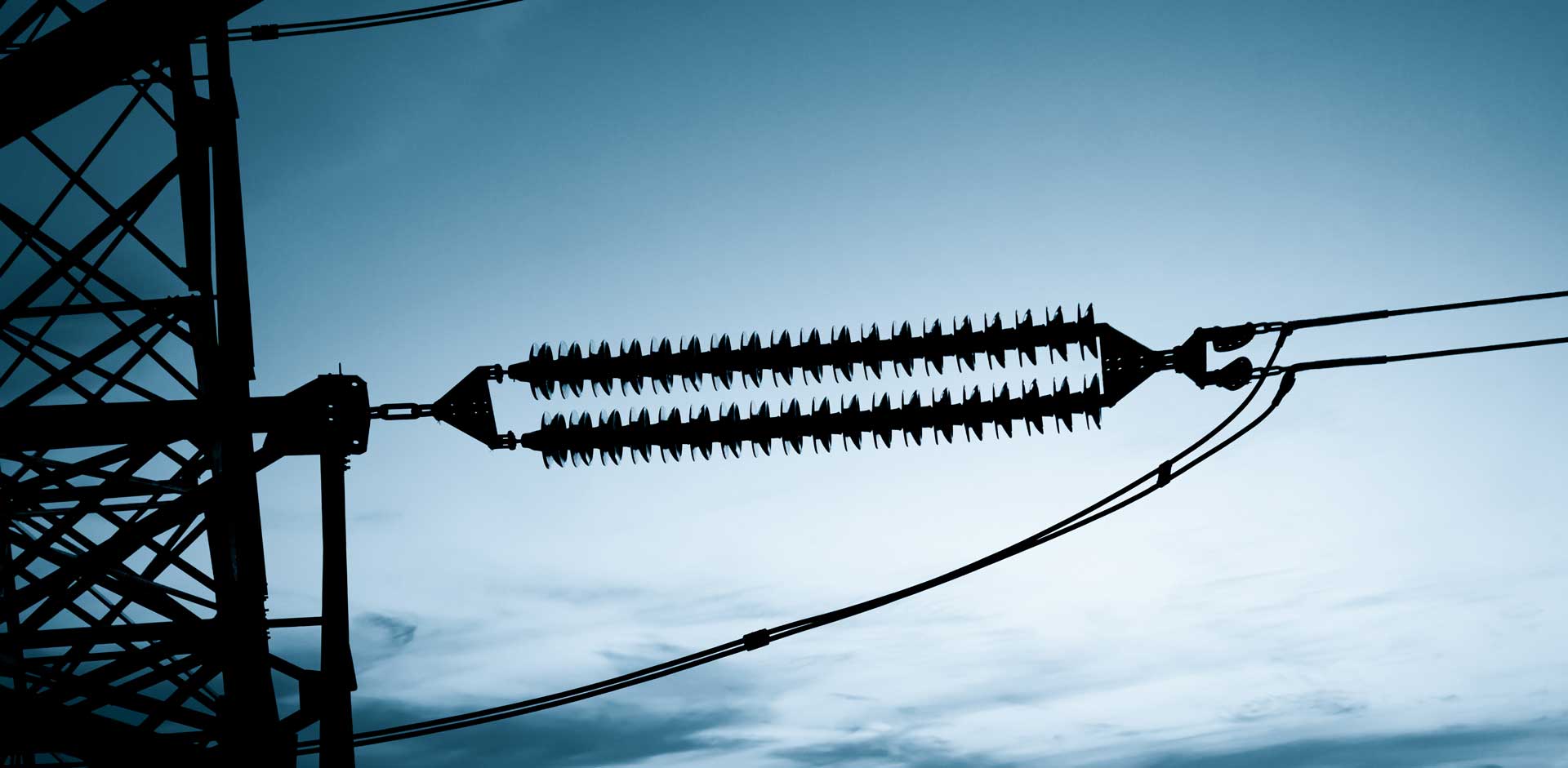
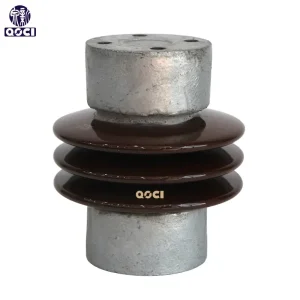
Reliable isolation for busbars and transformer inlets, ensuring no power interruption during grid switching.
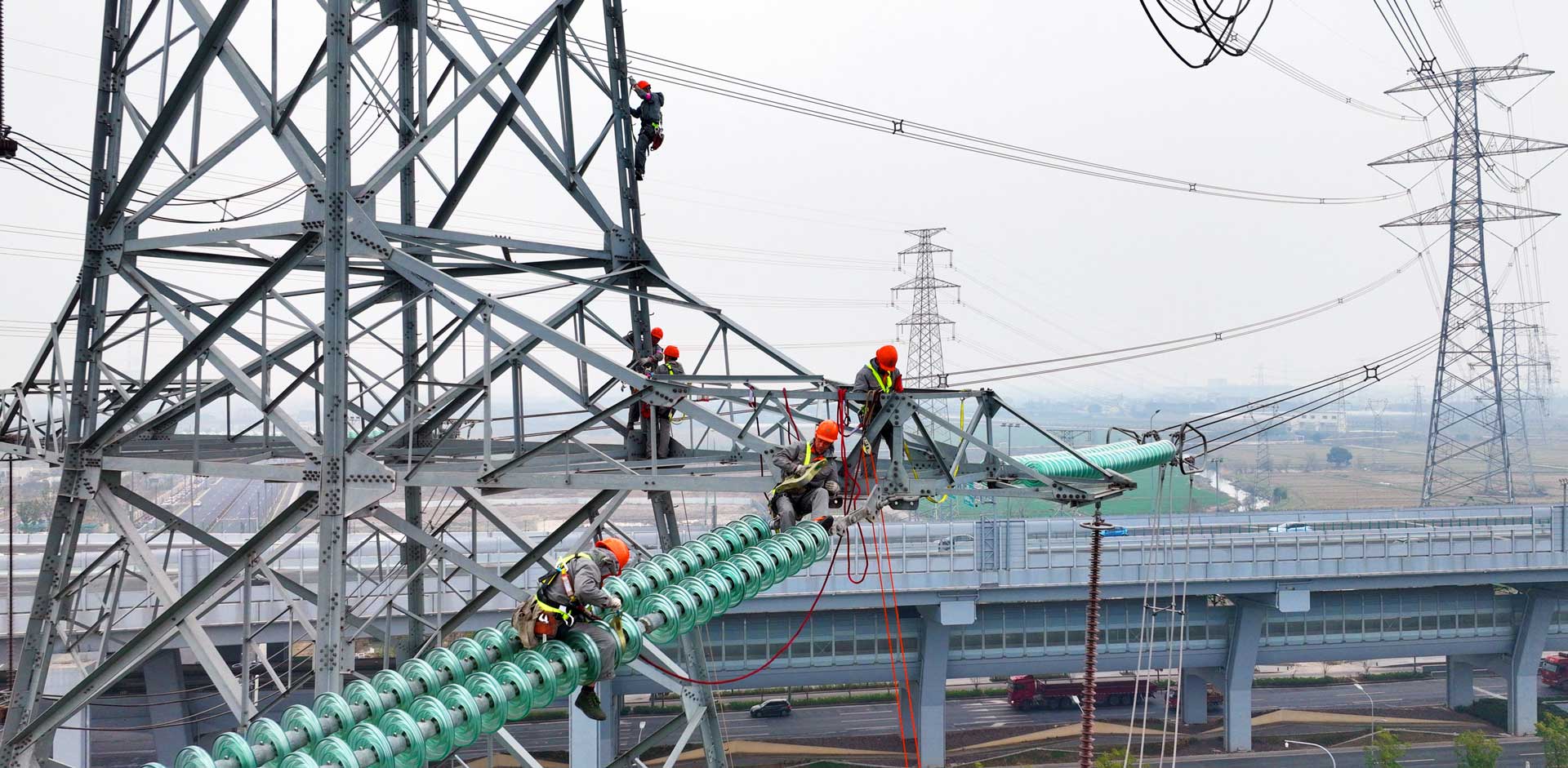
Ground-wire profiles and tension strings that act as the first line of defense against lightning surges.
Smart factories are now using machine vision to detect microscopic flaws in glass shells before assembly, significantly reducing the "infant mortality" rate of insulator strings in the field.
Leading Chinese suppliers are shifting to "Total Oxygen Kilns" and recycled heat systems to reduce the carbon footprint of production, aligning with the ESG goals of global utilities.
As transmission spans grow longer to cross rivers and valleys, the demand for 300kN, 420kN, and even 530kN tension strings is increasing. R&D is currently focused on the structural integrity of the cap and pin interface.