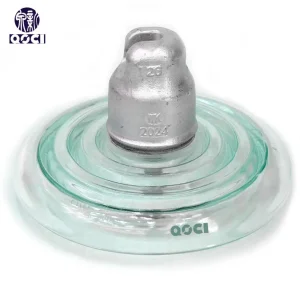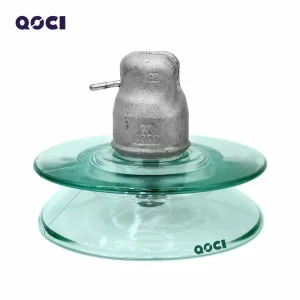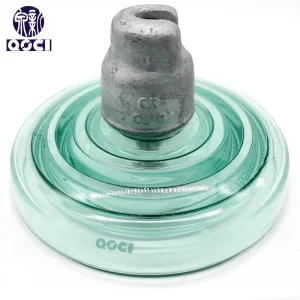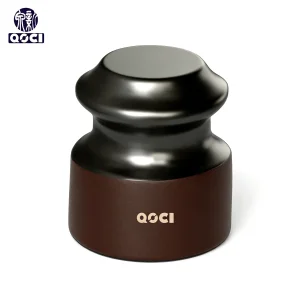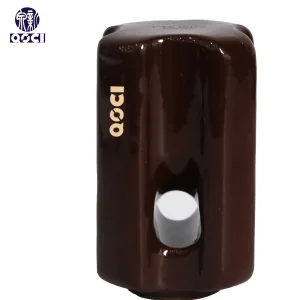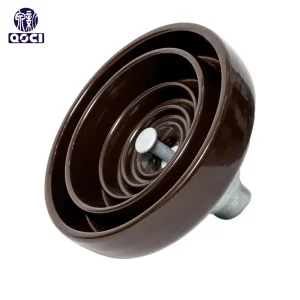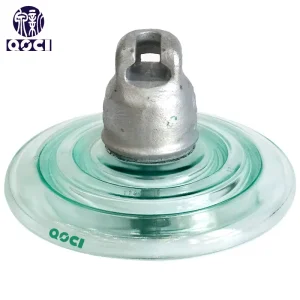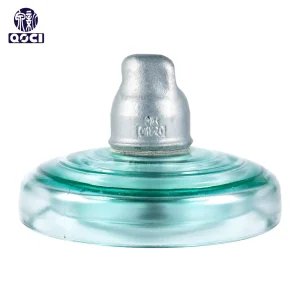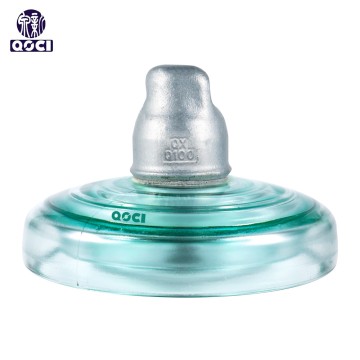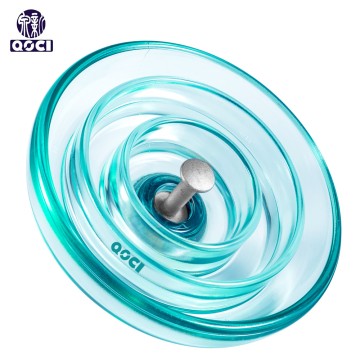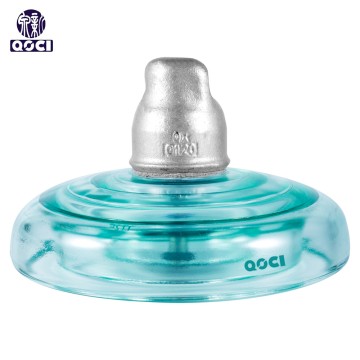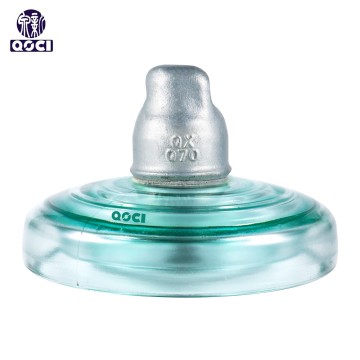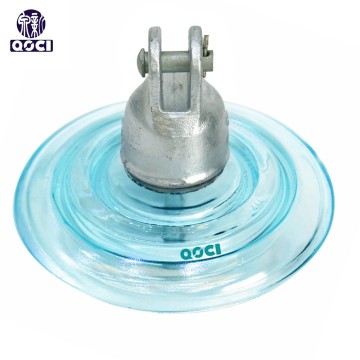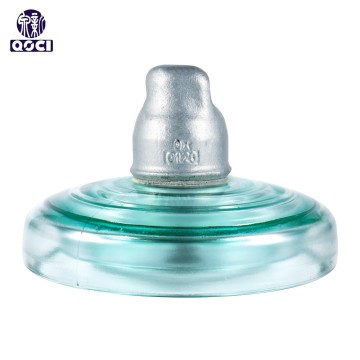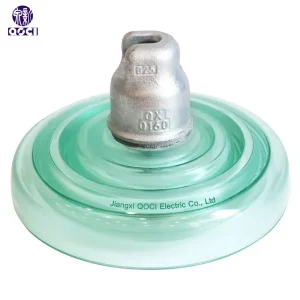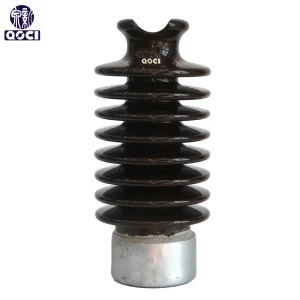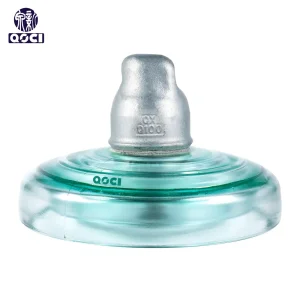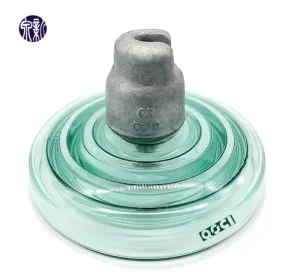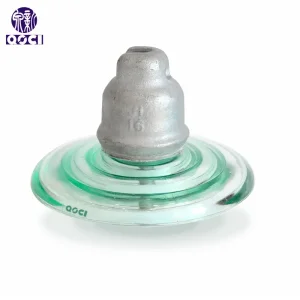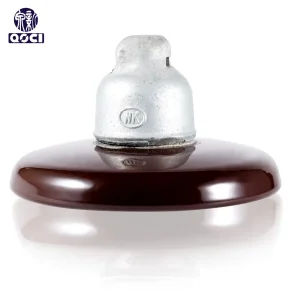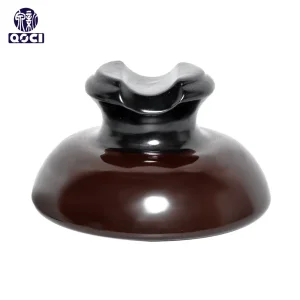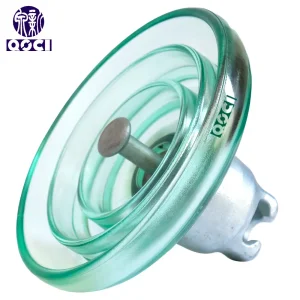
Premium class cap and pin type toughened glass and porcelain insulators designed for overhead transmission and distribution lines.
In electrical power transmission systems, high-voltage lines require components capable of handling intense mechanical loads while preventing current leakage to the support towers. The ANSI 52-9 specification represents a standardization benchmark for cap and pin suspension insulators. Adhering to the ANSI C29.2 standard, these components undergo strict validation processes to ensure mechanical reliability and dielectric capability in a wide array of environmental situations.
The ANSI 52-9 class insulator typically features a ball-and-socket coupling design, allowing multiple disc units to link together into strings. This modularity enables transmission line designers to customize the insulation level based on the operating voltage, ranging from sub-transmission networks to extra-high voltage (EHV) corridors. When evaluating ANSI 52-9 manufacturers, procurement executives prioritize mechanical ratings, leakage distance, and thermal shock resistance to prevent catastrophic mechanical dropouts or electrical flashovers.
To optimize electrical systems, selecting the appropriate dielectric media is critical. High-purity porcelain and toughened glass remain the two primary choices. While traditional porcelain offers excellent dielectric properties and resistance to environmental tracking, toughened glass provides unique structural benefits, including visual fault detection and lower degradation rates over decades of service.
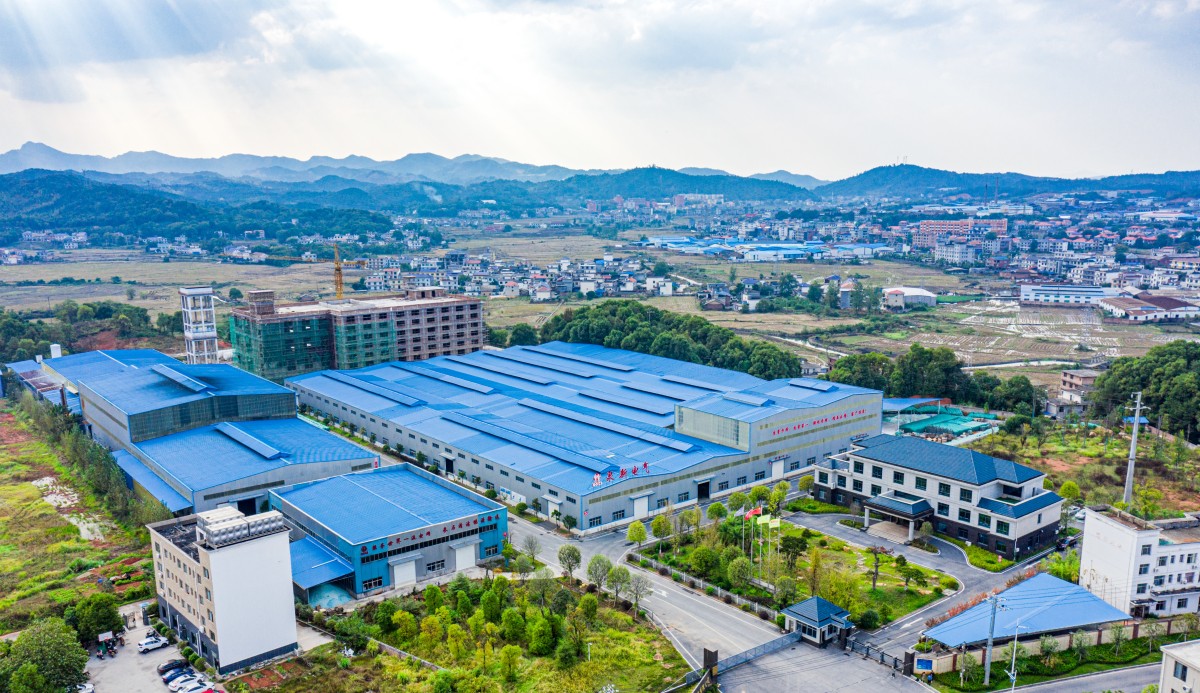
Founded in December 2002 with a registered capital of 508 million Yuan, Jiangxi QOCI Electric Co. Ltd stands as a premier manufacturer of high-strength glass and porcelain insulators. Located in the Industrial Park of Luxi County, Pingxiang, Jiangxi Province—the historical heartland of China's electrical porcelain industry—the factory covers an expansive area of 70,000 square meters (100 mu).
We specialize in designing and producing world-class insulators for low-voltage, high-voltage, extra-high voltage, and ultra-high voltage AC and DC electric transmission lines. By utilizing state-of-the-art oxygen-combustion kilns, automated press forming systems, and strict high-voltage testing routines, we serve global power grids with quality, fast delivery times, and competitive pricing.
The transition toward renewable energy generation is driving the expansion of long-distance transmission corridors. Wind and solar installations are often located in remote areas, necessitating high-voltage DC (HVDC) and high-voltage AC (HVAC) links to deliver clean energy to metropolitan centers. This development has accelerated the demand for high-strength suspension disc insulators that conform to global benchmarks like the ANSI and IEC standards.
Procurement departments in electrical utilities encounter challenges when sourcing insulators. Factors including rising raw material costs, changing tariff regulations, and logistical complexities require a diversified supply chain. Utilities are moving away from regional sourcing in favor of manufacturers with high-volume, automated production capacities capable of maintaining quality consistency.
Environmental resistance is another sourcing priority. Coastal areas demand high creepage designs to prevent salt-fog contamination from triggering line flashovers. Conversely, industrial zones require dust-shedding geometries to prevent heavy soot buildup. System designers specify customized glass shed profiles—such as aerodynamic, open, or RTV silicone-coated models—to address these diverse environmental challenges.
We supply a range of insulator profiles engineered to balance self-cleaning efficiency, creepage distance, and mechanical performance.
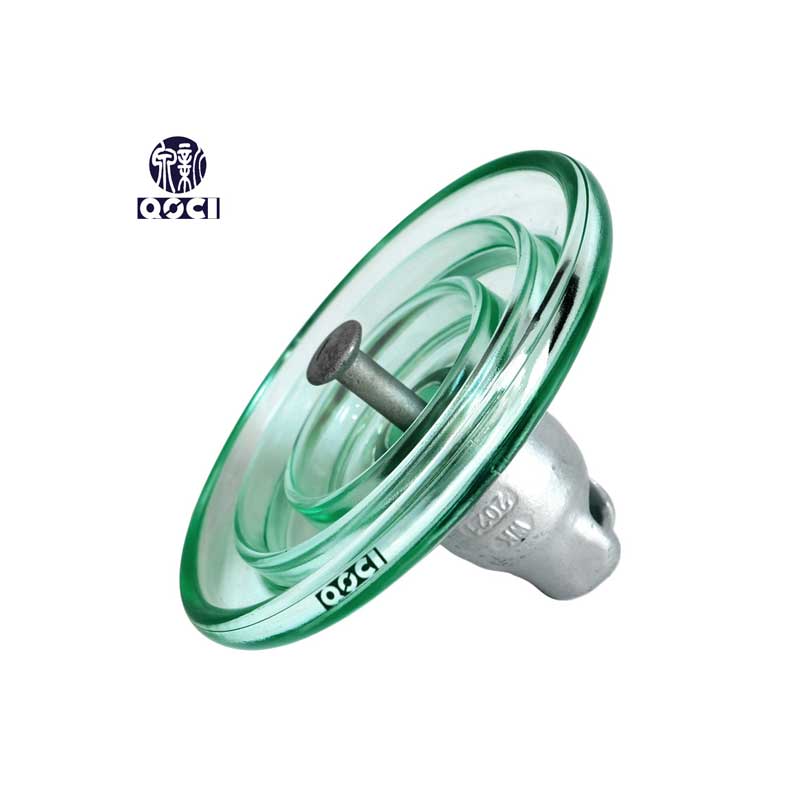
Our standard profile is designed with shallow, widely spaced ribs that facilitate natural cleaning by wind and rain. Its leakage distance exceeds standard IEC 60305 parameters, making it ideal for mild and moderately clean environments.
Explore more →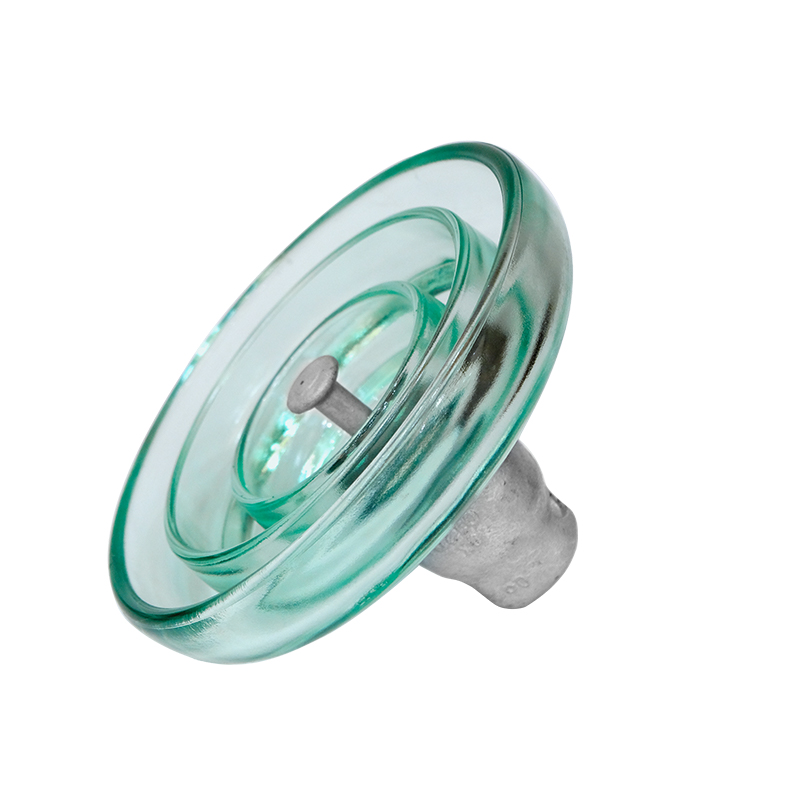
Featuring deep, widely separated under-ribs to prevent arc bridging, the anti-fog profile has a leakage distance-to-spacing ratio of approximately 3.2. It is suited for coastal regions prone to salt fog and industrial corridors.
Explore more →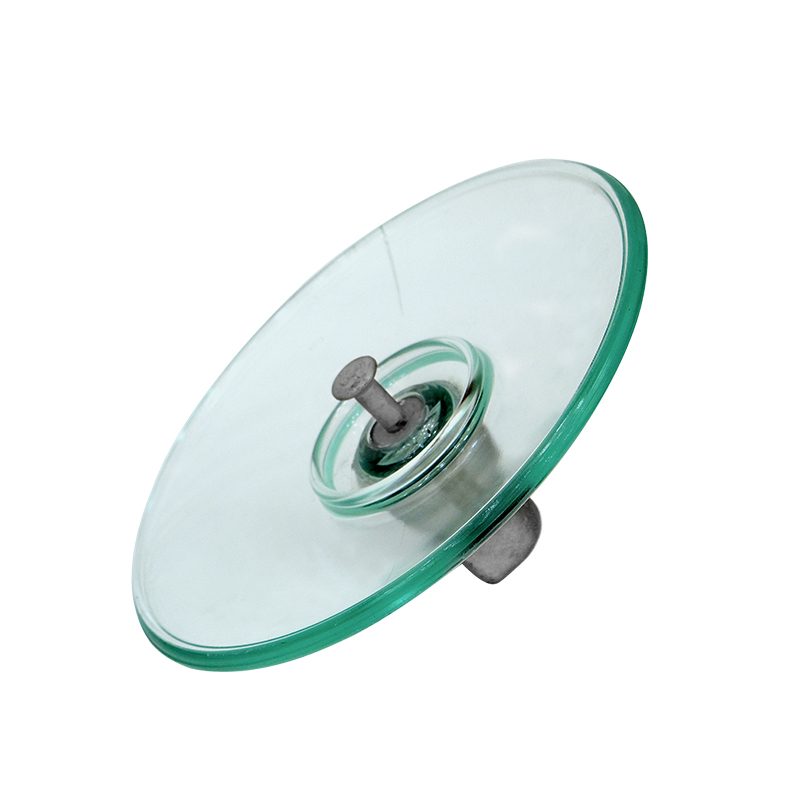
Designed without under-ribs to prevent the accumulation of sand and dust, this open profile is engineered for desert environments. It helps mitigate ice-bridging and reduces cleaning intervals in dry, arid zones.
Explore more →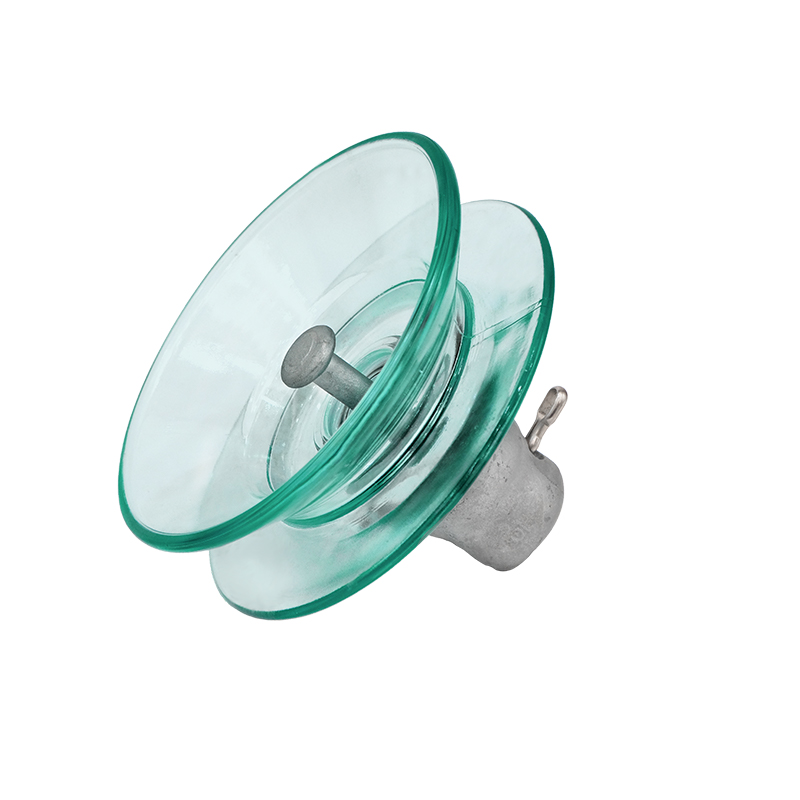
Equipped with dual external ribs to reduce dust accumulation, this profile is optimized for heavy industrial and saline environments. The rib configuration supports manual cleaning when natural rain-washing is insufficient.
Explore more →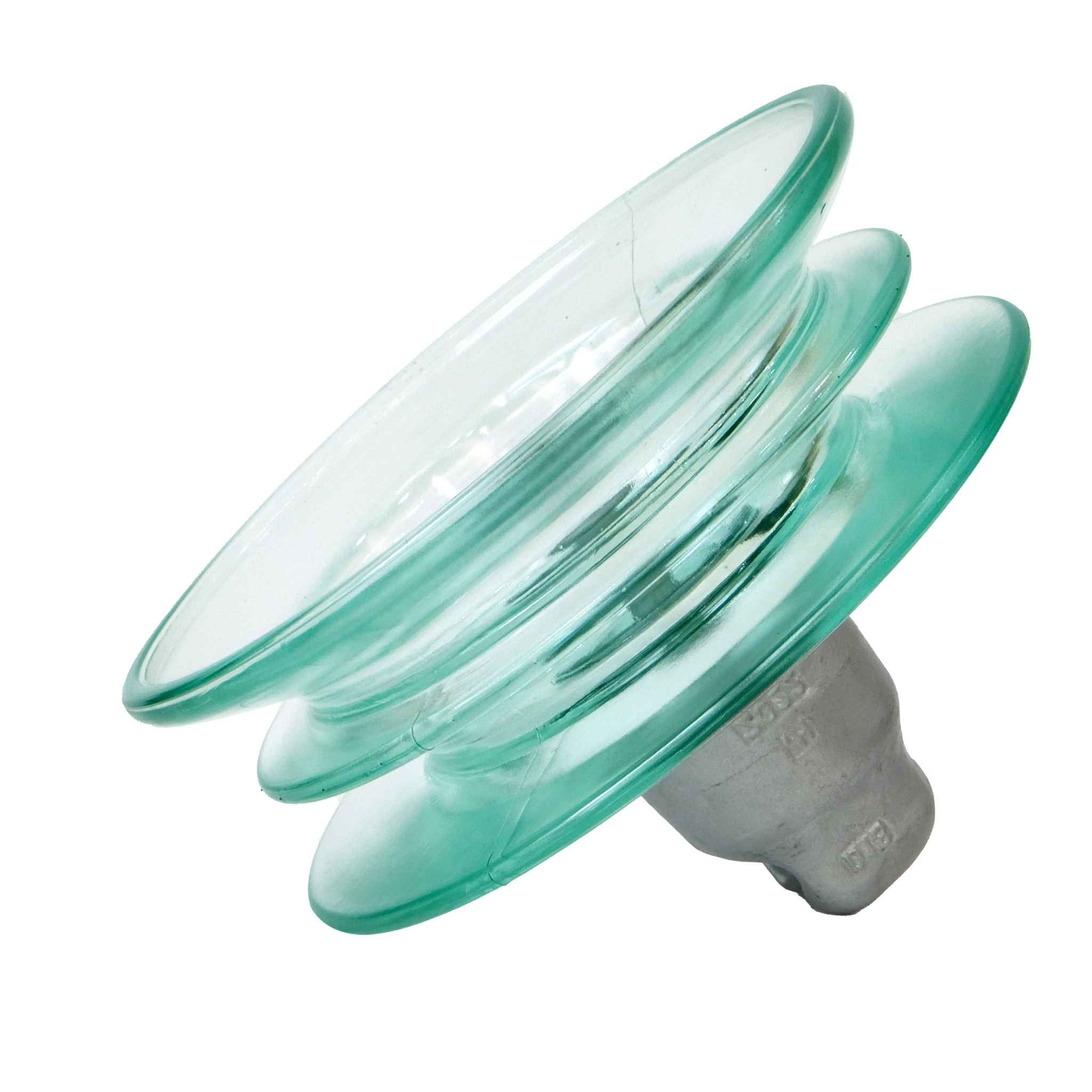
Engineered for high-voltage and ultra-high voltage (UHV) systems, the triple-shed profile provides an extended creepage distance within a compact physical footprint, offering resistance to pollution flashovers.
Explore more →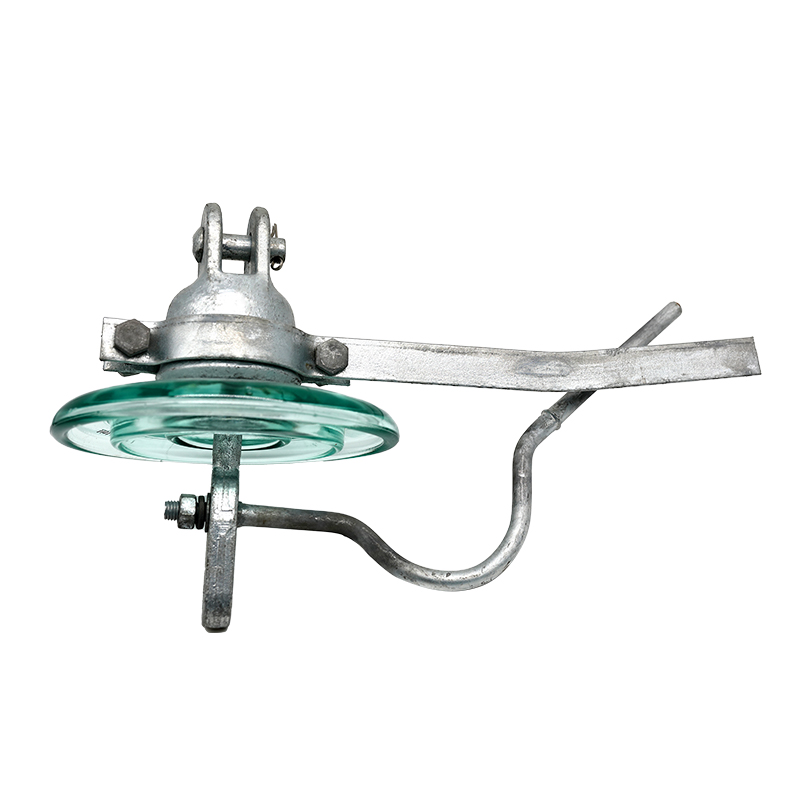
Designed to link external grounding lines with tower structures, this profile provides a path for lightning surges, protecting downstream substation gear from voltage spikes.
Explore more →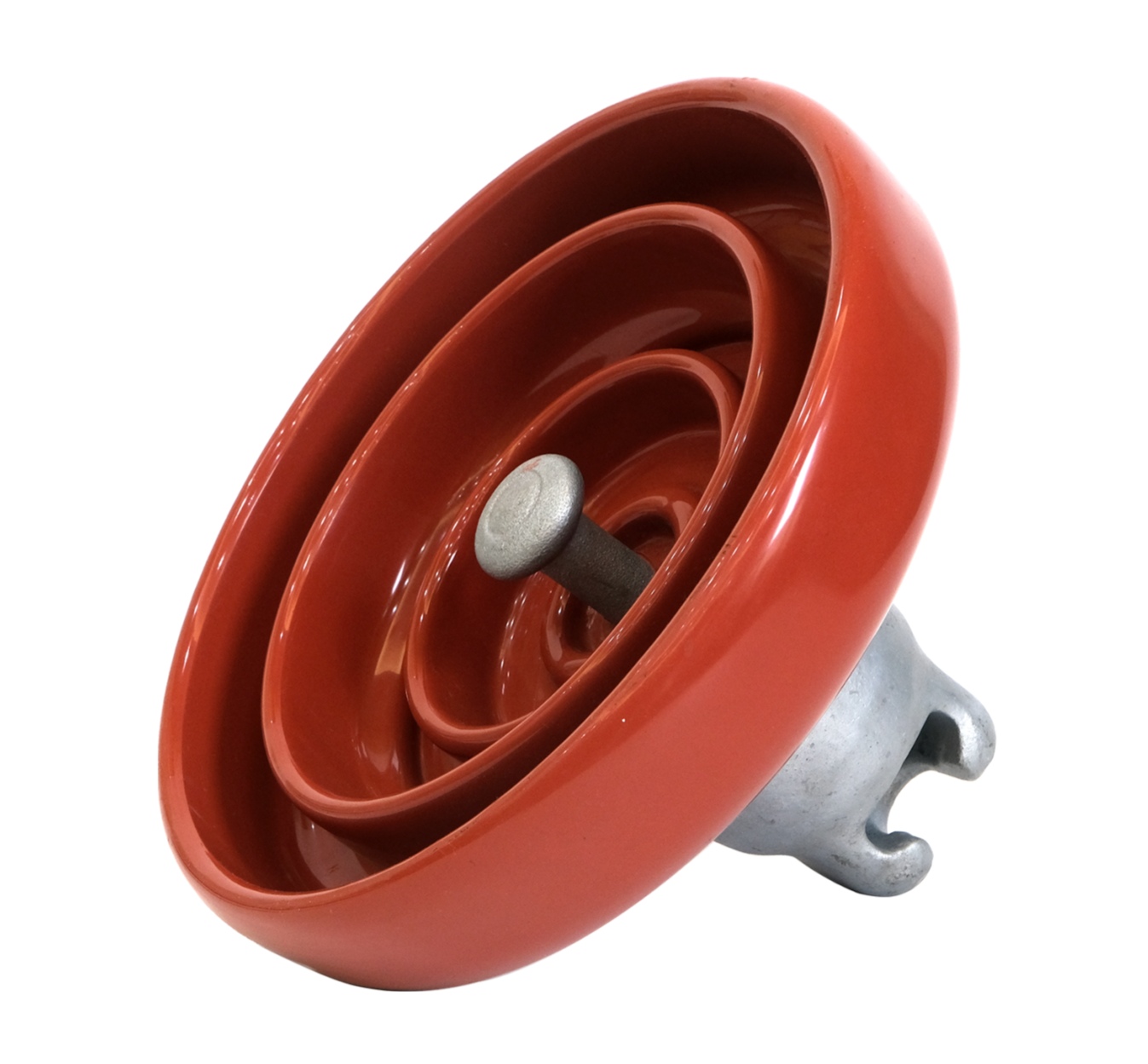
Coated with Room Temperature Vulcanization (RTV) silicone, these insulators combine the mechanical reliability of toughened glass with the hydrophobic properties of composite polymers, reducing maintenance costs in high-contamination zones.
Explore more →The manufacturing landscape for power transmission components has transitioned from labor-intensive assembly to automated, data-driven production. China's electrical manufacturing sector has embraced "Factory 4.0" concepts, integrating automated materials handling, computerized thermal processes, and digital quality monitoring to maintain quality at scale.
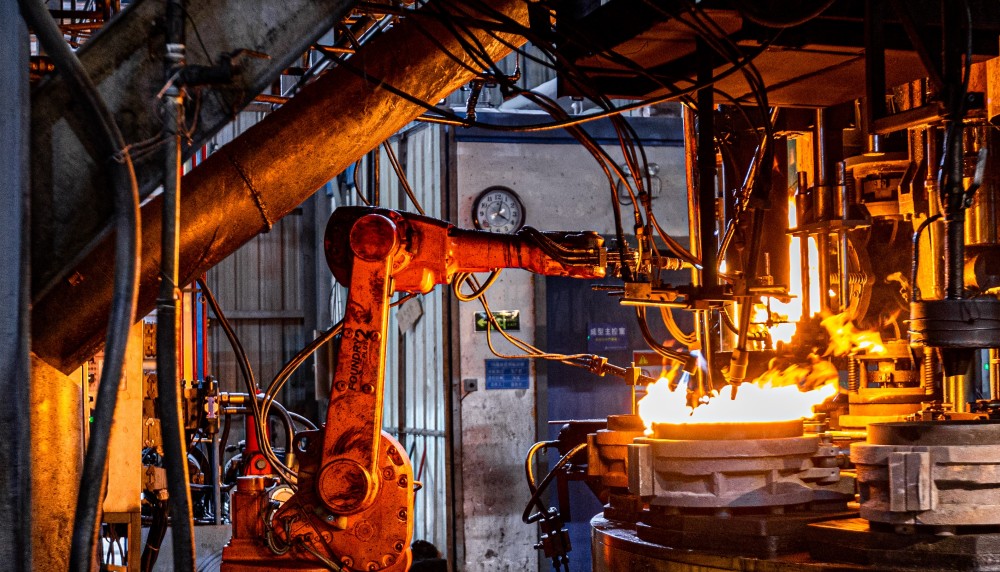
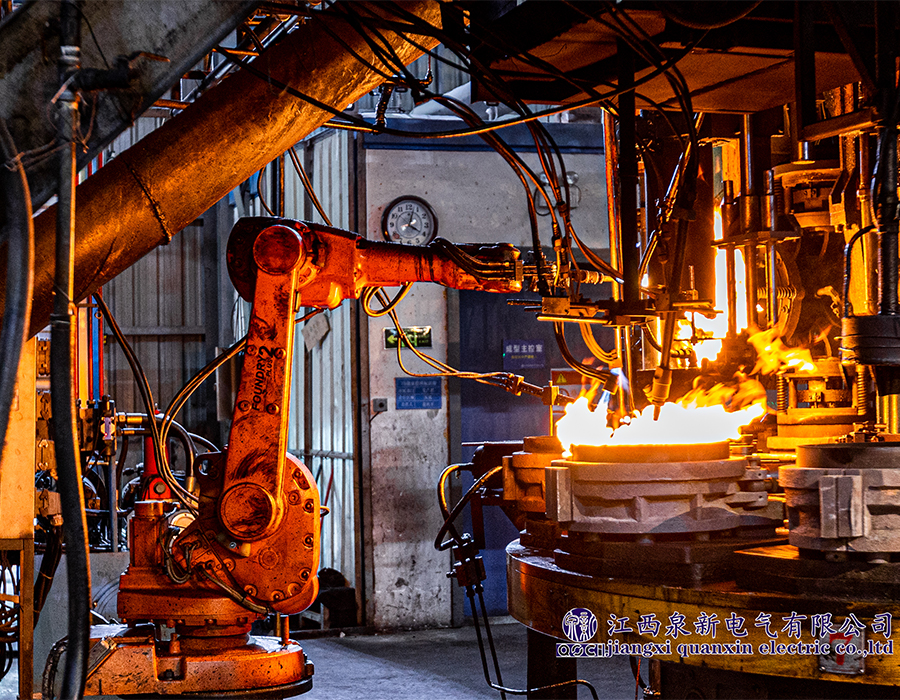
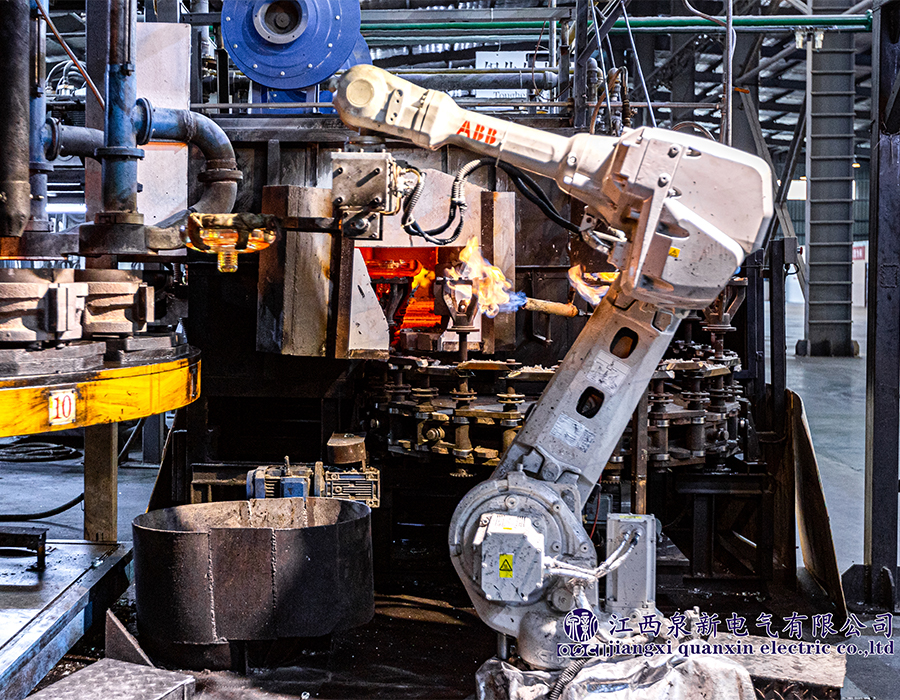
At Jiangxi QOCI Electric, our manufacturing processes prioritize raw material purity and temperature control during glass fusion. We utilize oxygen-combustion kilns to melt glass batches at uniform temperatures, minimizing internal stresses and structural impurities. Our automated molding machinery shapes glass discs with high dimensional accuracy, which is essential for ensuring standard alignments on automated transmission line assembly lines.
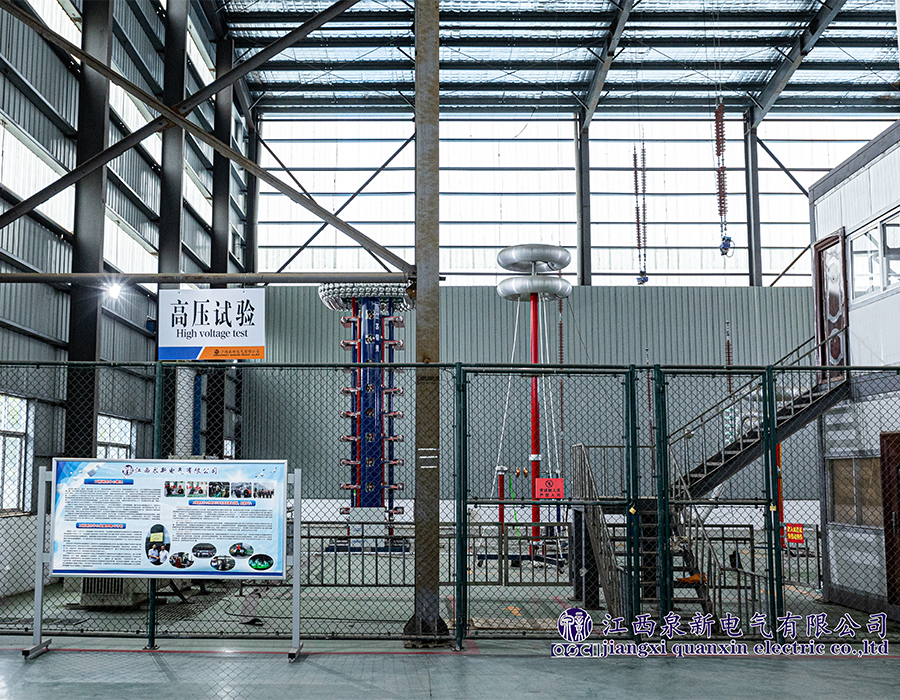
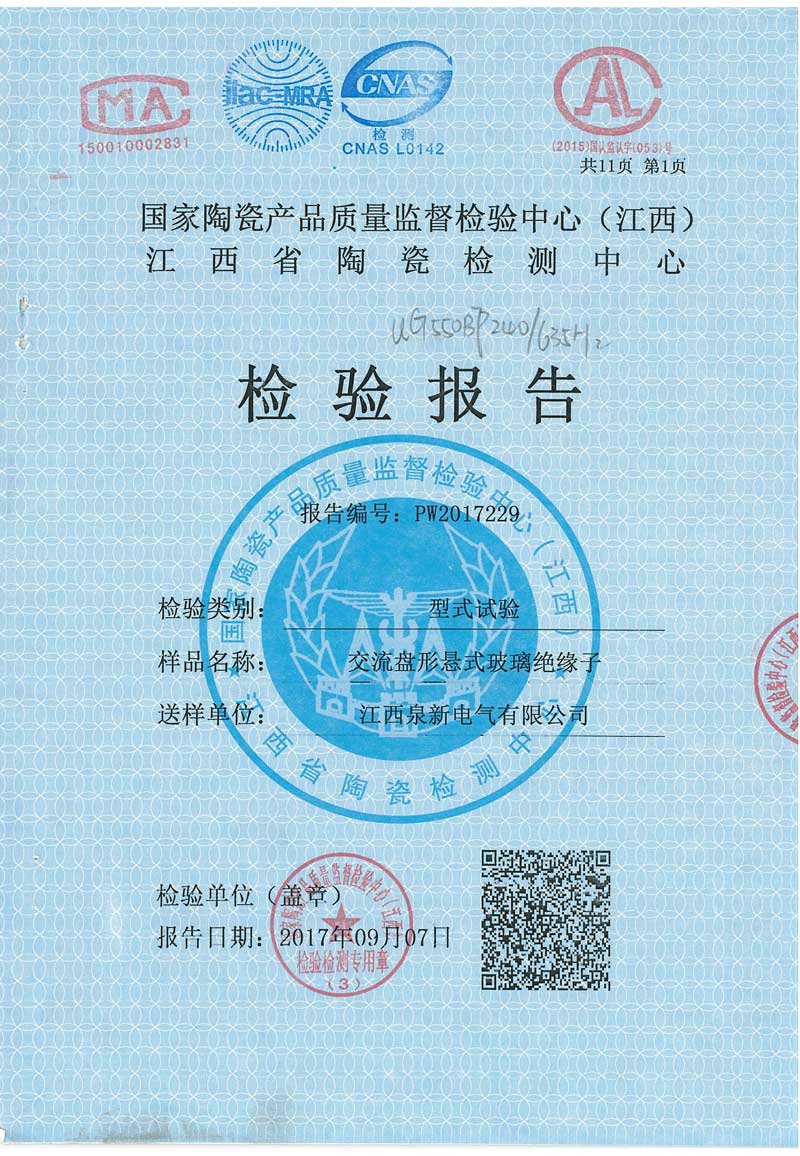
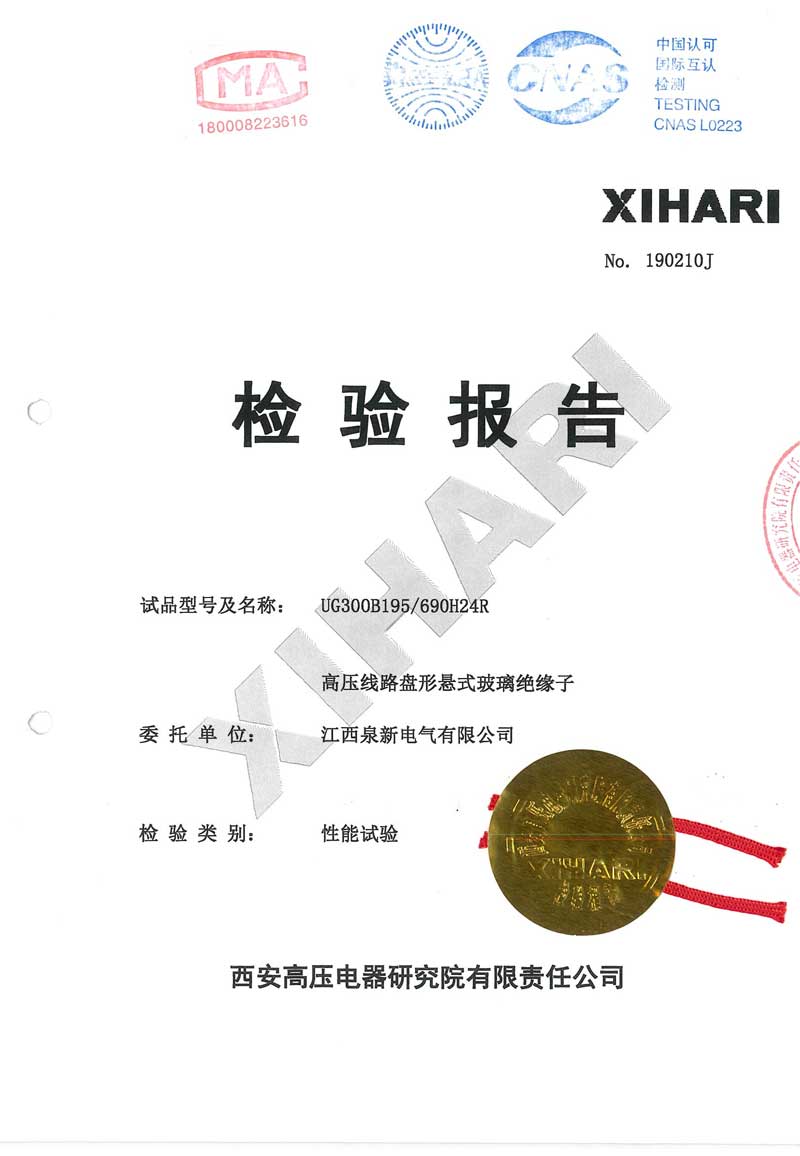
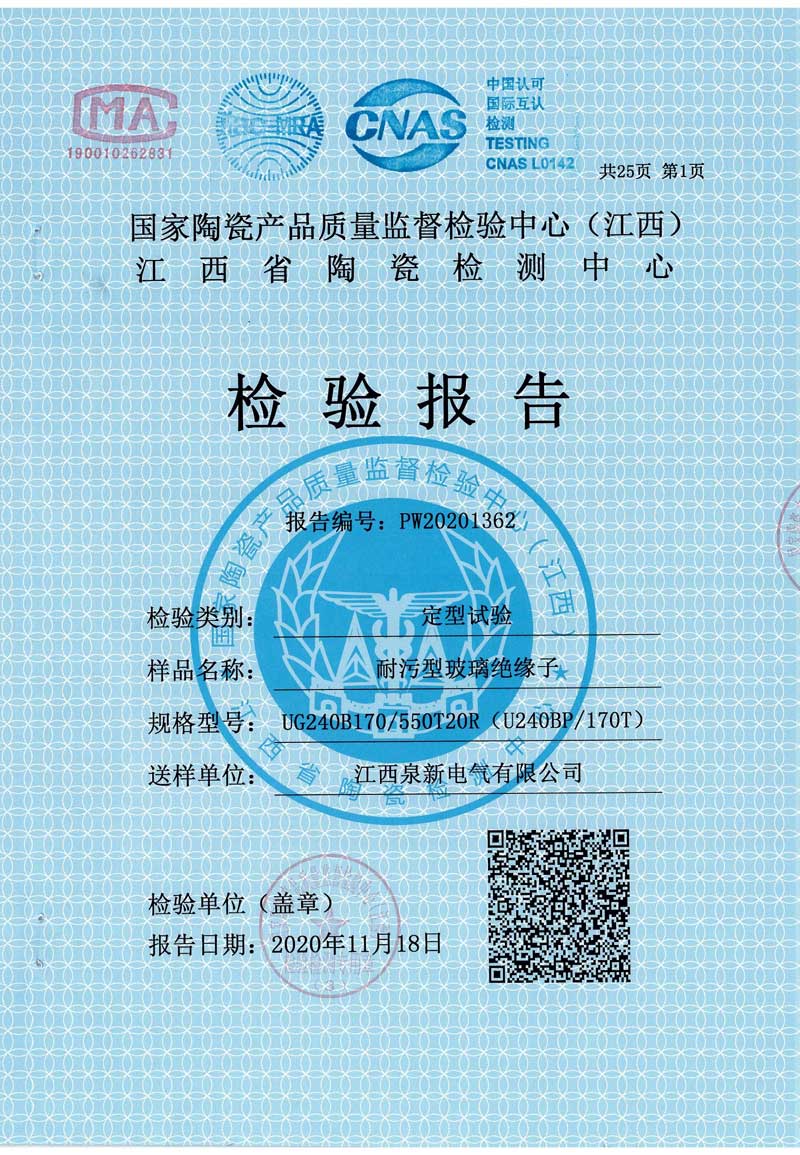
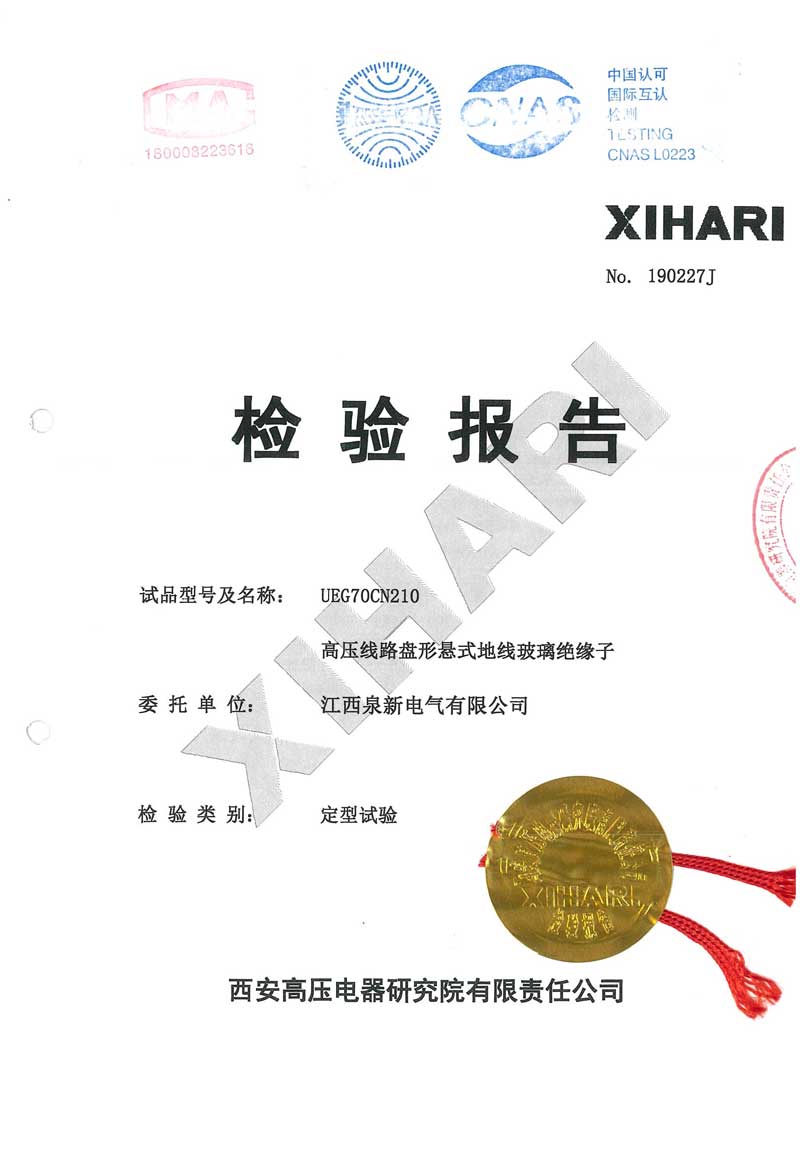
Furthermore, automation extends to our high-voltage testing facilities. Every production lot undergoes a suite of routine tests, including thermal shock cycles, mechanical pull testing, and power-frequency sparkover assessments. This rigorous QA system reduces defective rates to parts-per-million levels, giving international grid operators the confidence needed for installation on critical transmission grids.
Our top-selling products engineered for heavy-duty commercial applications, certified by global testing organizations.
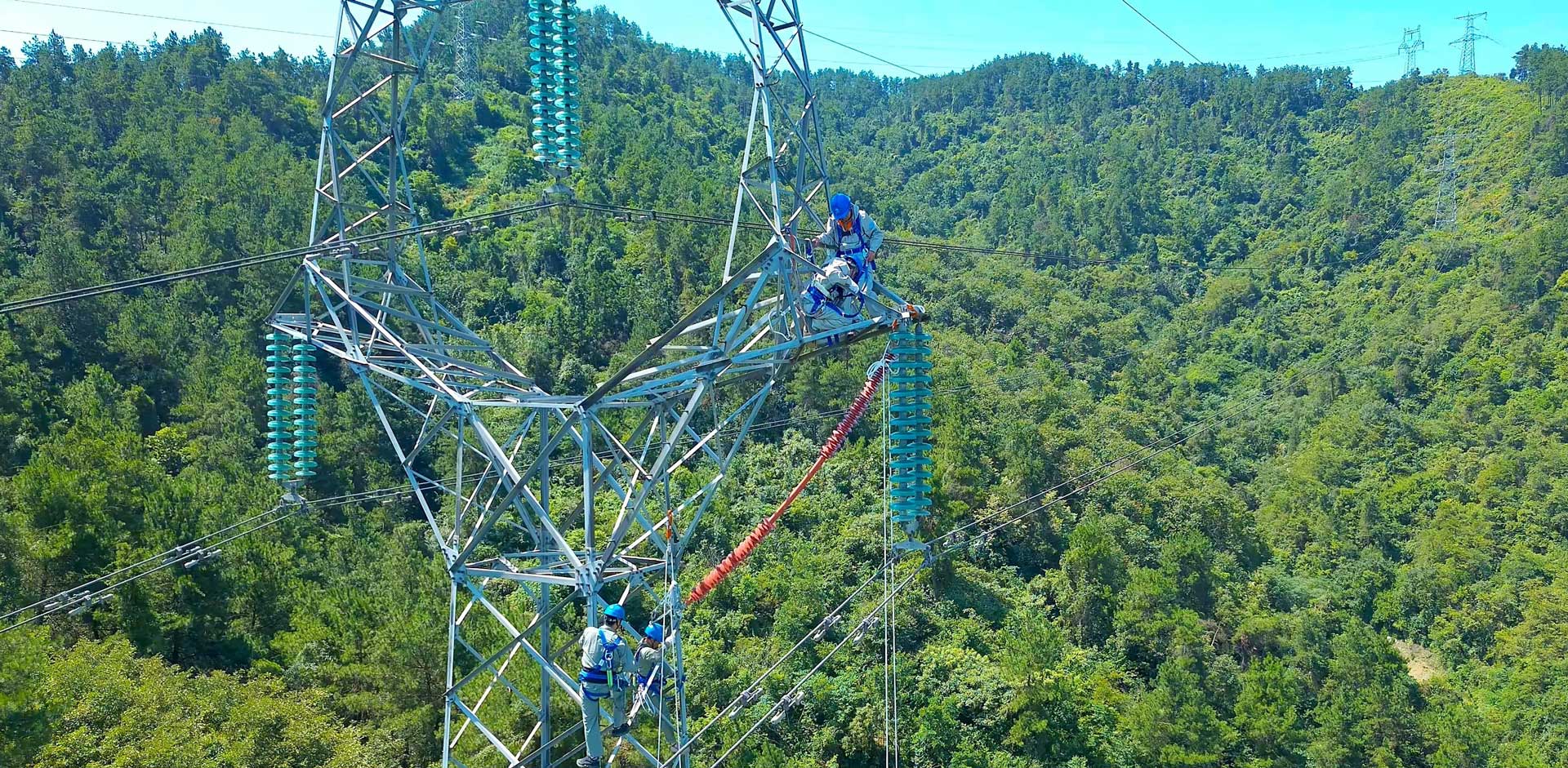
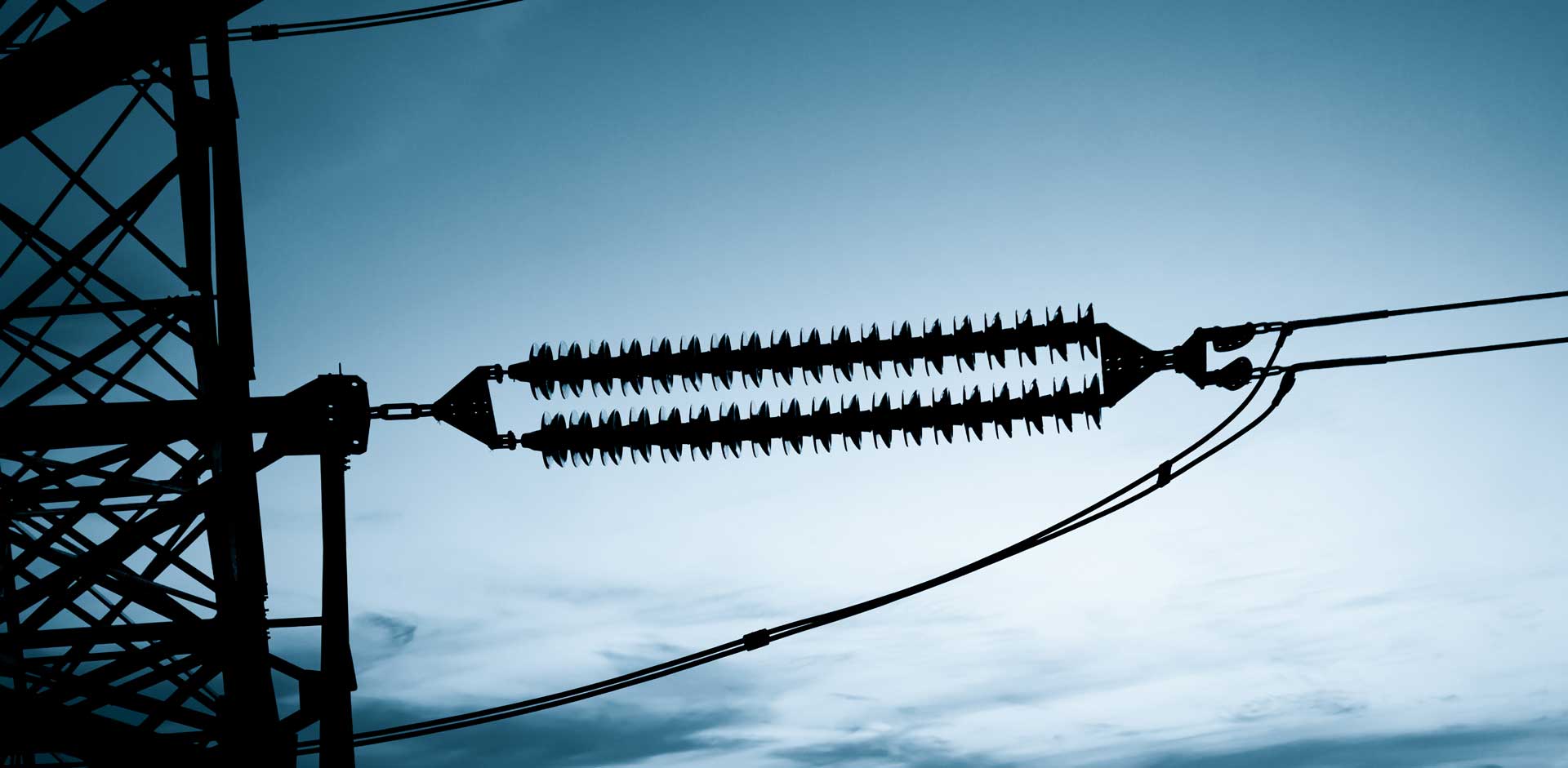
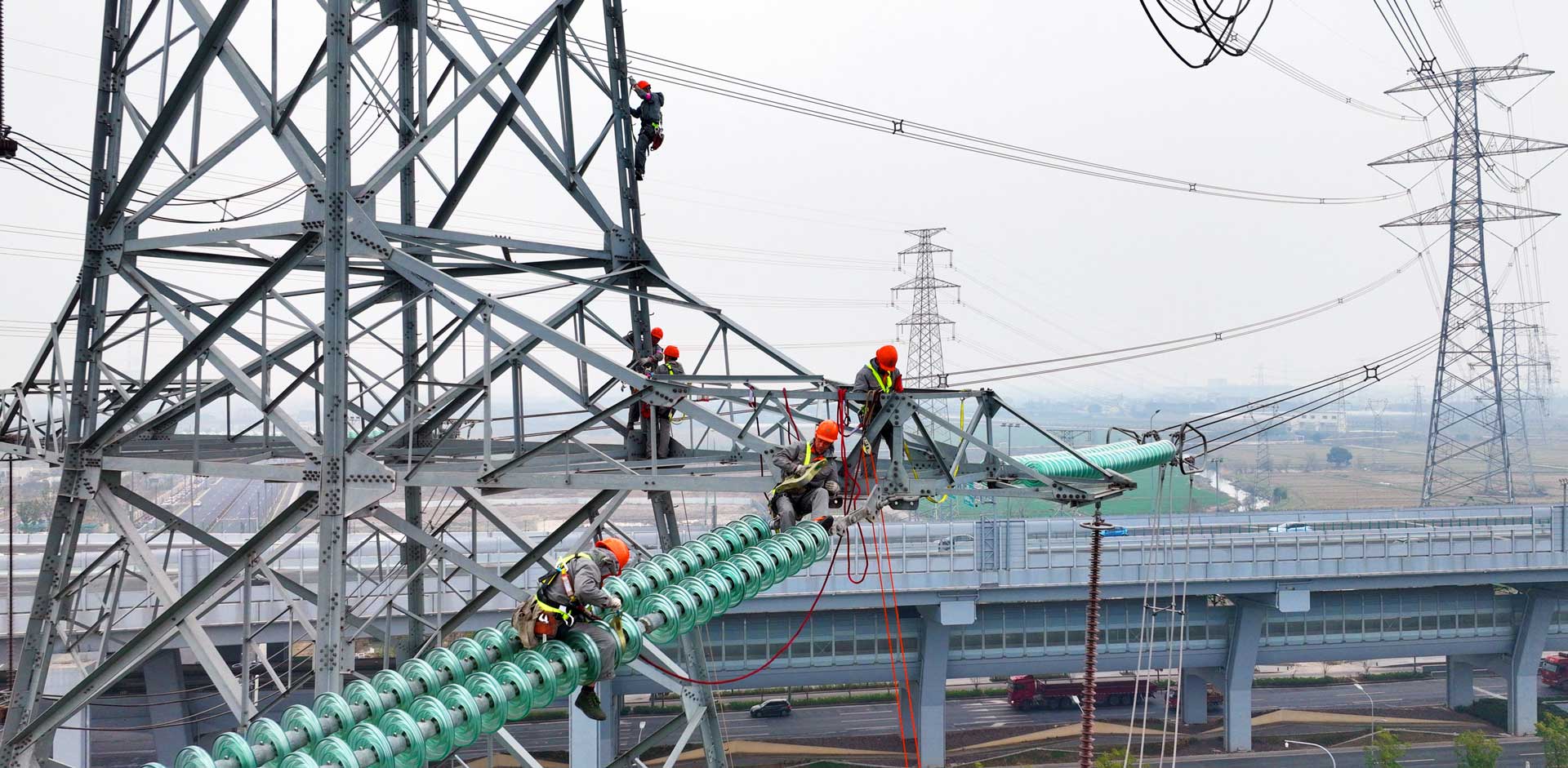
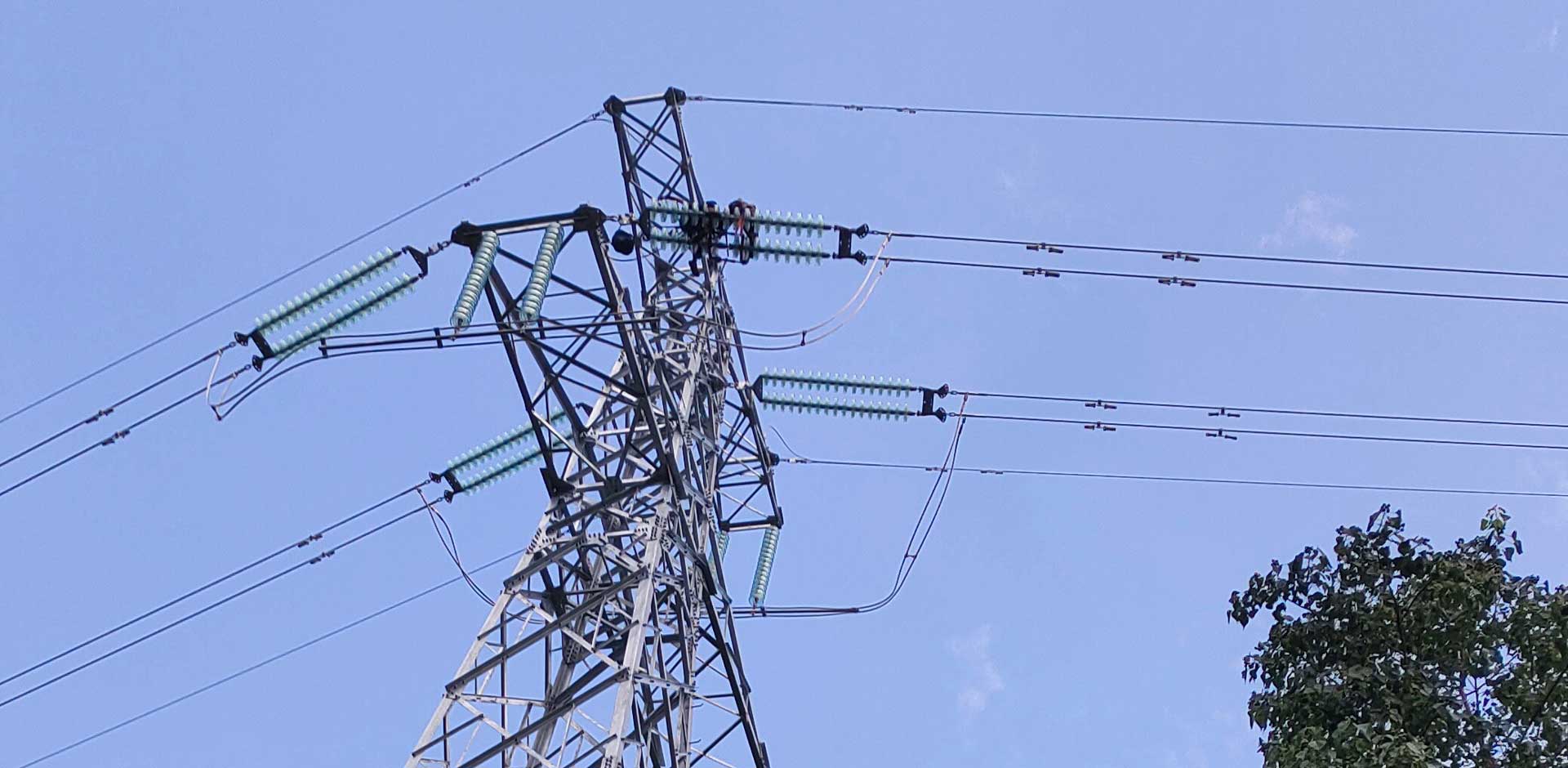
Our high-strength glass and porcelain suspension insulators perform reliably across diverse environmental and engineering contexts.
For engineering departments planning new installations or system upgrades, precise dimensional and electrical metrics are essential. Below is the standard performance profile for ANSI Class 52-9 compliant suspension glass insulators:
| Standard Parameter | Target Rating (ANSI Class 52-9) | Testing Methodology / Reference |
|---|---|---|
| Mechanical & Electrical (M&E) Strength | 15,000 lbs / 67 kN | ANSI C29.2 Section 5.1.3 | Suspension Disc Diameter | 10 inches / 254 mm | Dimensional Standard Control |
| Spacing (Height) | 5-3/4 inches / 146 mm | String Length Allocation Calculations |
| Total Leakage (Creepage) Distance | 11-1/2 inches / 292 mm | Leakage Performance in Damp Settings |
| Low-Frequency Dry Flashover Voltage | 80 kV | ANSI C29.2 Section 5.1.1 (Flashover verification) |
| Low-Frequency Wet Flashover Voltage | 50 kV | ANSI C29.2 Section 5.1.2 (Flashover verification) |
| Critical Impulse Flashover (Positive) | 125 kV | Impulse wave tests (1.2/50 μs surge profiles) |
| Critical Impulse Flashover (Negative) | 125 kV | Impulse wave tests (1.2/50 μs surge profiles) |
| Radio Influence Voltage (RIV) Test Limit | 50 μV maximum at 10 kV | IEEE 434 corona mitigation verification |
Understanding these values helps system engineers predict how insulator strings will behave under extreme weather and power surges, ensuring system stability and reducing unplanned downtime.
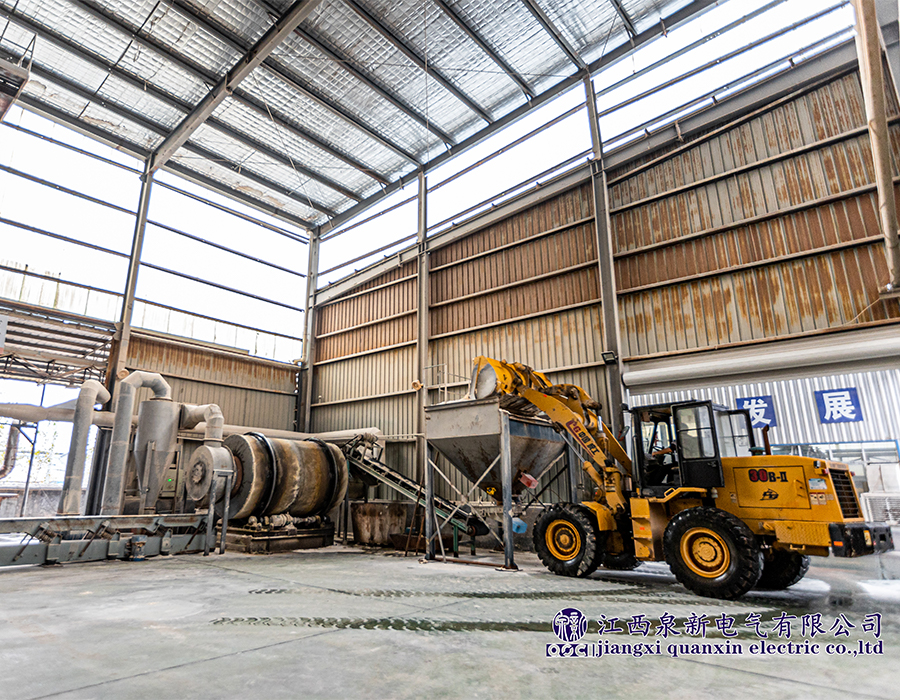
A tour of our advanced production lines, from high-grade raw materials to our dedicated testing facilities.
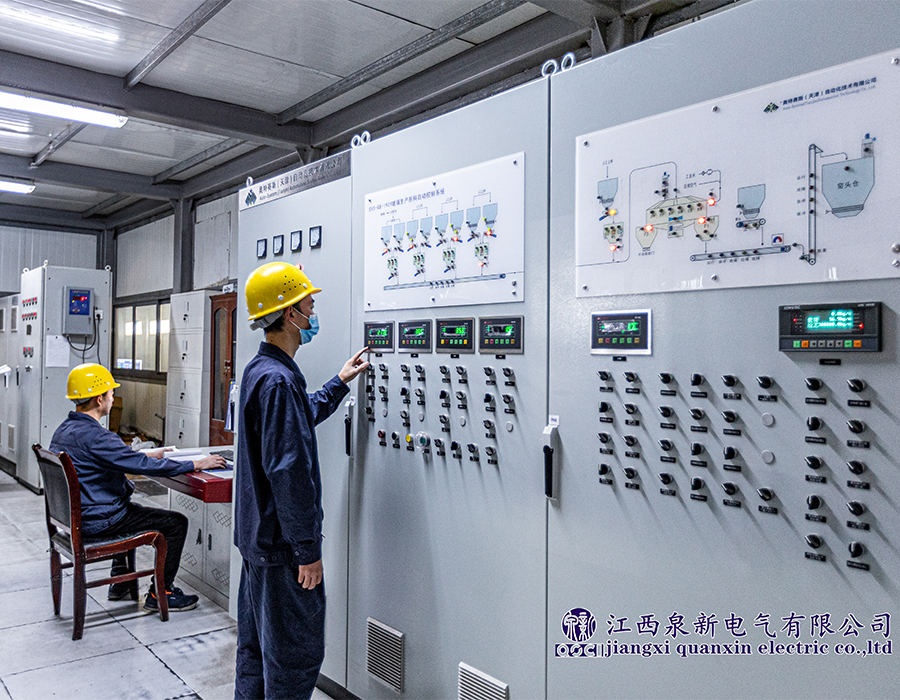
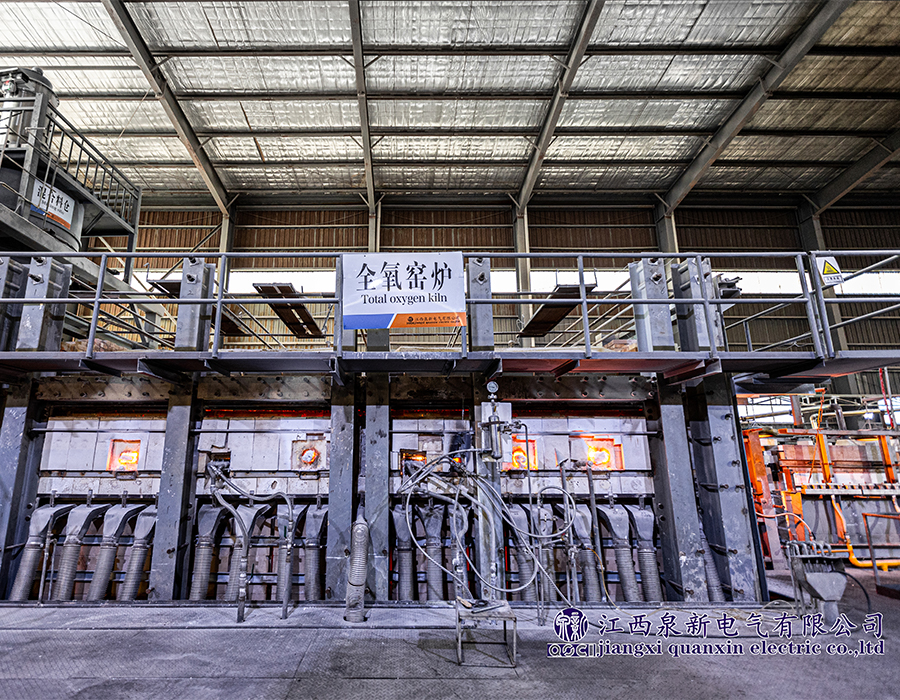
We work with utility contractors and industrial suppliers worldwide. Our partnerships support infrastructure projects of all scales. *Operational note: QOCI group maintains an annual output of 160,000 cubic meters of plywood for concrete formwork to support integrated civil infrastructure projects.

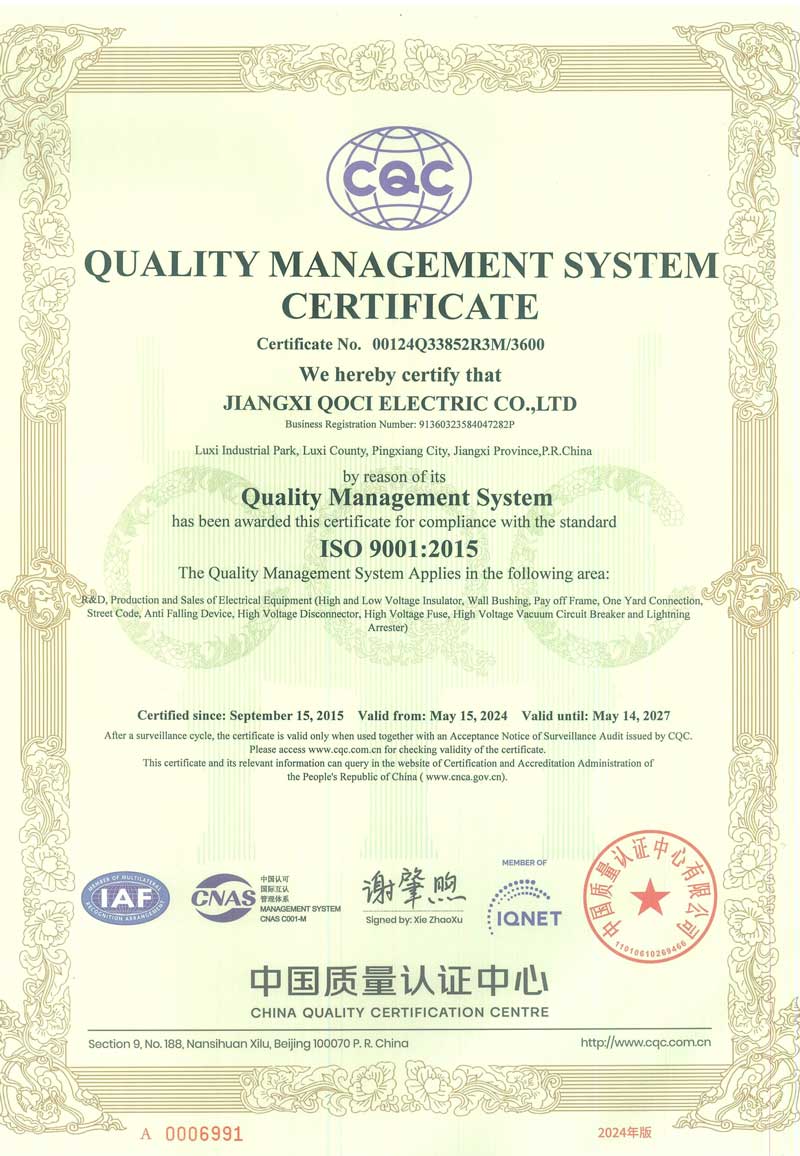
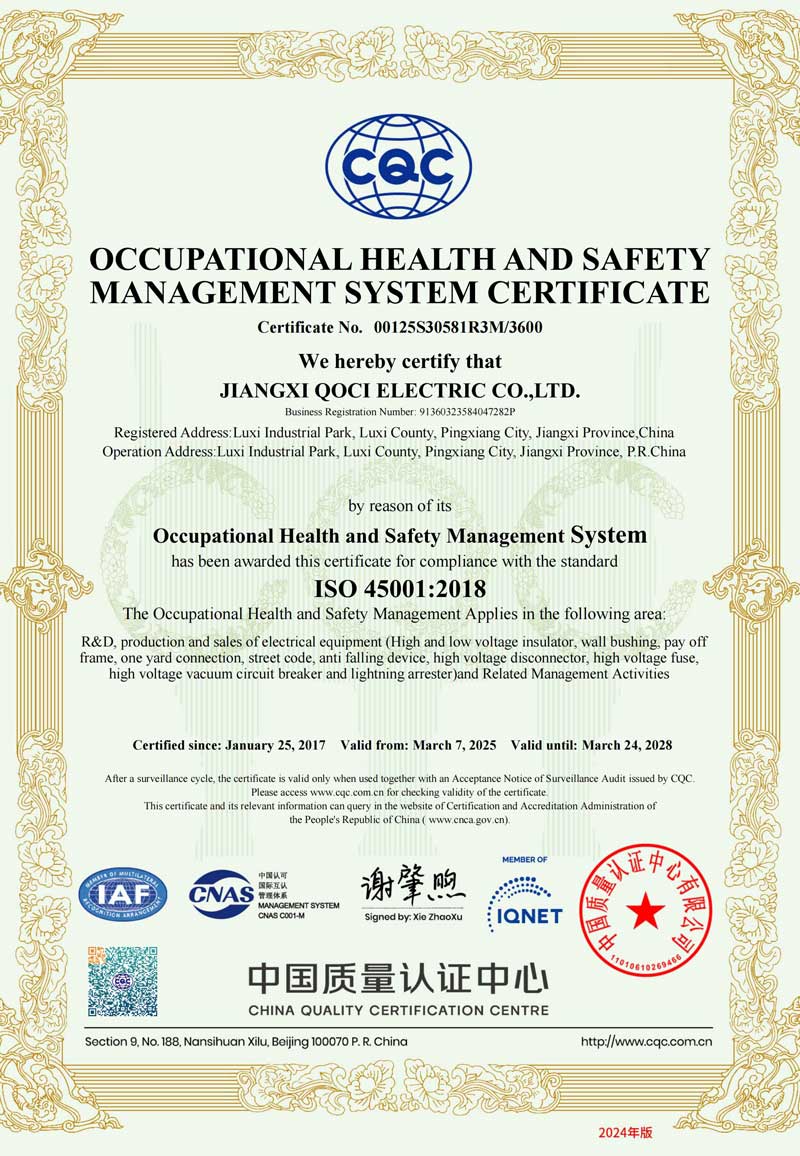
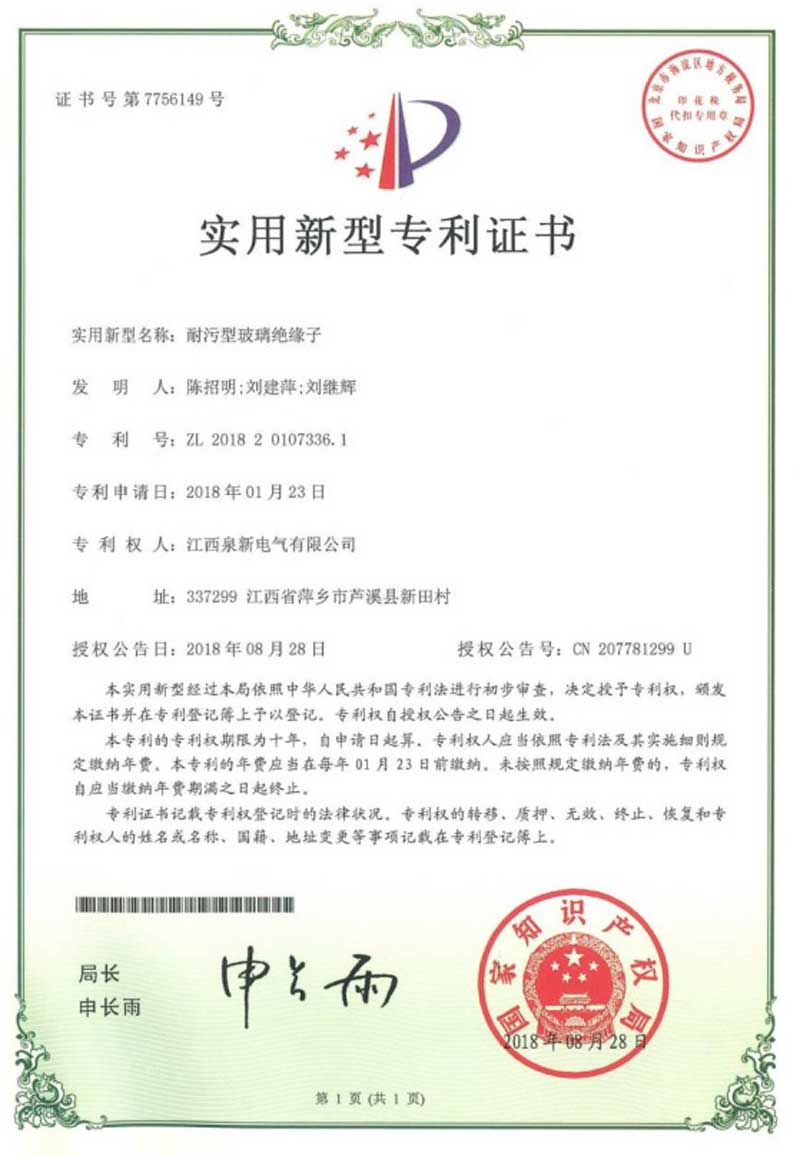
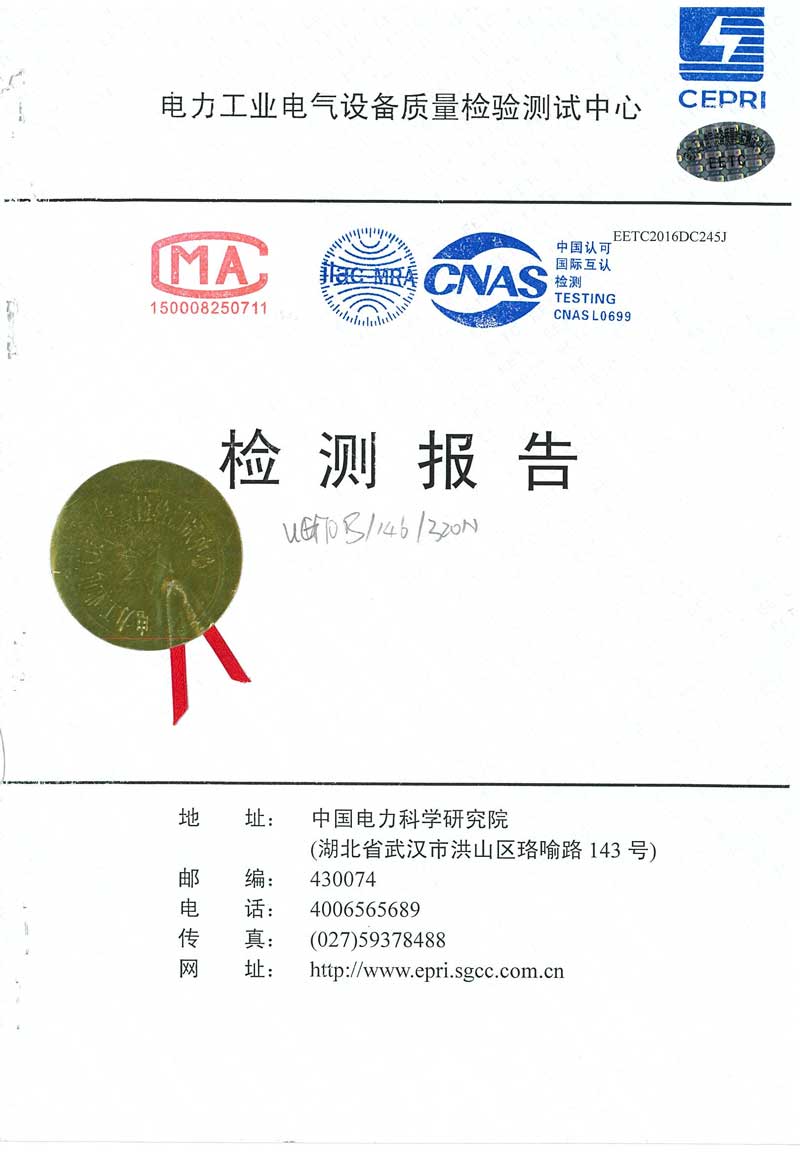
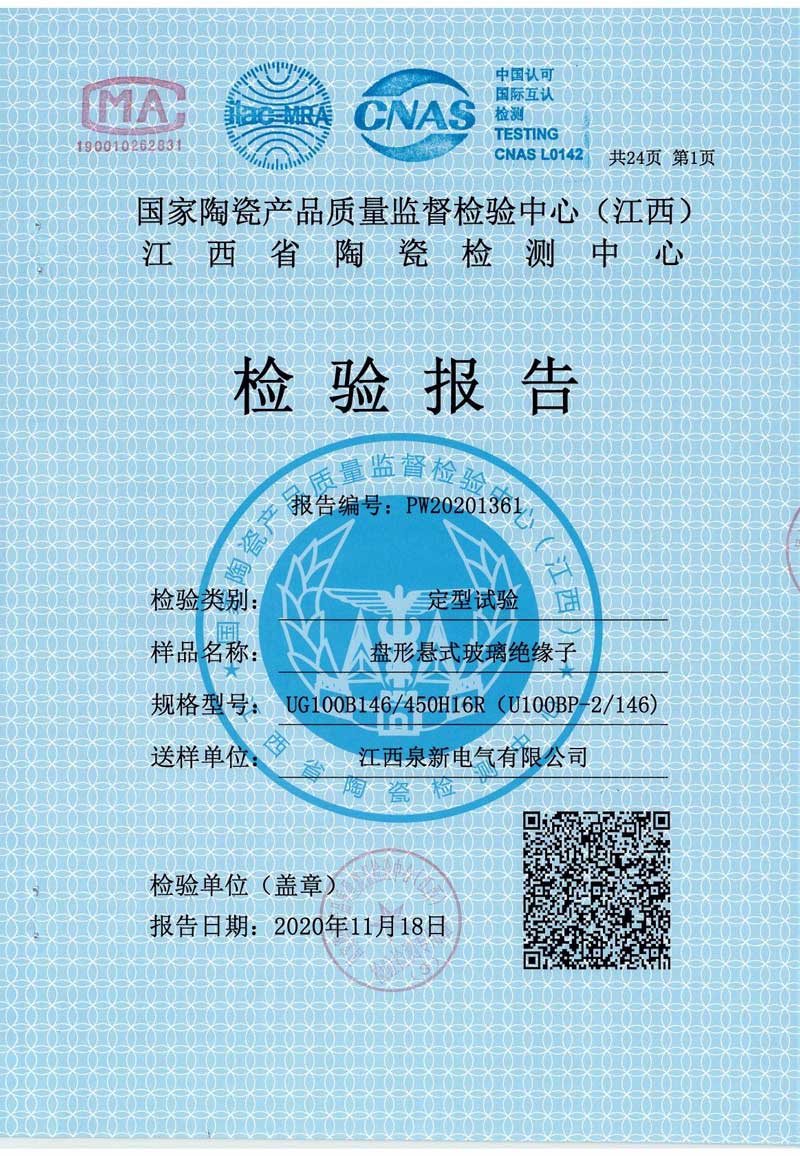
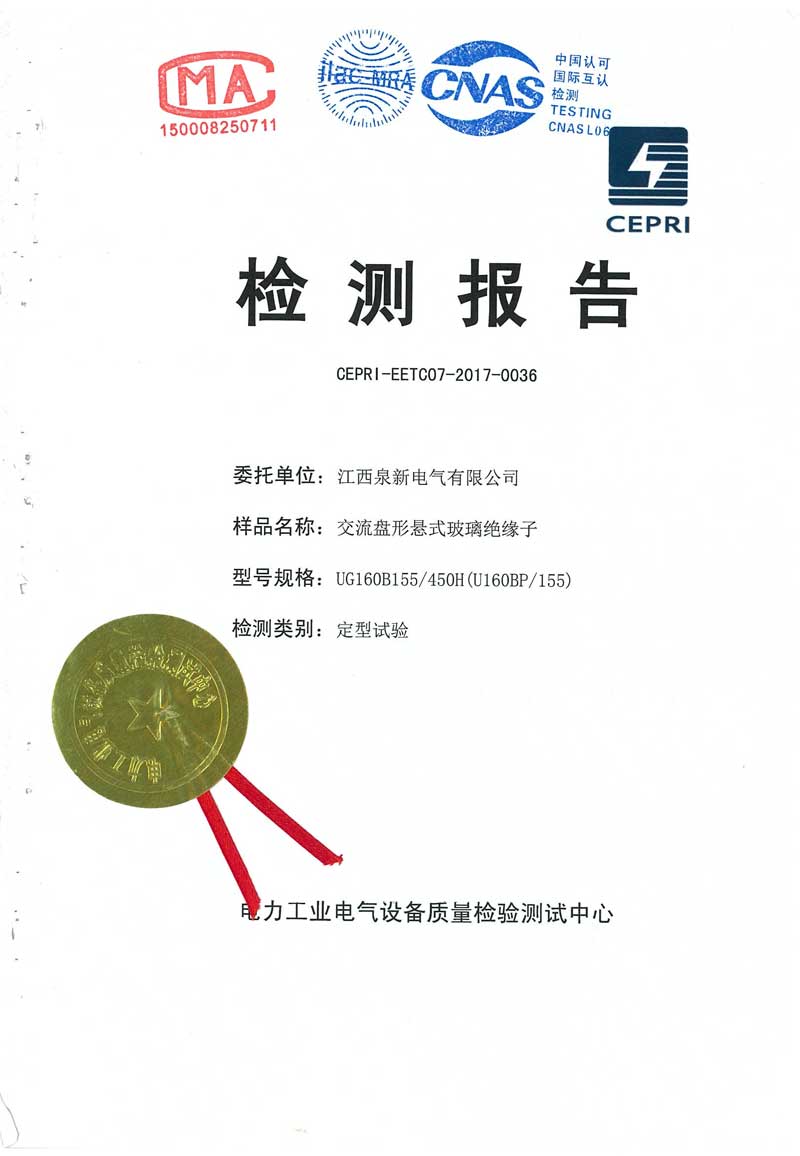
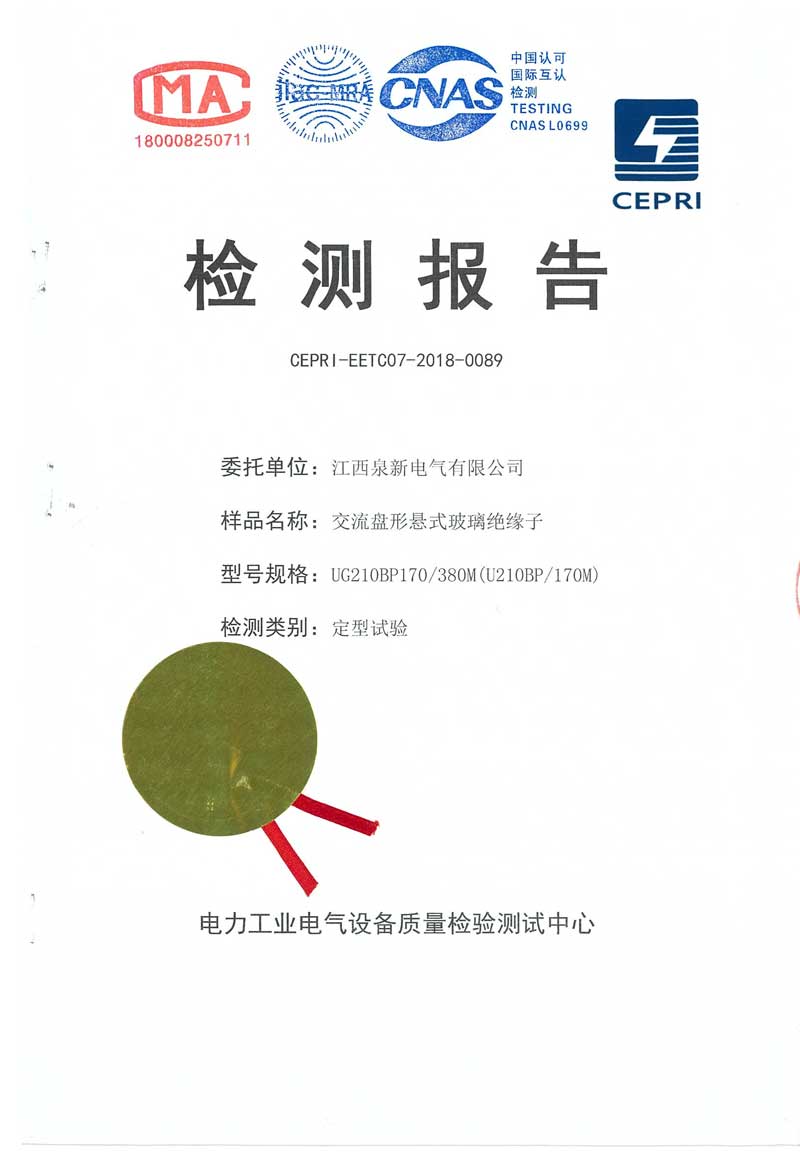
Technical guidance and answers to common questions about ANSI 52-9 suspension insulators.
Updates on our industry participation, technical research, and global exhibition schedules.
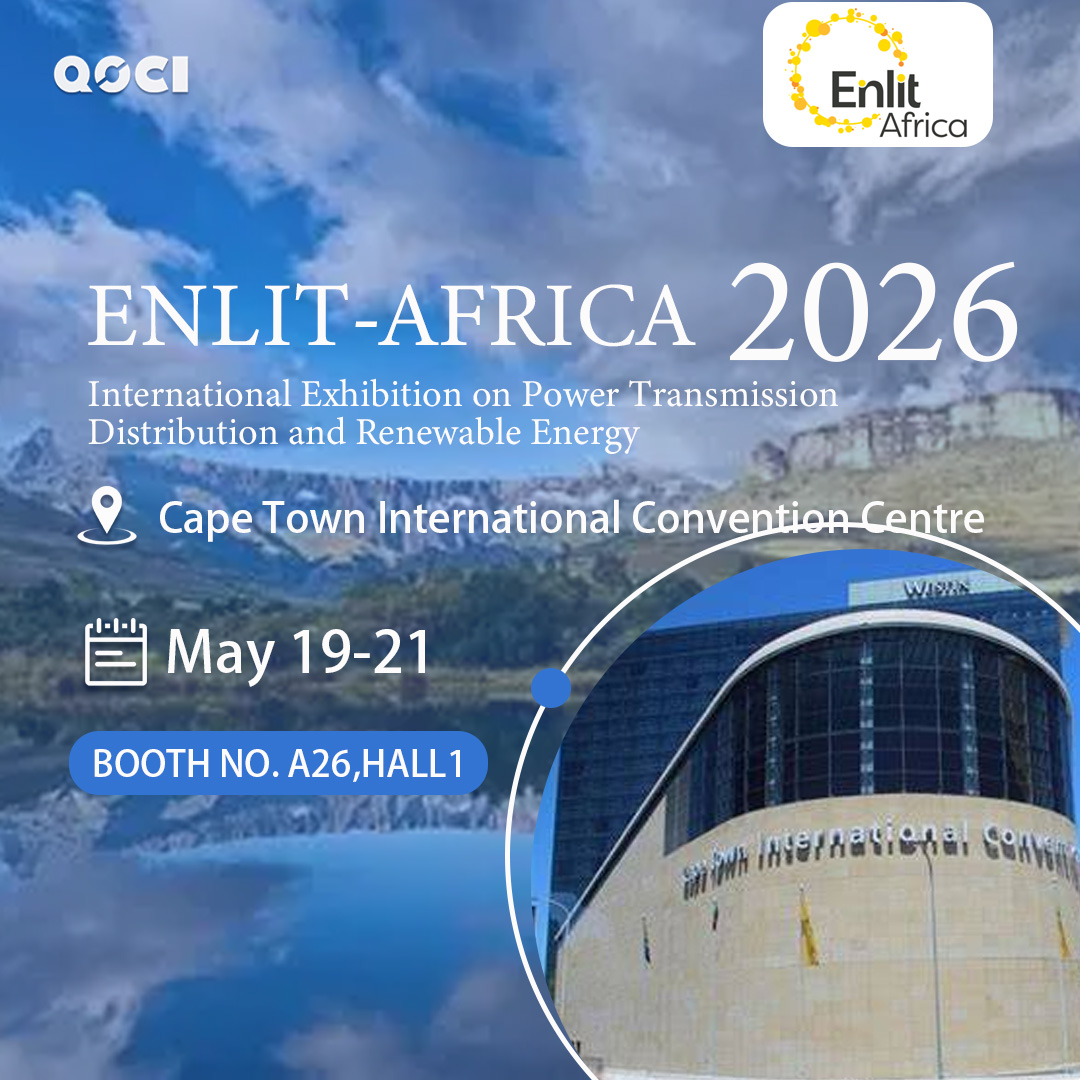
As the global energy transition accelerates, the importance of electricity, renewable energy, and energy storage technologies is becoming increasingly critical...
Having withstood extreme environmental conditions including icing, high altitude, pollution, earthquakes and typhoons, China’s insulator industry...
On behalf of our team at Jiangxi QOCI Electric Co., Ltd, we encourage you to join us at IEEE PES T&D Conference & Exposition 2026, the powerhouse...
Pingxiang, China - QOCI Electric, a leading global supplier of power equipment and solutions, officially confirmed participation in the upcoming Iraq regional event...
Explore our complete catalog of high-voltage porcelain, post type, and specialized suspension insulators.