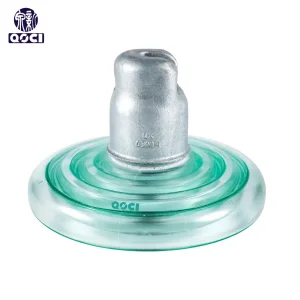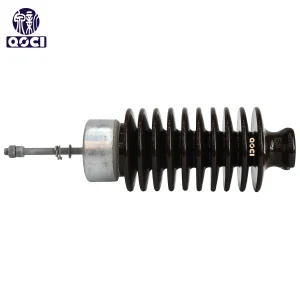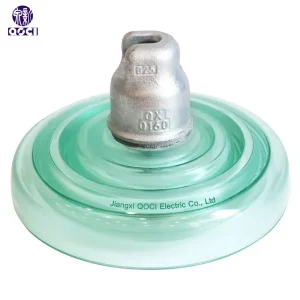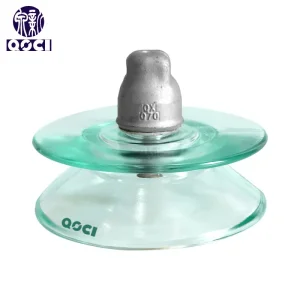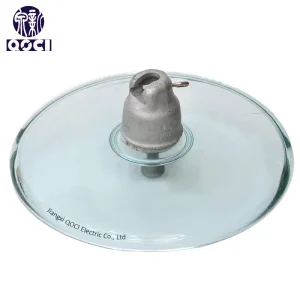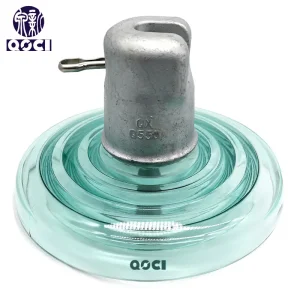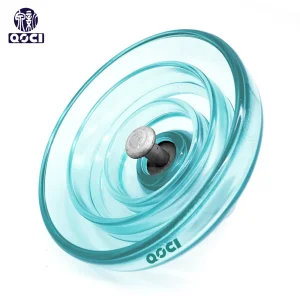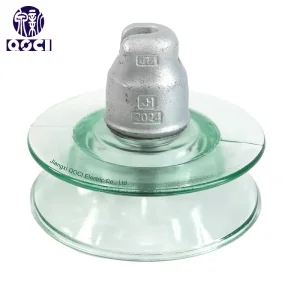
High-performance Cap and Pin suspension insulators engineered to handle complex mechanical loading and ambient air salinity.
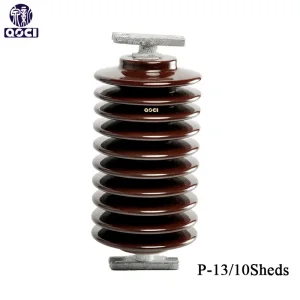
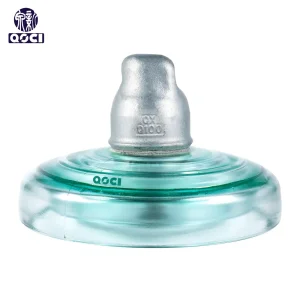
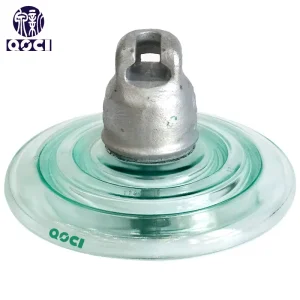
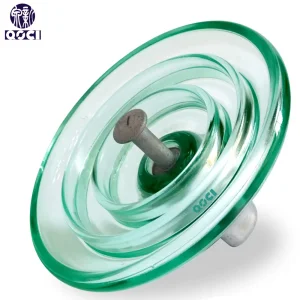
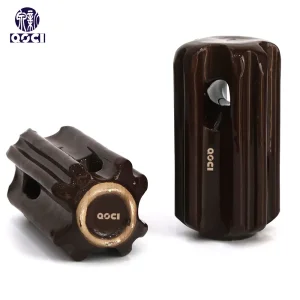
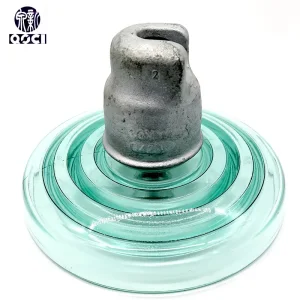
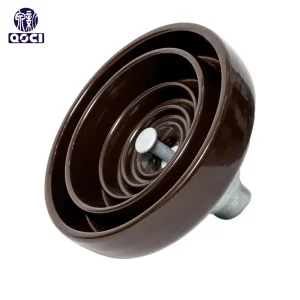
Delivering uncompromised electrical and mechanical integrity across three core operational pillars.
Serving the world-class power grid with dedication. We actively participate in the development and global roll-out of green energy grids and UHV/EHV DC transmission insulation solutions.
Responsibility is the absolute guarantee of quality. Every disc suspension glass insulator complies with strict quality tests including thermal shock and steep-front voltage impulse tests.
Serving the global electric power utilities industry, ensuring operational safety, low line maintenance overhead, and minimal power leakage currents across all atmospheric terrains.
Founded in December 2002 with a registered capital of 508 million Yuan, Jiangxi QOCI Electric Co. Ltd has established itself as an international benchmark in insulator manufacturing. Strategically located within the Industrial Park of Luxi County, Pingxiang, Jiangxi Province—the historic industrial cluster of China's electrical porcelain industry—our facility spans a massive 100 mu (70,000 m²).
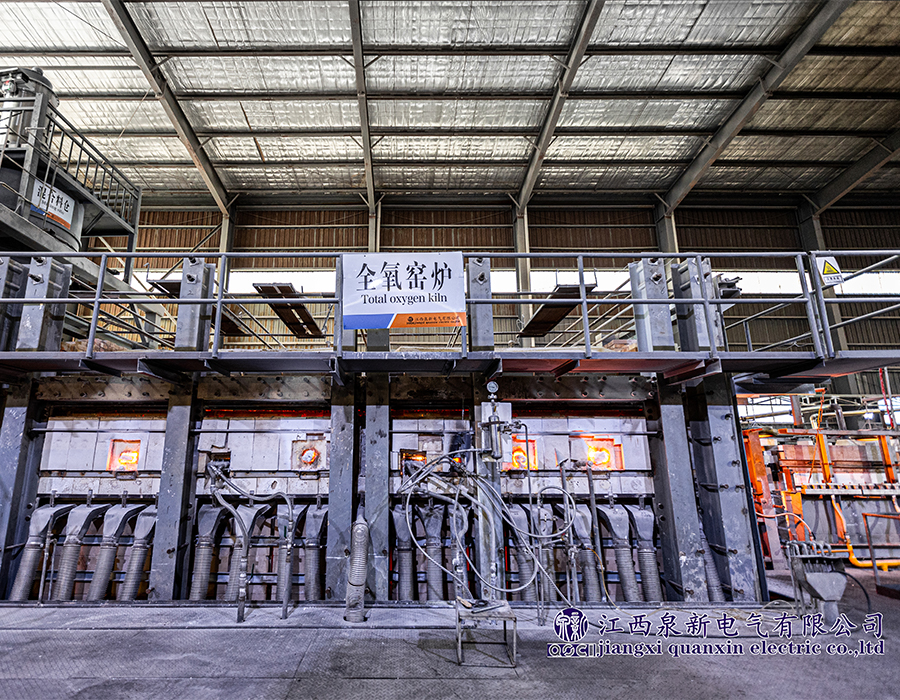
As a specialized manufacturer, we produce high-strength toughened glass insulators, porcelain insulators, and silicone elastomer-coated line isolators for medium to ultra-high voltage (UHV) systems. Our commitment to automated production, state-of-the-art oxygen-fuel kilns, and comprehensive mechanical-electrical testing is why utilities in over 40 countries trust QOCI to insulate their primary distribution and transmission lines.
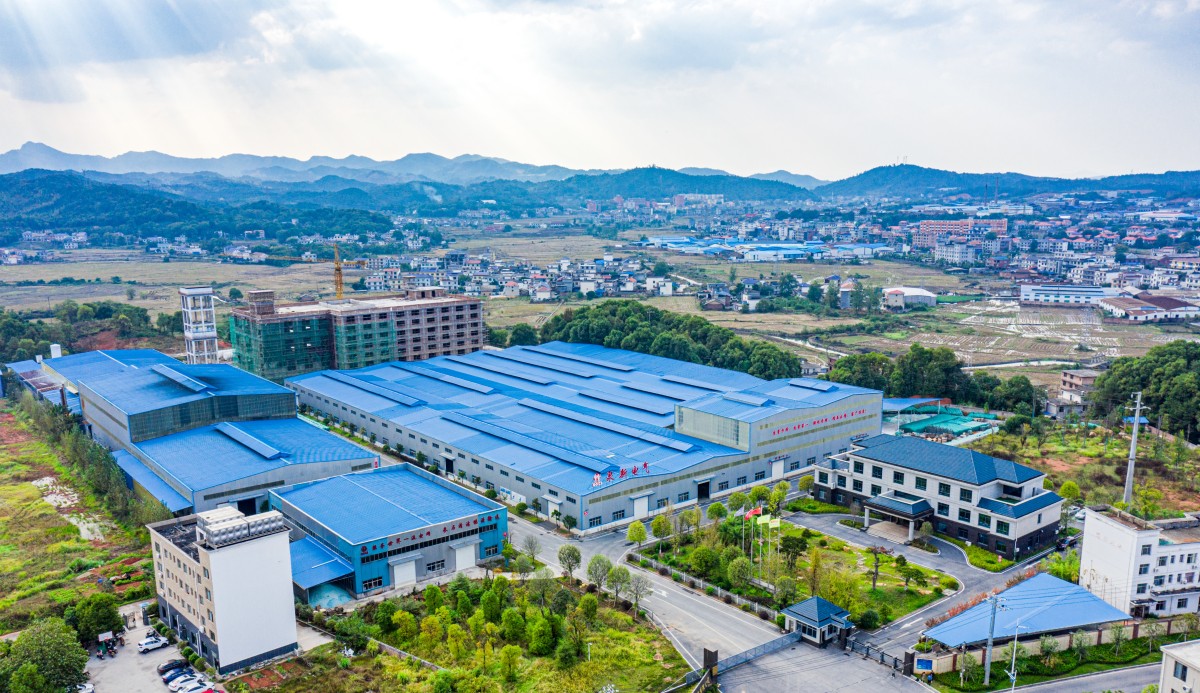
An in-depth look at materials, profiles, and performance in harsh physical and atmospheric environments.
Electrical isolators and disc insulators are critical structural components of overhead power networks. They must satisfy two opposing criteria: maintaining absolute electrical isolation under hundreds of kilovolts of potential difference, and supporting severe mechanical loads—spanning structural wire tension, dynamic wind pressure, and ice loads—without experiencing material failure.
Modern utility systems rely heavily on toughened glass suspension discs due to their distinct lifecycle advantages over traditional porcelain. Glass undergoes a precise thermal tempering process that creates permanent compressive stress on the outer shell, countered by internal tensile stresses. If the dielectric shell is damaged, the glass shatters into tiny, safe fragments, leaving the remaining cap and pin mechanical linkage intact. This "self-shattering" diagnostic feature allows maintenance teams to rapidly spot damaged units from the ground without diagnostic instruments.
Conversely, porcelain insulators feature high dielectric strength and robust glaze coats, but microcracks within the clay body can develop invisibly over years of mechanical oscillation. These internal faults can cause electrical punctures without visible structural changes, requiring regular line testing via diagnostic leakage probes.
Designed to exceed the requirements of IEC 60305, providing standard creepage and exceptional self-cleaning via natural weather patterns.
Utilizes deep, wide rib geometry that maintains high insulation performance in salt-laden coastal zones and heavily polluted industrial sites.
Eliminates under-ribs entirely to stop sand, desert dust, and ice from bridging the dry zones, making them ideal for arid windscapes.
Injects active hydrophobicity onto glass surfaces, transferring silicone oils to surrounding dust layers to suppress arc pathways and leakage currents.
How our structural isolators adapt to diverse climates and power grid designs globally.
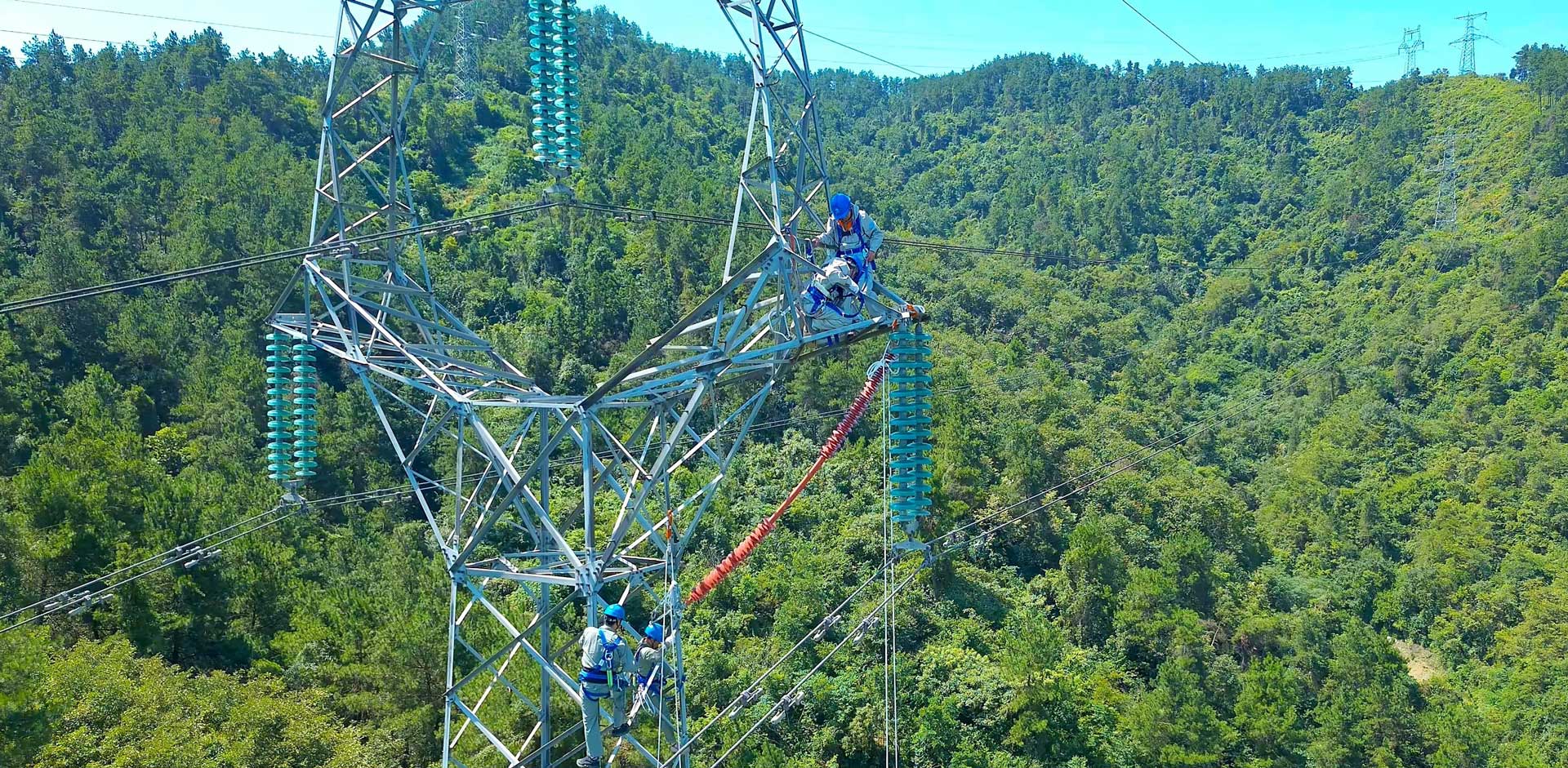
Engineered for high altitude, alpine, desert, and tropical coastal areas subject to severe atmospheric hazards.
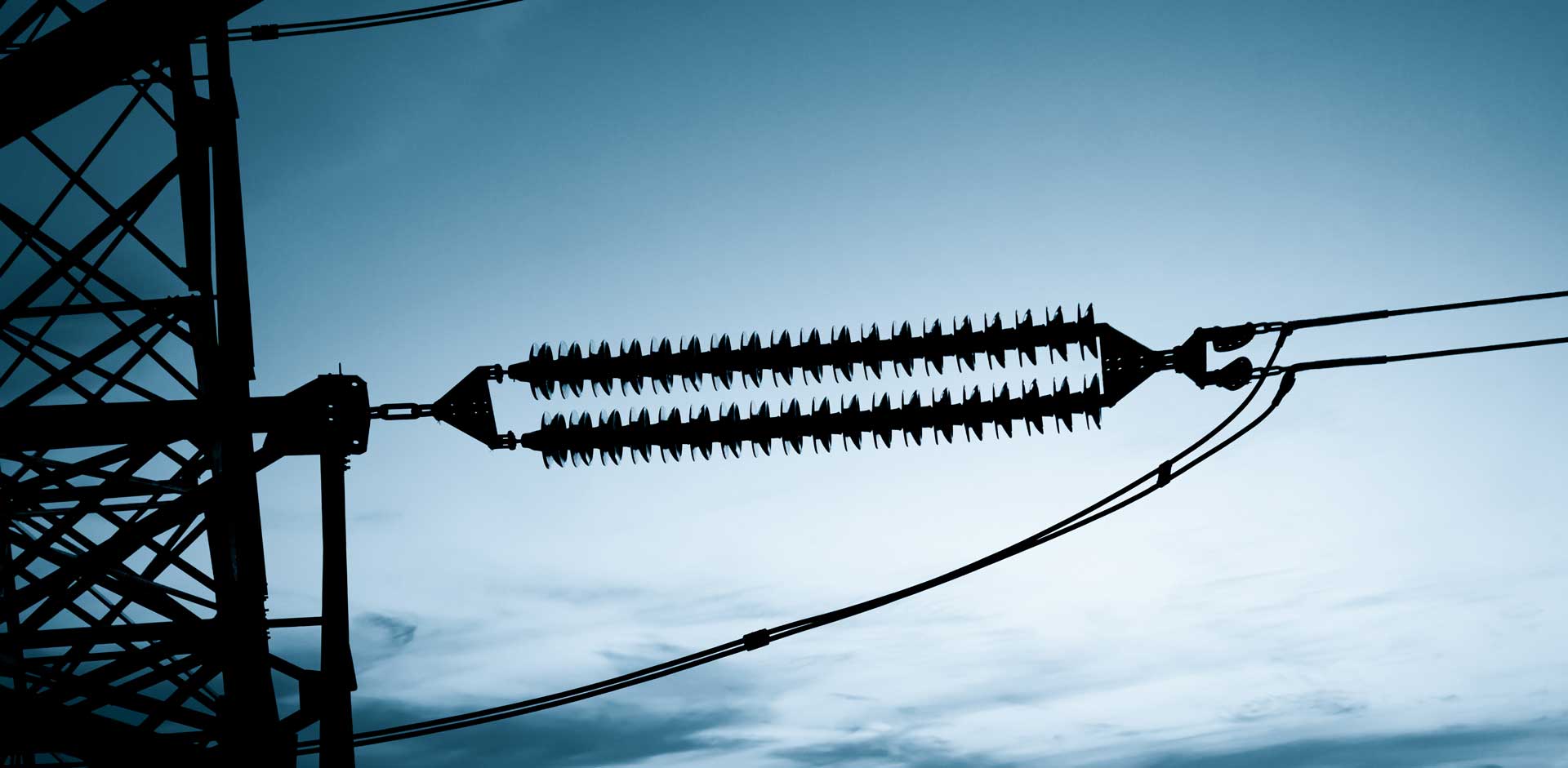
Fully compatible with systems ranging from 10kV distribution to 1000kV UHV transmission infrastructure.
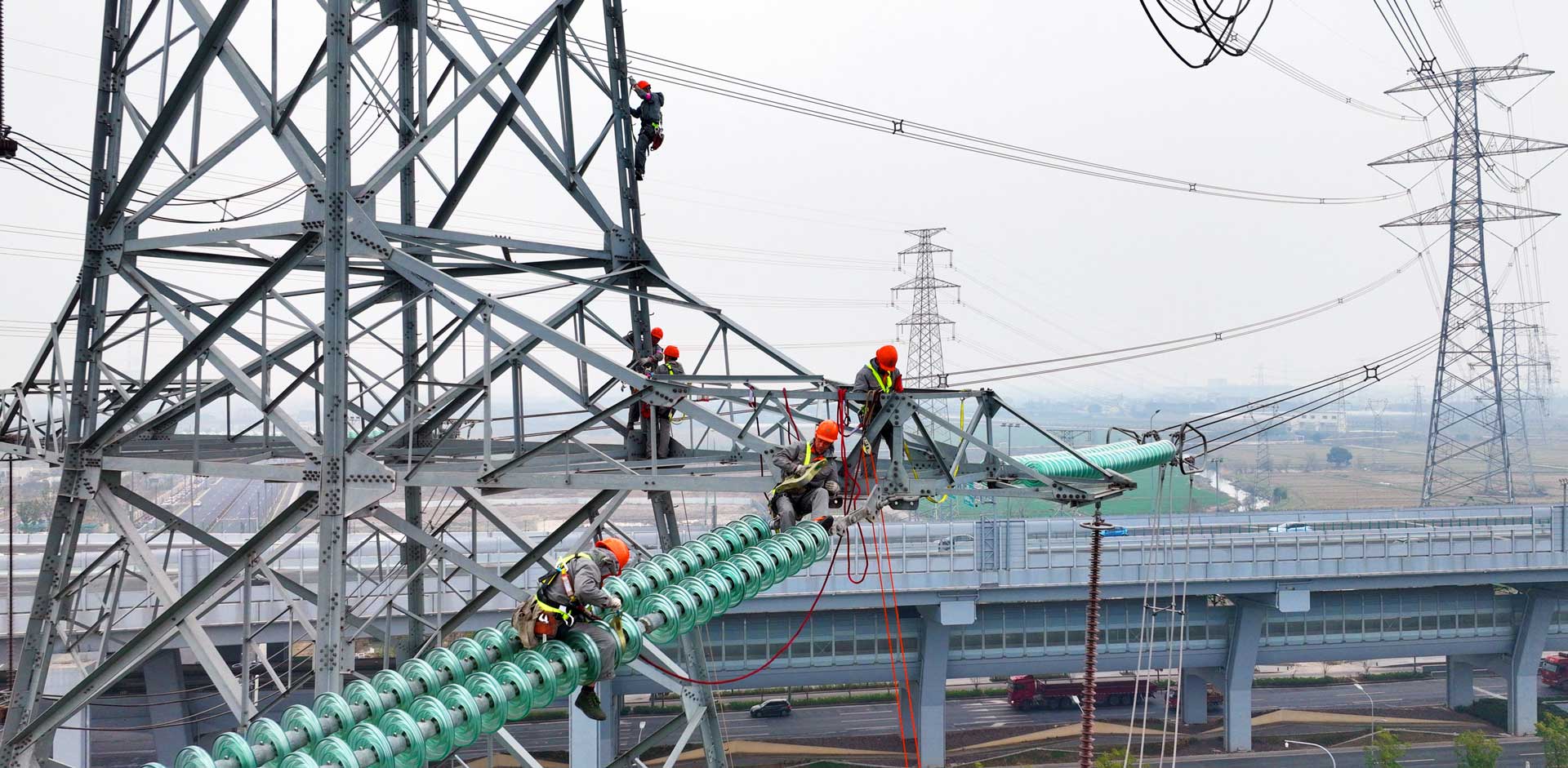
Designed for tension and suspension strings, preventing structural dropouts during seismic activities or wind storms.
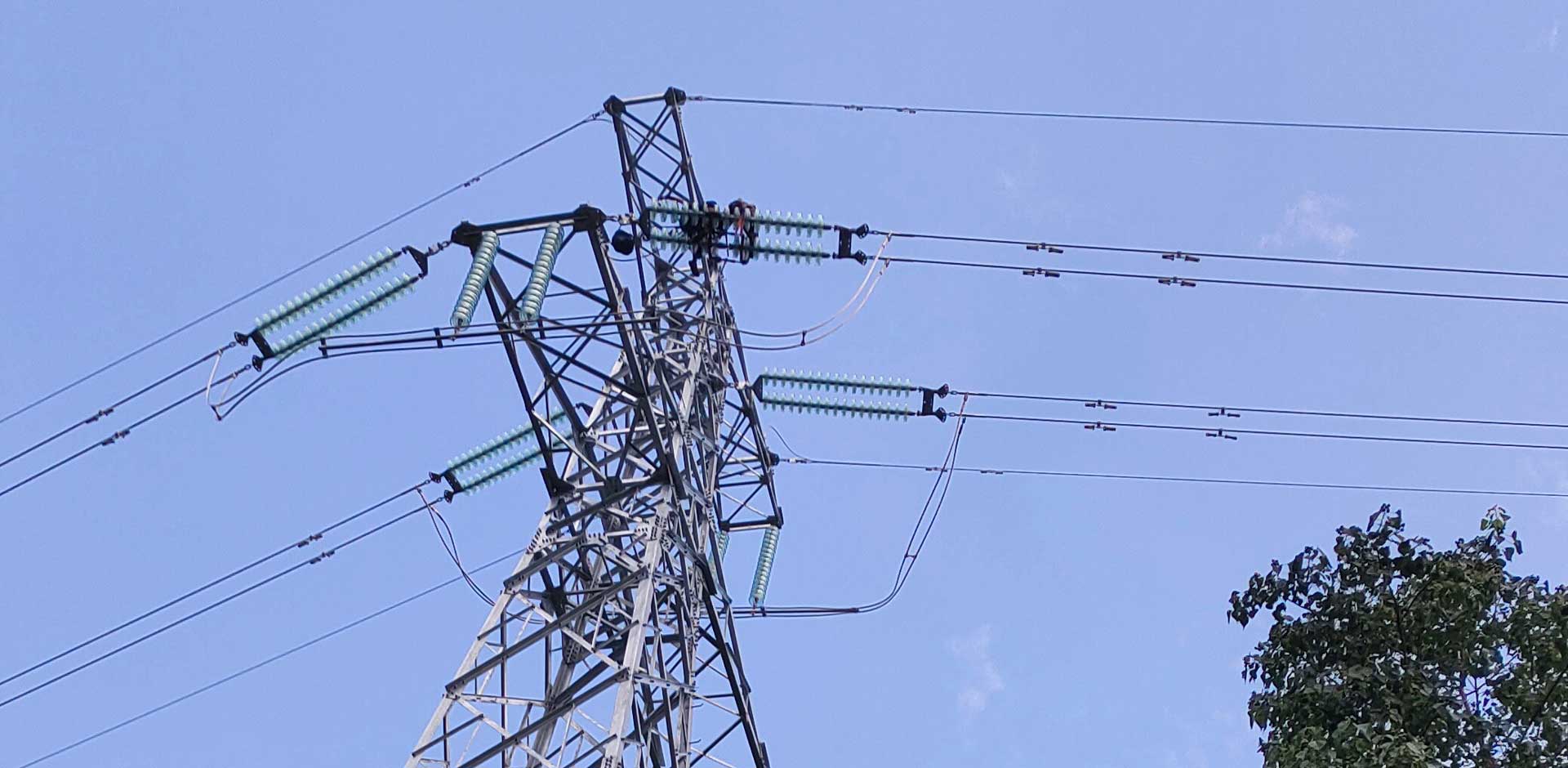
Optimized for heavy chemical corridors, mining substations, and electrified high-speed railway networks.
Jiangxi QOCI Electric takes pride in leveraging Luxi County's historic raw materials supply chain. Our proximity to high-grade silica, feldspar, and specialized clays ensures consistent raw material feedstocks. By operating our own advanced Total Oxygen Kilns, we achieve complete control over thermal cycles and reduce fossil fuel dependencies, minimizing carbon footprints.
From automatic mixers and robotic forming presses to rigorous mechanical failing load (MFL) test machines, we ensure every insulator disc behaves identically under extreme service conditions. Our fully integrated QA laboratories perform mechanical, electrical, and thermal shock routines in accordance with IEC, ANSI, BS, and AS standards, ensuring reliable performance in any global market.
A transparent look inside our production line—where raw materials become high-strength electrical isolators.
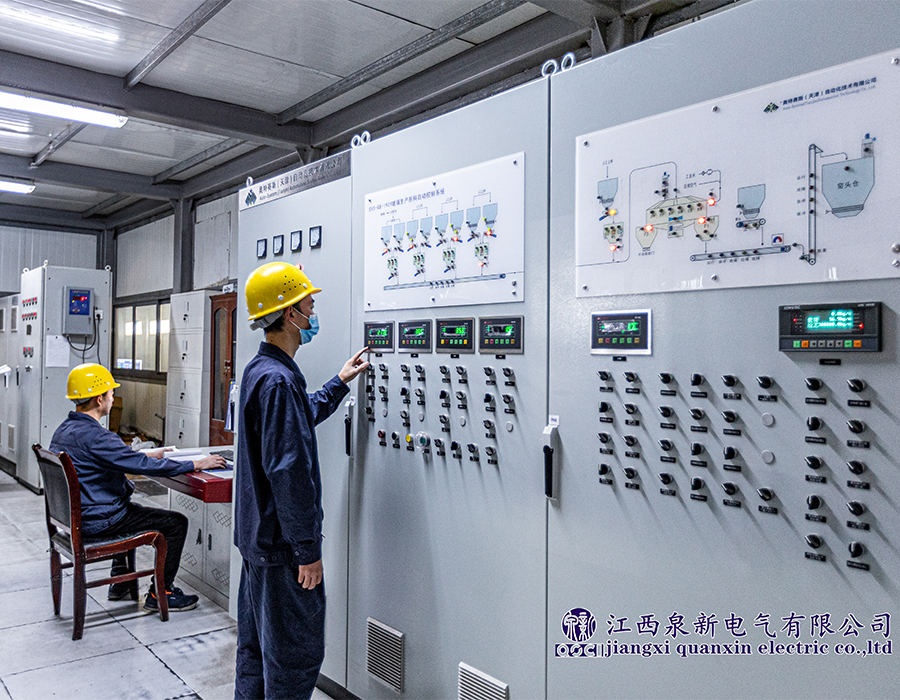
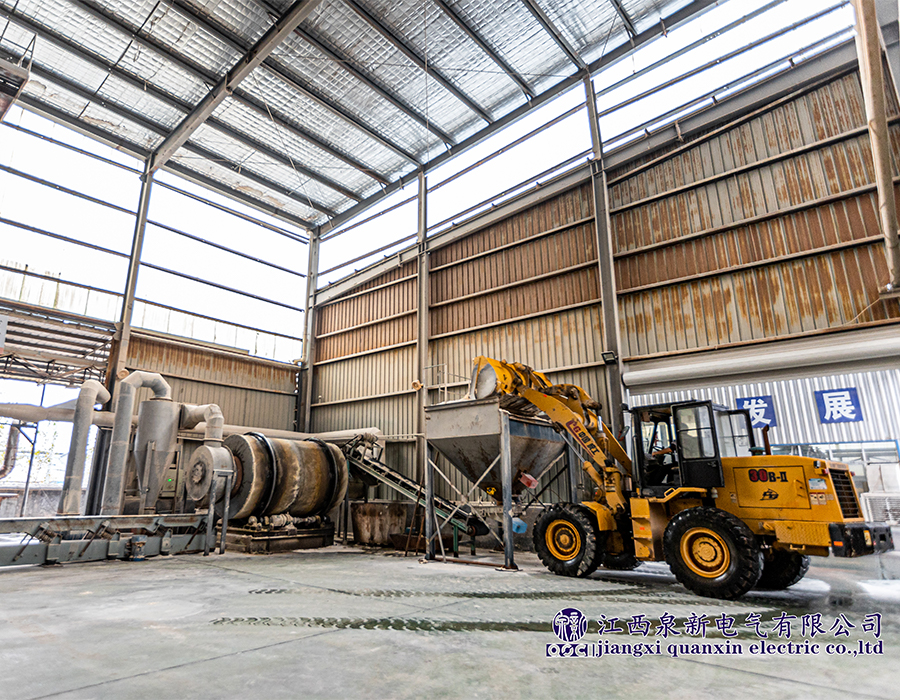
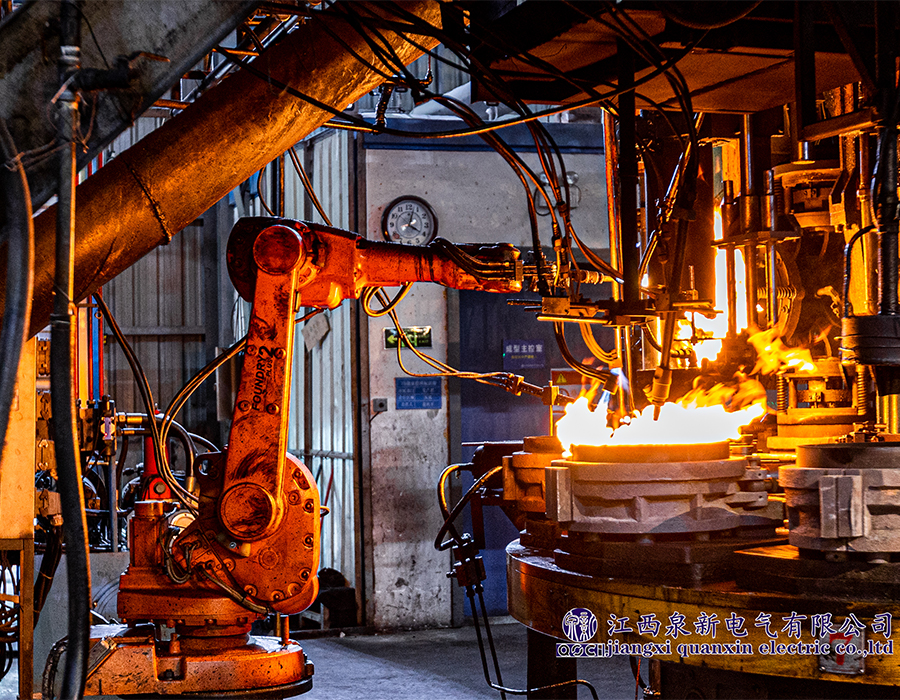
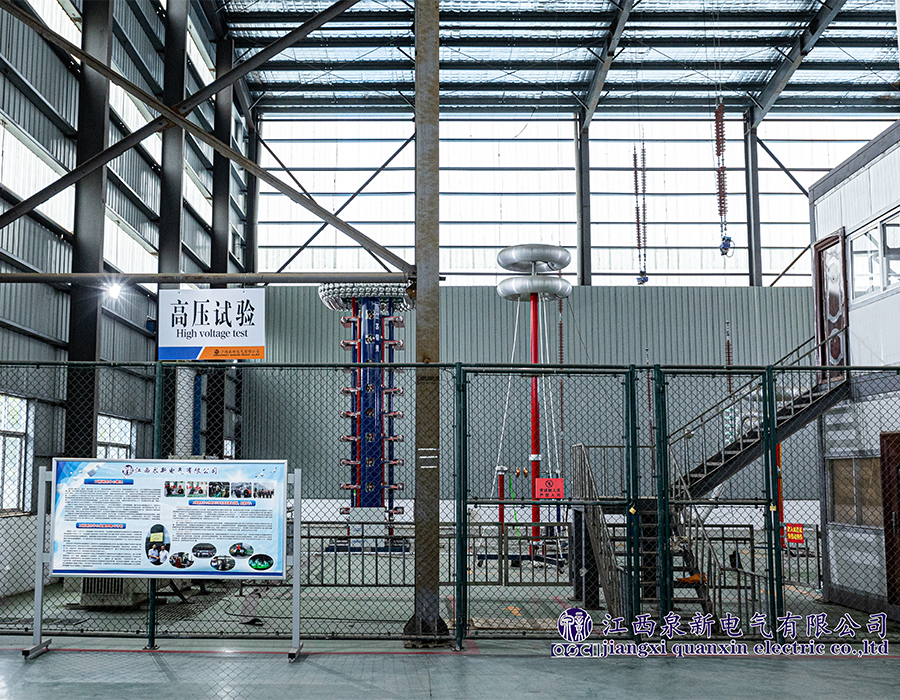
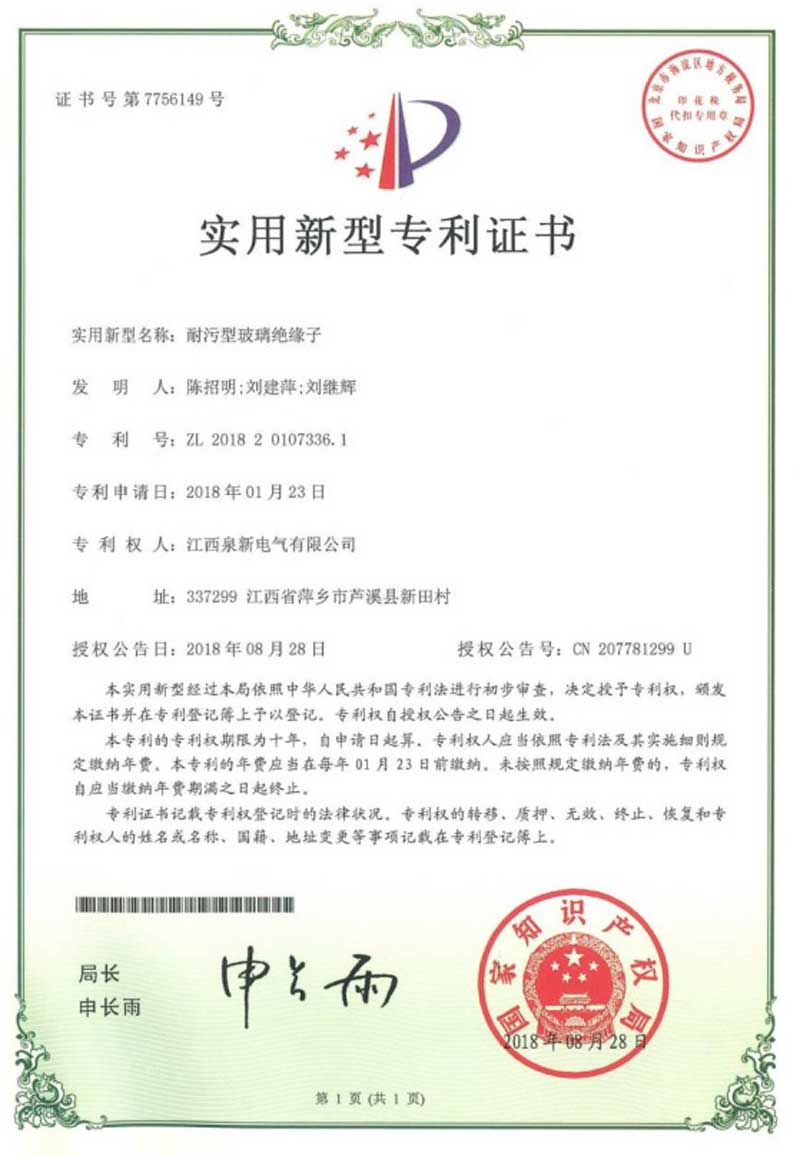
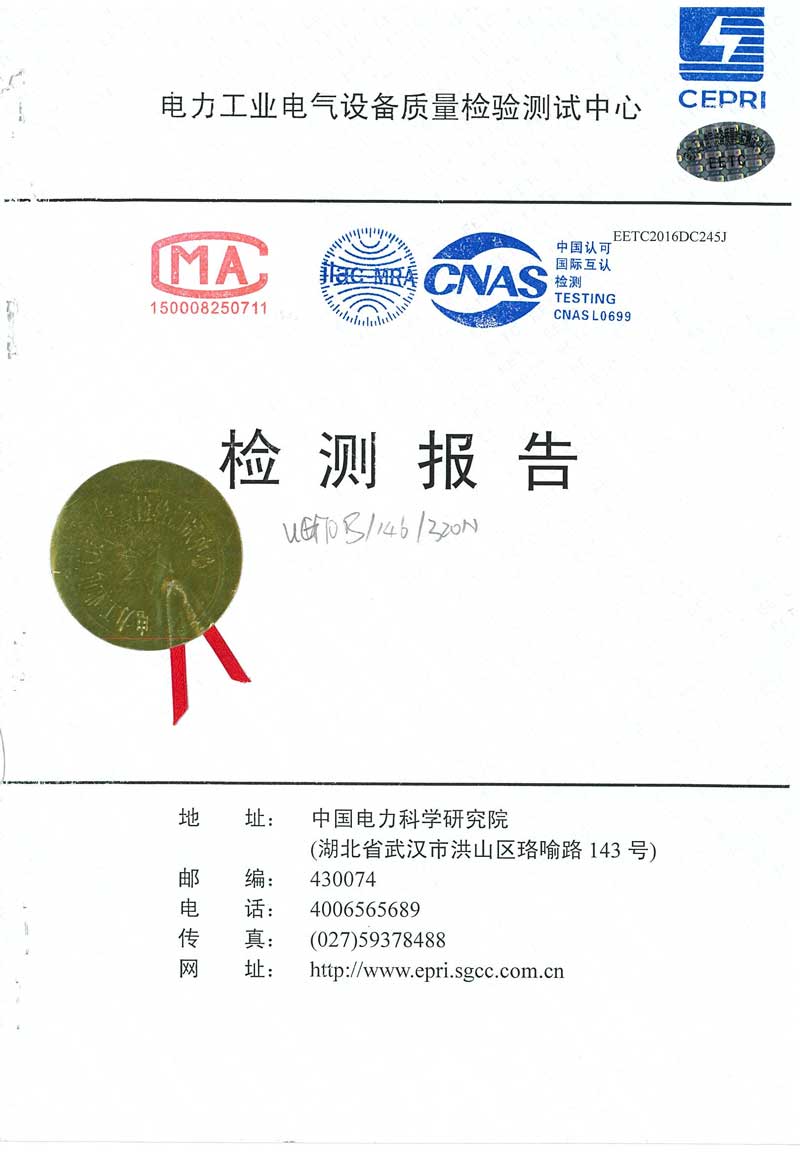
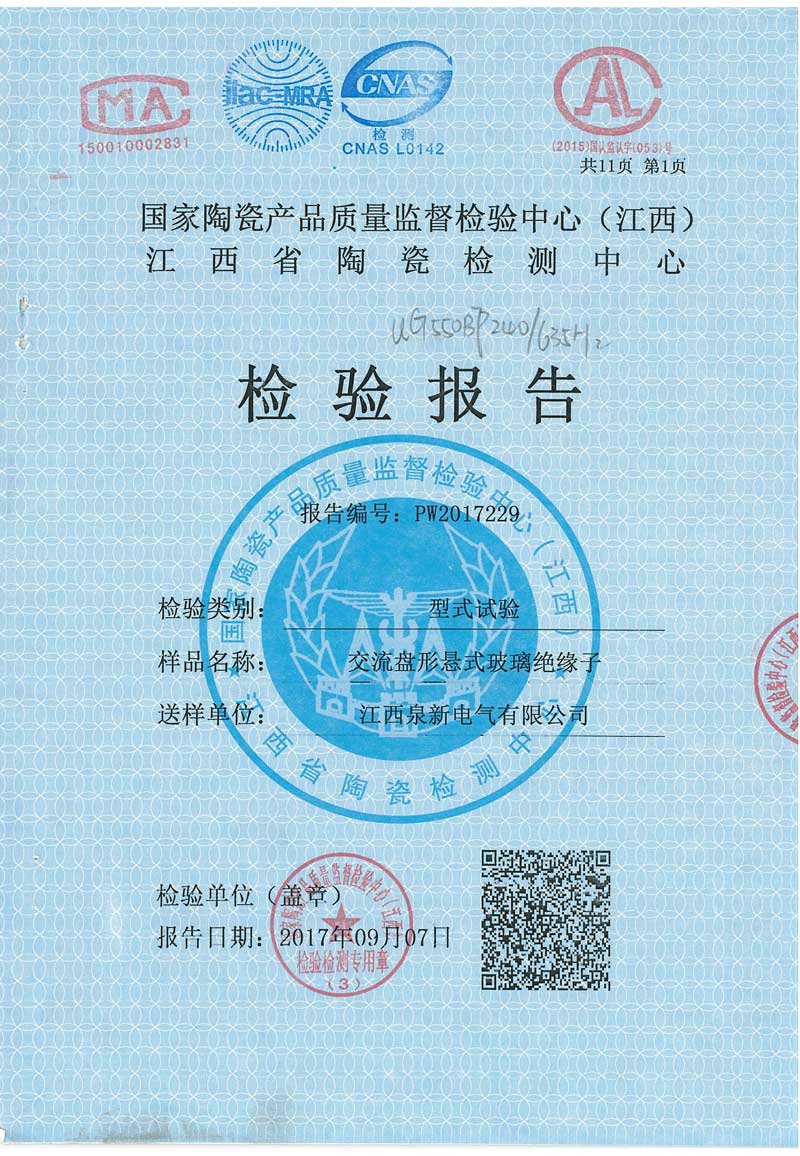
QOCI products undergo rigorous type testing in authorized ISO/IEC 17025 laboratories.
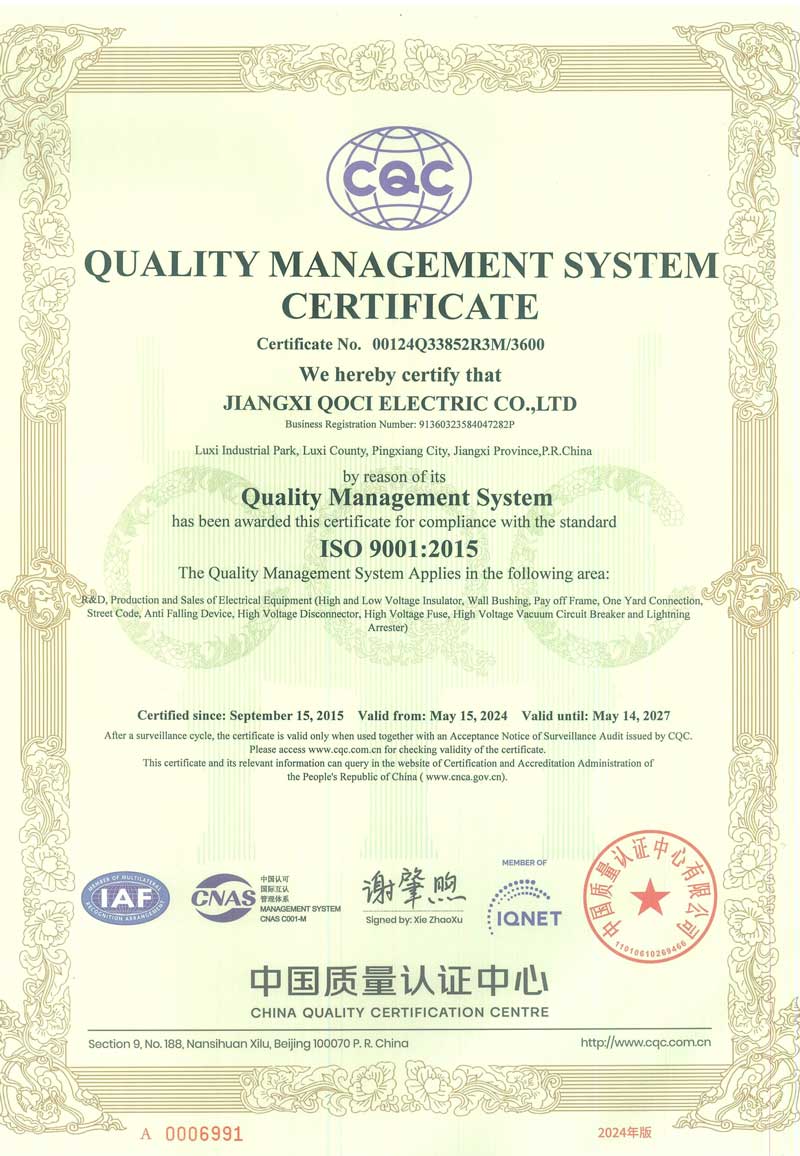
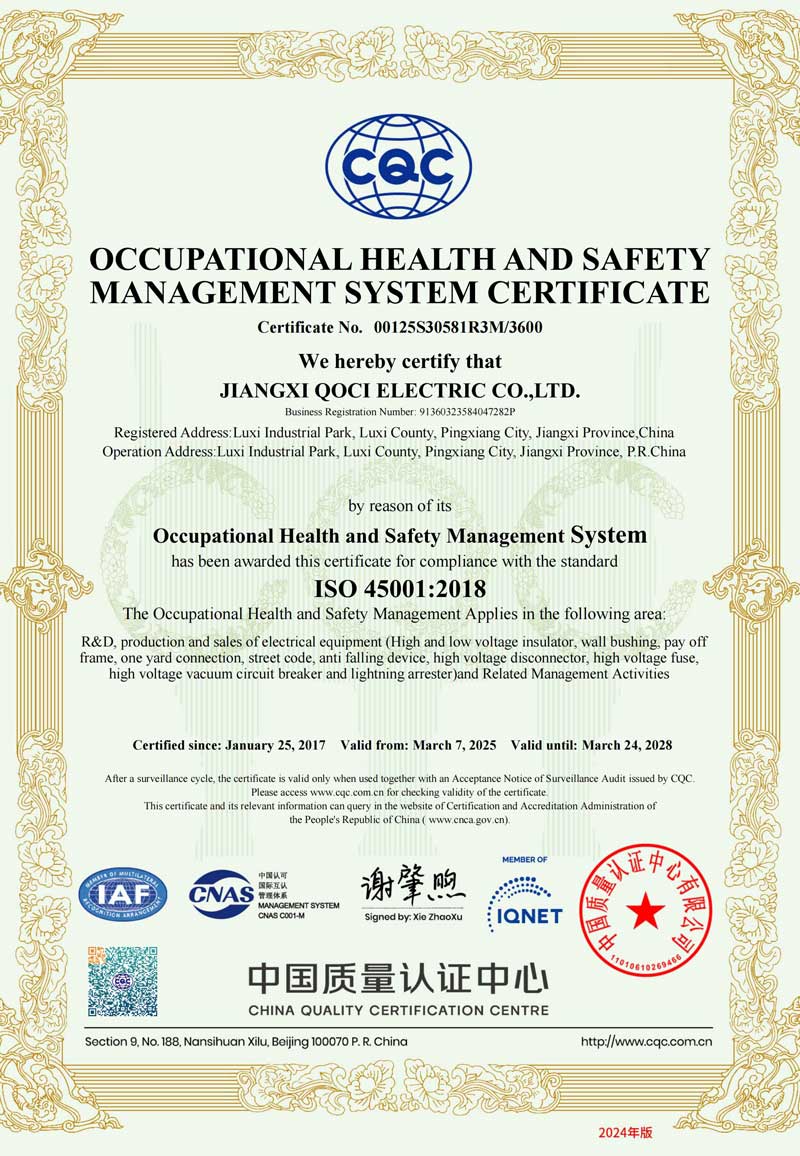
Connecting with utility developers and showcasing new technologies worldwide.
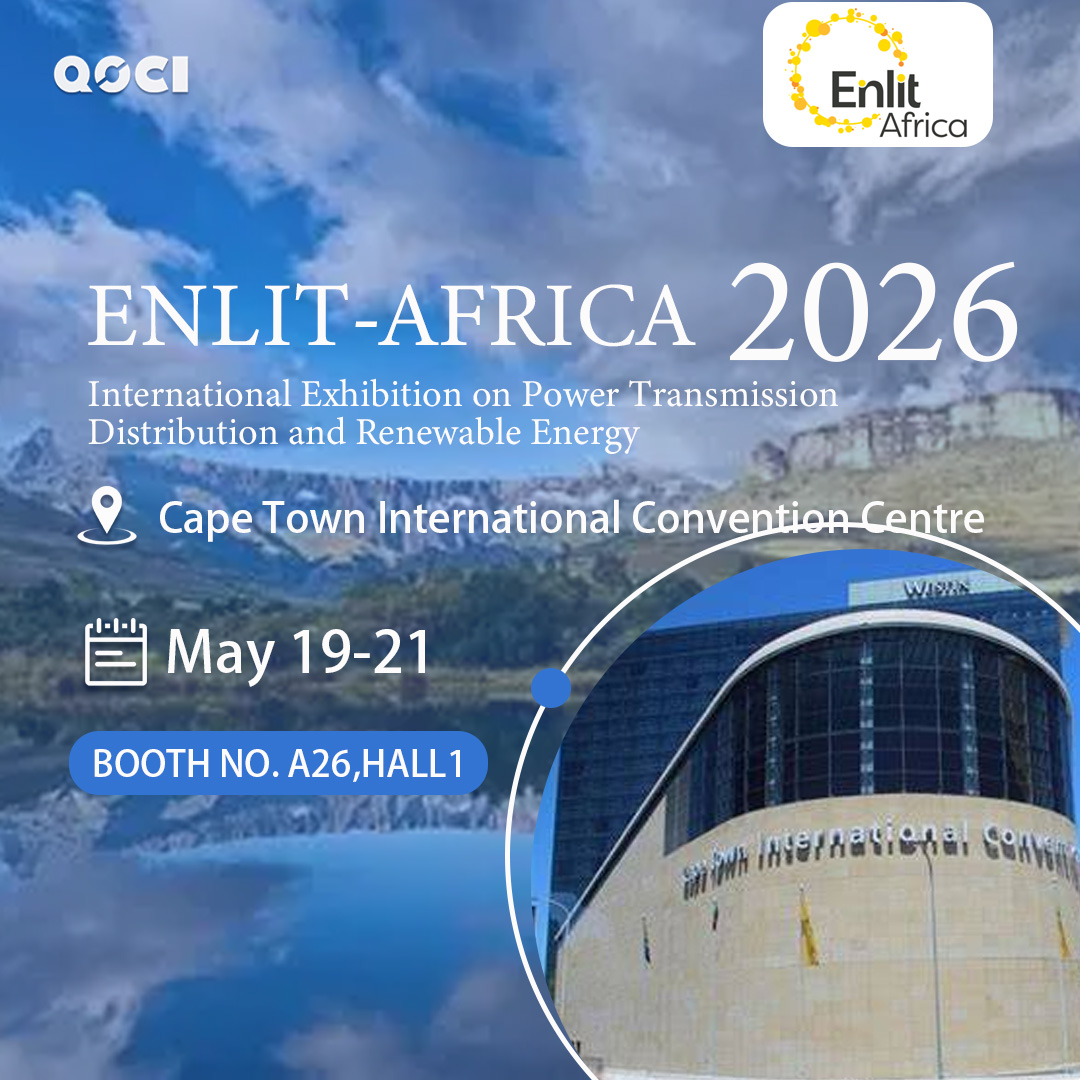
Discussing clean energy grids, carbon reduction, and heavy-duty insulation deployments for African utility networks.
Withstanding extreme icing, high altitude, dust storms, earthquakes, and typhoons through state-of-the-art materials.
QOCI Electric showcases advanced tempered glass insulation assemblies at the world's premier power grids trade show.
Supplying state-owned power companies and major global distribution networks.


Pioneering high-voltage electrical insulation through material sciences and smart manufacturing.
Transitioning from manual post-manufacturing spraying to fully integrated, in-line robotized RTV application directly after cooling. This ensures uniform coat adhesion, optimal hydrophobicity, and zero dry spots.
Developing low-emission formulas for glass melts that reduce energy use during manufacturing while improving mechanical durability to survive dynamic load impacts exceeding 550kN.
Piloting smart insulator strings embedded with fiber-optic leakage current and temperature monitors. This enables early warning diagnostics directly within distribution SCADA platforms.
Mitigating logistical risks to ensure your infrastructure projects stay on schedule.
By leveraging an annual production capacity of 39,000 tons and optimized stock systems, we significantly reduce lead times for major UHV projects compared to Western European rivals.
Insulators are packed in export-grade, IPPC-compliant treated wood frames or metal crates. This prevents moisture ingress and transit damage during intercontinental ocean shipping.
Our engineering support services help match insulator parameters to specific environment profiles, matching creepage values to local air pollution levels.
Clear answers to help you select, specify, and deploy electrical isolators and suspension discs.
Explore our full range of heavy-duty post, suspension, anti-fog, and high-voltage disc insulators.