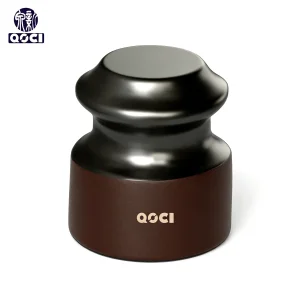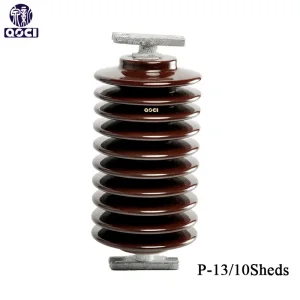
Engineered to withstand ultra-high voltage grids with guaranteed mechanical fail-safe properties.
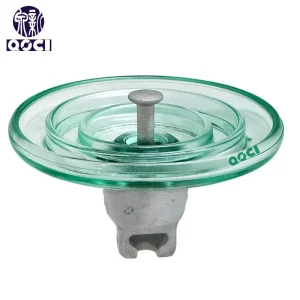
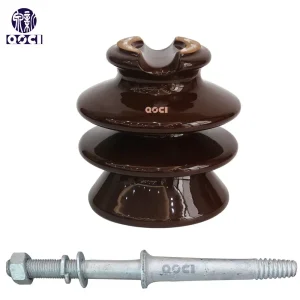
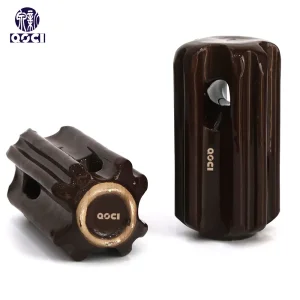
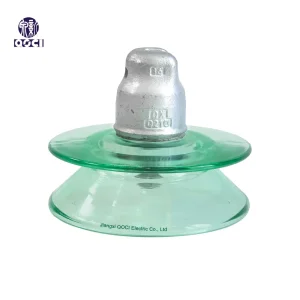
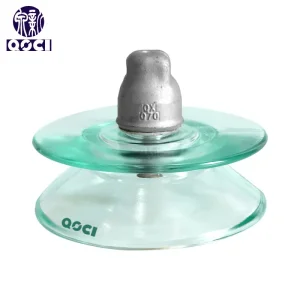
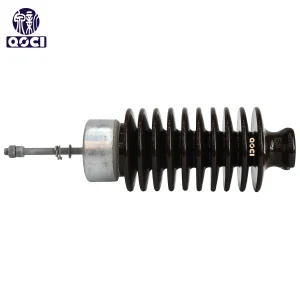
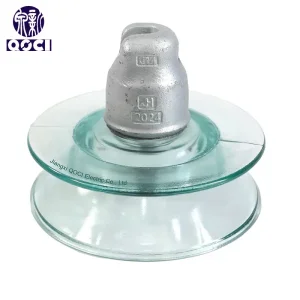
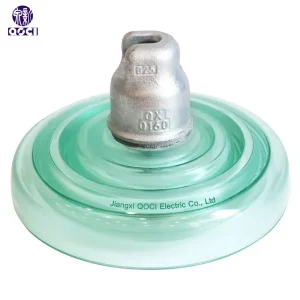
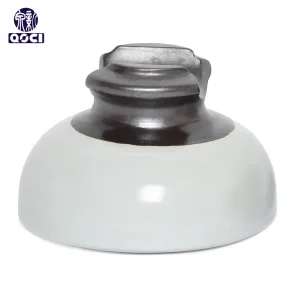
The global electric power grid is undergoing its most massive structural transition since the second industrial revolution. High-voltage transmission lines are expanding across thousands of miles, interfacing with extreme topography, severe weather corridors, and complex high-density industrial parks. In this high-stakes landscape, the reliability of electrical insulation is paramount. Specifically, the U240bla Toughened Glass Insulator represents a vital baseline of physical and dielectric security for extra-high voltage (EHV) and ultra-high voltage (UHV) systems.
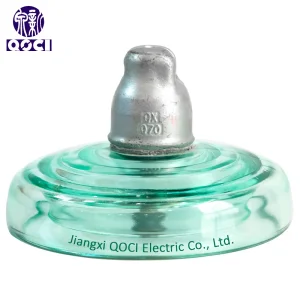
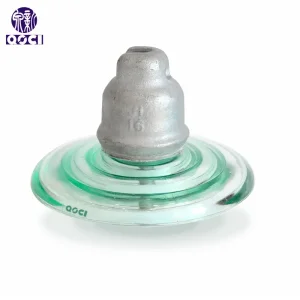
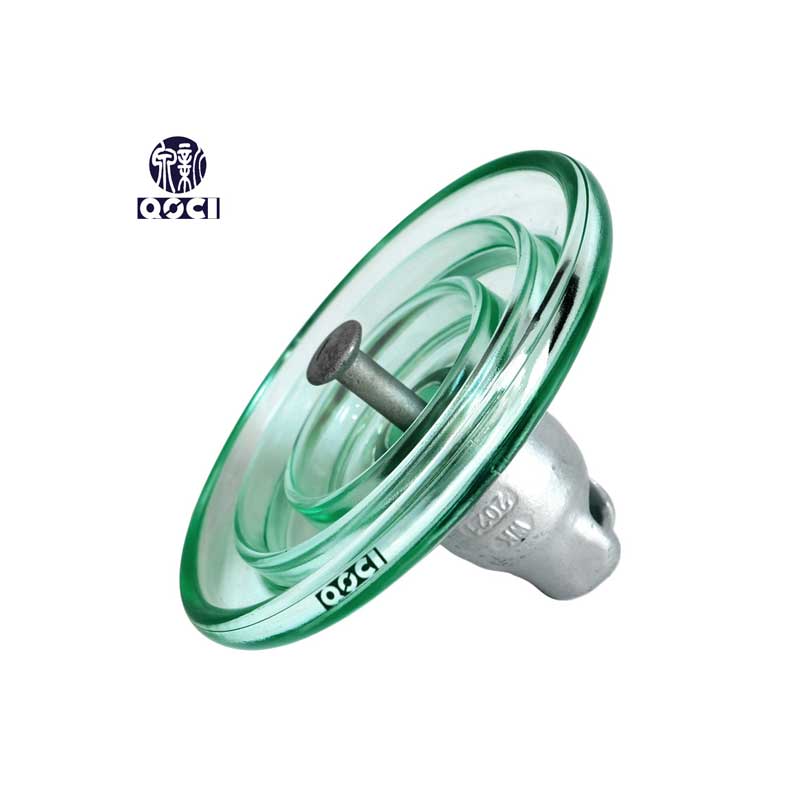
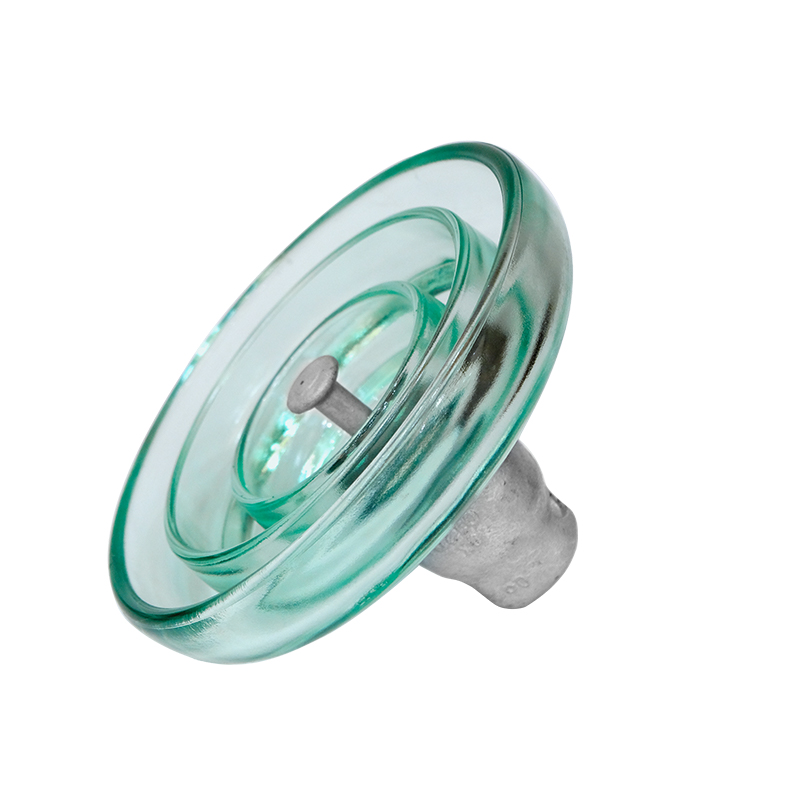
With a nominal electromechanical failing load rating of 240 kN, U240bla suspension glass insulators are custom-engineered to carry immense mechanical tension while preventing power flashovers under heavy pollution. Electrical utilities globally choose toughened glass over traditional porcelain due to its unique mechanical resilience: tempered glass develops a compressed surface tension layer that prevents micro-cracks from propagating. When failure does occur, the glass self-shatters into harmless fragments, making inspection intuitive and instantaneous.
How the structural configuration of high-strength glass insulators addresses unique regional constraints.
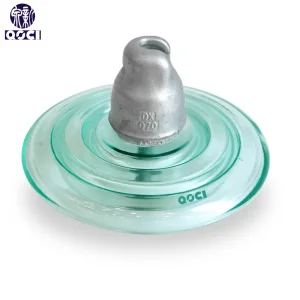
Different climate regimes impose distinct operational stresses. From high-altitude mountain chains with severe icing cycles to desert corridors prone to high winds and sandstorms, the aerodynamic, open-profile glass insulator reduces the accumulation of dust and limits ice-bridging, ensuring system line integrity.
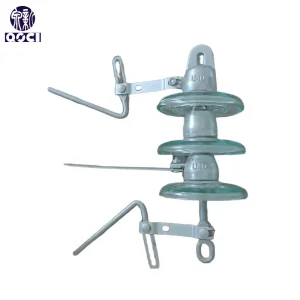
Extra-High Voltage (EHV) and Ultra-High Voltage (UHV) AC & DC systems require string configurations that handle combined electrical, thermal, and dynamic structural loads. Standard profiles alongside anti-pollution designs cater specifically to structural layouts up to 1000kV AC and ±800kV DC.
Heavy heavy-industrial environments (petrochemical plants, chemical manufacturing hubs, marine shipping terminals) generate aggressive chemical deposits. Toughened glass strings with RTV silicone coatings guarantee sustained service lifetime with near-zero periodic maintenance overhead.

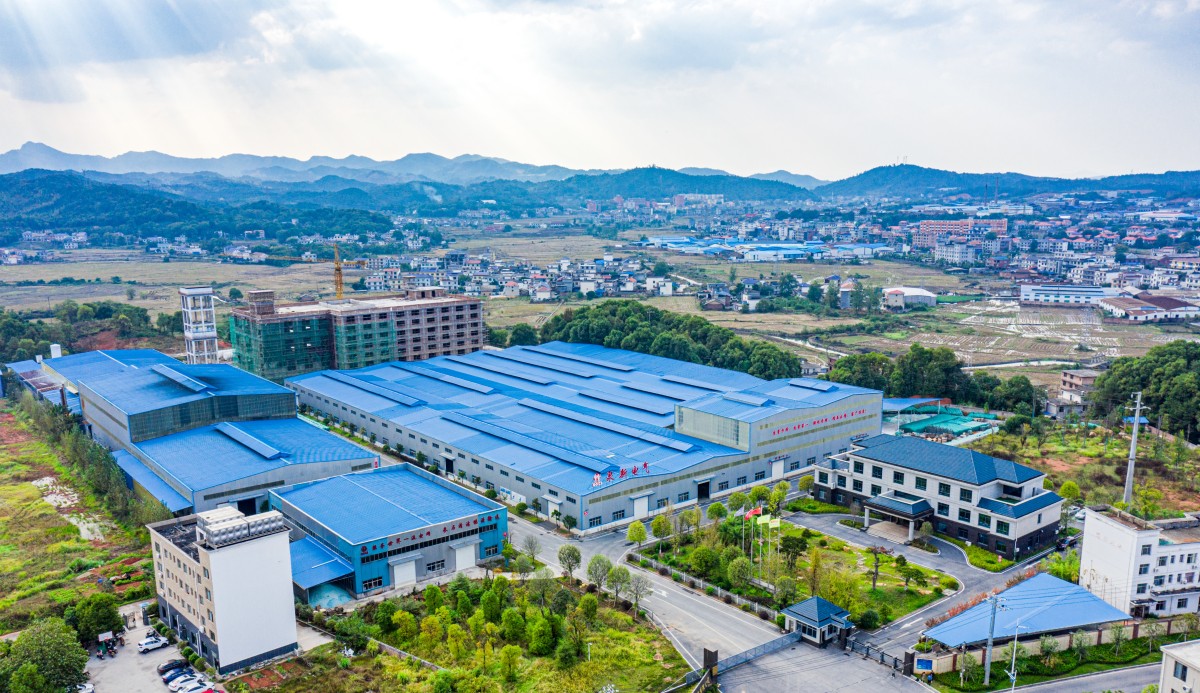
Founded in December 2002 with a registered capital of 508 million Yuan, Jiangxi QOCI Electric Co., Ltd. has established itself as an international benchmark for insulating technology. Located in the Luxi County Industrial Park, Pingxiang, Jiangxi Province—the historic epicenter of China's electrical porcelain industry—our operation spans over 70,000 square meters.
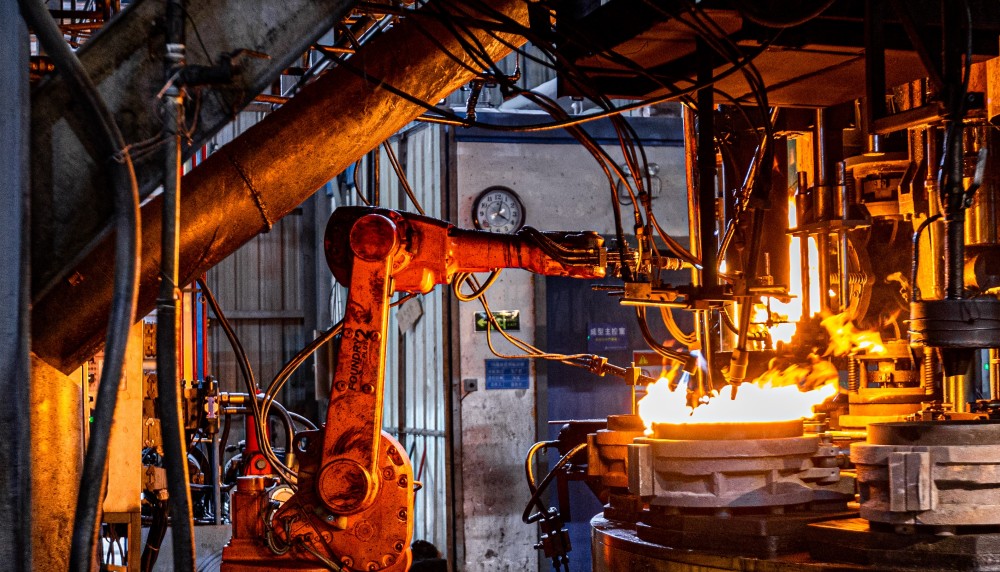
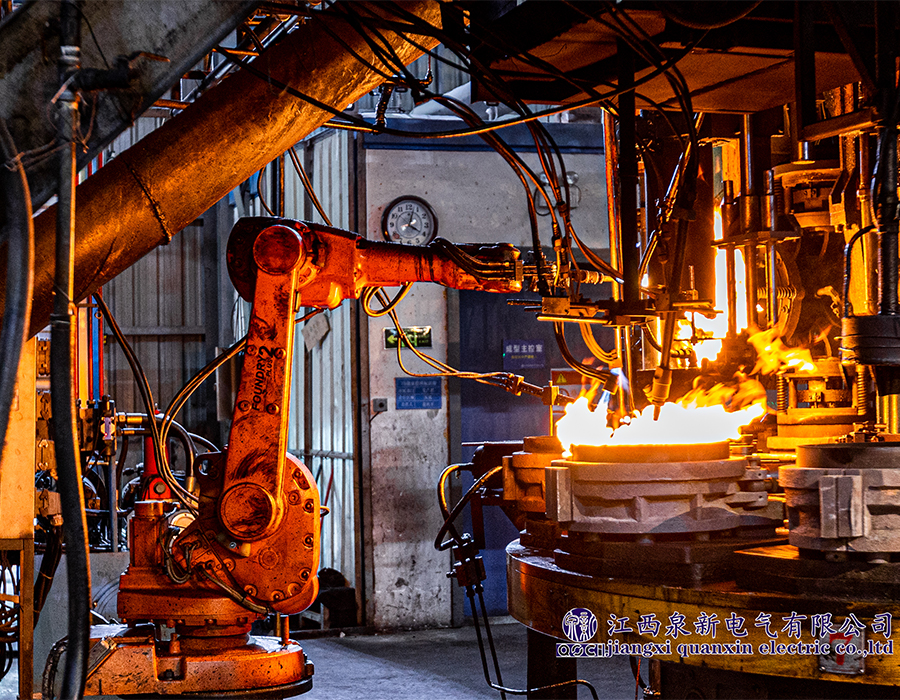
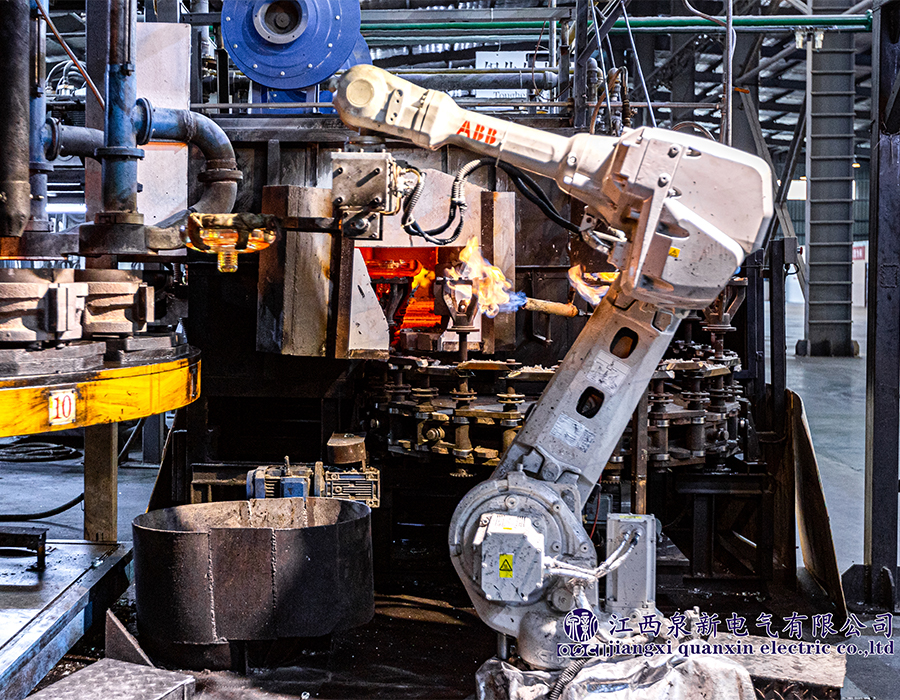
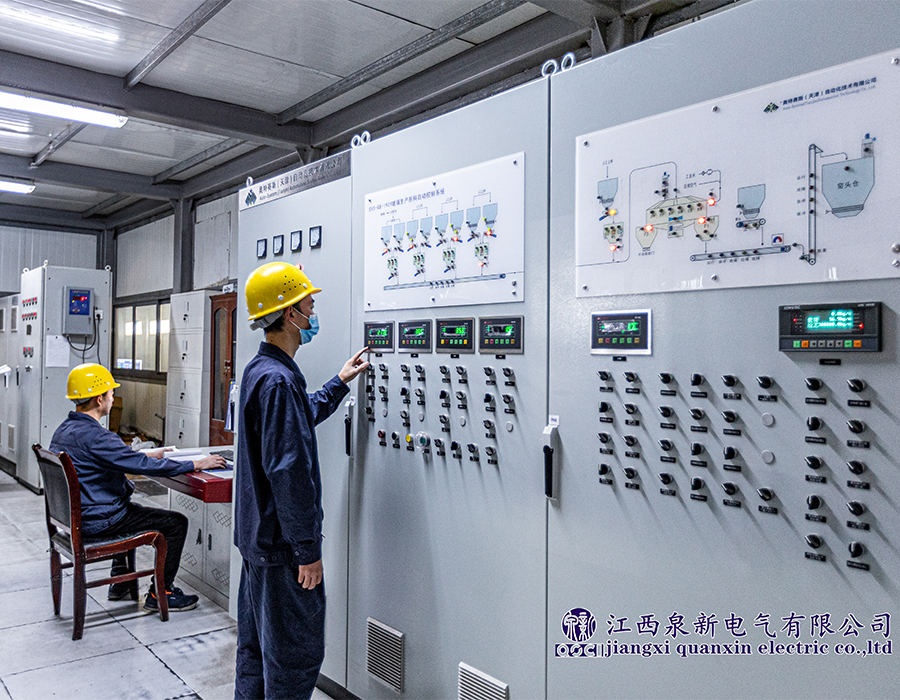
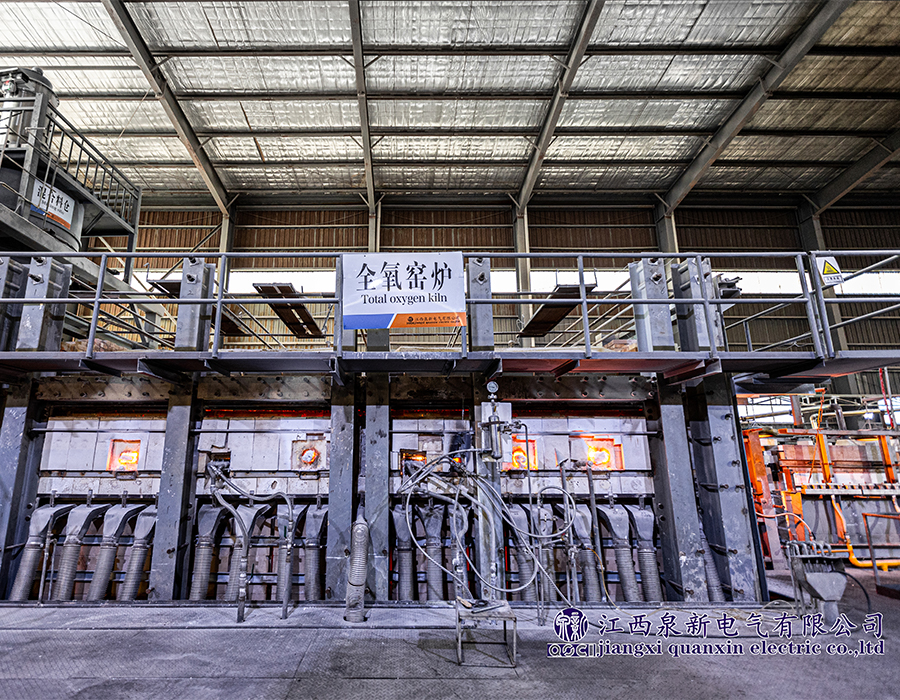
By shifting production paradigms toward Industry 4.0 principles, Jiangxi QOCI Electric has integrated fully automated raw material batching systems, real-time computerized kiln controls, and automated forming presses. This allows us to guarantee high efficiency, precise dimensional tolerance, and absolute reliability for high-tension glass insulators such as the U240bla standard series. Our supply chain resilience ensures fast dispatch times, robust packaging standards, and competitive direct-factory pricing.
A comprehensive analysis of design variations optimized for specific electrical and structural stresses.
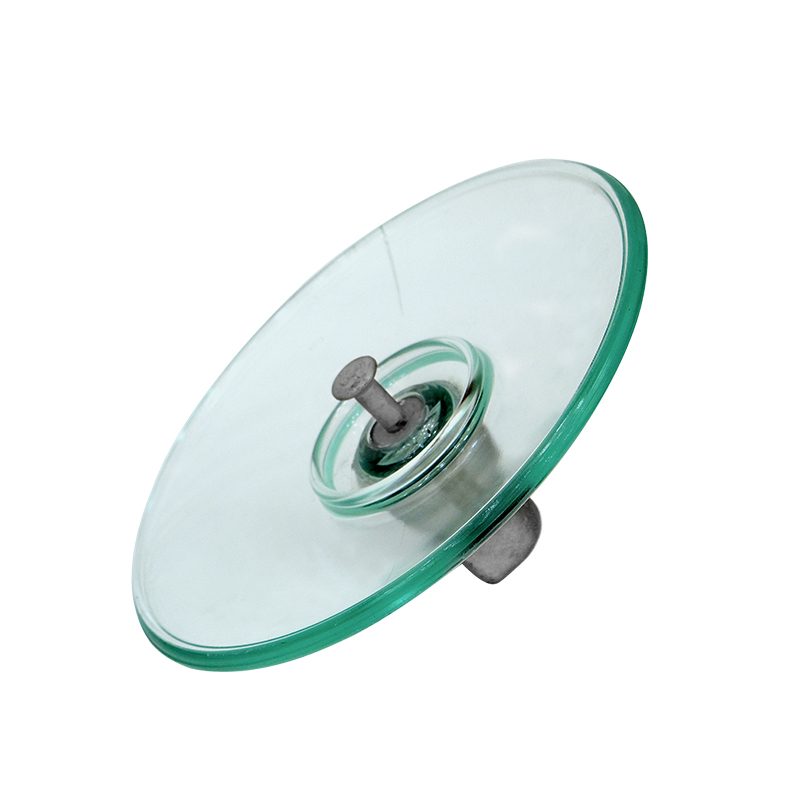
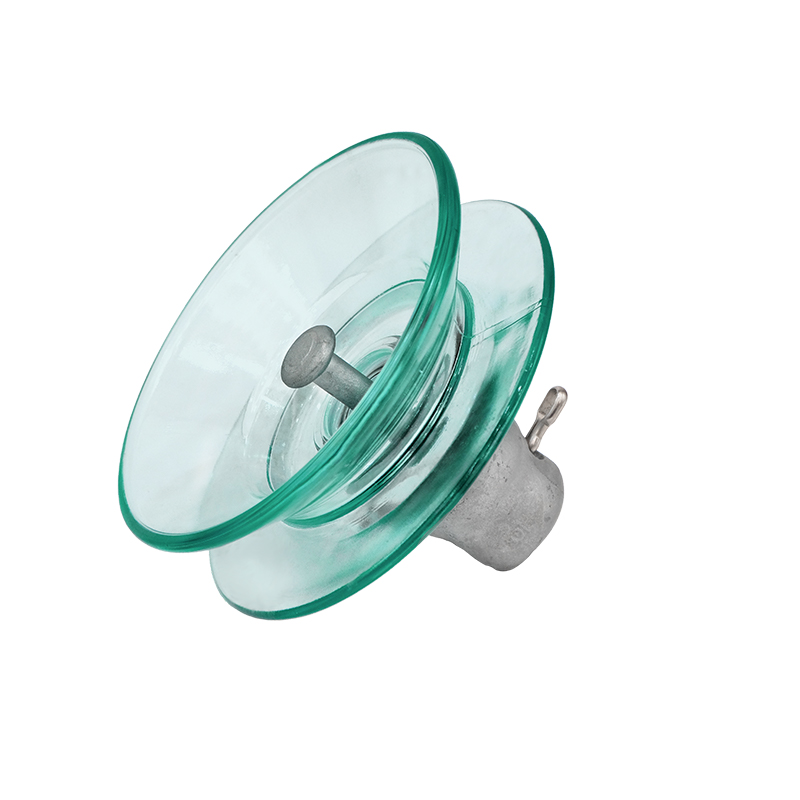
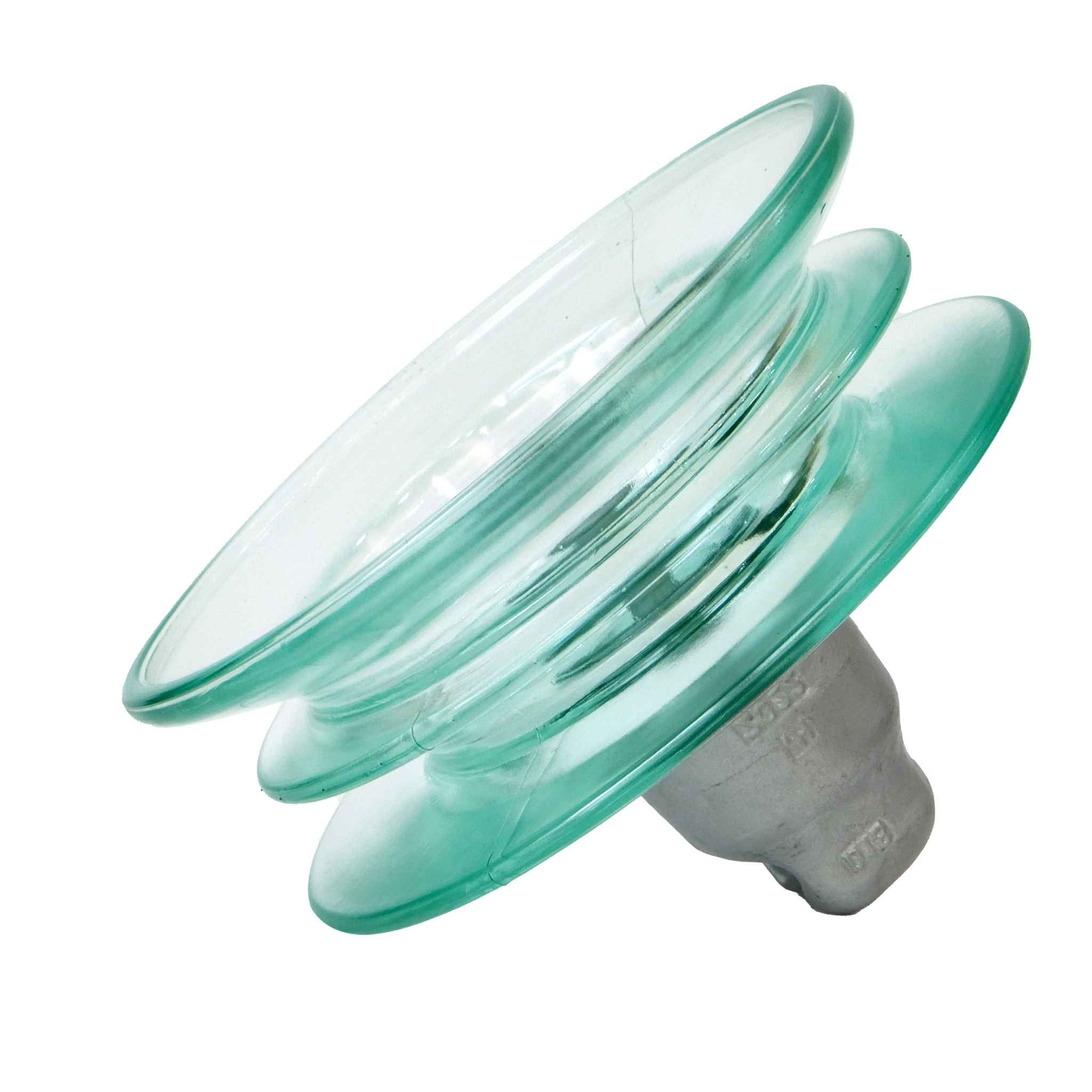
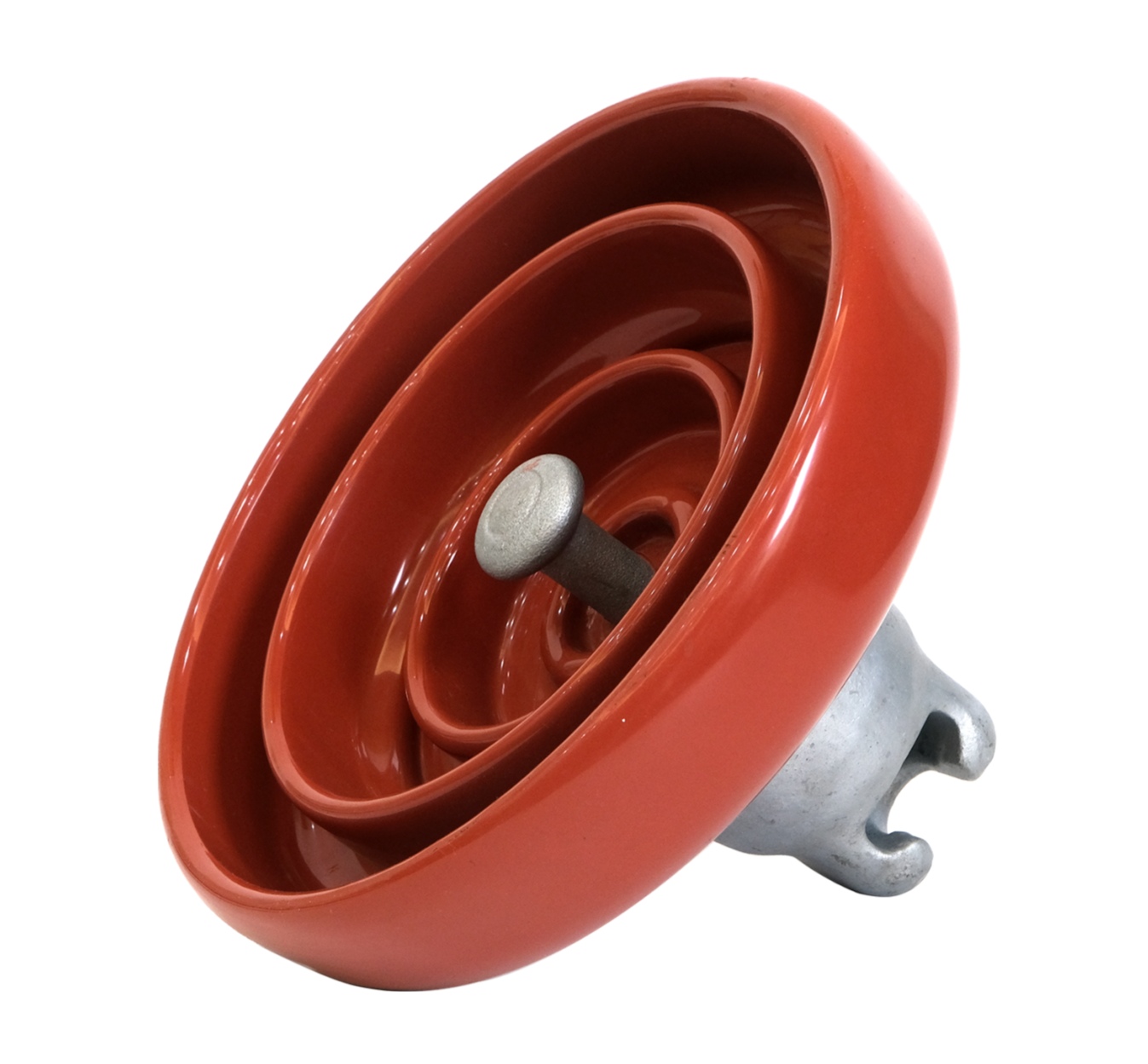
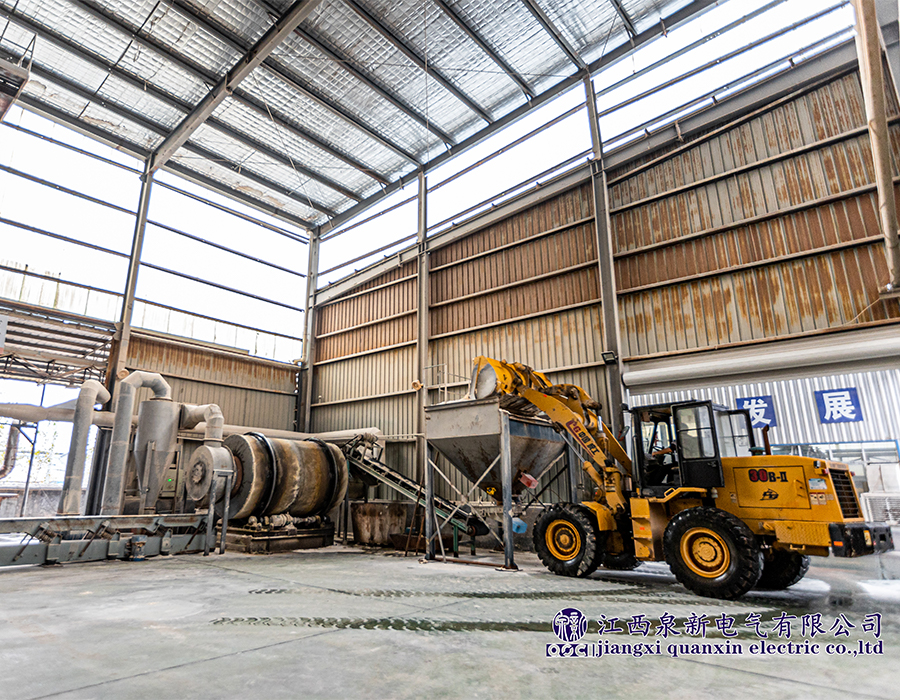
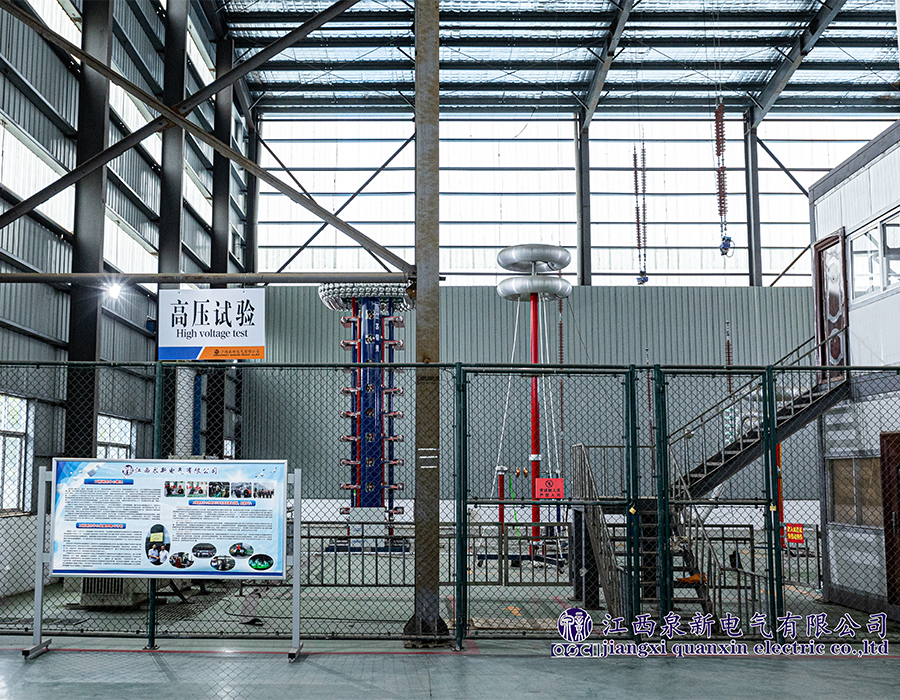
Ensuring micro-structural integrity through automated processes from sand processing to high-voltage testing.
A closer look at the key dimensional attributes of our high-demand international products.
| Model Profile Designation | Height (mm) | Diameter (mm) | Creepage Distance (mm) | Mechanical Load (kN) |
|---|---|---|---|---|
| U100BLP (146/320/550) | 146 | 320 | 550 | 100 kN |
| U100BLP (146/280/450) | 146 | 280 | 450 | 100 kN |
| U100BSP (127/280/450) | 127 | 280 | 450 | 100 kN |
| U120BLP (146/280/450) | 146 | 280 | 450 | 120 kN |
| U120BSP (127/280/450) | 127 | 280 | 450 | 120 kN |
| U70BLP (146/320/550) | 146 | 320 | 550 | 70 kN |
| U70C (146/255/320) | 146 | 255 | 320 | 70 kN |
| U120BLP (146/320/550) | 146 | 320 | 550 | 120 kN |
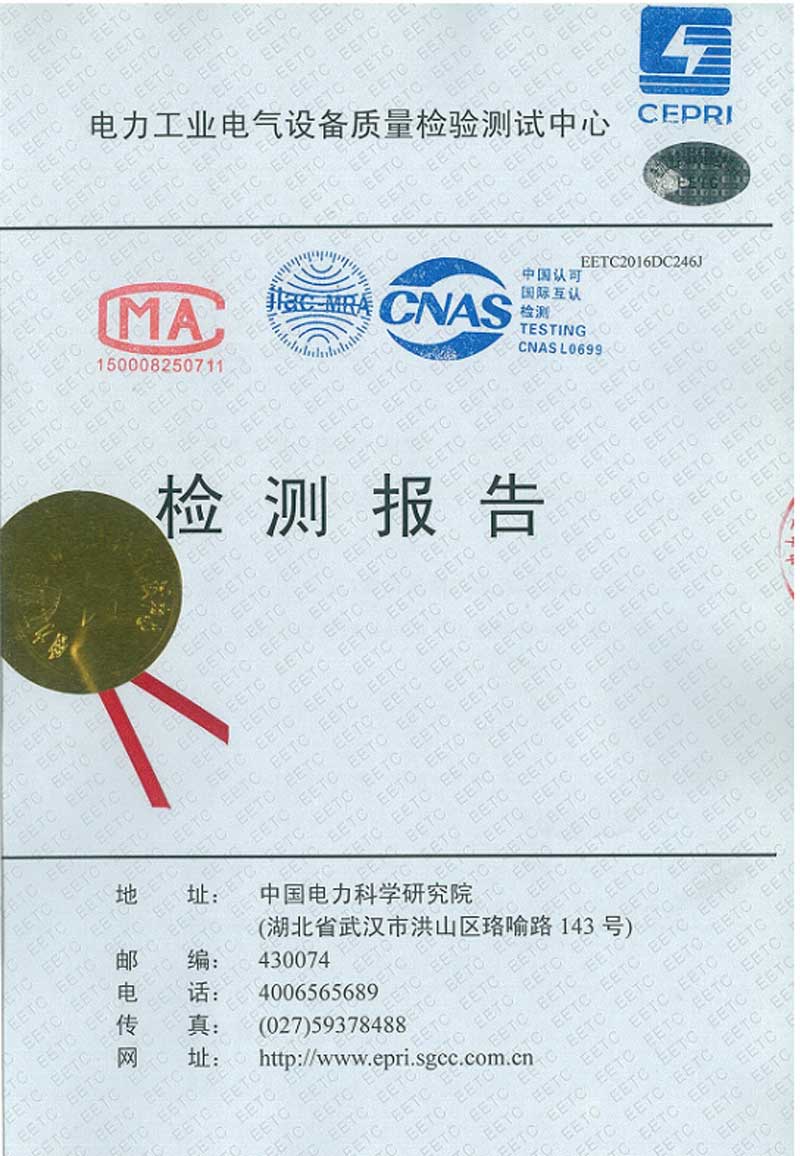
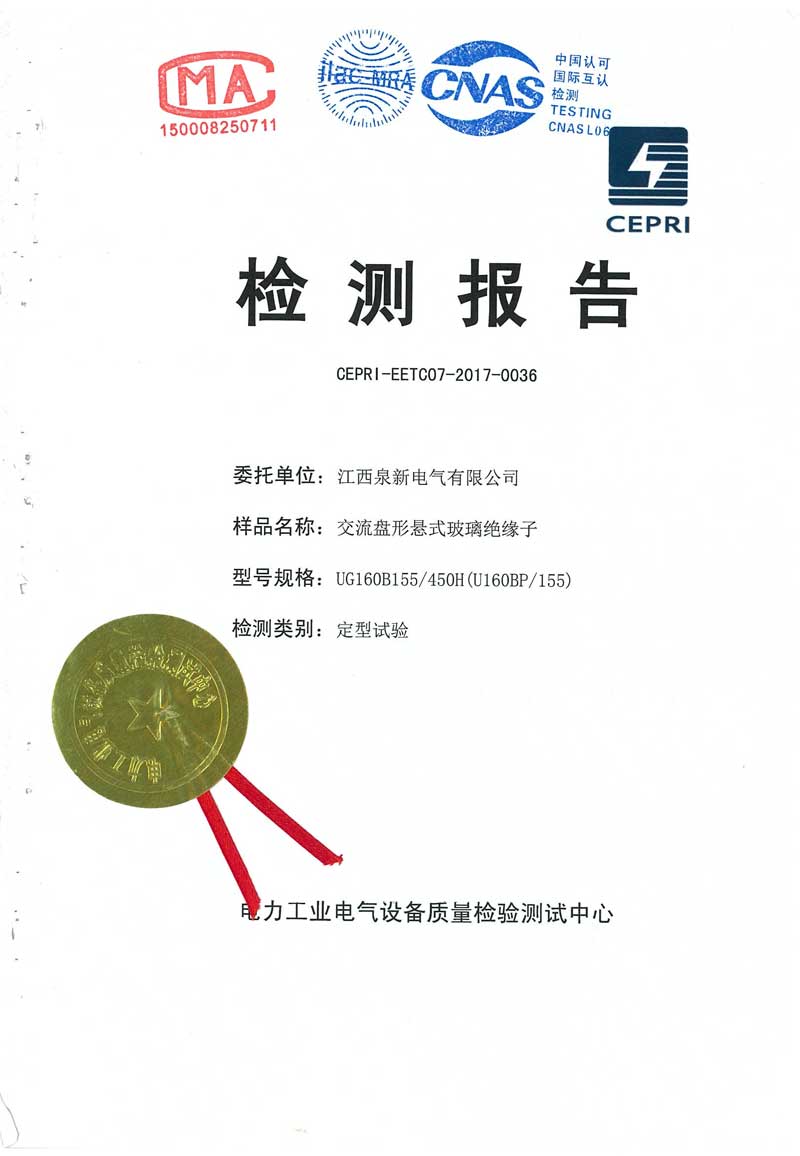
Fully certified under international quality norms ISO, KEMA, and global grid test standardizations.
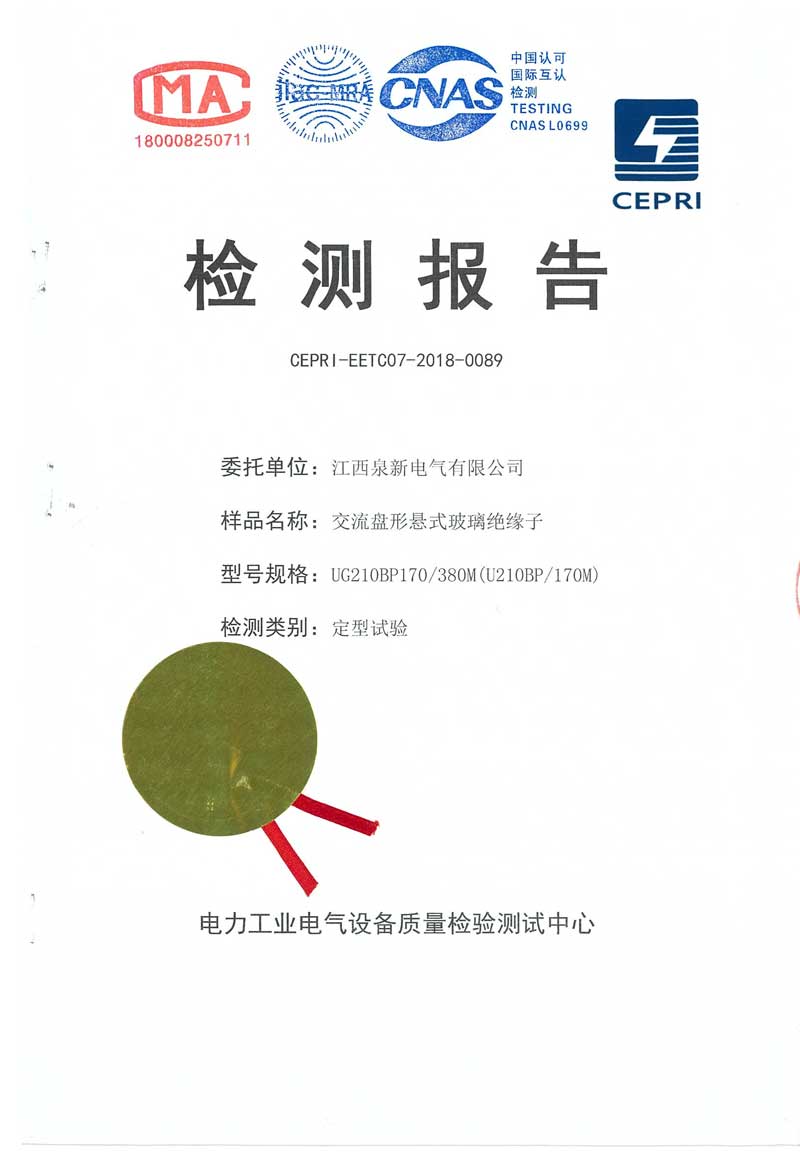
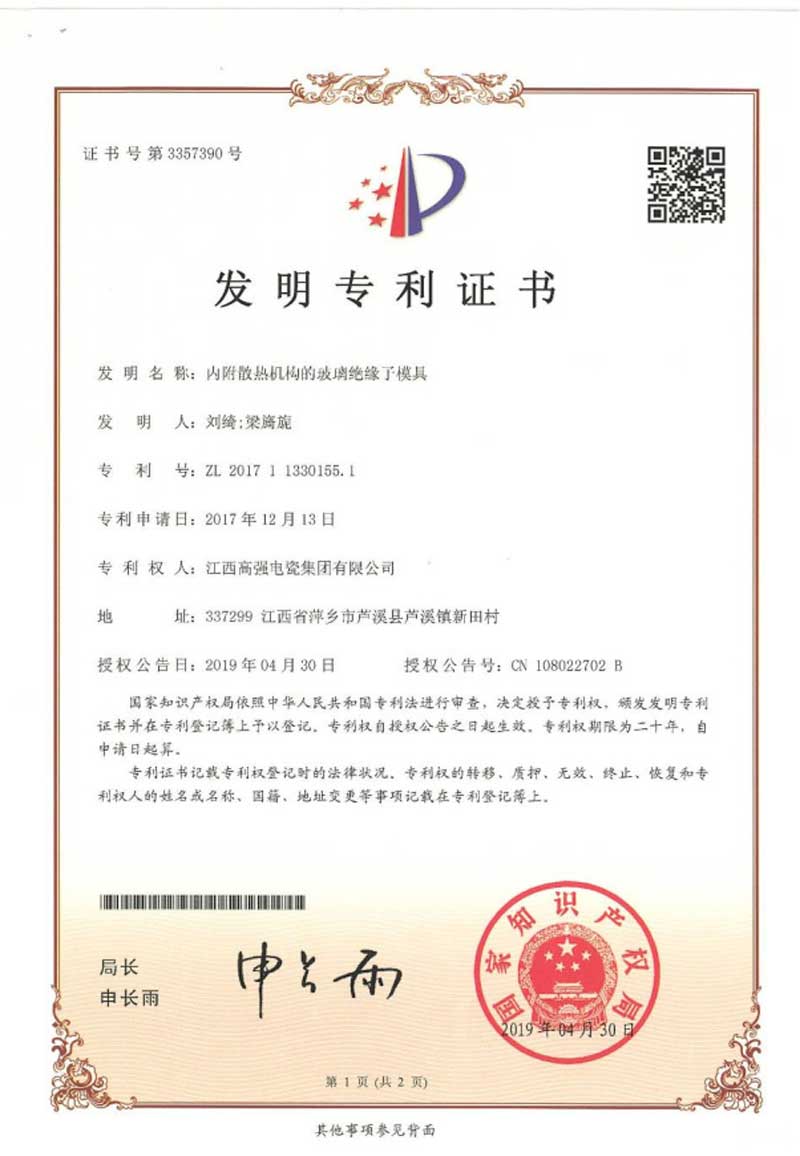
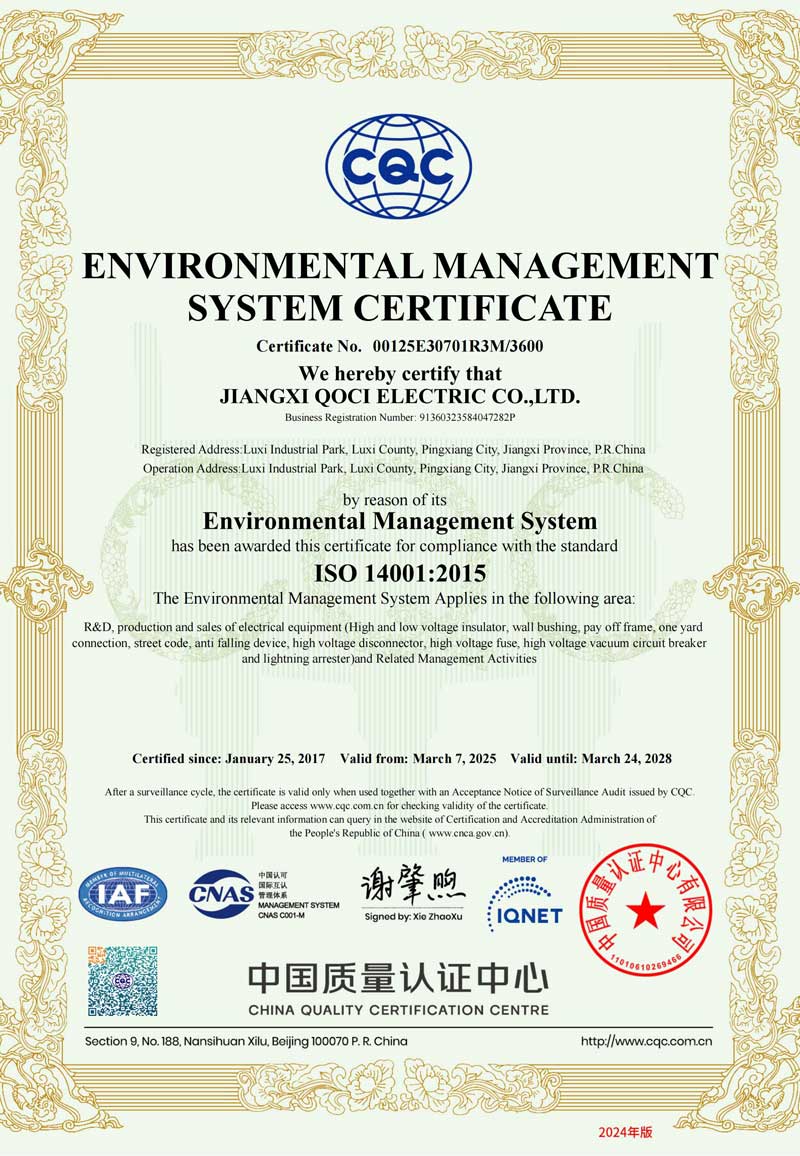
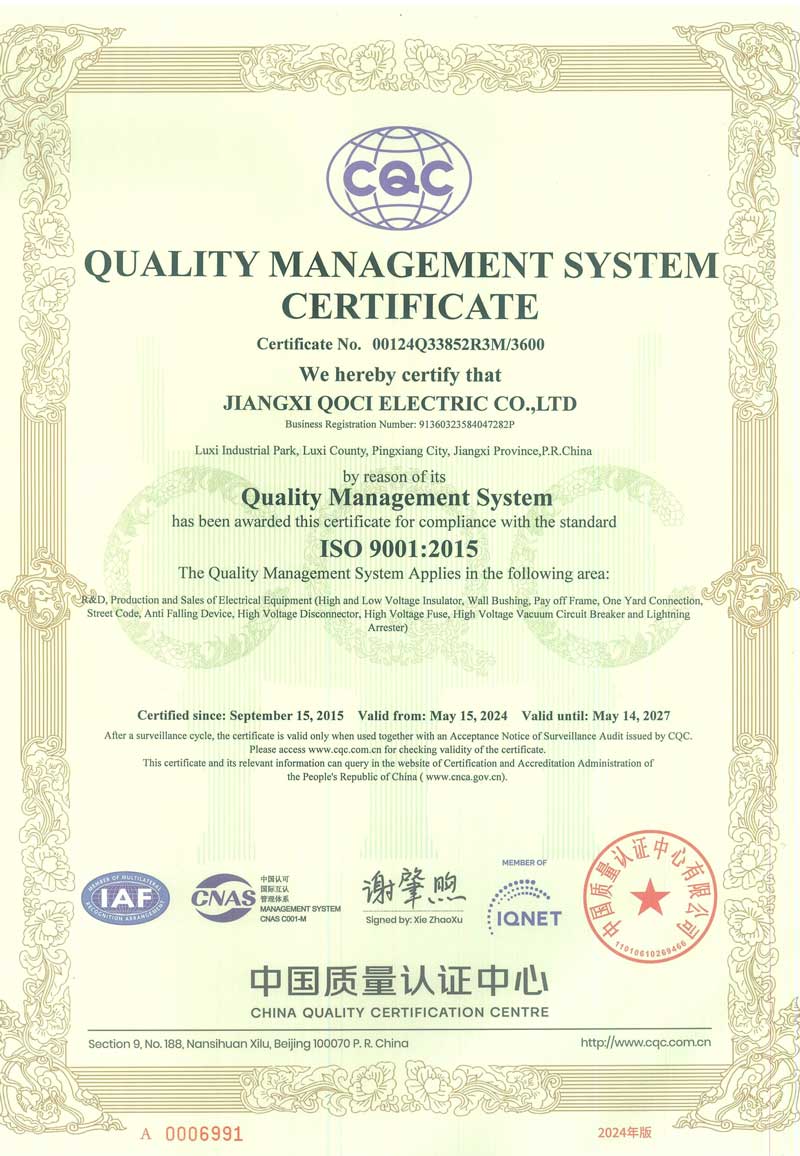
Key information regarding high voltage glass insulation mechanisms and procurement logistics.
The "U240bla" code signifies a standard IEC category toughened glass suspension insulator. The "U240" denotes a high-strength nominal mechanical failing load of 240 kilonewtons (kN). The lowercase suffix designates ball-and-socket coupling specification measurements, conforming precisely to the standards mapped out in IEC 60305, allowing it to function reliably on high-tensile extra-high voltage lines.
Toughened glass provides unique structural and maintenance advantages. Primarily, any internal defect or critical mechanical impact causes the glass shell to break instantly and drop off, leaving a shattered stub. This "self-shattering" phenomenon eliminates the need to perform costly manual zero-value insulator testing, as ground inspectors can identify broken units immediately by eye. Glass also features superior chemical durability and does not age like porcelain or polymer compounds.
By transforming our plant in Luxi County into an Industry 4.0 facility. With automated precision mixing, an active total oxygen kiln, and high-efficiency automated pressing, we produce an annual output of 39,000 tons. This high automation insulates our manufacturing timeline against localized material shortages, letting us offer shorter lead times and direct factory pricing globally.
RTV (Room Temperature Vulcanization) silicone coating on glass insulators combines the high mechanical strength of toughened glass with the excellent hydrophobic properties of composite polymers. The coating stops leakage currents from forming in highly polluted environments (such as marine coastlines or chemical plant zones), eliminating the need for periodic manual washing and reducing overall operational overhead.
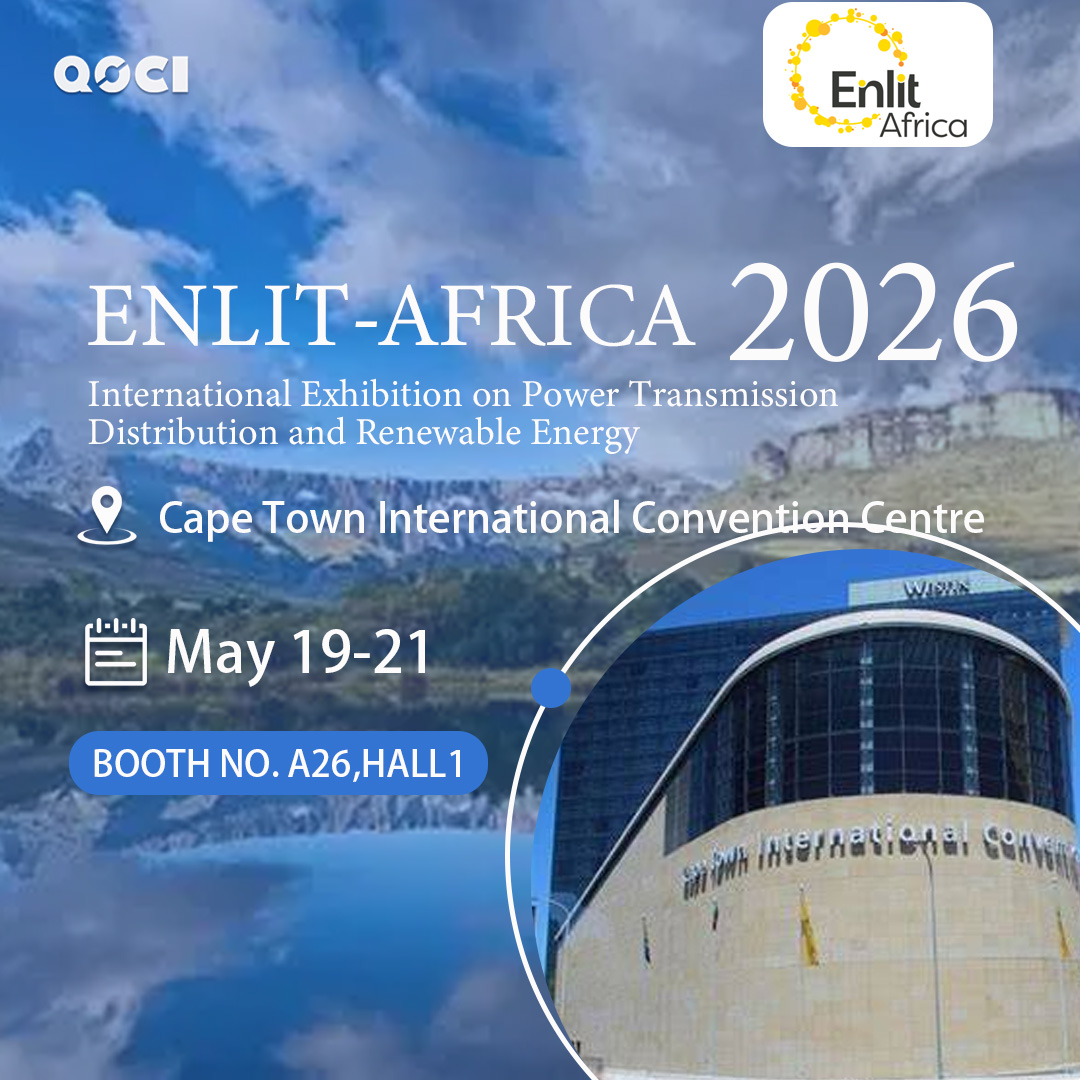
Stay updated with our global footprints and standardizations.
Supplying state-level utility corporations and major engineering contractors worldwide.

Explore customized shapes designed to perform under extreme environment challenges.