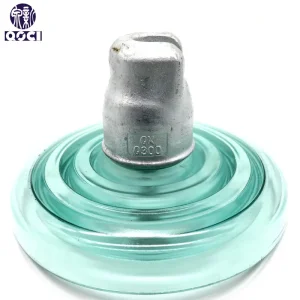
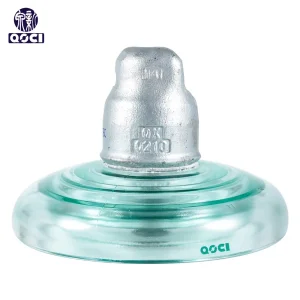
Wholesale U210B (170/280/400) Glass Insulator Manufacturers, Supplier
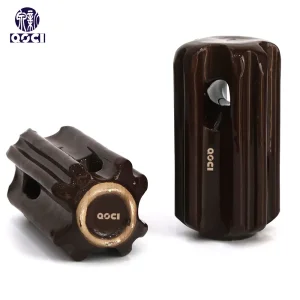
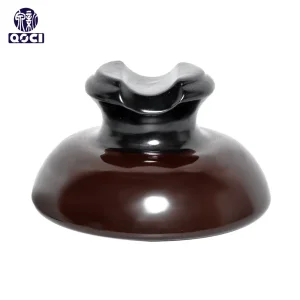
Wholesale 33kv ANSI 54 Series Stay Porcelain Insulators ANSI 54-4 Factory, Factories
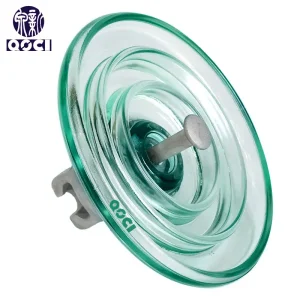
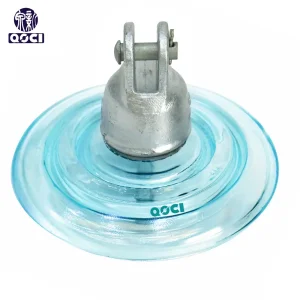
High-Quality 100KN U100BL Suspension Glass insulators Ball and socket type Manufacturer, Supplier
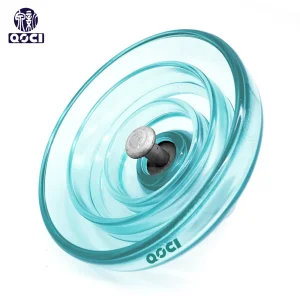
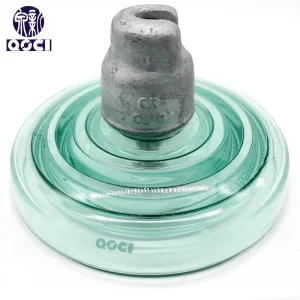
China U70BSP (127/280/450) Anti-pollution Glass Insulator Supplier, Factory
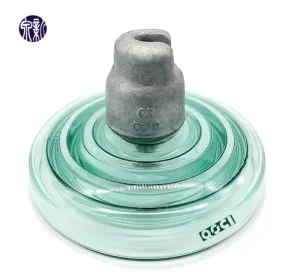
China 210kn Anti Fog Toughened Suspension Tempered Glass Insulator IEC U210BP Manufacturer, Factory
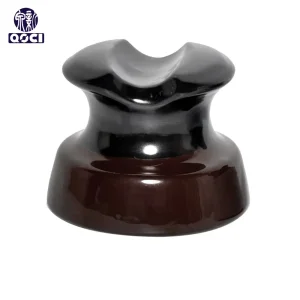
High-Quality ANSI 55-2 Porcelain Pin Type Insulator Manufacturers, Factories
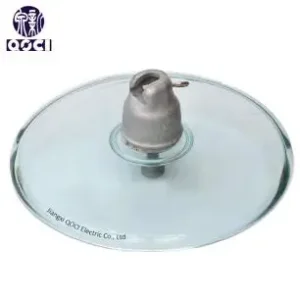
China U70BLA Aerodynamic Type Glass Insulators IEC Standard for High Voltage Lines Supplier, Factory
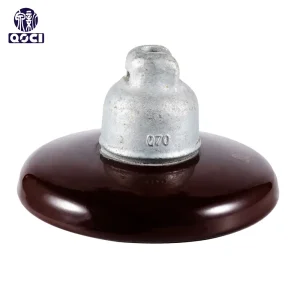
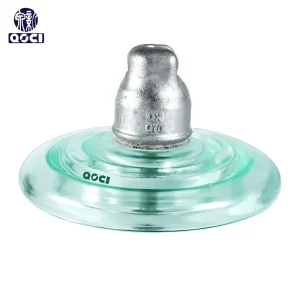
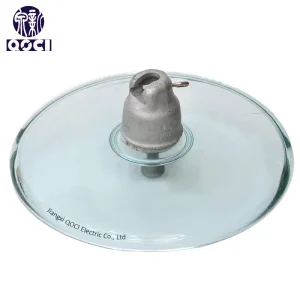
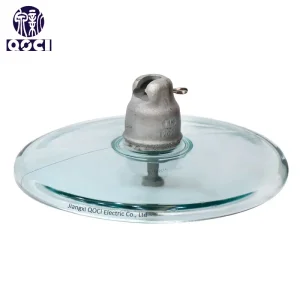
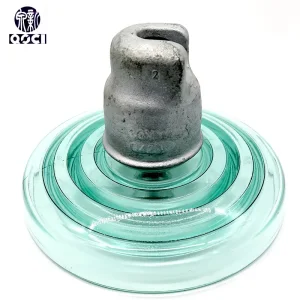
In the evolving landscape of high-voltage transmission, the Glass Isolator U160BMA stands as a critical benchmark for mechanical reliability and electrical integrity. As global energy demands shift toward Ultra-High Voltage (UHV) and complex renewable energy integration, the choice of insulation material directly impacts grid resilience. Toughened glass insulators, specifically the U160BMA series, offer unparalleled advantages over traditional porcelain and composite alternatives, particularly in terms of life-cycle costs and failure detection.
The U160BMA designation represents a 160kN electromechanical failing load, designed to meet the rigorous standards of IEC 60305. At Jiangxi QOCI Electric Co. Ltd, we integrate over two decades of metallurgical and glass-science expertise to produce U160BMA units that surpass industry expectations for thermal shock resistance and steep-front impulse voltage stability.
U160BMA units utilize high-grade tempered glass with a residual compression stress layer. This ensures that even under extreme wind loading or ice accumulation, the mechanical string remains intact, preventing catastrophic line drops.
Unlike porcelain, toughened glass is a homogeneous material. It lacks the internal voids and porous nature of ceramics, leading to a much higher dielectric strength and a lower aging rate under continuous electrical stress.
The "self-shattering" characteristic of toughened glass is its greatest maintenance asset. A failed glass shell is visible from the ground, eliminating the need for expensive close-up drone inspections or manual resistance testing.
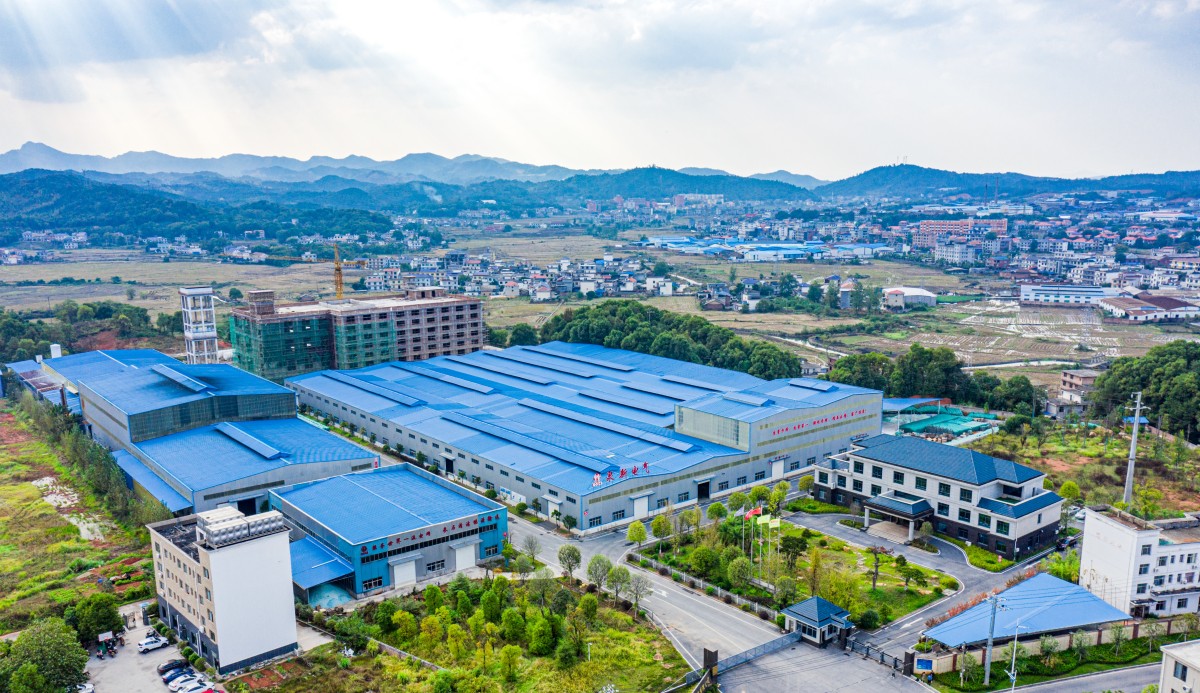
Founded in December 2002 with a registered capital of 508 million Yuan, Jiangxi QOCI Electric Co. Ltd has emerged as a cornerstone of China's electrical equipment industry. Located in the Industrial Park of Luxi County—a region historically renowned for insulator craftsmanship—we have bridged tradition with Industry 4.0 automation.
Our facility spans 70,000 m², housing advanced oxygen-fuel glass melting furnaces and automated forming presses. With an annual output of 39,000 tons, we are equipped to support the world’s most ambitious infrastructure projects, from the deserts of the Middle East to the humid coastal regions of Southeast Asia.
The future of U160BMA lies in hybrid technology. We are currently pioneering Room Temperature Vulcanization (RTV) silicone coatings pre-applied in the factory. This combines the mechanical longevity of glass with the hydrophobicity of polymers, creating a "best-of-both-worlds" solution for extreme saline and industrial pollution zones.
By 2026, QOCI intends to implement full digital twin tracking for every U160BMA unit produced. This allows procurement officers to trace the raw material batch, the specific kiln temperature, and the final mechanical test results via a simple QR code on the cap.
As transmission voltages climb to 800kV and 1100kV, the electrical stress on insulator strings increases exponentially. Our roadmap includes the development of expanded-diameter discs and optimized aerodynamic profiles that minimize corona discharge and radio interference, specifically tailored for the next generation of Smart Grids.
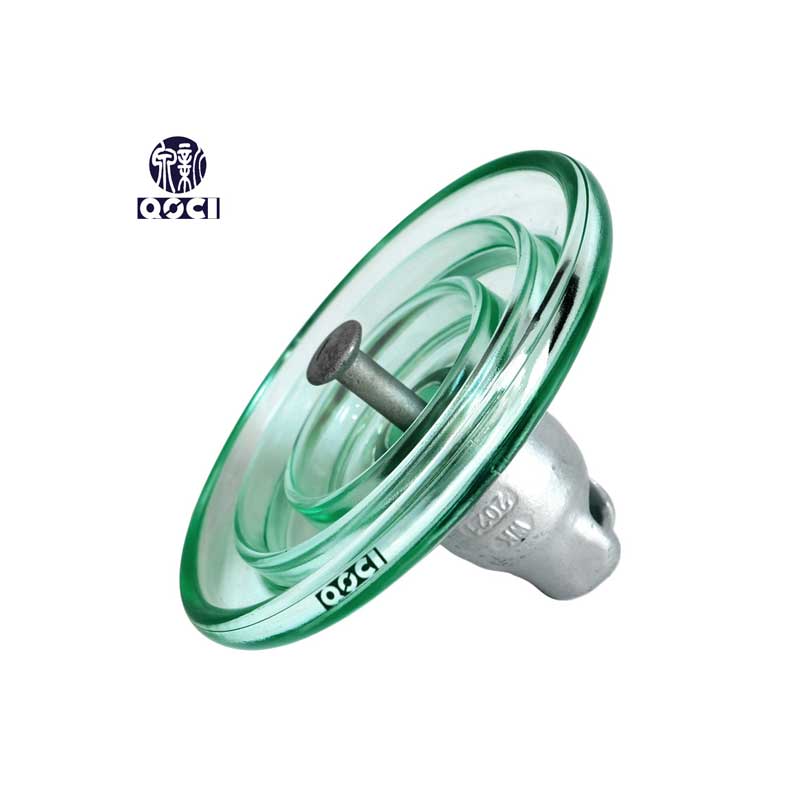
Designed with shallow ribs to facilitate natural self-cleaning by wind and rain. Ideal for areas with moderate environmental stress.
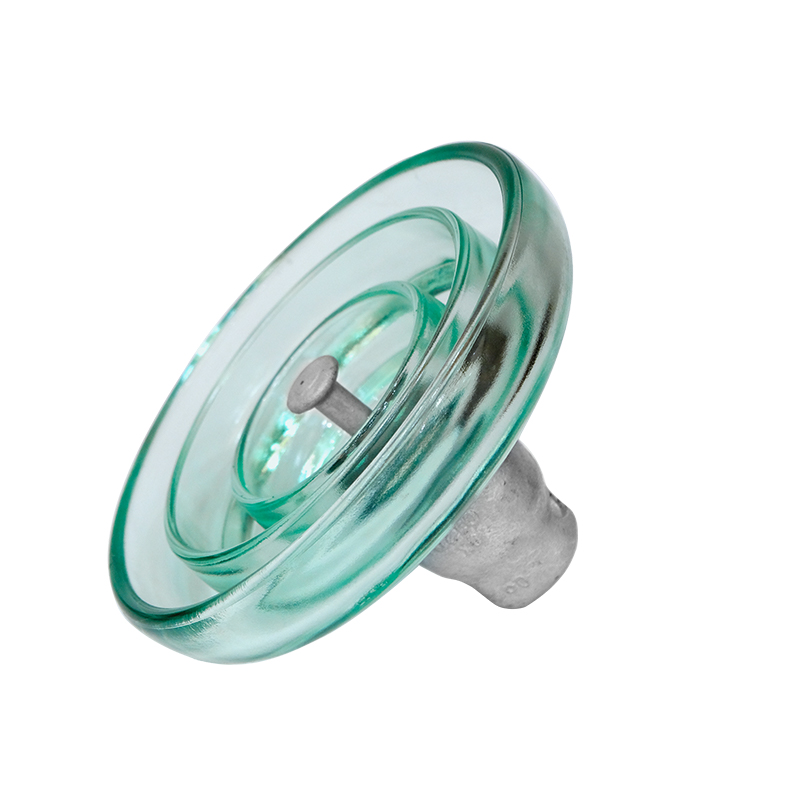
Features long, widely-spaced under-ribs to prevent arc bridging in heavy fog or coastal salt-spray conditions.
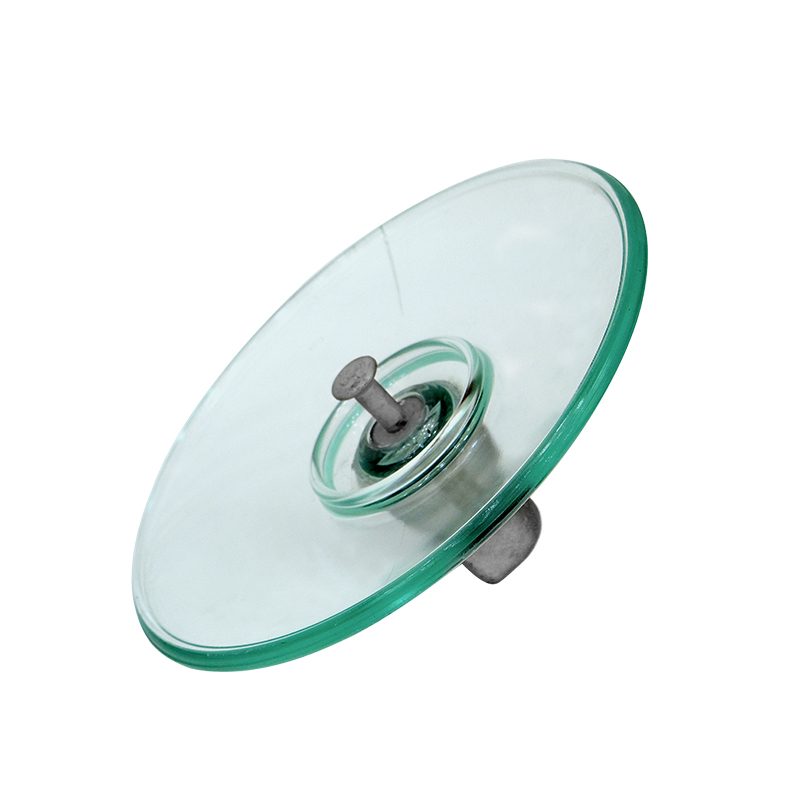
Characterized by the absence of under-ribs, preventing the accumulation of sand and dust in desert environments.
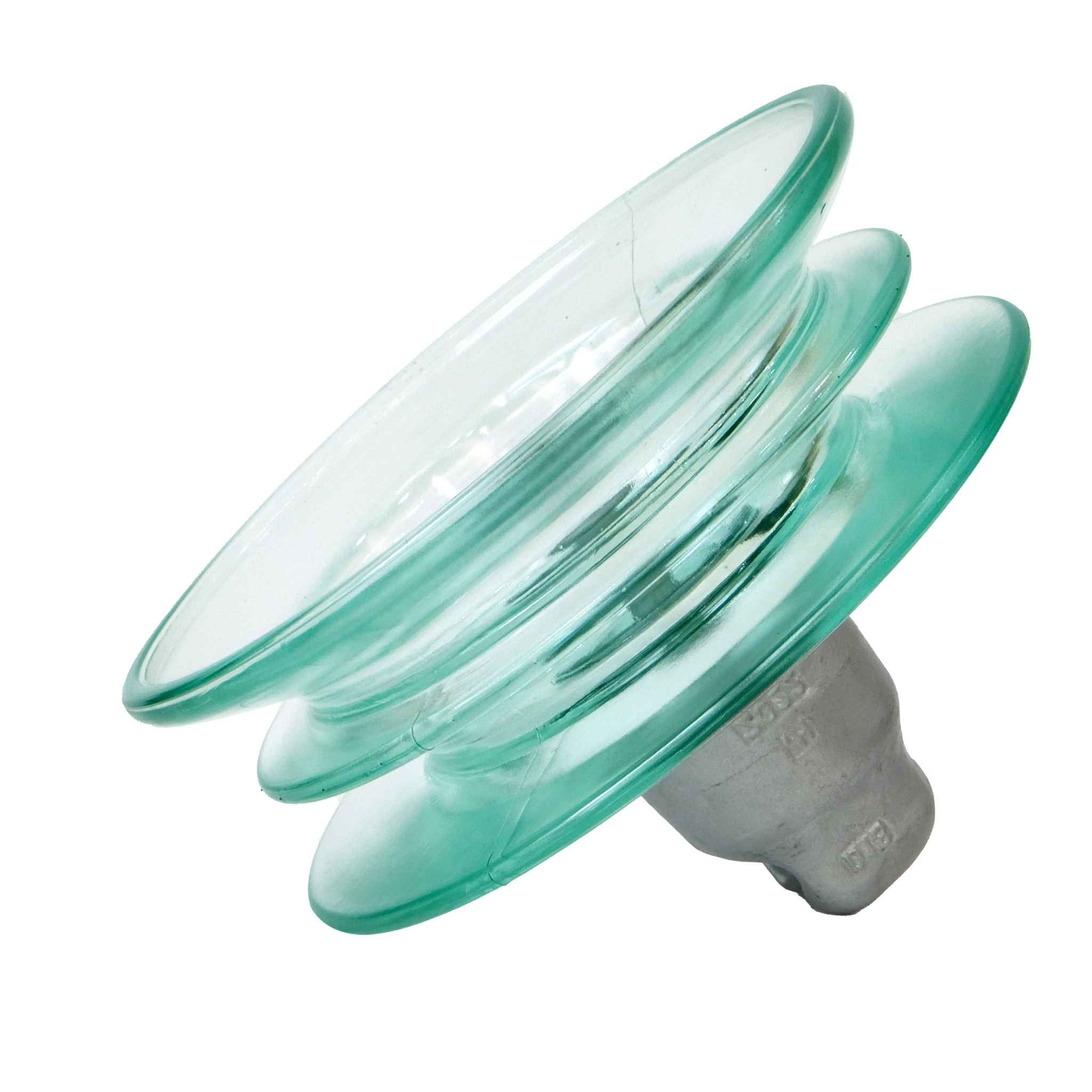
Optimized for Ultra-High Voltage (UHV) lines, providing extended creepage distances and superior flashover resistance.
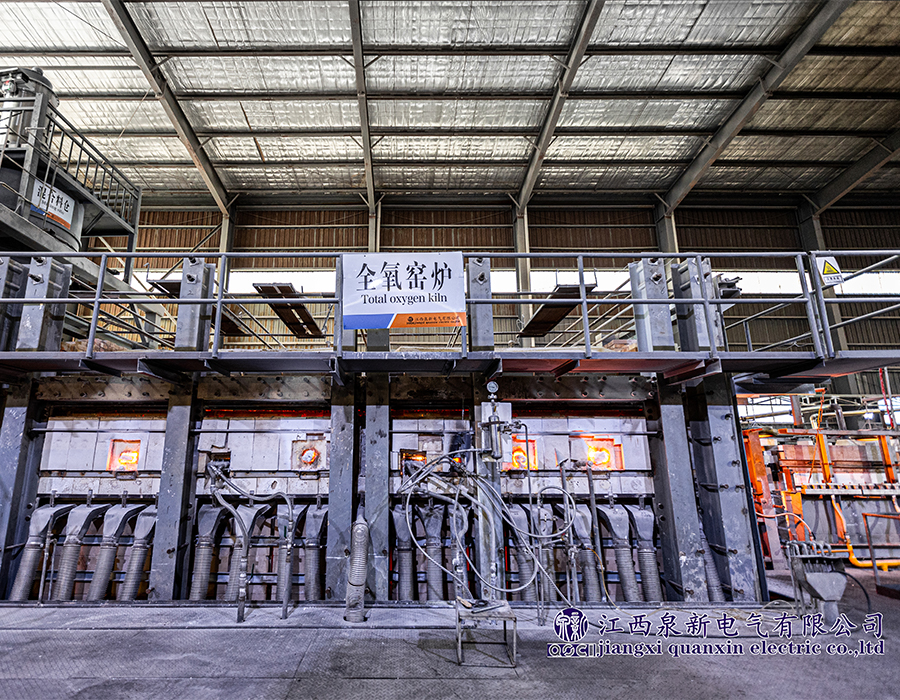
Our factory utilizes state-of-the-art Total Oxygen Kilns. This not only reduces NOx emissions by 60%, aligning with global ESG standards, but also ensures a more stable glass temperature, resulting in zero internal impurities—the primary cause of spontaneous breakage in lower-quality glass isolators.
Supporting EPC contractors and Utility Providers with end-to-end logistics and technical compliance.
Strategically located near major shipping ports, we offer optimized palletizing and moisture-proof packaging to ensure zero-defect delivery across six continents.
Full support for international tenders (WB, ADB, AFDB). We provide comprehensive type test reports from KEMA, CESI, and CNAS certified labs.
Our technical team assists in string design calculations, creepage distance optimization, and provides on-site training for installation teams.
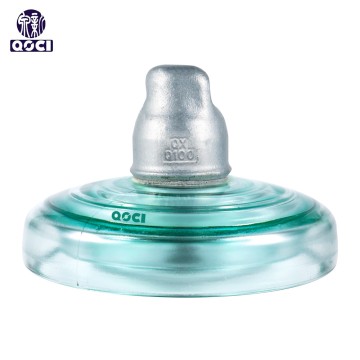
U100BLP (146/320/550) Anti-pollution...
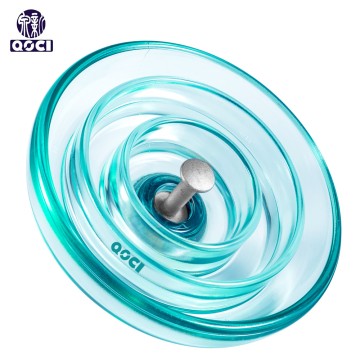
U120BLP (146/280/450) Anti-pollution ...
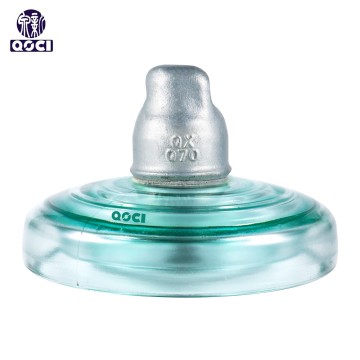
U70BLP (146/320/550) Anti-pollution ...
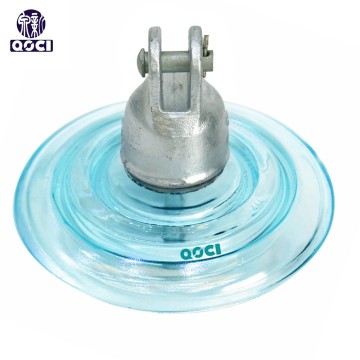
U70C 146/255/320 Glass Insulator
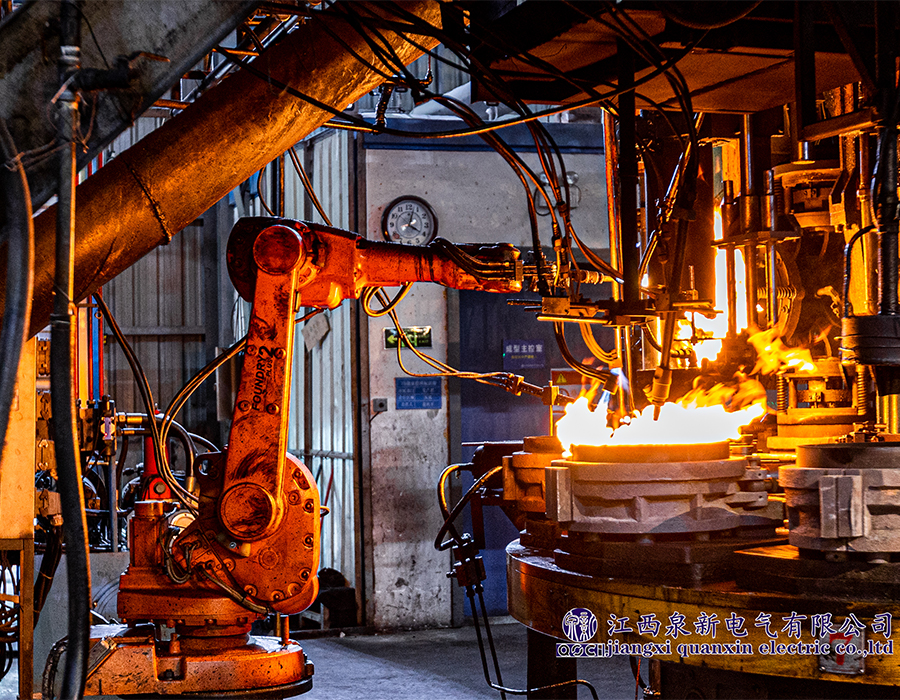
Advanced automated forming press ensuring dimensional accuracy for every U160BMA disc.
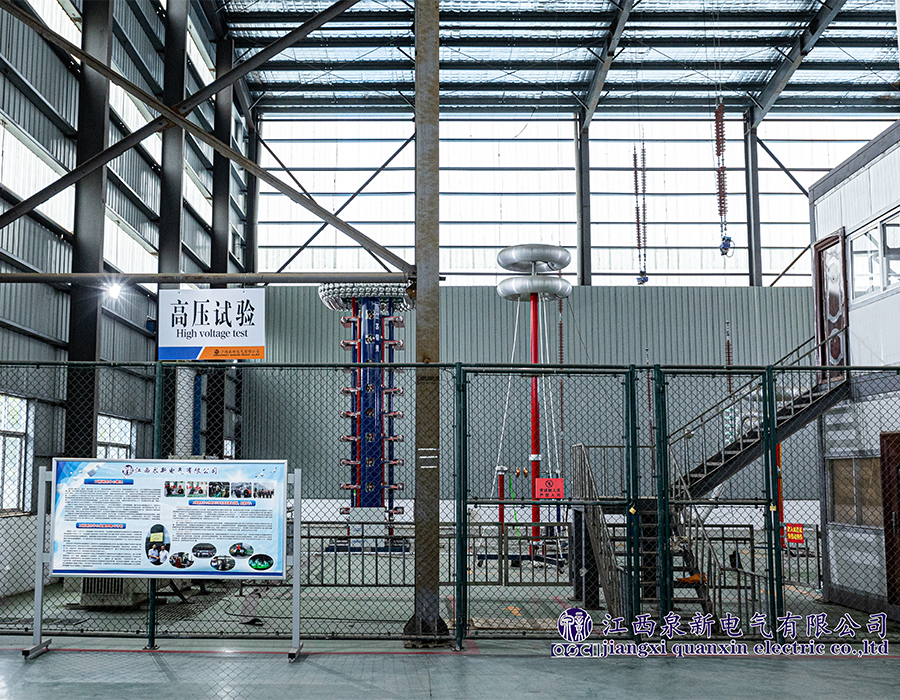
In-house laboratory for power frequency and lightning impulse testing.
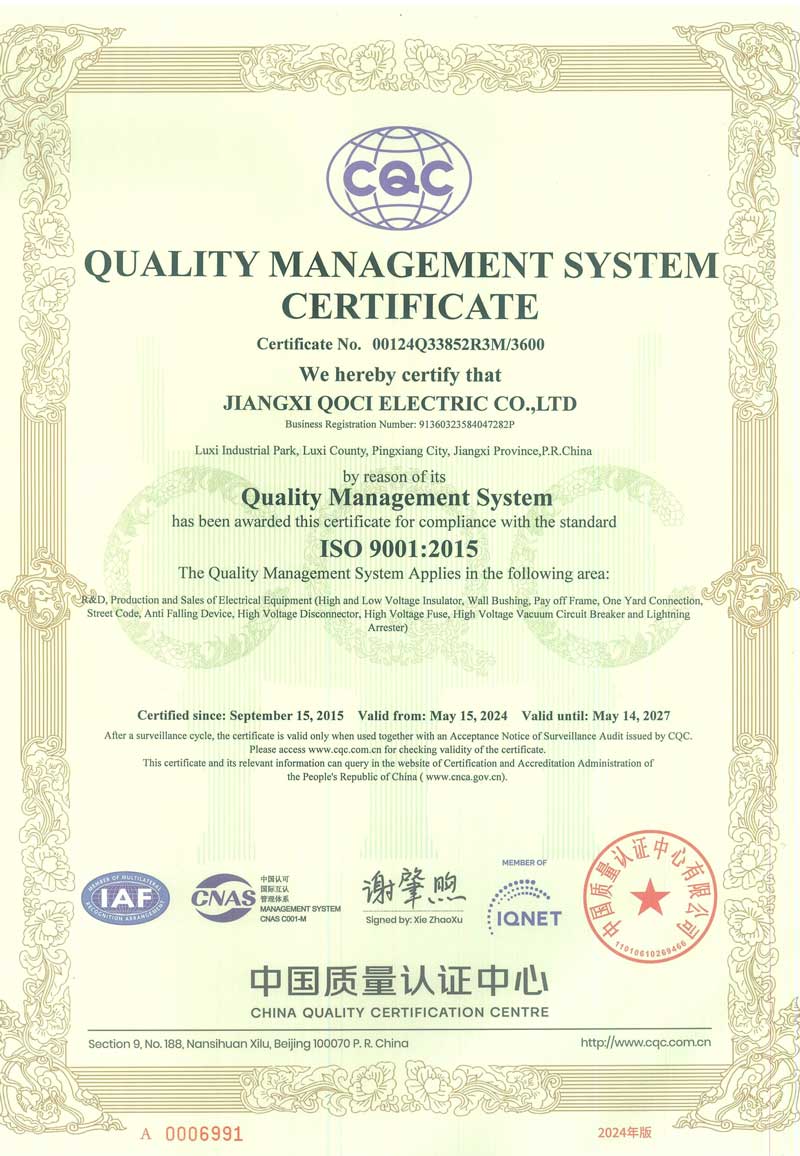
Certified according to ISO 9001, 14001, and OHSAS 18001 standards.
Exploring the role of toughened glass insulators in Africa's renewable energy transition.
A deep dive into how China has become the global leader in UHV transmission components.
May 10, 2026QOCI Electric showcases latest aerodynamic designs for the North American grid.
April 22, 2026When manufactured under QOCI's strict oxygen-fuel melting process, our glass isolators have a design life exceeding 40-50 years, significantly higher than composite insulators which may degrade under UV exposure.
Our toughened glass undergoes a precise tempering process that allows it to withstand sudden temperature changes from -40°C to +100°C, making it suitable for both Arctic and Saharan environments.
Yes. While the U160BMA has a standard profile, we offer anti-fog and super-pollution versions that increase the creepage distance without significantly altering the string length.
Mainly for inspection efficiency. Porcelain can develop "silent" internal cracks that lead to hidden failures. Glass will shatter into small, harmless pieces if failed, allowing for 100% visual detection.