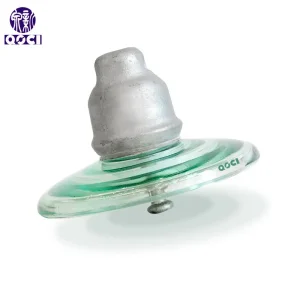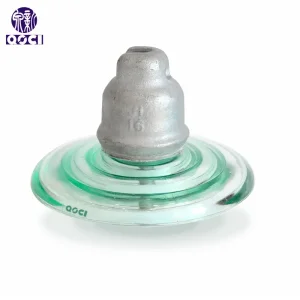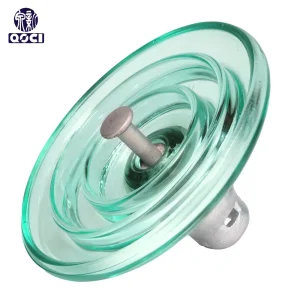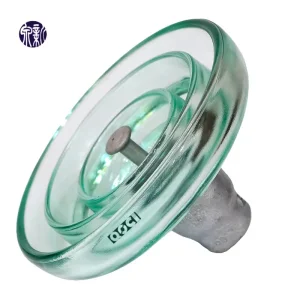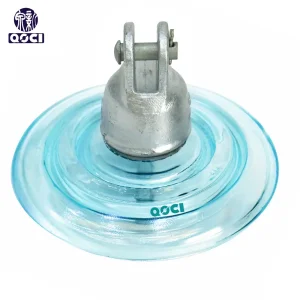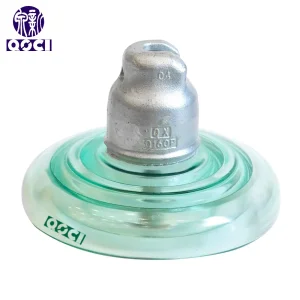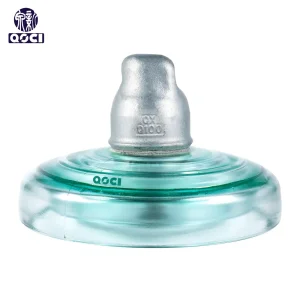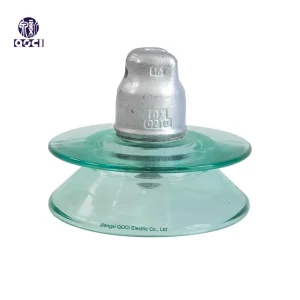
In the modern electrical infrastructure landscape, high-quality suspension insulators serve as the critical backbone for high-voltage (HV), ultra-high-voltage (UHV), and extra-high-voltage (EHV) transmission lines. As global energy demand shifts toward renewable sources located in remote areas, the requirement for robust, reliable, and "low-maintenance" insulation systems has reached an all-time high. This white paper explores the multi-faceted suspension insulator uses, ranging from mechanical load support to advanced pollution mitigation strategies.
Jiangxi QOCI Electric Co. Ltd, established in 2002, has emerged as a global leader in this niche, combining traditional craftsmanship with AI-driven manufacturing precision to ensure grid safety across six continents.
Suspension insulators are not merely electrical barriers; they are complex engineering components designed to withstand simultaneous mechanical tension and electrical stress. Their primary uses include:
Designed to carry the immense weight of high-voltage conductors across long spans. Our units range from 40kN to 550kN mechanical strength, adapting to various climatic loads like wind and ice.
Utilizing aerodynamic and anti-fog profiles to prevent leakage currents in coastal (saline) and industrial (dust) environments. This is vital for maintaining uptime in extreme conditions.
Facilitating lightning protection by connecting metal accessories to ground wires, effectively guiding surges away from the primary transmission equipment.
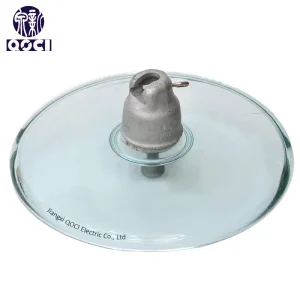
While both materials are used, toughened glass insulators offer a unique "self-shattering" property upon failure, making visual inspection from the ground (or via drones) extremely efficient compared to porcelain, which may hide internal cracks. This E-E-A-T principle of "Safe Failure" is why leading utilities are transitioning to glass for UHV lines.
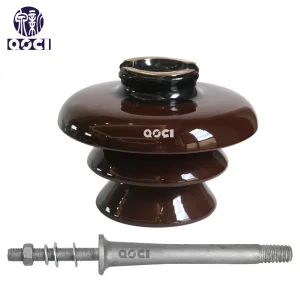
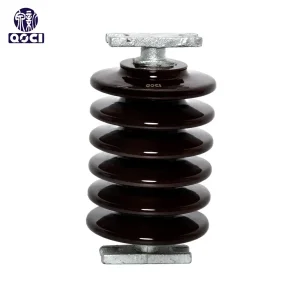
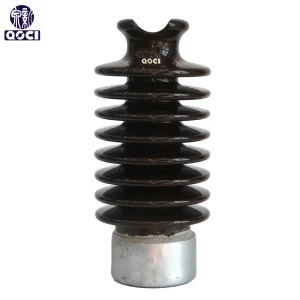
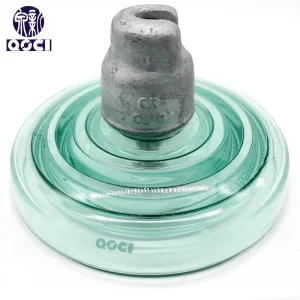
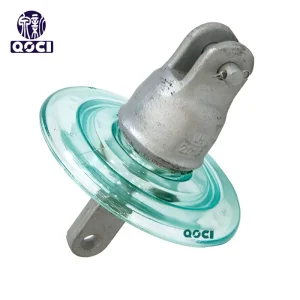
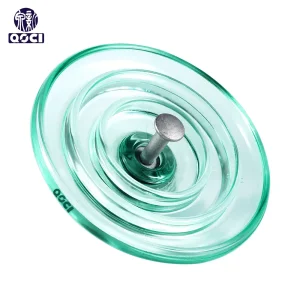
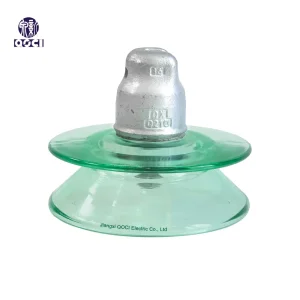
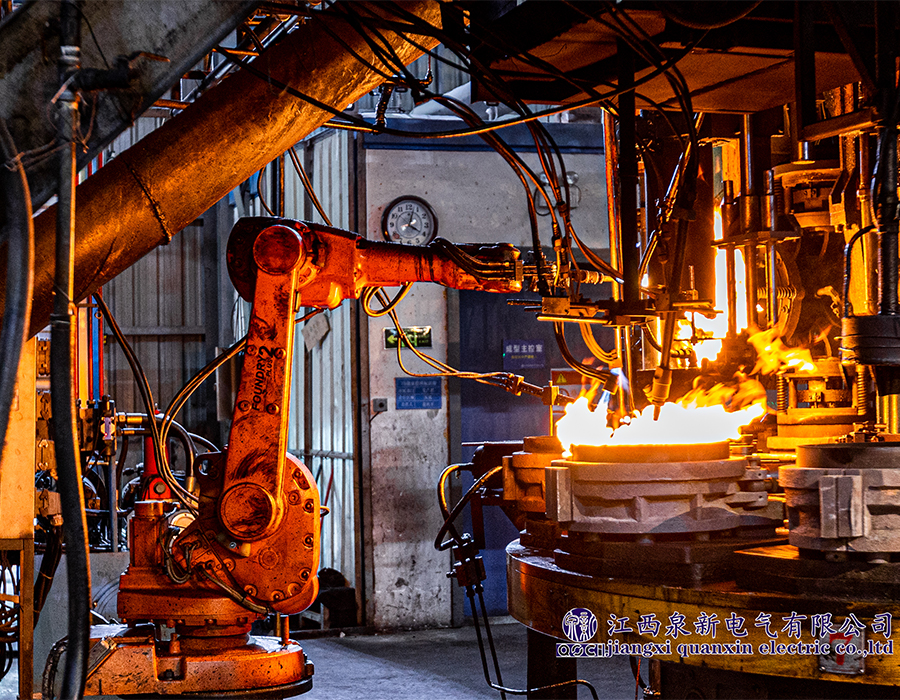
Our factory utilizes a Total Oxygen Kiln and precision forming presses to achieve world-class consistency. Below are the specialized profiles engineered for specific global environments:
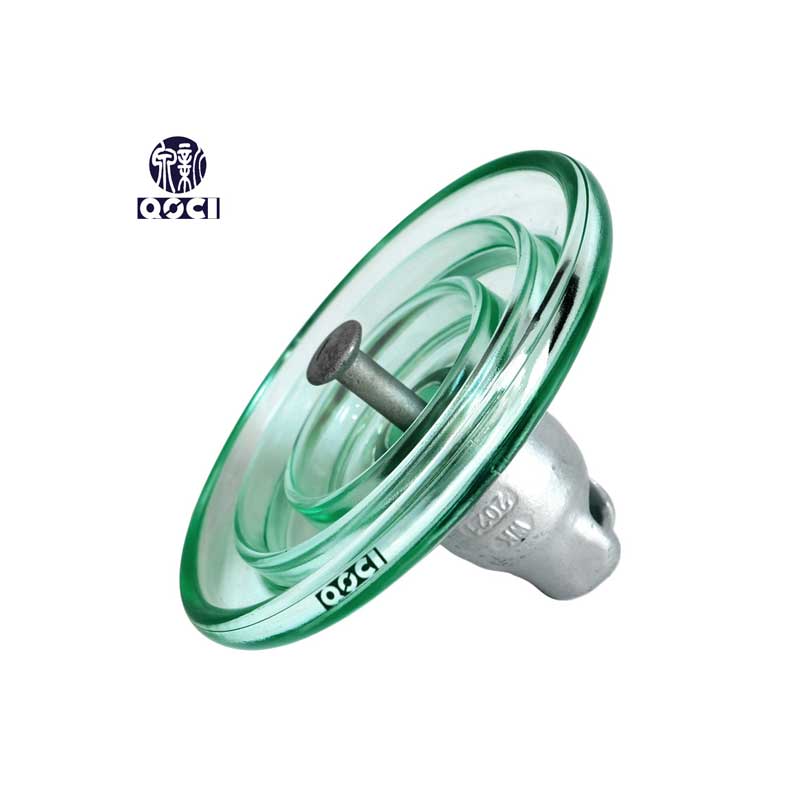
Features leakage distance higher than IEC 60305 standards. Shallow, well-spaced ribs facilitate natural self-cleaning by wind and rain.
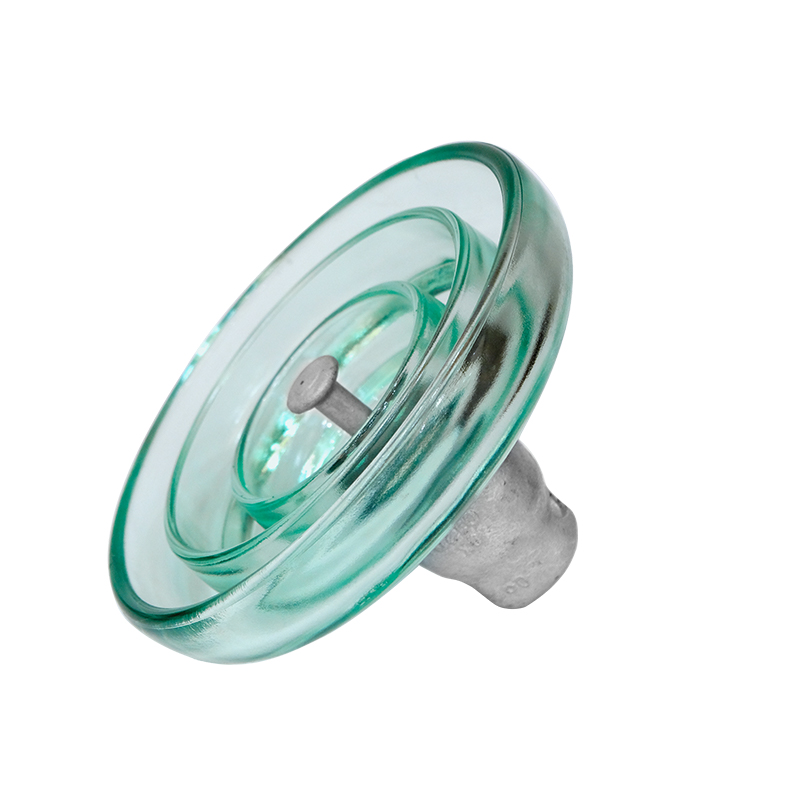
Long, widely-spaced under-ribs prevent arc bridging. Essential for salt fog coastal areas and heavy industrial pollution zones.
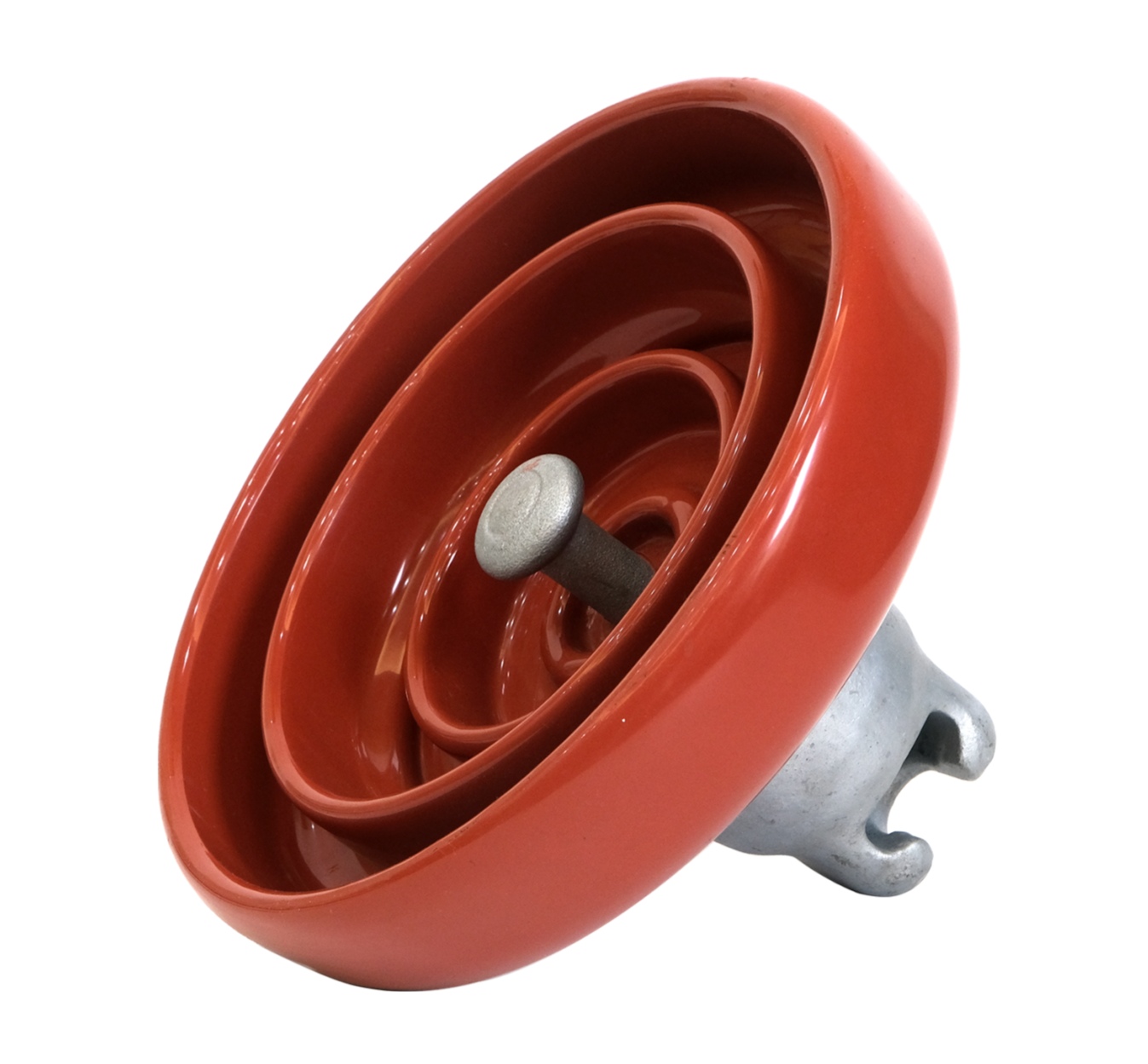
Room Temperature Vulcanization (RTV) coating provides superior hydrophobicity, minimizing leaking currents and reducing O&M costs in extreme pollution.
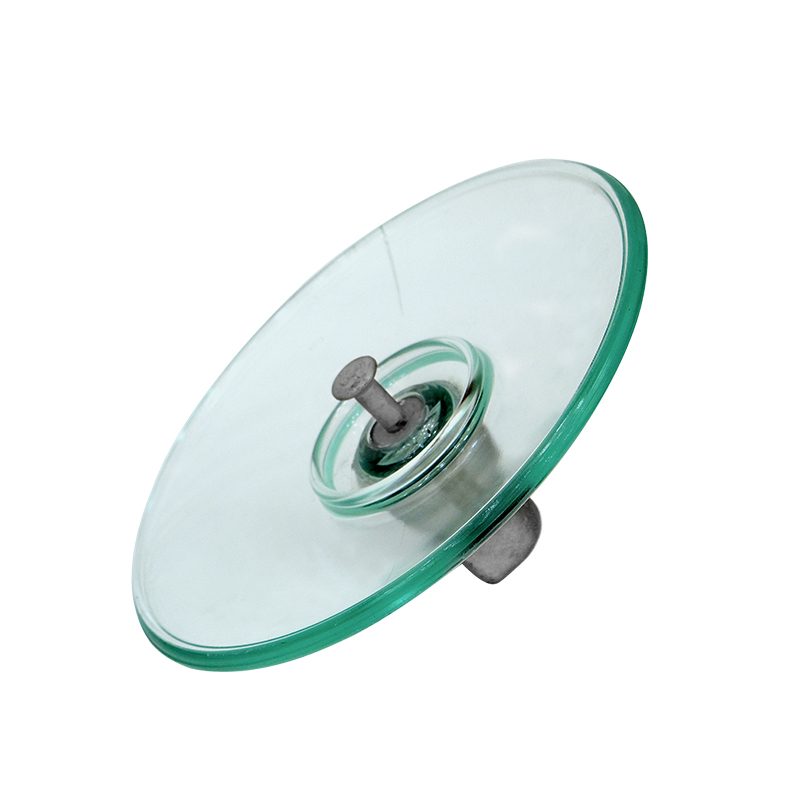
Absence of under-ribs avoids solid pollutant accumulation like sand or dust. Ideal for desert environments and preventing ice-bridging.
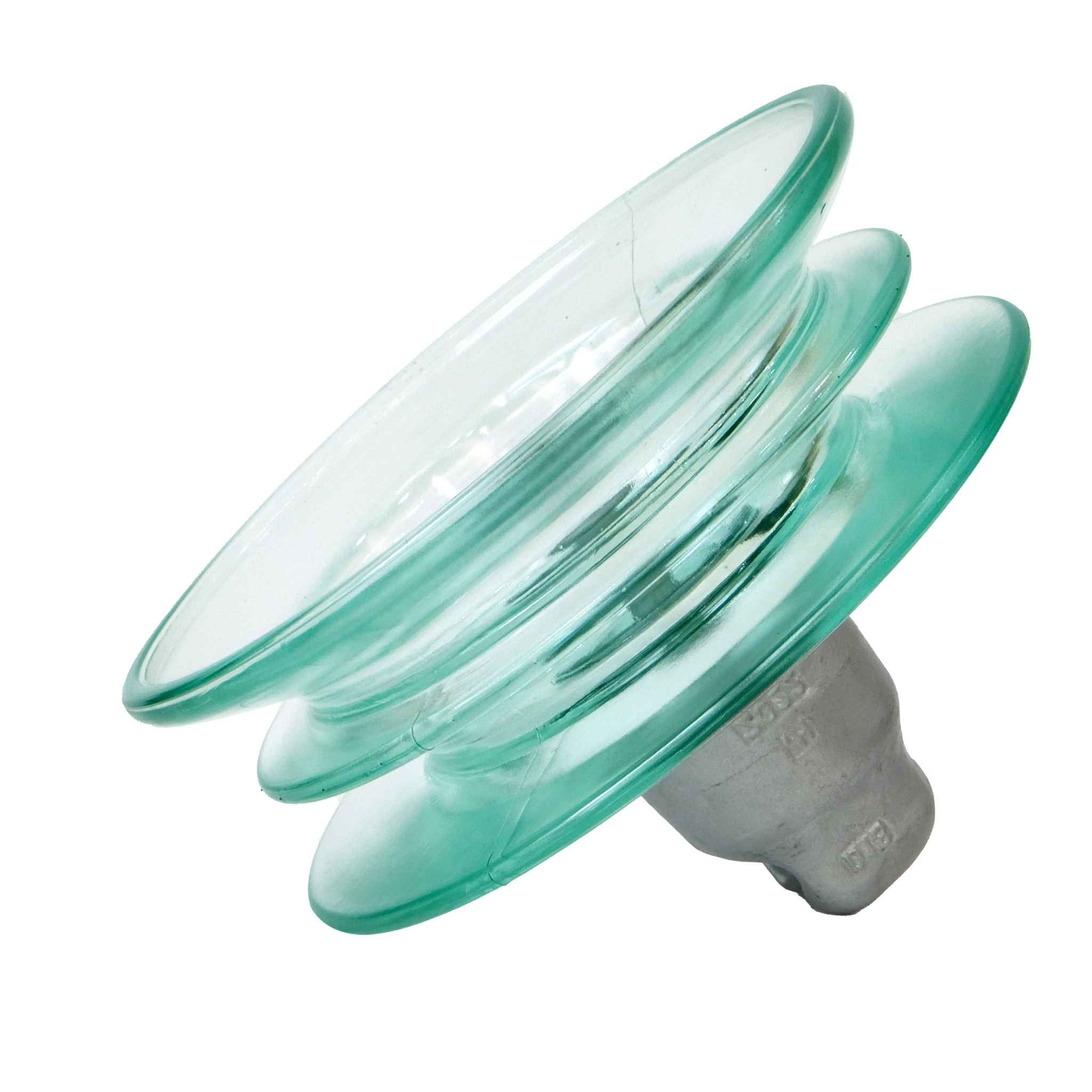
Three layers of umbrella discs provide maximum creepage distance. A premium choice for UHV (Ultra-High Voltage) projects.
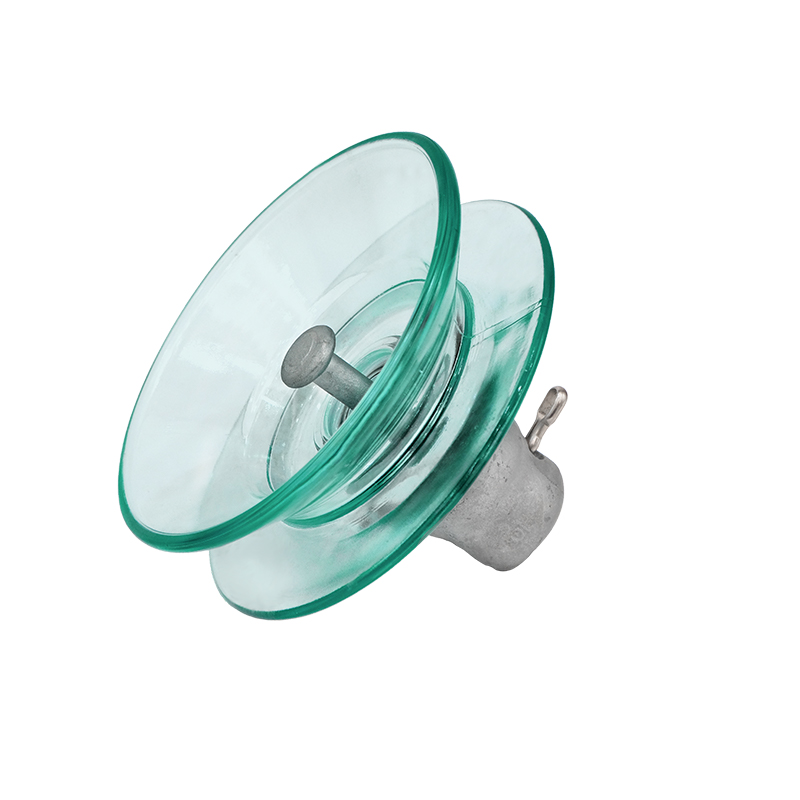
Features two external ribs for massive pollution build-up prevention. Adapts to the most extreme cases of saline soil and industrial smog.
Wind and solar farms are often in high-corrosion offshore or desert areas. Procurement teams now prioritize RTV-coated glass insulators to ensure 30+ years of maintenance-free service.
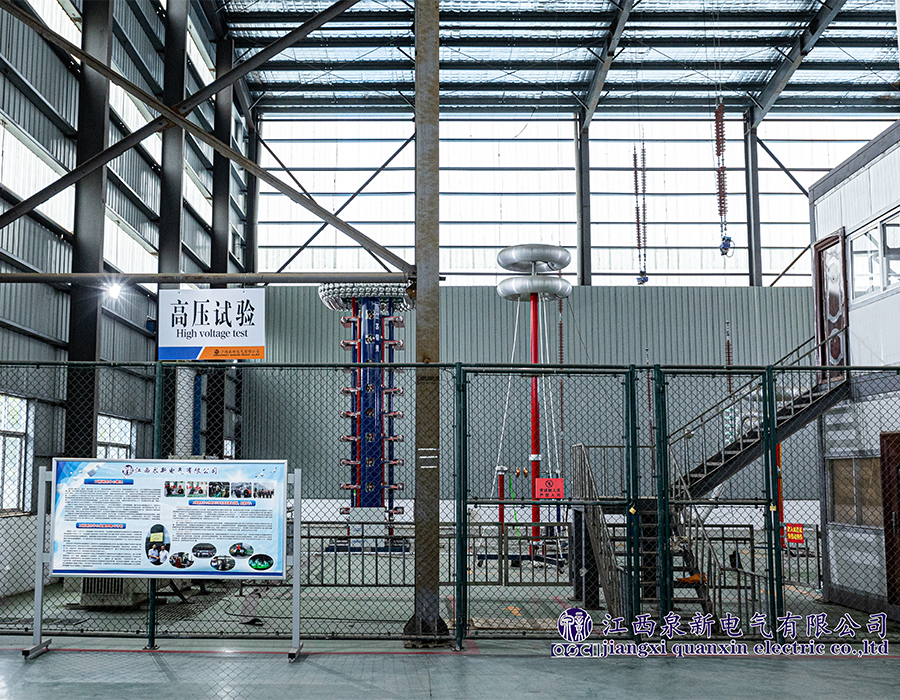
Global enterprises require strict adherence to IEC 60305, ANSI C29.2, and ISO 9001. QOCI ensures every batch undergoes high-voltage testing before dispatch.
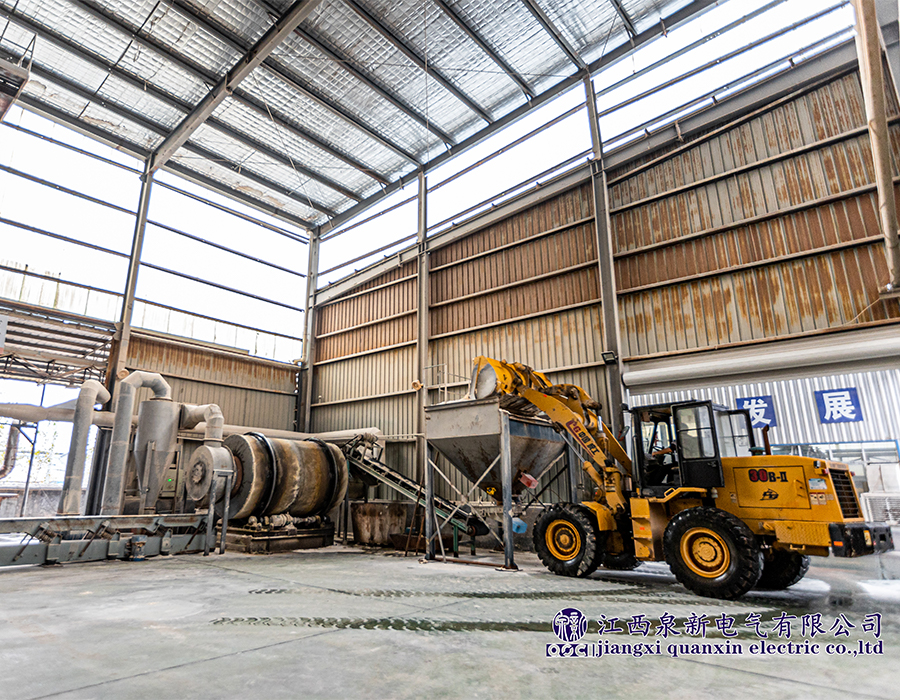
Buyers are moving away from single-source risks. A Chinese factory with 39,000 tons of annual capacity offers the scale needed for massive national grid upgrades in Africa, Asia, and the Americas.
We provide localized support for international bidding. Whether it's participating in Enlit Africa or the IEEE PES T&D Conference, QOCI connects with local grid authorities to provide tailored engineering solutions.
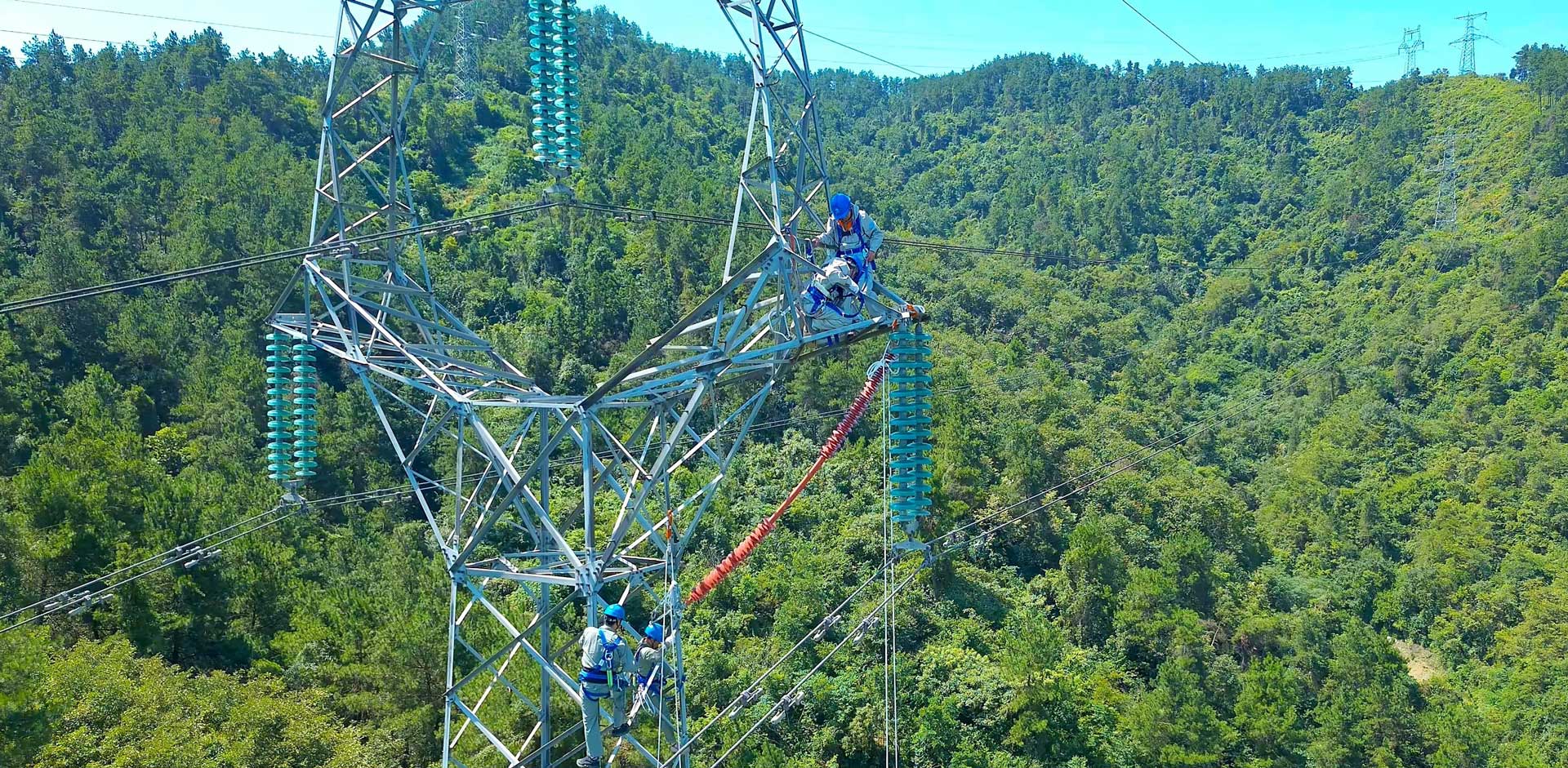
Geographic Adaptability: Custom profiles for High Altitude, Polar Ice, and Tropical Humid zones.
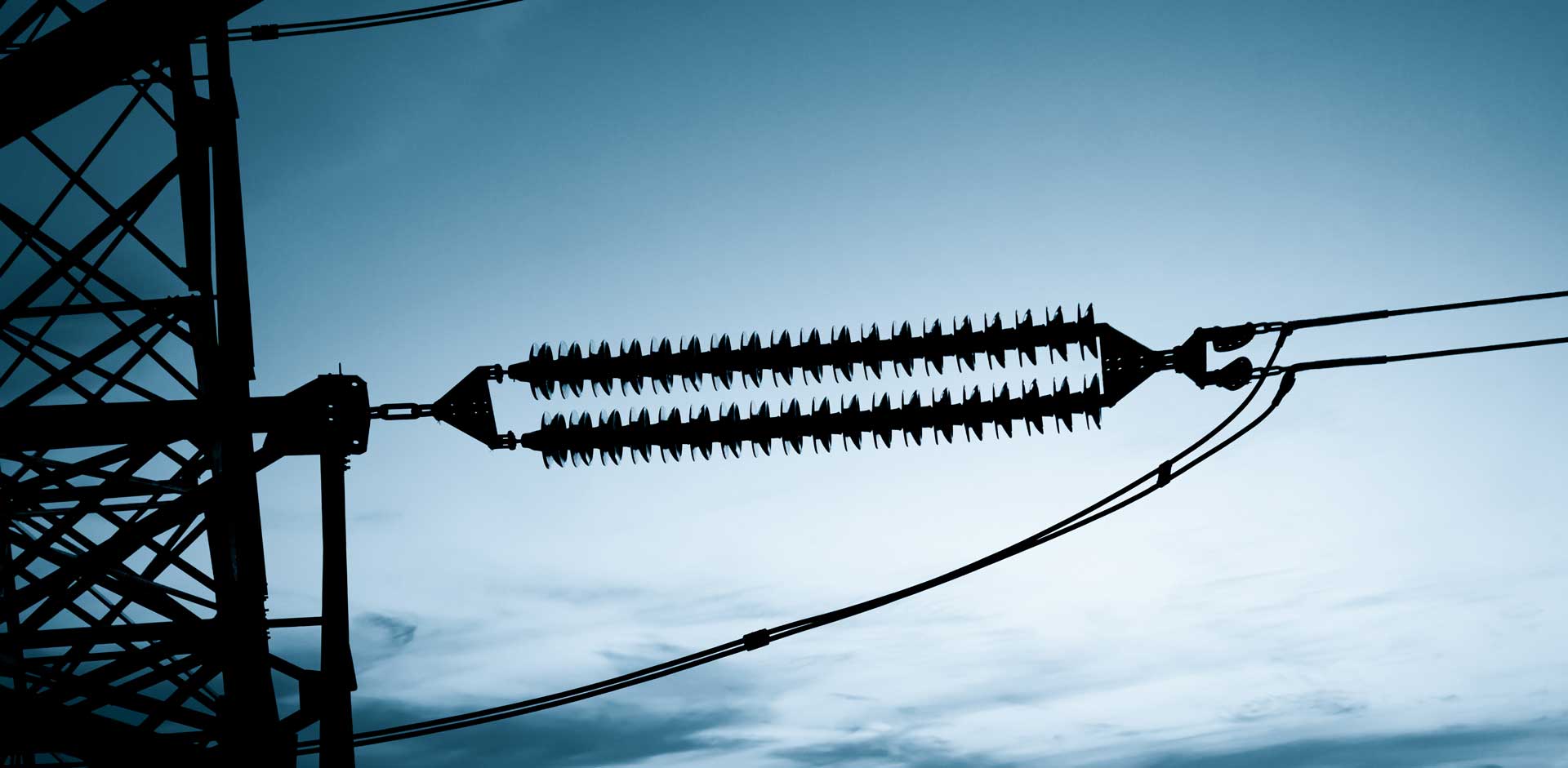
Smart Grid Systems: Insulators designed for compatibility with digital monitoring sensors.
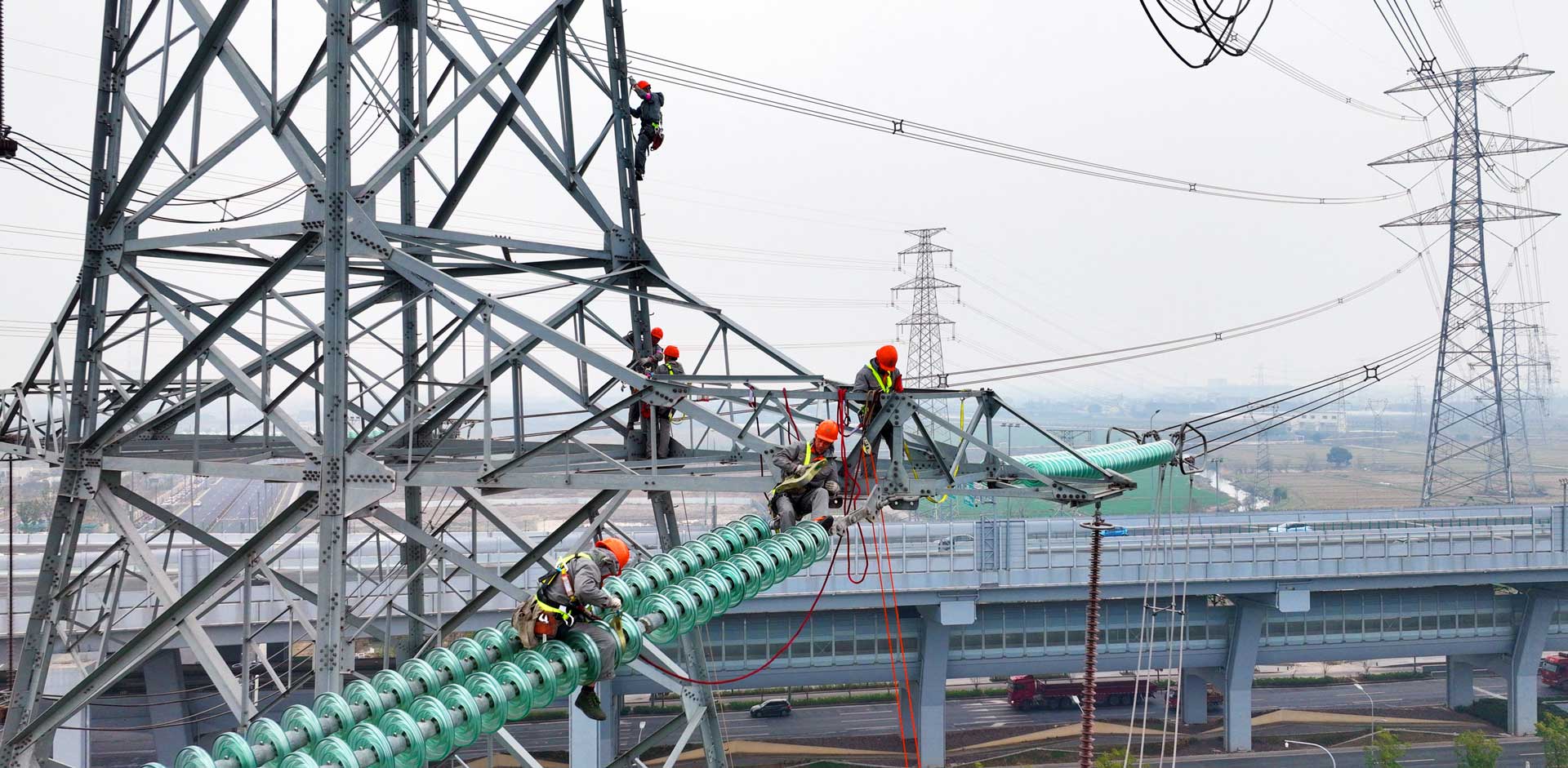
Functional Reliability: Zero-puncture rate glass technology for critical infrastructure stability.