Engineered for extreme tensile load corridors, coastal salt fog environments, and ultra-high voltage power distribution networks.
Deciphering mechanical engineering parameters, user intent signals, and technical pathways for premium utility insulation.
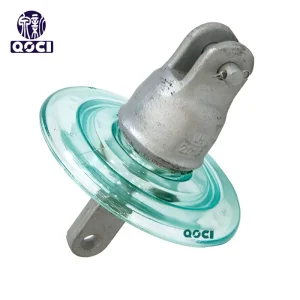
In international engineering projects (particularly European, French-speaking, and multilateral utility bids), the phrase "3 Isolateur Ensemble" refers to a triple-insulator string assembly. The acronym CTV stands for Cap and Pin Toughened Glass Insulator units (known in French as *Capot, Tige et Verre Trempé*). Utilizing a triple string configuration increases mechanical redundancy and structural reliability in extreme cross-river spans, high wind zones, or heavily polluted environments.
Global procurement departments, power grid engineers, and EPC contractors seek qualified direct-from-factory suppliers capable of manufacturing high-strength toughened glass insulator modules (ranging from 70kN to 550kN). The ultimate goal is to verify compliance with IEC 60305, ANSI C29, and regional utility standards while achieving a minimized Total Cost of Ownership (TCO) through optimized supply chains.
Unlike typical catalog websites, this whitepaper delivers substantial information gain. By exploring complex engineering calculations, material composition (soda-lime-silica glass vs. porcelain), RTV silicone hydrophobic properties, and specialized diagnostic testing, we provide a complete technical roadmap for industrial decision-makers.
"Reliability in extreme high-voltage transmission lines is not merely an engineering goal—it is the foundation of energy security. 3 Isolateur Ensemble CTV setups offer up to 300% safety margins compared to single-string systems, critical in mitigating cascade dropouts due to localized grid failures."
A complete technical breakdown of profiles engineered by Jiangxi QOCI Electric Co. Ltd to meet diverse geographic and environment-driven challenges.
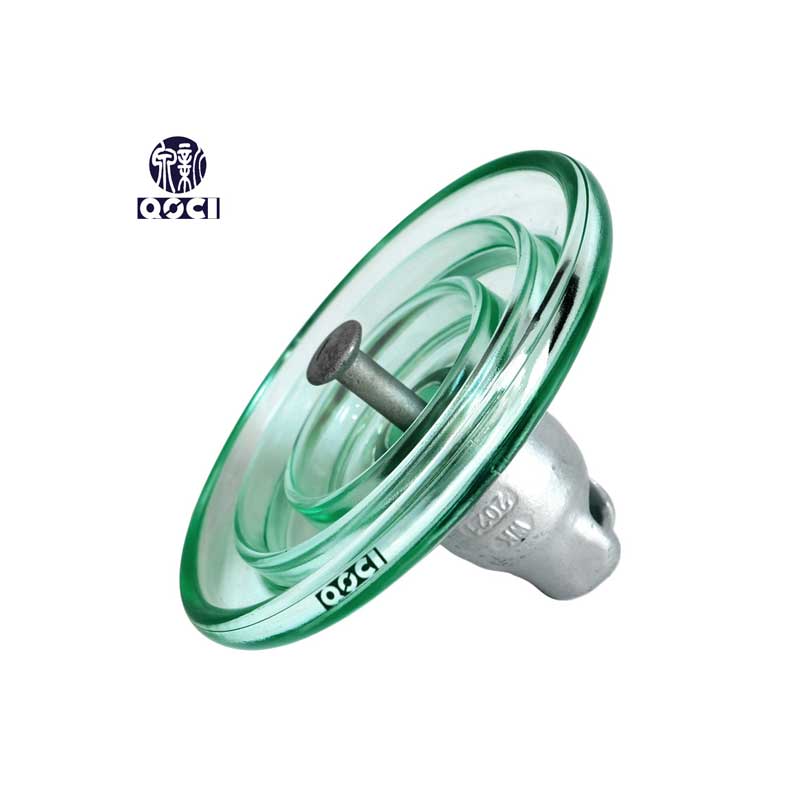
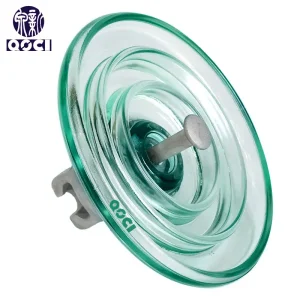
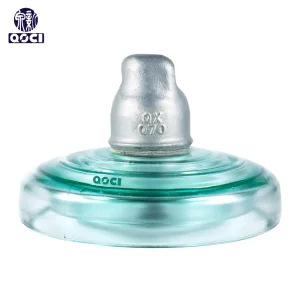
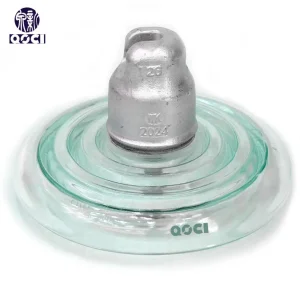
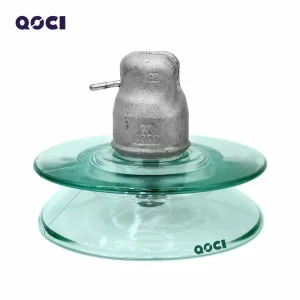
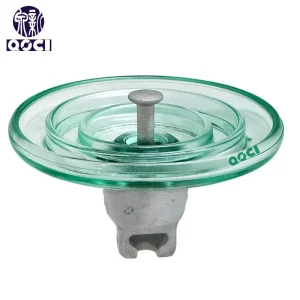
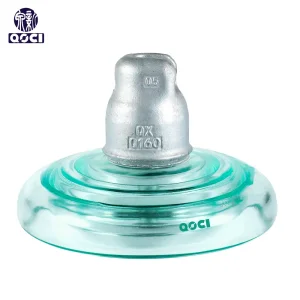
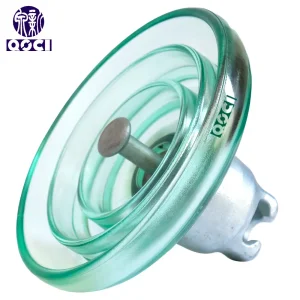
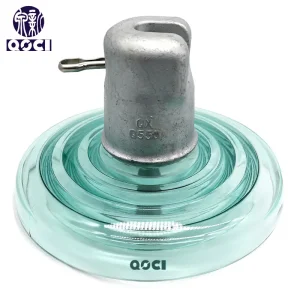
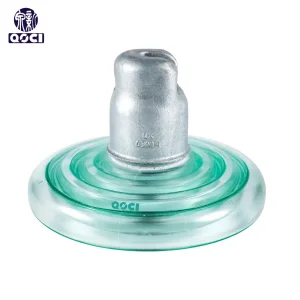
The characteristic of the standard profile is that the leakage distance is higher than the value indicated for standard insulators in IEC 60305. The insulation part is designed with shallow and well-spaced small ribs, which can be effectively self-cleaned by wind or rain. Ideal for areas with moderate dust accumulation and standard wind loads.
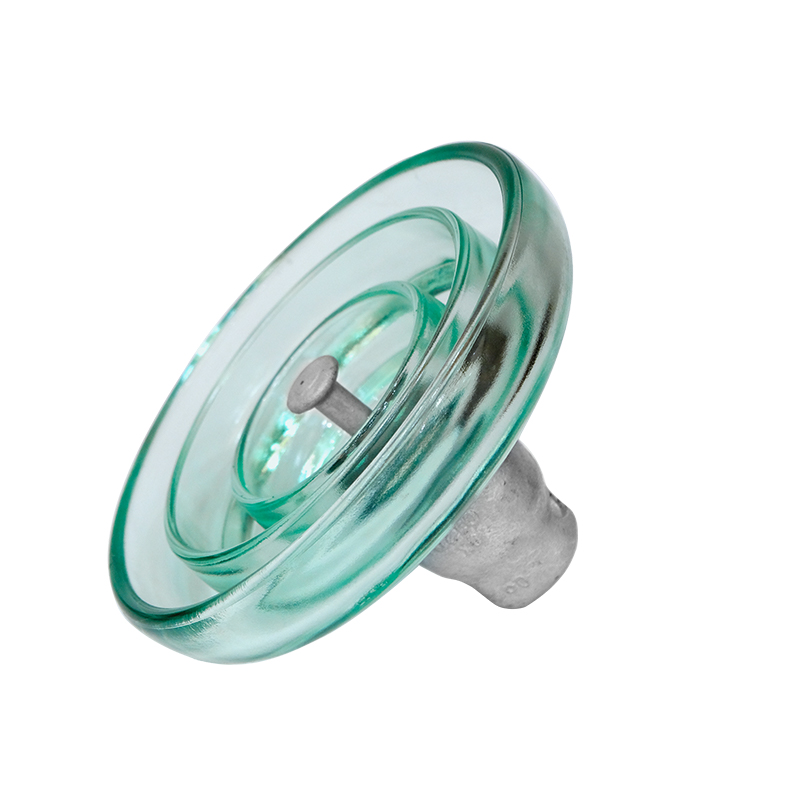
The fog type profile is characterized by long and widely-spaced under-ribs so as to avoid arc bridging between adjacent ribs. It features a leakage distance/spacing ratio of around 3.2 and is particularly effective in coastal areas (Salt fog) as well as in polluted areas where a higher specific leakage distance is required.
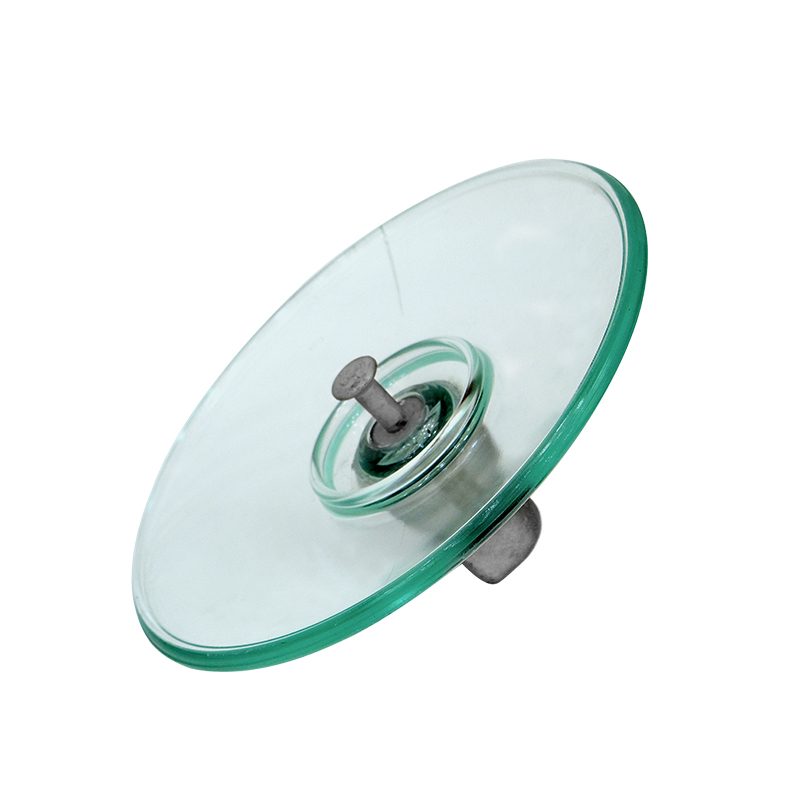
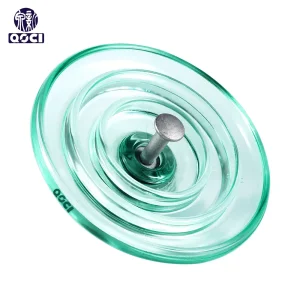
Design of insulating part with open profile is marked by absence of under-ribs and extended diameter of disk, with no under-ribs so as to avoid the accumulation of solid pollution deposits (dust, sand) on its lower surface. Open profile reduces pollutant accumulation on the surface. This design is effective in desert areas with wind and sand storms; it can also solve ice-bridging problems. It is particularly adapted to suspension and tension applications in desert areas where wind is predominant and rain infrequent. It is also effective for dead-end strings in cases of extreme industrial pollution and can solve ice-bridging problems when it is alternated with other profiles in the string.
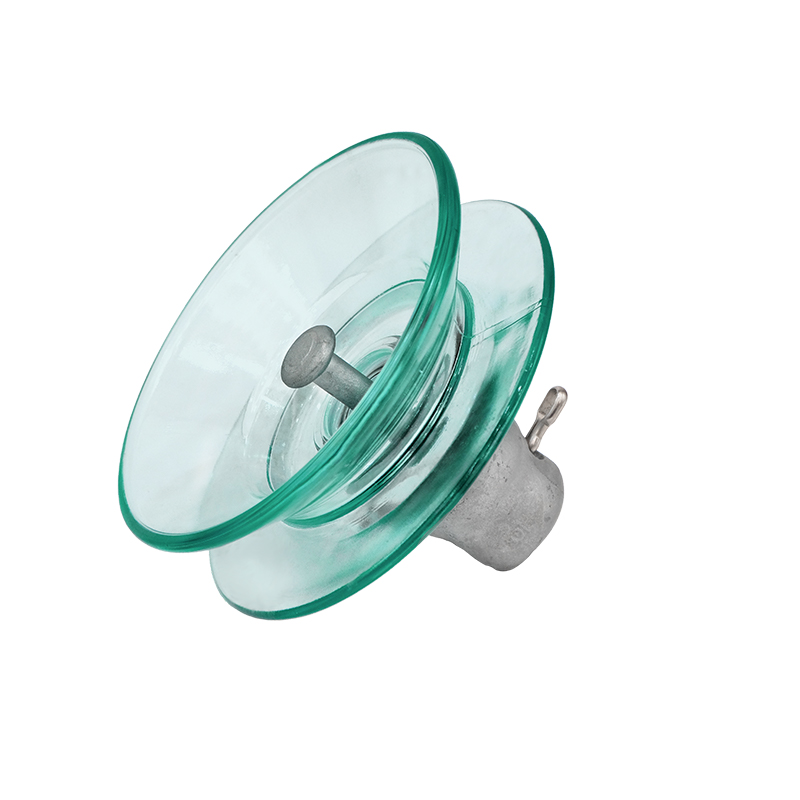
The design of the insulation part has two external ribs. The elimination of the under-ribs reduces pollution build-up, and the surface of the insulator can self-clean by strong winds. This facilitates manual cleaning when necessary. This profile provides a leakage distance equivalent to the anti-pollution profile and adapts to the most extreme cases of solid pollution. Insulators perform well in industrial pollution and saline soil areas.
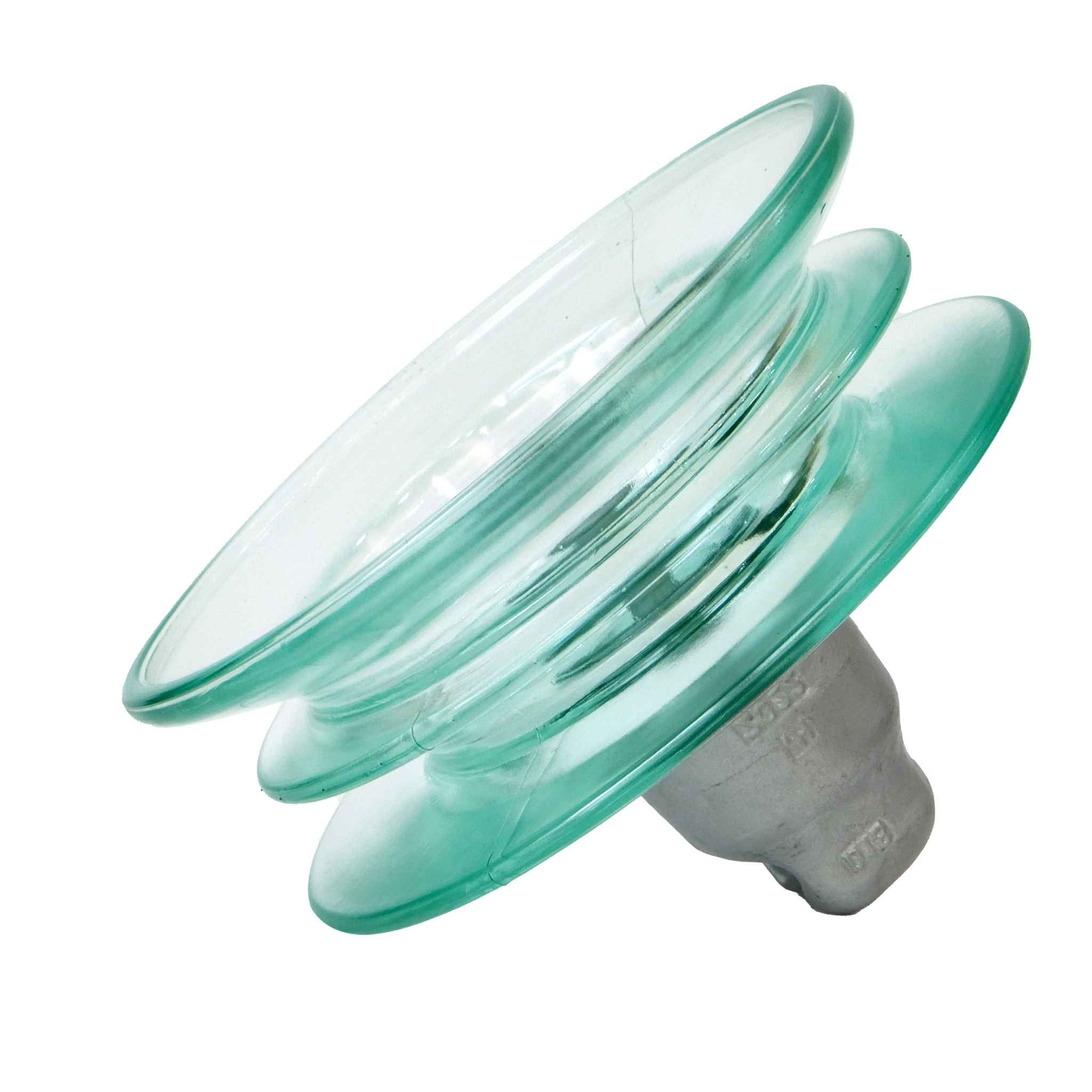
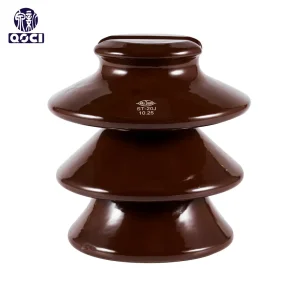
Triple-shed Type glass insulator is a key component in transmission lines, characterized by three layers of umbrella discs separated from each other on the insulation body. Thanks to this open shed design, they not only achieve self-cleaning during wind and rain, making it difficult for contaminants to adhere, but also provide a longer creepage distance. This results in excellent pollution flashover resistance and stable electrical performance even in harsh environments such as heavily polluted areas, high altitudes, and coastal humid regions. Consequently, they are an important choice for high-performance transmission projects like Ultra-High Voltage (UHV) lines.
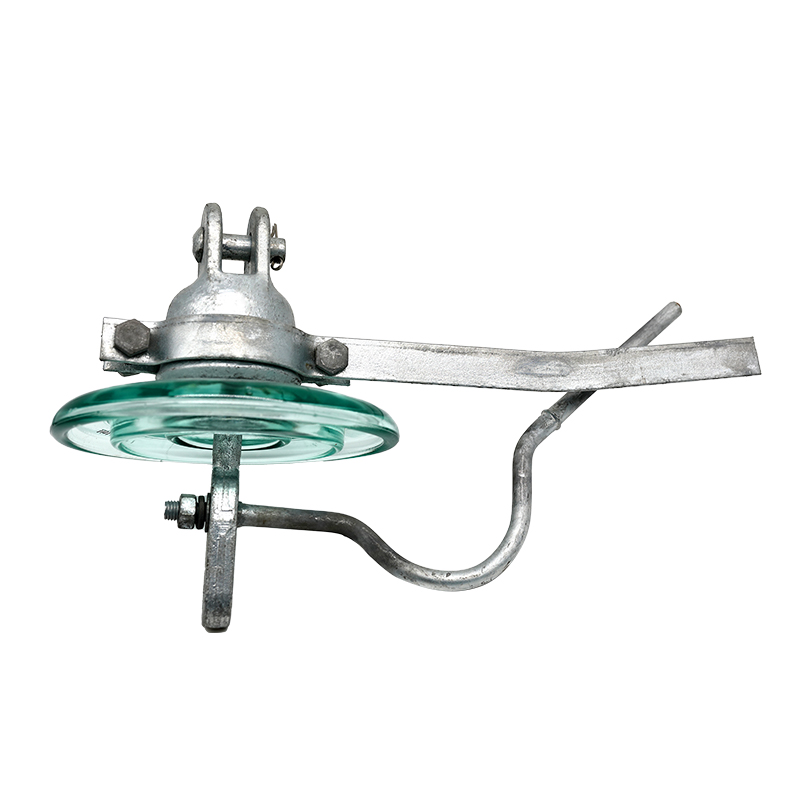
By connecting internal or external metal accessories (such as steel feet and flanges) to the grounding wire, reliable grounding can be achieved. The grounding function effectively guides lightning current, reduces line lightning damage, and protects the safety of lines and equipment. The glass surface is smooth and has low hydrophilicity, making it easy to remove dirt.
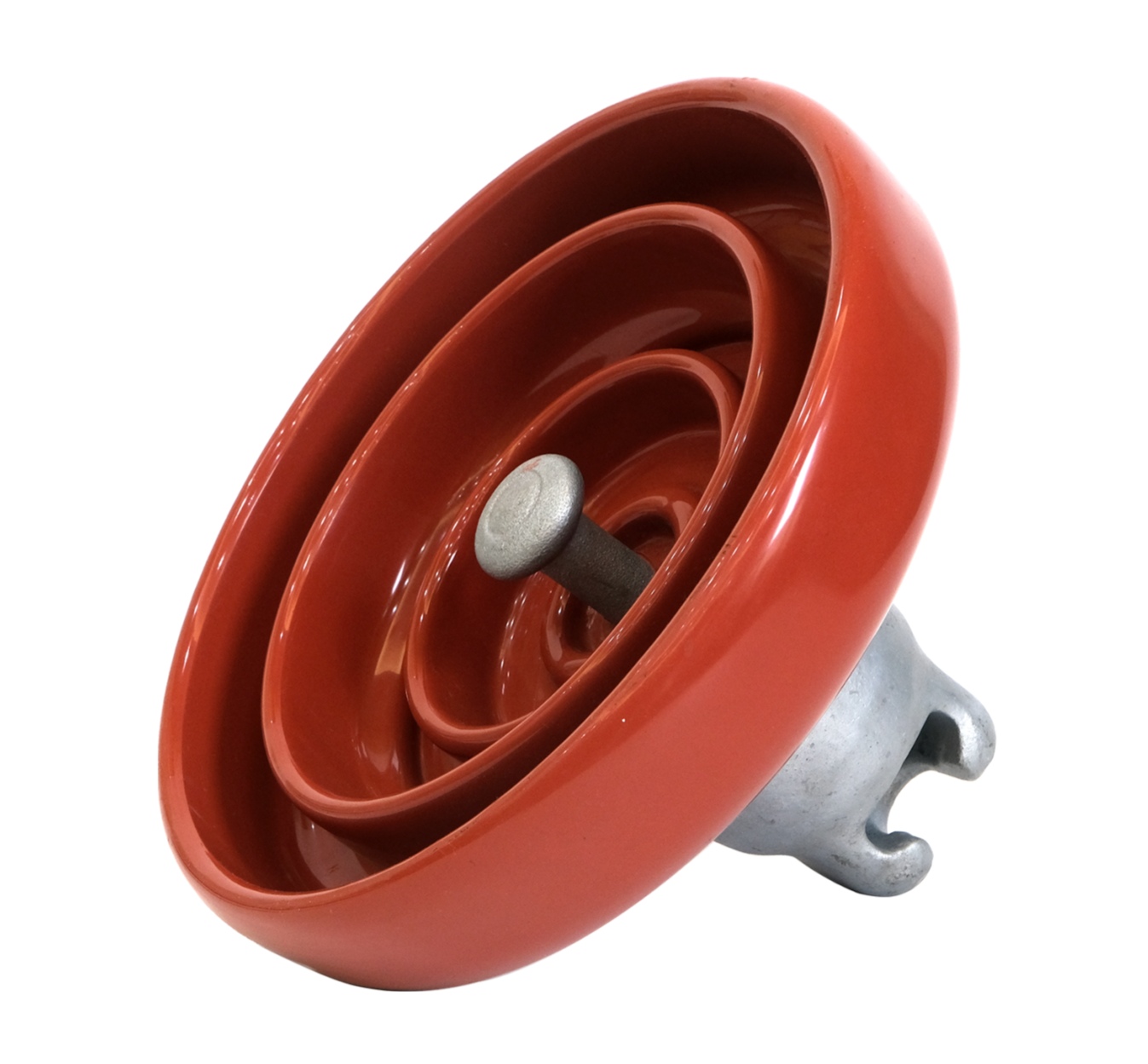
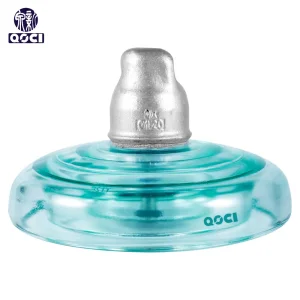
Silicone-coated insulators offer an excellent alternative which guarantees optimum performance for high voltage overhead lines in areas with heavy pollution. They minimise leaking currents and thereby reduce operation and maintenance costs. The product used to coat the insulators is Room Temperature Vulcanization (RTV) silicone which contains mineral fillers embedded in the silicone itself. This silicone increases the hydrophobic nature of the insulator's surface, thereby improving its performance in polluted areas. Furthermore, the fillers absorb the energy of any possible electric arcs and serve to protect the integrity of the coating. Silicone-coated insulators are an economical solution because they eliminate the need to regularly clean glass insulators whilst still maintaining the mechanical reliability that glass suspension insulators have demonstrated over the years.
Serving the world-class power grid with dedication. Actively participating in the construction of green energy since 2002.
Integrating industrial expertise, cutting-edge thermal kiln systems, and digital quality monitoring to support zero-defect transmission grids.
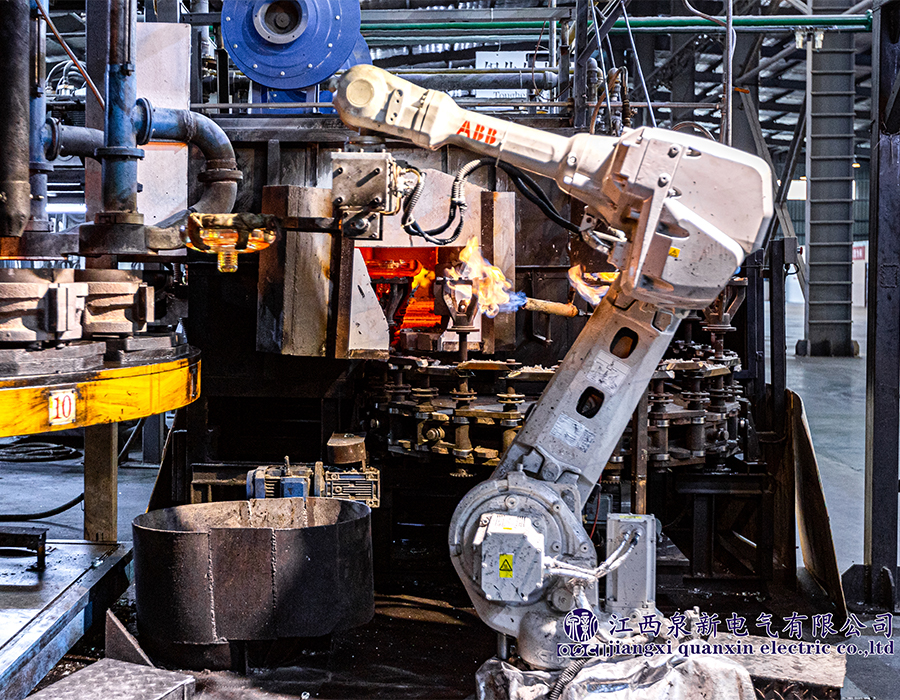
Through our total oxygen-fired kilns and automated hydraulic forming presses, the mineral compounds are transformed into fault-free, high-purity glass under precise temperature control curves. This minimizes mechanical stress defects and eliminates the possibility of micro-fractures under tension loads.
Every single 3 Isolateur Ensemble CTV component undergoes a battery of quality verification processes. This includes steep-front impulse voltage tests, thermal mechanical performance checks, and puncture-resistance evaluations. Operating live transmission tests ensures that once deployed, our hardware withstands surges up to 500kV AC/DC.
As a pioneer in green grid production, QOCI integrates modern resource-saving kiln methods, reducing factory emissions by 25%. Our toughened glass insulators have a recycle rate of 99%, making them a far more ecologically sustainable option than traditional composite polymer or porcelain materials.
Inside Jiangxi QOCI Electric's state-of-the-art facilities in Luxi County, Pingxiang, China.
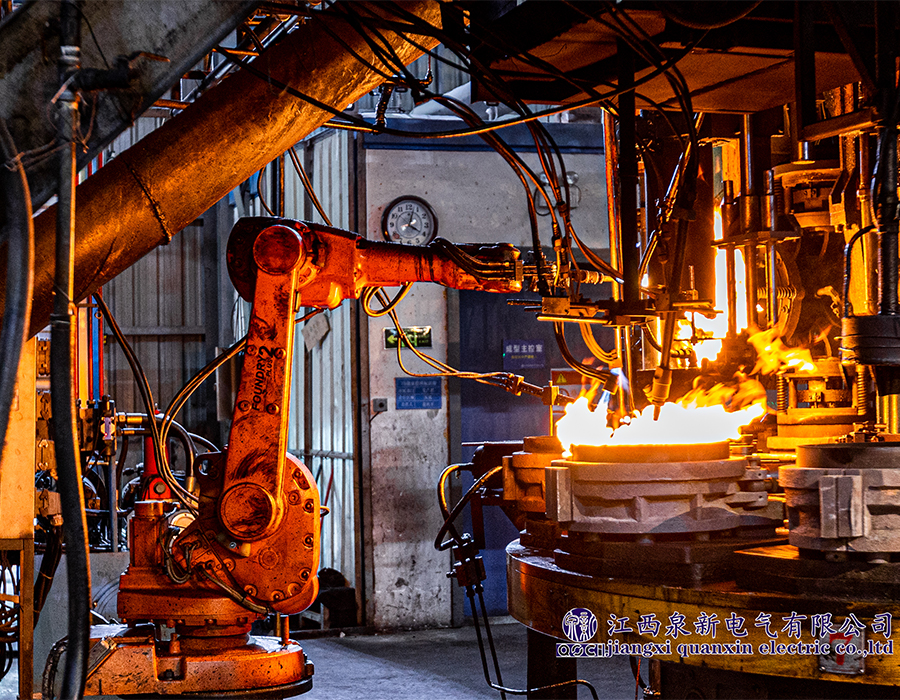
High-precision automated pressing machines form glass shells under unified hydraulic pressure parameters, establishing optimal glass thickness density.
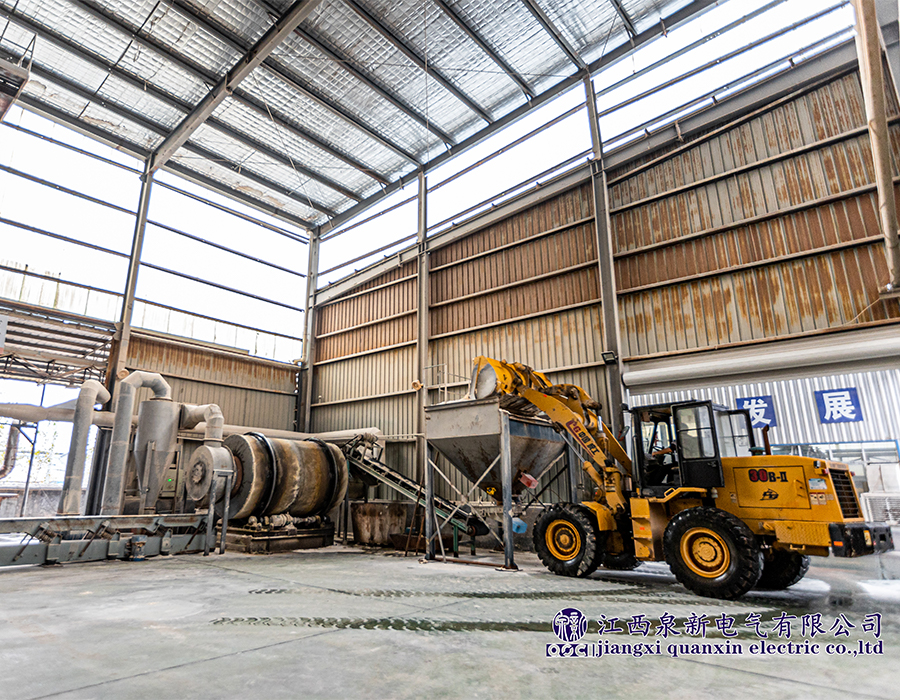
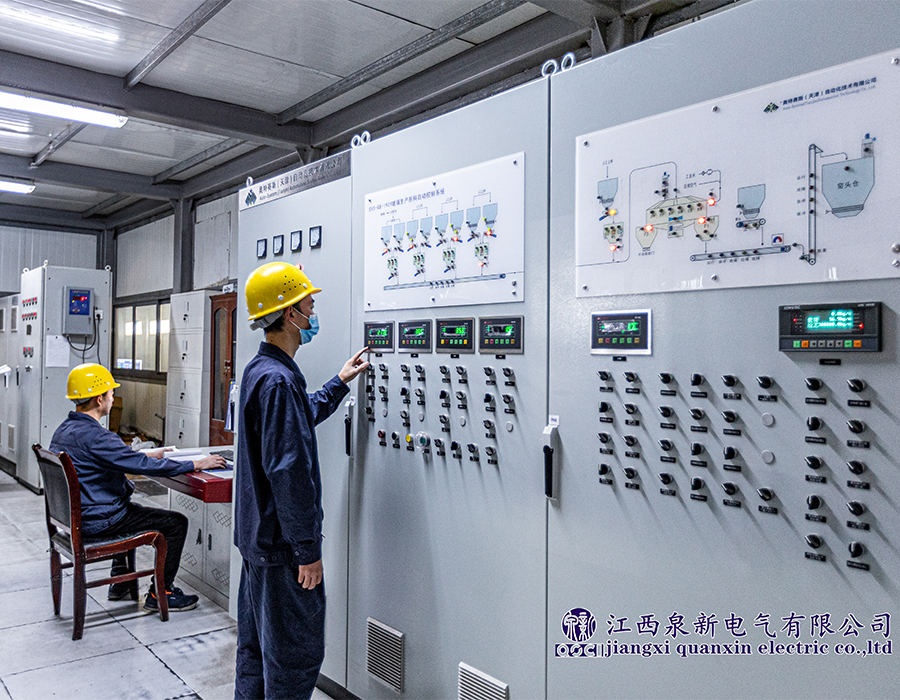
Advanced computer-controlled dry powder mixing controls feed exact proportions of quartz sand, feldspar, and soda ash into the furnace.
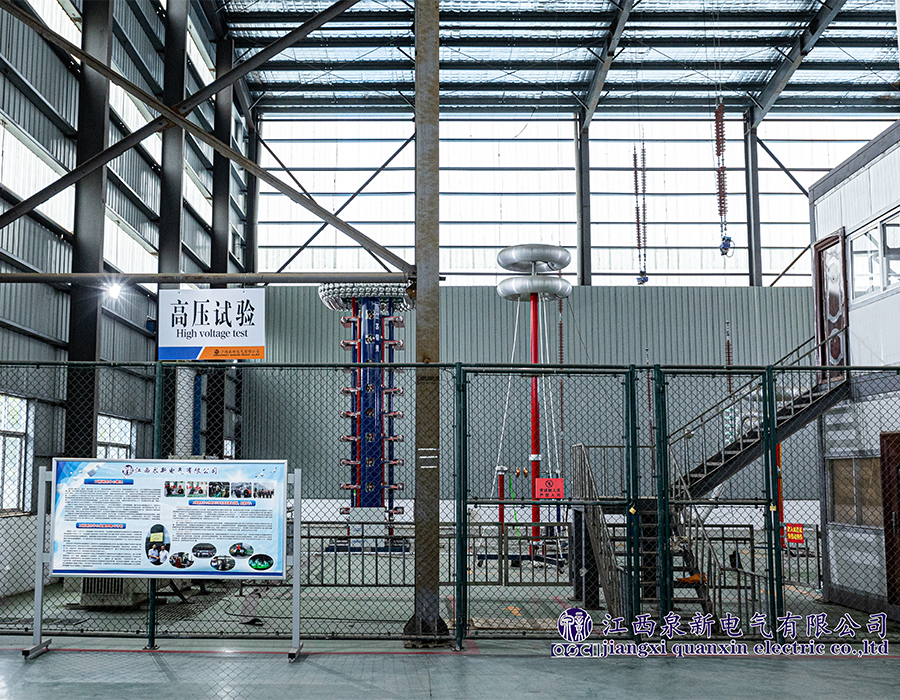
Simulates continuous power surges and mechanical stress up to three times the rated design standard to confirm absolute structural safety.
Sourced from high-grade raw mineral suppliers. High chemical stability is prioritized to yield low thermal expansion rates in the final product.
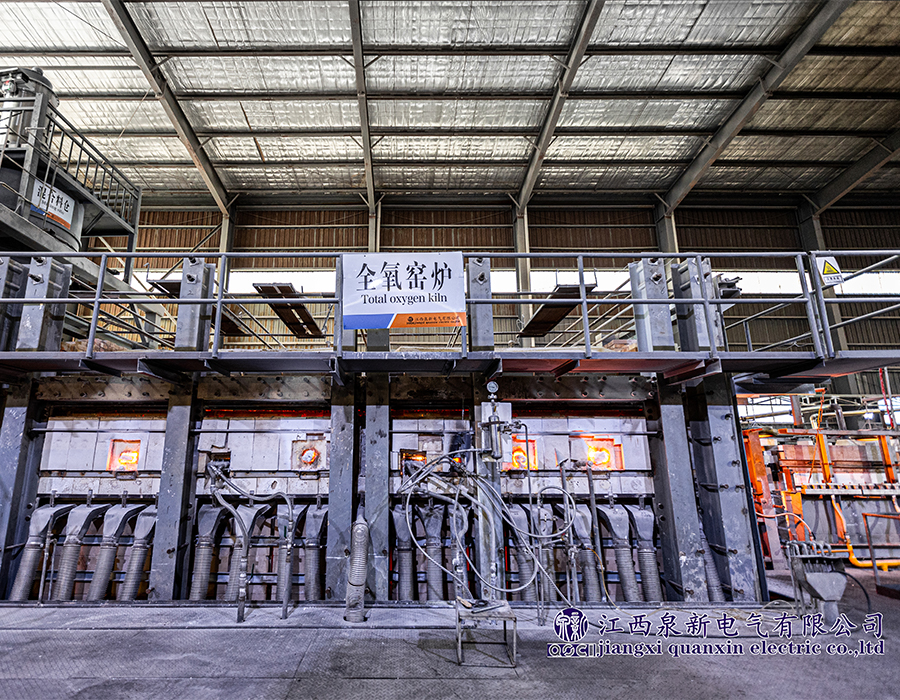
The core of our thermal toughening process. Eliminates temperature fluctuations and reduces combustion emissions for a cleaner, greener melt.
Our engineers perform visual and laser inspections of glass discs to filter out minor geometric deviations prior to cap and pin assembly.
Managing overseas supply chains, testing standards, and regional certifications for high-voltage glass isolator setups.
We supply specialized mechanical design software calculations to engineering teams. Our 53+ dedicated technicians help configure exact double-string and triple-string configurations (e.g., 3 Isolateur Ensemble CTV) to withstand localized seismic, wind, and industrial pollution ratings.
All products conform to standard requirements like ANSI C29.2, IEC 60305, and IEC 60383. We maintain tight partnerships with certified global test labs, rendering fast submittal reviews, certificate matching, and complete compliance dossiers for government bidding.
We manage bulk packaging using reinforced wooden crates, high-strength anti-impact bands, and rust-proof vapor barriers to prevent seawater contamination. Our factory in Pingxiang is near major transport hubs, allowing for efficient rail or maritime shipping worldwide.
Expert technical answers regarding structural integrity, mechanical design, and selection of CTV toughened glass insulators.
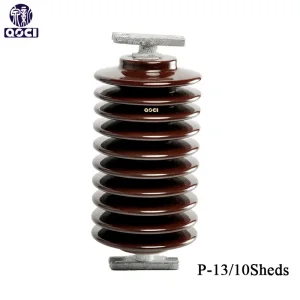
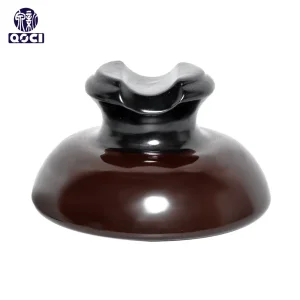
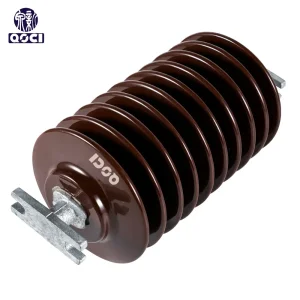
Additional premium cap-and-pin toughened glass configurations and post-insulation components manufactured at our facility.