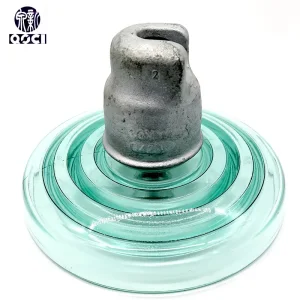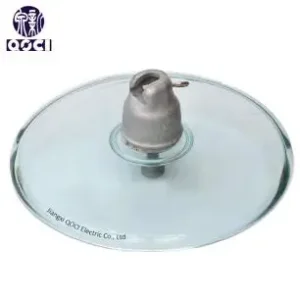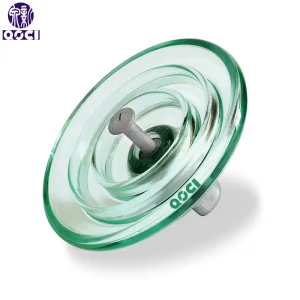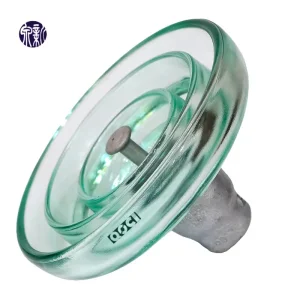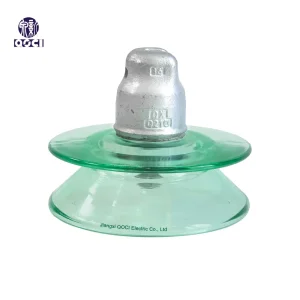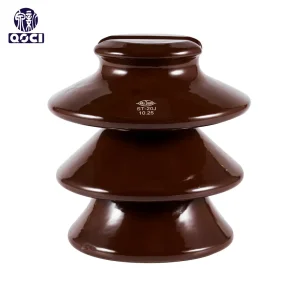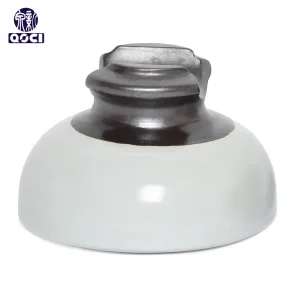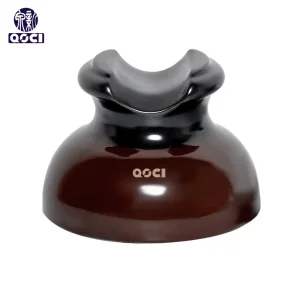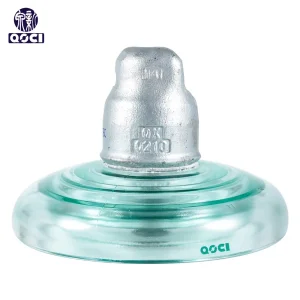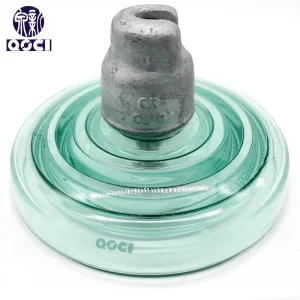
Explore our industrial range of toughened glass, porcelain, and anti-pollution type electrical insulators designed to comply with IEC and ANSI international standards.
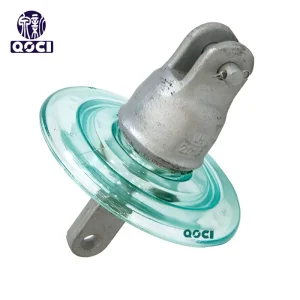
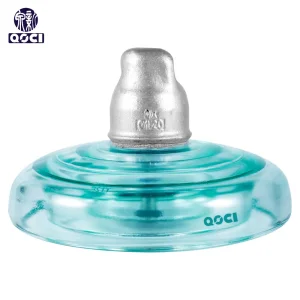
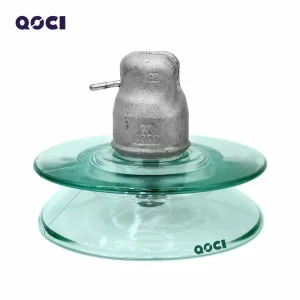
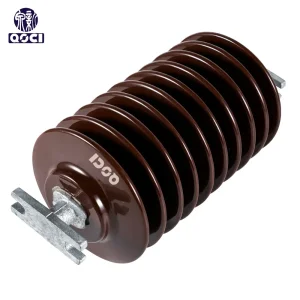
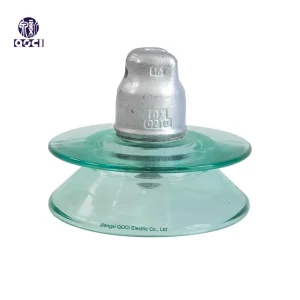
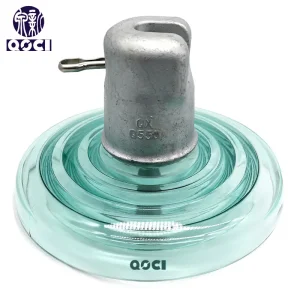
As national power grids transition toward high-voltage (HV) and ultra-high-voltage (UHV) systems to accommodate large-scale renewable energy integration, the reliability of line insulation is paramount. Toughened glass suspension insulators, specifically the U120BM standard design, represent a critical engineering baseline for transmission line durability.
Unlike composite or conventional porcelain insulators, toughened glass offers unique thermal, mechanical, and electrical benefits. The core advantage lies in its failure mode: upon mechanical or electrical over-stress, toughened glass shatters predictably into tiny, non-lethal fragments without dropping the line, allowing for immediate visual aerial inspection and replacing complex, time-consuming diagnostic routines.
Visual confirmation eliminates hidden electrical leakage.
120 kN structural capacity supports substantial span lengths.
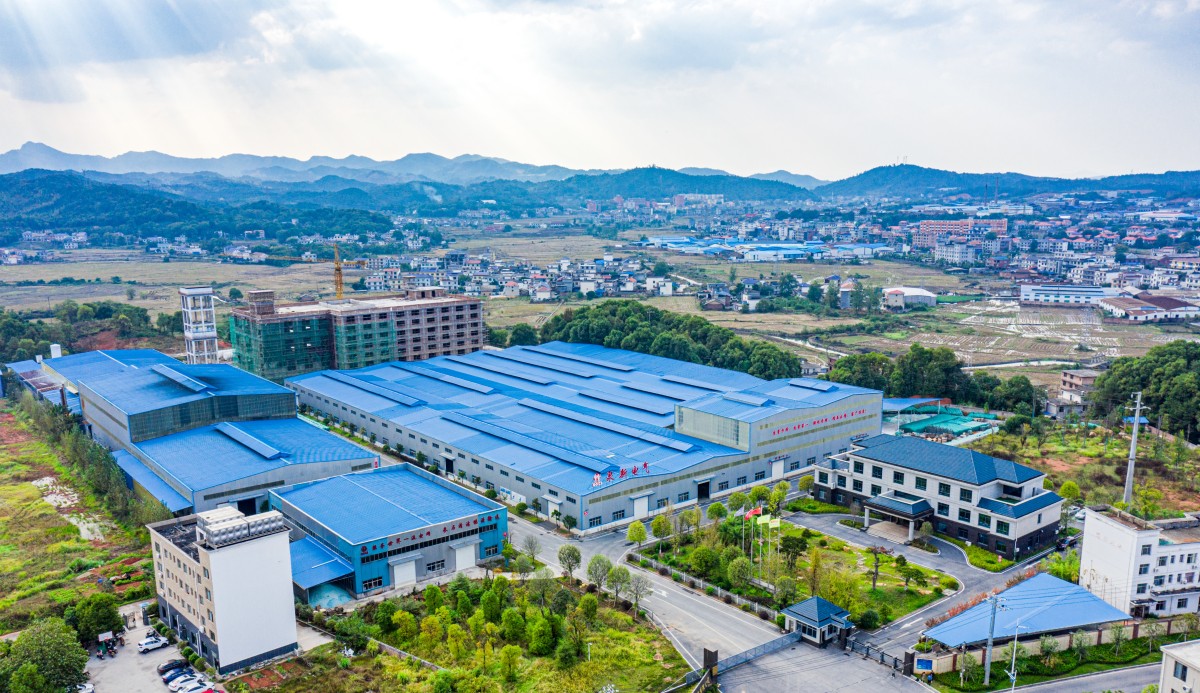
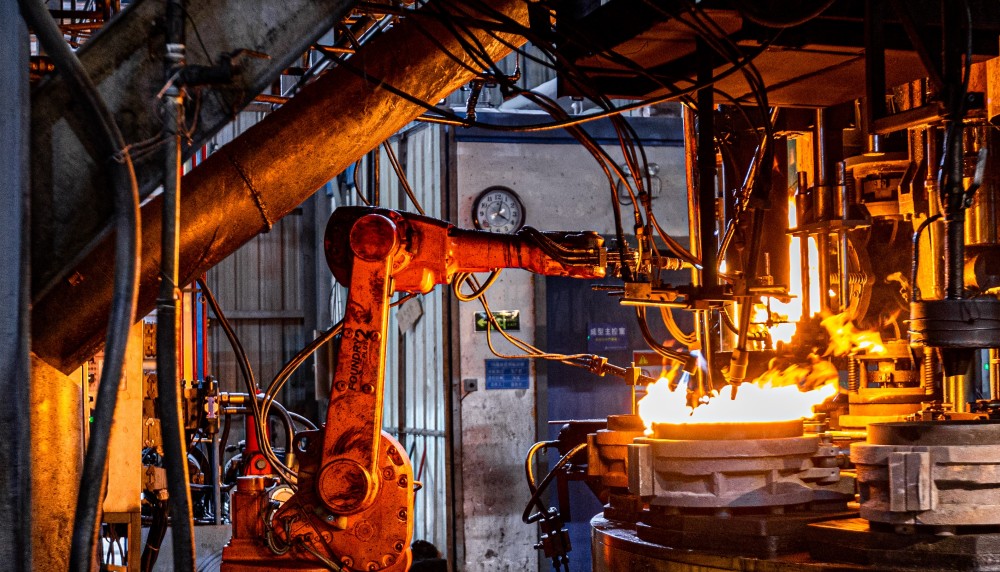
Founded in December 2002 with a registered capital of 508 million Yuan, Jiangxi QOCI Electric Co., Ltd. has established itself as an international benchmark in glass insulator manufacturing. Located in the Industrial Park of Luxi County, Pingxiang, Jiangxi Province, our manufacturing footprint covers 100 mu (70,000 m²), housing state-of-the-art oxygen-fuel kilns, automatic presses, and high-precision testing facilities.
Through systematic adherence to international quality systems, we engineer and supply high-strength suspension glass insulators for low-voltage, high-voltage, ultra-high-voltage, and extra-high-voltage AC/DC electric transmission lines worldwide. Our mission remains constant: serving the global power grid with unwavering quality, structural safety, and high-efficiency logistics.
Optimized structural typologies designed to tackle varying environmental threats, from desert dust buildup to heavy coastal salt spray.
Features a leakage distance exceeding standard IEC 60305 requirements. Designed with shallow, well-spaced ribs that allow rain and wind to clean accumulated particulate matter naturally, preventing early leakage currents.
Characterized by long, widely spaced under-ribs to avoid arc bridging. Featuring a leakage distance to spacing ratio of approximately 3.2, it is highly effective in marine mist and coastal saline environments.
Eliminates under-ribs completely and expands the disc diameter. This layout prevents industrial dust or sand from collecting underneath. Suitable for desert areas where rain is infrequent and wind-blown sand is severe.
Two external ribs project from the core disk. The elimination of deep grooves reduces pollution buildup and facilitates manual hotline washing, while providing a leakage distance equivalent to anti-pollution profiles.
Three layers of umbrella discs structurally separated along the dielectric shell. Ideal for ultra-high voltage (UHV) transmission lines in high-altitude environments, boasting exceptional resistance to pollution flashovers.
Combines the mechanical toughness of glass with the surface hydrophobicity of composite materials. Mineral-filled Room Temperature Vulcanization (RTV) silicone suppresses leakage current and eliminates structural washing cycles.
How the U120BM and sister standard series handle extreme mechanical and climate stressors across the world's most challenging terrains.
In coastal corridors, the deposition of soluble salts on the insulator surface significantly lowers the dry flashover voltage. Under humid marine fog, these dry salts dissolve to form a conductive electrolyte film, causing leakage currents and localized dry band arcing. The U120BM, when configured with anti-pollution profiles or treated with hydrophobic RTV coatings, breaks the path of continuous moisture films. This maximizes creepage distance relative to installation height, maintaining high electrical integrity without risking line drops.
Alpine regions subject insulators to mechanical bending stresses from heavy glaze ice accretion, coupled with low temperatures that make metals brittle. Glass shell toughening processes introduce pre-stressed compressive forces (upwards of 250 MPa) in the outer layer of the glass, maintaining high resilience down to -60°C. Additionally, specialized configurations like the open profile or alternating double/triple-shed groupings prevent continuous ice bridging between adjacent units, ensuring the air gaps remain non-conductive.
Desert settings present two challenges: dry particulate accumulation on the lower surface of the glass shells and mechanical erosion from high-speed sand impact. Aerodynamic glass configurations allow wind to flow cleanly past the insulator surface, removing dust before it adheres. Furthermore, the high surface hardness of toughened glass prevents mechanical pitting, preserving the smooth outer layer against continuous abrasive wear.
Soot, chemical particulates, and acidic rainfall in heavy industrial sectors can degrade insulator materials over time. Toughened glass is chemically inert to nitric acid, sulfuric acid, and industrial ozone. The smooth surface resists chemical bonding, while regular rain showers easily wash away soot. Additionally, the zero-puncture structure ensures that even under chemical degradation, unexpected internal line flashovers are avoided.
The progression of insulation engineering from basic ceramic components to smart, diagnostics-enabled grid nodes.
Formulating low-expansion sodalime glass compositions to decrease thermal sensitivity and optimize crystallization resistance during raw material melting in total oxygen-fuel furnaces.
Perfecting factory-applied Room Temperature Vulcanizing (RTV) silicone coatings. This process ensures high chemical bonding to the glass surface, preventing peeling in tropical or humid climates.
Integrating telemetry, temperature, and leakage-current sensors directly into the metal cap or cement interface. This allows operators to monitor real-time mechanical and electrical loads.
Transitioning kilns to clean hydrogen combustion and utilizing recycled cullet in raw material batches. This reduces the carbon footprint per manufactured unit to meet global environmental targets.
A look inside QOCI’s manufacturing workflow and our raw material sourcing strategy, securing dependable global supply lines.
We source high-purity silica sand, feldspar, and limestone locally, ensuring consistent mineral composition. Incoming raw materials undergo regular X-ray fluorescence analysis to prevent impurities that could compromise glass tempering.
From the total oxygen kiln to our hydraulic forming presses, production is automated. Precise heat profiling in the tempering tunnel ensures uniform stress distribution across every disc.
Each unit undergoes thermal shock cycles, mechanical pull testing at rated capacity, and high-voltage power frequency testing. This ensures zero defects before packaging and shipping.
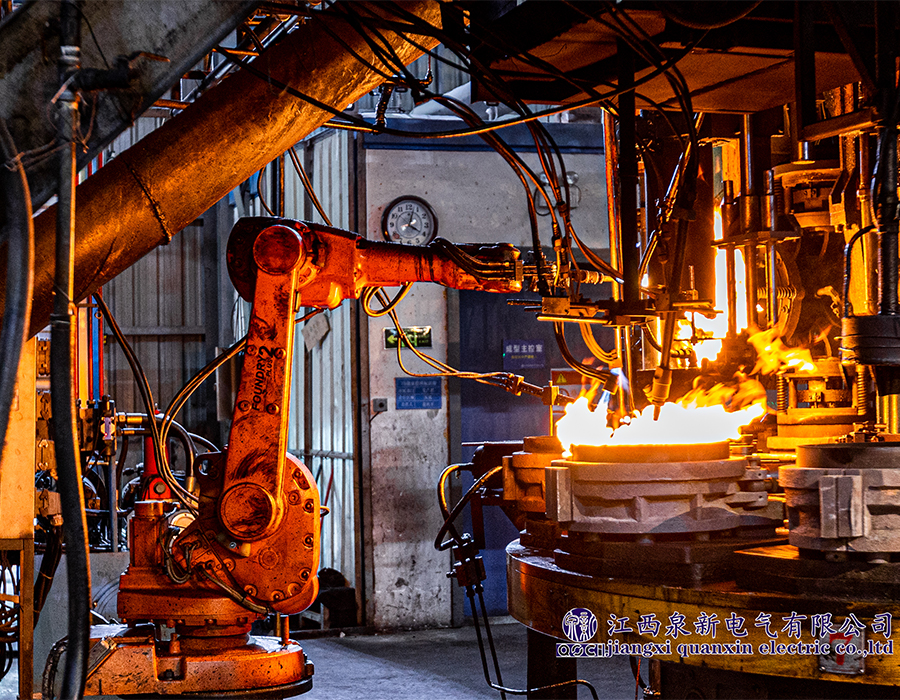
Forming Press
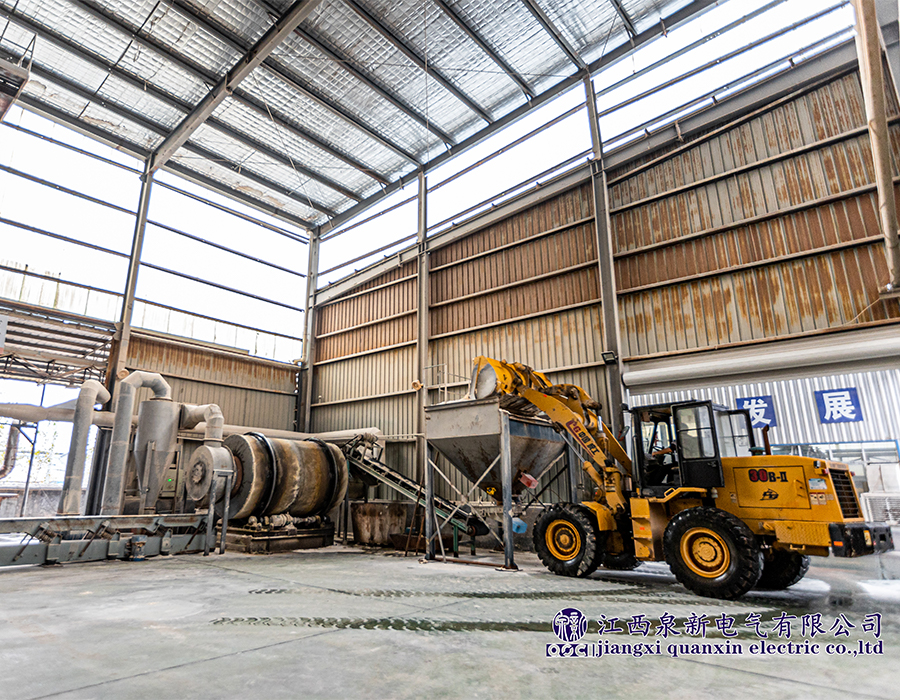
Raw Material Mixer
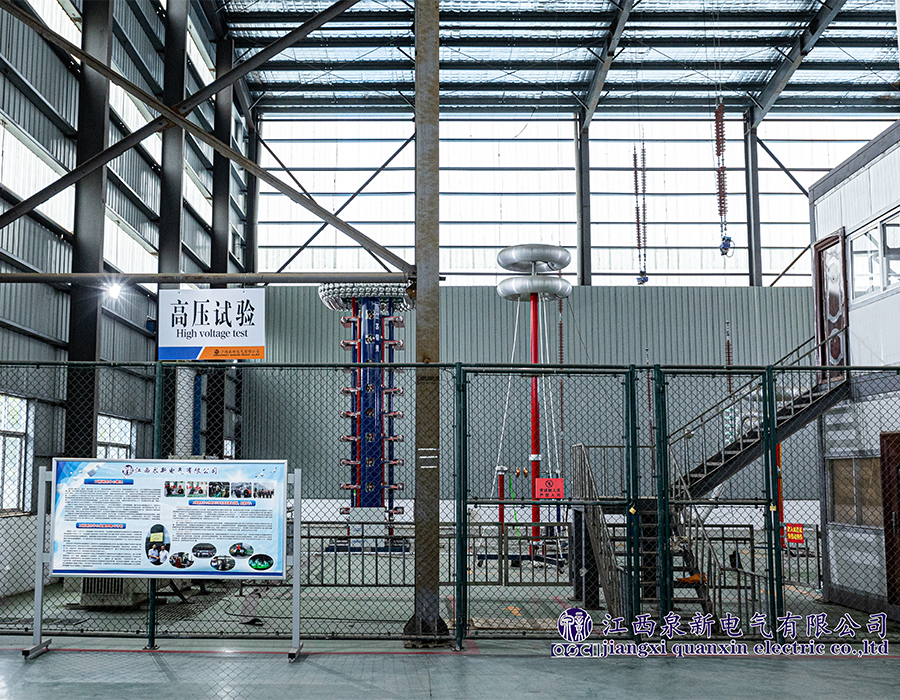
High Voltage Test
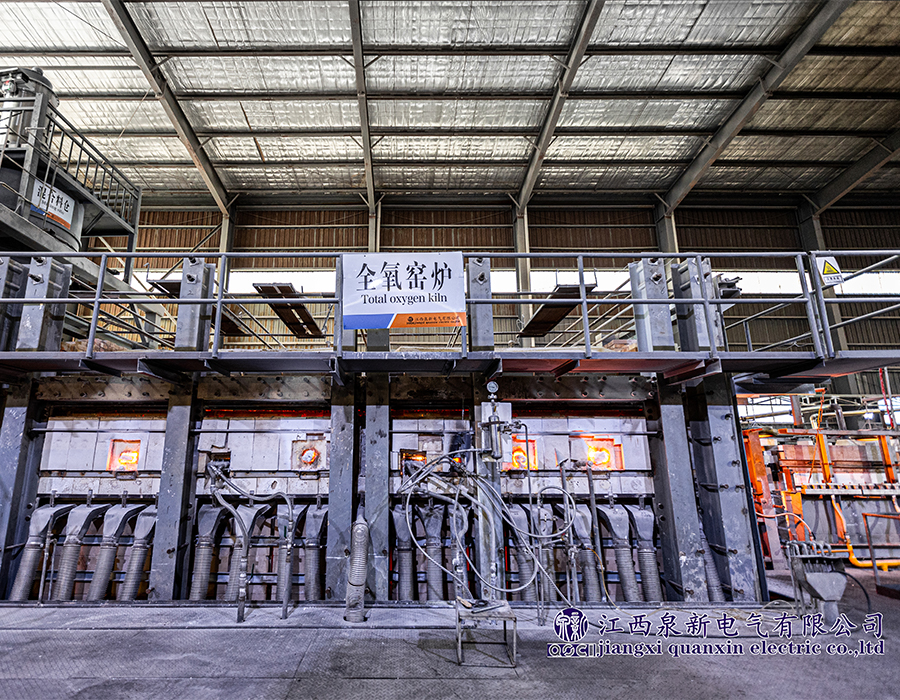
Total Oxygen Kiln
A detailed comparison of mechanical strength, creepage values, and insulation safety factors for high-voltage transmission lines.
| Insulator Type / Model | Rated Mechanical Load (kN) | Standard Creepage Distance (mm) | Power Frequency Wet Flashover (kV) | Lightning Impulse Flashover (kV) | Typical Application Range |
|---|---|---|---|---|---|
| U120BM (Standard) | 120 | 295 - 320 | 45 | 110 | 110kV - 330kV Lines |
| U120BLP (Anti-pollution) | 120 | 450 - 550 | 50 | 125 | Heavy Pollution Areas / Coastal |
| U160BD (Double-Shed) | 160 | 380 - 420 | 48 | 115 | Industrial Fog Zones |
| U210B (High Mechanical) | 210 | 400 - 450 | 55 | 130 | 220kV - 500kV Tension Towers |
| U300BD (Ultra-High Tension) | 300 | 450 - 520 | 60 | 145 | 500kV - UHV Grid Crossings |
How procurement managers and utility engineers lower operating costs and maintenance overhead by using toughened glass insulators.
Unlike composite insulators, which require specialized electric field diagnostics to locate internal core defects, damaged glass insulators shatter visually. Operators can inspect lines from ground level or a helicopter, reducing labor and diagnostic costs.
Toughened glass keeps its mechanical and electrical characteristics throughout its service life. Free from the organic aging that affects polymer materials, glass insulators offer a service life of up to 50 years with minimal performance loss.
Toughened glass insulators are made from mineral raw materials and are fully recyclable. Upon decommissioning, the glass and zinc-plated iron caps can be separated, recycled, and repurposed, supporting circular economy initiatives.
Ensuring that our products meet regulatory expectations and technical specifications across international markets.
Electrical safety requirements depend on regional compliance. Our products meet or exceed the performance parameters defined by IEC 60305, IEC 60383, and ANSI C29.2B. This conformity ensures that our glass components integrate seamlessly into existing transmission line assemblies globally.
Additionally, our factory operations adhere to ISO 9001:2015 (Quality Management), ISO 14001:2015 (Environmental Management), and ISO 45001:2018 (Occupational Health & Safety) standards, reflecting our commitment to safe and sustainable manufacturing.
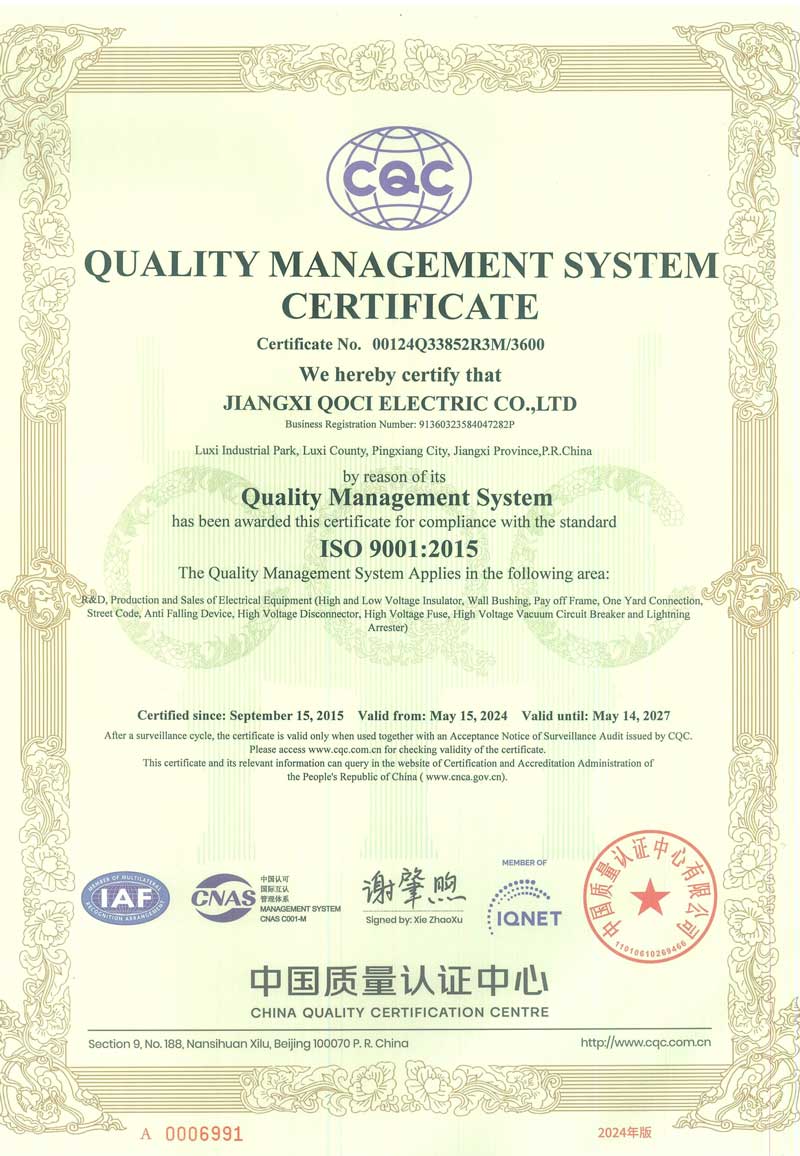
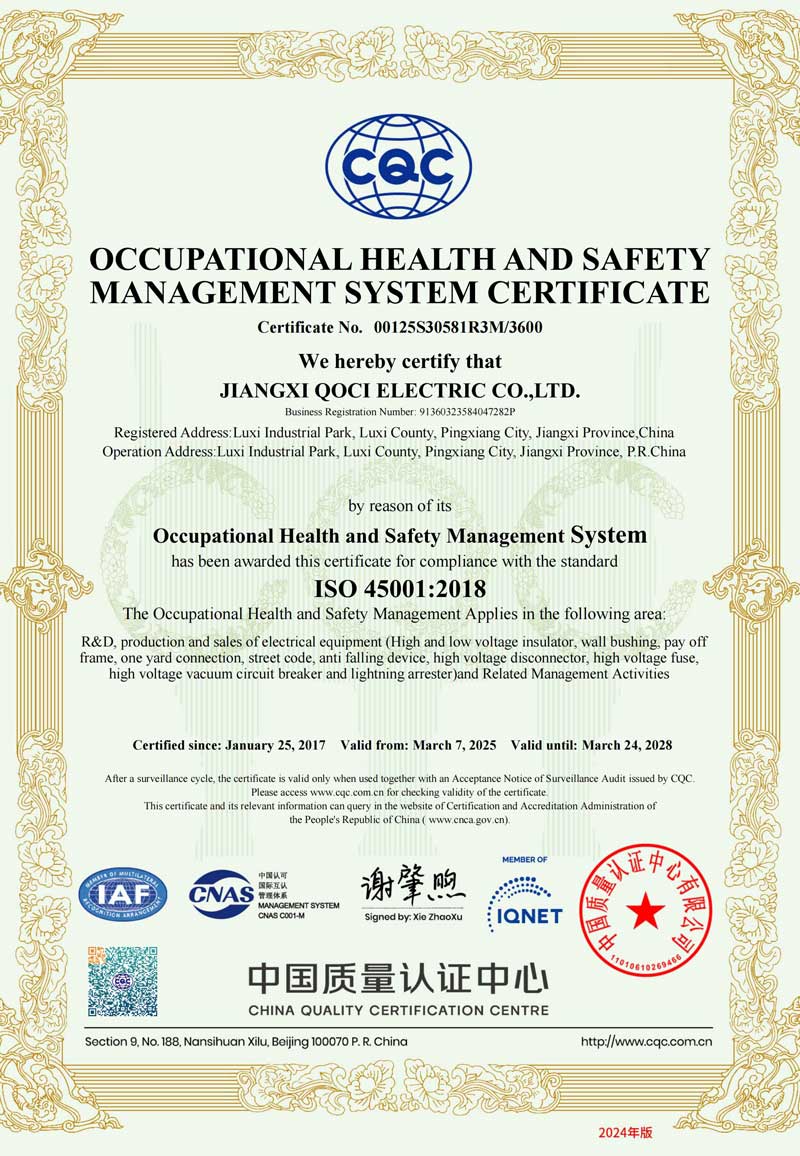
Direct technical answers to the most common queries from utility procurement specialists and line design engineers.
Spontaneous shattering is typically caused by micro-impurities (such as nickel sulfide inclusions) inside the raw glass matrix. Over time, these inclusions can expand slightly, initiating micro-fractures in the tempered zone. At QOCI, we use high-grade raw materials and subject every batch to continuous heat soak testing. This accelerates the stress cycle of any unstable components, bringing our field spontaneous shattering rate below 0.01%.
The U120BM features a rated mechanical failing load of 120 kN. Under dynamic loading, such as high-velocity crosswinds or conductor galloping, the pre-stressed tempered glass shell absorbs mechanical energy without shifting the internal stress distribution. The cement bond between the steel pin, glass shell, and iron cap uses a high-strength aluminate cement formulation, providing high resistance to vibration wear and mechanical fatigue.
For hot-line maintenance, toughened glass provides a major safety advantage: a shattered glass shell is instantly visible from the ground, confirming that the mechanical core remains stable but the unit requires replacing. Porcelain, by contrast, can develop hidden micro-cracks or internal punctures that look normal but are electrically compromised, creating hazards for maintenance crews during high-voltage hotline work.
Yes. Factory-applied RTV silicone-coated glass insulators combine the high mechanical stability, long lifespan, and zero-puncture reliability of toughened glass with the excellent hydrophobic surface properties of composite polymers. This makes them a strong alternative for heavy-pollution zones, avoiding the core degradation and brittle fractures that can affect polymer rods.
Complete product catalog, including anti-fog profiles, aerodynamic configurations, and high-strength suspension glass units.