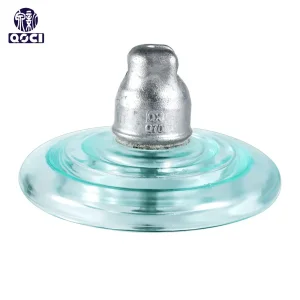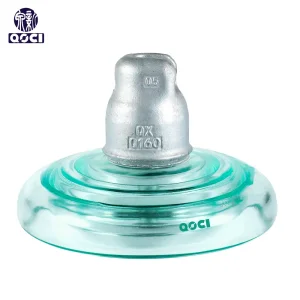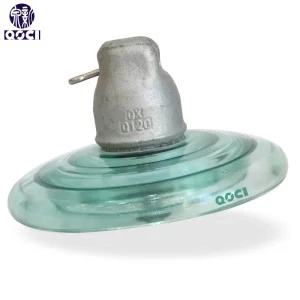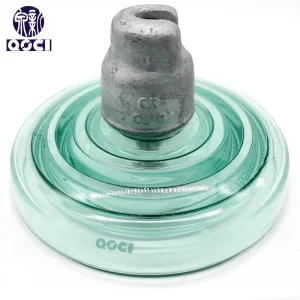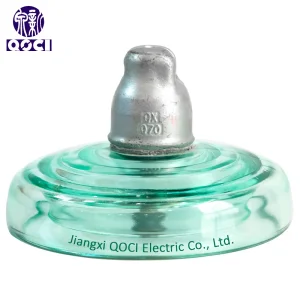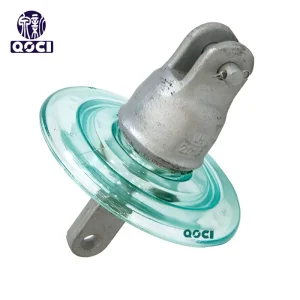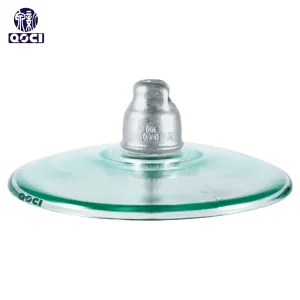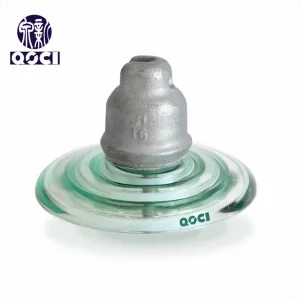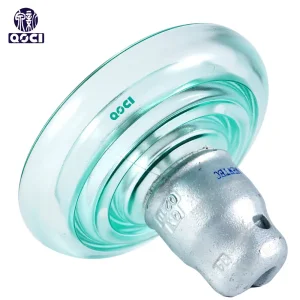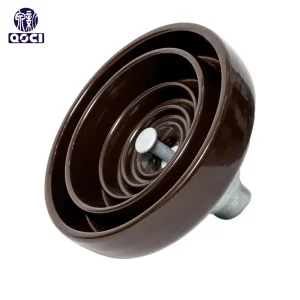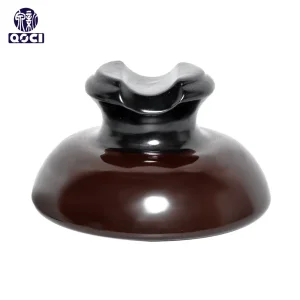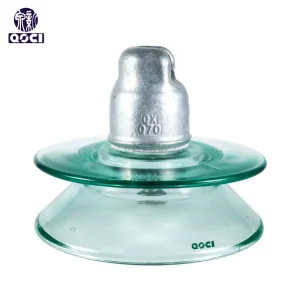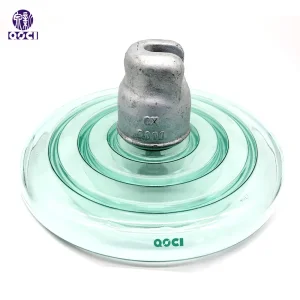
Explore our industrial grade tempered glass surfaces configured as high-strength cap and pin disc suspension insulators for ultra-high voltage overhead lines.
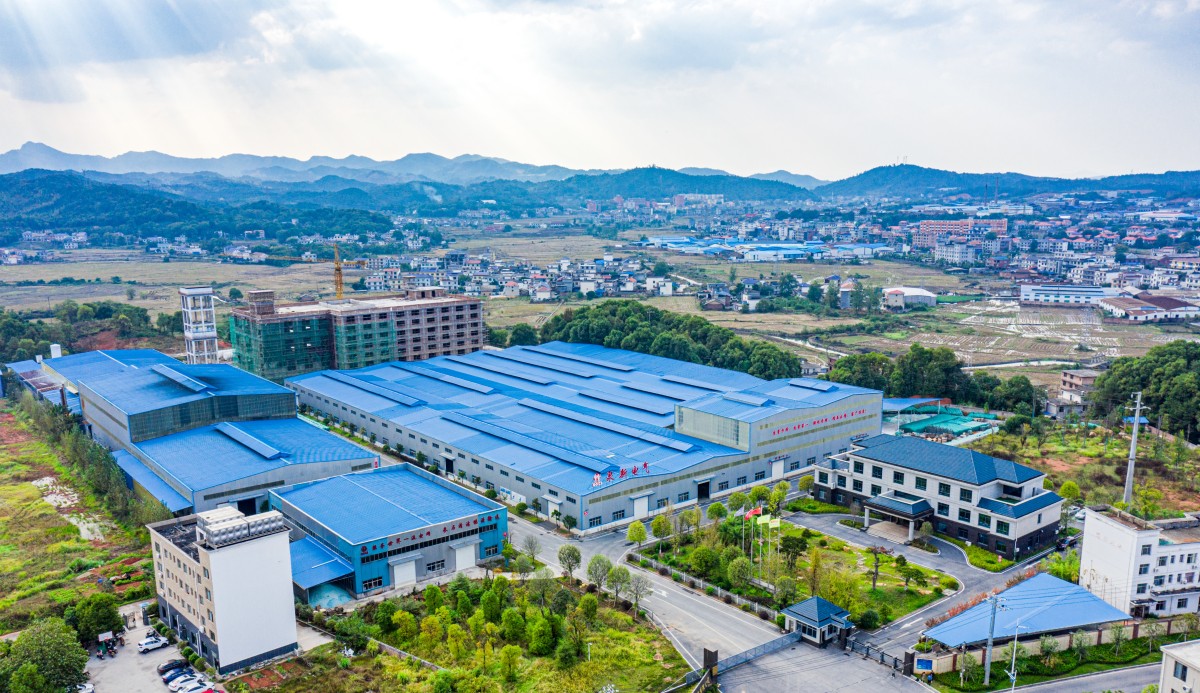
Jiangxi QOCI Electric Co. Ltd was founded in Dec. 2002, with a registered capital of 508 million Yuan. The Corporation is located at Industrial Park, Luxi County, Pingxiang, Jiangxi Province, covering an area of 100 mu. As a premier wholesale tempered glass surface manufacturer, our industrial capability enables the mass production of superior electrical and physical structural insulation glass materials.
Our commitment aligns with the highest international requirements. Responsibility is the ultimate guarantee of product quality. We actively participate in the development of green energy and smart power grids globally by supplying robust physical insulation configurations capable of withstanding tens of thousands of kilovolts under extreme mechanical stress conditions.

Chinese Manufacture Fast Delivery & Best Pricing System Integration.
Through steady upgrades in mechanical press precision and thermal quenching control, we provide unmatched manufacturing efficiency and technical depth.
Analyzing the physical-chemical attributes, structural dynamics, and performance of premium toughened glass surfaces within high-voltage transmission ecosystems.
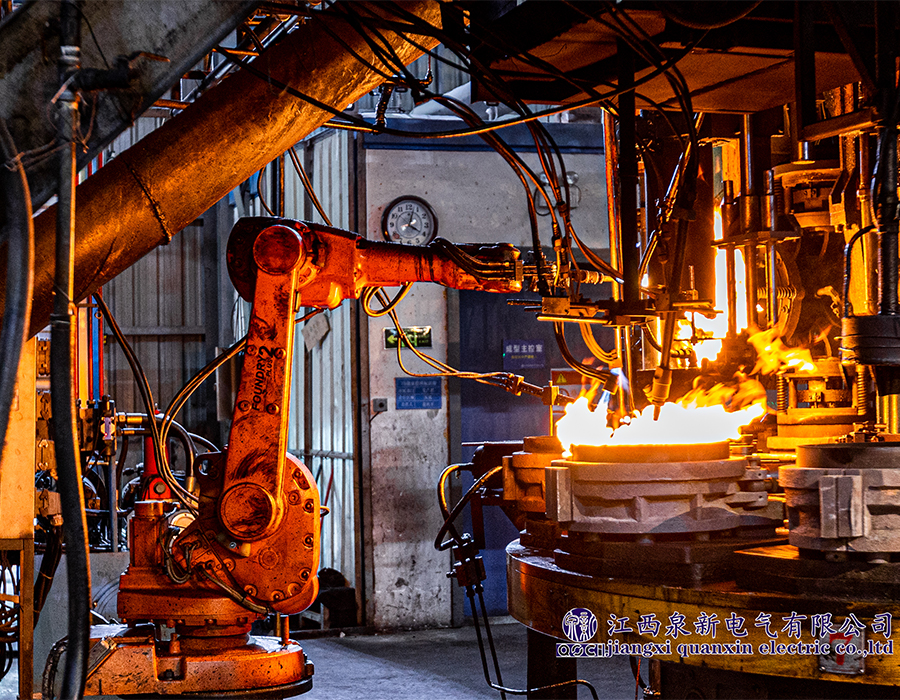
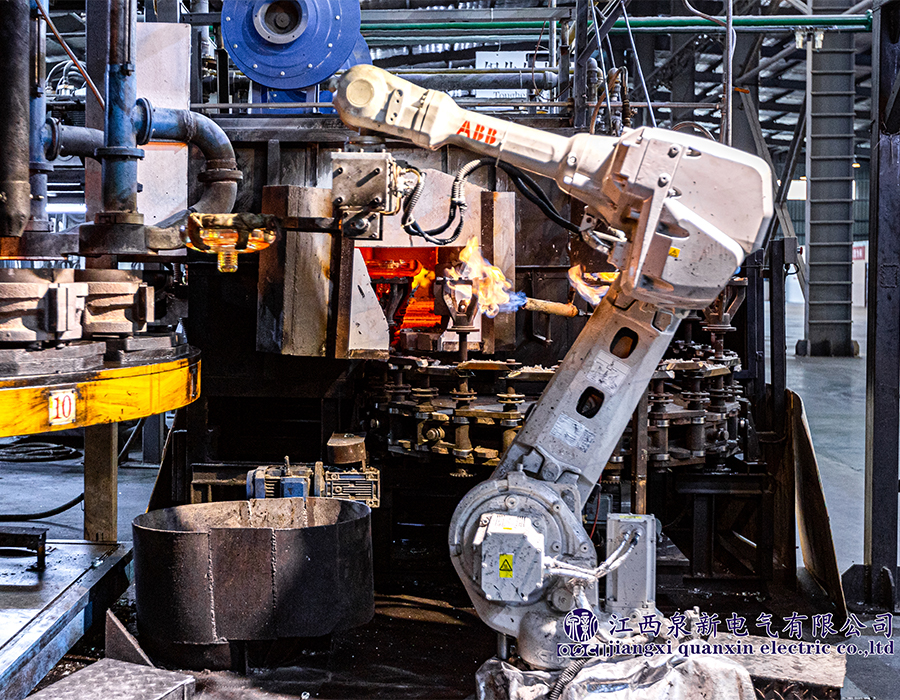
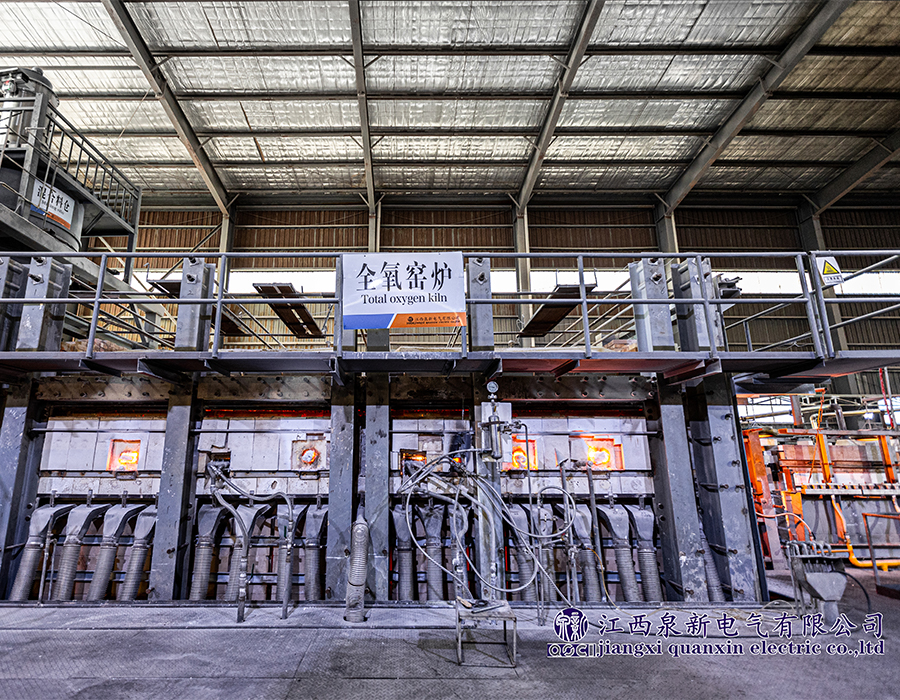
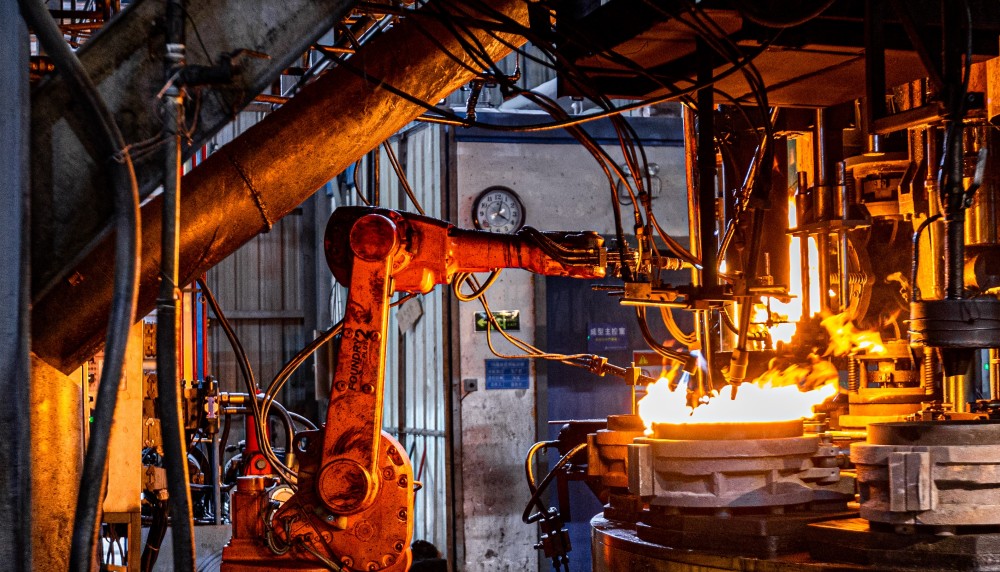
At the core of high-voltage insulation reliability is the physical transformation of raw glass into high-strength toughened glass. Tempered glass surfaces are manufactured by heating high-quality silicate glass to approximately 700°C in our state-of-the-art oxygen-combustion kilns, followed by rapid, uniform cooling utilizing highly localized, compressed airflow jet arrays.
This thermal tempering process induces high compressive stresses on the outer surfaces of the glass plate, balanced by internal tensile stresses. The resulting surface compressive stress (typically exceeding 90 MPa) dramatically raises the material's resistance to physical impact, seismic load, thermal shock, and electrical creepage stress.
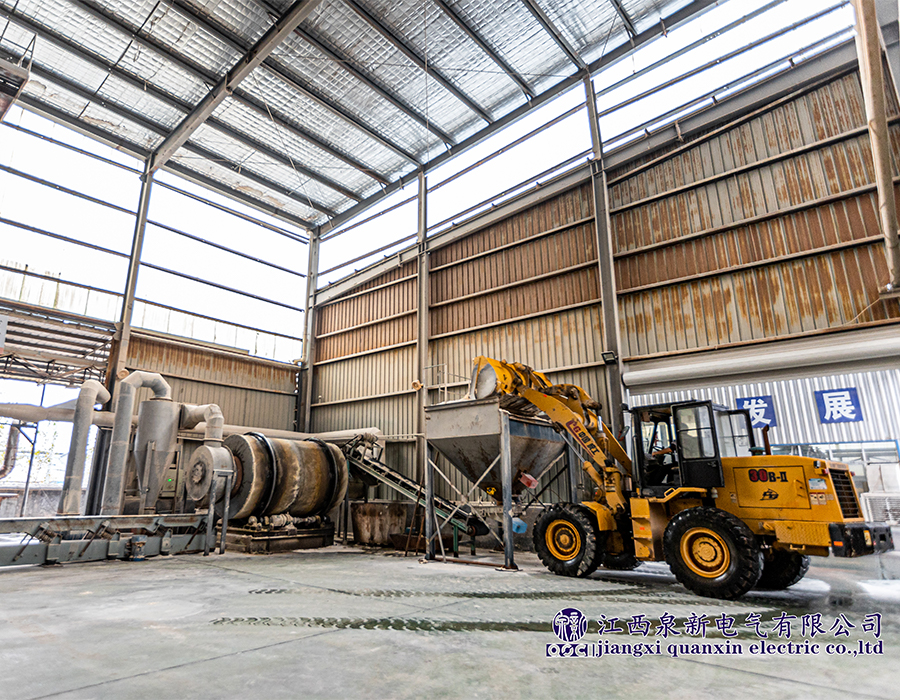
Unlike standard architectural tempered glass, industrial insulator glass surfaces require precise chemical composition control. Our production combines high-purity silica sand, soda ash, and calcium oxide stabilizers to reduce structural impurities. This specialized formulation guarantees:
Each profile configuration is customized to counteract environmental stressors including industrial soot, high salt fog, desert sand, and arctic icing.
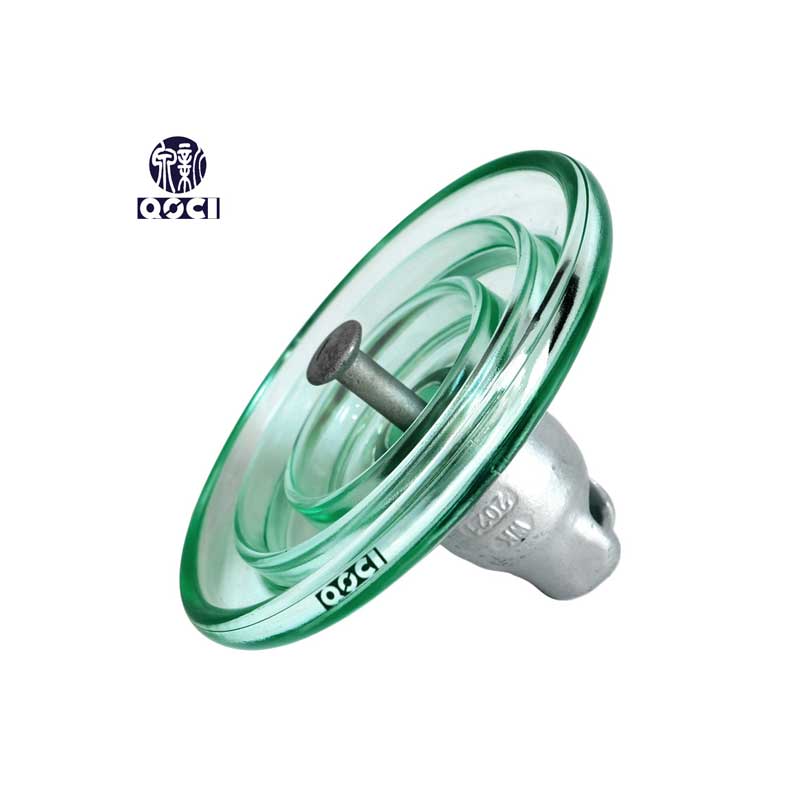
Exceeding IEC 60305 guidelines, this configuration features shallow and well-spaced small ribs. It leverages wind and rain vector paths to perform efficient self-cleaning, preventing dust and organic buildup.
Explore details →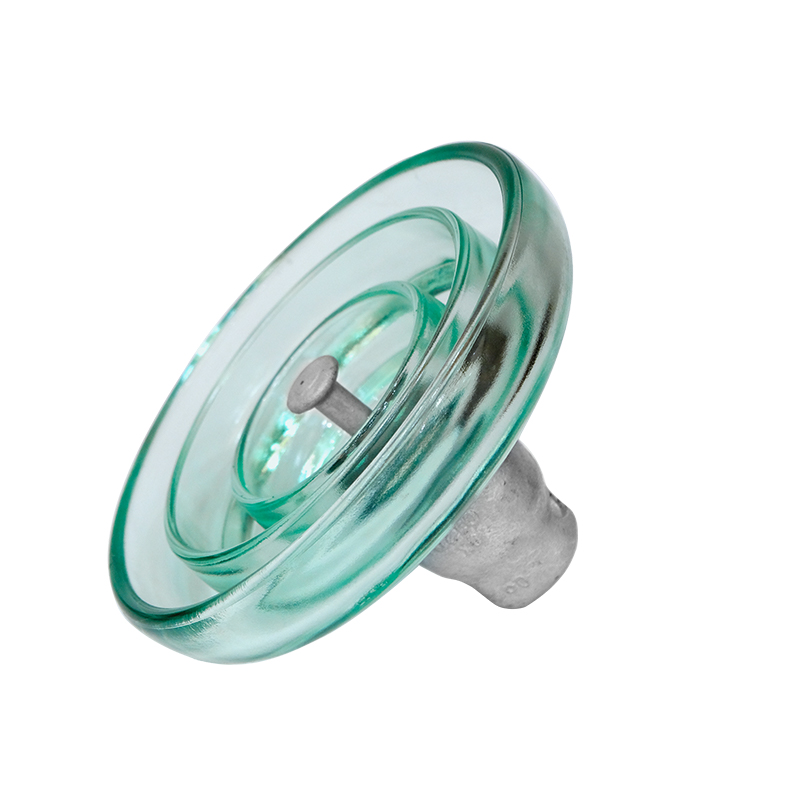
Engineered with deeply elongated and widely spaced under-ribs to obstruct arc bridging under damp conditions. Specifically configured for coastal regions subject to dense, conductive salt fog.
Explore details →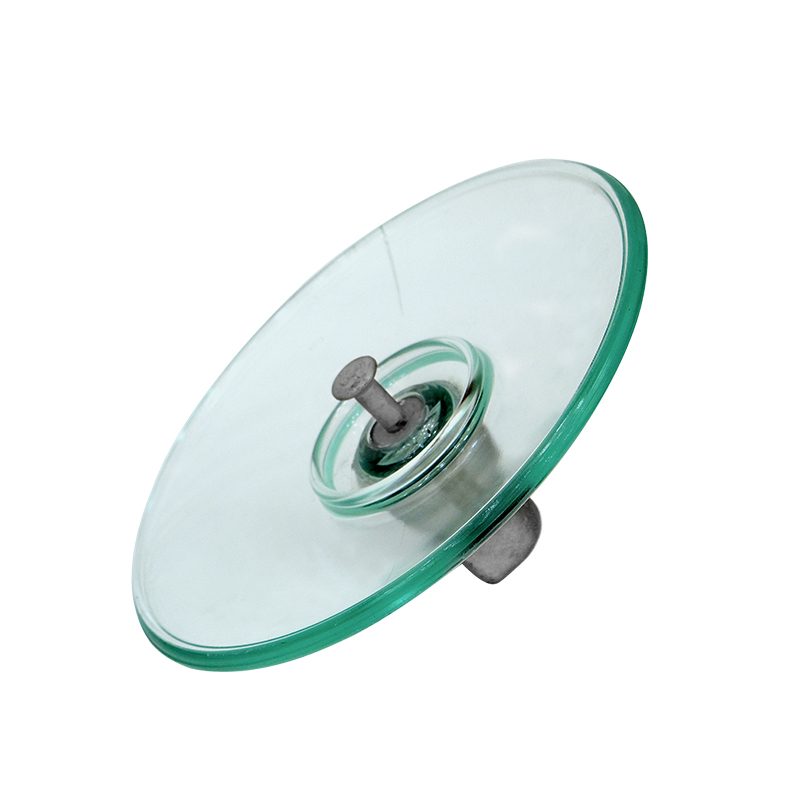
Designed without under-ribs and boasting an extended disk diameter to eliminate sand and dust accumulation. Highly effective in desert zones with intense sandstorms and low annual rainfall.
Explore details →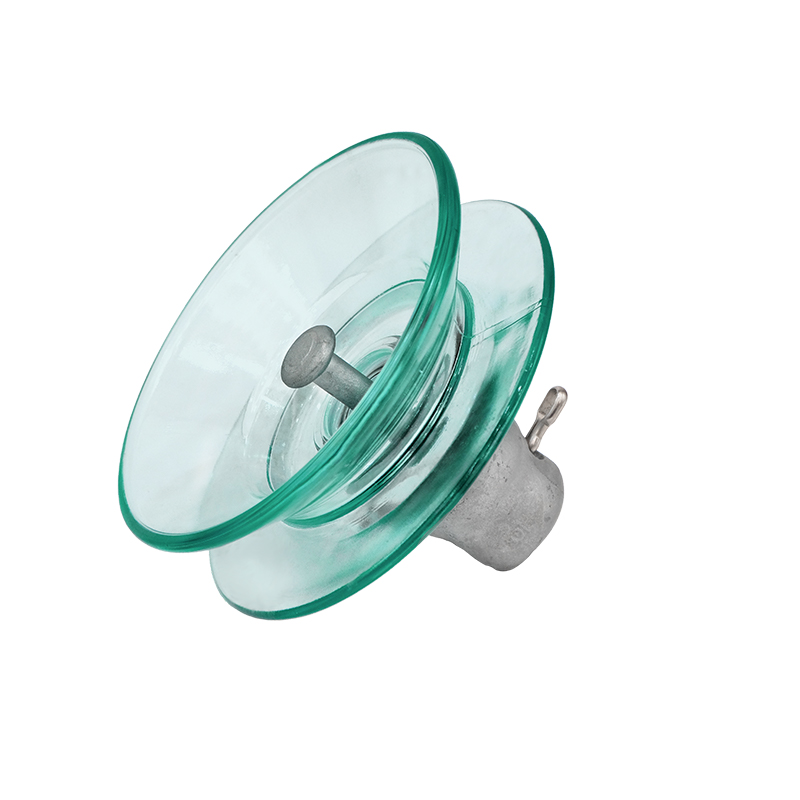
Features dual distinct external ribs. Eliminating deep internal cavities allows for self-cleaning via heavy winds, making this model optimal for industrial chemical plants and high-saline soils.
Explore details →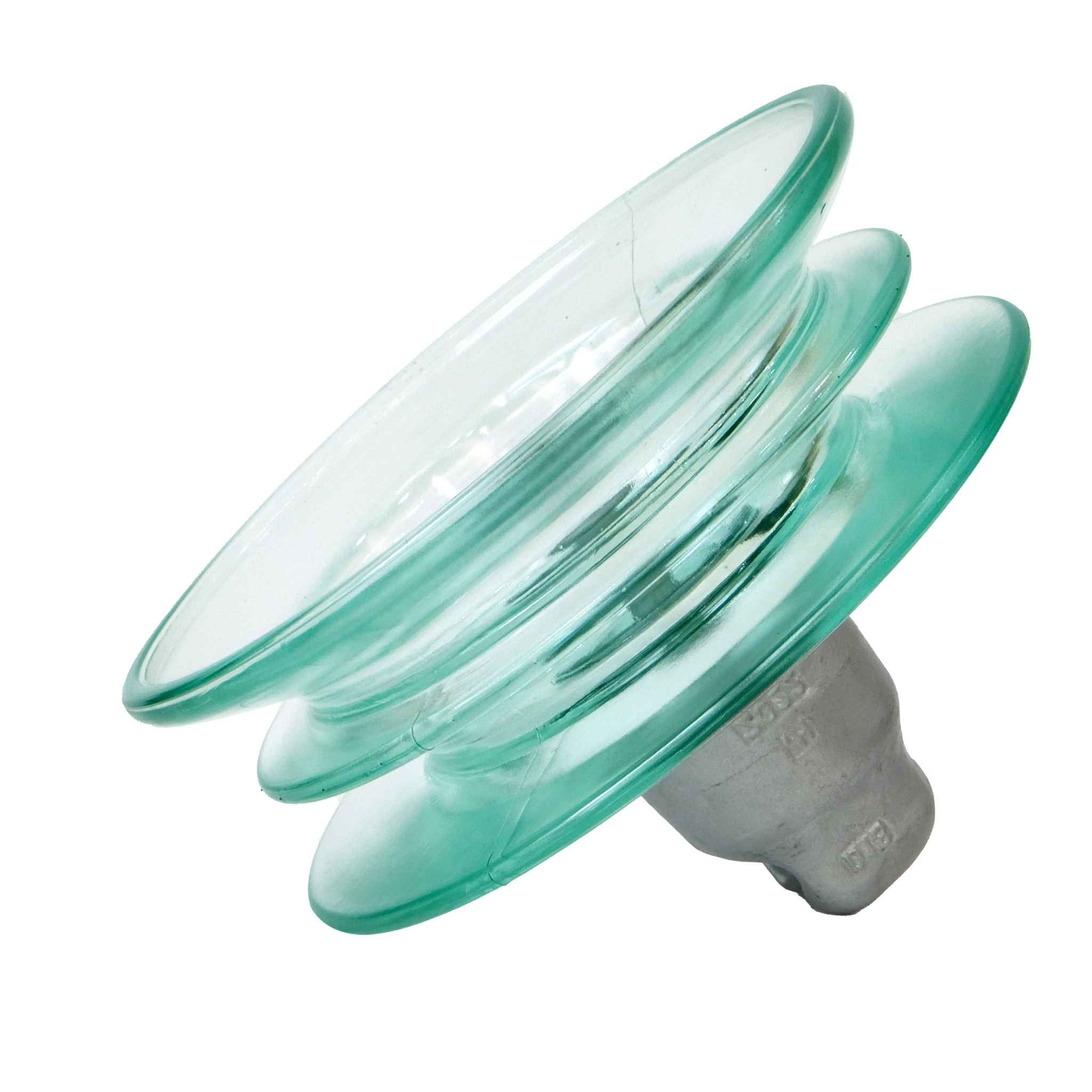
Constructed with three independent umbrella discs along the core body. Provides an extended leakage/creepage distance, securing electrical integrity across high-altitude and ultra-high voltage (UHV) lines.
Explore details →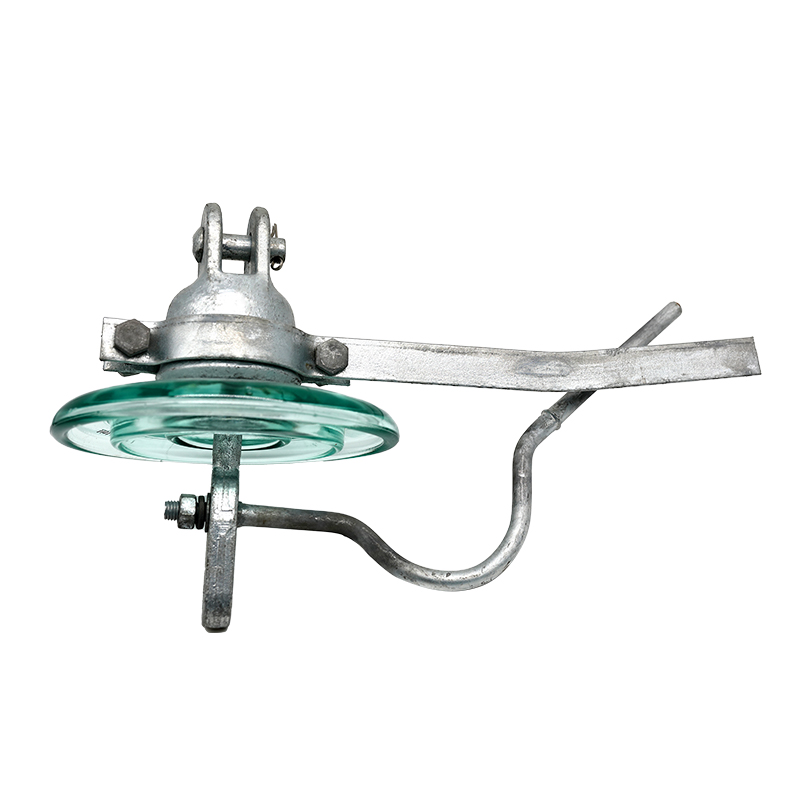
Interfaces directly with structural steel grounding elements. Safely dissipates lightning surges, reducing structural and transmission equipment damage. Smooth, non-hydrophilic surface reduces deposit retention.
Explore details →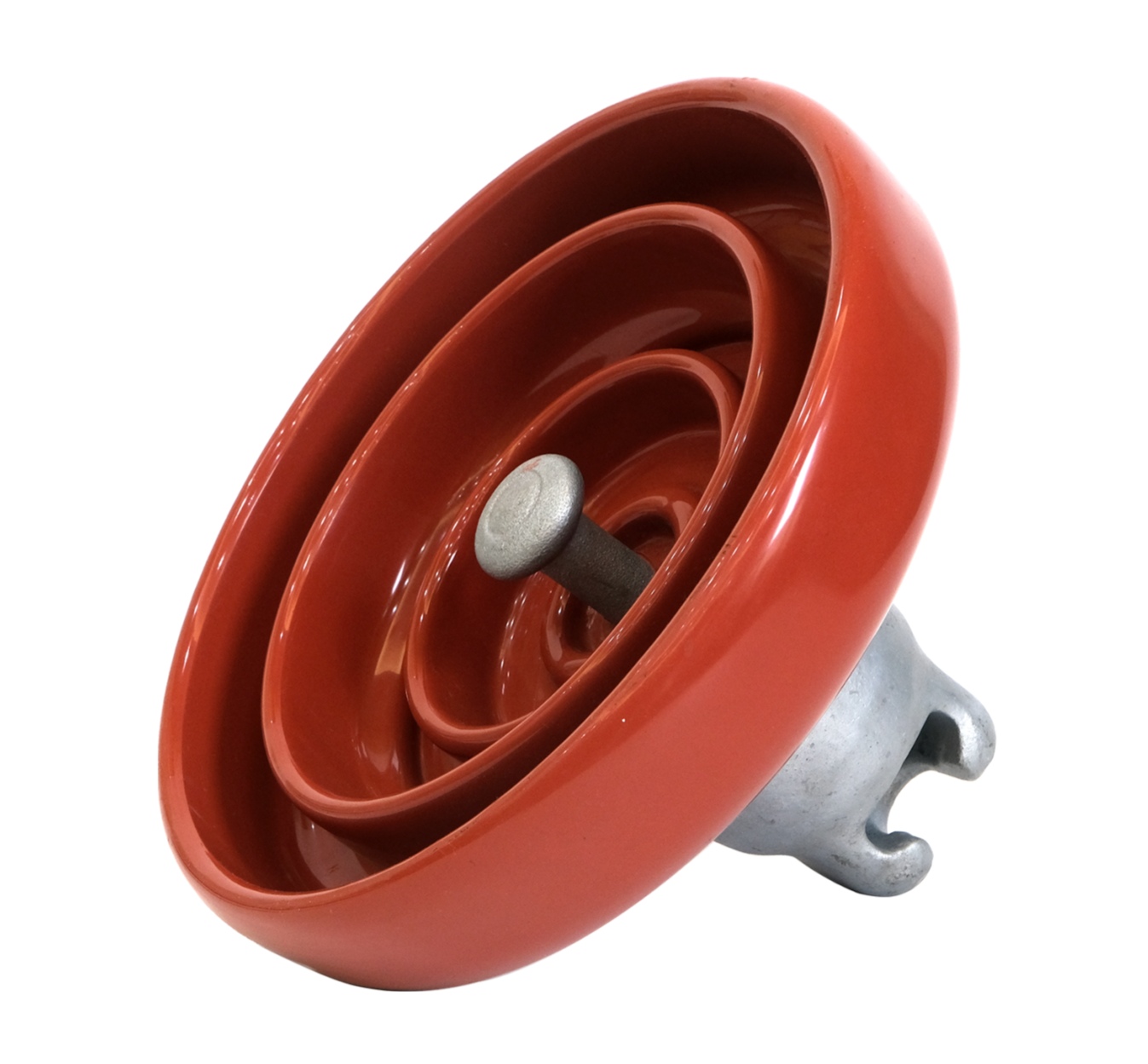
Utilizes a Room Temperature Vulcanization (RTV) silicone elastomer coating infused with mineral fillers. This coating modifies the tempered glass surface to be highly hydrophobic, suppressing leakage currents and avoiding the need for regular mechanical washing. This reduces lifetime operational maintenance costs in heavily polluted industrial areas.
Explore details →Our solutions target transmission infrastructure operating under demanding conditions, supported by specialized geographical designs.
Tested in sub-zero alpine locations, high-altitude ranges, and high-temperature tropical corridors with high humidity.
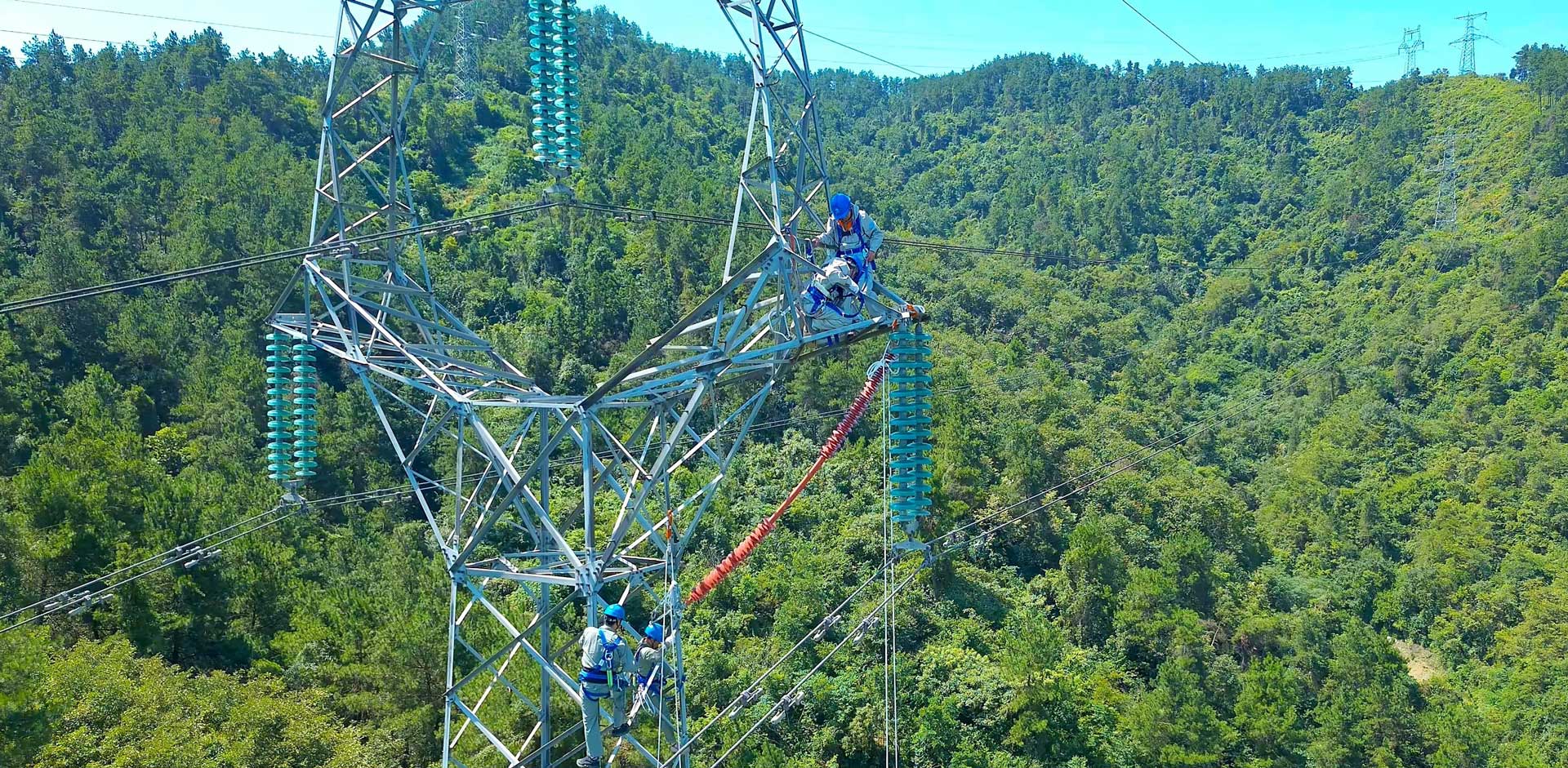
Compatible with extra-high voltage (EHV) and ultra-high voltage (UHV) AC and DC transmission networks worldwide.
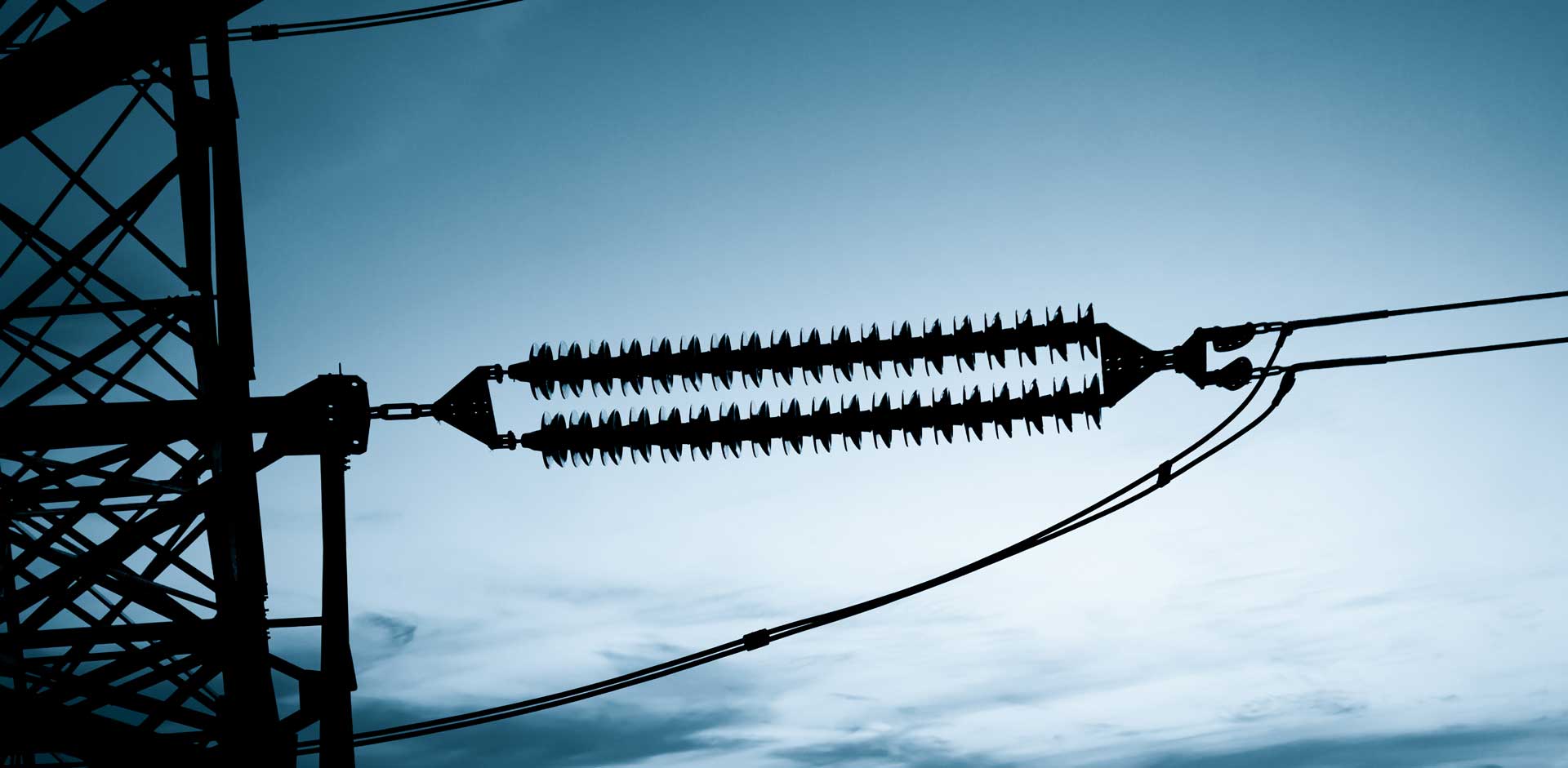
Engineered for suspension, tension strings, and substation busbar configurations, ensuring long-term mechanical reliability.
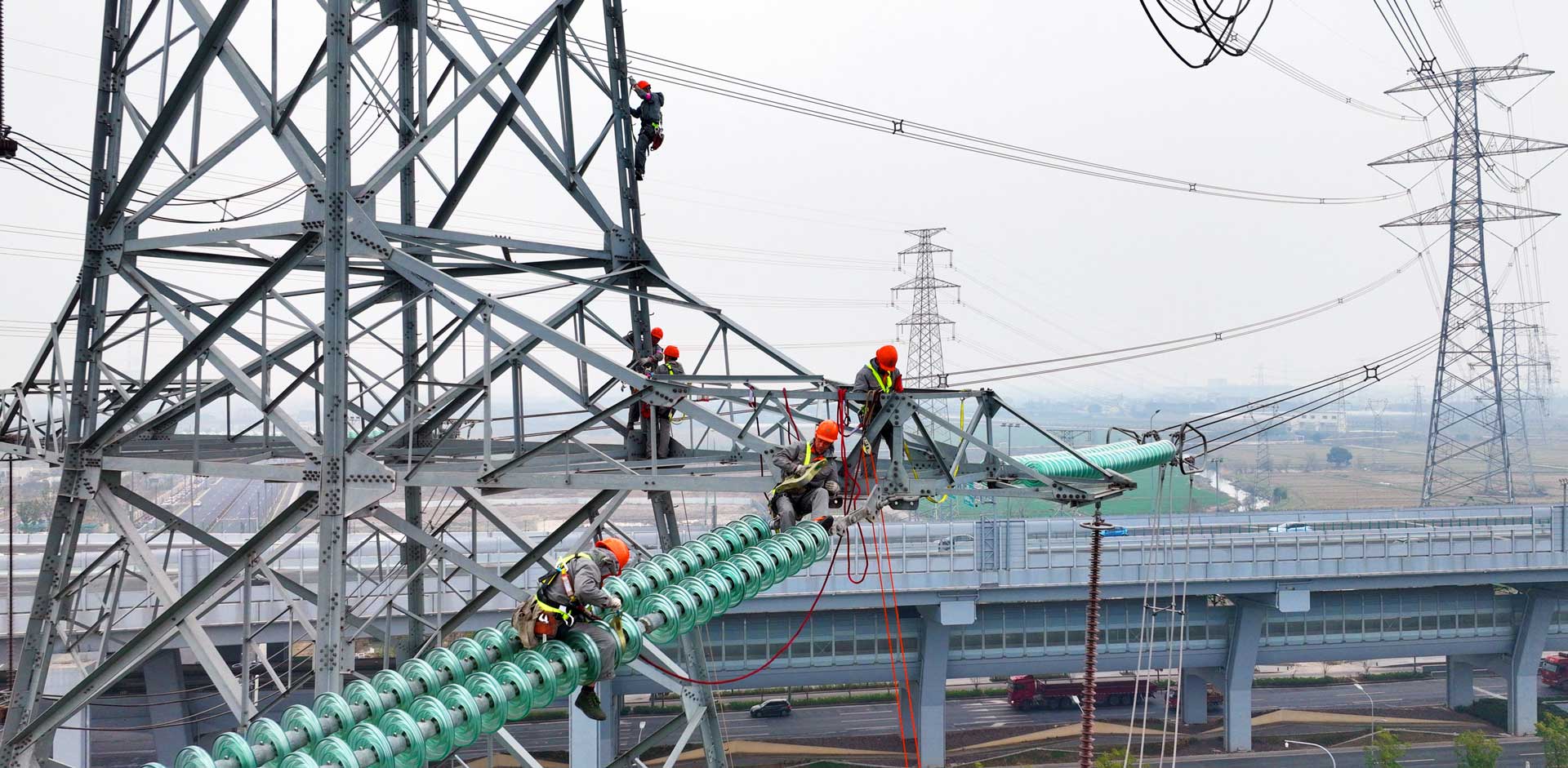
Adapted for heavy chemical areas, railway electrification projects, high-pollution ports, and coastal environments.
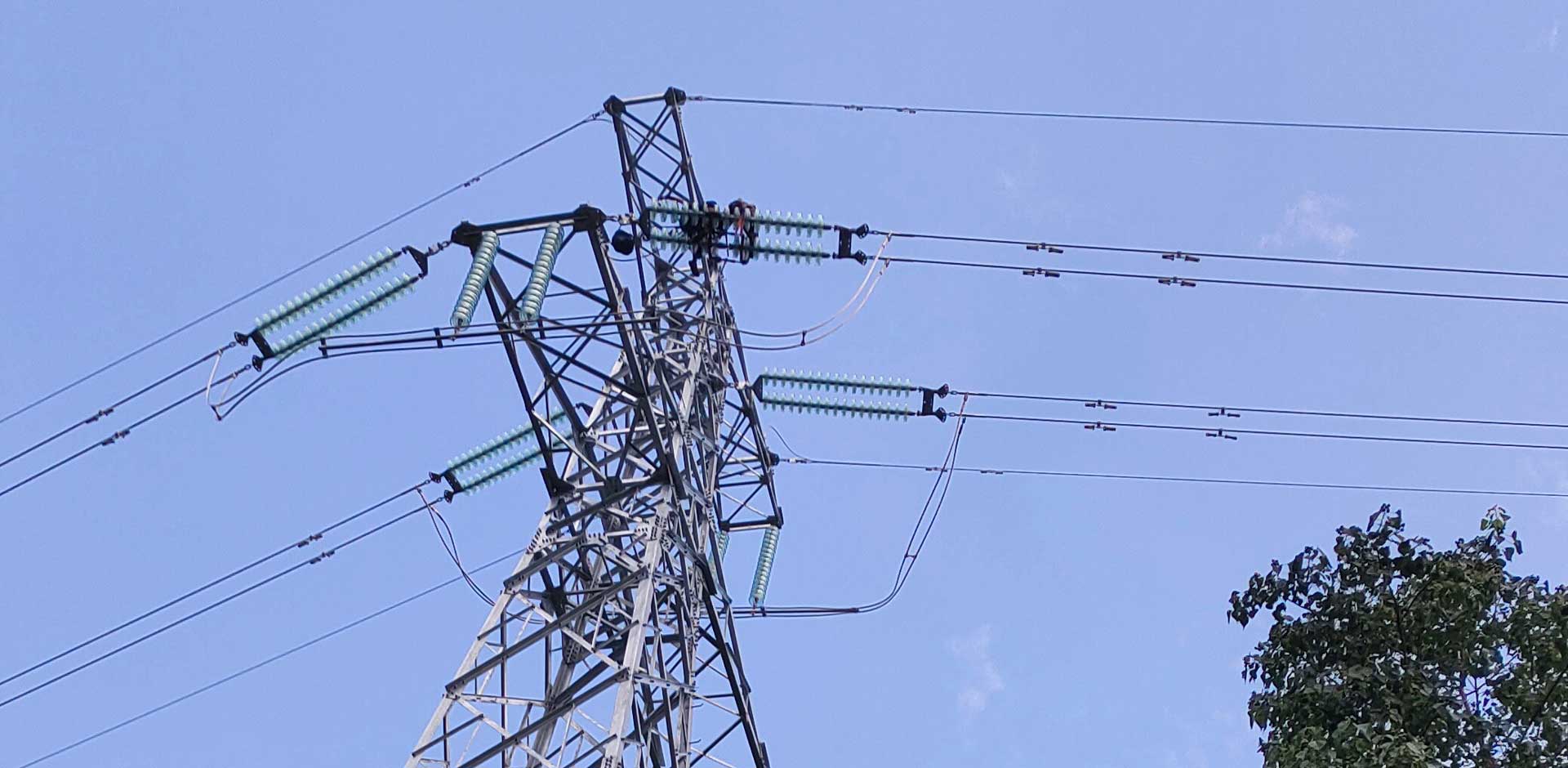
Modern electrical infrastructure is scaling to support high-capacity, long-distance power pathways, particularly for renewable energy grid integration. This shift drives demand for high-strength tempered glass surfaces designed for reliability and mechanical performance.
As a leading supplier, Jiangxi QOCI Electric Co. Ltd maintains robust production capacity to support fast project timelines. Our factory output and efficient logistics support large infrastructure projects across Europe, the Americas, Africa, and Asia, ensuring supply chain stability for our partners.
Our raw material sourcing and computer-controlled tempering lines help insulate purchasers from cost fluctuations while maintaining strict dimensional tolerances and mechanical ratings.
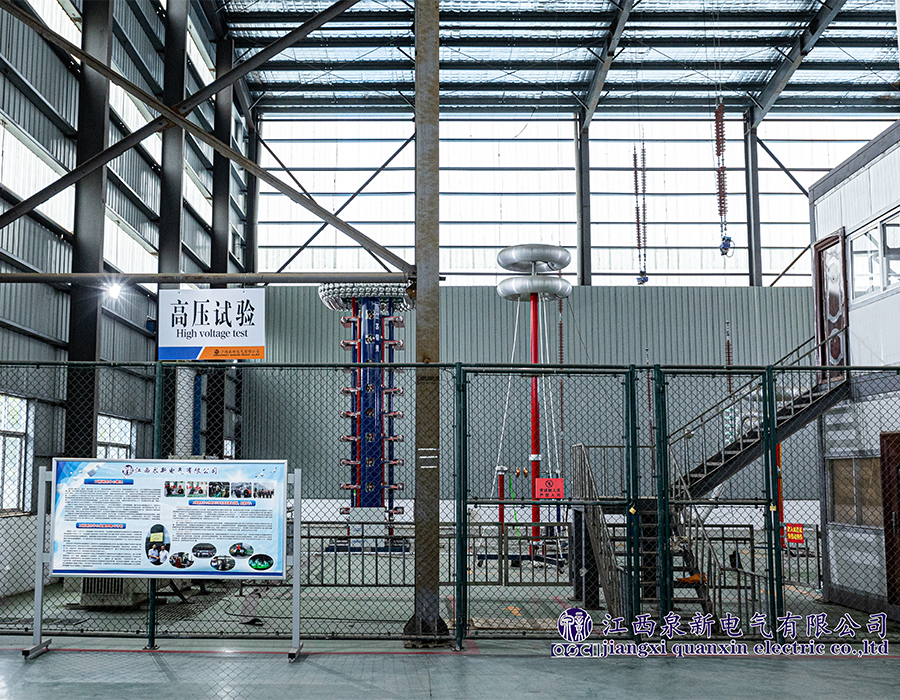
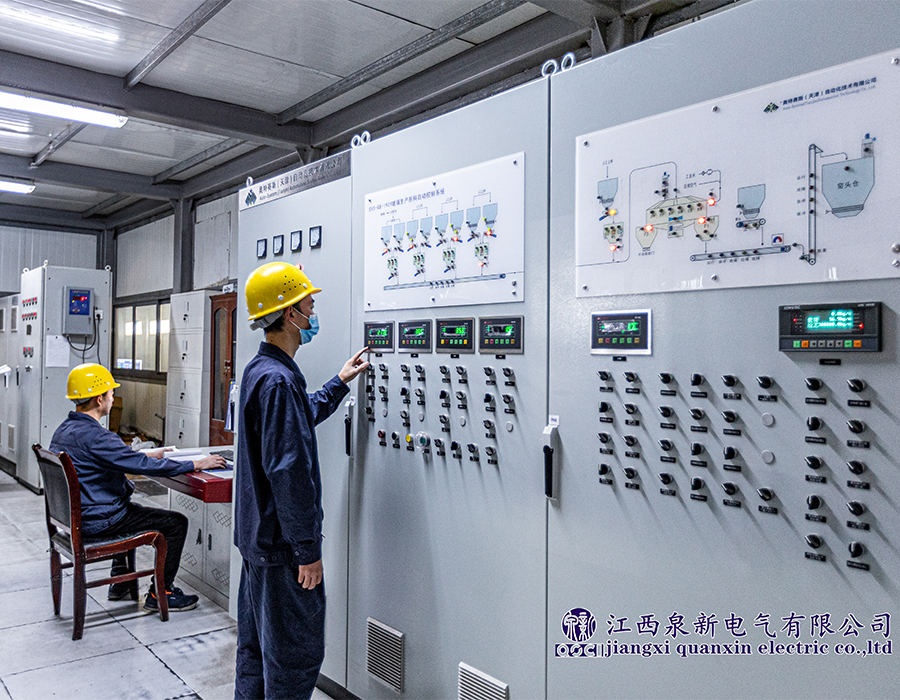
Our facility features modern processing equipment, from raw material batching and mixing to final electrical testing.
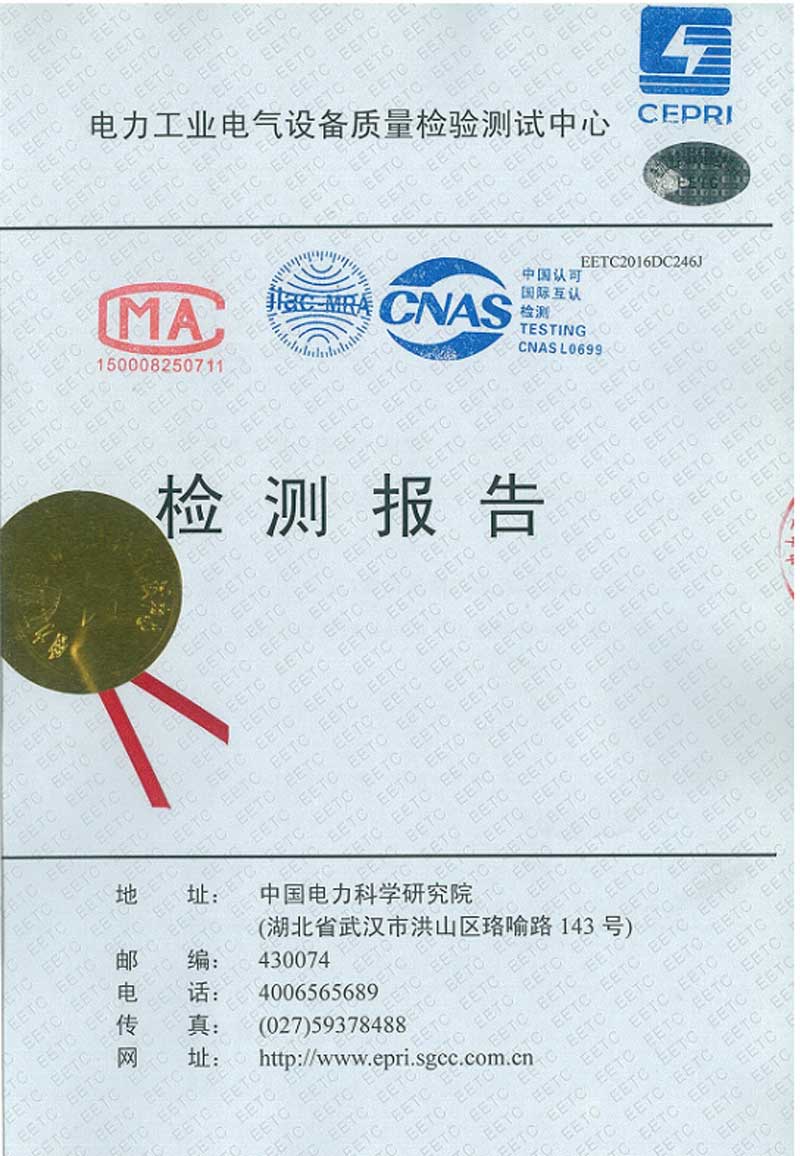
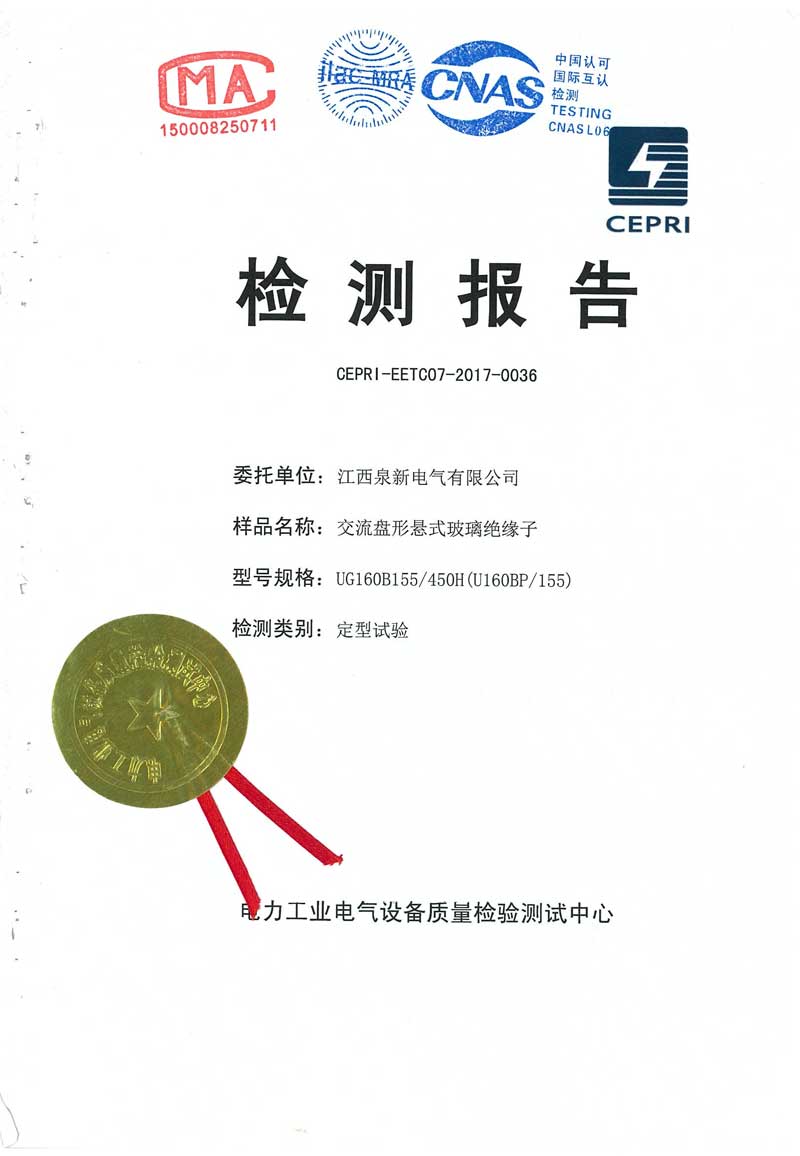
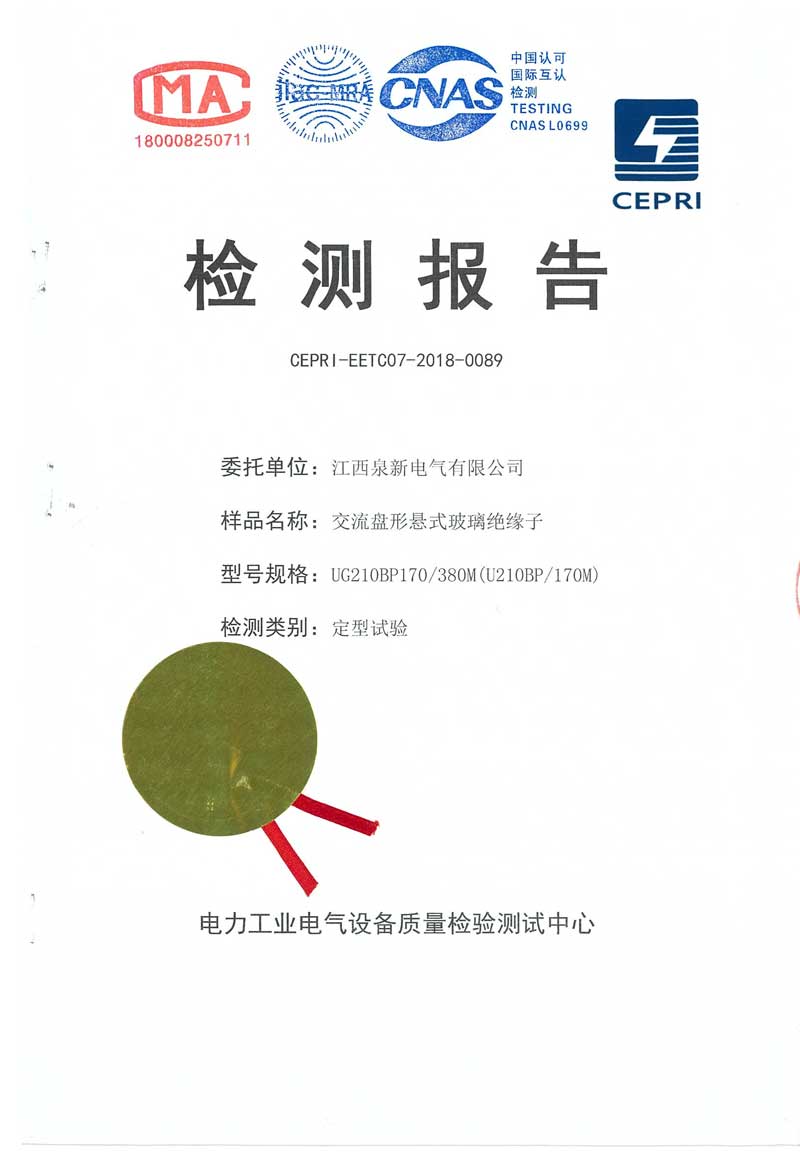
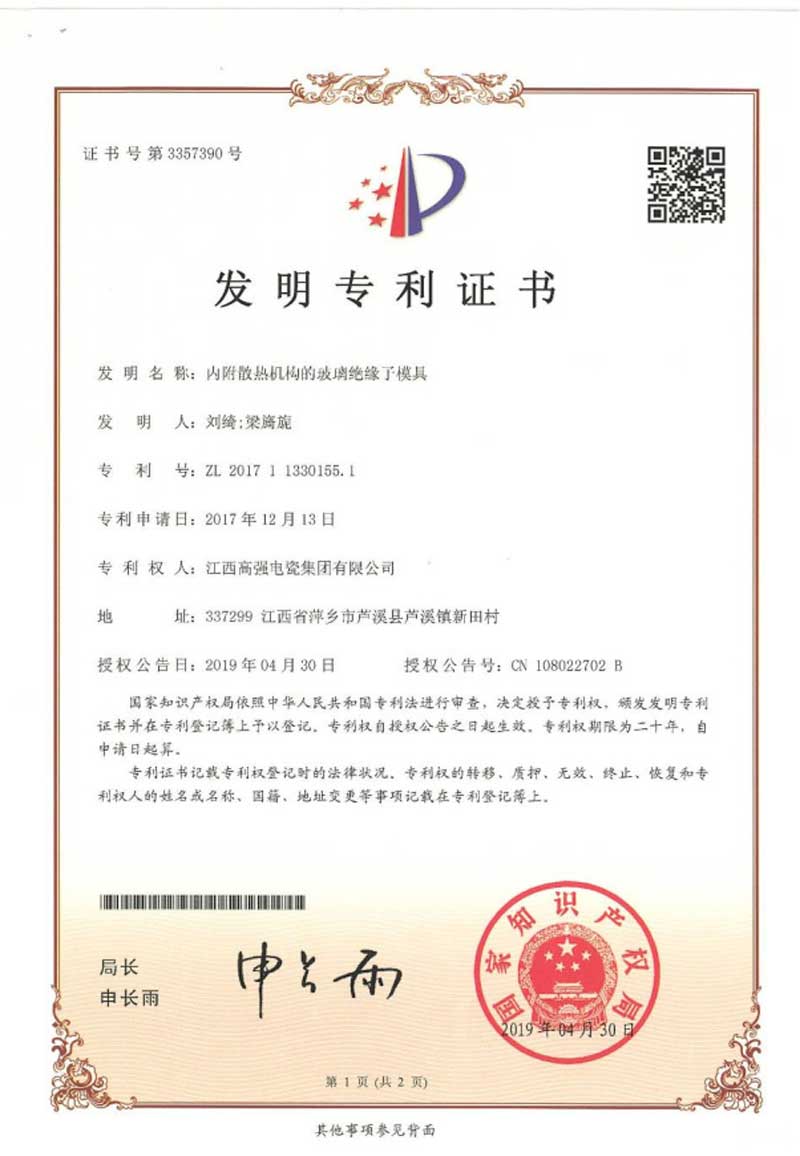
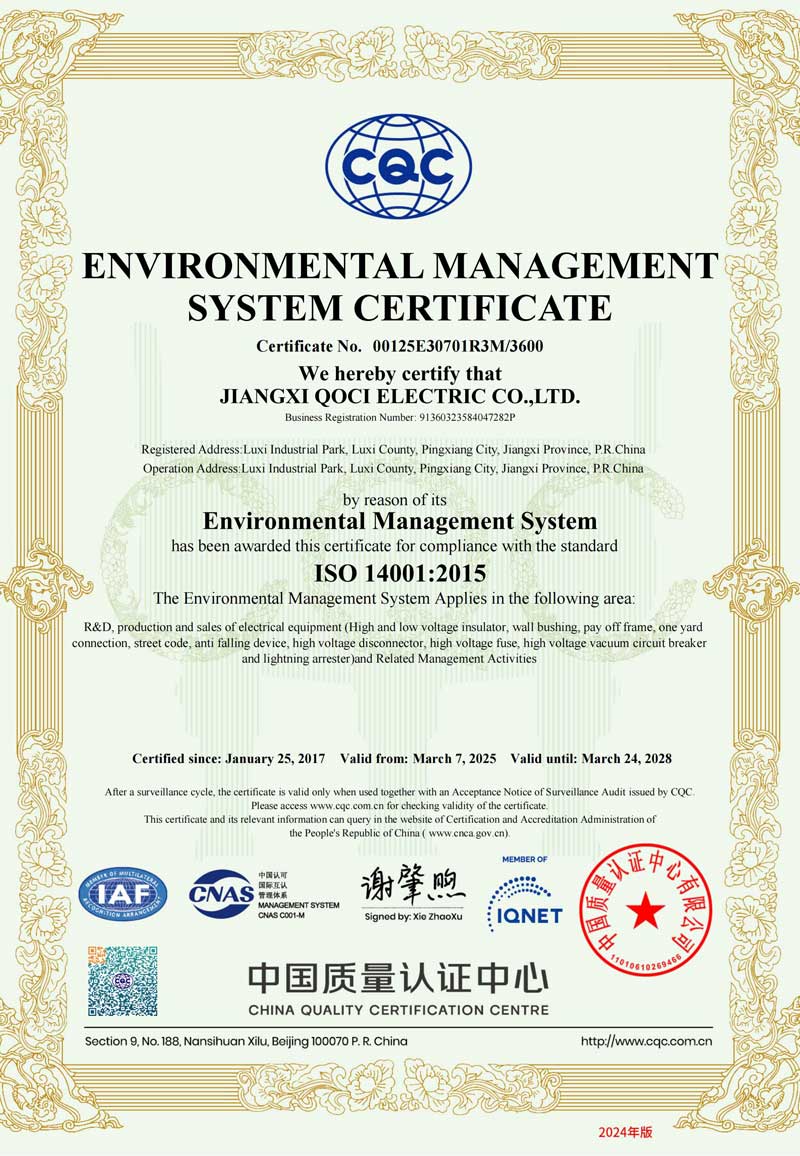
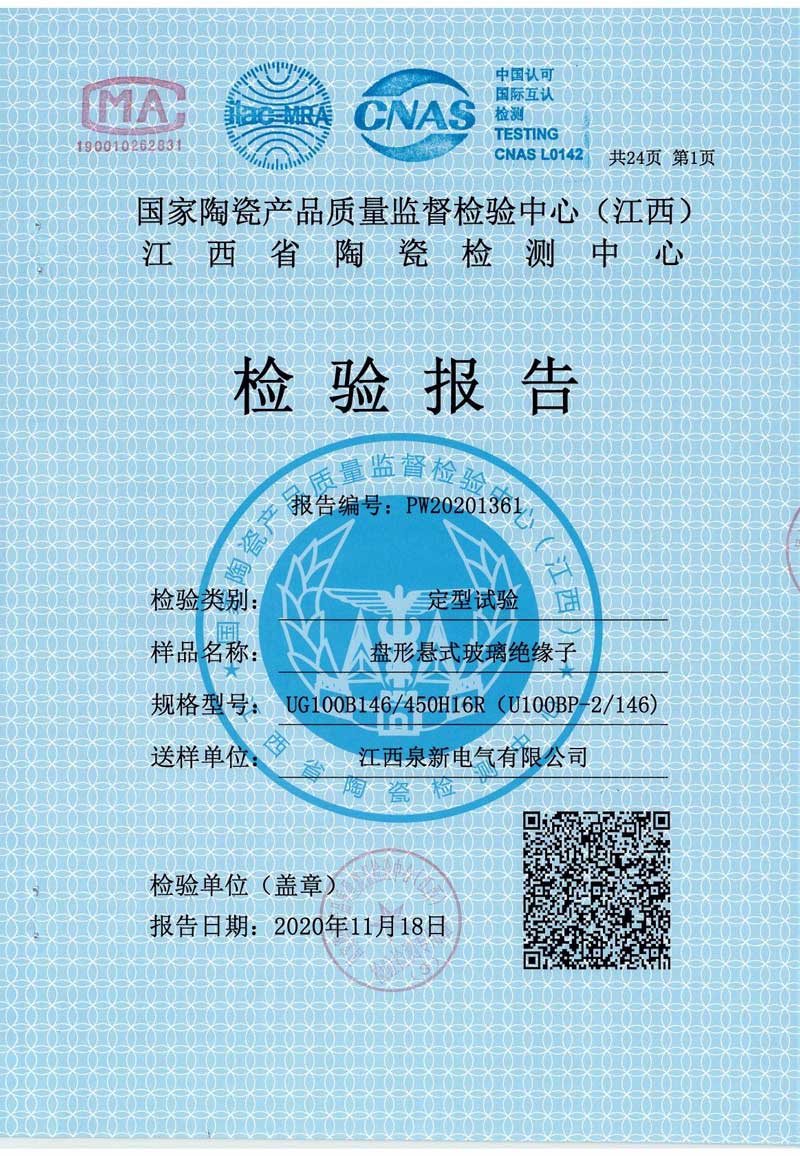
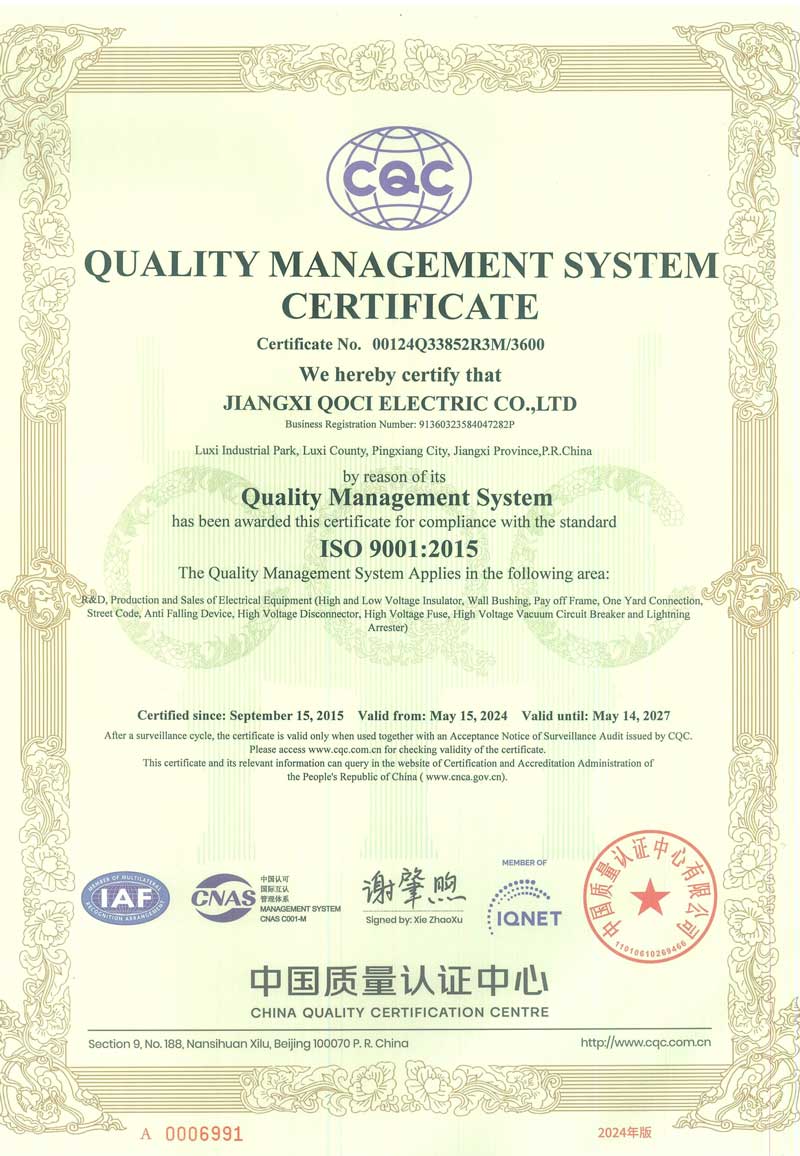
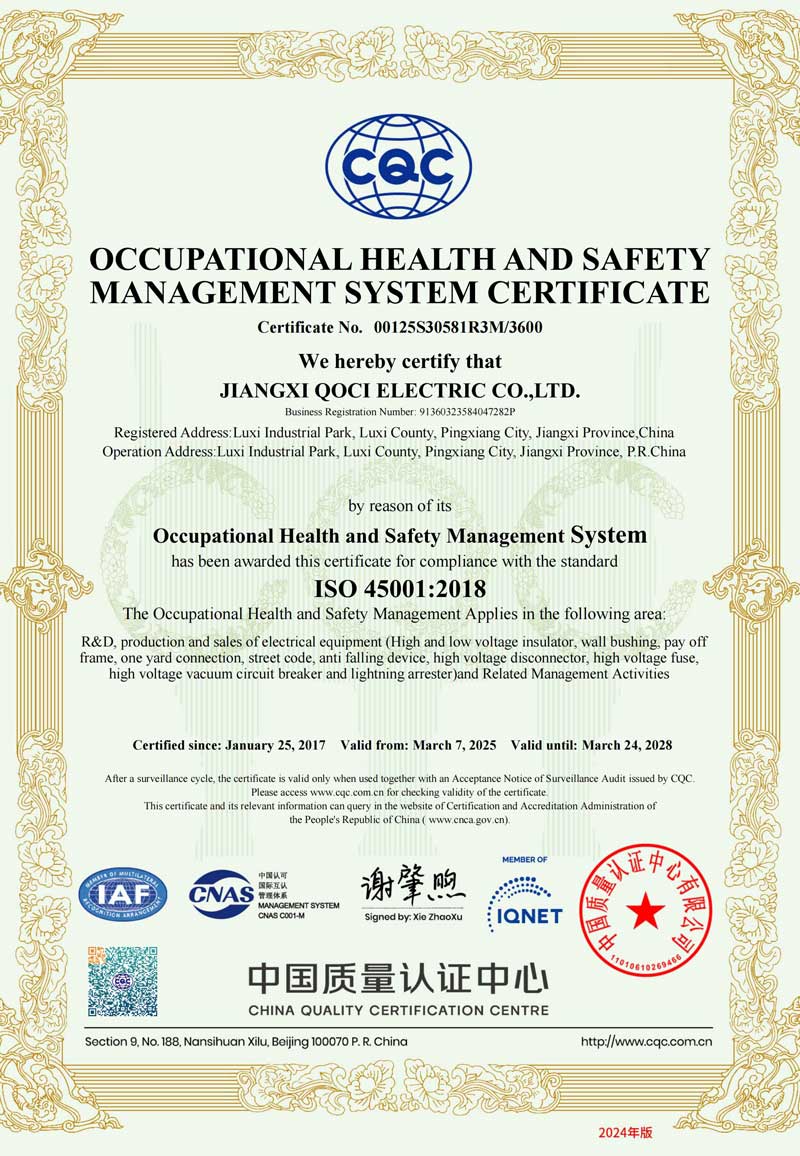
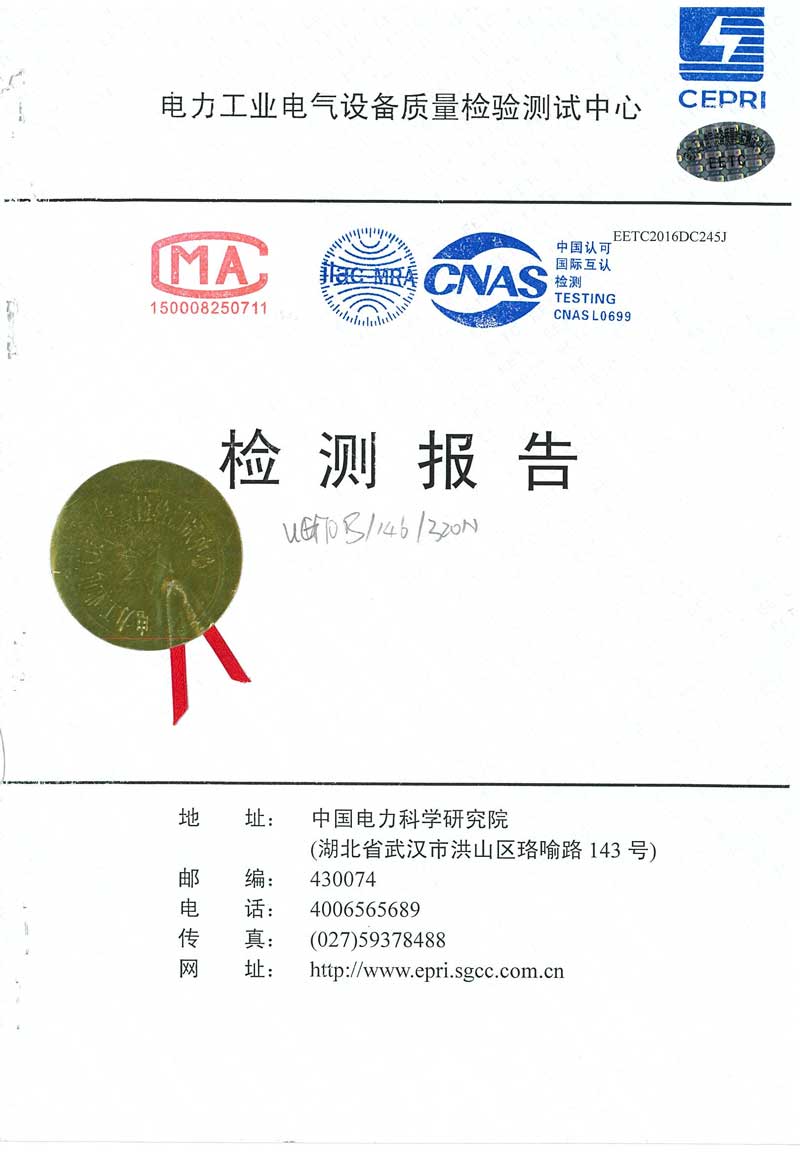
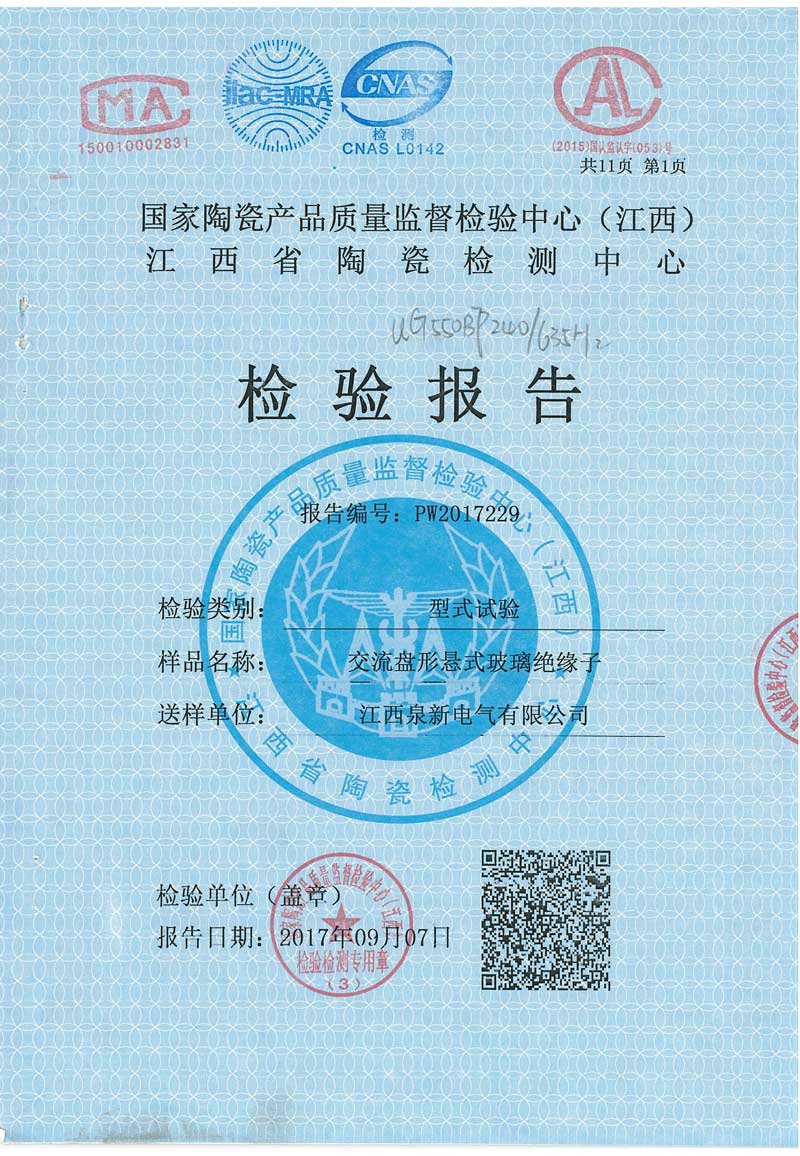
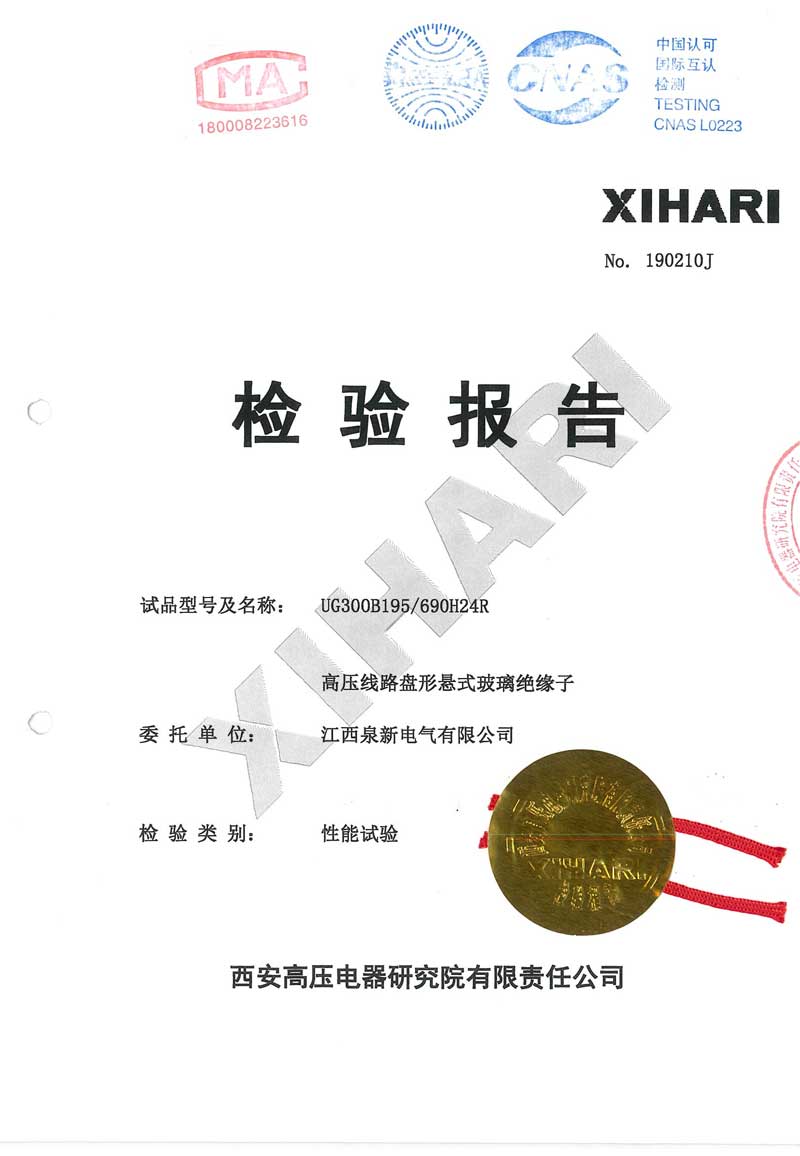
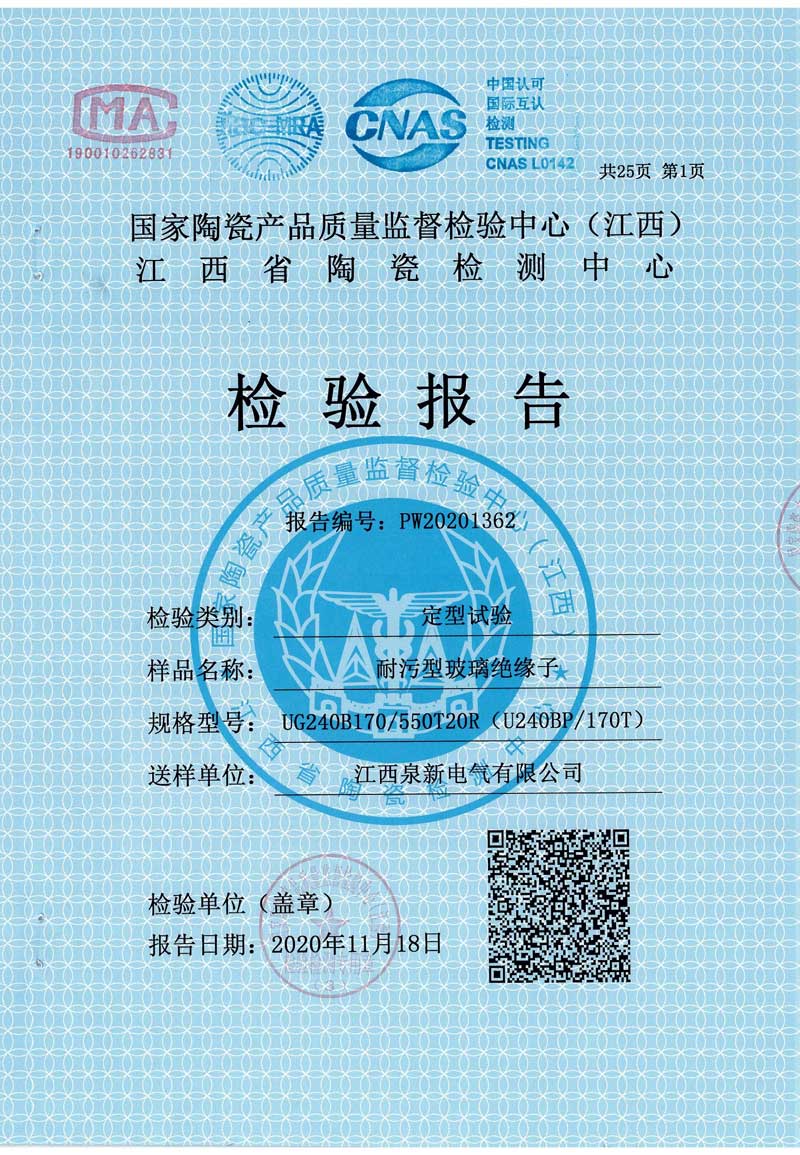
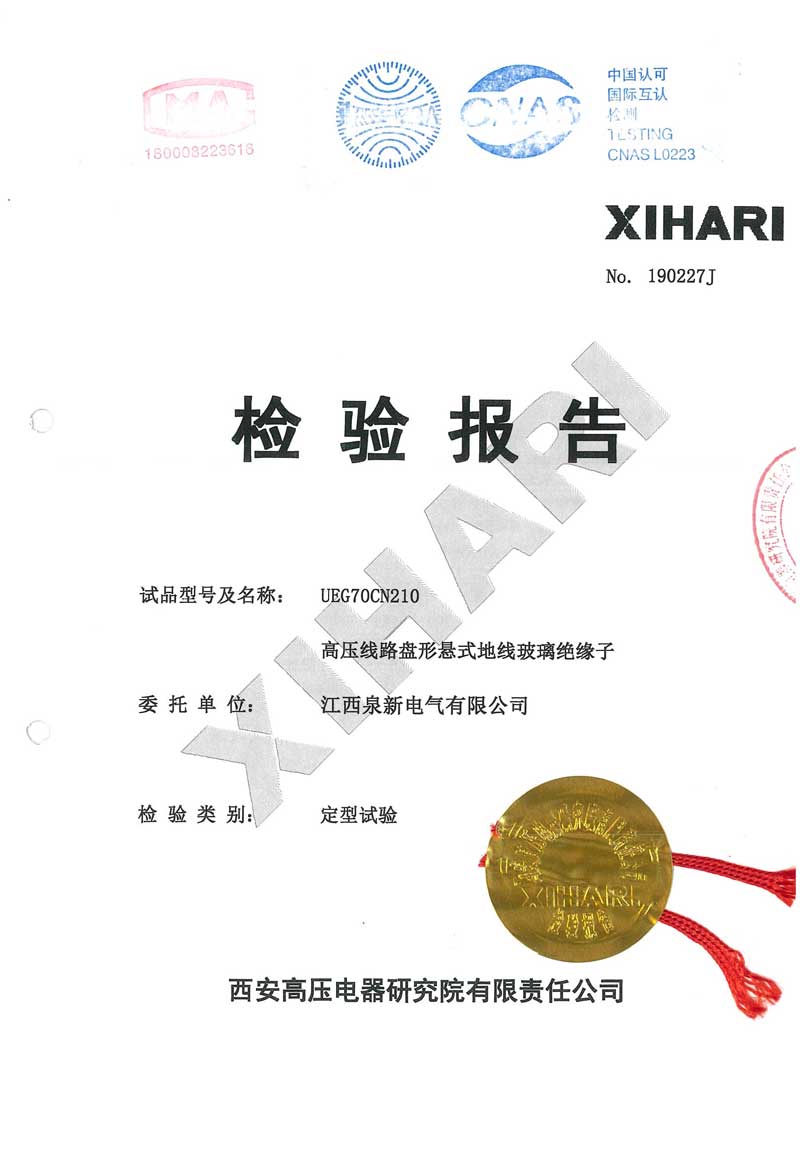
Our processes and products are certified to conform to international electrical grid standard requirements.
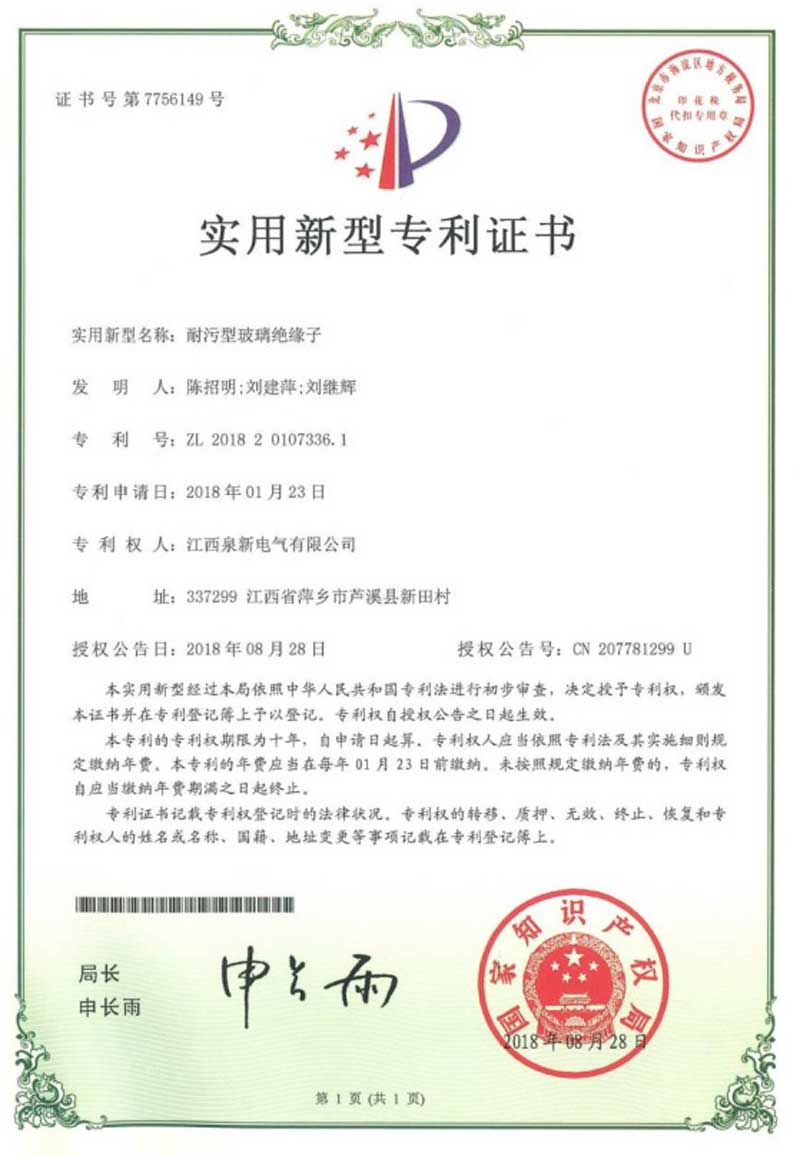
Advancements in material science enable more durable glass surfaces for modern high-performance grid networks.
Developing nano-textured coatings that mimic natural hydrophobic structures, helping to reduce soil accumulation on tempered surfaces in challenging atmospheric conditions.
Utilizing high-speed cooling arrays and automated imaging to optimize compressive stress distribution across the glass shell, raising thermal shock resistance.
Integrating oxygen-combustion furnaces and waste-heat recovery systems to reduce fuel usage and align with carbon-reduction targets.
Our high-strength glass components support utility grids and infrastructure developments globally. We focus on providing timely delivery and technical support to assist our clients in completing their projects on schedule.


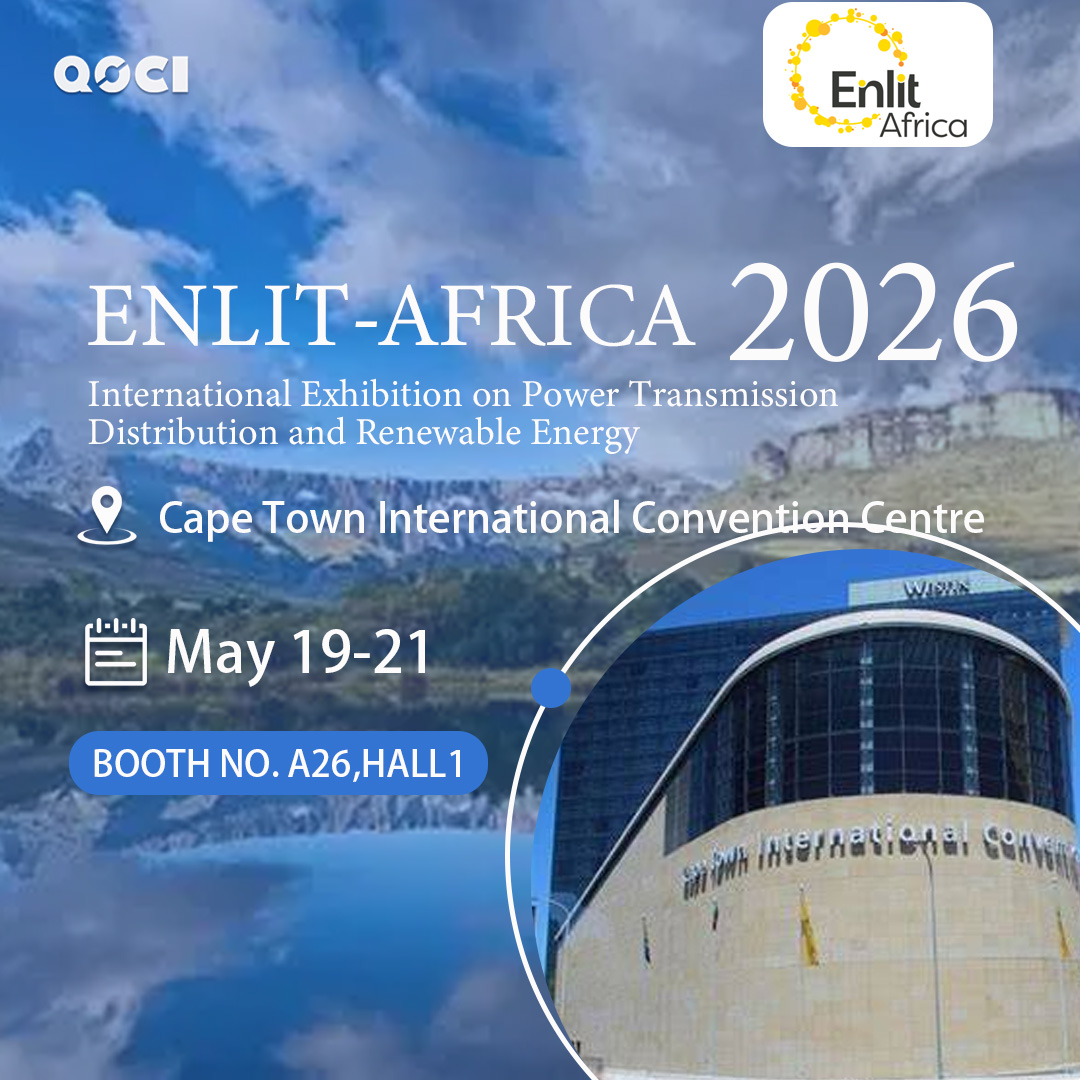
Showcasing high-strength tempered disc insulators and grid hardware solutions for African power grid modernization programs.
Common questions regarding the physical properties, testing standards, and selection criteria for high-strength tempered glass insulation materials.
Tempered glass provides excellent mechanical strength and reliable thermal performance. Unlike porcelain, a damaged glass insulator shell shatters in a controlled manner, making damaged units easy to identify visually from the ground. This helps reduce line inspection time and maintenance overhead.
Our products are designed and manufactured to comply with international standards such as IEC 60305, IEC 60383, ANSI C29.2, and BS 137. This testing covers dimension profiles, mechanical failing loads (ranging from 70kN up to 300kN), and electrical insulation properties.
Room Temperature Vulcanization (RTV) silicone coatings form a hydrophobic surface on the glass. This hydrophobicity prevents continuous water films from forming on the surface, reducing leakage currents and mitigating flashovers in high-pollution areas, such as near chemical plants or marine environments.
We supply disc insulators across a wide range of mechanical classes, including 70kN, 100kN, 120kN, 160kN, 240kN, and 300kN, to suit diverse system voltages and span lengths.
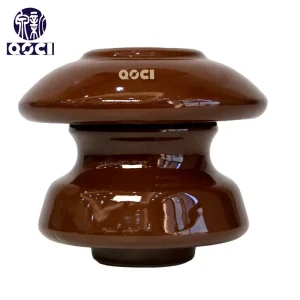
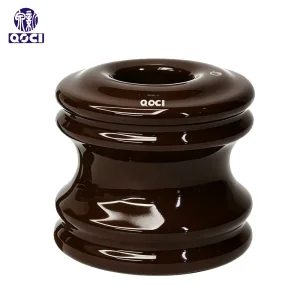
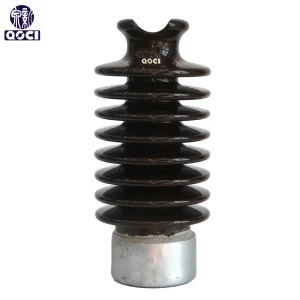
Explore additional models from our production facilities, built for high-performance sub-transmission and transmission lines.